Vermont Moose Lottery Application Deadline
Oh, the Vermont moose lottery! It's one of those dreams many of us Green Mountain State hunters carry, a chance at a truly once-in-a-lifetime experience. But let's be real, navigating the application process and, most importantly, remembering that crucial deadline can feel like trying to track a ghost in a blizzard. This guide is here to cut through the confusion and help you ensure your name is in the hat for a shot at a Vermont moose permit, focusing especially on that all-important application deadline.
Understanding Vermont's Moose Lottery System
For many, the mention of moose hunting in Vermont conjures images of vast, wild tracts of the Northeast Kingdom. It's a challenging, rewarding pursuit, but opportunities are incredibly limited. The Vermont Fish and Wildlife Department manages moose hunting through a tightly controlled lottery system, a necessary measure to balance hunting opportunities with the health and long-term viability of the moose population. This isn't like deer hunting, where you can buy an over-the-counter tag; getting a moose permit is a privilege, not a given.
Why a Lottery System Exists
Vermont's moose population, while still present, has faced significant challenges over the past few decades. Concerns primarily revolve around the impact of winter ticks, which can heavily infest moose, particularly calves, leading to severe health issues and even mortality. As a result, the number of permits issued each year is intentionally kept very low, primarily targeting specific Wildlife Management Units (WMUs) where population reduction is deemed most beneficial for herd health. It's a delicate balance, and the lottery system is designed to provide limited hunting opportunities while simultaneously serving as a critical tool for wildlife management. This approach directly contributes to the strategy outlined in Vermont's Winter-Tick-Driven Moose Permit Strategy.
The Limited Opportunity
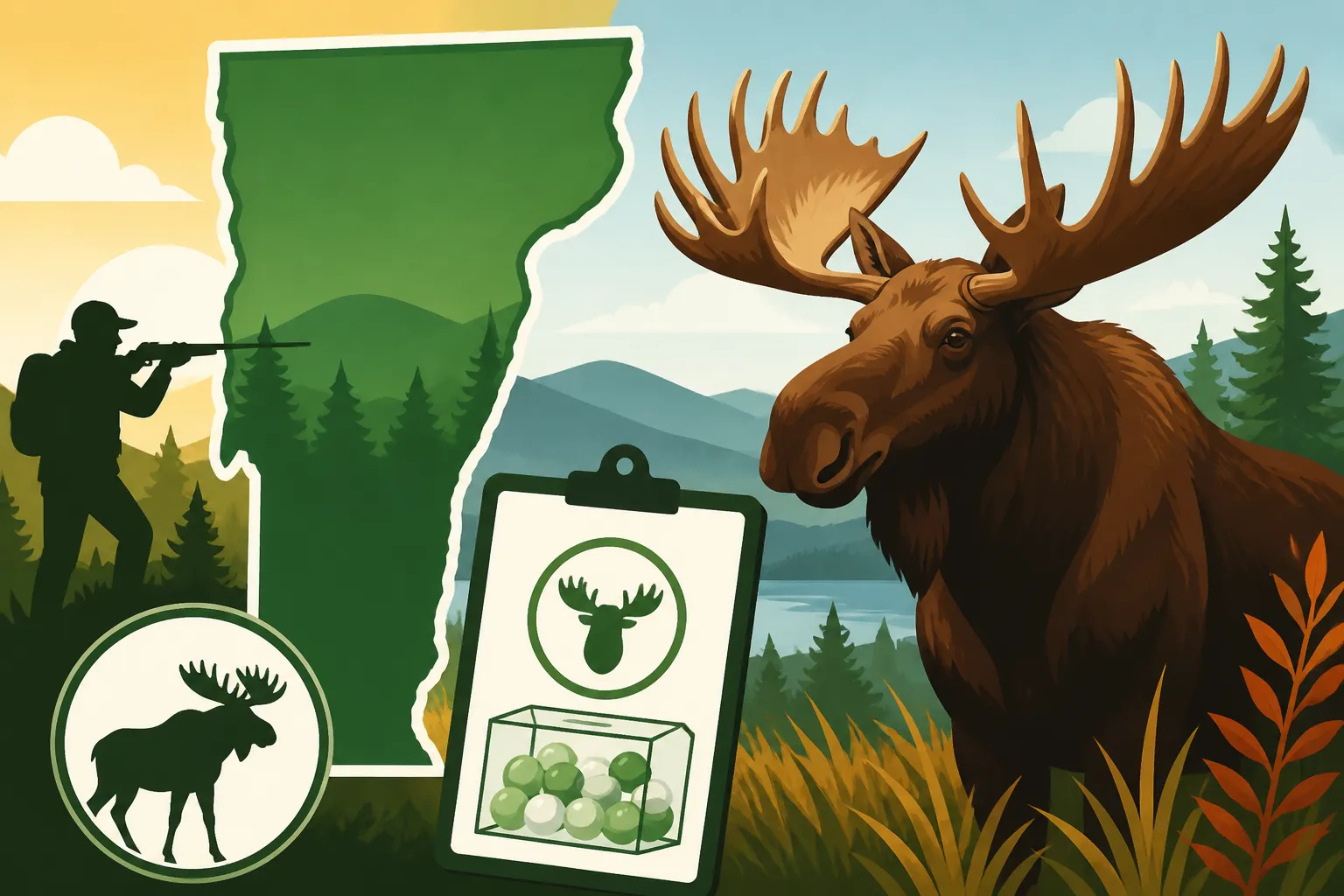
When you talk about a "once-in-a-lifetime" hunt, the Vermont moose lottery truly embodies that spirit. The number of permits is dramatically lower than in some other states, reflecting the state's conservation priorities. For instance, in 2024, only 85 permits are available, all designated for the Northeast Kingdom. This scarcity makes hitting that application deadline even more critical, as every single entry counts. If you're lucky enough to draw, you're not just getting a tag; you're becoming part of an important conservation effort and embarking on an unforgettable adventure in one of Vermont's wildest regions, truly a chance for Moose Hunting Vermont's Northeast Kingdom.
The All-Important Moose Lottery Application Deadline
Here's where the rubber meets the road. Missing the application deadline for the Vermont moose lottery isn't just a minor inconvenience; it means you're out of luck for the entire year. No second chances, no late entries. It's a hard stop, and countless hopeful hunters miss out every year simply because they let the date slip past.
Mark Your Calendars: The 2024 Deadline
For the 2024 Vermont moose lottery, the application deadline is firmly set for June 13, 2024. This date is crucial and non-negotiable. Whether you're a seasoned applicant or trying your luck for the first time, this is the date you absolutely cannot forget. The Vermont Fish and Wildlife Department is very clear: applications received after this time, regardless of the reason, will not be considered. It's a cut-and-dry situation, so planning ahead is paramount.
Common Pitfalls That Lead to Missed Deadlines
Life happens, right? But the lottery doesn't care if your internet went down, your dog ate your calendar, or you simply forgot. Here are some common reasons people miss the deadline and how you can avoid them:
- Procrastination: This is probably the number one culprit. We all think we'll get to it "tomorrow," and before you know it, tomorrow has turned into "too late." Set multiple reminders on your phone, put it on your kitchen calendar, tell your hunting buddies to remind you.
- Technical Glitches: Trying to apply at 11:58 PM on the deadline day is a recipe for disaster. What if the website crashes? What if your internet connection is spotty? What if your payment method gets declined? Give yourself ample time – apply at least a few days, or even a week, before the deadline.
- Incorrect Information: Rushing means mistakes. Make sure all your personal information, license numbers, and payment details are absolutely correct. A small error could invalidate your application or cause delays that push you past the deadline.
- Forgetting Renewals: Sometimes people assume their license details are still current. Always double-check your current hunting license status before you apply, as valid license information is required.
Don't let these preventable issues derail your moose hunting dreams. The application window typically opens in mid-May and runs for about a month, giving you plenty of time if you're proactive.
How to Apply for the Vermont Moose Lottery
Applying for a Vermont moose permit is a straightforward online process, but it requires attention to detail. It's not a complicated system, but rushing through it could lead to errors.
Step-by-Step Application Process
- Visit the Vermont Fish and Wildlife Department Website: Your first stop is always the official source. Navigate to their hunting license and permit section. This is where you'll find the portal for the Vermont Moose Lottery Application Process.
- Locate the Moose Lottery Application: Look for the specific link or section dedicated to the moose lottery. It will usually be clearly marked during the application period.
- Log In or Create an Account: If you've purchased a Vermont hunting license before, you'll likely have an existing account. If not, you'll need to create one. This typically involves providing basic personal information.
- Fill Out the Application Form: The form will ask for your personal details, hunting license number, and specific choices for the lottery. This might include selecting your preferred WMU (though for 2024, all permits are in the Northeast Kingdom, so the choice might be limited).
- Pay the Application Fee: There is a non-refundable application fee. For residents, the Vermont Moose Lottery Application Fee is usually around $10-25. Make sure your payment method is valid and has sufficient funds.
- Review and Submit: Before clicking that final "submit" button, double-check everything. Seriously, take a moment. Ensure all information is accurate. Once submitted, you should receive a confirmation email or a confirmation number. Keep this for your records.
Tools like GoHunt can be invaluable for staying informed about these application periods. While you'll apply directly through the state's portal, platforms like GoHunt often aggregate state regulations, application dates, and draw odds, helping you keep all your hunting season planning in one place. It can be a great way to ensure you don't miss important dates for not just moose, but other opportunities like Bowhunting Vermont's Expanded Archery Season or even Spring Turkey Hunting in Vermont.
Understanding Preference Points
Vermont's moose lottery incorporates a preference point system. This means that for every year you apply and are unsuccessful in drawing a permit, you accrue a preference point. The more points you have, the higher your chances are in subsequent drawings. This system is designed to reward persistent applicants. So, even if you don't draw this year, applying diligently builds your points for future years, making each application a worthwhile investment in your long-term moose hunting goals.
Key Dates Beyond the Application Deadline
The application deadline is just the first hurdle. For those who successfully get their names in the hat, there are other important dates to keep in mind.
The Drawing Date
Once the application window closes on June 13th, the anticipation builds. The Vermont Fish and Wildlife Department typically conducts the lottery drawing in early July. For 2024, the drawing is scheduled for July 10, 2024. This is the day when the dreams of many hopeful hunters are either dashed or, for a lucky few, ignited. Winners are usually notified directly, and results are often posted online shortly after the drawing.
Permit Costs and Acceptance
If you're one of the fortunate few to draw a permit, congratulations! However, the journey isn't over yet. There's a permit fee to pay to finalize your tag. The Vermont Moose Permit Cost If Drawn varies for residents and non-residents, so be prepared for that expense. For residents, it's typically around $100, while non-residents face a higher fee, usually in the range of $350. There's also usually a deadline to accept and pay for your permit. Missing this second payment deadline means forfeiting your drawn permit, which would be a heartbreaking mistake after all the anticipation!
The Hunting Season
The moose hunting season in Vermont is usually a short, intense affair, typically spanning a week in mid-October. For 2024, the season is scheduled for October 19-24. This timeframe is chosen to coincide with cooler weather, which is better for meat preservation, and often when moose activity is still relatively high before the deepest parts of the rut or the heaviest snows. Knowing these dates ahead of time allows you to plan vacation days, scout possible hunting areas, and make sure your gear is ready for this challenging hunt. You might even consider consulting resources like GoHunt to help with your pre-hunt scouting and planning for your drawn zone.
Here's a quick summary of the key dates for the 2024 Vermont Moose Lottery:
| Event | Date | Notes |
|---|---|---|
| Application Open | Mid-May 2024 | Generally opens around May 15th |
| Application Deadline | June 13, 2024 | Crucial – don't miss it! |
| Lottery Drawing | July 10, 2024 | Winners announced on this date |
| Permit Acceptance/Payment Due | Typically late July | Varies; check official notification for exact date. |
| Moose Hunting Season | Oct 19-24, 2024 | Designated week for permit holders to hunt in specific WMUs |
Why This Deadline Matters to Vermont's Moose Herd
It's easy to see the lottery deadline as just another date on a calendar, but its significance goes much deeper than simply processing applications. The entire structure of the Vermont moose lottery, from the limited permit numbers to the specific deadlines, is intricately tied to the health and management of the state's moose population.
Managing a Vulnerable Population
Vermont's moose population has seen fluctuations, with a notable decline from peak numbers in the late 1990s. This decline is largely attributed to the increasing prevalence and severity of winter tick infestations, exacerbated by shorter, warmer winters. These tiny parasites attach to moose in vast numbers, often causing significant blood loss, hair rubbing that leads to hypothermia, and weakened immune systems, particularly in calves. This issue is why the Vermont Fish and Wildlife Department actively monitors how many moose live in Vermont and adjusts permit numbers accordingly.
The lottery system, by carefully controlling harvest numbers, helps wildlife biologists manage the population in a targeted way. It allows for the removal of a small number of animals, which can help reduce overall population density in certain areas, thereby potentially lessening the impact of winter ticks. Every application and every permit issued is part of this larger conservation strategy.
Supporting Research and Conservation
The fees collected from applications and permit sales directly support the Vermont Fish and Wildlife Department's ongoing research and management efforts for moose and other wildlife. This funding goes towards studying tick loads, tracking moose movements, assessing habitat, and developing strategies to ensure the long-term health of the herd. When you apply, you're not just buying a ticket for a hunt; you're contributing to the conservation efforts that keep Vermont's wild spaces vibrant. It's an investment in the future of hunting and wildlife.
Disclaimer
Always consult the official Vermont Fish and Wildlife Department website for the most current and accurate regulations, dates, and application procedures. While every effort has been made to provide accurate information, regulations can change, and the state's official publications are the final authority.