Vermont Moose Lottery Drawing Date
Waiting anxiously for the results of any hunting lottery can feel like an eternity, especially when you've invested your hopes and application fee into the chance of a truly special hunt. For many hunters dreaming of a Vermont moose tag, that anticipation reaches a peak around a very specific time each year. This guide will walk you through everything you need to know about the Vermont Moose Lottery drawing date, what happens leading up to it, how you'll be notified, and what to do if you're one of the lucky few.
Understanding the Vermont Moose Lottery Drawing Date
The Vermont moose lottery is one of the most coveted drawings in the Northeast, offering a unique opportunity to pursue these magnificent animals. Knowing when the drawing occurs is crucial for managing your expectations and preparing for what comes next, whether that's celebrating a successful draw or planning for another year.
When to Expect the Big News
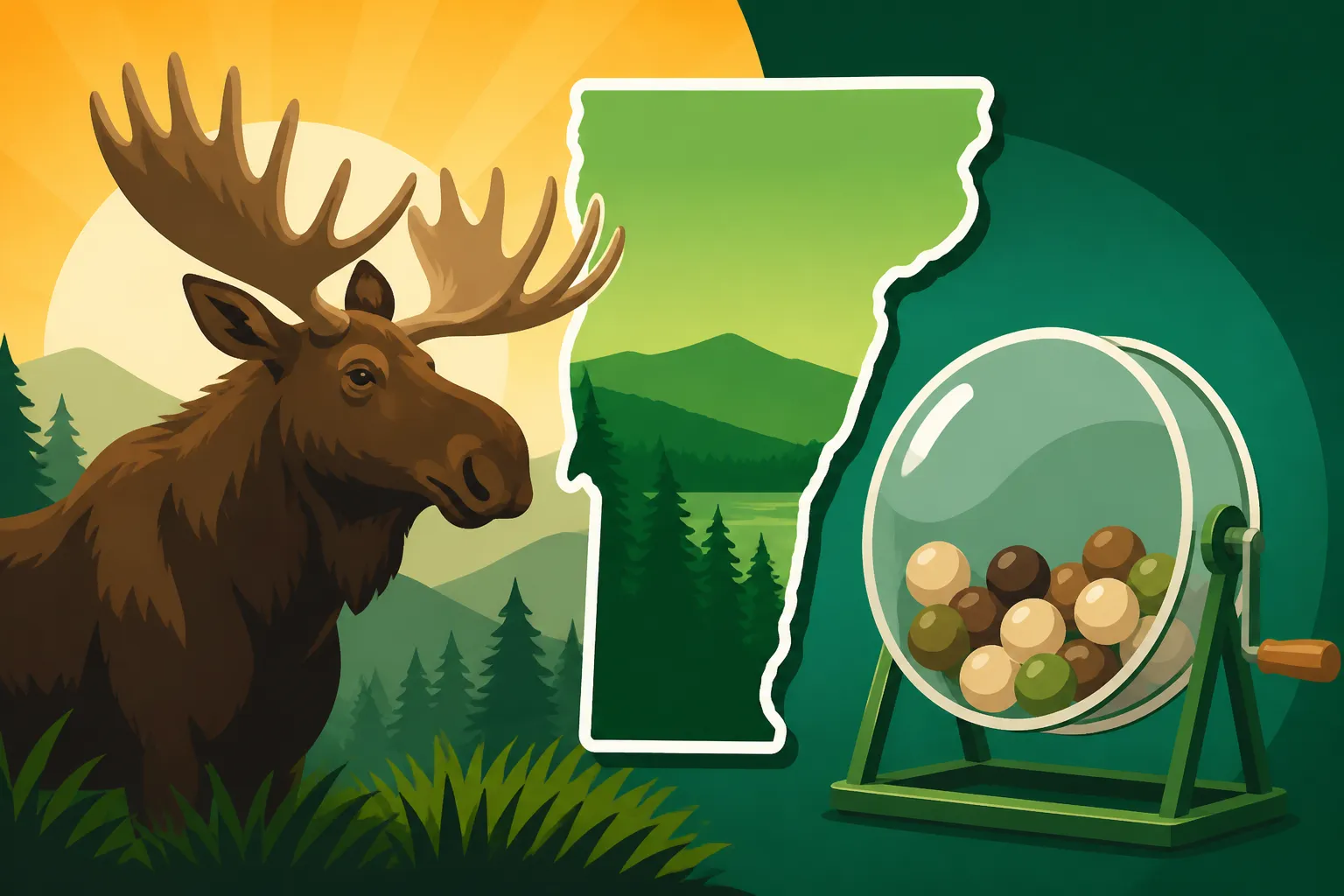
The Vermont Fish & Wildlife Department typically holds its annual moose lottery drawing in mid-June. For instance, in 2024, the highly anticipated Vermont Moose Lottery Drawing Date was on June 17th. This date usually follows a period of several weeks after the application deadline, giving the department time to process all the entries, ensure eligibility, and conduct the random draw. It’s a moment that many Vermont hunters mark on their calendars, often checking the Fish & Wildlife website or their mailboxes with bated breath. The drawing isn't some secretive backroom affair; it's a formalized process, often live-streamed or publicly announced, adding to the transparency and excitement. While the exact date might shift slightly year to year based on department scheduling, mid-June is a reliable timeframe to anticipate the results.
The wait can be agonizing. You've dreamt of a moose hunt, perhaps scouted areas, and now all that potential hinges on a random selection. It's natural to refresh your email inbox or keep an eye on official announcements, hoping your name will be among those called. This period of hopeful waiting is part of the experience for anyone applying for limited opportunity tags, and Vermont's moose lottery is no exception to that unique brand of hunter's anxiety.
The Importance of Deadlines Leading Up to the Drawing
Of course, you can't be in the drawing if you haven't applied! The drawing date itself is the culmination of a process that begins much earlier in the year. Prospective moose hunters must submit their applications and pay the associated fee well in advance. Typically, the application period for the Vermont moose lottery opens in the late winter or early spring, with a firm deadline usually set in early to mid-June. For 2024, the application deadline was June 10th. It's a critical window, and missing it means forfeiting your chance for that year.
The application itself is relatively straightforward, usually handled through the Vermont Fish & Wildlife online portal, making it accessible for both residents and nonresidents. There's a non-refundable application fee, which for 2024 was $25. This fee helps cover the administrative costs of running the lottery and managing the moose population. It’s absolutely essential to ensure all your information is accurate and submitted on time. Any errors or late submissions will lead to disqualification, and nobody wants to miss out on an opportunity because of a simple oversight. Many hunters, myself included, often set multiple reminders or use tools like GoHunt to track application windows across different states, ensuring they don't miss these crucial deadlines for dream hunts like the Vermont moose lottery. Taking the time to double-check every field before hitting submit can save a lot of heartache down the road.
What Happens After the Vermont Moose Lottery Drawing?
The drawing is done, but the journey isn't over yet! For the fortunate few, the next steps involve official notification and preparing for the hunt of a lifetime. For the majority, it means reflecting on what could have been and looking forward to next year's application.
Notification Methods and Timeline
Once the drawing takes place, the Vermont Fish & Wildlife Department moves quickly to notify successful applicants. Historically, winners have received official notification by certified mail, often within a week or two of the drawing date. This physical letter serves as the official confirmation of your success. In addition to mail, the department usually posts the results online on its official website, often listing the names of permit recipients by their last name and town of residence. This public listing allows hunters who may not have received their mail yet to check their status quickly.
If you don't receive a certified letter or see your name on the online list, it means you were not drawn for a permit that year. While disappointing, it's a common outcome given the limited number of tags available. The department does not typically send out "unsuccessful" notifications to every applicant, so the absence of a winning notification is your sign. The transparency in posting results publicly is a great way for hunters to quickly confirm their status without waiting for snail mail. For those living out of state, this online portal becomes an even more critical resource.
Securing Your Permit and Preparing for the Hunt
Being drawn in the Vermont moose lottery is just the first step; the next is securing your actual hunting permit. Successful applicants will have a designated period, typically a few weeks, to purchase their moose permit. This permit comes with an additional cost, which varies significantly between residents and nonresidents. For instance, in 2024, a Vermont resident moose permit cost $100, while a nonresident permit was $350. This fee must be paid within the specified timeframe, otherwise, the permit may be forfeited and offered to an alternate. You can find detailed breakdowns of these costs in resources like "Vermont Moose Permit Cost If Drawn."
Once you've paid for and received your permit, the real planning begins. A moose hunt in Vermont, particularly in the rugged Northeast Kingdom, requires considerable preparation. This isn't a walk-in-the-woods affair; it's a physically demanding hunt that often takes place in challenging terrain. You'll want to start by thoroughly researching your assigned Wildlife Management Unit (WMU) and understanding the specific regulations that apply to "Hunting a Drawn Moose Zone in the Northeast Kingdom." This includes season dates, legal methods of take, and any specific unit restrictions. Thinking about "Packing for a Northeast Kingdom Moose Hunt" is also crucial, from appropriate layering for unpredictable Vermont weather to essential gear for field dressing and meat extraction. Understanding the specific logistics of handling and transporting an animal as large as a moose – which can easily weigh over a thousand pounds – is vital. Thinking through how you'll manage "Field Dressing a Moose in the Northeast Kingdom" and getting it out of the woods should be part of your pre-hunt strategy.
The Purpose Behind Vermont's Moose Lottery
While the lottery is certainly about the individual hunter's dream, its existence is rooted in a much larger, more critical purpose: the scientific management and health of Vermont's moose population.
Moose Population Management in the Green Mountain State
Vermont's moose population, while healthy in certain areas, faces significant challenges. The lottery system is a direct result of the Vermont Fish & Wildlife Department's efforts to maintain a sustainable and healthy moose herd. Unlike deer, which have a higher reproductive rate and can often withstand higher hunting pressure, moose populations are more sensitive. The number of permits issued each year is carefully calculated based on population surveys, health assessments, habitat availability, and overall management goals. For a deeper dive into these figures, you might explore "How Many Moose Live in Vermont."
One of the most pressing issues affecting moose in Vermont and across the Northeast is the impact of the winter tick. These parasites can infest moose by the tens of thousands, leading to significant hair loss, emaciation, and even death, particularly in calves. Vermont's Fish & Wildlife Department has adopted "Vermont's Winter-Tick-Driven Moose Permit Strategy" in recent years, adjusting permit numbers—and often reducing them—in areas where tick burdens are high. This proactive management aims to reduce moose density in affected regions, thereby reducing the transmission and impact of winter ticks. It’s a challenging balance, but one necessary for the long-term health of the species. Understanding "Why Winter Ticks Threaten Vermont Moose" provides crucial context for why the lottery exists and why permit numbers fluctuate.
Permit Allocation and Regional Considerations
The allocation of moose permits isn't uniform across the state. Instead, permits are typically issued for specific WMUs, allowing the department to target hunting pressure where it's most needed for population management. For example, the Northeast Kingdom (WMUs E1 and E2) has historically seen the largest share of permits, primarily because this region traditionally supports the highest moose densities and, unfortunately, often the highest winter tick burdens. Conversely, other WMUs might receive very few, or even no permits, if their moose population is too low or needs protection.
The lottery also typically divides permits between residents and nonresidents, often with a significant majority reserved for Vermont residents. This reflects the state's interest in providing opportunities for its own citizens while still allowing limited access for out-of-state hunters. When applying, hunters often indicate their preferred WMUs, though the ultimate allocation rests with the department's management strategy for "Moose Hunting Vermont's Northeast Kingdom." The total number of permits available can change annually, directly reflecting the health and management needs of the herd. Knowing "Which WMU Vermont's 2026 Moose Permits Cover" can help you plan future applications based on current population trends and management goals.
Maximizing Your Chances and Future Applications
While the lottery is, by its very nature, a game of chance, there are ways to approach it smartly and prepare for success if your number comes up.
Strategies for Applying and Understanding Preference Points
Vermont's moose lottery is a true random draw; there is no preference point system. This means every eligible applicant, regardless of how many times they've applied in the past, has an equal chance of being drawn each year. This can be both frustrating for long-time applicants and encouraging for first-timers, as a new applicant has the same odds as someone who has applied for twenty years. You can learn more about this by reviewing information on the "Vermont Preference Point System Explained," which will confirm its absence for moose. This pure lottery system emphasizes that persistence is key—if you want a moose tag, you simply need to apply every year and hope for luck.
To maximize your effective chances, ensuring a flawless application is paramount. Double-check all personal details, payment information, and WMU selections. Don't wait until the last minute, as technical glitches or unforeseen circumstances could cause you to miss the deadline. Staying informed about the application period and any changes to the process is also crucial. The Vermont Fish & Wildlife Department website is your primary source, but hunting resource sites, including those linked from GoHunt, can also provide timely updates and reminders. Consider setting up calendar alerts for the application opening and closing dates so you never miss an opportunity to put your hat in the ring for "Applying for a Vermont Moose Permit."
Planning for a Successful Hunt After Drawing a Tag
Drawing a moose tag is a monumental achievement, a "What a Once-in-a-Lifetime Moose Tag Means" kind of moment. But the permit itself is just the beginning. The real work, and the real adventure, starts with preparation for the hunt. Start by thoroughly reading the permit conditions and all relevant hunting regulations provided by the Vermont Fish & Wildlife Department. Familiarize yourself with the season dates, legal shooting hours, and any specific rules for your assigned WMU.
Physical preparation is also key. Moose hunts often involve traversing challenging terrain, sometimes miles from the nearest road, to locate these elusive animals. Being in good physical condition will significantly enhance your experience and your chances of success. Scouting, if possible, is invaluable. Knowing the lay of the land, identifying potential travel corridors, feeding areas, and bedding sites will give you a significant advantage. Even if you can't scout the specific area beforehand, studying maps, aerial photos, and using tools like onX Hunt can provide critical insights. For those successful in the lottery, thinking about logistics for "Packing Out a Vermont Moose" is not something to leave until after the shot. You'll need a plan for quartering, cooling, and transporting hundreds of pounds of meat from potentially remote locations. Planning for this immense task will ensure that your once-in-a-lifetime hunt is not only successful but also safe and rewarding.
Disclaimer
Please note that hunting regulations, season dates, and permit costs can change annually. It is always the hunter's responsibility to consult the official Vermont Fish & Wildlife Department website or current hunting guide for the most up-to-date and accurate information before applying or heading afield.