Vermont Deer Farm Regulations
Navigating the nuanced world of deer farming in Vermont can feel like trying to track a ghost through a thick fog, especially with all the regulations designed to protect both farmed and wild deer. It's a complex area, often misunderstood, and this guide aims to pull back the curtain, offering a clear, empathetic look at Vermont's deer farm regulations and what they mean for anyone interested in or involved with captive cervids in the Green Mountain State.
The Unique Landscape of Deer Farming in Vermont
Here in Vermont, we cherish our wildlife, and that includes our robust population of white-tailed deer. The thought of any threat to their health, especially something as devastating as Chronic Wasting Disease (CWD), is a serious concern for hunters, conservationists, and the state's wildlife management agencies alike. This strong protective instinct deeply influences how Vermont approaches deer farming.
Why Vermont Takes a Cautious Approach
Let's be real, the specter of Chronic Wasting Disease (CWD) looms large in the minds of anyone involved in deer management across North America. This isn't just a concern; it's the primary driver behind Vermont's stringent deer farm regulations. We've been incredibly fortunate to remain CWD-free, and the state is determined to keep it that way. The thought of this fatal neurological disease spreading through our wild deer herds is terrifying, not just for the deer themselves, but for the ecological balance, the hunting traditions we hold so dear, and even the local economy that benefits from hunting tourism. Every regulation, every permit, every fence standard is designed with this singular goal in mind: to prevent CWD from ever taking root here. It's an uphill battle, especially when neighboring states or provinces might have different regulations, but Vermont is steadfast in its commitment.
Differentiating Wild Deer from Captive Cervids
For a lot of folks, a deer is a deer. But from a regulatory standpoint in Vermont, there's a world of difference between a wild whitetail browsing on a hillside and a deer behind a fence on a farm. The Vermont Fish & Wildlife Department is responsible for managing our wild deer population, overseeing seasons, bag limits, and population health. They're the ones we turn to for information on topics like the estimated deer population in Vermont or how Fish and Wildlife counts the deer herd.
However, when you start talking about "deer farms" or "captive cervid facilities," you're entering a different regulatory realm. These are animals kept in captivity, often for venison production, antler growing, or even breeding stock. While the species might be the same, the legal oversight shifts primarily to the Vermont Agency of Agriculture, Food & Markets (VAAFM), working hand-in-hand with Fish & Wildlife on disease prevention. These animals are essentially considered livestock, but with a unique set of health concerns that tie directly back to the potential impact on their wild cousins. It's a crucial distinction that underlines why the rules for owning and operating a deer farm are so specific and often quite strict compared to other livestock operations.
Key Regulations for Operating a Deer Farm in Vermont
So, you're thinking about starting a deer farm, or perhaps you've inherited one. It's not as simple as putting up a fence and calling it a day. Vermont has a detailed framework of regulations designed to ensure the health of these captive animals and, crucially, to safeguard the wild deer population from potential disease transmission.
Licensing and Permitting Requirements
This is usually where the journey begins, and it can feel like a maze of paperwork. If you intend to own or operate a captive cervid facility in Vermont, you'll need to obtain specific licenses and permits. This isn't just a formality; it's a critical step that allows the state to monitor these operations and enforce health standards. The primary agency you'll be dealing with is the Vermont Agency of Agriculture, Food & Markets (VAAFM), but their work is tightly integrated with the Vermont Fish & Wildlife Department, especially concerning disease prevention.
The application process typically involves a detailed proposal, site plans, and often an inspection of your facility to ensure it meets all the structural and health requirements before you even bring an animal onto the property. There are application fees, and these permits usually require annual renewal, keeping your operation accountable year after year. Think of it as a rigorous vetting process, designed to ensure that anyone entering the deer farming world understands and is committed to the high standards Vermont demands for protecting its wildlife.
Fencing and Containment Standards
If there's one area that often causes the most head-scratching and investment for deer farmers, it's fencing. The importance of secure containment cannot be overstated; it’s the physical barrier protecting your farmed deer from the wild ones and preventing any escapes that could lead to devastating consequences, like the spread of disease. Imagine the nightmare scenario: a valuable farmed deer, perhaps carrying an undetected illness, slips through a weak spot in the fence and mingles with a wild herd. That’s exactly what these regulations are trying to prevent.
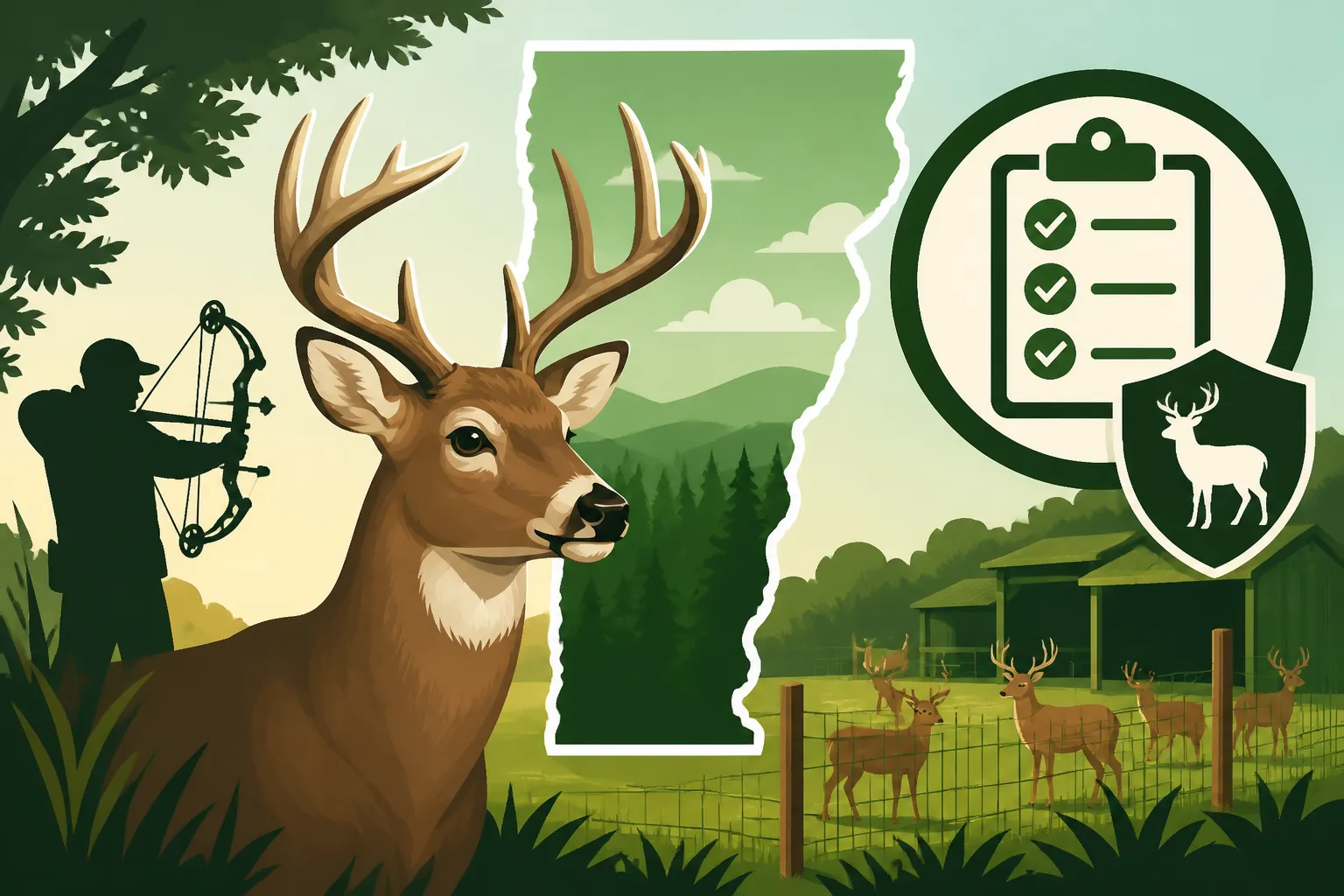
Vermont's regulations on captive cervid fencing are usually quite specific, often requiring a minimum height (typically 8 feet or more), specific mesh sizes, and durable materials capable of withstanding the rigors of Vermont weather and the strength of a deer. The fence needs to be robust enough to prevent both ingress (wild deer getting in) and egress (farmed deer getting out). Regular maintenance and inspections are mandatory to ensure integrity. This isn't just about keeping your investment safe; it’s a cornerstone of the state's disease prevention strategy. After all, a secure fence is your first and most vital line of defense against threats like CWD.
Animal Health and Disease Surveillance
Maintaining the health of your captive cervid herd is paramount, and Vermont has strict protocols in place to ensure ongoing animal welfare and, most importantly, disease surveillance. This is where the rubber meets the road in terms of CWD prevention.
All captive cervids are typically part of a mandatory CWD testing program. This includes pre-movement testing if you're bringing an animal onto your property from another facility (which, as we’ll discuss, is already incredibly difficult) and mandatory post-mortem testing for any deer that dies on your farm. This constant surveillance helps state veterinarians track the health status of individual animals and entire herds.
Regular veterinary inspections are also a standard requirement. These aren't just a quick check-up; they're thorough examinations designed to identify any signs of illness, assess the overall health of the herd, and ensure that biosecurity measures are being followed. Any new animals brought into the herd (again, very rare and heavily regulated) often face stringent quarantine protocols, where they are isolated and observed for a period to ensure they aren't harboring any diseases before being integrated. This meticulous approach to animal health is a critical component of Vermont's overall strategy to remain CWD-free, bolstering efforts like the broader Vermont's CWD surveillance program for wild deer. It's a continuous, vigilant process, reminding us that disease prevention is an ongoing commitment.
| Regulatory Area | Primary Agency | Key Considerations |
|---|---|---|
| Licensing/Permitting | VAAFM | Annual renewal, facility inspection, detailed application. |
| Fencing Standards | VAAFM | Minimum 8 ft height, durable materials, regular maintenance. |
| Animal Health & Testing | VAAFM / VFWD | CWD testing (pre-movement & post-mortem), vet inspections, quarantine. |
| Importation/Movement | VAAFM / VFWD | Strict CWD-free herd certification, health certificates, limited movements. |
| Disease Prevention | VAAFM / VFWD | Bioseosecurity protocols, carcass handling, no urine-based lures allowed. |
Importing and Exporting Captive Deer
The movement of captive cervids, whether across state lines or even within Vermont, is arguably the most tightly regulated aspect of deer farming. This is another area where the state's commitment to preventing CWD shines through, often making it exceptionally difficult to introduce new deer to a facility.
Strict Importation Rules to Prevent Disease
If you've ever thought about bringing a deer from another state into Vermont for your farm, you'll quickly realize how challenging that is. Vermont has some of the most stringent importation regulations in the nation, and for good reason. The risk of introducing CWD or other diseases from areas where it might be present is simply too high.
To even consider importing captive cervids, the source herd would need to meet incredibly high CWD-free certification standards, often requiring years of documented negative tests within a closed herd. Individual animals would typically need extensive health certificates and pre-movement testing. These rules are far from arbitrary; they're direct responses to the realities of disease spread. For example, knowing about Vermont's closest confirmed CWD case, which, thankfully, is still across the border, underscores the vigilance required. These regulations essentially create a protective bubble around Vermont, making it nearly impossible to import new animals, thereby minimizing a significant pathway for disease introduction.
Selling or Moving Deer Within Vermont
Even within the borders of the Green Mountain State, the movement of captive cervids from one farm to another or through a sale is heavily scrutinized. It's not a free-for-all, by any means. Just like with importation, the primary concern is maintaining the health integrity of all captive cervid herds and preventing any potential transmission of disease.
Any intra-state movement or sale of captive deer typically requires official documentation, including health certificates issued by a licensed veterinarian. This ensures that the animals being moved are healthy and come from a facility that has met all state health protocols. The Vermont Agency of Agriculture, Food & Markets often needs to be notified in advance of such movements, allowing them to track the location and health status of all captive cervids in the state. This meticulous tracking system is another layer of defense, making sure that if a health concern ever arises, the state can react quickly and contain it effectively.
The Impact on Wild Deer and Hunters
It's easy to look at deer farm regulations and think they only apply to a niche group of people, but the reality is that these rules have profound implications for everyone who cares about Vermont's outdoors, especially its wild deer and the hunting traditions that define much of our fall.
Protecting Vermont's Wild Deer Herd
At the heart of every single regulation regarding captive cervids is the unwavering commitment to protecting Vermont's wild deer herd. It's a core tenet of the Vermont Fish & Wildlife Department's mission, and it's a sentiment shared by virtually every hunter and conservationist in the state. The devastating impact that CWD has had in other regions — decimating deer populations, altering hunting seasons, and creating widespread uncertainty — is a constant reminder of what Vermont has to lose.
Should CWD ever be detected in Vermont, the consequences would be dire. We could see drastic changes to hunting seasons, strict limitations on carcass movement, and a long, arduous battle to manage the disease. That’s why proactive measures, including strict deer farm regulations and the ongoing Vermont Wildlife Disease Monitoring Program, are so critical. They are an investment in the future health of our deer and the longevity of our hunting heritage. When you see a healthy, thriving population of white-tailed deer across Vermont, remember that a lot of behind-the-scenes work, including these regulations, helps keep it that way.
What This Means for Hunters
As a hunter in Vermont, you might not interact directly with deer farms, but their regulations directly benefit you and the opportunities you enjoy in the field. Every measure taken to prevent disease in captive cervids is a safeguard for the wild deer you pursue. It’s a collective effort, even if you’re just focused on your next outing during Vermont's November Rifle Season or trying your hand at Bowhunting Vermont's Expanded Archery Season.
These regulations reinforce broader statewide efforts, like the absolute prohibition on importing deer carcasses into Vermont from CWD-positive areas, a regulation crucial for preventing the spread of the disease by hunters themselves. They also underscore the importance of rules like Vermont's rule against urine-based deer lures, which can also pose a CWD risk. When you head out with your Vermont hunting licenses and what they cost, you're investing in a system that is meticulously working to keep our wild deer healthy. The health of the deer you hunt depends on everyone doing their part, and strict deer farm regulations are a big part of that protective shield. It's all interconnected, and ultimately, it ensures that we continue to have healthy, huntable deer populations for generations to come.
Disclaimer
The information provided in this guide is for general informational purposes only and does not constitute legal advice. Regulations regarding deer farming and captive cervids in Vermont can be complex and subject to change. Always consult the official websites of the Vermont Agency of Agriculture, Food & Markets and the Vermont Fish & Wildlife Department, or contact them directly, for the most current and accurate regulations before making any decisions related to deer farming.