Bowhunting Vermont’s Expanded Archery Season
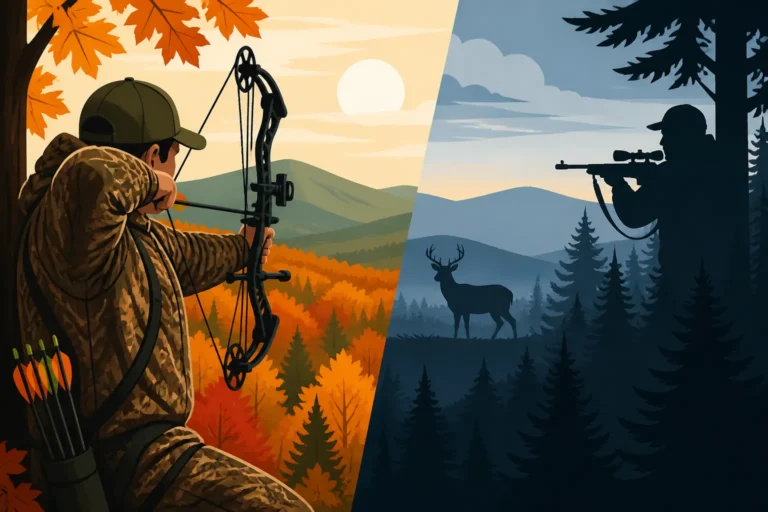
For many of us who live and breathe Vermont hunting, the wait for deer season can feel impossibly long. When September finally rolls around, offering the chance to hit the woods with a bow well before the traditional October opener, it’s a welcome relief. This guide is all about diving deep into Vermont's Expanded Archery Season, a unique opportunity that presents its own set of challenges and rewards, helping you understand the rules, strategize effectively, and fill your tag early.
Understanding Vermont's Expanded Archery Season
The Expanded Archery Season in Vermont is a special window that allows bowhunters to pursue deer in designated areas, primarily urban and suburban zones, beginning earlier than the statewide regular archery season. It's designed as a population control measure in areas where deer numbers are high but firearms hunting might not be suitable due to proximity to residences or other safety concerns. For hunters, it means an earlier start, often in warmer weather, and a chance to experience the woods when the foliage is still green and lush.
Dates and Locations for Expanded Archery
Unlike the broader statewide archery season, the Expanded Archery Season has specific dates and is limited to certain Wildlife Management Units (WMUs) and even more specific towns or portions of towns within those WMUs. This is crucial to understand, as hunting outside these designated areas during the expanded season is strictly prohibited. Historically, this season kicks off in early to mid-September, giving hunters a head start before the main October archery season. You absolutely must consult the Vermont Fish & Wildlife Department's official regulations booklet or their website to verify the exact When Vermont's Expanded Archery Season Opens and the precise boundaries of these expanded zones each year. These areas often include towns around population centers like Burlington, Rutland, and Montpelier, or other high-density deer areas.
Navigating these regulations can feel like deciphering ancient texts, but it's non-negotiable. Missing a boundary by a few yards could land you in serious trouble. Always double-check your maps, and consider using a reliable mapping app like GoHunt or onX to pinpoint your exact location within the designated expanded archery zones. These tools often have property line overlays and WMU boundaries built-in, which are invaluable for staying on the right side of the law. You’ll find that these zones are often a mosaic of private and public lands, sometimes right on the edge of residential developments, which means scouting and securing permission are even more vital than usual.
Permit Requirements and Special Tags
To participate in Vermont's Expanded Archery Season, you'll need a valid Vermont hunting license with an archery endorsement, just as you would for the regular archery season. However, what makes this season unique is the type of deer you're generally permitted to harvest. The Expanded Archery Season is typically focused on antlerless deer, meaning does or bucks with antlers less than three inches long. This is central to its purpose: managing deer populations. In some specific zones, an "any-deer" permit might be available, but this is less common and usually dependent on local population goals. It’s imperative to confirm the specific bag limits and antler restrictions for the exact zone you plan to hunt.
Often, hunters can purchase multiple antlerless permits for these expanded zones, allowing for a higher harvest opportunity. This is particularly attractive for those looking to stock their freezer or help local deer management efforts. Remember, each permit will typically specify the WMU it's valid for, so you can't just buy one and use it anywhere. The goal here is selective harvest in areas that need it most. Keep in mind that securing these permits is part of the upfront planning. Don’t wait until the last minute, as some permits might be limited or require specific applications. This is different from the statewide Vermont Archery Season Dates where you might only be allowed one buck and one antlerless deer (if an antlerless permit is issued for your WMU).
Target Species and Management Goals
While the primary target during Vermont's Expanded Archery Season is white-tailed deer, the management goal is predominantly focused on antlerless deer harvest. This isn't about trophy hunting; it's about population control in areas where deer numbers often lead to increased vehicle collisions, agricultural damage, and landscape alteration from over-browsing. In these zones, deer can become quite accustomed to human presence, offering unique hunting challenges and opportunities.
Understanding this management philosophy can help you frame your hunting approach. You're not just out for a walk in the woods; you're actively contributing to healthy ecosystem management. This means being less fixated on antler size and more on ethical harvest and filling those antlerless tags. These deer, while sometimes smaller due to higher densities, still provide excellent venison. It’s a chance to put food on the table, enjoy the early fall woods, and help the state manage its robust deer herd.
Key Differences from Regular Archery Season
The Expanded Archery Season might involve a bow and arrow, but it's distinct from the general statewide archery season in several critical ways. These differences impact everything from what you can harvest to how you need to approach your hunt, demanding a different mindset and strategy. Don't assume your regular archery tactics will translate perfectly.
Antlerless Opportunities and Bag Limits
One of the most significant distinctions of the Expanded Archery Season is its strong emphasis on antlerless deer. As mentioned, many of these zones are antlerless-only, or offer plentiful antlerless permits, making it a prime opportunity to harvest does. This contrasts sharply with the statewide regular archery season where buck harvest is often a primary focus, and antlerless permits can be scarce or non-existent in certain WMUs, or you might be limited to a single antlerless deer. This is also where Vermont's rule change allowing Vermont's Rule Change Allowing a Second Antlerless Permit can really come into play if you're in an eligible WMU.
The ability to take multiple antlerless deer in these expanded zones is a game-changer for many hunters. It allows for a more generous harvest, which is excellent for filling the freezer and for contributing significantly to local deer management efforts. This focus also means you might encounter less competition for prime buck sign and more opportunities to observe general deer movement patterns, which can be invaluable even if you're not targeting a specific buck. It encourages a different type of scouting, looking for well-used trails, feeding areas, and bedding cover that any deer, not just a mature buck, would frequent.
Weapon and Equipment Restrictions
While it's all "bowhunting," the Expanded Archery Season aligns with the general rules for archery equipment in Vermont. This means you'll be using traditional bows, compound bows, or crossbows. If you choose to hunt with a crossbow, remember that Vermont Crossbow Equipment Rules are specific and require proper licensing or a permit. There are no firearm allowances during this period, keeping the season true to its archery designation, even in its expanded timeframe.
This means leaving the rifle at home, even if you’re hunting during Hunting a Bow During the Rifle Season Overlap later in the year. The quiet nature of archery hunting is particularly important in these often more populated expanded zones, minimizing disturbance to residents and other recreational users. It requires a commitment to close-range hunting and precise shot placement. Ensure your bow is tuned, your broadheads are sharp, and you’ve practiced extensively before heading into the field. This isn't the time for guesswork; it's the time for ethical, responsible hunting with silent equipment.
Hunter Pressure and Public Perception
Hunting in or near urban and suburban areas during the Expanded Archery Season often means dealing with different kinds of hunter pressure and public perception challenges. Unlike the deep woods of the Green Mountain National Forest, you might be sharing the landscape with hikers, dog walkers, and curious residents. This means being hyper-aware of your surroundings, practicing utmost discretion, and maintaining a positive image for hunters. Hunter orange requirements might not be in full effect during this early archery season, but always double-check current regulations.
You'll encounter different challenges than you would Still-Hunting Green Mountain National Forest Timber. The deer themselves in these areas can be surprisingly calm around human activity, but they’re not necessarily less intelligent. They’ve simply adapted to different pressures. This often translates to deer moving during specific times or using cover right next to houses that you might not expect. Managing this pressure, both from other hunters (though often less intense than rifle season) and from non-hunting public, requires a patient, respectful, and adaptable approach. Sometimes, the best spots are those tiny, overlooked woodlots between housing developments or behind industrial parks.
Choosing Your Hunting Grounds
Successfully bowhunting Vermont's Expanded Archery Season hinges heavily on your ability to secure and understand your hunting grounds. The unique nature of these zones means traditional public land strategies might need an adjustment, and private land access becomes even more valuable.
Public Land Opportunities in Expanded Zones
While much of Vermont's hunting lore revolves around vast wilderness, many expanded archery zones are in more developed areas. Don't write off public land entirely, but understand it might look different. Think small, overlooked pockets: town forests, state parks with specific hunting allocations, utility corridors, or small WMAs that abut developed areas. These aren't always the sprawling tracts you find elsewhere, but they can hold surprising numbers of deer. Websites like GoHunt or the Vermont Fish & Wildlife Department's interactive map are excellent resources for identifying these smaller, often fragmented public parcels.
When you do find public land, expect it to be well-used, not just by hunters. Weekends will likely see more foot traffic. Your strategy here needs to focus on finding pockets of cover and food that others overlook or deem too small. Scouting Vermont Public Land Before Season is critical. Look for areas adjacent to private lands where deer might feel safer, or sections that are difficult to access, requiring a long walk or crossing tricky terrain. Remember, even a 5-acre woodlot can hold deer if it offers adequate food, water, and bedding cover, especially if it’s buffered by "no hunting" zones that serve as natural refuges.
Securing Private Land Access
In the Expanded Archery Zones, private land can be the holy grail. Deer in these areas often live right alongside people, feeding on garden plants, agricultural crops, and ornamental landscaping. Gaining permission to hunt these private parcels can offer incredible opportunities, often with less competition than public land. The key, however, is asking permission correctly and respectfully. Start early, well before the season. Knock on doors, introduce yourself, and clearly explain your intentions and adherence to all regulations. Many landowners are receptive, especially if they're experiencing deer damage to their property.
When asking for permission, offer to help with chores, share venison, or simply be a good steward of their land. Emphasize your commitment to safety, only taking ethical shots, and being discreet. Explain that you're an archery hunter, which is inherently quieter and less disruptive than firearm hunting. A small, often-overlooked woodlot or a field edge on a farm in a suburban setting could be a goldmine. For instance, Hunting a Champlain Valley Dairy Farm Edge often means finding deer moving between bedding cover and prime feeding areas. Always get permission in writing if possible, detailing the dates and specific areas you're allowed to hunt. Building a relationship with a landowner is a long-term investment that can pay dividends for years to come.
Scouting Before the Season Opens
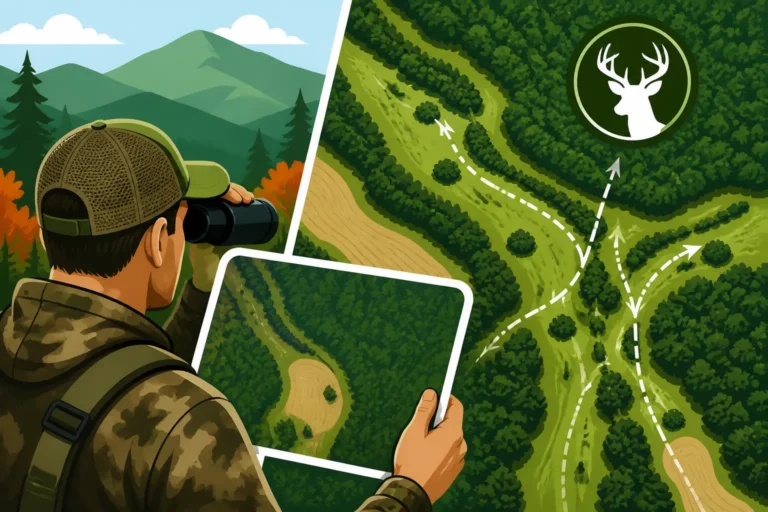
Early season scouting for expanded archery is paramount. Deer patterns change with the seasons, and what they do in November is very different from September. Focus on identifying early season food sources like lush green browse, early mast crops (like apples or acorns if they’ve started dropping), and agricultural fields. Pay attention to water sources, especially during warmer September days, as deer will need to drink more frequently. Reading Aerial Photos for Green Mountain Deer can give you a significant advantage, allowing you to identify potential travel corridors, bedding thickets, and pinch points from the comfort of your home.
Look for fresh sign: tracks, droppings, and rubs or scrapes, though intense rutting activity won't be present yet. Focus on trails leading to and from suspected bedding areas to food sources. Given the often-fragmented nature of these zones, deer might travel surprisingly long distances through small corridors. Identifying these funnels is crucial. Using trail cameras can be highly effective in confirming deer presence and patterns, but be mindful of local regulations on public land and always ask for permission on private land. This pre-season intel will inform your stand placement and hunting strategy immensely.
Essential Gear for Expanded Archery
Hunting in early to mid-September brings unique gear considerations, especially when compared to the colder rifle or late-archery seasons. You’ll be dealing with warmer temperatures, potentially more insects, and still-dense foliage. Your gear choices need to reflect these conditions to ensure comfort, stealth, and effectiveness.
Bow and Arrow Setup
Your bow setup for expanded archery season should be precise and well-tuned for close-range shots. Most shots during this season, especially in thicker cover and smaller parcels, will be within 30 yards. A well-tuned compound bow or traditional bow with broadheads you've consistently practiced with is essential. Mechanical broadheads are popular for their flight characteristics, but fixed-blade broadheads offer reliable penetration without moving parts, which can be advantageous in early season conditions if they're flying true with your setup. Ensure your arrows are matched to your bow's draw weight and length for optimal performance.
Beyond the bow itself, think about accessories. A good stabilizer can improve accuracy, and a reliable sight with clear pins is crucial for quick target acquisition. Consider a quiet arrow rest that won't make noise when you draw back. And perhaps most importantly, make sure your peep sight is aligned perfectly and doesn't get fogged up by morning dew or sweat. This is about absolute confidence in your equipment when that moment of truth arrives. A solid Best Broadhead for a Vermont Whitetail choice is critical, ensuring clean, ethical harvests.
Clothing and Layering for Early Season
Vermont's September weather can be notoriously unpredictable. While it might start cool, temperatures can soar into the 70s or even 80s by midday, often accompanied by high humidity. Layering is key, but with a focus on moisture-wicking and breathable materials. Forget the heavy insulation; think lightweight base layers that pull sweat away from your skin, and a light outer layer for concealment and protection from brush. Merino wool or synthetic blends are excellent choices. You'll want to avoid cotton, as it retains moisture and can make you feel clammy and uncomfortable.
Since you're dealing with potentially warmer weather, managing scent becomes an even bigger challenge. Sweating profusely can quickly compromise your scent control. Opt for clothing specifically designed for scent management, and remember that Layering for Vermont's Long Hunting Season starts here, but with a different focus than later in the year. Choose camouflage patterns that blend well with the still-green, leafy environment, rather than the brown and grey patterns suited for late fall. A light rain jacket is also a must, as early fall thunderstorms can pop up quickly.
Optics, Mapping, and Essential Tools
While you might not need a high-powered spotting scope for expansive terrain, a good pair of binoculars (8×42 or 10×42) is invaluable for glassing dense cover, identifying deer, and confirming antler characteristics (if applicable). A rangefinder is non-negotiable for archery hunting, helping you precisely measure distances to your target and avoid misjudging yardage in unfamiliar terrain. Given the often fragmented nature of expanded zones, a reliable GPS unit or a smartphone with a mapping app like GoHunt or onX is absolutely essential. These apps help you stay within legal boundaries, mark deer sign, and navigate back to your vehicle in the dark.
Beyond optics and navigation, don't forget the small but mighty tools. A sharp knife for field dressing, game bags to protect the meat, a headlamp for pre-dawn walks or post-sunset retrieves, and plenty of water are all crucial. Insect repellent (thermacell can be a lifesaver) is a must-have in September when mosquitoes and ticks are still active. Consider a small first-aid kit as well. Being prepared for everything ensures a more comfortable and safer hunt.
Bowhunting Strategies for Early Season Success
Early season bowhunting during the expanded archery window demands specific strategies. The deer are still largely on summer patterns, often focused on food, and the environment is lush and dense. Your approach needs to capitalize on these factors while mitigating the challenges.
Early Season Food Sources and Patterns
In September, deer are often highly patterned around specific food sources. Lush green browse, agricultural fields (corn, alfalfa, soybeans), and early dropping mast crops like apples and soft mast are prime targets. Unlike the rut, where deer are actively seeking mates, in early September, their primary driver is food and security. This makes finding these consistent food sources a critical first step. Hunting a Standing Apple Orchard or a clover plot at first light can be incredibly productive.
Scout for well-used trails leading into and out of these areas, especially those that provide easy access from dense bedding cover. Deer will often bed close to their preferred food sources, making their movements predictable during low-light hours. Focus your hunting efforts around dawn and dusk, when deer are most active in these feeding zones. During the middle of the day, they will likely be bedded down in thick security cover. Understanding this daily routine is paramount for successful early season bowhunting.
Scent Control and Stealth in Warm Weather
Managing your scent is always critical in bowhunting, but it's even more challenging in the warmer temperatures of early September. Increased body heat means increased sweating, and that human odor can quickly travel. A rigorous scent control regimen is non-negotiable: showering with scent-free soap, washing hunting clothes in scent-free detergent, and storing them in airtight containers. Dressing away from your vehicle and using scent-eliminating sprays on your outer layers can also help.
Beyond chemical scent control, consider natural tactics. Play the wind meticulously. In Vermont's hilly terrain, Wind and Thermals in Steep Green Mountain Terrain can be tricky. Warm air rises and cool air falls, especially in the mornings and evenings. Position yourself so your scent is carried away from the expected deer travel paths. Move slowly and quietly through the woods, minimizing noise and visual disturbance. Every rustle of leaves, every snapped twig, can alert a wary deer. This is where truly silent clothing and equipment pay dividends.
Stand Placement and Ground Blind Tactics
For early season bowhunting, your stand placement should be directly related to the identified food sources and travel corridors. Look for natural funnels like saddles, creek crossings, or pinch points between thick cover and feeding areas. Consider treestands for elevated concealment, especially if you have mature trees available. Position your stand downwind or crosswind of the expected deer movement, ideally with cover behind you to break up your silhouette. Ensure your shooting lanes are clear for ethical, close-range shots.
If treestands aren't an option, or if the cover is particularly thick, Using a Ground Blind on Public Land can be highly effective. Modern ground blinds offer excellent concealment and help contain scent. Brush them in naturally with local vegetation to help them blend into the environment. When using a ground blind, ensure you have shooting lanes in multiple directions, as deer can approach from anywhere. Both treestands and ground blinds require careful entry and exit routes that minimize disturbance, especially in these often-smaller, more pressured hunting areas.
Field Care and Reporting Your Harvest
Taking down a deer with a bow in early September is a rewarding experience, but the work isn't over. Proper field care is paramount, especially with potentially warmer temperatures, and reporting your harvest is a legal requirement in Vermont.
Immediate Field Care for Early Season Heat
Harvesting a deer in September means dealing with warmer temperatures, which can quickly spoil meat if not handled correctly. Your absolute first priority after a successful shot is to recover the animal swiftly and begin field dressing immediately. Get the deer gutted as quickly as possible to allow the body heat to dissipate. Removing the internal organs is the single most important step in preventing spoilage.
If you have a long drag ahead, consider quartering the deer in the field, especially if it's a larger animal. This can significantly reduce the weight and make transport easier. Place the meat in breathable game bags, keeping it off the ground and out of direct sunlight. If temperatures are high, bringing a cooler with ice to the field for immediate meat cooling might be a worthwhile investment, especially if you're far from home or a processing facility. While Field Dressing a Deer in Cold Weather is a different challenge, the principles of quick, clean work are the same, just with an added urgency in the heat.
Transporting Your Deer
Once field dressed, you need to transport your deer legally and efficiently. If you're hunting private land with vehicle access, this might be as simple as loading it into the bed of a truck. However, if you're on public land or a long walk from your vehicle, you'll need a plan. Game carts can be invaluable for moving deer out of the woods without dragging them, which can damage meat and make a mess. For exceptionally long hauls or rough terrain, quartering the animal and packing it out in a sturdy backpack frame might be your only option.
Regardless of your method, ensure the deer is visibly tagged as required by Vermont law before transport. If you're driving home, make sure the animal is secured properly and not dragging on the ground. Be mindful of public perception when transporting game, especially in expanded zones near residential areas. Covering the deer with a tarp or blanket can be a courteous gesture, even if not legally required.
Reporting Requirements and Deadlines
Vermont has clear regulations for reporting deer harvests, and it’s a non-negotiable part of the hunting process. After successfully harvesting a deer during the Expanded Archery Season, you are legally required to report it to the Vermont Fish & Wildlife Department. This can often be done online through their official portal or their mobile app, or by calling a toll-free number. The Vermont Deer Reporting Deadline is typically within 48 hours of harvest, so don't delay.
When reporting, you'll need specific information: your license number, the date and time of harvest, the WMU, the town, and whether it was an antlered or antlerless deer. You might also be asked to provide details about antler points or other biological data. This data is critical for the Fish & Wildlife Department to monitor deer populations, track harvest trends, and make informed management decisions for future seasons. Completing this step accurately and on time is a vital part of being a responsible Vermont hunter.
Navigating Regulations and Staying Legal
Hunting in Vermont, especially during a specialized season like Expanded Archery, comes with a specific set of rules. Understanding these regulations is not just about avoiding fines; it's about ensuring a safe, ethical, and legal hunting experience for everyone.
Blaze Orange and Crossbow Usage
While the general rule of thumb for Vermont's expanded archery season is that blaze orange is not required, this can be a point of confusion for hunters accustomed to the bright requirements of rifle season. Always double-check the current year's regulations booklet, as rules can change. If you're hunting in an expanded zone that overlaps with another season where orange is required (though less common in early September), you would need to adhere to the stricter rule. It's often a good practice to wear a minimal amount of orange while walking in or out, even if not required, for added visibility.
When it comes to crossbows, they are legal for use during Vermont's archery seasons, including expanded archery, but there are specific rules. Vermont Crossbow Equipment Rules dictate that you must have an archery license with a crossbow endorsement, which usually requires completing a crossbow hunter education course or demonstrating prior crossbow hunting experience. Make sure your crossbow meets legal draw weight and safety requirements. Just because it's legal doesn't mean it's right for every situation; practice extensively and understand its limitations, especially in dense early season cover.
CWD Prevention Measures
Chronic Wasting Disease (CWD) is a serious concern for deer populations nationwide, and Vermont takes proactive steps to keep its deer herd CWD-free. Vermont CWD Prevention Rules are in place to prevent the introduction and spread of this fatal neurological disease. These rules primarily focus on restricting the importation of certain deer carcass parts from states or provinces with confirmed CWD cases.
What this means for you as a hunter in Vermont is that you must be aware of where you've been hunting if you've crossed state lines. You cannot bring certain high-risk parts (like brain, spinal cord, or lymph nodes) from a CWD-positive area into Vermont. While hunting within Vermont's expanded zones, the risk of CWD is currently very low, but it's vital to stay informed. The Vermont Fish & Wildlife Department regularly monitors for CWD and may implement additional testing or restrictions if the situation changes. Being knowledgeable and compliant helps protect our healthy deer herd.
Respecting Property Lines and Posted Land
Hunting in expanded archery zones means you are often very close to residential areas, non-hunting public lands, or other private properties. Therefore, strict adherence to property boundaries and posted land rules is critical. Vermont law is clear: you need permission to hunt private land, and respecting posted land is non-negotiable. Even if you have permission for one parcel, you cannot trespass onto an adjacent property without separate permission. Using a reliable mapping app like GoHunt with property line overlays is highly recommended to ensure you stay on legal hunting ground.
Always be aware of setback distances from dwellings, even if you are on land where you have permission. You cannot discharge a bow or firearm within certain distances of an occupied building. This isn't just about legality; it's about safety and maintaining a positive image for hunters. Trespassing or shooting too close to a house can quickly erode public support for hunting and lead to stricter regulations, harming future hunting opportunities for everyone.
Overcoming Early Season Challenges
Expanded archery season, while exciting, isn't without its hurdles. The environment and deer behavior in early September present specific challenges that require careful planning and adaptation from hunters.
Dealing with Heat, Humidity, and Insects
Hunting in September often means battling the tail end of summer heat and humidity. This can make long walks uncomfortable, increase sweating (compromising scent control), and make proper meat care more challenging. Hydration is critical; carry plenty of water and drink regularly. Dress in light, breathable layers to manage body temperature. Consider lighter packs to avoid overheating.
Insects like mosquitoes, black flies, and ticks are also still very active. Permethrin-treated clothing is highly effective against ticks, and a good bug spray with DEET or picaridin is essential for mosquitoes and flies. A Thermacell unit can be a game-changer for sitting in a stand or blind, creating a bug-free bubble around you. Ignoring these pests can quickly ruin a hunt or, worse, lead to tick-borne illnesses.
Managing Hunter Pressure and Competition
While expanded archery generally sees less pressure than rifle season, you're often hunting smaller, more accessible parcels, which can concentrate hunters. On public land, you might encounter other bowhunters or even other recreational users like hikers. The key is to find areas that offer sanctuary for deer, or that other hunters overlook. Sometimes this means walking further, finding tougher access points, or hunting mid-week when pressure is lower.
Respecting other hunters is paramount. Avoid crowding someone else's spot, and if you encounter another hunter, a friendly wave or quiet acknowledgment is usually sufficient. On private land, competition is typically less, but you might still be sharing a large farm with other hunters who have permission. Communication with the landowner about who is hunting and where can prevent misunderstandings. Being polite, patient, and adaptable will help you navigate shared spaces.
Adapting to Changing Conditions and Deer Behavior
Early season deer behavior is less predictable than during the rut. Deer are still in larger family groups (does and fawns, bachelor groups of bucks), and their primary focus is food and security. As September progresses, changes in weather (especially cooler fronts), falling mast crops, or increased hunting pressure can shift deer patterns rapidly. You need to be able to adapt your strategy on the fly.
This means continuous scouting. Pay attention to weather forecasts; a sudden drop in temperature can spur increased deer movement. Observe what food sources are being hit hardest. If the apples suddenly drop, deer might shift their focus from the cornfield. Be willing to move your stand or blind if the sign isn't fresh or if deer patterns change. The hunters who consistently fill tags are those who scout, adapt, and learn from every outing, rather than sticking to a rigid plan that no longer applies.
Conclusion
Vermont's Expanded Archery Season offers a unique and rewarding opportunity for bowhunters to extend their time in the woods and contribute to local deer management. It demands a thoughtful approach, from meticulously understanding specific regulations and securing appropriate permits to adapting your gear and hunting strategies for the distinct challenges of early fall. By focusing on scent control, scouting prime food sources, respecting private land, and staying agile with your tactics, you can unlock incredible success in these often-overlooked hunting grounds. It's a fantastic way to kick off the hunting season, putting delicious venison on the table while enjoying the vibrant beauty of a Vermont autumn.
Disclaimer
The information provided in this guide is for general informational purposes only and does not constitute legal advice. Hunting regulations in Vermont are subject to change, and it is the sole responsibility of the hunter to consult the most current Vermont Fish & Wildlife Department regulations booklet or website before engaging in any hunting activity. Always confirm season dates, bag limits, weapon restrictions, and land access requirements for the specific area and season you plan to hunt.