Vermont’s November Rifle Season
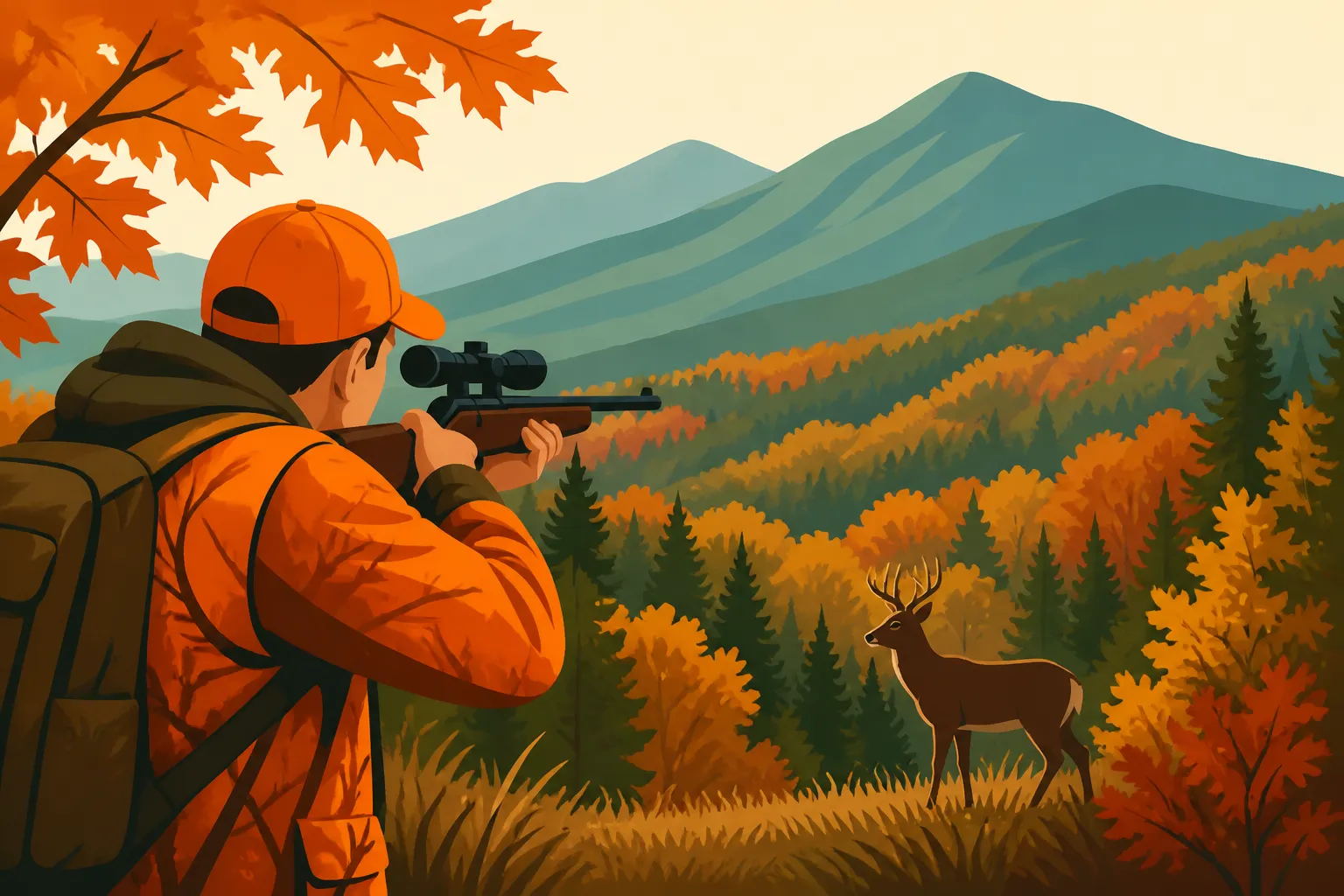
The crisp, cold air of November in Vermont brings a unique thrill and a fair share of challenges for deer hunters. It’s the time of year when the woods truly come alive, but also when the stakes feel highest, and success often hinges on meticulous planning and adaptability. This comprehensive guide will walk you through everything you need to know to navigate Vermont's November Rifle Season, ensuring you're prepared for the weather, the deer, and the regulations, from the first light of opening day to the final moments of the season.
Understanding Vermont's November Rifle Season Framework
The November rifle season in Vermont is arguably the most anticipated period for many deer hunters, a time steeped in tradition and the promise of a big buck. It's a short, intense window, and understanding its precise framework is the first step toward a successful hunt.
Key Dates and Duration of the Season
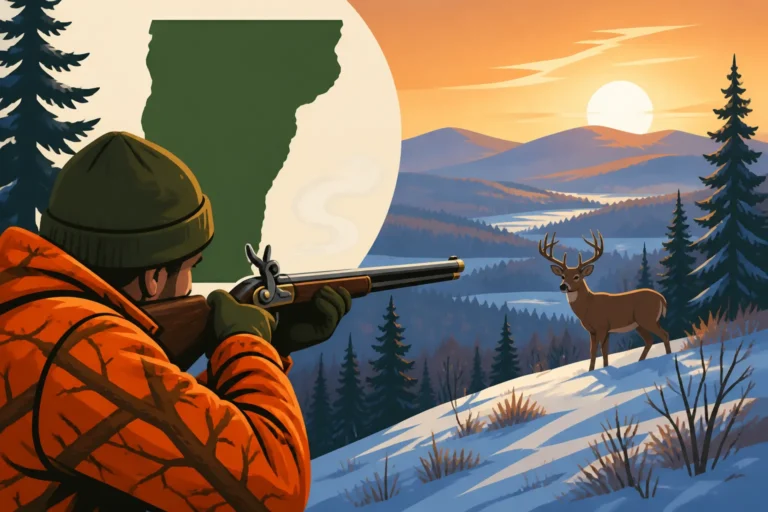
Vermont’s regular deer rifle season is a tightly regulated, two-week period. Historically, it kicks off on the Saturday before Thanksgiving and runs for 16 consecutive days. This particular timing isn't accidental; it's designed to coincide with a significant portion of the whitetail rut, maximizing opportunity while also managing deer populations effectively. For many, this short, impactful window is the culmination of a year's worth of scouting and preparation. Knowing the exact Vermont Rifle Season Dates for the current year is absolutely critical; always double-check the Vermont Fish & Wildlife Department's official calendar. The brevity of the season means every day counts, and understanding the specific dates helps you plan time off work, coordinate with hunting partners, and align your strategies. The pressure can be intense, as hunters from across the state—and some non-residents—converge on prime locations, all hoping for that once-in-a-season encounter.
Legal Firearms and Ammunition for the Season
When it comes to legal firearms for Vermont's November rifle season, the state is quite specific to ensure hunter safety and ethical harvesting. Centerfire rifles are the go-to choice for most, and there's a wide array of calibers that are perfectly legal and effective. You'll find hunters carrying everything from the classic .30-06 Springfield and .270 Winchester to more modern favorites like the 6.5 Creedmoor and .308 Winchester. What’s important is using a caliber that delivers sufficient energy for a clean kill at common hunting ranges in Vermont, which can often be under 100 yards in dense timber but occasionally stretches further in open fields or clear-cuts. As for ammunition, soft-point or expanding bullets are generally preferred for their terminal performance on deer, ensuring rapid energy transfer and humane harvesting. There aren't specific weight restrictions on bullets for deer, but choosing a bullet weight appropriate for your caliber and the game size is always prudent. Always check the current regulations for any updates on legal firearms during Vermont Rifle Season, as rules can occasionally be adjusted. Rimfire rifles, while popular for small game, are not legal for deer hunting. Shotguns, typically slug-loaded, and muzzleloaders are also legal during the rifle season, offering flexibility for hunters who prefer different platforms or are hunting in areas where projectile distance might be a concern.
Permit Requirements and Tagging Procedures
Before you even step foot in the woods, ensuring you have the correct permits is paramount. Every hunter needs a valid Vermont hunting license, and a big game tag (or "Deer Tag") is included with your resident or non-resident license. This tag is what allows you to harvest a deer. Vermont also offers additional antlerless permits, which become available based on wildlife management unit (WMU) quotas. These are often purchased separately and allow for the harvest of antlerless deer, providing critical population control and additional hunting opportunities. Always be sure to check the regulations for your specific WMU to see if and when these antlerless permits are available, as they can change annually.
Once you’ve successfully harvested a deer, the next crucial step is the Vermont Deer Reporting Requirements. Historically, this involved physically bringing your deer to a designated check station. However, in recent years, Vermont has streamlined this process significantly. Now, you can register your deer online or through the Vermont Fish & Wildlife Department's mobile app. You'll need to report your deer within 48 hours of harvest and obtain a confirmation number. This system allows the state to collect vital data on harvest numbers, deer health, and population trends without requiring every hunter to drive to a physical station. It's a convenient change, but one that still demands prompt action from hunters. Additionally, be mindful of Vermont's CWD Prevention Rules. While Vermont remains CWD-free, the state has proactive regulations, such as restrictions on importing certain deer carcasses or parts from states with confirmed CWD cases, and a ban on urine-based deer lures. Adhering to these rules is not just about legality; it's about protecting Vermont's healthy deer herd for future generations.
Navigating the Landscape: Prime Hunting Areas in Vermont
Vermont offers a diverse tapestry of landscapes, each presenting unique opportunities and challenges for the November rifle hunter. Understanding these different environments and how deer utilize them is key to increasing your chances of success.
Hunting the Green Mountain National Forest
The Green Mountain National Forest (GMNF) is a vast expanse of public land covering over 400,000 acres, primarily located in central and southern Vermont. For many, it's the epitome of wilderness hunting. The sheer scale can be daunting, but it also means less pressure in its deeper reaches if you're willing to put in the miles. The terrain is rugged, characterized by steep slopes, dense timber, and remote valleys. Deer here tend to be more spread out, and their movements are often dictated by elevation, prevailing winds, and the availability of mast crops like acorns and beech nuts.
Hunting the GMNF effectively requires significant scouting, often starting long before the season. Look for signs like old logging roads, bench cuts along hillsides, and saddles between ridgelines where deer might travel. Water sources, especially in drier years, can also be critical focal points. Still-hunting Green Mountain National Forest Timber is a highly effective strategy here, allowing you to cover ground slowly and methodically, adapting to the changing terrain and subtle signs. However, be prepared for physically demanding hunts, often miles from any road. Good navigational tools, like a GPS or a mapping app such as GoHunt (which offers excellent topographic and land ownership overlays), are indispensable, as cell service can be spotty at best. The reward for this effort can be a truly wild deer taken in an unpressured setting, a profound experience unmatched by many other hunting scenarios.
The Champlain Valley: Agriculture and Big Bucks
In stark contrast to the rugged Green Mountains, the Champlain Valley, stretching along Vermont's western border with Lake Champlain, offers a completely different hunting experience. This region is characterized by rolling farmlands, open fields, scattered woodlots, and fertile river bottoms. The abundance of agricultural crops – corn, alfalfa, and soybeans – provides a rich food source for deer, often leading to larger body sizes and impressive antlers.
Hunting in the Champlain Valley often revolves around understanding how deer move between their bedding areas in dense woodlots or swamps and their primary food sources in the fields. Field edges, fencerows, and narrow strips of timber acting as funnels between larger woodlots become prime locations for setting up a stand. This is where you might employ strategies like Setting Up on a Dairy Farm Field Edge or Hunting a Funnel Between Two Woodlots. The challenge here is often finding suitable access, as most of the land is privately owned. Building relationships with landowners is crucial. While deer drives might be less common than still-hunting in these areas, ambushing deer moving at dawn and dusk is a highly productive tactic. The relatively flat terrain and abundant food sources can make for a less physically strenuous hunt than the mountains, but it demands careful attention to wind direction and stealth.
Northeast Kingdom: Remote Wilderness and Moose Country
The Northeast Kingdom (NEK), comprising Essex, Orleans, and Caledonia counties, lives up to its name with its wild, remote, and often untouched character. This region is dominated by vast tracts of northern hardwood and conifer forests, numerous lakes, and wetlands. While often associated with Moose Hunting Vermont's Northeast Kingdom, it holds a healthy, albeit sometimes lower-density, deer population. Deer here face harsher winters and predators like coyotes, which can keep their numbers in check.
Hunting the NEK requires a mindset geared towards vastness and solitude. Deer often travel extensive home ranges, and finding concentrated pockets can be challenging. Look for areas with a mix of habitat – old clear-cuts regenerating with thick cover, mature beech ridges providing mast, and softwood swamps offering wintering habitat. Hunters here might focus on remote logging roads, beaver flowages, or the edges of bogs. Given the expansive nature of the NEK, using detailed maps and satellite imagery (again, GoHunt or similar tools can be invaluable) for scouting is a must to identify potential travel corridors and pinch points. Success in the NEK often comes down to perseverance, covering a lot of ground, and being prepared for truly remote conditions. While deer might be fewer per square mile than in the Champlain Valley, the opportunity to harvest a mature, wary buck in this wild landscape is a profound experience.
Deer Behavior and Rut Dynamics During November
November is a magical time for deer hunters, primarily because it generally coincides with the peak of the whitetail rut in Vermont. Understanding these behaviors is critical to putting yourself in the right place at the right time.
The Peak Rut and Its Impact on Deer Movement
For many Vermont hunters, the November rifle season is synonymous with the rut. While the exact timing can fluctuate slightly year to year based on weather and deer population dynamics, the period from early to mid-November is often when the breeding activity is at its most intense. During the peak rut, the typical patterns of deer movement are thrown out the window. Bucks, normally elusive and nocturnal, become much more active during daylight hours as they relentlessly search for does. This is the time when you're most likely to see a mature buck chasing a doe at midday, or cruising through areas he wouldn't typically frequent during other times of the year.
Does, too, change their behavior, sometimes running considerable distances to avoid or engage with bucks. This increased, often erratic, movement means that traditional stand locations near food sources or bedding areas might be less effective than setups in travel corridors or pinch points. The woods come alive with scent, sound, and visual cues. Bucks will be making rubs and scrapes more actively, using them as communication hubs. Understanding this heightened activity is key to Hunting the Rut in Early-to-Mid November. Hunters who focus on traditional routes between bedding and feeding, or who position themselves in areas where bucks are likely to cruise looking for does, often have the most success during this unpredictable but exciting phase.
Locating Key Deer Sign: Rubs, Scrapes, and Trails
Deer sign isn't just a curiosity; it's a map to deer activity. During the November rifle season, understanding and interpreting these signs becomes even more critical due to the rut.
- Rubs: These are made by bucks scraping their antlers against trees, often small saplings or larger trees with scent glands. Fresh rubs, indicated by bright wood beneath the bark, signal recent buck activity. A "rub line"—a series of rubs leading in a particular direction—can indicate a buck's travel corridor, especially when he's patrolling his territory or searching for does. The size of the rubs can often give you an idea of the size of the buck using that area, with larger bucks making bigger, more aggressive rubs.
- Scrapes: A scrape is an area where a buck clears leaves and debris from the forest floor with his hooves, then often urinates into the bare patch. Above the scrape, you'll usually find an "overhanging limb" that the buck chews or rubs with his preorbital glands. Scrapes are essentially communication centers, heavily used during the rut. Fresh scrapes are damp and often smell of deer urine. Finding a series of fresh scrapes, particularly along a well-used trail or logging road, can pinpoint a buck's core area or a key travel route.
Beyond rubs and scrapes, well-worn trails are always important. During the rut, these trails become even more active as deer travel more frequently. Look for trails that connect bedding areas to feeding areas, or that run along ridgelines, creek bottoms, or through saddles. Fresh tracks, especially larger ones, can tell you if a mature buck is using that trail. Combining these signs – a rub line intersecting a well-used trail leading to a fresh scrape – paints a compelling picture of deer movement and helps you narrow down potential ambush points. Taking the time to observe and interpret these subtle cues provides invaluable intelligence for your hunt.
Understanding Deer Bedding and Feeding Patterns
Even during the unpredictable rut, deer still need to bed down and feed, albeit sometimes with altered schedules. Understanding Where Vermont Bucks Bed in Thick Cover and what late-season food sources they're seeking is crucial for consistent success throughout the November rifle season.
- Bedding Areas: Bucks typically prefer thick, secure cover for bedding. This can include dense conifer swamps, thickets of young saplings, blowdowns, or the leeward side of a ridge that provides thermal cover and a vantage point. In the Green Mountains, south-facing slopes are often preferred during colder weather, as they catch more sunlight. During the rut, a buck might bed closer to an area where he suspects does are, or simply in the thickest cover he can find after a long night of chasing. Knowing these areas allows you to either set up on trails leading into or out of them, or to cautiously still-hunt through them during midday.
- Feeding Patterns: While rutting bucks might temporarily neglect food in their pursuit of does, does and younger bucks still need to eat. As November progresses, natural food sources become scarcer. Acorns, especially from red oaks which drop later, can be a magnet for deer if it wasn't a poor acorn year. Beech nuts, if available, are also highly sought after. Agricultural fields—like corn, alfalfa, or even hayfields in the Champlain Valley—become critical Late-Season Food Sources for Vermont Whitetails, offering high-energy sustenance. Identifying these food sources and the trails leading to them can be a reliable strategy, especially towards the latter half of the rifle season when rutting activity starts to slow down and deer need to replenish their energy reserves. Combining knowledge of bedding and feeding areas allows you to anticipate deer movement throughout the day, improving your chances of intercepting them.
Effective Hunting Strategies for Rifle Season
The November rifle season requires adaptable strategies. Whether you prefer moving through the woods or sitting patiently, having a plan tailored to Vermont's diverse terrain and deer behavior is essential.
Still-Hunting and Drives in Varied Terrain
Still-hunting is an art form, a slow, methodical progression through the woods that allows you to observe, listen, and react to subtle signs. In Vermont's varied terrain, it's an incredibly effective method, especially in the vastness of the Green Mountain National Forest or in broken woodlots. When Still-Hunting Green Mountain National Forest Timber, focus on covering ground into the wind, taking one step at a time, and pausing frequently to scan the woods. Use binoculars to pick apart dense cover. Look for horizontal lines (the back of a deer) in a vertical world (trees). This method allows you to adapt to changing deer movement and capitalize on less pressured areas.
Deer drives, on the other hand, are a collaborative effort, particularly common in parts of Vermont where private woodlots are interspersed with fields. They can be highly effective, especially when Hunting a Woodlot or a section of timber where deer are known to bed. For Deer Drives With Three or Four Hunters, coordination is key. A designated number of "drivers" slowly move through a section of cover, pushing deer towards "posters" positioned at strategic escape routes, such as saddles, fencerows, or field edges. When Posting a Drive Around a Woodlot, consider the wind direction, topography, and likely escape routes of deer. Safety is paramount; clear communication, agreed-upon shooting lanes, and proper blaze orange attire for everyone involved are non-negotiable. Drives can be physically demanding for drivers and require patience from posters, but they often yield exciting results and are a cherished tradition for many hunting groups.
Stand Hunting: Treestands and Ground Blinds
For many hunters, a treestand or ground blind offers the advantage of elevated concealment or complete camouflage, allowing for extended periods of quiet observation.
- Treestands: Treestands are highly popular in Vermont, providing an elevated vantage point that can help with scent control and allow a wider field of view. They are particularly effective when set up along well-used trails, near prominent rub lines or scrapes, or overlooking a prime food source like a standing apple orchard or a cut cornfield. Locations like a funnel between two woodlots or a Champlain Valley dairy farm edge are also prime candidates for treestand placement. The key is setting up before the season, if possible, allowing deer to get used to its presence, and choosing a stand that offers comfortable, safe sitting for long hours in potentially cold weather. Always use a full-body safety harness.
- Ground Blinds: Ground blinds offer excellent concealment at ground level, which can be advantageous in areas where suitable trees for treestands are scarce, or when hunting with younger hunters or those with mobility limitations. They are excellent for brushing in a blind on a field edge, especially in the Champlain Valley, or for use in open areas with limited cover. Modern pop-up blinds provide quick setup and excellent camouflage. When using a ground blind on public land, ensure it meets all regulations, and always prioritize scent control. The crucial aspect of stand hunting, regardless of type, is patience. Being able to sit still and silent for hours, especially during the peak rut, dramatically increases your odds of encountering a deer.
The Importance of Scouting and E-Scouting
In today's hunting world, effective scouting is a year-round endeavor that combines traditional boot-on-the-ground methods with powerful digital tools. Ignoring either diminishes your chances of success.
- Traditional Scouting: Pre-season scouting involves physically exploring your hunting areas, looking for deer sign, trails, bedding areas, and food sources. This is when you're literally Reading a Green Mountain Deer Yard or investigating Scrape Lines Along a Logging Road. You're observing habitat changes, identifying natural funnels, and understanding the lay of the land firsthand. This on-the-ground knowledge is invaluable and can't be fully replicated by technology. It's about feeling the terrain, understanding the prevailing winds, and finding those subtle clues that only appear after direct observation.
- E-Scouting: Complementing traditional scouting is e-scouting, utilizing digital mapping applications like GoHunt. Tools like this allow you to "hunt" from your couch, studying aerial photos, topographic maps, and public land boundaries. You can identify potential pinch points, elevation changes, thick cover, and remote access points. For example, Reading Aerial Photos for Green Mountain Deer can reveal hidden benches, logging road systems, or areas of regenerating timber that might hold deer. GoHunt allows you to mark potential stand sites, plan entry and exit routes, and even monitor weather patterns. By combining the vast overhead perspective of e-scouting with the detailed, sensory input of traditional scouting, you can develop a comprehensive plan that maximizes your time in the field, making your November rifle season hunt far more efficient and productive.
Essential Gear and Preparation for a Successful Hunt
Vermont's November rifle season can throw a wide array of weather conditions at you, from mild, rainy days to brutal cold and heavy snow. Proper gear and preparation aren't just about comfort; they're about safety and success.
Clothing and Layering for Vermont's November Weather
The key to staying comfortable and focused during Vermont's November rifle season is effective layering. The weather can change dramatically from morning to midday, or from one day to the next. You might start your day with frosty temperatures, only to have them rise significantly by noon, or a mild morning could quickly turn into a snowy squall.
- Base Layers: Start with a good moisture-wicking base layer. Merino wool or synthetic fabrics are excellent choices, as they pull sweat away from your body, keeping you dry even if you're hiking hard. A damp cotton base layer is a recipe for getting cold.
- Mid-Layers: Add insulating mid-layers like fleece jackets or vests. These provide warmth without excessive bulk. Multiple thinner layers are often better than one thick one, as they allow for more precise temperature regulation.
- Outer Shell: Your outermost layer needs to be waterproof and windproof. A good quality hunting jacket and pants will shed rain and snow, and block chilling winds. Look for quiet fabrics that won't rustle loudly when you move.
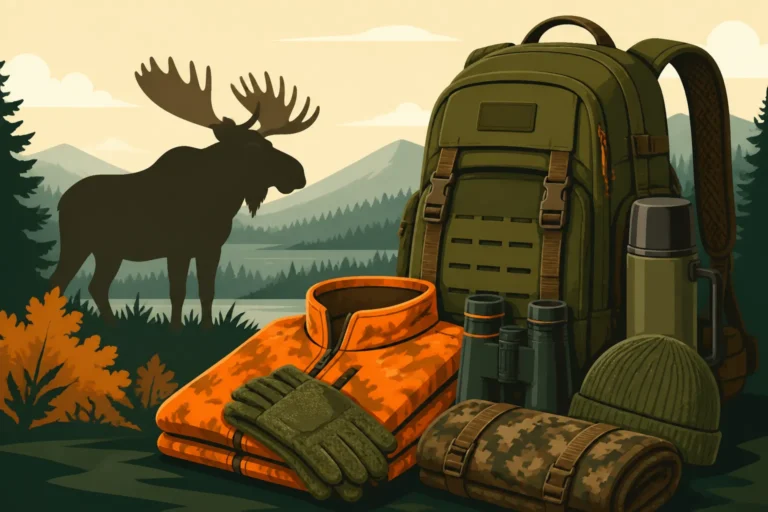
- Blaze Orange: Remember the critical Blaze Orange Requirements for Bowhunting the Overlap and rifle season. During the rifle season, hunters are required to wear a minimum of 500 square inches of blaze orange, including a hat. This is not just a legal requirement but a vital safety measure. Layer your blaze orange vest or jacket over your other clothing so it's clearly visible.
- Extremities: Don't forget a warm hat, gloves or mittens (often fingerless gloves with an overmitt are a good option for shooting), and insulated, waterproof boots. Your feet and hands are often the first to get cold. Packing for a Vermont Moose Hunt or a multi-day deer hunt often includes redundant options for these critical items.
Optics and Navigation Tools
In Vermont's diverse terrain, from dense hardwoods to open clear-cuts, the right optics and navigation tools are indispensable.
- Binoculars and Rangefinders: Quality binoculars, typically 8x or 10x magnification, are essential for glassing thick cover, identifying deer sign, and spotting deer at a distance. When hunting Green Mountain Ridge Shots, a rangefinder is crucial for accurately determining distances, especially when shooting across ravines or up/down steep slopes, where judging distance by eye can be deceiving. A combined binocular/rangefinder unit can be a convenient, albeit more expensive, option.
- GPS and Mapping Apps: For navigating Vermont public land, particularly the vast Green Mountain National Forest or remote areas of the Northeast Kingdom, a reliable GPS device or a robust mapping app on your smartphone is non-negotiable. Apps like GoHunt, onX Hunt, or Garmin BaseCamp allow you to view detailed topographic maps, satellite imagery, public/private land boundaries, and even mark waypoints for stand locations, blood trails, or key deer sign. Crucially, ensure your device has downloaded offline maps, as cell service can be non-existent in many remote parts of Vermont. Always carry a compass and physical map as a backup, and know how to use them, especially when in areas like the Northeast Kingdom where help might be hours away. These tools not only aid in finding your way but also help you pinpoint property lines and avoid trespassing, which is a major concern when Hunting Small Private Tracts in Vermont.
Field Dressing and Game Recovery
The moment of truth arrives after a successful shot. Proper field dressing and game recovery are crucial for preserving your harvest and adhering to ethical hunting practices.
- Field Dressing: When Field Dressing a Deer in Cold Weather, the cold can be your friend, slowing bacterial growth. However, doing it quickly and efficiently is still important. Clear a clean area, wear gloves, and use a sharp, reliable knife. Removing the entrails immediately helps the carcass cool down, which is vital for meat quality. If you're hunting in a remote area, consider quartering the deer in the field to make the pack-out easier. Always carry a sharp knife, a small bone saw (useful for the sternum or pelvic bone), and game bags to protect the meat.
- Game Recovery: Tracking a deer in fresh Green Mountain snow can be a relatively straightforward affair, as tracks and blood sign are often highly visible. However, if there's no snow or if the ground is covered in leaves, blood trailing can become a painstaking process. Patience is key. Mark the spot of the shot and the last known blood, then proceed slowly, looking for every drop, disturbed leaves, or broken twigs. If the blood trail becomes sparse, take a break, gather your thoughts, and expand your search in concentric circles. If you can't find the deer before dark, especially if temperatures are cold, it's often best to back out and return at first light. Blood Trailing After Dark in Vermont is possible with good lights, but it increases the risk of getting lost or pushing a wounded animal further. Always be prepared to Dragging a Deer Out of a Steep Ravine, which can be an exhausting task requiring game carts, specialized sleds, or even the help of hunting partners. Having a reliable flashlight or headlamp with fresh batteries is essential for any recovery efforts, especially in the late afternoon or evening.
Legalities, Ethics, and Safety During Rifle Season
Hunting is a privilege that comes with significant responsibilities. Adhering to Vermont's hunting laws, upholding ethical standards, and prioritizing safety are non-negotiable aspects of the November rifle season.
Blaze Orange Requirements and Visibility
The importance of blaze orange cannot be overstated, especially during the busy November rifle season. Vermont law mandates that all deer hunters wear a minimum of 500 square inches of blaze orange above the waist, including a cap, during the regular firearm deer season. This requirement is in place for one overriding reason: safety.
Wearing adequate blaze orange makes you highly visible to other hunters, dramatically reducing the risk of accidental shootings. In the dense cover of Vermont's woods, particularly during the low light conditions of dawn and dusk, it can be incredibly difficult to distinguish a deer from a human silhouette. Your blaze orange acts as a constant, unmistakable signal of your presence. This is especially critical when Hunting Vermont's New Archery-Rifle Overlap, where both types of hunters share the woods. Even if you're confident in your shooting lanes and background, other hunters might not be. Always ensure your blaze orange is clean, unfaded, and unobstructed by gear or foliage. It's a small inconvenience that provides immense peace of mind and protection for everyone in the woods.
Respecting Landowners and Hunting Ethics
Vermont is a state where a significant amount of hunting takes place on private land. This makes respecting landowners and adhering to strong ethical principles absolutely vital for maintaining good hunter-landowner relationships and ensuring future access.
- Permission is Paramount: Never, ever hunt on private land without explicit permission from the landowner. Vermont law requires that you ask a Vermont Landowner for Permission, and while written permission isn't always legally mandated (though it's highly recommended), a clear verbal agreement is the bare minimum. Be courteous, respectful, and offer to share your harvest. Landowners are often more willing to grant access to hunters they trust.
- Ethical Shooting: Always aim for a clean, humane kill. This means taking shots only when you have a clear, unobstructed view of the vital organs and are confident in your ability to make the shot. Never take a risky shot, especially when you can't be sure of what's beyond your target.
- Game Recovery and Property Respect: If a deer runs onto posted land where you don't have permission, you must obtain permission before retrieving it. It's frustrating, but it's the law and the ethical thing to do. Always leave gates as you found them, don't litter, and avoid damaging crops or property. Our reputation as hunters hinges on our behavior, and respecting the land and its owners is foundational to preserving our hunting heritage.
Tracking and Recovery in Challenging Conditions
Vermont's November rifle season often brings challenging conditions for tracking and recovering game. Snow, rain, and rapidly falling temperatures can all complicate the process.
- Tracking in Snow: If you're fortunate enough to have fresh snow, Tracking a Deer in Fresh Green Mountain Snow can be an advantage. Tracks and blood often stand out vividly. However, don't rush. Walk slowly, paying attention to the deer's gait, any broken branches, or disturbed snow beyond the obvious blood trail. If the tracks lead into dense cover, proceed with extreme caution, as the deer might be bedded nearby.
- Blood Trailing: If there's no snow, blood trailing can be much harder. Mark the location of the shot and the last confirmed blood. Look for small specks of blood, disturbed leaves, or even bent grass. If the trail becomes difficult, try to imagine the deer's likely escape route and expand your search pattern. A good headlamp is indispensable, especially if you find yourself Blood Trailing After Dark in Vermont. However, avoid pushing a wounded deer in the dark if you can safely return in the morning, especially if temperatures are cold enough to preserve the meat. A deer left overnight in freezing temperatures is generally safe to recover at first light.
- Recovery Challenges: The rugged terrain of the Green Mountains or the swampy areas of the Northeast Kingdom can make physically recovering a deer incredibly difficult. Be prepared for a strenuous drag, or consider quartering the animal in the field. Having a good game cart or a sturdy backpack frame can make a huge difference. Always ensure you have a plan for getting your deer out before you even pull the trigger.
Here's a quick look at some common November rifle season strategies and when they excel:
| Strategy | Description | Ideal Conditions/Terrain | Pros | Cons |
|---|---|---|---|---|
| Still-Hunting | Slow, methodical movement through the woods, observing and listening. | Dense timber, mixed hardwoods, mountainous terrain, unpressured areas. | Highly adaptable, covers ground, deep woods experience. | Physically demanding, requires immense patience and stealth. |
| Deer Drives | Coordinated effort where drivers push deer towards posters. | Private woodlots, thick swamps, designated sections of public land. | Effective for moving wary deer, good for groups. | Requires multiple hunters, strict safety protocols, precise planning. |
| Treestand Hunt | Elevated ambush from a fixed or climbing stand. | Overlooking funnels, field edges, mast crops, active rub/scrape lines. | Excellent scent control, wide view, less demanding physically. | Fixed location, subject to weather, requires safety harness. |
| Ground Blind | Camouflaged shelter at ground level. | Open fields, marsh edges, thickets without suitable trees, accessible spots. | Great concealment, comfortable, good for adverse weather. | Limited visibility, requires excellent scent control and setup. |
| Stand-Ins | Stationing hunters along natural travel corridors or escape routes. | Ridgelines, saddles, creek bottoms, logging roads, pinch points. | Can intercept cruising bucks during the rut, good for smaller groups. | Can be boring if deer aren't moving, requires good scouting. |
Disclaimer
Please note that hunting regulations, dates, and requirements are subject to change by the Vermont Fish & Wildlife Department. Always consult the most current official Vermont hunting guide and regulations before planning and embarking on any hunt. This article is intended for informational purposes only and does not supersede official state regulations.