Hunting the Youth Waterfowl Weekend
The excitement of getting a youngster out into the field for their first real hunting experience is unmatched, but let's be honest, it comes with its own set of challenges. Between the early alarms, the often-chilly Vermont mornings, and the sheer amount of gear, it can feel like a big undertaking. Luckily, Vermont’s Youth Waterfowl Weekend is specifically designed to ease some of that pressure and create a fantastic, focused opportunity to introduce kids to the magic of duck and goose hunting, and this guide is here to help you make it a truly memorable one.
Understanding Vermont's Youth Waterfowl Weekend
The Youth Waterfowl Weekend isn't just another hunting day; it's a dedicated event crafted to foster a love for the outdoors and hunting traditions in the next generation. It's often one of the first chances young hunters get to experience the thrill of a morning flight, and it’s set up to be as encouraging and accessible as possible.
Eligibility and Permit Requirements for Young Hunters
Navigating hunting regulations can feel like a maze, even for seasoned hunters, so it's completely understandable if you've got questions about what your young hunter needs. For the Youth Waterfowl Weekend in Vermont, a few key things are necessary. First and foremost, the youth hunter must be under 16 years of age on the opening day of the season. They also need to have successfully completed a hunter education course. This foundational training is absolutely critical for safety and ethical hunting, and Vermont takes it very seriously.
Beyond hunter education, the youth hunter will need a Vermont hunting license. While the federal duck stamp and state migratory bird certification are requirements for adults participating in migratory bird hunting, the youth hunter themselves is actually exempt from needing these. However, the adult mentor—who must be 18 years or older, legally licensed to hunt in Vermont, and possess a federal duck stamp and Vermont migratory bird certification—does need to have all their ducks in a row. They need to be physically present and directly supervising the youth hunter at all times. This isn't just a suggestion; it's a legal requirement designed to ensure safety and proper mentorship in the field. Don't forget, keeping proof of your license on your phone is usually allowed, but always have a backup plan for remote areas.
Key Dates and Species Allowed During the Youth Weekend
One of the biggest advantages of the Youth Waterfowl Weekend is its timing. These specific dates are set before the regular waterfowl season opens for adults, which means less hunting pressure and often more naïve birds. This can significantly increase a young hunter's chances of success and provide a more relaxed learning environment without the usual crowds. You can always check the Vermont Fish & Wildlife Department's website for the most current information, but these weekends typically fall in late September or early October. For instance, knowing the exact Vermont Youth Waterfowl Weekend Dates is paramount for planning your trip.
During the Youth Waterfowl Weekend, young hunters are generally permitted to harvest ducks, geese, mergansers, and coots. The daily bag limits for these species are typically the same as those for the regular season, so it's vital to be familiar with the current Vermont Duck and Goose Bag Limits. This means a young hunter can potentially bring home a full limit of mallards, wood ducks, or Canada geese, depending on what flies into the spread. The early timing also often coincides with the first push of migrating birds, offering a fantastic opportunity to see a wide variety of species before they become more wary. It's truly a special window for new hunters to experience the migration firsthand.
The Spirit of Mentored Hunting
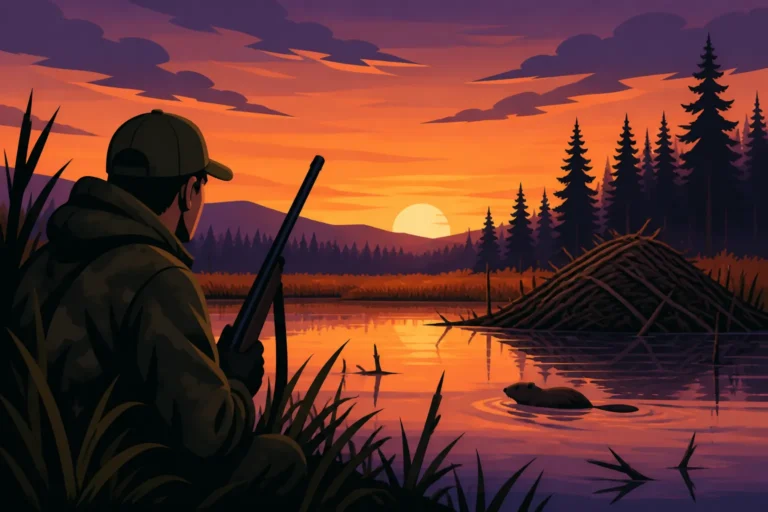
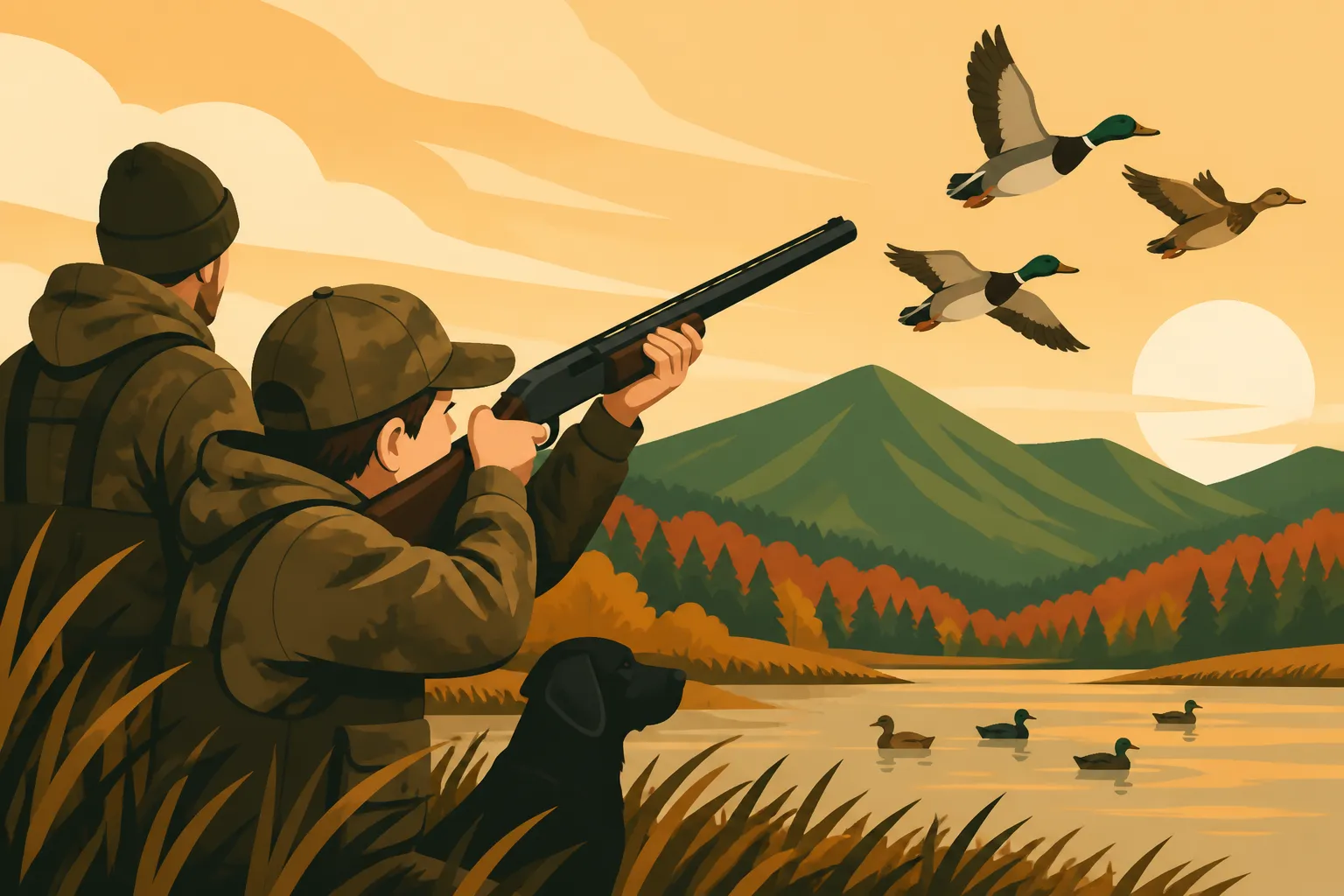
More than anything, the Youth Waterfowl Weekend embodies the spirit of mentored hunting. This isn't solely about pulling the trigger; it's about connecting with nature, understanding wildlife, and passing down a cherished tradition. The adult mentor's role extends far beyond just supervision. It's an opportunity to teach patience, observation skills, and respect for the resource. Imagine sitting quietly with a youngster in a blind, watching the sunrise paint the sky, listening to the sounds of the marsh coming alive, and seeing their eyes light up as a flock of mallards cups its wings over the decoys. These moments are invaluable.
This weekend is a chance to instill conservation ethics early on. Explain why we have seasons and limits, how hunting fees contribute to habitat restoration, and the importance of responsible game retrieval. Discussing these aspects during downtime in the blind turns the hunt into a living classroom. It's about building character, resilience, and a deep appreciation for the natural world. Many hunters look back on their first mentored hunts as foundational experiences, shaping their passion for the outdoors for decades to come, highlighting the lasting impact of Vermont Mentored Youth Hunting Rules.
Essential Gear and Preparation for Young Waterfowlers
Success and enjoyment on a waterfowl hunt, especially with a young person, hinges heavily on being prepared. Vermont weather can be notoriously fickle, and cold, wet kids are rarely happy kids. Investing time in proper gear and preparation will pay dividends in comfort, safety, and overall experience.
Dressing for Vermont's Chilly Waters
Waterfowl hunting often means sitting still for long periods in damp, cold conditions. For a young hunter, staying warm and dry is absolutely paramount. Think layers, layers, layers! A good moisture-wicking base layer against the skin is essential to pull sweat away. This should be followed by insulating mid-layers, like fleece or down, which trap warmth. Finally, a completely waterproof and windproof outer shell is non-negotiable. Vermont's crisp fall mornings, especially near the water, can feel much colder than the thermometer indicates.
Waders are another critical piece of equipment. Chest waders are almost always preferred over hip waders for youth, offering better protection against unexpected deeper water and keeping them warmer. Ensure they fit well – too big and they're a tripping hazard; too small and they're uncomfortable and restrictive. Brands like Frogg Toggs or Cabela's offer youth-sized options that are durable without breaking the bank. Don't forget a warm hat that covers the ears, waterproof gloves, and plenty of chemical hand warmers for pockets or inside gloves. Validating the frustration of shivering kids, a hot thermos of cocoa or soup can be a real game-changer when spirits start to flag.
Choosing the Right Firearm and Emphasizing Safety
Selecting the right firearm for a young hunter is a delicate balance between effective performance and manageable recoil. For most youth, a 20-gauge shotgun is the ideal choice. It offers sufficient power for ducks and geese without the heavy kick of a 12-gauge, which can quickly lead to flinching and a negative shooting experience. When considering shot, remember that steel shot is legally required for all waterfowl hunting, so make sure you're stocked with the appropriate size (often #2 or #4 steel for ducks, BB or #2 steel for geese).
Crucially, the gun must fit the shooter. A shotgun that's too long or too heavy will be difficult to shoulder and swing safely and accurately. Consider having the gun professionally fitted or at least trying out several options to find one that feels right. A good recoil pad can also make a huge difference. Safety, of course, is the absolute priority. The mentor must constantly reinforce the four fundamental rules of firearm safety: ALWAYS treat every firearm as if it were loaded, ALWAYS keep the muzzle pointed in a safe direction, ALWAYS keep your finger off the trigger until ready to shoot, and ALWAYS be sure of your target and what is beyond it. Eye and ear protection are also non-negotiable, protecting hearing and vision from the loud report of a shotgun.
Comfort, Hydration, and Snacks for a Long Morning
While the thrill of the hunt is undeniable, long periods of sitting still can be tough for kids. Beyond keeping them warm and dry, ensuring their general comfort can make or break the experience. A sturdy, lightweight seat or even a five-gallon bucket with a padded lid can provide a much-needed perch in the blind. Remember, a child's attention span might not match an adult's, so having a comfortable spot to rest is key.
Hydration is important, even in cold weather. A thermos filled with hot chocolate, herbal tea, or chicken noodle soup can warm them from the inside out and lift spirits. Snacks are absolute morale boosters – think granola bars, fruit snacks, or even a small bag of chips. These small comforts can make the difference between a child asking to go home early and one who wants to stay "just a little longer." Packing a small "comfort bag" with an extra pair of dry socks, a small towel, and maybe a simple book or a small, quiet toy can also provide a welcome diversion during lulls in activity, ensuring they remain engaged and positive throughout the hunt.
Strategic Location Selection for Waterfowl
Finding the right spot is often half the battle in waterfowl hunting. Vermont offers a diverse range of habitats, from large lakes to small beaver ponds, and understanding how to pick a promising location for the Youth Waterfowl Weekend can greatly increase your chances of success.
Scouting Public and Private Lands
Pre-season scouting is absolutely non-negotiable for a successful waterfowl hunt. You can't just show up on opening morning and expect birds to be waiting. This means spending time before the youth weekend observing potential hunting spots. Look for areas where birds are feeding (cornfields, shallow marshes with emergent vegetation), loafing (open water with little disturbance), or roosting. Watch their flight patterns in the mornings and evenings. What routes are they taking? Are they flying over a specific point or funnel? Tools like GoHunt can be incredibly useful here, allowing you to examine aerial photos, identify potential wetlands, locate public land boundaries, and even research landowner information for private land access.
When scouting, look for fresh sign: droppings on logs or banks, feathers floating on the water, or tracks in the mud. Early mornings are best for seeing birds move. While Vermont has a good amount of Public Hunting Land in Vermont, securing private land permission can often put you on birds that see less pressure. Always approach landowners respectfully, well in advance of the season, and offer to share some of the harvest. Remember, a good scouting trip is about learning, not just finding a spot to shoot, and showing a young hunter how to read the landscape is an invaluable lesson.
Understanding Vermont's Waterfowl Zones
Vermont isn't a single, uniform waterfowl hunting landscape; it's divided into three distinct waterfowl zones: the Lake Champlain Zone, the Interior Zone, and the Connecticut River Zone. Each of these zones can have slightly different season dates, especially for the Youth Waterfowl Weekend, and understanding their boundaries is critical for staying legal and successful. You can find detailed maps and specific dates for each zone on the Vermont Fish & Wildlife Department's website. The Vermont Waterfowl Zones and Seasons are designed to account for varying migration patterns and duck populations across the state.
The Lake Champlain Zone, for example, encompasses a vast body of water and its adjacent marshes, attracting large numbers of migrating divers and dabblers. The Interior Zone covers most of the state's inland ponds, rivers, and smaller wetlands, often holding local birds and early migrants. The Connecticut River Zone follows the eastern border, offering riverine hunting opportunities. Each zone presents unique challenges and opportunities. For instance, hunting Lake Champlain might require larger decoy spreads and layout blinds, while an interior beaver pond might only need a few decoys and a simple hide. Being aware of these zone differences means you can choose a location that best suits your young hunter's abilities and the type of experience you want to provide.
Reading the Water and Weather Conditions
Waterfowl hunting is inherently tied to the elements, and teaching a young hunter to read the water and weather is part of the learning experience. Wind direction and speed are crucial. Ducks and geese almost always land and take off into the wind. This means your decoy spread should be set up so that incoming birds have to fly directly into your hide to land, giving you optimal shot opportunities. Wind also dictates how your decoys move, bringing them to life. On a calm day, motion decoys like a Mojo can be invaluable.
Water depth is another critical consideration, especially when hunting with youth. You need to ensure the water is safe for wading, and that decoys can be set effectively without too much struggle. Currents in rivers can also affect decoy placement. Beyond wind and water, watch the sky. A clear, calm day might mean birds fly higher and are warier, while overcast or light rainy conditions can sometimes bring birds down lower. Fog, though challenging, can also lead to memorable hunts as birds appear suddenly out of the mist. Being adaptable and knowing when to adjust your setup or even call it a day if conditions become unsafe is a vital lesson to impart.
Decoy Spreads and Calling Techniques for Youth Weekend
Decoys and calls are the bread and butter of waterfowl hunting, but for the Youth Waterfowl Weekend, the focus should be on simplicity and effectiveness, rather than overwhelming a young hunter with complex strategies. The goal is to create a welcoming and realistic scene that encourages birds to commit.
Setting Up an Effective Decoy Spread
When hunting with a youngster, resist the urge to deploy every single decoy you own. A smaller, well-placed spread is often more effective and much easier to manage. For ducks, a common and highly effective setup is a "J" hook or "U" shape spread. This creates an open landing zone directly in front of your blind, guiding the birds exactly where you want them. Place the bulk of your decoys upwind of your hide, mimicking a flock feeding or resting, with the open part of the "J" or "U" facing downwind, creating that inviting landing strip.
Visibility and realism are key. Ensure your decoys are clean and facing natural directions. If you're on a larger body of water like Lake Champlain, consider spreading your decoys out a bit more, as birds might be used to seeing bigger flocks. Adding a few Canada goose decoys can also add confidence to ducks, as geese often act as sentinels. Motion decoys, like a spinner or a jerk string, can dramatically increase the realism of your spread, especially on calm days. A spinning-wing decoy like those from Mojo Outdoors can be a magnet for puddle ducks, and they're easy for a young hunter to help set up. For example, a proper Best Duck Decoy Spread for Lake Champlain might differ from a smaller pond setup, but the principles of creating an inviting landing zone remain.
Basic Calling for Ducks and Geese
Introducing calling to a young hunter should start with the basics. Don't worry about mastering complex routines; focus on realistic, simple calls. For ducks, a basic quack sequence and a simple feed call are often all you need. The "quack" is an attention-getter, while the "feed call" (a series of short, choppy quacks) mimics birds happily feeding, signaling safety. For geese, a deep honk to grab attention and a softer cluck once they're closer can be very effective.
Practice is important, but don't overdo it. Make it fun, not a chore. Before the hunt, spend some time in the backyard with a call, showing them how to blow it properly. During the hunt, let them try, but guide them. Emphasize that less is often more. Over-calling can scare off wary birds, especially as they get closer. Sometimes, the most effective call is silence when birds are on a string, heading straight for the spread. Patience is a virtue here, and teaching them to observe the birds' reaction to calls is a vital skill.
Adapting to Bird Behavior
One of the most valuable lessons in waterfowl hunting is that birds are unpredictable, and what worked perfectly yesterday might not work today. This is where adaptation comes in. Encourage your young hunter to observe how the birds are flying. Are they shy of the decoys? Are they circling wide? Are they responding to calls, or ignoring them? This observation will inform your adjustments.
If birds are flaring off a certain part of the spread, perhaps move a few decoys. If they're not responding to calls, try being quieter, or switch to a different tone. Sometimes, a subtle change in your hiding spot or even just standing up for a moment can break their pattern. This adaptive thinking is a critical skill for any hunter. It teaches problem-solving and resilience, and it's a great way to show a youngster that hunting is a chess match, not just a matter of showing up. Remember, sometimes the best strategy is to sit tight and let the birds work, reinforcing the idea of Reading a Marsh for a Morning Flight.
Mentoring Beyond the Shot
The Youth Waterfowl Weekend is about much more than just pulling a trigger. It’s a profound opportunity to shape a young person’s relationship with the outdoors, instilling values, patience, and a deep appreciation for conservation that will last a lifetime.
Patience and Positive Reinforcement
This is, without a doubt, the most crucial element of mentoring a young hunter. Waterfowl hunting demands a lot of patience, and for a kid, sitting still in the cold for extended periods can be a real test. Don't get discouraged if they fidget, ask a million questions, or get restless. Your patience sets the tone. Celebrate every small victory: the beautiful sunrise, identifying a bird flying overhead, a well-executed call, or simply sitting quietly and enjoying nature. The ultimate goal isn't necessarily a full strap of birds, but a positive and engaging experience that makes them eager to come back.
Avoid pushing too hard or expressing frustration if shots are missed. Missing is part of the learning process for every hunter, no matter their age. Instead, focus on positive reinforcement, offering gentle pointers and encouragement. A simple "great try, let's get the next one" goes a long way. Remember, you're not just teaching them to hunt; you're teaching them how to be resilient, how to handle disappointment, and how to find joy in the process itself. This focus on the journey, not just the destination, makes the whole experience much more enjoyable for everyone involved.
Teaching Ethics and Conservation
The hunt provides a natural classroom for teaching profound ethical lessons. Discuss fair chase principles—the idea that we give the animal a reasonable chance and don't take undue advantage. Explain why we aim for clean, ethical shots and why quick, humane retrieval is so important. These conversations are vital for fostering respect for the animals we hunt.
Furthermore, use the opportunity to explain the critical link between hunting and conservation. Many young people don't realize that hunters are often the primary funders of wildlife conservation through license fees and excise taxes on hunting equipment (like ammunition and firearms). Explain how Vermont's CWD Prevention Rules help protect the deer herd, or how the money from duck stamps goes directly to preserving vital wetland habitats that benefit not just ducks, but countless other species. Showing them how hunters are actively involved in preserving what they love can ignite a lifelong passion for conservation in your mentee. You might even use an app like GoHunt to show them how land is managed or different habitats are identified.
Making it Fun and Educational
To keep a young hunter engaged, especially during lulls in activity, incorporate elements of fun and education. Bring along a compact bird identification guide and challenge them to identify different species flying by or those in your decoy spread. Talk about the various plants and animals you see in the marsh or along the riverbank. This broadens their understanding of the ecosystem they're a part of.
Let them be actively involved in the hunt as much as possible. This could mean helping to set out a few decoys (if safe), calling (even if it's just practicing), or enthusiastically retrieving a downed bird (if a trained dog isn't doing the job). Share stories from your own hunting experiences, especially the funny ones or the ones where you learned a hard lesson. These personal anecdotes can be incredibly impactful. Remember, the goal is to create positive memories and foster a genuine curiosity about the natural world, turning every moment into a potential learning opportunity.
Post-Hunt Responsibilities and Creating Lasting Memories
The hunt doesn't end when the birds are down. The post-hunt activities are just as important for instilling responsibility, respect, and creating lasting traditions that will define their hunting journey.
Field Dressing and Care of Harvested Birds
Once a bird is harvested, the work begins. Teach your young hunter the importance of proper field dressing and how to care for the birds quickly and hygienically. Explain that cooling the birds as soon as possible is key to preserving the meat quality. Demonstrate how to breast out a duck or goose, or if you prefer to pluck, involve them in that process. Show them how to remove the entrails and ensure the body cavity is clean.
Discuss the legal requirements for transporting harvested birds in Vermont—typically, one wing or the head must remain attached until the birds reach their final destination or are at their permanent abode. This helps with species identification for game wardens. The act of processing the bird together reinforces the connection between the hunt and providing food for the table, teaching them to respect the animal and appreciate the nourishment it provides. It's a tangible outcome of their efforts, leading to satisfying meals like a perfectly cooked Best-Eating Game in Vermont or even a new recipe for wild duck gumbo.
Understanding Vermont's Reporting Requirements
Just as important as ethical harvest is responsible reporting. Vermont, like all states, relies on hunter harvest data for sound wildlife management. Explain to your young hunter that every bird they harvest contributes to important scientific data that helps biologists set future seasons and bag limits. The adult mentor will need to ensure they have their federal duck stamp and the Vermont Migratory Bird Certification before hunting, and these are tied to reporting requirements.
It's also a good idea to explain how the federal banding program works. If you happen to harvest a banded bird, show them the band and explain how to report it online or by phone. This small act contributes to a much larger dataset used by wildlife managers across North America to track migration routes, survival rates, and population dynamics. This demonstrates how individual actions have a collective impact on conservation.
Documenting the Experience and Building Traditions
Finally, take the time to document the experience and start building traditions. Take respectful photos of your young hunter with their harvested birds (if they've been successful) or simply enjoying the beautiful landscape. These images become cherished memories. Consider encouraging them to keep a hunting journal, where they can write down what they saw, what they learned, and how they felt during the hunt. This reflective practice can deepen their appreciation for the experience.
Cooking and sharing the harvested game is perhaps the most fulfilling part. Involve them in preparing the meal, from plucking or cleaning to seasoning and cooking. Sitting down to a meal of wild duck or goose, knowing they played a part in providing it, is an incredibly powerful experience. Over the years, this can evolve into cherished family traditions surrounding the youth hunt—perhaps a special breakfast before heading out, or a specific way to prepare the first bird of the season. These traditions solidify the bonds of family, hunting, and the great Vermont outdoors, fostering a lifelong passion.
Waterfowl for Young Hunters Table
| Species (Common for Youth) | Key Identification Tips | Common Habitat | Best Calls for Beginners | Typical Youth Weekend Bag Limit |
|---|---|---|---|---|
| Mallard | Green head (drake), white neck ring, chestnut breast; iridescent blue speculum on both sexes. | Shallow marshes, ponds, rivers, flooded timber, agricultural fields. | Simple "quack" series, soft "feed call". | 6 ducks (includes mallards, can vary) |
| Wood Duck | Ornate, crested head with iridescent greens and purples (drake); white eye-ring (hen). | Wooded swamps, beaver ponds, small streams with overhanging trees. | Distinctive "woo-eek" whistle/squeal. | 3 ducks (can vary) |
| Canada Goose | Large, brown body, long black neck, white "chin strap". | Open fields, large lakes, wide rivers, reservoirs. | Deep "honk" and softer "cluck". | 5 geese (can vary) |
| Green-winged Teal | Smallest dabbling duck, fast flight; iridescent green speculum; cinnamon head with green stripe (drake). | Shallow mud flats, wet meadows, small marsh ponds. | High-pitched "peep" or "whistle". | 6 ducks (includes teal, can vary) |
Disclaimer
Please note that hunting regulations, season dates, and bag limits are subject to change. Always consult the official Vermont Fish & Wildlife Department regulations before heading into the field. This guide provides general information and should not be considered a substitute for legal advice or official regulations.