Hunting Standing Cover Left After Harvest
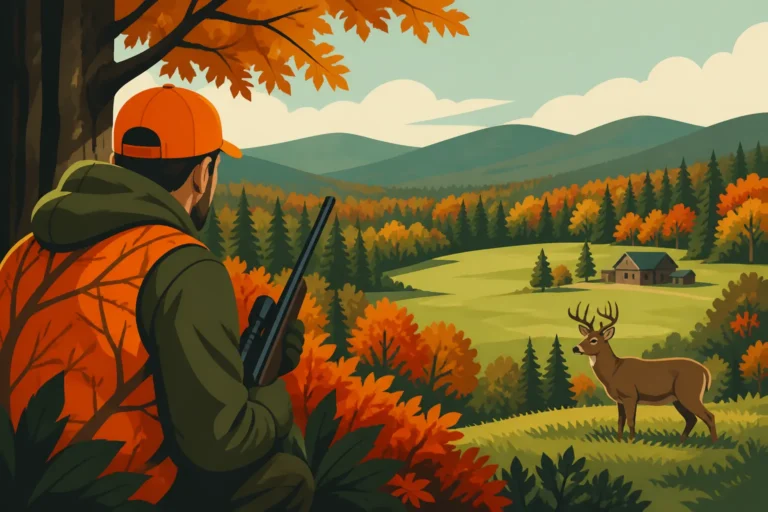
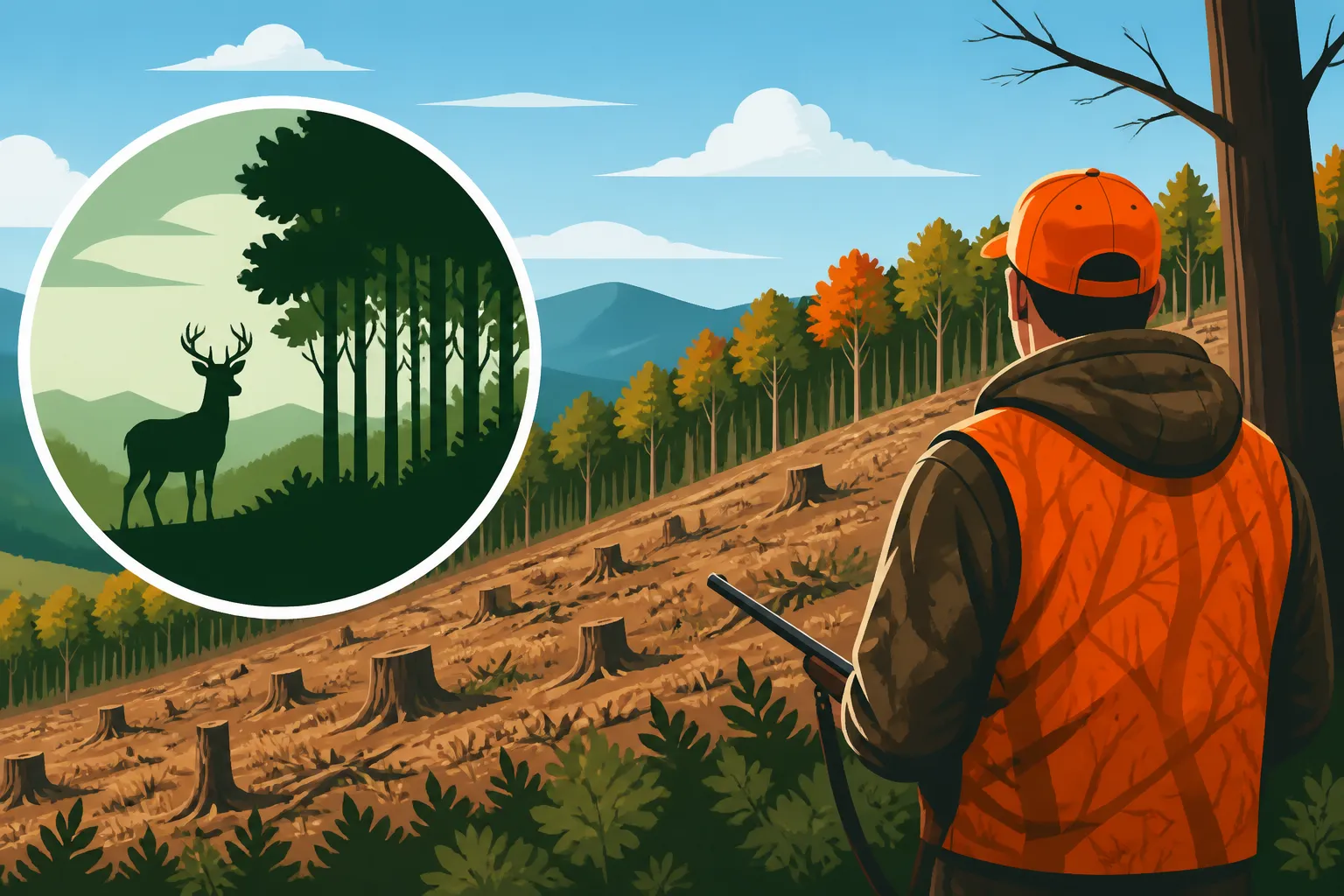
As the autumn hunting seasons progress here in Vermont, many hunters find themselves scratching their heads when fields that were once bustling with deer activity suddenly seem empty. The truth is, once the corn is chopped and the soybeans are gone, deer don't just vanish; they shift their patterns and often seek refuge in the overlooked pockets of standing cover that remain. This guide will help you understand where to find these elusive deer and how to effectively hunt these critical late-season hideouts.
The Strategic Value of Standing Cover for Vermont Deer
When the leaves fall and the landscape opens up, deer become incredibly vulnerable. They're wired for survival, constantly seeking security, thermal protection, and any remaining food sources. Standing cover, whether it's a forgotten corner of corn or a thick brushy fencerow, provides precisely what they need to evade predators and harsh weather conditions.
Why Deer Seek Refuge in Harvested Fields
Imagine a wide-open cornfield in July—a veritable supermarket and high-rise apartment complex for deer. They have food, security, and shade. Fast forward to late October or November, and that field is suddenly a barren wasteland. The deer that called it home don't just pack up and move to the next county. Instead, they often retreat to the closest, thickest cover available, which frequently means small, isolated patches within or immediately adjacent to these recently harvested areas. These pockets become critical sanctuaries, offering a surprising amount of concealment in an otherwise exposed environment. For a deeper understanding of these animals, it's worth reviewing how they thrive across the state in articles like White-Tailed Deer Across Vermont.
This behavior is particularly pronounced as hunting pressure ramps up. Deer are smart; they learn quickly where they are safe and where they aren't. A small stand of unharvested corn, a dense cattail swamp bordering a field, or a gnarled briar patch along a creek bottom can offer thermal protection from biting winds and a visual barrier from peering eyes. They might still venture into the open fields after dark to glean any leftover sustenance, but during daylight hours, these standing cover areas are their fortress.
Common Types of Standing Cover After Harvest
The term "standing cover" can encompass a few different things here in Vermont, especially depending on the agricultural landscape.
One of the most classic examples is standing corn. While most fields are harvested efficiently, it's not uncommon to find a small section, a corner, or a few rows that were skipped due to wet ground, equipment issues, or simply being too small to bother with. These patches, even if only an acre or two, can hold a surprising number of deer. The dense stalks provide excellent visual cover, and the remaining kernels offer a highly desirable food source.
Beyond corn, look for brushy fencerows and creek bottoms that weave through or along agricultural land. Farmers often clear land up to a point, leaving a strip of overgrown saplings, multiflora rose, honeysuckle, and dense grasses that are too much trouble to remove. These linear strips act as natural highways and bedding areas, especially if they connect larger woodlots. Similarly, small woodlots or thickets that are difficult to access with farm machinery, perhaps on a steep bank or surrounded by wet ground, become magnets for deer. Even a neglected apple orchard, or a few rows of standing beans, can provide just enough cover and food to hold deer for extended periods. On a Champlain Valley Dairy Farm Edge, these small features can be the difference between seeing deer and not.
Scouting and Identifying Productive Standing Cover
Successfully hunting standing cover requires more than just stumbling upon it. It demands dedicated scouting, both from afar and with boots on the ground, to truly understand how deer are utilizing these spaces.
Utilizing Digital Mapping and Aerial Reconnaissance
In today's hunting world, digital mapping tools are indispensable, and they become particularly valuable when trying to pinpoint standing cover. Platforms like GoHunt (a fantastic resource, by the way) allow you to zoom in on satellite imagery and identify unharvested sections of fields, dense fencerows, or isolated woodlots that might be overlooked by others. Look for distinct color changes or textural differences in the satellite images that indicate unharvested crops or unusually thick vegetation.
Pay close attention to the transitions between different habitat types. A small patch of standing corn bordering a hardwood forest, or a dense swamp that feeds into a cut bean field, will be key areas. Using these mapping tools can save you hours of aimless walking. You can mark potential bedding areas, travel corridors, and ambush points before you even step foot in the woods. For those hunting in hillier terrain, understanding Reading aerial photos for Green Mountain Deer can help you visualize how deer might move around these cover pockets, taking advantage of topography.
Boots-on-the-Ground Scouting for Sign
While digital maps get you in the ballpark, nothing beats physical scouting. Once you've identified potential standing cover areas on your map, it's time to put boots on the ground. Your goal is to confirm deer presence and understand their preferred entry and exit routes.
Start by circling the perimeter of the standing cover, looking for fresh tracks entering and leaving the area. Deer are creatures of habit, and they'll often use the same trails repeatedly. Look for broken cornstalks, droppings, and even rubs or scrapes if the rut is still active or recently passed. Pay particular attention to trails that lead from the standing cover to nearby food sources (like acorn flats or winter wheat) or to larger bedding areas.
Don't be afraid to carefully venture into the cover, especially if it's dense. Deer often bed deep within these areas for maximum security. Look for distinct bedding depressions, often surrounded by heavy browse. Be mindful of your scent and disturbance; the goal is to gather information, not to push deer out or educate them. This kind of diligent pre-season work, similar to Scouting Vermont Public Land Before Season, will pay dividends when the hunting pressure is on.
Effective Hunting Strategies for Standing Cover
Once you've located a promising patch of standing cover and identified how deer are using it, it's time to formulate a hunting strategy. The approach you take will largely depend on the size and nature of the cover, as well as the number of hunters in your party.
Still-Hunting and Drives in Standing Cover
For smaller, more isolated pockets of standing cover, a slow, methodical still-hunt can be incredibly effective. The key here is patience and stealth. Move at a snail's pace, pausing frequently to scan ahead for any flicker of movement or a tell-tale silhouette. Use the dense vegetation to your advantage, breaking up your outline and masking your movements. It's often best to still-hunt into the wind, or with a quartering wind, to prevent your scent from alarming deer ahead of you. Be ready to shoot quickly, as encounters in dense cover are often close-range and fleeting.
For larger areas of standing cover, especially those bordering open fields, a small deer drive with two or three partners can be a highly productive tactic. This isn't about running deer; it's about gently nudging them out of their sanctuary toward waiting hunters. One or two "drivers" walk slowly and quietly through the cover, while others position themselves as "posters" along anticipated exit routes. These could be fencerows, saddles, or bottlenecks. A well-executed drive, as described in Deer Drives With Three or Four Hunters, relies on good communication and a clear understanding of where deer are likely to go when disturbed. Always prioritize safety, ensuring everyone knows where others are located and their shooting lanes.
Ambush Points and Stand Placement
Often, the most effective way to hunt standing cover is by ambushing deer as they enter or exit these secure areas. Identify natural pinch points or funnels where deer movement is concentrated. These might be narrow strips of cover between two fields, a low spot in a fence, or a section of a fencerow that deer frequently cross to access another part of the property. Hunting a Funnel Between Two Woodlots is a classic tactic that applies perfectly here.
Consider setting up a ground blind, especially if you can brush it in effectively (think Brushing In a Blind on a Field Edge) to blend with the surroundings. This allows you to hunt directly adjacent to or even within the edge of the standing cover without excessive movement or scent dispersion. If permitted and practical, a ladder stand or hang-on stand can give you an elevated vantage point overlooking these travel routes or a key corner of the cover. Always pay meticulous attention to wind direction. Deer rely heavily on their nose, and a swirling wind can quickly give away your position. Understanding Wind and Thermals in Steep Green Mountain Terrain is crucial, even when hunting relatively flat agricultural areas, as subtle air currents can still play a significant role.
Timing and Conditions for Maximizing Success
The success of hunting standing cover often hinges on understanding the optimal timing and prevailing conditions that push deer into these concentrated areas.
The Impact of Weather and Pressure
Cold fronts, especially those accompanied by snow, are prime conditions for hunting standing cover. When temperatures plummet and snow begins to accumulate, deer become even more reliant on dense cover for thermal regulation and protection from the elements. They will often bed down deeper within these thickets, conserving energy and waiting out the harsh weather. A fresh snowfall also makes tracking deer movements much easier, revealing exactly where they are entering and exiting the cover. Thinking about Hunting Deer After a Cold Front should inform your decision-making.
Furthermore, hunting pressure from other hunters in surrounding areas can be your best friend. As hunters push through woodlots or sit in treestands overlooking traditional food plots, deer will naturally gravitate towards the safest, thickest hideouts. Standing cover that might have been less productive early in the season can become a deer magnet once the general rifle season opens and the landscape is full of human activity. This creates an opportunity for patient hunters to capitalize on deer that have been bumped from their usual haunts.
Late-Season Considerations and Food Sources
As the season progresses into late fall and early winter, the importance of standing cover intensifies. By this time, many natural food sources have been depleted, and deer are actively seeking out anything that provides sustenance and energy. Remaining standing corn or unharvested beans become incredibly valuable. This is a critical period for Late-Season Food Sources for Vermont Whitetails.
During the late muzzleloader season, for example, deer will be focused almost entirely on survival, making these pockets of cover even more attractive. If you're still chasing a tag during Hunting into the December Muzzleloader Close, these hidden sanctuaries become your primary focus. Deer will often bed very close to their food source, moving only short distances to feed. Your strategy should revolve around intercepting them between these two critical points, often at first or last light, when they are most likely to move.
| Cover Type | Hunting Method | Best Conditions | Advantages | Challenges |
|---|---|---|---|---|
| Standing Corn | Still-hunt, Small Drive | Cold front, snow, high pressure | Excellent visual & thermal cover, food source | Limited visibility, difficult tracking, noisy stalks |
| Brushy Fencerow | Ambush, Still-hunt | Any conditions, especially after field harvest | Connects larger areas, natural travel corridor | Dense thorns, limited shot lanes |
| Small Woodlot/Thicket | Ambush, Still-hunt, Drive | High pressure, cold weather | Security cover, potential bedding, browse | Very thick, deer hold tight, easy to spook |
| Cattail Swamp/Marsh | Ambush, Edge-hunt | Wet conditions, cold, late season | Thermal refuge, water source, difficult access | Very wet, messy, difficult to navigate |
Disclaimer
Hunting is an activity that carries inherent risks. Always prioritize safety, adhere to all local and state regulations, and obtain appropriate licenses and permissions before entering any hunting area. The information provided here is for educational purposes and should not be considered a substitute for proper hunter education and experience.