Hunting Deer After a Cold Front
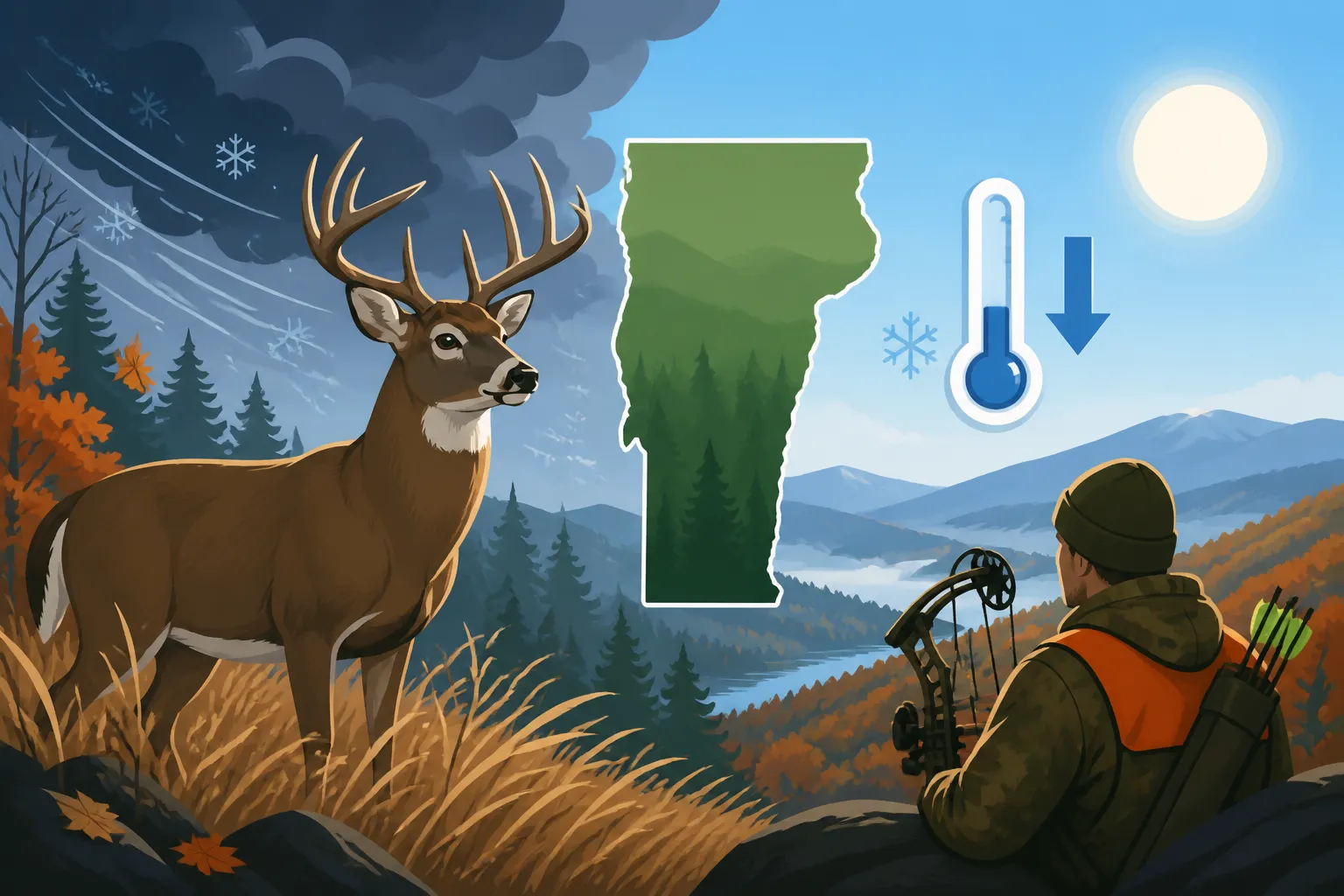
Oh, the crisp bite of the air after a cold front rolls through Vermont! It’s a feeling every hunter knows well, often accompanied by a surge of excitement and a good dose of uncertainty. We’ve all been there: bundled up, teeth chattering, wondering if this dramatic weather shift will send deer scrambling for cover or spur them into a feeding frenzy. This guide is here to cut through that uncertainty, offering a deep dive into how cold fronts truly affect whitetails in the Green Mountains and how you can adapt your strategy to punch your tag when the temperatures plummet.
Understanding the Impact of a Cold Front on Vermont Deer Behavior
A cold front isn't just a drop in temperature; it's a complete atmospheric upheaval that drastically alters the deer's world, sometimes for the better, often for the worse, but always for the different. If you want to consistently find success, you need to think like a deer, and that means understanding the environmental cues that trigger their movements.
The Barometric Pressure Rollercoaster
The most significant, yet often overlooked, factor associated with a cold front is the change in barometric pressure. Before a front arrives, the pressure typically drops. Deer, like many animals, are highly sensitive to these changes. They feel it in their bodies, and it often prompts them to feed heavily, almost like they're trying to fuel up for the impending storm. This is why you often hear tales of incredible hunting just before a major weather event. They know bad weather is coming, and they need to pack on calories while the going is good.
Once the cold front passes, the barometric pressure rises sharply and typically remains high for a few days. This post-front period is what we're really focused on. High, stable pressure usually signals clear skies, lower humidity, and often, colder temperatures. For deer, this can be a period of relative calm after the storm, but it doesn't always translate into immediate, widespread movement. Instead, their activity becomes more intentional and often revolves around specific needs, primarily food and thermal cover. Recognizing these subtle shifts is key to successful Hunting Deer After a Cold Front.
Temperature Drops and Wind Shifts
Beyond barometric pressure, the immediate drop in temperature is the most noticeable change. A significant temperature drop, especially if it brings freezing or near-freezing conditions, forces deer to conserve energy and seek out vital resources. Their metabolic rates increase as they try to stay warm, making food an even higher priority. This is particularly true if the cold front brings the first hard freeze of the season, which can knock leaves off trees and change food availability almost overnight.
Coupled with temperature changes, cold fronts almost always bring a dramatic wind shift. Often, a front will usher in strong winds from the west or northwest in Vermont, which can be brutal in exposed areas. Deer, being creatures of comfort and survival, hate high winds. They make it hard to hear predators, they're physically taxing, and they pull heat from their bodies. So, after a front, especially during the initial blast, deer will almost invariably seek out sheltered areas. This might mean the leeward side of a ridge, a dense softwood thicket, or even deep ravines where the wind's bite is lessened. Understanding Wind and Thermals in Steep Green Mountain Terrain is crucial here; a shift in wind direction can completely alter where deer feel safe to travel or bed.
Adjusting Your Strategy: Pre-Front, During, and Post-Front
Successfully hunting around a cold front isn't just about what you do after it hits. It's about a holistic approach that considers the entire weather system. Missing the pre-front activity can be a real missed opportunity, and understanding what to do during the actual front can keep you safe and ready for the aftermath.
Capitalizing on Pre-Front Activity
Before a cold front truly arrives, when the barometer is dropping and the air might feel heavy or humid, deer often go on a feeding binge. This is their biological impulse to stock up on calories before the weather turns nasty. If you have the luxury of knowing a front is coming a day or two out, and you can get into the woods, this can be some of the best hunting of the season. Focus your efforts on primary food sources: active acorn flats, standing corn fields if you have permission to hunt them, or even late-season apple orchards.
For example, if you're hunting in the Champlain Valley, scouting out a field edge that's been recently active with deer sign before the front hits could put you in a prime position. Don't be afraid to sit a bit longer or be more aggressive in your approach during this window, as deer might be less cautious in their urgent search for food. Check your weather apps, like the excellent tools offered by GoHunt, to pinpoint these precise pre-front windows.
Navigating the Front's Arrival
When the cold front is actually passing, conditions can be tough. High winds, driving rain, or even snow can make hunting miserable and unproductive. Deer will be hunkered down, seeking the thickest thermal cover they can find. If the weather is truly severe – high winds, heavy precipitation, plummeting temperatures – it's often best to wait it out. Not only for your own safety and comfort but because your chances of encountering active deer are significantly reduced. You're better off staying warm and dry, planning your attack for the high-pressure, post-front conditions.
However, if it's a milder front with just a temperature drop and light wind, staying in your stand or still-hunting slowly through thick cover can sometimes pay off. Deer might move from their bedding to more protected feeding areas, and a stealthy approach might catch them off guard.
Post-Front: The Strategic Window
This is where the real work begins. Once the front has cleared, the skies are often blue, the air is crisp, and temperatures are noticeably colder. The first 24-48 hours after a significant cold front are typically the most promising. Deer have been holed up, minimizing movement during the storm, and now they need to feed and get back to their regular routines, albeit adjusted for the new conditions.
Your primary focus should shift to food sources that offer both calories and proximity to good thermal cover. Think about Late-Season Food Sources for Vermont Whitetails that might be available. This is also a fantastic time for still-hunting, particularly if you're targeting public land in areas like the Green Mountain National Forest. By moving slowly and deliberately through bedding areas or transition zones between bedding and feeding, you increase your chances of intercepting a deer on its way to or from a meal.
Key Tactics for Hunting Post-Front Whitetails in Vermont
Hunting after a cold front requires specific tactics tailored to the deer's immediate needs and behaviors. It's not just about sitting and waiting; it's about being proactive and intelligent with your approach.
Targeting Food and Thermal Cover
As mentioned, after being holed up, deer are hungry. But they're also cold, meaning they'll prioritize feeding in areas that are either close to thermal cover or are thermal cover themselves.
Food Source Focus:
- Acorn Flats: If you still have acorns dropping, especially white oak acorns, these are gold. Deer will hit them hard.
- Browsing: Don't overlook browse. After a hard freeze, certain woody browse like maple, beech, and even balsam fir can become critical. Look for fresh clippings.
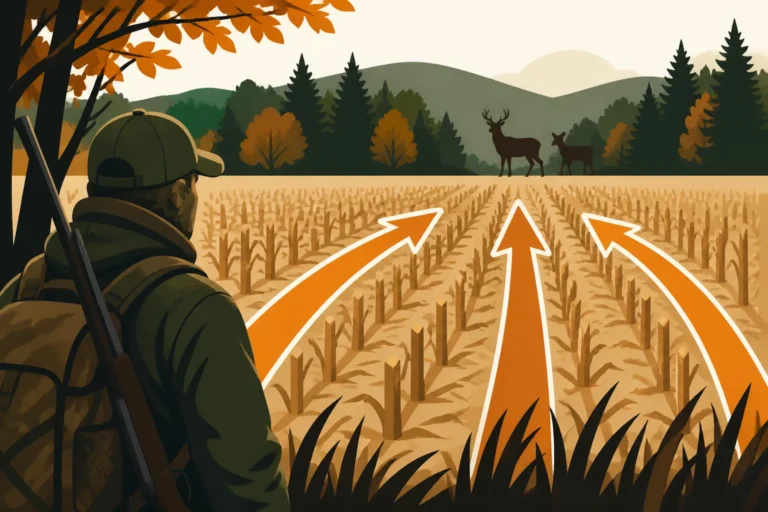
- Late-Season Agricultural Fields: Standing corn, brassicas, or even residual grain in cut fields can be magnets. Remember to get proper permission for these private lands.
Thermal Cover Integration:
- Softwood Thickets: Cedar swamps, hemlock stands, and dense spruce/fir thickets are natural thermal sanctuaries. Deer will bed in these areas to escape wind and stay warm. Focus on their edges and internal trails.
- Leeward Ridges: Identify the side of a ridge that is protected from the prevailing post-front winds. Deer will often bed on these slopes, especially if there's good cover there.
- South-Facing Slopes: The sun's warmth, even in late fall or early winter, can be a major draw. South-facing slopes that absorb sunlight will be warmer and more inviting for bedding.
A great way to identify these areas is to spend time Scouting Vermont Public Land Before Season. The more you know about the layout of thermal cover and food sources, the better prepared you'll be when a cold front hits.
Still-Hunting and Ground Blind Strategies
After a cold front, deer movement can be more sporadic or concentrated in specific areas. This makes still-hunting an incredibly effective strategy, especially in Vermont's diverse terrain. Instead of sitting motionless for hours, you become a slow-moving predator, actively searching for deer.
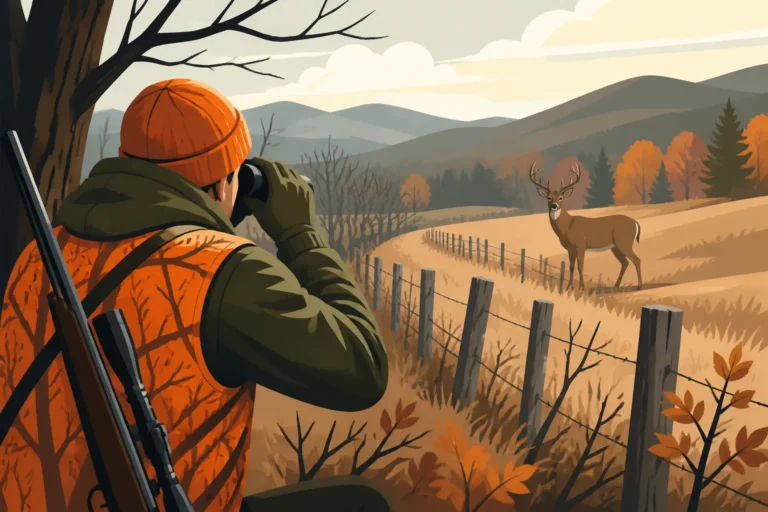
- Slow and Deliberate: Move at a snail's pace, taking only a few steps before stopping to scan, listen, and glass. Use your binoculars constantly to pick apart dense cover.
- Wind in Your Face: Always hunt into the wind or with a crosswind. A strong, consistent post-front wind can be your friend, masking your noise and scent. Use a tool like the GoHunt app to keep track of real-time wind conditions.
- Focus on Where Vermont Bucks Bed in Thick Cover: This includes dense softwood, thick laurel, or even tangled blowdowns. Deer will often get up and stretch or browse briefly within or very near their bedding areas, especially during the colder hours.
If still-hunting isn't your style, or if you've pinpointed a key travel corridor or food source, a ground blind can be an excellent option. Brushing in a blind on a field edge or along a thicket can provide critical warmth and concealment in the colder conditions, allowing you to stay longer and remain undetected. This is especially useful for Using a Ground Blind on Public Land where permanent stands are often prohibited or difficult to set up.
Timing Your Hunt
After a cold front, deer activity often peaks during certain windows, especially early morning and late afternoon. However, midday activity can also increase, particularly if the sun is out and it's bitter cold. Deer may be more inclined to move around midday to soak up the sun's warmth and get a quick bite to eat before hunkering down for the evening.
| Post-Front Deer Activity Window | Focus | Rationale |
|---|---|---|
| First Light (Sunrise to 9 AM) | Primary food sources near thermal cover | Deer have been bedded and are very hungry; driven to feed immediately. |
| Midday (9 AM to 3 PM) | Transition zones, thermal bedding areas, sun-soaked slopes | Deer may move to warmer spots, stretch, or browse lightly before evening feed. |
| Late Afternoon (3 PM to Sunset) | Primary food sources | Final feeding push before bedding down for the cold night. |
This expanded midday activity can be a game-changer for hunters. Instead of retreating for lunch, consider staying in your spot or initiating a slow, methodical still-hunt through likely bedding areas. Your perseverance during these often-overlooked hours might just pay off with a post-front buck.
Gear and Preparation for Cold Front Hunting
Hunting after a cold front isn't just about strategy; it's about being physically prepared for the conditions. Vermont winters are no joke, and a cold front can bring truly brutal temperatures and wind chills. Proper gear isn't just about comfort; it's about safety and your ability to stay in the field long enough to be successful.
Layering for Extreme Cold
The most critical aspect of cold-weather hunting is effective layering. You need to trap body heat while also wicking away moisture. A good system starts with a solid base layer, moves to insulating mid-layers, and finishes with a protective outer shell.
- Base Layers: Choose merino wool or synthetic materials that wick sweat away from your skin. Avoid cotton at all costs, as it retains moisture and loses its insulating properties when wet, leading to dangerous hypothermia. Think about a heavier weight base layer for truly frigid post-front hunts.
- Mid-Layers: Fleece, down, or synthetic puff jackets provide critical insulation. A good mid-layer should be easy to remove or add depending on your activity level (e.g., hiking versus sitting). This is where a quality piece like those often reviewed on GoHunt for cold weather performance can make all the difference.
- Outer Shell: Your outer layer needs to be windproof and water-resistant (or waterproof, depending on precipitation). It protects your inner layers from the elements and helps retain heat. Look for quiet fabrics suitable for hunting.
Don't forget your extremities! A good pair of insulated, waterproof boots is non-negotiable for Vermont's sometimes muddy, sometimes snowy, often rugged terrain. For more details, check out guides on Layering for Vermont's Long Hunting Season or Boots for Vermont's Steep Terrain. Hand warmers, insulated gloves or mittens, and a warm hat are also essential to prevent frostbite and maintain comfort.
Optics and Essential Tools
The crisp, clear air that often follows a cold front can provide excellent visibility, making quality optics even more valuable.
- Binoculars: Invest in a good pair of binoculars (10×42 or 10×50 are popular choices) to glass distant food sources, pick apart dense cover for deer, or spot subtle movements in the woods. The clearer air often means you can see further with less atmospheric distortion.
- Rangefinder: With deer potentially on the move and in various types of terrain, a rangefinder ensures accurate shot placement, especially in the cold when your body might be less flexible.
- Navigation: While cell service can be spotty, especially in the Northeast Kingdom, a reliable GPS unit or a mapping app like onX Hunt (with downloaded offline maps) is crucial. Knowing exactly where you are and how to navigate back to your vehicle is paramount, particularly if you're venturing deeper into public lands like those often covered in articles about Still-Hunting Green Mountain National Forest Timber.
Finally, always carry a small survival kit: fire starter, headlamp with extra batteries, a knife, and a first-aid kit. The unexpected can happen quickly in cold weather, and being prepared is your best defense.
Conclusion
Hunting deer after a cold front in Vermont is a challenging but incredibly rewarding experience. It demands an understanding of deer behavior, adaptable strategies, and meticulous preparation. By recognizing the subtle cues of barometric pressure shifts, temperature drops, and wind changes, you can transform a potentially difficult hunt into a prime opportunity. Focus on food, thermal cover, and utilize smart still-hunting or blind tactics, all while ensuring your gear keeps you warm and safe. The Green Mountains offer some of the most beautiful and rugged hunting anywhere, and with the right approach, those post-front days can be some of the most memorable of your season.
Disclaimer
The information provided in this guide is for informational purposes only and is not a substitute for official hunting regulations. Always consult the Vermont Fish & Wildlife Department's official regulations before engaging in any hunting activities. Hunting involves inherent risks, and safety should always be your top priority.