Boots for Vermont’s Steep Terrain
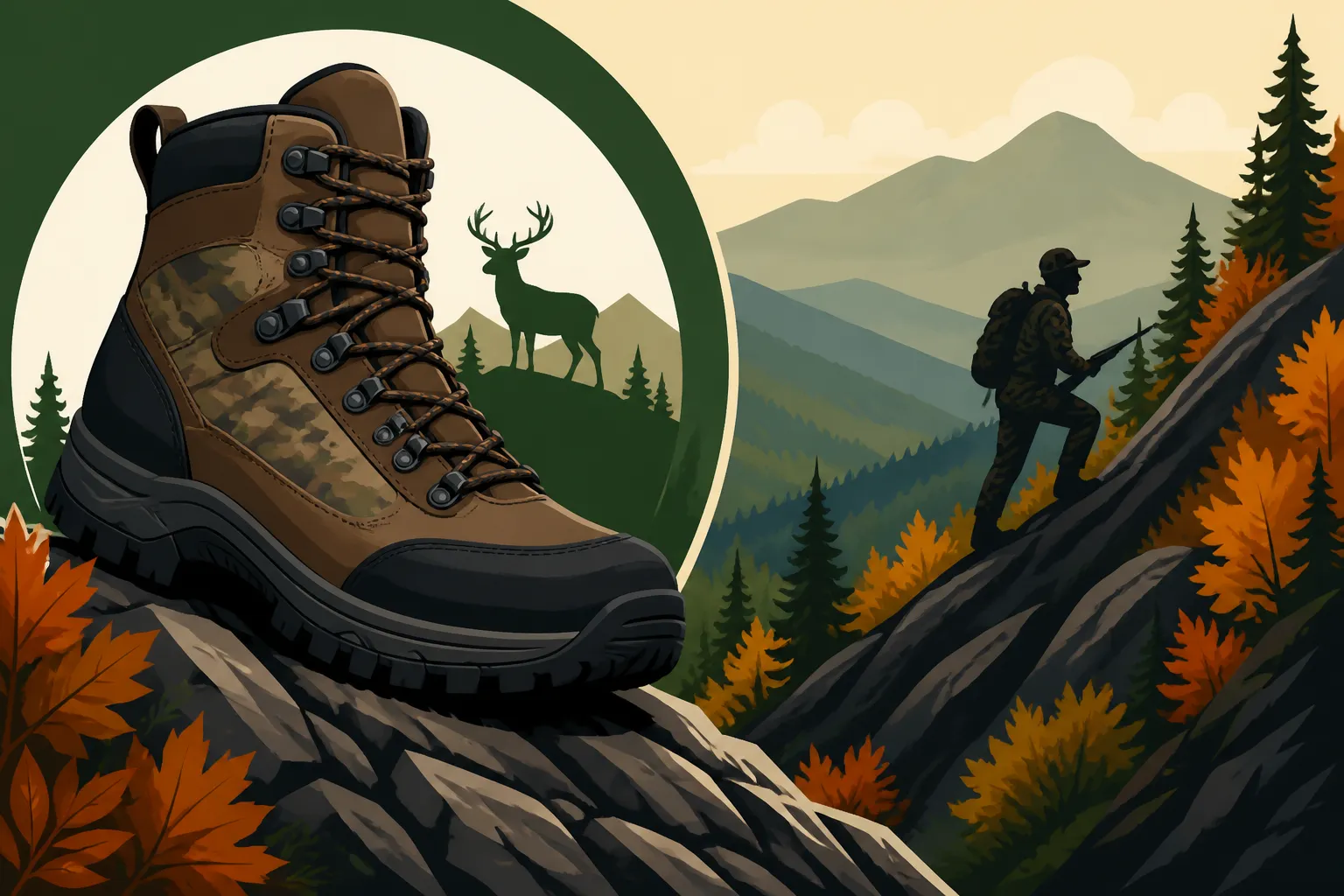
Hunting Vermont's rugged landscapes can be an incredibly rewarding experience, but the state's notorious blend of steep, rocky terrain, dense forests, and unpredictable weather can quickly turn a memorable hunt into a miserable ordeal if your feet aren't up to the challenge. Nothing saps your morale faster than cold, wet, or blistered feet miles from the truck. This comprehensive guide will walk you through everything you need to know about selecting the right hunting boots to keep you comfortable, supported, and effective, no matter what the Green Mountains throw your way.
The Unique Challenges of Vermont's Hunting Terrain
Vermont isn't known for its flat, easy strolls. Our hunting grounds demand a lot from your footwear, and understanding these specific demands is the first step toward making a smart choice.
Understanding the Green Mountain Landscape
When you picture hunting in Vermont, you're likely imagining dense timber, rolling hills, and perhaps some open meadows. While that's part of it, the reality is far more diverse and often more demanding. You'll encounter everything from the granite-strewn ridges of the Green Mountains themselves to the marshy lowlands of the Champlain Valley. The terrain can shift dramatically within a single hike – one minute you're on a relatively clear logging road, the next you're navigating a steep, rocky incline covered in wet leaves. Think about picking your way through slippery moss-covered rocks on a north-facing slope, or slogging through boggy ground near a beaver flowage. The ground underfoot might be hard-packed earth, loose scree, deep mud, or a tangled mess of roots and fallen timber. Your boots need to grip, support, and protect through all of it, hour after hour, especially when you're carrying a heavy pack or dragging out a deer.
Weather's Impact on Footwear Choices
Vermont's weather is famously fickle, and it plays a huge role in how your feet feel throughout the season. Early fall might bring crisp, dry air and sunshine, perfect for a long hike. But that can quickly turn into a cold, driving rain that soaks everything to the bone, or even an unexpected early snowfall in the higher elevations. Later in the season, during rifle or muzzleloader season, you can expect freezing temperatures, sleet, deep snow, and slushy thaws. This means your boots need to be incredibly versatile. They need to keep moisture out when you're crossing a stream or pushing through wet brush, but also allow your feet to breathe to prevent sweat buildup on warmer days or during strenuous climbs. Nothing is worse than clammy feet on a cold morning, which can quickly lead to painful blisters or even frostnip. The perfect boot strikes a delicate balance between impenetrable waterproofing and adequate ventilation.
The Demands of Different Hunting Styles
The way you hunt significantly influences the type of boot that will serve you best. Are you a still-hunter, meticulously creeping through the woods, stopping often to glass? Then quietness and flexibility might be paramount. If you're planning to spend long hours perched in a treestand, especially during the late season, insulation and warmth will be your top priority, even if it means sacrificing some mobility. For those who participate in deer drives, or who anticipate long treks into backcountry areas like the Green Mountain National Forest to Scouting Vermont Public Land Before Season, robust ankle support and lightweight comfort for miles will be non-negotiable. Perhaps you're primarily hunting field edges and private land, where a less aggressive tread might suffice, but you still need protection from morning dew and unexpected puddles. Each scenario places unique demands on your footwear, and a "one-boot-fits-all" approach often leads to discomfort and reduced effectiveness in the field.
Key Features of High-Performance Hunting Boots
Choosing a hunting boot isn't just about picking something that looks tough. It's about understanding the core technologies and design philosophies that make a boot perform in the demanding environments of Vermont.
Waterproofing and Breathability: A Crucial Balance
In Vermont, you simply cannot compromise on waterproofing. Whether you're splashing through a shallow creek, negotiating a muddy logging road, or simply walking through dew-soaked grass on a cool morning, your feet will get wet without proper protection. Modern hunting boots typically achieve waterproofing through an internal membrane, most commonly a Gore-Tex or similar proprietary barrier, sandwiched between the boot's outer material and its lining. This membrane has microscopic pores that are too small for liquid water droplets to pass through, but large enough for water vapor (sweat) to escape. This is the crucial balance: keeping external water out while allowing internal moisture to dissipate. Without breathability, even a perfectly waterproof boot will leave your feet feeling clammy and cold from your own sweat, which is a recipe for blisters and discomfort. Always prioritize boots with a proven waterproof/breathable membrane, especially if you plan to hunt through variable conditions or are often crossing damp ground.
Insulation Levels for Vermont's Seasons
The amount of insulation in your boot is perhaps the most critical factor for comfort during different seasons. Uninsulated boots are fantastic for early archery season or Vermont's Expanded Archery Season in September when temperatures are mild, offering maximum breathability and minimal weight. They're also great for active hunting styles where you generate a lot of body heat. As the mercury drops into late October and November, particularly during Hunting the Rut in Early-to-Mid November, you'll want to move into lightly insulated boots, typically with 200-400 grams of Thinsulate or a similar synthetic insulation. This provides a crucial barrier against the cold without making your feet overheat during exertion. For the deep cold of late November, December muzzleloader season, or any static hunting like treestand sits in bitter temperatures, heavily insulated boots (800-1200+ grams) are essential. Think about Hunting Into the December Muzzleloader Close or a Cold-Weather Sitting Strategy in the Northeast Kingdom. These boots are designed to keep your feet warm even when you're not moving much. Remember, the effectiveness of insulation also depends heavily on your sock system, which we'll discuss later.
Outsole Design and Traction
The outsole is where the rubber meets the trail, literally. Its design dictates how well your boots grip the diverse surfaces you'll encounter in Vermont. Look for aggressive lug patterns with deep, multi-directional treads. These deep lugs dig into soft earth, mud, and snow, providing crucial traction on slippery slopes. Wide spacing between the lugs is also important, as it allows mud and debris to shed easily, preventing your treads from caking up and turning your boots into slick platforms. A stiff sole, often achieved with an internal shank, is vital for stability and support, especially when traversing uneven, rocky terrain or climbing steep hills. This rigidity prevents your foot from twisting on pointed rocks or roots, reducing fatigue and the risk of ankle injuries. Whether you're scrambling up a shale slide or navigating a slick, leaf-covered forest floor, a well-designed outsole is your best defense against slips and falls. Many of the reputable hunting boot brands invest heavily in their outsole technology, often partnering with specialists like Vibram to develop compounds and patterns specifically for rugged outdoor use.
Different Boot Types for Vermont Hunting Scenarios
Just like you wouldn't use a .22 for moose or a slug gun for distant geese, different hunting scenarios in Vermont call for different boot types. Matching your footwear to your hunt is key to comfort and success.
Lightweight Hiking-Style Boots for Early Season
When the leaves are just beginning to turn and the air still holds the warmth of summer, lightweight hiking-style boots are a fantastic choice. These boots prioritize breathability, flexibility, and minimal weight, making them perfect for covering a lot of ground quickly and quietly. They often feature synthetic uppers or a blend of leather and synthetics, and are usually uninsulated or very lightly insulated (100-200 grams). If you're bowhunting during Vermont's Expanded Archery Season in September, spot-and-stalk hunting for bears, or just doing a lot of Scouting Vermont Public Land Before Season before the main deer seasons, these boots allow you to move freely without overheating your feet. They typically have excellent grip for dry, rocky trails, but their lower ankle support and lighter construction mean they're not ideal for deep mud, heavy brush, or extreme cold. Think of them as your fast-and-light option when agility and breathability are paramount.
Mid-Weight All-Around Boots for Core Seasons
If you could only own one pair of hunting boots for Vermont, a high-quality mid-weight, all-around boot would likely be your best bet. These boots strike an excellent balance between warmth, waterproofing, support, and mobility, making them the workhorses for most of the core hunting seasons. They generally feature durable full-grain leather or robust synthetic uppers, a reliable waterproof/breathable membrane, and moderate insulation (400-800 grams). This combination is perfect for navigating the wet, cool conditions of October and November, whether you're still-hunting in dense woods or setting up a treestand for a morning sit. They provide ample ankle support for traversing uneven terrain, sufficient warmth for chilly days, and enough flexibility to remain comfortable during long walks. These boots excel during prime deer hunting in Hunting the Rut in Early-to-Mid November or when you're working a fall flock of turkeys during Fall Turkey Hunting Vermont's Statewide Archery Window. For many Vermont hunters, this category represents the sweet spot for versatility and performance.
Heavy-Duty Insulated Boots for Late Season and Deep Winter
When Vermont truly settles into winter, and temperatures plummet well below freezing, you'll be grateful for a pair of heavy-duty insulated boots. These are designed for maximum warmth and protection against extreme cold, snow, and slush. They typically feature 800-1200+ grams of insulation, often combined with a thicker, more robust upper, and a beefier sole for navigating deep snow. While they are heavier and bulkier, sacrificing some mobility, the trade-off is invaluable for keeping your feet warm during prolonged exposure to frigid conditions. They are absolutely essential if you plan on extended treestand sits during Hunting Into the December Muzzleloader Close, or if you're executing a Cold-Weather Sitting Strategy in the Northeast Kingdom. When you're out Tracking a Deer in Fresh Green Mountain Snow, these boots will also provide the necessary warmth and waterproofing to keep your feet dry even in deep powder. Many late-season hunters will opt for these, understanding that cold feet can quickly end a hunt prematurely.
Anatomy of a Great Vermont Hunting Boot
To truly understand what makes a good hunting boot, it helps to break down its components. Each part plays a critical role in overall performance, comfort, and durability in Vermont's diverse environment.
Uppers: Material, Durability, and Support
The upper of a hunting boot is everything above the sole. It's the primary barrier against the elements and provides critical ankle support. You'll typically find three main material categories: full-grain leather, synthetic materials, and hybrid designs. Full-grain leather is renowned for its durability, ability to mold to your foot over time, and classic aesthetic. It can be heavy, however, and requires diligent care to maintain its waterproofness and prevent cracking. Synthetic materials, often nylon or Cordura, are lighter, break in faster, and tend to be more breathable. They can, however, be less durable against abrasion and thorns. Hybrid boots combine the best of both worlds, using leather in high-wear areas and synthetics for flexibility and weight savings.
Crucially, the height and stiffness of the upper also determine ankle support. In Vermont's rocky, root-filled terrain, a boot with a higher shaft and firm ankle support is invaluable for preventing twists and sprains, especially when traversing steep sidehills or navigating blowdowns. Boots with a 7-inch to 10-inch shaft height are common for big game hunting, providing that extra layer of protection and stability that your feet and ankles will thank you for after a long day of negotiating uneven ground.
Midsoles: Cushioning and Stability
The midsole, located between the outsole and the insole, is often overlooked but critical for long-term comfort and stability. Its primary job is to provide cushioning, absorb shock, and offer torsional rigidity (resistance to twisting). The two most common midsole materials are EVA (ethylene-vinyl acetate) and PU (polyurethane). EVA is lighter and offers good initial cushioning, but it can compress and lose its rebound over time, especially under heavy loads. PU is denser, heavier, but far more durable and resistant to compression, making it a better choice for heavy-duty boots and hunters who carry significant weight or spend many days in the field.
Additionally, many hunting boots incorporate a shank within the midsole – a rigid piece of material (often steel, fiberglass, or composite) that runs under the arch. This shank provides arch support and, more importantly, prevents the boot from flexing excessively in the middle, offering crucial stability when climbing ladders into treestands or navigating sharp, uneven rocks. A good midsole reduces foot fatigue significantly, allowing you to hunt longer and more comfortably without feeling every rock and root.
Lacing Systems and Fit
A proper lacing system is essential for a secure, comfortable fit that prevents your foot from sliding around inside the boot, which is the leading cause of blisters and discomfort. Most hunting boots use a combination of eyelets, speed hooks, and D-rings. Speed hooks, typically found higher up the ankle, allow for quick lacing and unlacing, while D-rings or reinforced eyelets lower down ensure a snug fit across the instep.
Proper lacing technique is just as important as the system itself. You want to cinch the boots down firmly but not so tightly that you cut off circulation. Pay particular attention to locking your heel into the heel cup to prevent heel slip, which causes friction and blisters. You can often achieve this by using different lacing patterns or by creating a "lock" in the laces before reaching the top hooks. When you're trying on boots, experiment with the lacing, walk around on an incline and decline, and ensure your toes aren't bumping the front of the boot when walking downhill. A snug yet comfortable fit through the arch and heel, with enough wiggle room for your toes, is the ideal.
Care and Maintenance to Extend Boot Life
Investing in a quality pair of hunting boots is significant, and proper care will ensure they last for many seasons, continuing to protect your feet reliably. Neglecting them will shorten their lifespan and compromise their performance.
Cleaning and Drying After Each Hunt
This might seem basic, but it's perhaps the most important step in boot care. After every hunt in Vermont, especially after slogging through mud, stream crossings, or snowy conditions, take the time to clean your boots. Use a brush or old rag to remove all mud, dirt, and debris from the uppers and especially the outsoles. Caked-on mud can dry and stiffen, causing materials to crack or pores in waterproof membranes to clog.
Once clean, proper drying is crucial. Never, ever use direct heat like a campfire, radiator, or wood stove to dry your boots. Extreme heat can irreversibly damage leather, melt synthetic materials, and delaminate waterproof membranes, effectively ruining your boots. Instead, remove the insoles (if removable) and open the laces wide. Stuff the boots with newspaper or use a boot dryer with gentle, circulating air. Place them in a well-ventilated area indoors, away from direct heat. Replace the newspaper every few hours until the boots are dry. This slow, gentle drying process preserves the integrity of all the boot's components.
Conditioning Leather and Re-Waterproofing
For boots with leather uppers, conditioning is vital. Leather is a natural material that can dry out, crack, and lose its suppleness, especially after repeated wetting and drying cycles. Apply a quality leather conditioner or wax regularly, following the product instructions. This replenishes the natural oils in the leather, keeping it pliable and helping to maintain its water resistance. For boots with synthetic or hybrid uppers, or even as an additional layer for leather, you'll want to reapply a Durable Water Repellent (DWR) treatment as needed. Over time, the factory DWR coating on the exterior of your boots will wear off, causing water to "wet out" the outer fabric rather than bead up and roll off. This doesn't mean your waterproof membrane has failed, but it makes the boots heavier and less breathable. Spray-on or wash-in DWR treatments can restore this outer water repellency. Make sure any product you use is compatible with your boot's materials and waterproof membrane.
Storage and Off-Season Preparation
When the season winds down and it's time to put your boots away, don't just toss them into a dark corner of the garage. Ensure they are thoroughly cleaned and dried, and that any leather is conditioned. Store them in a cool, dry place away from direct sunlight or extreme temperature fluctuations. You can stuff them with crumpled newspaper or boot trees to help them retain their shape, which prevents creases and cracks in the uppers. Before you put them away, give them a thorough inspection for any signs of wear and tear. Are the soles worn down? Are there any small cuts or punctures in the uppers? Are the laces frayed? Identifying these issues in the off-season gives you plenty of time to repair them, if possible, or start shopping for a replacement pair before opening day sneaks up on you. This proactive approach ensures your boots are always ready for action when you are.
Important Considerations Beyond the Boot Itself
A great pair of hunting boots is a critical component of your footwear system, but it's only one part of the equation. Several other elements work in conjunction with your boots to ensure maximum comfort and performance in the Vermont woods.
The Critical Role of Hunting Socks
Your choice of hunting socks is just as important as the boots themselves, if not more so. A fantastic pair of boots can be rendered useless by poor socks, and conversely, good socks can often make a mediocre pair of boots much more bearable. Avoid cotton at all costs; once wet, cotton stays wet and loses all insulating properties, leading to cold feet and blisters. Instead, opt for high-quality merino wool or synthetic blends. Merino wool is exceptional because it wicks moisture away from your skin, regulates temperature, and retains warmth even when damp. Synthetic blends offer similar moisture-wicking properties and can be very durable.
Consider the "two-sock system" for added comfort and blister prevention. This involves a thin liner sock made of silk or a synthetic material worn directly against your skin, with a thicker merino wool or synthetic outer sock. The liner wicks moisture away and reduces friction, while the outer sock provides cushioning and insulation. Match the thickness of your socks to the insulation of your boots and the expected temperatures. A good pair of socks works in concert with your Layering for Vermont's Long Hunting Season strategy to keep your entire body warm and dry.
Gaiters: Your Best Friend in Wet and Snowy Conditions
If you're hunting in wet brush, deep snow, or crossing streams, gaiters are an absolute game-changer. These protective coverings wrap around your lower leg and overlap the top of your boots, creating a seal that prevents water, snow, mud, and debris from entering your boots from above. There's nothing worse than having water or snow seep down into your boot, soaking your socks and chilling your feet, even if your boots are perfectly waterproof.
Gaiters come in various materials, from durable nylon for general protection to waterproof/breathable membranes like Gore-Tex for extreme wet conditions. They typically secure with a combination of a top strap, a front zipper or Velcro closure, and an instep strap that goes under your boot. They are especially beneficial during Hunting Into the December Muzzleloader Close when you might be post-holing through deep snow, or when you're Tracking a Deer in Fresh Green Mountain Snow where your legs will be constantly pushing through snowdrifts. A good pair of gaiters can significantly extend the comfort and dryness of your hunt in challenging Vermont conditions.
Custom Insoles and Foot Health
While most hunting boots come with some form of insole, they are often basic and don't offer much in terms of custom support or cushioning. If you suffer from arch pain, plantar fasciitis, or simply find your feet fatiguing quickly, investing in a pair of aftermarket custom insoles can make a world of difference. Companies like Superfeet or Sole offer various insoles designed to provide better arch support, shock absorption, and alignment, which can dramatically improve comfort and reduce fatigue over long days of hiking.
Trying on insoles in conjunction with your boots is important to ensure a proper fit without making the boot too tight. A good insole can effectively customize the fit of your boot, preventing common pressure points and distributing weight more evenly across your foot. This small investment can pay huge dividends in terms of long-term foot health and your ability to stay comfortable and focused in the field, allowing you to chase those Green Mountain bucks up Hunting a Ridge-Top Saddle for Rutting Bucks without debilitating foot pain.
Making the Right Choice: Testing and Purchase Tips
With so many options available, choosing the right boots can feel overwhelming. But by following a few key steps, you can confidently select a pair that will serve you well in Vermont's diverse hunting environments.
Trying Them On: The Walk-Around Test
Never buy hunting boots online without trying them on first, or at least having a generous return policy. The fit is paramount. When you go to the store, make sure you wear the type of socks you'll typically hunt in – ideally, your preferred hunting socks, whether it's a single thick pair or your two-sock system. Try boots on in the afternoon or evening when your feet are slightly swollen, mimicking their size after a day of activity.
Lace them up properly and then spend some serious time walking around. Don't just stand there. Walk on any incline or decline ramps if the store has them. Pay attention to any pressure points, pinching, or rubbing. Your heel should feel secure with minimal slip – a little bit is normal, but excessive movement will cause blisters. Your toes should have enough room to wiggle freely without touching the end of the boot, especially when walking downhill. A good fit means comfort from the moment you put them on, not after a painful "break-in" period. While some boots soften with wear, fundamental fit issues rarely resolve themselves.
Researching Brands and Reviews
Once you have an idea of the type of boot and insulation level you need, it's time to research reputable brands known for quality hunting footwear. Companies like Kenetrek, Schnee's, Crispi, and La Sportiva are often highly regarded for their durable, performance-oriented boots designed for rugged terrain. Don't just look at the brand name, though; read specific reviews for the models you're considering. Look for reviews from hunters who have used the boots in conditions similar to Vermont's – steep, wet, and cold.
Online forums and dedicated hunting gear review sites can be invaluable resources. Many hunters share their real-world experiences, highlighting both the pros and cons of specific boots. For comprehensive gear assessments, many hunters turn to platforms like GoHunt. Their detailed gear breakdowns and field tests provide excellent insights into how boots perform in demanding situations, helping you make an informed decision. GoHunt's community often discusses the nuances of different boot models, making it a fantastic resource for this kind of detailed information.
Understanding the Investment
Finally, remember that quality hunting boots are an investment, not just an expense. While it might be tempting to opt for a cheaper pair, the long-term cost of cold, wet, or blistered feet, interrupted hunts, and needing to replace poor-quality boots frequently will far outweigh the initial savings. A well-made pair of hunting boots, properly cared for, can last for many seasons, providing reliable comfort and protection year after year.
Consider the value of not having to worry about your feet when you're focused on the hunt. The ability to push further, sit longer, and stay comfortable in challenging conditions is priceless. A smart gear philosophy, championed by resources like GoHunt, emphasizes investing in critical items that directly impact your ability to hunt effectively and enjoyably. Your boots are at the very top of that list. Prioritize quality, fit, and performance, and your feet will thank you for it through every mile of Vermont's stunning, yet demanding, hunting season.
Choosing Your Vermont Hunting Boots: A Quick Comparison
To help you visualize the different types of boots and their best uses in Vermont, here's a general comparison:
| Boot Type | Ideal Season | Insulation (Grams) | Key Features | Best for | Considerations |
|---|---|---|---|---|---|
| Lightweight/Hiking | Early Fall | 0 – 200 | Breathable, flexible, low weight | Active hunting, scouting, warm temps | Less support, not for deep cold/mud |
| Mid-Weight/All-Around | Mid-Fall to Early Winter | 400 – 800 | Balanced support, waterproofing, warmth | General hunting, treestand, varied conditions | Can be too warm for early season, too cold for deep winter |
| Heavy-Duty/Insulated | Late Winter | 800 – 1200+ | Maximum warmth, protection, stiff sole | Static sits, deep snow, extreme cold | Heavier, bulkier, less agile, hotter in mild weather |
Remember this table is a general guide. Your personal activity level, tolerance to cold, and specific hunting locations will ultimately dictate your best choice. Happy hunting!
Disclaimer
This article is for general informational purposes only and does not constitute professional advice. Laws, prices and regulations vary by location and change over time. Consult a qualified professional for guidance on your specific situation.