Calls and Decoys for Vermont Waterfowl
Waterfowl hunting in Vermont can be one of the most rewarding, yet equally frustrating, pursuits. From the vast, wind-swept expanses of Lake Champlain to the quiet, ice-edged beaver flows nestled in the Green Mountains, ducks and geese present a constantly evolving challenge. This comprehensive guide will walk you through the ins and outs of choosing and using calls and decoys to boost your success, no matter where in the state your waterfowl adventures take you.
The Art and Science of Waterfowl Calling in Vermont
There's something almost magical about blowing a series of quacks or honks and watching a distant flock turn, cup their wings, and commit to your spread. But it’s not just magic; it’s a learned skill, a conversation you're trying to have with wild birds. Vermont's diverse waterfowl populations mean you'll need to speak a few different dialects.
Understanding Vermont Waterfowl Vocalizations
Waterfowl calling isn't just noise; it's a language, and learning to speak it effectively is fundamental to success. Different species have distinct calls, and understanding them is crucial. Vermont offers such a rich tapestry of waterfowl, from puddle ducks like mallards and wood ducks in small, secluded beaver flows to various diver ducks on the vastness of Lake Champlain, not to mention the ever-present Canada geese.
For example, a crisp series of mallard hen quacks can be an absolute magnet for passing greenheads, signaling safety and companionship. But try using that same aggressive mallard chatter on a flock of wary bluebills or goldeneyes, and you'll likely watch them flare and disappear over the horizon. It's about speaking the right dialect to the right birds at the right time. Knowing your target species' specific calls, and when they use them, is your first step. We'll delve into the common calls you'll hear and need to mimic, covering everything from the excited chatter of a feeding mallard to the deep, resonant honks and clucks of Canada geese that echo across a frosty field. Understanding these sounds is key to attracting birds effectively and boosting your chances of filling your Vermont Duck Daily Bag Limit.
Choosing the Right Call for the Situation
The market is flooded with waterfowl calls, and for a new hunter, or even an experienced one looking to upgrade, it can be overwhelming. Do you go for a single-reed mallard call for its versatility, or a double-reed for its forgiving nature? What about specialized calls for wood ducks, pintails, or divers? Each call type has its place, and understanding their strengths and weaknesses will help you build a well-rounded lanyard.
Single-reed calls, often preferred by seasoned callers, typically offer a wider range of tones and greater volume control. This allows for nuanced calling, from soft feeding chuckles to loud, aggressive comeback calls that can reach birds at a distance. However, they require more air pressure and better technique to prevent sticking or squealing. Double-reed calls, on the other hand, are generally easier to blow and more forgiving for beginners, producing a consistent sound with less effort. They're a great starting point for many Vermont hunters, especially when the weather is biting and fine motor skills are compromised by cold hands.
Goose calls vary significantly as well. Short-reed calls are incredibly popular for Canada geese, allowing for quick, sharp honks, clucks, and murmurs that mimic a flock on the ground. Long flute calls offer a deeper, more resonant sound, great for enticing birds from a distance, especially when you're trying to reach a high-flying flock over the vast fields of the Connecticut River Valley. And don't forget those specialty calls: a wood duck whistle, a pintail or wigeon whistle, or even a diver call can be invaluable when targeting specific species in their preferred habitats. Having a few of these in your pocket might just be the ticket on a specific day in a certain marsh, turning a quiet morning into a memorable hunt.
Decoy Spreads for Vermont's Diverse Waterfowl Habitats
Calls get their attention, but decoys seal the deal. Waterfowl are social creatures, and a realistic spread of their brethren on the water or in a field screams "safety and food!" However, like calls, decoy spreads are not one-size-fits-all. Vermont's varied landscape demands adaptability in your spread design.
Matching Your Decoys to the Local Forage and Species
Decoys aren't just about numbers; they're about realism and strategy, creating an illusion that birds will trust. Vermont's diverse habitats mean you might be hunting small beaver ponds one weekend and the vastness of Lake Champlain the next. Your decoy spread needs to reflect not only the species you're targeting but also their typical behavior in that particular environment.
If you're targeting mallards and wood ducks on a secluded stream or a small, tucked-away Hunting a Beaver Flowage Edge at Dusk, a small, natural-looking spread of half a dozen puddle duck decoys might be far more effective than a giant spread that looks out of place. It’s about being subtle and convincing. Conversely, for Canada geese on a vast Champlain Valley cornfield, you'll often want dozens, if not hundreds, of full-body field decoys to create the illusion of a massive, contented flock.
Consider the local forage. Are the ducks feeding on acorns in a flooded timber patch, or are they dabbling for invertebrates in a shallow marsh? Your decoys should mimic what the birds are doing naturally. Feeding decoys, with their heads down, signal safety and an abundance of food, often drawing in wary birds better than a static spread of upright, alert decoys. It's about telling a convincing story. Knowing your Vermont Duck and Goose Numbers and typical migration patterns is also crucial. Are you seeing mostly mallards and black ducks, or are scaup and goldeneyes making their way through? Tailor your spread to what's actually in the air and on the water to maximize your appeal.
Strategic Decoy Placement for Different Hunting Scenarios
The placement of your decoys is just as important as the decoys themselves. It's about creating an illusion, a safe landing zone that draws birds into shooting range and holds them there. There's no single perfect setup, but understanding common strategies will give you a solid foundation to adapt to different conditions and species.
The classic "J-hook" or "U-shape" spread is a perennial favorite for puddle ducks, as it leaves an open pocket directly in front of your blind or boat, giving birds a natural-looking place to commit. The longer arm of the J-hook should extend downwind, allowing birds to cup their wings and sail into the open water, presenting broadside shots as they descend. For diver ducks on larger bodies of water, long lines or gang rigs are invaluable for quickly deploying and retrieving dozens of decoys, creating large, visible rafts of birds that can be seen from a great distance. These spreads typically need to be spread out more to mimic diver behavior.
Motion decoys, such as spinning wing decoys (often called "Mojo" decoys) or jerk strings, add vital realism and movement to an otherwise static spread. On calm, overcast days, that subtle ripple or flash of wings can make all the difference, breaking up the unnatural appearance of your spread and simulating active birds. However, always be mindful of local regulations on motion decoys, as rules can vary by state or even specific WMAs. For instance, Mojo Decoys for Vermont Puddle Ducks can be highly effective, but knowing when and where to use them legally is part of being a responsible hunter.
Essential Waterfowl Calling Techniques for Vermont Hunters
Learning to call waterfowl effectively takes practice, patience, and a keen ear for what the birds are actually doing. While there are countless variations, mastering a few core calls for ducks and geese will give you a strong foundation for success in Vermont's diverse hunting environments.
Mastering the Basic Mallard Calls
Even if you hunt a variety of species, the mallard is the bread and butter for many Vermont duck hunters. These adaptable birds are found almost everywhere, from the smallest farm ponds to the largest lakes, and mastering a few basic mallard calls can significantly increase your success. It’s not about making a perfect, competition-grade sound every time, but about sounding like a real duck – authentic, confident, and inviting.
The greeting call, a series of 5-7 short, sharp quacks, is your opening line to passing birds. It’s a simple "hello, come on over!" If they respond with a subtle turn or a dip, transition into a comeback call – a louder, more urgent series of 8-10 rapid quacks, signaling them to get back in the game and come closer. This call conveys urgency and invitation. Once birds are committed, circling your spread, and showing signs of wanting to land, switch to a soft feeding chuckle. This is a series of short, choppy quacks, almost like a gaggle of ducks happily feeding. This sound tells them, "It's safe here, there's food, come join us!" This often seals the deal, giving wary birds that final push to drop in. For those slow days, a lonesome hen call—a single drawn-out quack followed by a pause, then another—can be particularly effective on single drakes looking for company.
Honking and Clucking Canada Geese
Canada geese are incredibly vocal, and a good goose call, combined with proper technique, can be absolutely deadly. Their language is rich with nuanced honks and clucks that signal everything from contentment to alarm. Much like duck calling, understanding these sounds and being able to mimic them accurately is crucial.
Start with the greeting call – a series of deep, resonant honks, often in sets of two or three, to get their attention when they're at a distance. As they approach, switch to a more excited, faster clucking, simulating a flock on the ground that's actively communicating and feeding. This is often the sound that pulls them in those last few hundred yards. A "moan" or "groan" is a deeper, longer honk, sometimes almost mournful, often used by geese on the water, especially in foggy conditions or when they're looking for lost flock members. This can be very effective in low visibility.
When you're Layout Blind Hunting a Champlain Valley Field, the key is often to sound like many geese, not just one. Vary your rhythm and volume; sometimes a single sharp cluck is all it takes, other times a sustained chain of honks. Practice getting quick, sharp clucks and deep, drawn-out honks. GoHunt has some excellent resources for practicing these techniques, offering tutorials and audio guides that can really help you refine your sounds and learn to build a cadence that sounds like a real flock. Remember, consistency and confidence in your calling are key to convincing these sharp-eyed birds.
Decoy Care, Maintenance, and Transportation
Decoys are an investment, and like any valuable hunting gear, they need proper care to perform season after season. Vermont's often rugged terrain and variable weather can be tough on equipment, so extending the life of your decoys with good maintenance practices is just smart hunting.
Proper Storage and Cleaning for Longevity
Your decoy investment, whether it's a half-dozen mallards or a truckload of full-body geese, is significant. Proper care will ensure they last for many seasons, continuing to pull birds into your spread. The harsh Vermont weather, from freezing temperatures and driving rain to muddy conditions, can take a real toll on their appearance and functionality.
After each hunt, especially if your decoys have been in muddy or murky water, give them a quick rinse with fresh water. This simple step goes a long way in preventing dirt and grime buildup. Store them clean and dry to prevent mold and mildew, which not only looks bad and makes your decoys less effective but can also deter wary birds with unnatural smells. Avoid leaving them in direct sunlight for extended periods; UV rays are notorious for fading paint and degrading plastic, making your once vibrant decoys look dull and unrealistic. Store them in cool, dark places when not in use.
Small holes or cracks, often caused by errant shots or rough handling, can be repaired with waterproof sealant or epoxy. Re-flock bald spots or repaint faded areas if you want them to look pristine, but often a little "character" or slight wear adds to the realism of a working bird. Crucially, check your decoy lines and weights regularly. Nothing is more frustrating, or costly, than a lost decoy on a windy day because a keeled weight came loose.
Efficient Transport Strategies for Vermont Terrain
Getting your decoys to and from your hunting spot can be a real workout, especially if you're venturing into remote areas or planning on deploying large spreads. Vermont's terrain, from steep riverbanks and slippery mud to thick marshes and deep snow, demands efficient and practical transport solutions.
Decoy bags are absolutely invaluable. They keep your decoys organized, protect their paint, and make carrying them much easier, especially if you're hiking into a spot. Look for large slotted bags that prevent tangles and paint rub-off between decoys. For larger spreads, or if you have access, a sturdy sled can be a lifesaver for dragging dozens of decoys across snow-covered fields, muddy tracks, or even ice. While you might be more familiar with Dragging a Deer Out of a Steep Ravine, the principle of using a sled to ease the burden applies just as well to a heavy load of decoys.
For water-based hunting on larger bodies like Lake Champlain or the Connecticut River, a sturdy boat is often essential. Consider purpose-built decoy boats or modifying a standard jon boat with an open layout for easy loading and unloading. These boats allow you to transport a substantial amount of gear and decoys safely and efficiently. On certain public lands, where ATVs are permitted, they can drastically cut down on transport time and effort for large field spreads. Just be sure to always check local WMA rules first, as regulations on vehicle use can vary widely.
Adapting Calls and Decoys to Vermont's Seasons and Zones
Vermont's waterfowl season isn't a static entity; it's a dynamic progression influenced by migration, weather, and hunting pressure. What worked on opening day might be completely ineffective two months later. Successful hunters understand these shifts and adapt their calling and decoy strategies accordingly.
Early Season vs. Late Season Strategies
Waterfowl hunting in Vermont isn't static; it evolves significantly with the seasons. What works like a charm in early September for resident geese might not cut it for wary, migratory ducks in late November, let alone in December. Understanding these shifts is paramount to consistent success.
Early season, typically from September through early October, often finds younger, less pressured birds still getting used to hunter activity. Your calling doesn't need to be absolutely perfect, and smaller, less elaborate decoy spreads can be incredibly effective. Resident Canada geese, for example, are often more responsive to basic honks and clucks. They haven't been shot at much, and they're simply looking for company and food. As the season progresses into late October and November, migratory birds arrive, and both residents and migrants face increasing hunting pressure. This makes them warier, more cautious, and much harder to fool. Vermont Lake Champlain Zone Waterfowl Dates are a great example of this seasonal shift, often starting with resident birds and transitioning to migrants.
Late season, which can stretch into December, brings colder weather, potentially freezing conditions, and heavily pressured migrants. This is when your calling needs to be precise and realistic, and your decoy spread needs to be impeccable. Motion decoys become even more crucial in calm, cold conditions where natural ripples are absent. You might also need ice-eater decoys or methods to break ice to keep a landing zone open when ponds and marshes really freeze up. In these conditions, birds are often focused solely on survival, seeking open water and abundant food, and your setup needs to convincingly offer both.
Tailoring for Vermont's Waterfowl Zones
Vermont is distinctly divided into three waterfowl zones – Lake Champlain, Interior, and Connecticut River – each with its own seasons and unique characteristics, habitat, and bird populations. Your calling and decoy strategies absolutely must reflect these differences if you want to be successful.
The Vermont Waterfowl Zones and Seasons, particularly the Lake Champlain Zone, offer vast open water, attracting large numbers of diver ducks like scaup, goldeneyes, and buffleheads, as well as significant numbers of puddle ducks. Here, large spreads of diver decoys on long lines, combined with a few puddle duck decoys closer to shore for added variety, can be highly effective. Aggressive calling, especially for divers that might be hundreds of yards out, is often necessary to get their attention across wide expanses of water. You need to be seen and heard from a distance.
The Interior Zone encompasses countless smaller ponds, rivers, and marshes scattered throughout the state. This is prime puddle duck habitat. Here, smaller, more natural spreads of mallards, wood ducks, and black ducks are typically best. Your calling should be more subtle and focused on realistic feeding and greeting calls. For those who explore the smaller, remote beaver flows, a simple jerk string and a couple of hen mallard decoys can be all you need to create a convincing scene. It’s about fitting in, not standing out too much.
The Connecticut River Zone, with its wider river sections, oxbows, and adjacent floodplains, sees a mix of ducks and geese. Here, a versatile approach is key. You might need a mix of puddle duck and goose decoys, and the ability to switch between duck and goose calls quickly as different species pass through. Often, birds will be working the river itself or adjacent flooded fields, so adaptable setups that can quickly shift from water to field are a must.
Advanced Strategies and Common Mistakes
Even the most experienced waterfowl hunters make mistakes, but recognizing and learning from them is how we grow. Furthermore, the modern hunter has an array of tools at their disposal that can enhance traditional scouting and strategy, turning good hunting into great hunting.
Incorporating Technology and Scouting
In today's hunting world, technology can give you a significant edge, especially when it comes to understanding waterfowl movements and optimizing your setups. It's not about replacing traditional boots-on-the-ground scouting, but enhancing it, allowing you to be more efficient and informed.
Mapping apps, such as those available on your smartphone or specialized hunting GPS units, are indispensable for understanding terrain, water depths, and critical access points. They help you visualize where birds might want to land, identify potential blind locations, and plan the most effective route to your spot. Services like GoHunt, while often associated with big game, can offer incredible insights into migratory patterns, harvest data, and even local weather impacts on bird movement, helping you fine-tune your waterfowl strategies before you even leave the house. Think of it as doing your homework. Similarly, Scouting With the Vermont Fish and Wildlife App is another great tool for identifying public lands, WMAs, and understanding regulatory boundaries.
While direct drone scouting for hunting is often regulated and frowned upon, using drones for pre-season scouting to observe general water levels, vegetation patterns, and potential roosting or feeding areas from a distance can be a game-changer. This aerial perspective can reveal hidden gems and help you pattern bird movements over a larger area. Just be absolutely sure to understand and adhere to all FAA and state regulations regarding drone use; ethics and legality always come first.
Avoiding Common Waterfowl Calling and Decoy Mistakes
We all make mistakes, especially when learning something new, and waterfowl hunting is no exception. Knowing what pitfalls to avoid can save you a lot of frustration, keep birds working your spread, and ultimately lead to more successful hunts.
Over-calling is perhaps the most common mistake new hunters make. There's a fine line between enticing birds and annoying them. Once birds are committed, turning towards your spread, and showing signs of wanting to land, often less is more. Switch to soft feeding chuckles or go completely silent. Blasting a loud comeback call at birds with their feet already down and wings cupped is a surefire way to send them flaring and packing. Learn to read their body language; if they're coming, shut up.
Poor Concealment is another huge pitfall. You can have the best calls and decoys in the world, perfectly tuned and placed, but if the birds see you, it's game over. Waterfowl have incredible eyesight. Break up your outline, use natural cover, and blend seamlessly into your surroundings. Layout blinds for field hunting, well-brushed boat blinds for water, and natural vegetation are your best friends. Even a slight glint from an uncamouflaged face can be enough to turn a flock. Remember, the goal is to disappear. Brushing In a Blind on a Field Edge is an art form every waterfowl hunter should master.
Finally, using the Wrong Spread for the Day can ruin an otherwise good hunt. Don't be afraid to adjust. Conditions change: wind shifts, bird behavior varies, and what worked yesterday might not work today. If birds aren't responding to a tight feeding spread, try spreading them out. If they're flaring from motion decoys, turn them off. Pay attention to how the birds are reacting to your setup and be willing to change your strategy on the fly. Sometimes, a smaller, more realistic spread works better than an overly aggressive one, especially on pressured birds.
Essential Gear Beyond Calls and Decoys
While calls and decoys are central to waterfowl hunting, they're just two pieces of a larger puzzle. To be truly effective, comfortable, and safe in the diverse environments Vermont offers, you need the right supporting gear. Thinking beyond the basics can make all the difference in turning a tough hunt into a successful one.
Blinds, Waders, and Boat Considerations
Calls and decoys might get the birds to your location, but it's your ability to remain unseen and get to them that truly matters. This is where blinds, waders, and reliable watercraft come into play.
Blinds are non-negotiable for effective waterfowl hunting. For field hunting, especially for geese, a quality layout blind is indispensable. These low-profile blinds allow you to disappear into the stubble, completely concealing you from the incredibly sharp eyes of incoming birds. For water hunts, a well-camouflaged boat blind, or simply effective natural concealment in thick cattails and reeds, is critical. Remember, concealment isn't just about hiding; it's about blending in seamlessly with the environment, mimicking natural shapes and colors. Brushing In a Blind on a Field Edge is an art that requires local vegetation and a keen eye for detail.
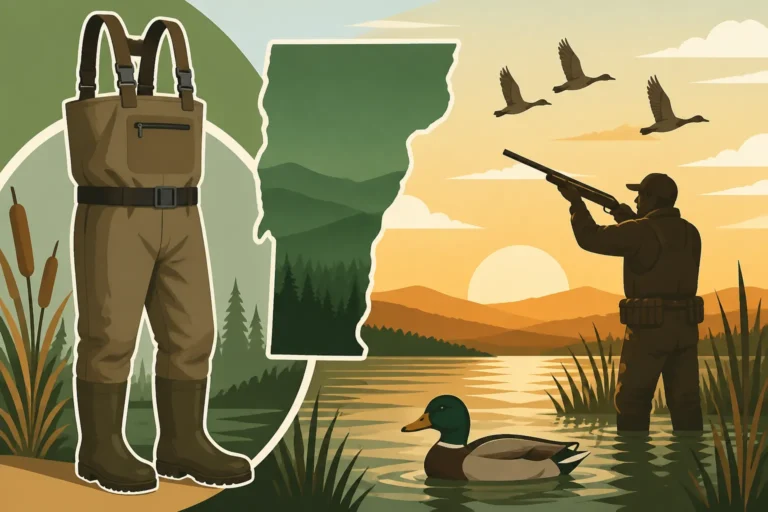
Waders are another item you simply cannot do without. Whether you're setting decoys in shallow water, retrieving downed birds from a marsh, or hunting a flooded timber patch, a good pair of waders is essential. Chest waders offer maximum protection from cold water, while hip waders can suffice for shallower work or if you know you won't be going deep. Make sure they fit well, allow for layering underneath, and are insulated appropriately for the frigid Vermont mornings, as sitting still in cold water can quickly lead to hypothermia if you're not properly protected.
For hunters who target larger rivers or the vastness of Lake Champlain, a stable boat is paramount. A durable jon boat or an aluminum v-hull is essential for reaching many prime waterfowl spots, especially those inaccessible by foot. It allows you to transport a substantial amount of decoys, gear, and hunters safely and efficiently. Ensure your boat is properly camouflaged to match the local environment and, most importantly, equipped with all necessary safety gear, including life jackets for everyone on board. Best Waders for Vermont Waterfowl Hunting discusses various options to keep you dry and warm.
Clothing, Safety, and Miscellaneous Accessories
Vermont weather can be incredibly unpredictable and unforgiving, especially during the core waterfowl season. Staying warm, dry, and safe isn't just about comfort; it's about survival and extending your time in the field.
Layering is your best friend when it comes to cold-weather hunting. Dress in moisture-wicking base layers to keep sweat away from your skin, insulating mid-layers like fleece or down to trap warmth, and a waterproof/windproof outer shell to protect against the elements. You'll often be sitting still in freezing temperatures, then potentially exerting yourself retrieving birds or setting decoys. The ability to add or shed layers, as covered in Layering for Vermont's Long Hunting Season, is crucial for managing your body temperature.
Safety Gear is non-negotiable. Always wear a PFD (personal flotation device) when in a boat, especially in cold water. Hypothermia is a serious risk. A powerful headlamp is invaluable for setting up your spread in the pre-dawn dark and packing out after dusk, ensuring you can see and be seen. Carry a well-stocked first-aid kit, a whistle for emergencies, and consider a satellite communicator if you're venturing into remote areas where cell service is unreliable.
Finally, don't underestimate the power of Comfort Items. A hot thermos of coffee, tea, or soup on a frigid morning can boost morale and warm you from the inside out. Chemical hand warmers can save your fingers from going numb, especially when you're blowing calls or manipulating small gear. A comfortable seat cushion makes long waits much more bearable, preventing fatigue and keeping you focused. Being miserable won't make you a better hunter; being prepared and comfortable will definitely enhance your experience and increase your chances of success.
| Feature | Puddle Ducks (Mallard, Wood Duck, Black Duck) | Diver Ducks (Scaup, Goldeneye, Bufflehead) | Canada Geese |
|---|---|---|---|
| Typical Habitat | Small ponds, marshes, flooded timber, rivers, beaver flows | Large open water bodies (Lake Champlain, larger rivers) | Crop fields, large open water, river sandbars, larger ponds |
| Key Call Types | Greeting quack, comeback, feeding chuckle, wood duck squeal | Fast chatter, single quacks, growls, whistles | Honks, clucks, moans, growls |
| Decoy Types | Floating, full-body, feeding poses, motion (Mojo) | Floating, full-body, more upright/active poses, long lines | Full-body field, shells, silhouettes, floating |
| Spread Size (Avg.) | 6-24 decoys (small water), 1-3 dozen (larger water) | 2-5 dozen (can be much larger on big water) | 1-10 dozen (can be hundreds for field hunting) |
| Placement Strategy | J-hook, U-shape, landing zone near cover | Long lines, large rafts, open water, near current breaks | Landing zones upwind, large clusters, active feeding poses |
| Calling Intensity | Moderate to aggressive, subtle once birds are close | Often aggressive to draw attention over distance | Moderate to aggressive, varying between excited and content |
| Key Consideration | Realism, subtle motion, matching local species | Visibility over distance, large numbers, stable in choppy water | Numbers, realism, full-body for fields, responding to bird talk |
Disclaimer
This article is for general informational purposes only and does not constitute professional advice. Laws, prices and regulations vary by location and change over time. Consult a qualified professional for guidance on your specific situation.