Vermont Lake Champlain Zone Waterfowl Dates
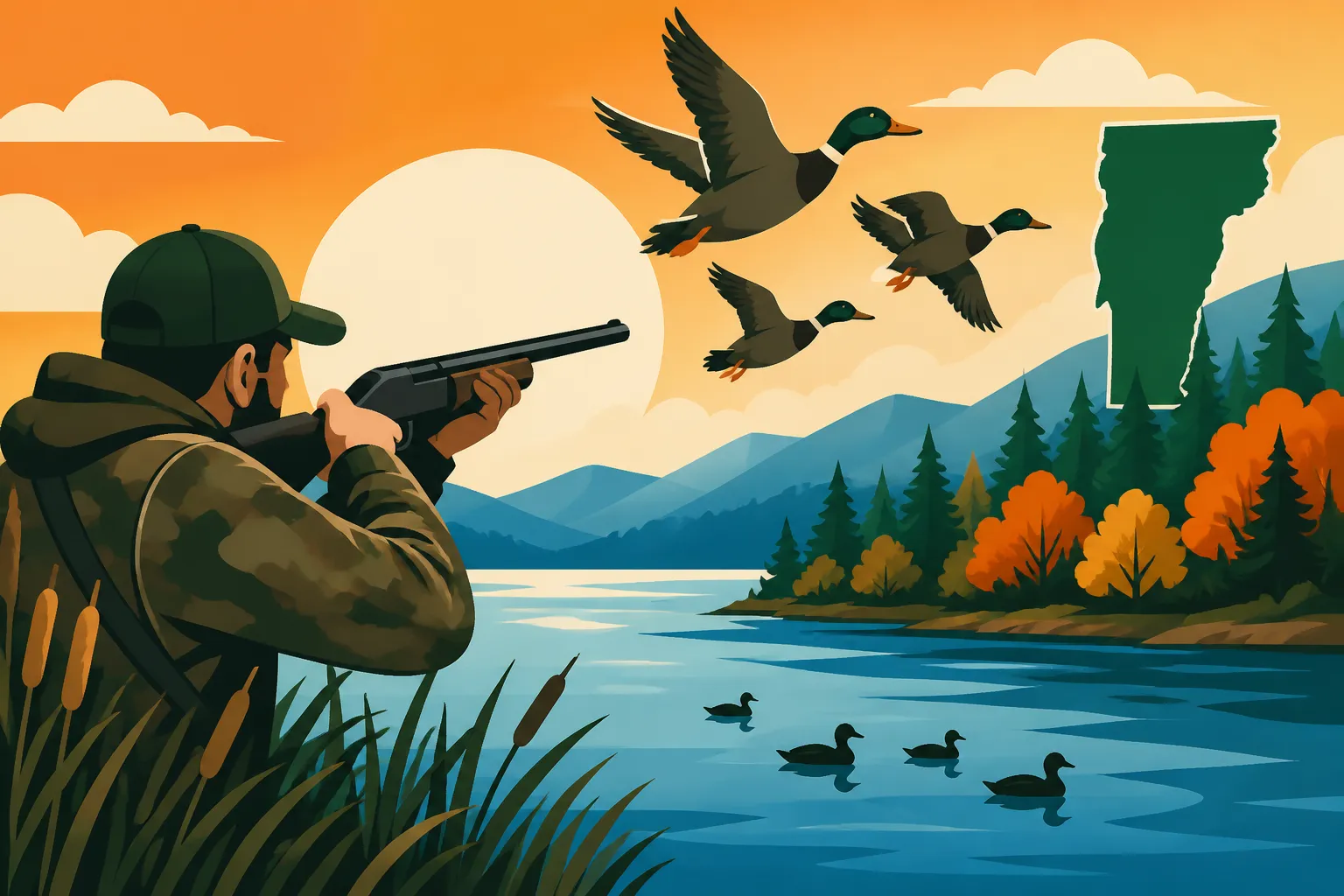
Figuring out the exact dates for waterfowl season can feel like a complicated puzzle, especially when you're dealing with specific zones like Vermont's Lake Champlain. It's frustrating to pour over regulations, trying to ensure you're in the right place at the right time for ducks and geese. This guide aims to demystify the Vermont Lake Champlain Zone waterfowl dates, breaking down what you need to know to plan a successful and legal hunt on this iconic body of water.
Understanding Vermont's Waterfowl Zones
Vermont's Fish & Wildlife Department manages waterfowl hunting through a system of specific zones, each with its own set of season dates and regulations. This isn't just to make things complex; it's a strategic approach to manage migratory bird populations effectively, taking into account different migration patterns, species concentrations, and habitat types across the state. The Lake Champlain Zone is a prime example of this tailored management.
Why Zones Matter for Waterfowlers
Imagine trying to set a single duck season for an entire state that spans diverse landscapes, from the broad, open waters of a major lake to dense river bottoms and mountainous terrain. It simply wouldn't work efficiently. Different zones allow wildlife managers to align season dates with the actual arrival and departure of various waterfowl species in those specific areas. For waterfowlers, understanding these zones is paramount, as hunting outside the designated dates for your zone can lead to serious legal trouble. The Lake Champlain Zone, with its immense water body and significant migratory bird traffic along the Atlantic Flyway, necessitates its own distinct season structure to maximize opportunity while protecting breeding populations. This tailored approach is why you might find hunters discussing different strategies, like those for Decoying Ducks on Lake Champlain versus those for river systems.
The Lake Champlain Zone Boundary
The boundaries of Vermont's waterfowl zones are incredibly important and often misunderstood, leading to potential issues for hunters. The Lake Champlain Zone is quite specific. It encompasses the waters of Lake Champlain itself, including all of its bays and marshes. Crucially, it also extends up its tributaries – any rivers or creeks flowing into Lake Champlain – but only up to the first highway bridge crossing that tributary. So, if you're planning to hunt a specific creek or river, you absolutely need to know where that first highway bridge is. For example, a river like the Lamoille or the Missisquoi, while extensive, is only considered part of the Lake Champlain Zone up to that initial bridge. Beyond that point, you'd typically be in the Interior Zone, which operates on different dates. This hyper-local detail can be the difference between a legal hunt and a violation, making tools like GoHunt's mapping features invaluable for confirming your exact location relative to these boundaries.
Key Waterfowl Species and Their Season Dates in the Lake Champlain Zone
The Lake Champlain Zone offers some fantastic opportunities for hunting a variety of waterfowl, from puddle ducks to divers and robust Canada geese. However, the season dates for these different categories aren't uniform. It's vital to know which birds you're targeting and when you can legally pursue them.
Duck Seasons and Splits
Ducks in the Lake Champlain Zone typically have a "split" season. This means there are two distinct periods when hunting is allowed, separated by a closed period. This split is designed to coincide with different migration waves, often allowing for an early season push of local birds and early migrants, followed by a later season that targets larger pushes of migrating waterfowl as cold weather truly sets in.
While exact dates change annually based on federal guidelines and state management decisions, a typical duck season might look something like this:
- Early Split: Often opens in late September or very early October and runs for about 7-10 days. This period often sees good numbers of resident birds like wood ducks and mallards, as well as early migrators like teal. The weather is usually milder, and foliage can still be thick.
- Closed Period: A brief hiatus, often a week or two, in mid-October.
- Late Split: Usually reopens in late October and continues through late November or early December, sometimes even into early January. This is often the prime time for larger pushes of mallards, black ducks, goldeneyes, buffleheads, and other divers, as ice begins to form further north, pushing birds south. This is when hunters often experience the most dynamic migration action on the lake, often using advanced techniques like Decoying Mallards on Lake Champlain.
These splits require careful planning. You might be focused on Hunting the Youth Waterfowl Weekend during the early split, or waiting for the major migrations in the late season. Always remember that the actual dates are set annually by the Vermont Fish & Wildlife Department, and federal frameworks dictate the overall season length and timing. Consult their official regulations each year to confirm.
Goose Seasons and Bag Limits
Canada geese are another major draw for Lake Champlain Zone waterfowlers, and their season dates are usually more continuous than ducks, though still subject to federal frameworks. Vermont manages Canada geese with an eye toward both resident populations and migratory birds.
- Canada Goose Season: This typically opens in late September and can run continuously into mid-January. This longer season reflects the robust populations of Canada geese, both those that breed in Vermont and those that migrate through. Early in the season, hunters might target local birds, often found Layout Blind Hunting a Champlain Valley Field or along river edges. As the season progresses, northern migrants join the ranks.
- Bag Limits: Goose bag limits can vary and often have specific daily and possession limits. For Canada geese, typical daily bag limits range from 2 to 5 birds, depending on specific management units or federal frameworks, though the Lake Champlain Zone generally adheres to a consistent state-wide migratory bird limit. It’s absolutely essential to consult the official Vermont Duck and Goose Bag Limits each year, as they are subject to change.
Snow geese might also be present, particularly during peak migration, and typically fall under the general goose season dates but often have very generous bag limits due to their abundant populations.
Other Migratory Birds
While ducks and geese are the primary focus for most waterfowl hunters, the Lake Champlain Zone also sees other migratory birds during the season. Coots and mergansers are often found alongside ducks and typically fall under the same general duck season dates and aggregate bag limits. Coots, sometimes called "mud hens," offer an interesting addition to the bag, while mergansers, though less sought after for table fare, are legal quarry.
For upland bird hunters, migratory species like woodcock and snipe also have their own seasons that often overlap with early waterfowl. While not typically hunted directly on Lake Champlain, they might be found in wetland edges and moist timber adjacent to the zone. However, their specific season dates are separate from general waterfowl regulations and should be checked individually.
Essential Permits, Regulations, and Planning for Your Hunt
Navigating the world of waterfowl hunting involves more than just knowing the season dates; it requires adherence to several federal and state regulations. Being prepared with the right permits and understanding the rules is crucial for a legal and enjoyable experience.
Federal and State Permit Requirements
Before you even think about setting foot in a blind or launching a boat in the Lake Champlain Zone, you need to ensure all your paperwork is in order. Missing even one permit can ruin your hunt and result in fines.
- Vermont Hunting License: This is your foundational license. Every hunter in Vermont, resident or nonresident, needs a valid hunting license. The type of license depends on your residency and age.
- Vermont Migratory Bird License: In addition to your regular hunting license, Vermont requires a separate migratory bird license. This small, but mighty, permit is specifically for hunting migratory game birds. You'll need to make sure this is purchased annually.
- Federal Duck Stamp: This is a federal requirement for all waterfowl hunters aged 16 and older. The Migratory Bird Hunting and Conservation Stamp, commonly known as the Federal Duck Stamp, contributes significantly to wetland conservation. You can purchase this at post offices, many sporting goods stores, or online. Don't forget, it needs to be signed across the face! Understanding the Vermont Federal Duck Stamp Requirement is non-negotiable.
- Harvest Information Program (HIP) Certification: Each year, migratory bird hunters (including those pursuing ducks, geese, woodcock, snipe, and coots) must complete a brief survey for the U.S. Fish and Wildlife Service, confirming what they intend to hunt. This survey helps biologists gather data to manage bird populations. You can usually complete this when purchasing your state migratory bird license. This is part of your Vermont Migratory Bird Certification.
Using Resources to Stay Updated
Waterfowl regulations, especially season dates and bag limits, can shift slightly from year to year. Relying on old memories or last year's regulations is a recipe for trouble.
- Vermont Fish & Wildlife Department: The VFWD website is your authoritative source. They publish the official "Migratory Bird Seasons & Regulations" pamphlet annually, usually in late summer or early fall, after federal frameworks are finalized. Bookmark this page and check it regularly.
- Mobile Apps: Modern technology can be a huge asset. Apps like GoHunt offer detailed mapping layers that can show public land, property boundaries, and sometimes even specific regulatory zones, helping you pinpoint your location within the Lake Champlain Zone. They often integrate with official regulations, providing a handy reference right in the field. Using an app to double-check that you're within the Lake Champlain Zone, and not inadvertently straying into the Interior Zone, is a smart move.
- Local Knowledge: Talking to experienced local waterfowlers can offer valuable insights, but always cross-reference their advice with official regulations. Local sporting goods stores are also great resources for the most current information and often have printed copies of the regulations.
Strategic Considerations for Lake Champlain Hunters
Beyond the dates and permits, successful waterfowl hunting on Lake Champlain requires understanding the dynamics of the environment and the birds.
Weather: Wind is arguably the most critical factor for Lake Champlain waterfowlers. Strong winds can move birds, create optimal decoy spreads by adding motion, and even impact safe boating. Conversely, calm days can make birds wary and difficult to decoy. Monitoring weather patterns, especially cold fronts pushing down from Canada, can give you an edge, as these often trigger major migration events. Keep an eye on Duck Migration Timing Through Vermont as cold fronts start to roll in.
Water Levels: Lake Champlain's water levels can fluctuate, impacting accessible marsh areas, mud flats, and boat launches. High water might open up new areas, while low water can expose extensive mud that birds love but might limit boat access.
Migration Patterns: The Lake Champlain Zone is a significant funnel on the Atlantic Flyway. Understanding the typical timing of different species' migrations is key. Early season might be great for wood ducks and resident geese, while later in the season brings in larger numbers of divers and northern mallards. Paying attention to what other hunters are seeing, and observing local bird activity, can inform your hunting strategy. This also includes knowing How Many Ducks Winter on Lake Champlain and where they concentrate.
Hunting Pressure: Lake Champlain can attract a fair amount of hunting pressure, especially on public access points. Being willing to scout, use mapping tools like those on GoHunt, and potentially put in the extra effort to reach less-pressured spots can make a significant difference.
Here's a simplified look at what typical season dates in the Lake Champlain Zone might resemble. Always verify current dates with the Vermont Fish & Wildlife Department's official regulations.
| Species Group | Typical Early Season Dates | Typical Late Season Dates |
|---|---|---|
| Ducks | Late September – Early October | Late October – Early December |
| Canada Geese | Late September – Mid-January | (Continuous through late season) |
| Coots & Mergansers | Late September – Early October | Late October – Early December |
This table provides a general overview, but again, the specifics can shift annually. Knowing the typical structure, however, helps you anticipate when to start looking for those official announcements. Whether you're interested in Hunting Vermont's New Archery-Rifle Overlap or specifically focused on waterfowl, diligent checking of current regulations is always the best practice.
Disclaimer
The information provided in this guide is for general informational purposes only and is subject to change. Waterfowl season dates, bag limits, and licensing requirements are set annually by the Vermont Fish & Wildlife Department in accordance with federal guidelines. Hunters are solely responsible for checking and complying with the most current official regulations and laws before participating in any hunting activity. Always consult the official Vermont Fish & Wildlife Department website or publications for the definitive and up-to-date rules.