Vermont Migratory Bird Certification
Navigating the specific requirements for hunting migratory birds in Vermont can feel like trying to hit a fast-flying teal with a rusty slingshot – confusing and sometimes frustrating. It’s easy to overlook a crucial step amidst all the excitement of preparing for duck blinds and goose fields. This guide will walk you through everything you need to know about Vermont’s Migratory Bird Certification, ensuring you're fully legal and ready for the season.
Understanding Vermont's Migratory Bird Certification Requirement
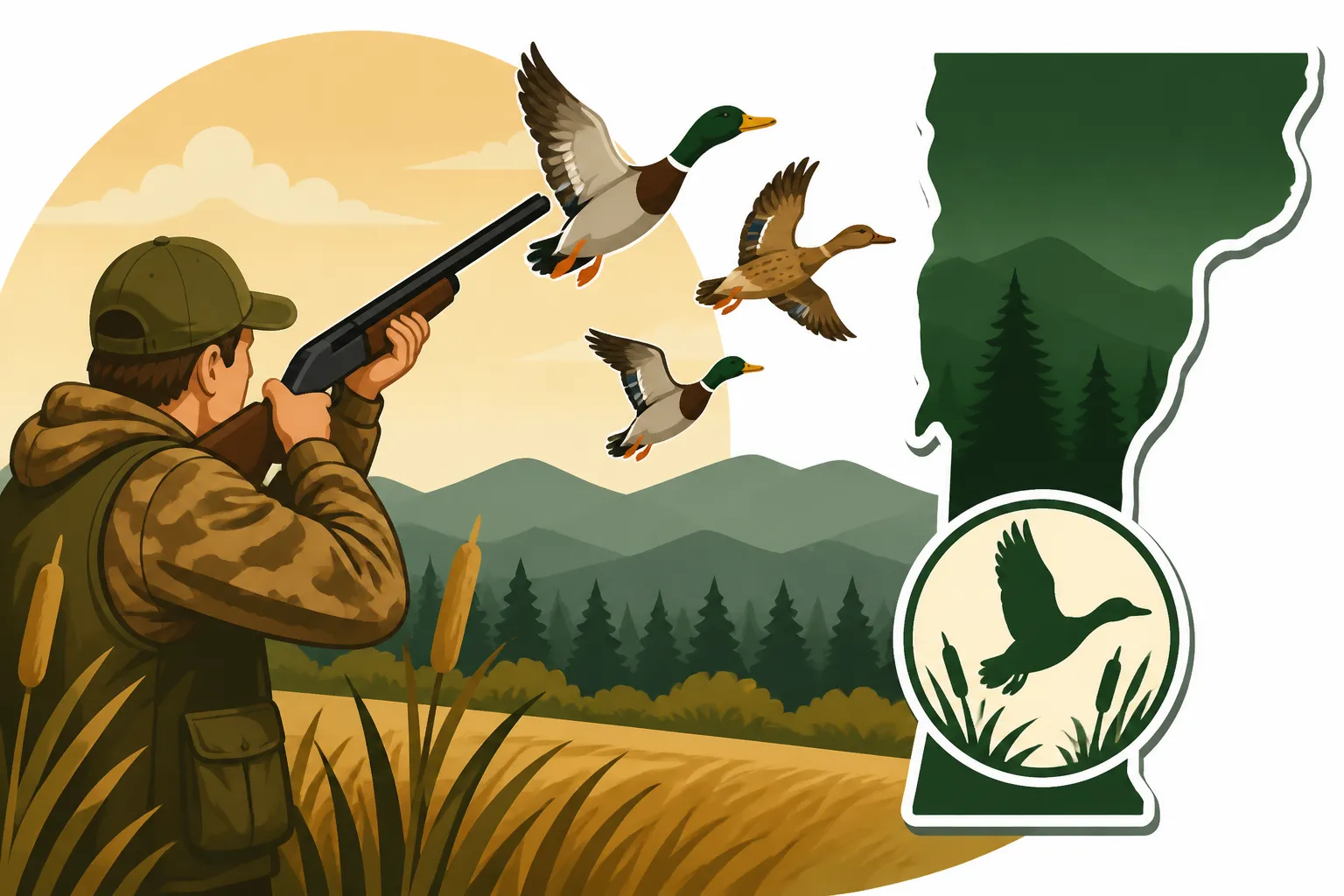
Before you even think about setting out your decoys on Lake Champlain or calling in geese from a Champlain Valley field, there's a vital piece of paperwork that every migratory bird hunter in Vermont needs: the Harvest Information Program, or HIP, certification. It's not just a suggestion; it's a mandatory requirement, and frankly, overlooking it can quickly turn a promising day afield into a sour experience if you're checked by a game warden.
Why This Certification Matters
The Harvest Information Program (HIP) is a nationwide program implemented by the U.S. Fish and Wildlife Service, working in conjunction with state wildlife agencies like Vermont Fish & Wildlife. Its primary purpose isn't to make your life difficult, but to gather crucial data on migratory bird harvests. Think of it as a giant, ongoing survey. The information collected from hunters like you is absolutely essential for wildlife managers to make informed decisions about season lengths, bag limits, and overall conservation strategies for species such as ducks, geese, woodcock, snipe, and doves. Without accurate data on how many birds are being harvested, it’s incredibly difficult for biologists to assess population trends and set sustainable hunting regulations. This certification helps ensure the long-term health of these populations, allowing us to continue enjoying the tradition of migratory bird hunting for generations to come. It’s a small step that makes a huge difference in the grand scheme of conservation.
Another critical aspect of HIP certification is compliance. Vermont, like all states participating in the program, strictly enforces this requirement. If you're out in the field hunting migratory birds without your current HIP certification, you could face fines and penalties. It’s not worth the risk, especially when the certification process is relatively straightforward once you know the ropes. This isn't just about avoiding a ticket; it's about being a responsible and ethical hunter who respects the regulations put in place for the good of the resource.
Who Needs to Certify
This is where some hunters occasionally get tripped up. The rule is quite simple: anyone who plans to hunt any migratory game bird in Vermont, regardless of their age or residency status, must obtain HIP certification. This includes seasoned veterans, new hunters, residents, and nonresidents alike. If you're targeting ducks, geese, woodcock, snipe, or even coots, you need to be HIP certified. It doesn't matter if you're only planning to hunt one day or the entire season; the requirement is universal.
It's a common misconception that if you've been hunting for years or if you're only going after one specific type of bird, you might be exempt. That's simply not the case. Even if you're just out for a quick woodcock hunt with your dog or trying to fill your bag limit for geese during a special resident goose season, HIP certification is mandatory. This also applies to those participating in the special Vermont Youth Waterfowl Weekend Dates. Essentially, if it flies south (or north, in some cases) and it's a game bird, you need to be HIP certified to hunt it legally in Vermont. Always double-check your permits and licenses before heading out to ensure every 'i' is dotted and every 't' is crossed.
The Steps to Getting Your HIP Certification
Getting your Vermont Migratory Bird Certification isn't a complex ordeal, but it does require a specific process that hunters need to follow each year. It's not a one-and-done type of thing; the certification expires annually, meaning you'll need to renew it every single season you plan to hunt migratory birds. This annual renewal is crucial because the data collected is specific to each hunting season, providing up-to-date information for wildlife management.
Online Registration Through Vermont Fish & Wildlife
The easiest and most common way to obtain your HIP certification is through the Vermont Fish & Wildlife Department's online licensing portal. This system is designed to be user-friendly, allowing you to handle your certification from the comfort of your home. When you purchase your annual hunting license or add any necessary permits, you'll typically be prompted to complete the HIP certification process as part of that transaction. If you've already purchased your general hunting license but later decide you want to pursue migratory birds, you can usually log back into your account and add the certification.
Many hunters use platforms like GoHunt for their comprehensive hunting planning needs, and while GoHunt provides excellent resources for scouting and understanding regulations, the actual HIP certification will always go through the official Vermont Fish & Wildlife system. It's a quick series of questions that ties directly into your hunting license profile. Make sure you're on the official state website to avoid any third-party confusion or scams. The online process usually takes just a few minutes once you're logged in, so there's really no excuse for not having it.
Information You'll Need to Provide
The HIP certification process involves answering a short survey about your previous year's migratory bird hunting activity. Don't worry, it's not a pop quiz! The questions are straightforward and are designed to gather statistical data, not to judge your hunting prowess. You'll be asked about which types of migratory birds you hunted last season (e.g., ducks, geese, woodcock, doves, snipe) and approximately how many of each you harvested. They might also ask if you intend to hunt certain species in the upcoming season, even if you didn't last year.
It's really important to provide honest and accurate answers. Remember, this data is used for scientific population management. Under-reporting or over-reporting can skew the numbers and potentially lead to less effective conservation strategies or even affect future season dates and bag limits. Even if you didn't harvest any birds last year, you should still go through the certification process and indicate zero harvest for the relevant species. The key is participation; simply registering helps the agencies understand the total number of hunters pursuing migratory birds.
Common Pitfalls to Avoid During the Process
One of the most common mistakes hunters make is simply forgetting to get certified. It’s easy to get excited about buying your Vermont Resident License Options or Vermont Nonresident License Options and overlooking this small but significant step. Another pitfall is assuming that because you bought a Federal Duck Stamp, you’re automatically HIP certified. While the Federal Duck Stamp is another mandatory requirement for waterfowl hunting, it is separate from the HIP certification. You need both to be legal.
Another area of confusion can arise if you typically hunt in multiple states. Each state where you hunt migratory birds requires its own separate HIP certification. So, if you hunt ducks in Vermont and then travel to New York or New Hampshire for geese, you'll need HIP certification for both states. There isn't a single, universal HIP certification that covers every state. Always check the regulations for each specific state you plan to hunt in. Also, while some hunting apps or planning tools, like those you might find helpful on GoHunt, can assist with season dates and regulations, they don't fulfill the actual certification requirement. That must be done directly through the state’s official licensing system.
What the Certification Asks About Your Hunting History
The core of the Harvest Information Program (HIP) lies in its ability to collect data directly from hunters. This isn't just about checking a box; it's about providing valuable insights that shape the future of migratory bird hunting. The questions you answer during the certification process are specifically designed to gather harvest estimates, which are vital for understanding population health and trends.
Reporting Your Previous Season's Harvest
When you go through the HIP certification, you'll be asked a series of questions about your hunting activities from the previous migratory bird season. These questions typically include:
- Did you hunt migratory birds last season?
- Which types of migratory birds did you hunt (e.g., ducks, geese, doves, woodcock, snipe)?
- Approximately how many of each species did you harvest?
For example, you might be asked, "Last season, did you hunt ducks in Vermont?" If you answer yes, it would then prompt, "Approximately how many ducks did you harvest?" The same would apply for geese, woodcock, and other species. It's important to understand that these are estimates. You don't need to have a perfect, bird-by-bird tally, but you should do your best to recall your approximate harvest numbers. If you hunted but didn't harvest anything, simply report zero for that species. This data is aggregated with thousands of other hunters' responses to create a broad picture of harvest pressure across the state and the nation. This information is crucial for species-specific management, helping biologists identify if a particular population is declining or thriving and adjust hunting regulations accordingly.
The Importance of Accurate Reporting
The accuracy of the data collected through HIP certification directly impacts wildlife management decisions. If hunters consistently over-report or under-report their harvests, it can lead to skewed population estimates and potentially inappropriate hunting regulations. For instance, if harvest numbers are significantly under-reported, wildlife managers might mistakenly believe a population is larger and healthier than it actually is, leading to overly generous bag limits or season lengths that could harm the species. Conversely, consistent over-reporting could lead to unnecessarily restrictive seasons, reducing hunting opportunities without a clear conservation need.
Therefore, your honest participation is a fundamental aspect of responsible wildlife stewardship. Every hunter plays a part in this. Think of it as your direct contribution to ensuring healthy migratory bird populations for the future. The data helps the U.S. Fish and Wildlife Service and Vermont Fish & Wildlife track species like the American woodcock, a bird whose populations have faced various challenges. Accurate reporting helps define appropriate seasons for birds covered by Vermont's Waterfowl Zones and Seasons and implement targeted conservation efforts. It's not about being judged; it's about contributing to the bigger picture of conservation that benefits all of us who cherish these wild places and the creatures that inhabit them.
Beyond the Certification: Other Key Migratory Bird Requirements
While HIP certification is a critical step, it's just one piece of the puzzle when it comes to legally and ethically hunting migratory birds in Vermont. There are several other requirements and considerations that every hunter needs to be aware of before stepping foot into the marsh or field. Overlooking any of these could put you on the wrong side of the law.
Federal Duck Stamp and State Migratory Bird Stamp
In addition to your general Vermont hunting license and HIP certification, if you plan to hunt ducks, geese, or brant, you absolutely must purchase a Federal Migratory Bird Hunting and Conservation Stamp, commonly known as a "Federal Duck Stamp." This stamp is issued by the U.S. Fish and Wildlife Service, and 98 cents of every dollar spent on a Duck Stamp goes directly to acquiring and protecting wetland habitat for ducks, geese, and many other species of wildlife. It's a hugely successful conservation program that has preserved millions of acres of vital habitat across the country. You need to sign the stamp across the face with a permanent pen to validate it. You can purchase this stamp at most post offices, many sporting goods stores, or online through the U.S. Fish & Wildlife Service.
Vermont also requires its own State Migratory Bird Stamp for those pursuing waterfowl. The Vermont Migratory Bird Stamp Cost is a modest fee that directly supports wetland conservation projects within the state, further enhancing habitat for the ducks and geese that migrate through or reside in Vermont. This state-specific stamp is usually purchased at the same time you acquire your general hunting license through the Vermont Fish & Wildlife online portal or a licensed agent. Together, the Federal Duck Stamp and the Vermont State Migratory Bird Stamp ensure that hunters are directly contributing financially to the conservation of the very resource they enjoy.
Blaze Orange and Safety Considerations
While not always explicitly required for waterfowl hunting in certain situations, understanding blaze orange requirements and general safety is paramount. For instance, if you're hunting ducks or geese from within a blind or structure that fully conceals you, blaze orange might not be required at that specific moment. However, when you're walking to and from your hunting location, especially across public lands or areas where other hunters might be present, it's always a good idea to wear blaze orange. This is particularly true if you are hunting in an area where deer or other big game hunting seasons overlap. Even if you're just bowhunting during Vermont's rifle season overlap, wearing enough blaze orange to be clearly seen is a critical safety measure.
Beyond blaze orange, basic firearm safety rules are non-negotiable. Always treat every firearm as if it's loaded, keep the muzzle pointed in a safe direction, keep your finger off the trigger until you're ready to shoot, and be absolutely sure of your target and what's beyond it. Waterfowl hunting often involves multiple hunters in close proximity, sometimes with dogs, and often in low light conditions near water. This environment demands heightened awareness and strict adherence to safety protocols. Make sure everyone in your hunting party has completed their Vermont Hunter Education Requirements. Being safe isn't just about following rules; it's about ensuring everyone gets home at the end of the day.
Understanding Zone and Bag Limits
Vermont, like other states along the Atlantic Flyway, divides its waterfowl hunting opportunities into specific zones, each with its own season dates and bag limits. For example, there's the Lake Champlain Zone, the Interior Zone, and the Connecticut River Zone. Each zone's boundaries are clearly defined by geographical features, and their season dates are set to align with migratory patterns and population levels in those specific areas. It’s absolutely critical to know which zone you are hunting in and to adhere strictly to its specific regulations. Hunting in the wrong zone or outside its season dates is a serious violation.
Moreover, understanding the Vermont Duck and Goose Bag Limits is fundamental. These limits specify the maximum number of birds you can harvest per day and often include species-specific restrictions (e.g., limits on mallards, wood ducks, or pintails). There are also possession limits, which dictate the maximum number of birds you can have in your possession at any given time, including those from previous days' hunts. These limits are designed by biologists to ensure sustainable harvest rates and prevent overhunting of any particular species. Always consult the most current Vermont Waterfowl Regulations booklet or the Vermont Fish & Wildlife website before heading out. Using resources like GoHunt or other detailed apps can help keep these regulations at your fingertips.
Troubleshooting Common Certification Issues
Even with the best intentions, technology and administrative processes can sometimes throw a wrench in our plans. When it comes to something as crucial as your Vermont Migratory Bird Certification, encountering an issue can be stressful, especially if opening day is looming. But don't fret; there are typically straightforward ways to resolve these common hurdles.
Dealing with Online System Glitches
The Vermont Fish & Wildlife online licensing portal is generally quite reliable, but like any digital system, it can experience occasional glitches, especially during peak seasons when many hunters are trying to purchase licenses or renew certifications. You might encounter slow loading times, error messages, or issues with payment processing.
- Browser Issues: Often, clearing your browser's cache and cookies or trying a different web browser (e.g., Chrome, Firefox, Edge) can resolve minor technical hiccups. Sometimes the system is simply more compatible with one browser over another.
- Internet Connection: Ensure you have a stable internet connection. A patchy Wi-Fi signal can interrupt the process, leading to errors.
- Peak Times: If you're trying to get certified right before opening day or on a weekend, you might be hitting the system during its busiest period. If possible, try logging in during off-peak hours (early morning or late evening on weekdays).
- Payment Problems: Double-check your payment information (card number, expiration date, security code). Ensure your bank isn't blocking the transaction for security reasons. Sometimes a quick call to your bank can resolve this.
- Confirmation Email: After successful certification, you should receive a confirmation email. If you don't see it immediately, check your spam or junk folder. It's always a good idea to print a copy or save a digital version of your certification on your phone.
If these basic troubleshooting steps don't work, avoid getting too frustrated. The solution is often just a phone call or email away, which brings us to the next point.
Contacting Vermont Fish & Wildlife for Assistance
When you hit a wall with the online system or have questions that aren't easily answered, the most direct and effective approach is to contact the Vermont Fish & Wildlife Department directly. Their staff are there to help hunters navigate these processes and ensure compliance.
- Phone Support: The Vermont Fish & Wildlife Department typically has a licensing division or customer service line available during business hours. A quick phone call can often resolve issues much faster than back-and-forth emails. Be prepared to provide your full name, date of birth, and any relevant license or customer ID numbers.
- Email Support: If your issue isn't urgent or if you prefer written communication, sending an email to their licensing support address is another good option. Clearly describe the problem you're experiencing, including any error messages, dates, and times you attempted the certification. Attaching screenshots of error messages can also be very helpful.
- In-Person Assistance: For some, visiting a local Vermont Fish & Wildlife office or a licensed agent in person might be the best option, especially if you have complex questions or simply prefer face-to-face interaction. Check their website for office locations and hours of operation.
Remember, the staff at Vermont Fish & Wildlife are a valuable resource. They want you to be legal and enjoy your hunting experience. Being polite and clear about your issue will help them assist you more effectively. It’s far better to ask for help than to hunt without the proper certification.
Planning Your Vermont Migratory Bird Hunts
Successfully hunting migratory birds in Vermont is about more than just having the right permits; it requires careful planning, understanding bird behavior, and effective scouting. Once your Vermont Migratory Bird Certification is in hand, you can truly focus on the exciting parts of the hunt.
Utilizing Digital Resources for Season Dates and Regulations
The digital age has made access to critical hunting information easier than ever, and for migratory bird hunters, this is invaluable. Regulations, season dates, and specific zone boundaries can sometimes change from year to year, so always consulting the most current resources is essential.
- Vermont Fish & Wildlife Website: The official Vermont Fish & Wildlife Department website is your primary source for all current regulations, season dates, and zone maps. They typically publish a comprehensive waterfowl hunting guide each year that you can download or view online. This guide will detail everything from shooting hours to species-specific Vermont Duck and Goose Bag Limits.
- GoHunt and Other Mapping Apps: While not official regulatory bodies, apps like GoHunt or OnX Hunt provide excellent mapping overlays that can show public land boundaries, property lines, and even specific waterfowl hunting zones. These tools are incredibly useful for scouting potential hunting spots, understanding access points, and avoiding trespass issues. You can use GoHunt, for example, to identify prime marshland, river systems, or agricultural fields that might attract ducks and geese.
- Weather and Migration Forecasts: Websites like AccuWeather or NOAA provide crucial weather forecasts that influence bird migration. Many hunting forums and dedicated waterfowl websites also offer migration reports, helping you predict when birds might be moving through Vermont. Keeping an eye on these forecasts can help you time your hunts for when birds are most active or when new waves of migrants arrive.
Scout Smart, Hunt Safe
With your certification secured and regulations understood, successful hunting hinges on smart scouting and unwavering commitment to safety. You can't just show up on opening day and expect birds to be everywhere; migratory birds are constantly on the move, and their patterns change with food availability, water conditions, and weather.
- Scouting for Waterfowl: For ducks and geese, scouting often means observing feeding and roosting patterns. Look for areas with abundant natural food sources, like smartweed, wild rice, or flooded cornfields. Pay attention to traditional flyways birds use between roosting and feeding areas. If you're Decoying Ducks on Lake Champlain or considering a Layout Blind Hunting a Champlain Valley Field, understanding current bird movements is paramount. Early morning and late evening observations can reveal crucial information.
- Scouting for Upland Migratory Birds: For species like woodcock and snipe, scouting involves identifying suitable habitat. Woodcock prefer moist, young woodlands with dense cover, often near alder thickets or aspen stands. Snipe are found in wet meadows, marshes, and flooded pastures. Looking for their distinctive "borings" (small probe holes in the mud) can confirm their presence.
- Gear Preparation: Ensure your gear is in top condition. This includes your shotgun, ammunition (remember non-toxic shot is required for waterfowl!), waders, calls, and decoys. Having a reliable means of communication and a well-stocked first-aid kit is also crucial, especially when hunting in remote areas.
- Safety First: Beyond adhering to firearm safety, consider the environment. Waterfowl hunting often takes place in cold, wet conditions. Dress in layers, be aware of hypothermia risks, and always let someone know where you're going and when you expect to return. If you're hunting from a boat, always wear a life jacket. For those hunting in areas where other seasons might be open, considering additional blaze orange, even if not strictly required, is a responsible choice for visibility.
By combining diligent preparation with smart scouting and a commitment to safety, your Vermont migratory bird hunting experiences will be not only successful but also deeply rewarding.
Disclaimer
Please note: The information provided in this guide is for informational purposes only and is subject to change. It is the hunter's responsibility to review and comply with all current Vermont Fish & Wildlife Department regulations and federal laws before hunting. Always consult the official Vermont Fish & Wildlife Department website or printed regulations for the most up-to-date and accurate information.