Vermont Youth Waterfowl Weekend Dates
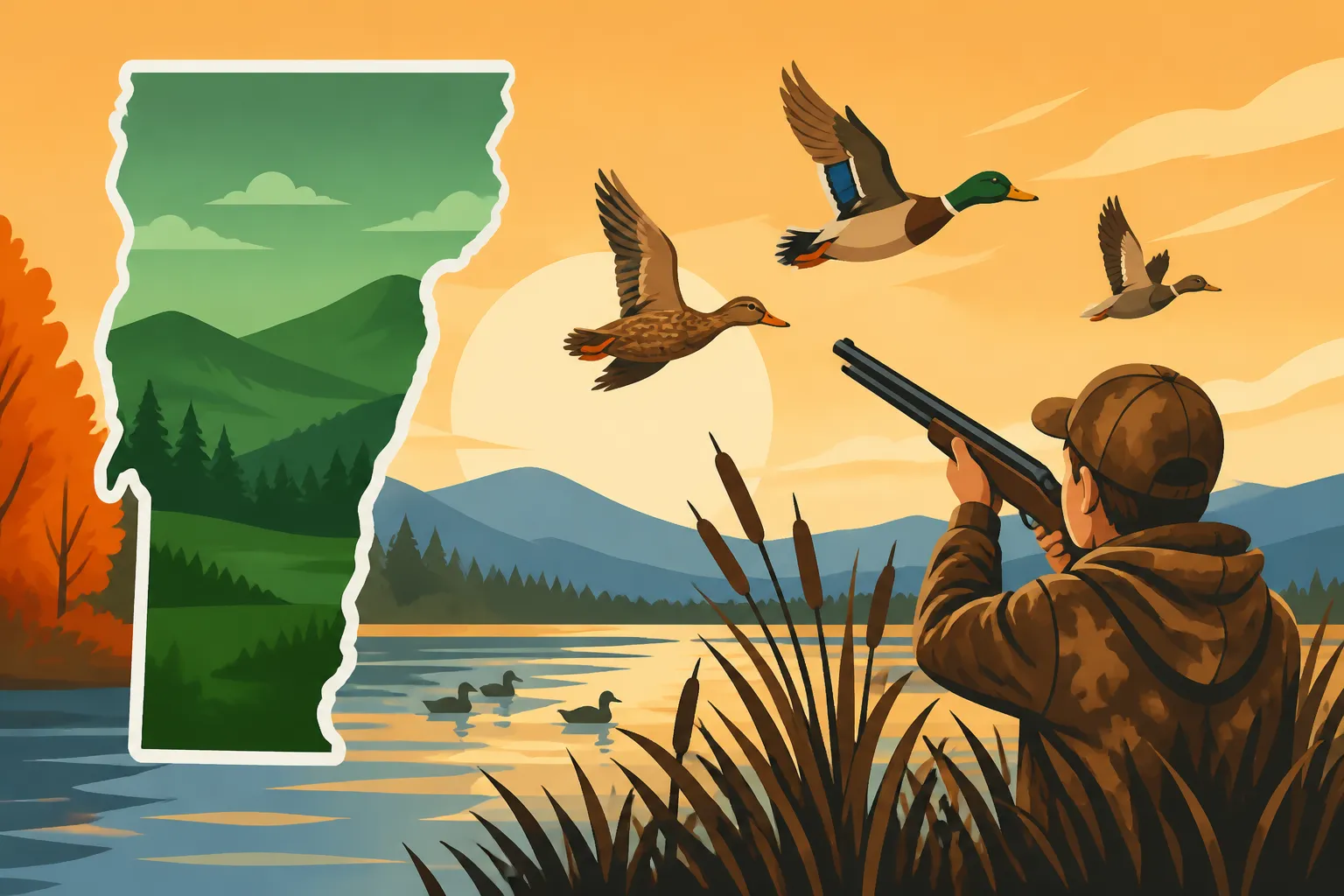
There’s nothing quite like introducing a young person to the magic of waterfowl hunting in Vermont. The crisp morning air, the silent paddle across still water, the anticipation as the sun begins to paint the horizon, and then the rush when a flock of mallards banks into your decoys – it’s an experience that carves lifelong memories. However, navigating the specific dates and rules for the Vermont Youth Waterfowl Weekend can sometimes feel a bit overwhelming, especially with season dates shifting slightly each year and ensuring you have all your ducks, so to speak, in a row. This comprehensive guide is designed to cut through that confusion, giving you all the details you need to plan a safe, memorable, and legal hunt for the next generation of waterfowlers in the Green Mountain State.
Understanding Vermont's Youth Waterfowl Weekend
The Vermont Youth Waterfowl Weekend is a truly special opportunity, set aside specifically for younger hunters to experience the thrill of duck and goose hunting without the added pressure of adult hunters in the field. It’s a chance for mentors to focus entirely on teaching proper techniques, ethics, and safety in a less competitive environment. For many, this weekend is their first taste of waterfowl hunting, laying the groundwork for a lifelong passion.
Key Dates for the Upcoming Season
Generally, Vermont's Youth Waterfowl Weekend typically takes place on the third Saturday and Sunday of September. This early placement in the calendar offers a unique advantage: often, the weather is still mild, making for a more comfortable experience for young hunters, and local birds are abundant before the main migratory pushes begin. While the specific dates are officially announced by the Vermont Fish & Wildlife Department each year, you can usually mark those mid-September weekends on your calendar as a strong possibility. For the most up-to-date and definitive information, always consult the current year's Vermont Migratory Bird Hunting Guide published by the Vermont Fish & Wildlife Department. This guide is your ultimate source for official dates, times, and any potential changes. Staying informed is crucial, and resources like GoHunt often compile season date information, though direct verification with state agencies is always the best practice.
Who is Eligible to Participate?
Eligibility for this special weekend is straightforward but vital to understand. The Vermont Youth Waterfowl Weekend is specifically for hunters 15 years old or younger. This means any participant must be 15 years old or under on the opening day of the youth weekend. While they are the primary focus, they must be accompanied by a qualified mentor. The mentor must be 18 years of age or older and hold a valid Vermont hunting license. Critically, the mentor cannot carry a firearm or bow, nor can they hunt during the youth weekend. Their role is purely supervisory, focused on guidance, safety, and education, allowing the young hunter to be the one taking the shots and making the decisions under their watchful eye. It’s an incredible chance for kids to take ownership of their hunt in a way they might not during a regular season.
Why This Weekend is So Important for Young Hunters
The significance of the Youth Waterfowl Weekend extends far beyond just bagging a few ducks or geese. It's a foundational experience that fosters a deep connection to the outdoors, wildlife, and the tradition of hunting. In an age where kids are often glued to screens, this weekend pulls them into nature, teaching patience, observation skills, and respect for wild game. It’s also an invaluable opportunity for one-on-one mentorship. Imagine a parent, grandparent, or close family friend sharing their wisdom, teaching calls, explaining decoy spreads, and sharing stories of past hunts. These moments build bonds and pass down a heritage that might otherwise be lost. Furthermore, introducing new generations to hunting is crucial for the future of conservation, as hunters are historically among the strongest advocates and funders for wildlife management. This weekend specifically helps combat the barrier of competition that can discourage new hunters during regular seasons, making it a welcoming entry point into the sport.
Essential Rules and Regulations for Youth Waterfowl Hunters
Navigating the various rules and regulations can seem daunting, but it's absolutely critical for a safe and legal hunt. Vermont has clear guidelines in place to ensure fair chase and promote conservation, and understanding these is part of becoming a responsible hunter. Don't let the paperwork or rules intimidate you; they're there for a good reason, and once you understand them, they become second nature.
Licensing and Permit Requirements
Before a young hunter can even step foot into a marsh or field, they need to have the appropriate licenses and permits. First and foremost, the youth hunter must possess a valid Vermont hunting license. For residents, the cost is relatively low, and it's an investment in their outdoor future. Additionally, anyone hunting migratory birds, regardless of age, must have a Vermont Migratory Bird Certification. This certification is free but mandatory and helps the U.S. Fish and Wildlife Service gather important harvest data.
It’s also important to remember the Federal Duck Stamp. While youth hunters under the age of 16 are exempt from needing a Federal Duck Stamp, if your young hunter is 16 or older, they will need to purchase one. This stamp is a critical piece of conservation funding, with 98% of the proceeds going directly to acquire and protect wetland habitat. Ensure all these requirements are met well in advance of the hunt to avoid any last-minute stress. For a comprehensive overview of all licenses and their costs, you might find our guide on Vermont Hunting Licenses and What They Cost particularly helpful. You'll also want to make sure you understand the nuances of the Vermont Federal Duck Stamp Requirement and Vermont HIP Certification for Bird Hunters.
Legal Shooting Hours and Bag Limits
Waterfowl hunting adheres to strict shooting hours, which typically begin one-half hour before sunrise and extend until sunset. These times are precisely defined to ensure fair chase and prevent unethical practices. It’s crucial to know the exact sunrise and sunset times for your specific hunting location, as these can vary slightly across the state. Using a reliable app or online resource that provides accurate solar data for your exact coordinates is highly recommended.
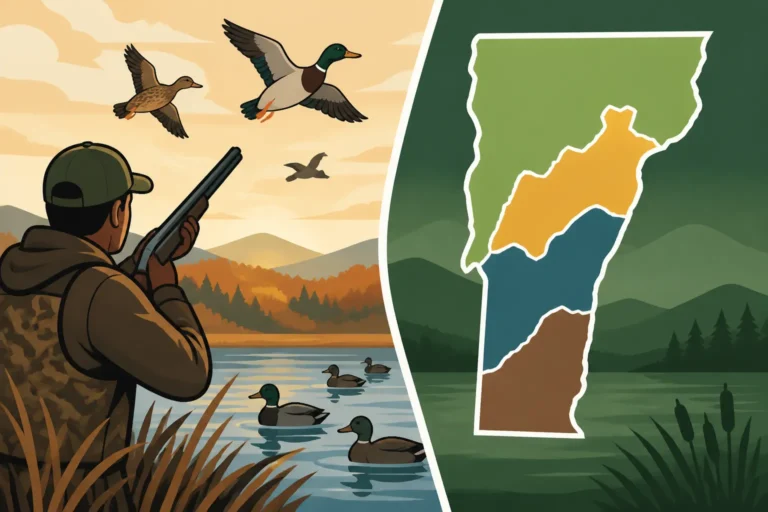
Bag limits are also very specific and are designed to manage waterfowl populations sustainably. During the Youth Waterfowl Weekend, the daily bag limits and possession limits are generally the same as those for the regular season in the respective waterfowl zone. This means your young hunter will be subject to the standard limits for species like mallards, wood ducks, geese, and teal. For instance, knowing the current Vermont Duck and Goose Bag Limits is paramount. These limits are species-specific, and some species, like hen mallards, often have more restrictive limits. Make sure to review the official Vermont Migratory Bird Hunting Guide for the current year’s detailed bag limits for all species your young hunter might encounter. Understanding these rules is a critical lesson in responsible hunting and conservation.
Mentorship Guidelines for Adult Supervisors
The role of the adult mentor during the Youth Waterfowl Weekend cannot be overstated. It’s not just about compliance with the law; it's about providing a safe, educational, and positive experience. As mentioned, the mentor must be 18 years or older, possess a valid Vermont hunting license, and, crucially, cannot hunt or carry a firearm or bow. This strict rule ensures that the focus remains entirely on the youth hunter.
Beyond the legal requirements, an effective mentor acts as a guide, teacher, and safety officer. This includes:
- Instruction: Teaching gun safety rules, proper shooting techniques, species identification, calling, and ethical shot selection.
- Logistics: Setting up decoys, scouting locations, and ensuring all gear is in order.
- Safety: Constantly monitoring the young hunter, ensuring safe gun handling, and being aware of the surroundings.
- Enrichment: Sharing knowledge about waterfowl biology, habitat, and the importance of conservation.
It's about fostering a passion, not just filling a limit. The Vermont Youth and Novice Weekend Rules are specifically designed to support this educational environment, creating a unique bond between mentor and youth.
Preparing for a Successful Youth Waterfowl Hunt
A successful hunt isn't just about harvesting game; it's about the entire experience – the planning, the anticipation, the time spent outdoors, and the memories created. Proper preparation is key to ensuring both safety and enjoyment, especially when introducing a young person to the sport.
Scouting and Location Tips
Effective scouting is the bedrock of any successful waterfowl hunt. For the Youth Waterfowl Weekend, it's even more critical to find accessible, safe, and productive locations. The beauty of Vermont is its diverse waterfowl habitat, from the vast expanses of Lake Champlain to smaller inland marshes, beaver ponds, and agricultural fields. Consider scouting public access points on the Missisquoi National Wildlife Refuge, various Vermont Wildlife Management Areas, or even smaller town forests that might have suitable water bodies.
Look for areas with signs of active bird use: fresh tracks in the mud, droppings, and feeding activity. Pay attention to traditional flyways and loafing areas. If hunting a field, look for goose or duck droppings in cut corn or wheat fields. For marsh hunting, identify pinch points, small islands, or areas where natural cover provides concealment. Using mapping applications can be incredibly helpful for identifying potential wetlands and public access, though specific waterfowl data might require on-the-ground recon. While GoHunt primarily focuses on big game mapping, understanding general land access and terrain features can still be beneficial for any hunt planning. Remember that ducks and geese are creatures of habit, and often, what worked last year will work again, especially early in the season. Consider our guide on Reading a Marsh for a Morning Flight for more detailed tips.
Essential Gear for Young Hunters
Having the right gear makes a huge difference in comfort, safety, and success. For young waterfowlers, this includes:
- Shotgun: A properly fitting shotgun is paramount. A 20-gauge pump or semi-automatic is often ideal for youth, offering less recoil than a 12-gauge while still providing sufficient knockdown power. Ensure it’s cleaned, functioning correctly, and the youth has practiced with it extensively.
- Ammunition: Steel shot is legally required for all waterfowl hunting. Choose appropriate shot sizes for ducks (e.g., #2, #3, #4 steel) or geese (e.g., BB, #1, #2 steel).
- Waders: Insulated chest waders are essential for staying dry and warm in chilly water or muddy banks. Make sure they fit well and allow for comfortable movement.
- Camouflage Clothing: Layered camo clothing appropriate for the weather conditions is key. Early September can be cool in the mornings but warm quickly, so layers are crucial. Opt for patterns that blend with marsh reeds, cornfields, or wooded edges. Our guide on Layering for Vermont's Long Hunting Season provides excellent tips for adapting to changing conditions.
- Decoys: A small spread of 6-12 realistic duck or goose decoys can be very effective. Knowing how to set them up, as discussed in Decoying Mallards on Lake Champlain or Setting Decoys on a Farm Pond, is a valuable skill to teach.
- Calls: A basic duck call and perhaps a goose call can add realism to your spread. Teach the youth basic calling sequences, but emphasize that calling too much can be detrimental.
- Safety Gear: Personal flotation devices (PFDs) if hunting from a boat, extra warm layers, a first-aid kit, and a whistle are must-haves. Eye and ear protection should always be worn during shooting.
| Item | Purpose | Key Considerations | Youth Specifics |
|---|---|---|---|
| Hunting License | Legal requirement to hunt | Must be valid for current season | Youth hunter (15 or under) needs one. |
| Migratory Bird Cert. | Required for all migratory bird hunters | Free, but mandatory registration for harvest data | All ages hunting migratory birds need this. |
| Federal Duck Stamp | Conservation funding for wetlands | Required for hunters 16 years and older | Youth under 16 are exempt. |
| Shotgun | Primary hunting tool | 20-gauge recommended, fit is crucial | Less recoil, proper fit for smaller frames. |
| Steel Shot Ammo | Legal requirement for waterfowl | Appropriate shot size for target species | Practice with specific ammo before the hunt. |
| Waders | Stay dry and warm in water/mud | Insulated chest waders, good fit | Crucial for comfort and safety. |
| Camouflage | Concealment from wary birds | Layered, weather-appropriate, pattern matching habitat | Comfort and warmth are key for engagement. |
| Decoys | Attract birds to your shooting zone | Small, realistic spread (6-12) | Teach setup patterns and purpose. |
| Calls | Mimic bird sounds to attract | Basic duck/goose calls, practice | Emphasize realistic, sparse calling over excessive. |
| Safety Gear | Prevent accidents, ensure well-being | PFDs, first-aid, ear/eye protection | Essential for every hunt, especially with youth. |
Safety Considerations and Best Practices
Safety is the absolute priority, especially when introducing new hunters to firearms and the outdoors.
- Firearm Safety: Reinforce the four fundamental rules of firearm safety repeatedly: treat every gun as loaded, never point a gun at anything you don't intend to shoot, keep your finger off the trigger until ready to shoot, and be sure of your target and what's beyond it.
- Mentor’s Vigilance: As the mentor, your eyes should constantly be on the youth hunter and the surroundings. Be ready to give instructions, correct mistakes, and intervene if necessary.
- Location Awareness: Be acutely aware of other hunters, property lines, and safety zones. Choose a spot where shots can be taken safely without endangering anyone or anything. Our article on Vermont Firearms Discharge Setback Rules is worth reviewing.
- Weather Preparedness: Vermont weather can change rapidly. Bring extra layers, rain gear, and ensure the youth is dressed warmly enough, even if the forecast seems mild. Hypothermia can set in quickly if wet and cold.
- Communication: Maintain clear and consistent communication with the youth hunter. Talk about shot angles, bird identification, and what to do when birds decoy.
- Enforcement of Rules: Strictly enforce all hunting regulations, from shooting hours to bag limits. This teaches ethical hunting behavior and respect for the law from a young age.
- First Aid: Always have a well-stocked first-aid kit readily accessible.
By meticulously planning and prioritizing safety and education, the Vermont Youth Waterfowl Weekend can be an incredibly rewarding experience, fostering a love for hunting and the outdoors that will last a lifetime.
Disclaimer
Please note that hunting regulations, dates, and requirements are subject to change by the Vermont Fish & Wildlife Department. Always consult the most current official Vermont Migratory Bird Hunting Guide or visit the Vermont Fish & Wildlife Department website before planning and participating in any hunt. This article is intended for informational purposes only and does not supersede official regulations.