Vermont Deer Tag Transfer Rules
It’s a scenario many of us have faced: you’ve got a deer tag in your pocket, but life happens – an unexpected illness, a last-minute family commitment, or maybe you've already filled your freezer. You might find yourself wondering if you can just hand that unused tag over to a buddy or a family member who still has time to hunt. It feels like a logical, neighborly thing to do, but in Vermont, like in most places, the rules around deer tag transfers are strict, and understanding them is crucial to staying legal and ethical in the woods. This guide will help clarify the specifics of Vermont's deer tag regulations and ensure you avoid any unintentional violations.
The Reality of Deer Tags: Personal and Non-Transferable
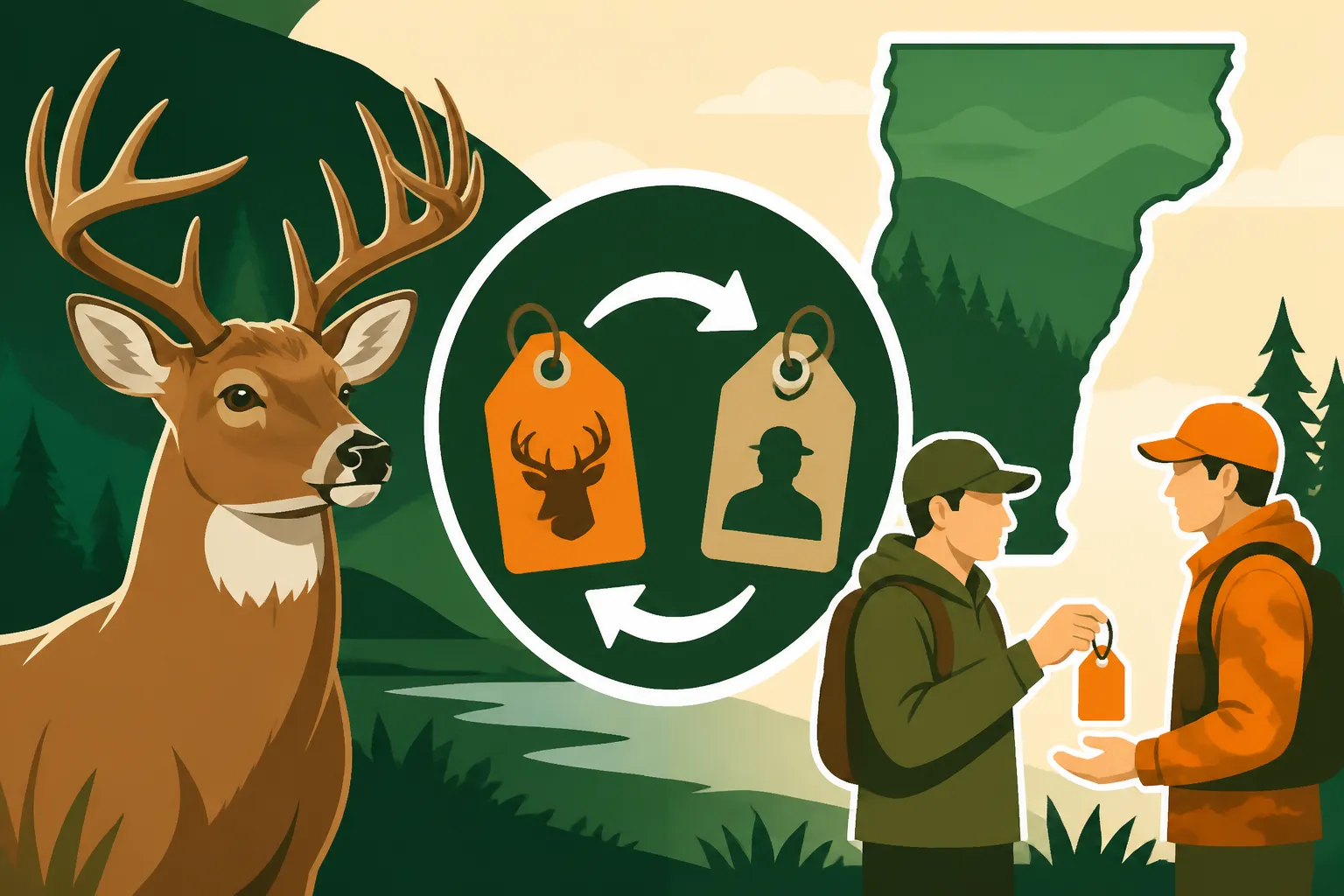
Let's cut right to the chase: in Vermont, deer tags are unequivocally not transferable from one hunter to another. This is a foundational principle of wildlife management across the state, and it’s critical for every hunter to understand this from the moment they purchase their license. Each hunting license and every tag or permit associated with it is issued to a specific individual and is tied directly to that person’s hunter education certification and personal identification.
Think of it this way: your hunting license and the tags that come with it are like your driver's license. You can't just lend your driver's license to someone else to drive your car, even if they also have a license. The same logic applies to hunting. The Vermont Fish & Wildlife Department issues these permits based on specific criteria for individual hunters, and any attempt to transfer or "share" them between people, even within the same family or hunting party, is illegal. This means you cannot give your unused antlerless permit to a friend, nor can you use your child's tag if they decide not to go out. The person whose name is on that tag is the only one legally allowed to utilize it for a harvest.
Why Vermont Regulations Prohibit Tag Transfers
The reason behind Vermont's strict non-transferability rule for deer tags isn't about being overly bureaucratic; it's deeply rooted in sound wildlife management, hunter safety, and legal accountability. When you start thinking about the implications, it makes a lot of sense.
Ensuring Accountability and Compliance
Every hunting license and permit system is designed to track who is hunting, what they are harvesting, and where. This data is vital for the Vermont Fish & Wildlife Department to monitor deer populations, set appropriate bag limits, and manage seasons effectively. If tags could be freely transferred, this system would quickly break down. For instance, if one person consistently transferred tags to others, it would become impossible to accurately assess individual hunting effort or compliance with bag limits. It also ensures that every hunter on the landscape has met the necessary hunter education requirements and possesses a valid license. You can check out the specifics on how to acquire your own Vermont hunting licenses and what they cost to understand the individual commitment involved.
Preventing Unregulated Harvest
Without strict transfer rules, the potential for unregulated harvest would skyrocket. Imagine a scenario where a single hunter could purchase multiple tags and distribute them to an entire group of unlicensed or uneducated hunters. This would undermine all efforts to manage deer populations sustainably, potentially leading to overharvest in certain areas or a skewed buck-to-doe ratio, which has long-term ecological consequences. The system is designed to limit each individual hunter to a specific number of deer per season, and non-transferability is key to maintaining that control.
Maintaining Public Safety and Enforcement
Beyond wildlife management, the non-transferability rule also plays a crucial role in public safety and law enforcement. When a game warden encounters a hunter in the field, verifying their identity against their license and tag is a fundamental step in ensuring compliance with all hunting laws. If a hunter was found with a deer tagged by someone else, it would immediately raise red flags and complicate enforcement efforts. This clarity helps maintain order and safety during hunting seasons, preventing scenarios where individuals might attempt to circumvent legal requirements.
Understanding Your Permits: Antlerless and Bonus Tags
While you can't transfer a deer tag to another person, it's important to understand the different types of permits available and how they're intended to be used. Vermont offers various tags, including those for antlered bucks, antlerless deer, and occasionally bonus permits, each with specific regulations.
Antlered Deer Tags
Every Vermont hunter who purchases a base hunting license receives a tag for one antlered deer. This tag is exclusive to the license holder. You'll use this tag to mark your buck immediately after harvest. The crucial part here is that you must be the one who harvested the deer. There's no scenario where you can "give" your antlered tag to someone else to put on a buck they shot, or vice versa. This is a fundamental rule during Vermont's November Rifle Season and all other deer seasons.
Antlerless Permits and Their Specificity
Antlerless permits are often what cause the most confusion regarding "transfer." These permits allow the harvest of a doe or a fawn and are generally allocated through a lottery system or sold over the counter for specific Wildlife Management Units (WMUs). For example, a hunter might draw an antlerless permit for WMU D2. This permit is valid only for WMU D2 and only for the person to whom it was issued. You cannot take your D2 antlerless permit and give it to a friend who is hunting in a different WMU, even if they don't have an antlerless tag for their zone. You also can't give it to a friend who is hunting in D2 but didn't draw one themselves.
Recently, Vermont implemented a significant rule change, allowing for Vermont's Dual Antlerless Permit Rule. This means a hunter can sometimes hold two antlerless permits if they are for different WMUs or through different means (e.g., one drawn, one purchased as a bonus tag). However, this still pertains to the individual hunter acquiring and using those permits for themselves. The permits remain strictly personal and tied to that hunter's license. Tools like the GoHunt app can be immensely helpful for keeping track of your specific permit details, WMU boundaries, and season dates right on your phone, ensuring you’re always hunting within the correct parameters.
Bonus Tags and Special Seasons
Occasionally, Vermont may offer bonus tags, often for antlerless deer, to manage local populations. These are typically purchased or allocated to an individual hunter. Just like all other tags, they are for personal use only. Similarly, special seasons like the Youth and Novice Weekend have permits issued specifically to eligible young or novice hunters, and a mentor must be present. The mentor cannot use the youth's tag, and the youth cannot transfer their tag to the mentor. These specialized permits underscore the personalized nature of Vermont's hunting regulations.
Table: Vermont Deer Permit Types and Transferability
| Permit Type | Who Can Use It | Transferable? | Notes |
|---|---|---|---|
| Antlered Deer Tag | License Holder Only | No | Issued with base hunting license; for one antlered deer. |
| Antlerless Permit | License Holder Only | No | WMU-specific; acquired via lottery or purchase. |
| Bonus Antlerless Tag | License Holder Only | No | Additional antlerless permits, specific to WMU and hunter. |
| Youth/Novice Permit | Eligible Youth/Novice | No | Issued to specific young/novice hunters; requires mentor presence. |
| Landowner Permit | Landowner Only | No | Special permits for eligible landowners on their own property. |
Avoiding Costly Mistakes: Best Practices for Vermont Hunters
Understanding that deer tags are non-transferable is the first step. The next is adopting best practices to ensure you're always on the right side of the law and truly enjoying your time afield in Vermont's beautiful landscapes.
Know Your Regulations Inside and Out
The most effective way to avoid mistakes is to thoroughly know the current Vermont hunting regulations. The Vermont Fish & Wildlife Department publishes an annual digest that covers all seasons, bag limits, and specific rules. Don't rely on hearsay or what "everyone else does." Take the time to read the official regulations, paying close attention to the details of each permit you hold. This also extends to understanding how to properly tag your deer after harvest and the Vermont Deer Reporting Requirements, which are critical steps that must be completed by the individual hunter who made the harvest.
Proper Tagging and Reporting
Once you've successfully harvested a deer, the proper tagging procedure is immediate and non-negotiable. The tag issued with your license must be securely affixed to the deer immediately after it's recovered and before it's moved. This tag must bear your name and license number. After tagging, you must report your deer within 48 hours. This can often be done conveniently through the Vermont Fish and Wildlife App, or online. The reporting system is designed to gather accurate harvest data, and using someone else's tag or reporting a deer under another person's name would disrupt this vital process and constitute a violation.
Respecting Landowner Permits and Access
Some confusion around "transfer" might arise with landowner permits. Vermont does have specific provisions for Vermont Landowner Deer Permit Rules, which allow eligible landowners to acquire special permits for deer taken on their own property. However, these permits are still issued to the individual landowner and are for their personal use or for specific designations related to their property. They are not a general mechanism for a landowner to "give away" tags to anyone they grant permission to hunt their land. If you're hunting private land, always ensure you have explicit permission, and that you are using your own valid permits for any animals you harvest. Scouting Vermont Public Land Before Season is also key, as public land has different access and permit considerations.
Utilizing Digital Tools Wisely
Modern hunting has a strong digital component, with mapping apps and online portals. While these tools, such as the GoHunt platform, are incredibly valuable for scouting, navigation, and even purchasing licenses, they don't change the fundamental rules of personal accountability for your tags. You might use an app to check WMU boundaries or plan your approach, but it's still your responsibility to ensure you carry your physical license and tags (or digital proof where permitted) and use them correctly. The convenience of buying a license through Vermont's Online Portal is a great advancement, but the responsibility of using that license and its associated tags remains entirely with you.
In summary, the best approach for any Vermont hunter is to operate under the clear understanding that all deer tags and permits are personal, individual documents. Focus on preparing yourself, understanding the regulations, and enjoying your hunt within the bounds of what you are permitted to do, rather than trying to navigate the complexities of what might seem like a "transfer." It keeps the sport fair, ethical, and sustainable for everyone. And when the snow starts to fall, knowing these rules allows you to concentrate on more enjoyable tasks, like knowing when to start Hunting into the December Muzzleloader Close, rather than worrying about regulatory mix-ups.
Disclaimer
The information provided in this article is for general guidance and informational purposes only and does not constitute legal advice. Hunting regulations in Vermont are subject to change, and it is the sole responsibility of each individual hunter to review and comply with the most current regulations issued by the Vermont Fish & Wildlife Department. Always consult the official Vermont Hunting, Fishing & Trapping Regulations Digest and any special notices before engaging in any hunting activities.