Vermont Turkey Checking Requirements
Hunting a magnificent wild turkey in Vermont is an experience unlike any other, a true test of patience, calling, and woodsmanship. But let's be honest, after the excitement of a successful hunt, the last thing anyone wants is to stumble over bureaucratic hurdles. Navigating the modern turkey checking requirements in Vermont can sometimes feel a bit confusing, especially with the shift from traditional physical check stations to digital methods. This guide is here to clear up that confusion, ensuring you can celebrate your harvest knowing you've properly completed all the necessary steps, contributing to the health of Vermont's thriving turkey population.
Why Reporting Your Turkey Harvest Is So Important
It’s easy to think of checking your game as just another step, a formality you have to get through after the shot. But for Vermont Fish & Wildlife, every single reported turkey harvest is a crucial piece of a much larger puzzle. The data collected from hunters like you forms the backbone of effective wildlife management, directly impacting future seasons and the health of the very flocks we pursue.
Understanding Population Dynamics and Health
Think about it: how else would our state biologists truly know how many turkeys are out there, how successful hunters are, and what the overall health of the population looks like? Without your reports, they’d be flying blind. Each piece of information, from where the bird was harvested to its sex and spur length, paints a clearer picture. This helps the Vermont Fish & Wildlife Department understand things like the current Vermont Turkey Population Trends, allowing them to make informed decisions about bag limits, season lengths, and specific management strategies for different regions.
For instance, if harvest numbers are consistently low in a particular Wildlife Management Area, biologists might investigate habitat changes or other environmental factors. Conversely, if numbers are soaring, it might indicate a robust population that can sustain a slightly higher harvest, or perhaps even offer special season opportunities. This data also helps them track the success of various age classes, differentiate between adult gobblers and jakes, and even monitor for any signs of disease within the flock. It's a vital feedback loop where hunters contribute directly to conservation.
Ensuring Sustainable Hunting Opportunities
Ultimately, accurate turkey checking ensures that future generations of hunters will have the same, or even better, opportunities we enjoy today. Nobody wants to see a season shortened or bag limits reduced because wildlife managers lack the data to make sound decisions. By diligently reporting your harvest, you're doing your part to keep Vermont's turkey hunting traditions alive and well.
When you report a bird, you’re not just saying “I got one.” You’re providing details that confirm the success of specific seasons, like the Vermont Spring Turkey Season Dates or the later Vermont Fall Archery Turkey Season Dates. This information helps validate whether current regulations are effective or if adjustments are needed to maintain a healthy balance. It’s a direct way for hunters to participate in the scientific process of wildlife management, showcasing the critical role we play in conservation beyond just financial contributions from license sales.
The Modern Vermont Turkey Checking Process
Gone are the days when every hunter had to drive to a physical check station, often a local general store or bait shop, to show their bird to a game warden or an authorized agent. While some physical check stations still exist, especially in more remote areas or for certain situations, the primary method for checking turkeys in Vermont has shifted to digital platforms. This move was made to enhance convenience for hunters and improve the efficiency of data collection for the Vermont Fish & Wildlife Department.
Online Reporting Portal
The most common and encouraged way to check your turkey harvest is through the Vermont Fish & Wildlife Department's online reporting portal. This system is designed to be user-friendly, allowing you to submit all necessary information from the comfort of your home, or anywhere you have internet access. You'll typically need your hunting license number and details about your harvest readily available.
To use the online portal, you'll visit the official Vermont Fish & Wildlife website, navigate to the game checking section, and follow the prompts. The system will guide you through entering information like the date and time of harvest, the Wildlife Management Unit (WMU) where the bird was taken, whether it was a male or female, and characteristics like spur length and beard length. This digital method streamlines the process significantly, making it much easier to comply with regulations, even if you’re out on a multi-day hunt and just back from camp. Many hunters, especially those who use planning tools like GoHunt, appreciate the convenience of being able to finalize their harvest details from their computer or phone after a successful outing.
The Vermont Fish & Wildlife Mobile App
For those who are always on the go, the Vermont Fish & Wildlife mobile app offers an even more convenient solution for checking your turkey. This app is available for both iOS and Android devices and allows you to report your harvest directly from your smartphone, often right from the field if you have cell service. This is particularly useful for hunters who might be out during the Vermont Youth Turkey Weekend Dates or during a quick hunt after work.
Using the app is straightforward. After a successful harvest, you simply open the app, log in with your license information, and select the option to report your game. The app will prompt you for the same critical data as the online portal. One major advantage of the app is that some versions or updates might allow for offline data entry, which then syncs once you regain cell service. This is a game-changer for anyone hunting in remote areas where connectivity is spotty. It ensures that even if you’re deep in the Green Mountain National Forest, you can still document your harvest in a timely manner. The app also often includes other useful features, such as mapping and access to regulations, which aligns with the kind of utility hunters look for in platforms like GoHunt for comprehensive trip planning.
When Physical Check Stations Are Still Used
While digital reporting is the primary method, physical check stations haven't entirely disappeared. They still play a role, particularly for hunters who prefer the traditional method, lack reliable internet access, or for specific biological sampling needs. You might find physical check stations in certain rural communities, often at local stores that serve as authorized agents, especially during the peak of popular seasons.
These stations offer a hands-on approach where an agent can verify the bird and assist with the reporting process. It's also where you might bring your bird if biologists are conducting special research and require physical measurements or samples that cannot be accurately reported digitally. If you plan to use a physical check station, it's always a good idea to confirm its operating hours and whether it's equipped to handle turkey harvests before you make the drive. Always carry your valid hunting license and permit, as well as the actual turkey, to the station. This ensures that even when you’re out Hunting Vermont's Fall Shotgun-Legal WMUs, you have options for reporting.
What Information You'll Need to Report
When you're checking your turkey, whether online, via the app, or at a physical station, you'll be asked for a specific set of information. Having this ready not only speeds up the process but also ensures the data collected is accurate and useful for wildlife management. It’s more than just stating you shot a turkey; it’s about providing the details that help paint a complete picture.
Basic Hunter and Harvest Details
The first set of information will be about you, the hunter, and the immediate details of the harvest. This typically includes:
- Your Hunting License Number: This is critical for identifying you and linking the harvest to your permits. Make sure you have your current Vermont license and any required turkey permits handy. If you're utilizing the unique opportunity of Vermont's Resident-Only Two-Bird Turkey Limit, you'll need to report each bird separately against the appropriate tag.
- Date and Time of Harvest: Precisely when you harvested the bird. This helps track success rates throughout the season and understand daily patterns.
- WMU (Wildlife Management Unit) of Harvest: This is incredibly important for spatial data. Vermont is divided into WMUs, and knowing which one your bird came from helps biologists understand regional population dynamics and harvest pressure. If you're unsure of your WMU, use a mapping tool or the Vermont Fish & Wildlife app to pinpoint your exact location.
- County of Harvest: Often, WMUs overlap county lines, but indicating the specific county adds another layer of geographical detail.
- Sex of the Bird: Was it a gobbler (male) or a hen (female)? During spring seasons, most hunters target gobblers, but it's essential to accurately report.
- Harvest Method: How was the turkey taken? (e.g., archery, shotgun, muzzleloader). This helps track method-specific success rates and informs equipment regulations, such as those related to Bowhunting Vermont's Expanded Archery Season or a traditional shotgun hunt.
These details form the core of the harvest record and are fundamental to the Vermont Fish & Wildlife Department's data collection efforts. Being prepared with this information is a mark of a responsible hunter.
Biological Data Collection
Beyond the basic harvest details, you'll also be asked for specific biological measurements. These are vital for assessing the health, age structure, and overall vigor of the turkey population. Don’t skip these details; they are just as important as the location and date.
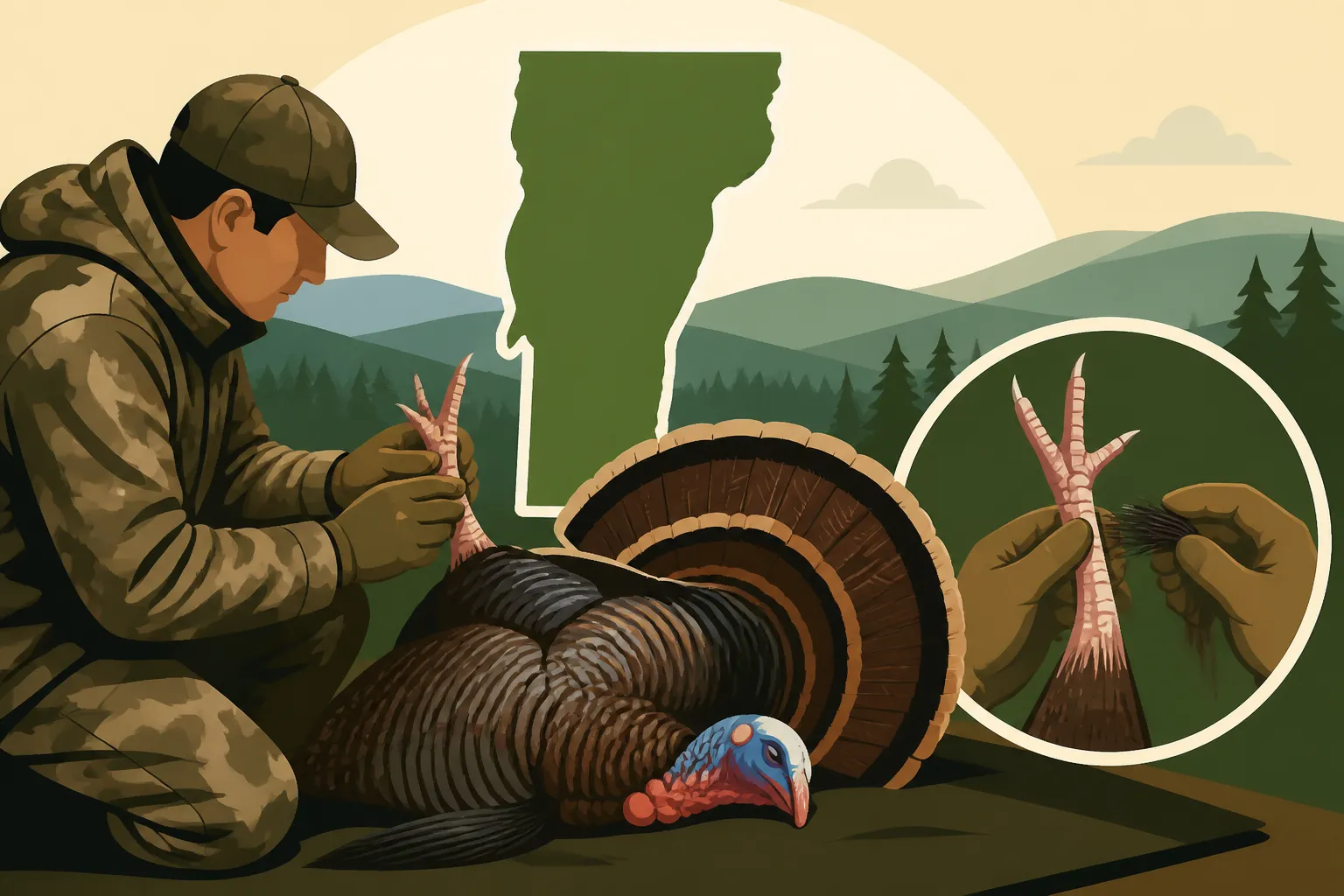
- Spur Length: For gobblers, this is a key indicator of age. Older gobblers typically have longer, sharper spurs. Measurements are usually taken from the base of the spur to the tip.
- Beard Length: Another age indicator for gobblers, though less reliable than spurs as beards can break or vary. Measurements are typically taken from the skin to the longest tip of the beard.
- Weight (Optional but Encouraged): If you have a portable scale, weighing your bird provides valuable data on overall bird health and regional differences in body mass. This is often more practical for hunters who are processing their birds at home.
- Age Class (Adult or Juvenile): For gobblers, this is often inferred from spur length, but if you can confidently distinguish a jake (juvenile male) from an adult, that's useful. For hens, it's harder unless you're examining plumage.
When you’re entering this data, accuracy is key. Don't just guess on spur or beard length if you can measure it. A simple flexible tape measure or even a piece of string against a ruler can give you reliable numbers. These measurements feed directly into reports like the Reading a Vermont Harvest Report, helping biologists assess the success of breeding seasons and overall flock health. The more precise the information, the better our wildlife managers can understand and manage our turkey resource.
Here's a quick summary of typical turkey checking requirements in Vermont:
| Requirement | Details | Method for Reporting |
|---|---|---|
| Hunter ID | Valid Vermont Hunting License Number & Turkey Permit | Online, App, Physical Station |
| Date & Time | Exact date and time of harvest | Online, App, Physical Station |
| Location | WMU (Wildlife Management Unit) & County of harvest | Online, App, Physical Station |
| Bird Sex | Male (Gobbler/Jake) or Female (Hen) | Online, App, Physical Station |
| Harvest Method | Archery, Shotgun, Muzzleloader | Online, App, Physical Station |
| Spur Length | Measurement from base to tip (for gobblers) | Online, App, Physical Station |
| Beard Length | Measurement from skin to longest tip (for gobblers) | Online, App, Physical Station |
| Weight (Recommended) | Dressed or live weight (if available) | Online, App, Physical Station |
| Tag Number (if applicable) | Specific tag used, especially if Filling a Second Spring Tag as a Resident | Online, App, Physical Station |
Troubleshooting Common Turkey Checking Issues
Even with the convenience of modern technology, sometimes things don't go exactly as planned. You might find yourself in an area with no cell service, or perhaps you've misplaced your hunting tag. Don't panic! There are protocols in place to help you navigate these situations and still fulfill your legal obligation to check your bird. The key is to be proactive and understand your options.
Reporting Without Cell Service or Internet
This is perhaps the most common challenge hunters face in Vermont's beautiful, but often remote, backcountry. You’ve successfully called in a gobbler while Still-Hunting Green Mountain National Forest Timber, but now your phone shows "No Service." What do you do?
Firstly, always try to move to a location where you can get signal. Sometimes, just moving to a higher elevation or a clear-cut can make all the difference. If that's not possible immediately, ensure you've recorded all the necessary harvest information manually. Write down the date, time, exact location (WMU and coordinates if you have a GPS), sex, spur and beard lengths, and your license number. This is where a physical hunting journal or even a simple notepad comes in handy.
Once you return to an area with service or internet, you must immediately report your harvest using the online portal or mobile app. Vermont regulations typically stipulate a timeframe for reporting (often within 48 hours, but always confirm current regulations). Don't delay. If for some reason you cannot get online after returning to civilization, then contacting the Vermont Fish & Wildlife Department directly via phone should be your next step. They can guide you on how to proceed or take your information over the phone. Planning your hunts with tools like GoHunt, which often allow for offline map downloads, can help you identify potential service dead zones beforehand and prepare accordingly.
Dealing with Lost or Damaged Tags
While less common with digital licenses, some hunters still prefer or are required to carry physical tags. Losing or damaging a physical turkey tag can certainly cause a moment of panic. The most important thing is not to hunt without a valid tag or license. If your license or tag is lost or destroyed before you've harvested a bird, you'll need to obtain a replacement. This can often be done online through the Vermont Fish & Wildlife licensing portal or by visiting an authorized license agent.
If you've already harvested a turkey and then lose or damage the tag that was affixed to the bird, the situation requires prompt attention. The immediate priority is to still report your harvest within the required timeframe. When using the online portal or app, you'll enter the tag number if you have it, or indicate if it was lost. Be prepared to explain the situation truthfully if you are ever questioned by a game warden. It's always a good practice to take a photo of your tagged bird immediately after harvest, including the tag itself, as a backup. This simple step can save a lot of headaches later and serves as concrete proof of your adherence to regulations. Remember, good preparation, which can be aided by comprehensive hunting apps like GoHunt, helps mitigate these unforeseen issues.
Other Important Considerations for Vermont Turkey Hunters
Beyond the direct act of checking your turkey, there are several other regulatory and ethical considerations that every responsible Vermont turkey hunter should keep in mind. These contribute to a positive hunting experience for everyone and uphold the integrity of our hunting heritage.
Understanding Vermont Hunter Education Requirements
Before you even step into the woods with a turkey call, ensuring you meet the Vermont Hunter Education Requirements is paramount. Every hunter, unless specifically exempted (like those hunting under an apprentice license), must successfully complete a state-approved hunter education course. This course covers not just firearm safety, but also ethics, wildlife identification, and game laws, including the proper way to handle and report a harvested animal.
These courses are designed to create safe, responsible, and knowledgeable hunters. They are an investment in your safety and the safety of others, as well as the long-term health of our wildlife populations. Always keep proof of your hunter education certification with you while hunting, alongside your license and permits.
Transporting Your Harvest
Once your turkey is harvested and properly tagged or recorded digitally, you still need to know the rules for transporting it. In Vermont, game must be identifiable. This usually means keeping the head and a wing attached to the bird until it reaches its final destination for processing, or at least until it's been officially checked. This allows game wardens to verify the species, sex, and that it hasn't been "borrowed" from another hunter's bag limit.
If you're heading out of state with your harvest, be aware that other states might have different regulations regarding game transport, especially concerning Chronic Wasting Disease (CWD) prevention. Always check the regulations of any state you plan to travel through or into. For within-Vermont transport, as long as it's been properly reported and is identifiable, you should be fine heading back to camp or home for processing.
The Role of Citizen Science in Turkey Management
Your compliance with turkey checking requirements isn't just about following the law; it's a direct contribution to citizen science. The data you provide helps the Vermont Fish & Wildlife Department track long-term trends, assess population health, and make critical management decisions. This collective effort ensures that Vermont's wild turkey populations remain robust and that hunting opportunities continue for years to come.
Additionally, paying attention to the details of your hunt, such as observing flock sizes, hen numbers, and successful nesting seasons, can offer insights. While not part of the official checking process, sharing these observations with local biologists or through public surveys can provide valuable anecdotal evidence to complement the hard data. This collaborative approach between hunters and wildlife managers is a hallmark of successful conservation efforts here in Vermont.
Disclaimer
Please note that hunting regulations, season dates, and reporting requirements can change. While this guide provides comprehensive and up-to-date information as of its publication, it is always the hunter's responsibility to consult the official Vermont Fish & Wildlife Department website or their annual hunting guide for the most current and legally binding regulations before heading afield.