Vermont Special Youth Hunt Windows
Bringing new hunters into our cherished traditions is one of the most rewarding aspects of the Vermont hunting lifestyle, but it can feel a little overwhelming to figure out all the special rules and opportunities available. Many of us remember being kids, eager to hit the woods, but without the clear pathways that exist today. This guide aims to cut through that confusion, breaking down Vermont's dedicated youth hunt windows, ensuring both young hunters and their mentors have a clear understanding of these fantastic chances to get out there safely and successfully.
Understanding Vermont's Youth Hunt Philosophy
Vermont's approach to youth hunting isn't just about giving kids a chance to shoot a deer or a turkey; it's deeply rooted in fostering a love for the outdoors, teaching responsible stewardship, and creating lasting family memories. The state recognizes the importance of these early experiences in shaping the next generation of conservationists. It's a structured way to introduce youngsters to hunting in a less pressured environment, often before the general seasons open, giving them a real head start.
The Importance of Early Mentorship
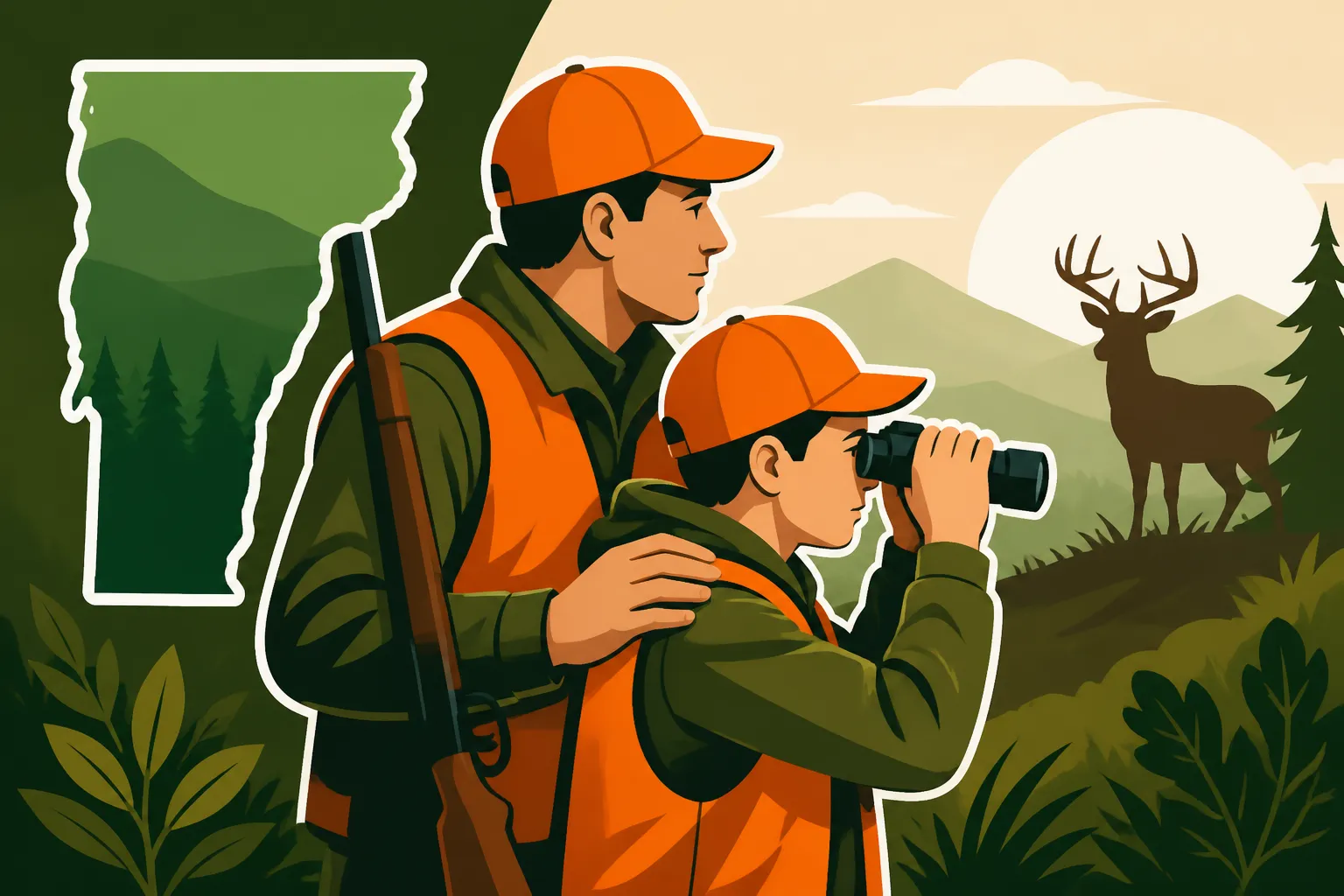
At the heart of Vermont's youth hunting programs is the indispensable role of the mentor. This isn't just about supervising; it's about sharing knowledge, patience, and passion. A good mentor teaches everything from firearm safety and ethical shot placement to reading tracks, understanding animal behavior, and respecting the land. These special seasons are designed so that experienced hunters can dedicate their full attention to guiding a young person without the added distraction of pursuing their own game. It's truly about building a foundation, and the rules around Vermont Mentored Youth Hunting Rules reflect this commitment, ensuring the mentor is always close at hand, ready to provide instruction and support.
Creating Low-Pressure Opportunities
One of the biggest frustrations for new hunters, especially kids, can be feeling rushed or overwhelmed during regular season chaos. Vermont's youth windows alleviate this by offering dedicated days when only youth hunters (with their mentors) are afield for specific species. This significantly reduces competition and hunting pressure, making it easier to spot game and have a calmer, more focused experience. Imagine a crisp autumn morning, just you and your young hunter in a quiet woodlot, searching for signs, rather than jostling for space with dozens of other adults. These low-pressure environments are critical for building confidence and making the experience enjoyable, rather than stressful.
Key Youth Hunting Opportunities and Regulations
Vermont offers several distinct youth hunting windows throughout the year, each tailored to specific game species and designed to maximize success and learning. Understanding the specific dates and rules for each is paramount. You can always cross-reference official dates with resources like the Vermont Fish & Wildlife Department website, or check platforms like GoHunt that often compile this information in an easily digestible format.
Youth Deer Hunting Weekend
Perhaps the most popular youth hunting opportunity is the Youth and Novice Deer Hunting Weekend. This special two-day season typically falls in late October, just before the regular rifle season, providing a prime opportunity to pursue deer when they are actively feeding and not yet heavily pressured.
- Eligibility: Generally open to resident and non-resident youth hunters aged 10-15.
- Weapon: Primarily firearms (shotguns, muzzleloaders, certain rifles) are allowed, creating a chance to use the same equipment that will be legal during the Vermont's November Rifle Season.
- Permits: Youth hunters must possess a valid hunting license and a youth deer hunting permit. They can harvest one deer of either sex (antlered or antlerless). In areas where antlerless permits are allocated, this youth permit often functions as the antlerless tag.
- Mentor Requirements: A licensed, experienced hunter (18 years or older) must accompany the youth. The mentor cannot carry a firearm or bow, emphasizing their role as a guide and teacher. They must also maintain direct control and supervision.
This weekend is a fantastic way for young hunters to experience the excitement of deer hunting firsthand. I've seen kids come alive in the woods during this time, learning to identify rub lines, track deer through fallen leaves, and understand wind direction. It's an invaluable experience for developing critical hunting skills.
Youth Turkey Hunting Weekend
Spring in Vermont brings with it the thrilling pursuit of wild turkeys, and youth hunters get a head start with their own dedicated weekend, typically held in late April. This season precedes the regular spring turkey season, allowing youth to pursue gobblers before they become "educated" by hunting pressure.
- Eligibility: Open to resident and non-resident youth hunters aged 10-15.
- Weapon: Shotguns are the primary weapon, providing an excellent chance to learn proper calling techniques and decoy setups.
- Permits: A valid hunting license and a youth turkey permit are required. Youth can harvest one legal wild turkey with a beard during this weekend. This tag counts towards the Vermont's Resident-Only Two-Bird Turkey Limit if they continue to hunt in the regular season.
- Mentor Requirements: A licensed, experienced hunter (18 years or older) must accompany the youth. The mentor cannot carry a firearm or bow, again focusing entirely on mentoring.
This is an incredible opportunity to introduce young hunters to the art of calling and waiting. Hearing a gobbler thunder in response to a call is an experience that hooks many hunters for life, and doing so with the exclusive focus of a youth season amplifies that magic. Learning to Calling a May Gobbler Off the Roost with a mentor present is a memory few forget.
Youth Waterfowl Hunting Weekend
For those inclined to the marshes and flyways, Vermont also sets aside a special Youth Waterfowl Hunting Weekend. These dates can vary slightly by waterfowl zone (Lake Champlain, Interior, Connecticut River Zone) but generally occur in late September or early October, giving young hunters an early crack at ducks and geese before the main migration is in full swing.
- Eligibility: Open to youth hunters 10-15 years of age.
- Weapon: Shotguns, consistent with regular waterfowl hunting rules.
- Permits: A valid hunting license, Vermont migratory bird license, and a federal duck stamp are required. The youth hunter must also be HIP (Harvest Information Program) certified.
- Mentor Requirements: An adult (18 years or older) who possesses a valid hunting license and migratory bird certification must accompany the youth. This adult may hunt alongside the youth during this season, provided they follow all regulations and do not exceed their own bag limits. This is a slight difference from the deer and turkey youth hunts, allowing for shared participation.
This season is perfect for introducing kids to decoy spreads, camouflage, and the thrill of a morning flight. Whether you're Decoying Ducks on Lake Champlain or hunting a local marsh, the quiet camaraderie of a waterfowl blind is a fantastic environment for learning. The early season dates often mean more comfortable weather, which is a huge plus for younger hunters.
Table: Vermont Youth Hunting Seasons at a Glance
| Season | Species | Typical Dates | Eligible Age (Resident/Non-resident) | Bag Limit | Mentor Can Hunt? | Key Requirements |
|---|---|---|---|---|---|---|
| Youth Deer Hunt | Deer (either sex) | Late October | 10-15 | One deer | No | Valid hunting license, Youth Deer Permit |
| Youth Spring Turkey | Turkey (gobbler) | Late April | 10-15 | One bearded turkey | No | Valid hunting license, Youth Turkey Permit |
| Youth Waterfowl Hunt | Ducks, Geese | Late Sept./Early Oct. | 10-15 | Regular daily bag limits for youth | Yes | Valid hunting license, VT Migratory Bird, Federal Duck Stamp, HIP |
| Youth & Novice Weekend* | Deer | Late October | 10-15 (Youth), Any Age (Novice) | One deer (can be antlered or antlerless) | No (for youth) | Valid hunting license, Youth/Novice Deer Permit |
*Note: The Youth & Novice Weekend is often combined for deer, with specific rules for novice hunters (first-time hunters of any age) that differ slightly from the youth rules. Always check the current Vermont Fish & Wildlife regulations for precise dates and rules.
Preparing for a Successful Youth Hunt
Getting ready for a youth hunt is more than just packing a lunch and heading out. It involves careful planning, safety education, and creating an atmosphere where learning and enjoyment are prioritized over just harvesting an animal.
Safety First: Hunter Education and Range Time
Before any young hunter can participate in these special windows, they absolutely must complete a certified hunter education course. Vermont is strict about this, and for good reason—safety is non-negotiable. The Vermont Hunter Education Requirements ensure that every new hunter understands firearm safety, ethical hunting practices, and wildlife conservation. Beyond the classroom, consistent range time is crucial. We can't expect a child to make an ethical shot in the field if they haven't practiced extensively with their chosen firearm or bow. Make it fun, focus on fundamentals, and celebrate improvements, not just bullseyes. Proper hearing and eye protection are a must, every single time.
Scouting for Success
One of the greatest gifts you can give a young hunter is putting them in a situation where they have a reasonable chance of seeing game. This means diligent scouting well before the season opens. Use mapping tools, check aerial photos (GoHunt is excellent for this), and spend time walking the woods. Look for fresh deer sign, like tracks, rubs, and scrapes, or identify potential turkey roosting areas. For waterfowl, scout ponds, rivers, and feeding fields. Identifying prime locations, even if they're on public lands like a Vermont Wildlife Management Areas, can significantly boost morale and increase the odds of a memorable encounter. Teaching a child how to Scouting Vermont Public Land Before Season instills invaluable skills they'll carry for life.
Essential Gear and Comfortable Clothing
Comfort is key, especially for young hunters who might not have the same tolerance for cold or wet conditions as seasoned adults. Layering is paramount in Vermont's unpredictable weather. Think moisture-wicking base layers, insulating mid-layers, and a waterproof/windproof outer shell. A good pair of comfortable, waterproof boots is non-negotiable.
Don't forget:
- Blaze Orange: For deer hunting, proper blaze orange requirements are critical, even for youth. Ensure they have enough visible orange on their head, chest, and back.
- Appropriate Firearm/Bow: Ensure it fits them correctly and they can handle it safely and accurately. Recoil can be an issue for smaller frames; consider reduced-recoil loads or smaller calibers.
- Snacks and Water: Keeping energy levels up and staying hydrated is vital for focus and enjoyment.
- First-Aid Kit: Always have one readily accessible.
- Binoculars: Even small ones can help a young hunter feel more engaged and spot game they might otherwise miss.
- Hand Warmers: These can be a game-changer on a chilly morning, making a long sit much more tolerable.
Navigating the Rules and Resources
Even with the excitement of a youth hunt, it's essential to stay on the right side of the law. Vermont has clear rules about licenses, tagging, and reporting that apply to youth hunters just as they do to adults.
Licensing and Permits
Every youth hunter, regardless of age, must have a valid hunting license. Resident and nonresident options are available, and the costs vary. The process for purchasing Vermont Resident License Options is straightforward, often done online through the Vermont Fish & Wildlife Department portal. In addition to the base license, specific permits (like a youth deer permit or youth turkey permit) are required for these special seasons. For waterfowl, don't forget the state migratory bird license and the federal duck stamp. Missing any of these crucial pieces of paperwork can turn a fantastic outing into a frustrating one.
Reporting Your Harvest
Once a youth hunter is successful, the work isn't quite over. Vermont requires all harvested big game (deer, turkey) to be reported. This is a vital part of wildlife management, helping the state track harvest numbers and population health. The good news is, it's easier than ever. You can often report a deer through Reporting a Deer Through Vermont's App or online, usually within 48 hours of harvest. Make sure you understand the specific reporting requirements for the species your youth hunter is pursuing. This step, while administrative, teaches young hunters about their contribution to conservation efforts and the importance of responsible hunting practices.
Seeking Additional Support and Information
The Vermont Fish & Wildlife Department is an excellent resource for any questions you might have regarding youth hunt windows, regulations, or safety. Their website is comprehensive, and they often have FAQs or contact information for local game wardens or wildlife biologists who can provide clarification. Many local sporting goods stores also act as license agents and can offer advice on local hunting conditions or answer basic questions. Never hesitate to reach out if you're unsure about a rule; it's always better to be safe and informed.
These special youth hunt windows are truly a gift to the hunting community in Vermont. They provide invaluable opportunities to introduce the next generation to the joys and responsibilities of hunting in a supportive, educational, and fun environment. Let's make the most of them!
Disclaimer
The information provided in this guide is intended for general informational purposes only and does not constitute legal advice. Hunting regulations in Vermont are subject to change, and it is the sole responsibility of each hunter to consult the official Vermont Fish & Wildlife Department regulations booklet or website for the most current and accurate information before participating in any hunting activity. Failure to comply with all applicable laws and regulations can result in penalties.