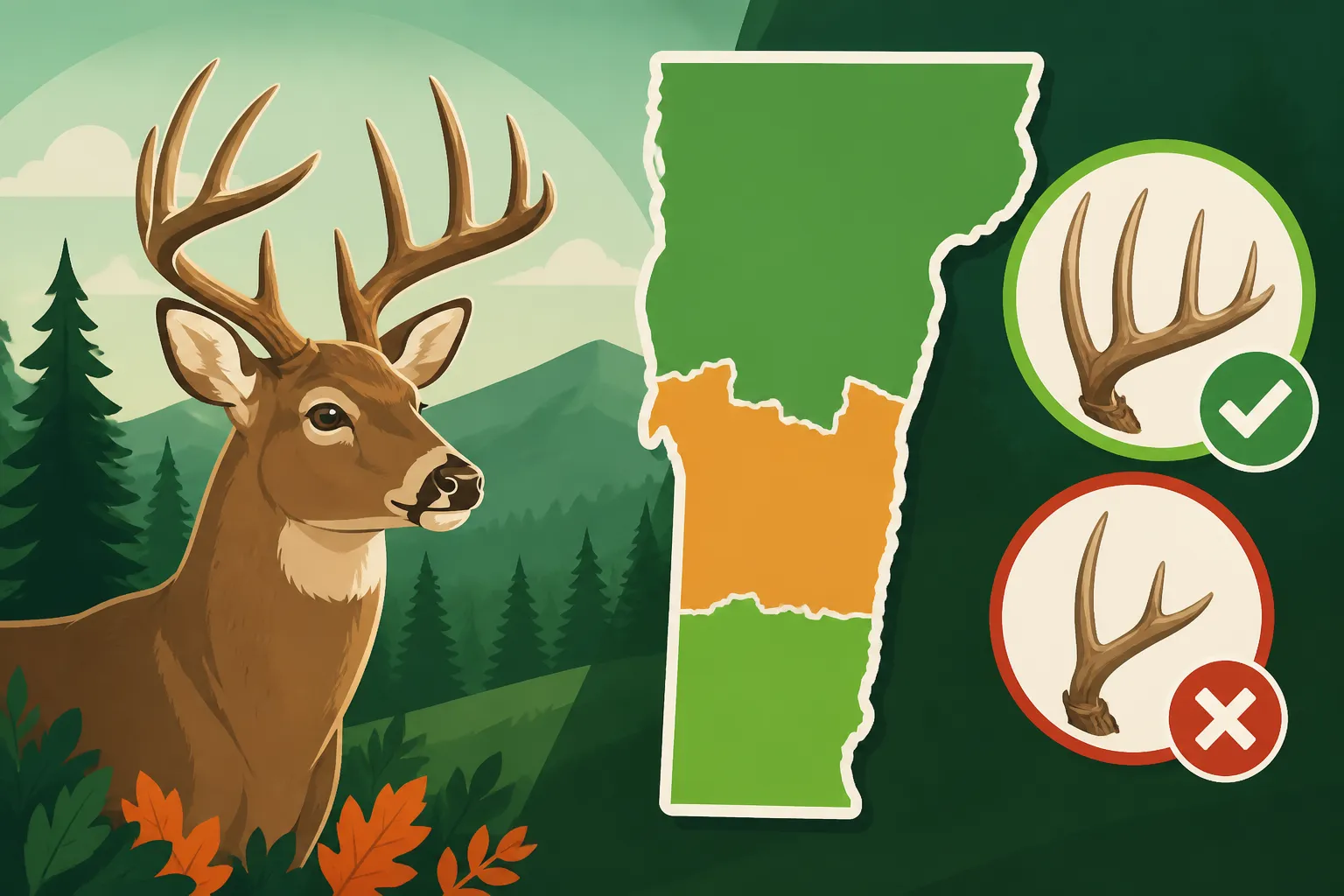
Vermont Antler Point Restriction Status
One of the most common questions new hunters, or even seasoned hunters from other states, ask about Vermont is, "Does Vermont have antler point restrictions?" It’s a completely fair question, especially with so many other states implementing such rules to manage their deer herds. The truth is, it can be really confusing trying to keep track of regulations across different regions. This guide is here to cut through the confusion and explain Vermont's current stance on antler point restrictions, why the state manages its deer herd the way it does, and what that truly means for you, the hunter, when you head into the woods.
Vermont's Stance on Antler Point Restrictions: The Current Reality
Let's get right to it: Vermont currently does not have a statewide antler point restriction (APR) in place for white-tailed deer. This means that, generally speaking, if a deer is legally a buck, it can be harvested, regardless of the number of points on its antlers. There isn't a "three points on one side" or "four points to a side" rule that you might find in some other states. This often comes as a surprise to hunters who are used to more restrictive regulations designed to protect younger bucks.
However, just because there isn't an APR doesn't mean it's a free-for-all on bucks. Far from it. Vermont's deer management strategy employs other, equally effective tools to shape the buck population and ensure a healthy, sustainable herd. Understanding this distinction is crucial for anyone planning to hunt deer in the Green Mountain State. It’s not about the points; it’s about the overall management goals and how Vermont chooses to achieve them. When you're trying to figure out the specific rules for a given Wildlife Management Unit (WMU) or season, using resources like GoHunt can really help clarify what's allowed and what's not, even if it's just to confirm the absence of an APR.
Defining a Legal Buck in Vermont
So, if it’s not about antler points, what makes a buck "legal" to harvest in Vermont? The primary definition revolves around visible antlers. A legal buck is defined simply as a deer with visible antlers measuring three inches or more in length. This is a pretty straightforward rule that minimizes ambiguity in the field, which is something many hunters appreciate. You don't have to count points or worry if that third tine is long enough; if you see antlers that meet the minimum length, and it's during an open buck season, you're good to go, provided you have the correct permit.
This basic definition allows hunters to make quick, confident decisions, which is particularly important in Vermont's often thick cover and challenging terrain. It removes a layer of complexity that APRs introduce, where a hunter might pass on a perfectly healthy, mature two-and-a-half-year-old buck with only two points per side, only to realize later that an APR isn't in effect. The focus remains on identifying the gender and antler presence, simplifying the field identification process.
The "No APR" Approach Compared to Other States
Many hunters arriving in Vermont, especially from states like New York or parts of Pennsylvania, are accustomed to navigating strict antler point restrictions. These rules are often implemented with the goal of increasing the average age of harvested bucks, allowing more younger bucks to survive and mature into larger, more impressive deer. The thinking is that by protecting yearling bucks with smaller racks, they'll have a chance to grow bigger antlers in subsequent years.
Vermont's approach stands in contrast. The state has consciously chosen not to adopt a statewide APR, instead relying on other management levers. This means that while a hunter in a neighboring state might be looking for a minimum of three points on one side, a Vermont hunter is simply looking for visible antlers of three inches or more. This difference in philosophy is a major one and influences everything from scouting strategies to shot selection. It also means that hunters have a wider range of buck phenotypes available for harvest, from younger, smaller-racked bucks to older, more mature ones, as long as they meet the basic antler length requirement.
Why Vermont Avoids Statewide Antler Point Restrictions
The decision to forgo a statewide APR isn't arbitrary; it's rooted in Vermont's specific deer management goals, scientific data, and a long-standing understanding of the state's unique landscape and hunting culture. The Vermont Fish and Wildlife Department uses a multi-faceted approach to maintain a healthy deer herd, focusing on factors that go beyond just antler size. They're looking at overall herd health, population density, and sustainable harvest rates.
Implementing APRs, while popular in some areas, can also introduce complications. It can make deer identification more challenging in the field, potentially leading to misidentification and illegal harvests. It can also sometimes put undue pressure on older, larger-racked bucks, as hunters selectively target them, or conversely, lead to an overpopulation of young bucks that don't meet the point requirements, potentially impacting habitat. Vermont aims for a balanced approach that promotes herd health and provides diverse hunting opportunities.
Focusing on Herd Health and Balance
Vermont's primary deer management objective isn't just about growing giant antlers; it's about maintaining a robust and healthy deer population that is in balance with its habitat. This involves ensuring a healthy buck-to-doe ratio and managing overall deer numbers to prevent overbrowsing, especially in sensitive habitats. The state manages the herd largely through careful control of antlerless deer harvests, primarily via the issuance of "any-deer" permits. By regulating the number of does harvested, they can directly influence population growth and density.
The "any-deer" permit system, rather than APRs, is the state's main tool for controlling deer numbers. Hunters apply for these permits, which allow them to harvest an antlerless deer (a doe or fawn) in specific WMUs during certain seasons. This targeted approach allows the department to fine-tune deer numbers in different regions based on localized habitat conditions and population objectives. This kind of flexibility is essential in a state with diverse landscapes, from the agricultural fields of the Champlain Valley to the rugged terrain of the Green Mountains.
The Role of the One-Buck Limit
Instead of an APR, one of the most significant regulations shaping Vermont's buck harvest is the one-buck limit per hunter per year. This simple rule has a profound impact on the buck population, perhaps even more so than an APR might. By limiting each hunter to a single antlered deer, regardless of how many seasons they participate in (archery, rifle, muzzleloader), it significantly reduces the overall buck harvest pressure.
This one-buck limit inherently allows a greater number of bucks to survive beyond their first year, naturally increasing the average age of bucks in the herd without specific antler restrictions. A hunter knows they only get one opportunity at a buck, which often encourages more selective hunting, even if not legally required. This helps distribute the harvest pressure and allows more bucks to reach maturity over time. It's a key component of how Vermont manages its deer, and it's a good example of how different management strategies can achieve similar outcomes to APRs. Hunters can review the specifics of this regulation on pages like Vermont Buck Bag Limit.
What Does Regulate Buck Harvest in Vermont?
While APRs aren't a thing here, it's not a free-for-all. Vermont has a clear framework of regulations that govern buck harvest, ensuring sustainable hunting and a healthy deer herd. These regulations revolve around season structures, bag limits, and specific weapon restrictions, all designed to manage deer populations effectively.
Understanding these rules is far more important for a Vermont deer hunter than worrying about antler points. It ensures compliance, promotes ethical hunting, and allows hunters to maximize their opportunities within the existing framework. Whether you're planning for Vermont's November Rifle Season or looking into Bowhunting Vermont's Expanded Archery Season, these foundational rules are what you need to know.
Season Structure and Timing
Vermont's deer seasons are carefully staggered throughout the fall, each with its own set of rules and limitations. The archery season typically starts in early October and runs for an extended period, allowing bowhunters significant time afield. This is followed by the much shorter, but highly anticipated, November rifle season, often referred to as "rifle week" by locals, which sees a concentrated effort from hunters. Finally, the muzzleloader season closes out the deer hunting calendar in December.
The timing and duration of these seasons play a crucial role in managing the buck harvest. The short, high-pressure rifle season accounts for a significant portion of the buck harvest. In contrast, the longer archery and muzzleloader seasons, with fewer hunters afield, allow for a more dispersed harvest. This strategic timing helps spread out hunting pressure and influences the age structure of the buck herd. Furthermore, a recent rule change, Vermont's New Archery-During-Rifle Overlap Rule, has introduced new considerations for bowhunters during the rifle season.
| Season Type | Primary Weapon | Antler Point Restriction | Bag Limit (Bucks) | "Any-Deer" Permits Allowed? |
|---|---|---|---|---|
| Archery Season | Bow/Crossbow | No | 1 (statewide) | Yes |
| Rifle Season | Rifle, Shotgun | No | 1 (statewide) | Yes |
| Muzzleloader Season | Muzzleloader | No | 1 (statewide) | Yes (if remaining) |
Note: The one-buck limit is for the entire hunting year, regardless of how many seasons you participate in.
Antlerless Permits and Their Impact
Perhaps the most influential tool Vermont uses for deer management is the "any-deer" permit, which allows hunters to harvest an antlerless deer. These permits are issued by WMU and season, and the number varies significantly year to year, depending on the Vermont Fish and Wildlife Department's population objectives for each region. These permits are crucial for maintaining herd health and keeping deer populations in check, especially in areas where deer densities might be high.
For example, a hunter might secure an "any-deer" permit for the Vermont October Muzzleloader Antlerless Window in a specific WMU. By controlling the doe harvest, the department indirectly influences the overall deer population, including the number of bucks that are likely to be present and their age structure. Fewer does mean fewer fawns, and therefore, fewer yearling bucks in future years. It’s a foundational aspect of deer management in Vermont, helping to balance the herd with the available habitat.
Understanding Vermont's Deer Management Philosophy
Vermont's approach to deer management is a holistic one, focusing on ecological balance, hunter opportunity, and scientific stewardship. It's less about achieving trophy buck quotas through selective harvest, and more about ensuring a resilient and thriving deer population that can withstand environmental pressures and continue to provide recreational opportunities for generations of hunters.
This philosophy is shaped by historical data, current research, and public input, leading to a dynamic management plan that adapts to changing conditions, such as winter severity, habitat availability, and even concerns like chronic wasting disease (CWD). The state's commitment to avoiding CWD is particularly strong, as detailed in Vermont's CWD Prevention Rules.
Adaptive Management and Ecological Factors
Vermont's deer management is a prime example of adaptive management, where strategies are continuously evaluated and adjusted based on scientific data and observed outcomes. Factors like winter severity (which can greatly impact fawn survival), habitat availability, and forest regeneration rates all play a significant role in determining management decisions. For instance, after a particularly harsh winter, the number of "any-deer" permits issued in certain WMUs might be reduced to allow the population to recover.
The state recognizes that deer are an integral part of the ecosystem, and their numbers must be managed in concert with the health of the forests they inhabit. Overpopulation can lead to significant habitat degradation, impacting not only deer but also other wildlife species. By managing deer populations through antlerless harvest and season structures, Vermont aims to prevent these issues, promoting a healthier overall ecosystem. This adaptive approach ensures that management remains responsive to the unique challenges and opportunities presented by Vermont's wild landscapes. Looking at the Vermont Deer Population Estimate helps illustrate how dynamic this management really is.
Balancing Hunter Opportunity and Conservation
A core tenet of Vermont's deer management philosophy is balancing hunter opportunity with long-term conservation goals. The state strives to provide ample hunting opportunities across various seasons and weapon types, recognizing the cultural and economic importance of hunting. At the same time, conservation of the deer resource is paramount. The one-buck limit, combined with judicious "any-deer" permit allocations, achieves this balance.
This means hunters have a chance to pursue deer, whether they prefer the solitude of the archery woods, the excitement of the rifle season, or the challenge of the late muzzleloader hunt. Yet, the overall harvest is carefully controlled to ensure that the deer herd remains viable and healthy for future generations. It's a testament to the department's commitment to both the hunting heritage and the ecological well-being of the state's wildlife.
Practical Implications for Vermont Deer Hunters
Knowing that Vermont doesn't have an APR simplifies some aspects of hunting, but it also shifts the focus to other crucial considerations. For hunters, this means concentrating on understanding the specific season dates, bag limits, and permit requirements for the WMU they plan to hunt. It also opens up personal choices regarding buck harvest, encouraging a self-imposed selective approach for those who desire to target older bucks.
This "no APR" reality empowers hunters to make their own decisions in the field, within the established legal framework. It highlights the importance of scouting, understanding deer behavior, and knowing your local regulations. For a deeper dive into local hunting conditions, exploring resources like Vermont Wildlife Management Areas can be invaluable.
Focus on Legal Antlered Deer and Permits
Since there's no APR, the most important thing for a Vermont deer hunter is to confidently identify a legal antlered deer (antlers 3 inches or longer) and to possess the correct permit for the season and WMU. Your base hunting license allows you to harvest one legal buck per year. If you wish to harvest an antlerless deer, you'll need to secure an "any-deer" permit for the specific WMU and season, which are often drawn through a lottery system.
It's critical to review the current year's hunting guide for specific season dates, permit application deadlines, and WMU-specific rules. Mistakes here can lead to serious violations. Make sure you understand how many antlerless permits are available in your chosen WMU and what the application process entails. Tools like the Vermont Fish and Wildlife Department's website or mapping apps can help you pinpoint WMU boundaries and confirm regulations for your chosen hunting area, like when you're considering Holding Two Antlerless Permits in Different WMUs.
Self-Imposed Quality Deer Management
For hunters who are interested in harvesting older, more mature bucks, the absence of a statewide APR in Vermont provides an interesting opportunity for self-imposed quality deer management (QDM). Instead of being forced by regulation to pass on younger bucks, hunters can choose to do so voluntarily. This means making a conscious decision to let smaller-racked bucks walk, hoping they will mature into larger animals in subsequent years.
This personal choice aligns with many QDM principles, allowing individual hunters to manage their own hunting experience and contribute to the local age structure of bucks if enough hunters in an area adopt this practice. It requires discipline and patience, but it can be incredibly rewarding. Many veteran Vermont hunters already practice this, often passing on numerous bucks before finally deciding to punch their tag. Understanding When the Vermont Rut Peaks can also help hunters time their efforts for potential encounters with more mature bucks.
Utilizing Technology and Resources for Success
In today's hunting world, technology can be a huge asset, especially when navigating regulations and scouting new areas. While Vermont doesn't have an APR to complicate things, staying informed about seasonal changes, permit availability, and deer movement patterns is still key. Websites like the Vermont Fish and Wildlife Department's portal are indispensable for official regulations, season dates, and "any-deer" permit information.
Additionally, mapping applications and hunting-specific platforms like GoHunt can provide valuable insights. These tools can help you visualize WMU boundaries, identify public land access points, and even show historical harvest data, helping you plan your hunt more effectively. They are great for Scouting Vermont Public Land Before Season or understanding deer activity in areas you're unfamiliar with. Staying connected to hunter forums and local sportsman's clubs can also provide real-time information and insights into local deer activity and successful strategies.
Disclaimer
Please remember that hunting regulations can change. While this guide provides current and accurate information regarding Vermont's antler point restriction status, always consult the official Vermont Fish and Wildlife Department regulations guide for the most up-to-date and complete information before heading afield. Your responsibility as a hunter is to know and abide by all current laws and regulations.