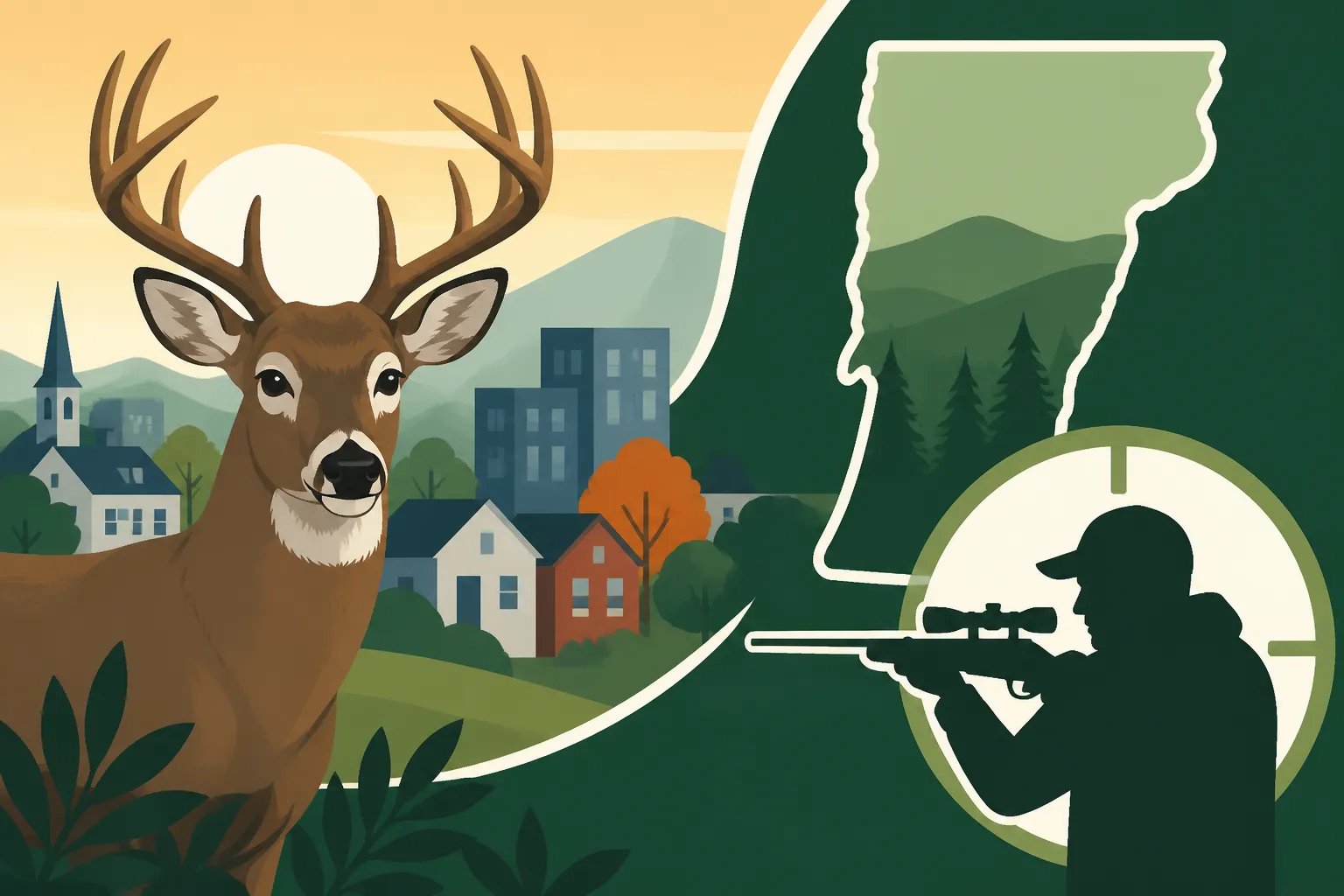
Vermont Urban Deer Management Permits
It’s a tale as old as suburbia itself: you love seeing wildlife, but when deer start munching every hosta in sight, turning your garden into a salad bar, or worse, becoming a serious hazard on the roads, that admiration can quickly turn to frustration. Dealing with overabundant deer populations in developed areas is a growing concern across Vermont, impacting homeowners, drivers, and even the local ecosystem. This guide is here to shed light on Vermont’s Urban Deer Management Permits, explaining exactly what they are, how they work, and what role they play in addressing these challenging local issues.
The Growing Challenge of Deer in Vermont's Developed Areas
Vermont is a state blessed with abundant natural beauty and wildlife, but as our towns and cities grow, so does the overlap between human habitation and deer habitat. This isn't just about a few deer wandering into a backyard; it's a complex issue with significant ecological and economic ramifications that communities are actively trying to navigate.
Why Urban Deer Populations Spike
You might wonder why deer seem to thrive so much closer to homes and businesses these days. It’s a combination of factors that, ironically, often stem from our own development patterns. First, suburban and urban environments, particularly the fringes, often provide a smorgasbord of food sources. Think about it: lush, fertilized lawns, ornamental shrubs, fruit trees, and gardens offer a high-calorie diet far richer than what they might find in dense, unbroken forest. Deer are incredibly adaptable creatures, and they quickly learn that these areas are veritable buffets.
Secondly, these developed zones often lack the natural predators that typically keep deer numbers in check in more remote wilderness. Coyotes, bears, and bobcats might skirt the edges, but they rarely establish a strong presence deep within residential areas. This means fewer natural mortalities, allowing deer populations to grow unchecked. Couple this with hunting restrictions, often driven by safety concerns, property size limitations, and proximity to homes, and you have a perfect storm for deer numbers to swell beyond what the local habitat can sustainably support. It creates what biologists call "carrying capacity" issues in localized pockets, even if the overall statewide deer population is managed sustainably.
The Real-World Impact on Communities
The consequences of burgeoning urban deer populations are felt deeply by residents and municipalities alike. For homeowners, the most visible impact is often the destruction of landscaping and gardens. Prized shrubs, delicate flowers, and vegetable patches can be decimated overnight, leading to significant financial costs for replacement and frustration for those who put time and effort into their properties. Imagine spending hours cultivating a beautiful perennial bed, only to wake up to it stripped bare by a browsing herd – it's a common and genuinely disheartening experience for many Vermonters.
Beyond property damage, deer pose a substantial public safety risk, particularly on our roadways. Deer-vehicle collisions are incredibly common, especially during dawn and dusk, or during the rut when bucks are actively seeking does. These accidents can result in serious injuries to drivers and passengers, not to mention extensive vehicle damage. Towns like Williston, Colchester, and South Burlington, with their growing populations and expanding road networks, frequently report high numbers of these incidents.
Furthermore, an overabundance of deer can have negative ecological impacts. Intense browsing pressure can alter forest understories, reducing biodiversity and impacting other wildlife species that rely on those plants for food and cover. There's also the concern of disease transmission, such as Lyme disease, which deer can carry. While Vermont thankfully remains free of Chronic Wasting Disease (CWD), controlling deer numbers is always a key part of maintaining a healthy herd, as outlined in Vermont's CWD Prevention Rules. These issues underscore the critical need for effective, localized deer management strategies.
Understanding Vermont's Urban Deer Management Permits
Given the unique challenges presented by deer in developed areas, traditional hunting seasons and regulations aren't always sufficient or appropriate. That's where specific tools like Vermont's Urban Deer Management Permits come into play. These aren't your typical archery or rifle season tags; they represent a targeted approach designed to address specific localized issues where conventional methods fall short.
Who Qualifies for These Permits?
Unlike general hunting licenses that are available to any qualified hunter, Urban Deer Management Permits are part of a more specific, localized program. Generally, these permits are not something an individual hunter applies for directly off the street. Instead, they are typically issued by the Vermont Fish & Wildlife Department (VFWD) to specific individuals or groups in conjunction with a municipality or a large landowner that has an approved urban deer management plan in place.
For instance, a town council in a community like Essex Junction or Rutland might approach VFWD with a documented problem of excessive deer-vehicle collisions and severe landscape damage. After assessing the situation, VFWD might approve a plan that allows for deer removal within specific, designated areas. The permits would then be allocated to authorized individuals, often skilled and vetted archers or, in some cases, sharpshooters, who are trained to operate safely and effectively in these sensitive environments. These permits are tailored to the specific needs and safety requirements of the urban setting, often dictating weapon type (archery is common due to safety in populated areas), hours of operation, and specific zones where hunting is allowed. Hunters participating in these programs usually have to demonstrate exceptional proficiency and adherence to strict safety protocols.
How the Permit System Works for Hunters
If you're a hunter interested in contributing to urban deer management, it's crucial to understand that involvement typically comes through participation in a structured program, rather than a standard tag purchase. Here’s a general overview of how such a system might function for participating hunters:
- Municipal or Landowner Initiative: The process usually begins when a town, city, or a large institution (like a university or major private landowner) identifies a significant deer problem and partners with the VFWD. They develop a detailed management plan that considers public safety, local ordinances, and specific objectives for deer reduction.
- VFWD Approval and Oversight: The VFWD reviews and approves these plans, ensuring they align with state wildlife management goals and public safety standards. They then issue the special permits necessary for the program.
- Hunter Selection and Authorization: Hunters involved in these programs are not randomly chosen. They are often selected based on experience, proficiency, and their ability to operate discreetly and safely in a developed environment. This might involve additional training or specific certifications beyond standard hunter education requirements.
- Specific Rules and Zones: These permits come with very strict rules. They might specify archery-only hunting, define exact property boundaries, mandate elevated stands to ensure downward arrow trajectories, and dictate specific times when hunting can occur. For instance, a program might designate hunting within a specific greenbelt or a large private property on the edge of a residential area, requiring hunters to use tools like GoHunt or other mapping apps to precisely identify approved zones and property lines.
- Reporting Requirements: Just like with general deer harvests, detailed reporting is critical. Hunters participating in urban management programs must adhere to strict Vermont Deer Reporting Requirements, often with additional data points specific to the program. This allows the VFWD and the municipality to track progress and assess the effectiveness of the management plan.
The aim is always to reduce deer numbers in a humane, safe, and socially acceptable manner, addressing the specific problems posed by urban deer without disrupting the broader community.
Navigating the Nuances of Urban Deer Permits
It's important to differentiate these special urban permits from the traditional antlerless deer permits available in various Wildlife Management Units (WMUs) throughout Vermont. While general antlerless permits allow hunters to take a doe in specific WMUs during designated seasons, urban permits are far more localized and purpose-driven.
| Feature | General Antlerless Permit (e.g., WMU-based) | Urban Deer Management Permit (Program-specific) |
|---|---|---|
| Purpose | Herd management across broader WMU | Localized population reduction in developed areas |
| Issuance | Purchased by any licensed hunter (if available) | Issued by VFWD for approved municipal/landowner plans |
| Eligibility | Any licensed hunter | Vetted, authorized hunters participating in a program |
| Location | Specific WMUs, typically rural/undeveloped land | Designated properties/zones within urban/suburban areas |
| Weapon Restrictions | Standard season-specific weapons (bow, rifle, muzzleloader) | Often archery-only; highly specific weapon rules |
| Timing | Defined hunting seasons (e.g., Archery, Muzzleloader) | Flexible, plan-specific, often outside regular seasons |
| Public Access | Public and permitted private land | Highly restricted to specific properties with permission |
| Safety Measures | Standard blaze orange, safe shooting practices | Elevated stands, specific shot angles, strict safety protocols |
| Acquisition for Hunter | Purchase through VFWD portal | Invitation to participate in a specific program |
This table highlights that while both types of permits aim to manage deer populations, their scope, application, and the hunter's route to obtaining one are distinctly different.
Applying for and Utilizing an Urban Deer Management Permit
So, if you're a hunter who wants to help with these specific urban challenges, what's the pathway? It usually begins with being recognized as a responsible, skilled, and safe hunter, and often requires proactive engagement with local authorities and the VFWD.
The Application Process and Key Considerations
As mentioned, there isn't a general "Urban Deer Permit" application form that any hunter can fill out online. Instead, the "application" for a hunter is typically an expression of interest and an eventual vetting process to become part of an authorized program.
- Contact Local Authorities & VFWD: If you're aware of significant urban deer issues in your community and believe a management program would be beneficial, start by contacting your town's select board, city council, or local police department. Simultaneously, reach out to the VFWD district office responsible for your area. Express your interest in assisting and inquire if any urban deer management plans are being considered or are currently in effect. This initial contact is crucial to understanding the local landscape.
- Demonstrate Proficiency and Safety: If a program exists or is being developed, you'll need to demonstrate your hunting proficiency and commitment to safety. This might involve proof of extensive experience, references, or even a shooting proficiency test. Urban hunting environments demand a higher level of precision and situational awareness than a typical wilderness hunt.
- Hunter Education and Beyond: While your Vermont Hunter Education Requirements certificate is fundamental, you might consider advanced archery courses or ethical hunting seminars. The more you can show your dedication to responsible hunting, the better your chances of being considered for such sensitive programs.
- Local Ordinances and Landowner Relations: Understand that participating in these programs often means hunting on private land within urban or suburban zones. Therefore, fostering good landowner relations is paramount. You'll need explicit, often written, permission from property owners. Tools like GoHunt can be exceptionally useful for understanding property lines, communicating with landowners about precise hunting locations, and ensuring you are always operating within legal boundaries.
Remember, the goal is not just to harvest a deer, but to contribute to a community solution. This mindset is key throughout any "application" or vetting process.
Rules, Restrictions, and Hunter Responsibilities
Once involved in an urban deer management program, hunters operate under a very specific set of rules and heightened responsibilities designed to ensure public safety and the program's success.
- Weapon Type: Archery equipment (bows, crossbows as permitted by Vermont Crossbow Equipment Rules) is almost exclusively preferred due to its shorter effective range and less intrusive nature compared to firearms. However, specific programs might allow for specialized firearm use by sharpshooters in highly controlled environments.
- Designated Zones and Stands: You will likely be restricted to very specific hunting zones within larger properties. Often, elevated tree stands are mandatory to ensure that arrows or bullets are directed safely downward, minimizing the risk of a projectile leaving the property. This demands meticulous scouting, even in familiar areas, to identify suitable stand locations and clear shooting lanes.
- Time Restrictions: Hunting hours might be more restrictive than general seasons, perhaps only at dawn or dusk, or even on specific days to minimize public interaction.
- Discretion and Professionalism: Hunters in urban programs are essentially ambassadors for the hunting community. Maintaining a low profile, dressing appropriately (camo is fine, but avoiding overt military-style gear might be advised), and interacting respectfully with non-hunting residents is crucial. Your actions reflect on the entire program.
- Meat Handling and Carcass Disposal: Due to public visibility, proper field dressing and discreet removal of harvested deer are paramount. Knowing how to efficiently field dress a deer in cold weather or transport a deer discreetly is essential. Some programs might even have specific protocols for processing and donating venison.
- No "Trophy" Hunting: The objective of these permits is population control, not trophy hunting. While any deer harvested is a success, the focus remains on meeting the program's management goals. Hunters might be required to take antlerless deer predominantly.
- Legal Compliance: Beyond the specific program rules, all general Vermont hunting laws apply, including those for Vermont's New Archery-Rifle Overlap Rule if operating during overlap periods, and standard license requirements.
Adherence to these rules isn't just about legality; it's about maintaining public trust and ensuring the continued viability of such programs. Using tools like GoHunt to mark your stands, identify safe shot angles, and even log your activities can enhance your professionalism and compliance.
The Broader Impact of Urban Deer Management
Effective urban deer management through these permit programs can have far-reaching positive effects for both human communities and the deer herd itself. It's a testament to how targeted, localized efforts can solve complex wildlife issues.
Community Benefits and Challenges
The most immediate benefit of successful urban deer management is a reduction in conflicts. Fewer deer-vehicle collisions mean safer roads for everyone, reducing tragic accidents and expensive repairs. For homeowners, it means relief from constant garden destruction, allowing them to enjoy their properties without battling persistent deer browsing. This often leads to increased community satisfaction and a better relationship between residents and local wildlife.
Beyond direct conflict reduction, these programs contribute to healthier deer populations in the long run. By keeping deer numbers within the carrying capacity of the local habitat, it reduces stress on the animals, lowers the risk of disease spread, and ensures that the deer have adequate food resources, especially during harsh Vermont winters. This is a critical aspect of overall White-Tailed Deer Across Vermont management.
However, challenges certainly exist. Public perception can be a hurdle; not all residents understand or support lethal deer management. Education and transparent communication from the municipality and VFWD are vital to help the community understand the scientific basis and necessity of these programs. Safety concerns also require constant vigilance and strict protocols, which is why authorized hunters are so carefully vetted. Finding suitable hunting locations and willing landowners can also be difficult, even in areas with high deer densities.
The Future of Urban Deer Management in Vermont
As Vermont's population continues to grow and development encroaches further into traditionally wild areas, the need for robust urban deer management strategies will only intensify. The VFWD, working with municipalities, will likely continue to refine and expand these programs, adapting to new challenges and technologies.
Hunters who wish to be part of this solution have an opportunity to contribute significantly, but it requires a commitment to professionalism, safety, and community engagement. Staying informed about local wildlife issues, perhaps by regularly checking local VFWD updates or community forums, is a great first step. Being prepared with the right gear, from the appropriate Best Rifle Caliber for Vermont Whitetails (if firearms are ever approved in limited contexts) to advanced scouting tools like GoHunt, and always prioritizing ethical hunting practices will ensure you're ready if the opportunity arises.
Ultimately, Urban Deer Management Permits are more than just tags; they represent a community's proactive effort to balance human needs with wildlife conservation, fostering a sustainable coexistence in Vermont's evolving landscape. They are a testament to the fact that responsible hunting can be a powerful tool for localized problem-solving, making our communities safer and our wildlife healthier.
Disclaimer
Please note that hunting regulations and permit availability can change. Always consult the official Vermont Fish & Wildlife Department website or contact them directly for the most current and accurate information before participating in any hunting activities or programs.