Vermont Mentored Youth Hunting Rules
Many of us who grew up hunting remember those early days in the field, often with a parent or grandparent, learning the ropes. But getting kids involved today, especially with so many distractions and a world that often feels disconnected from nature, can feel like a real challenge. Vermont's Mentored Youth Hunting program is designed specifically to bridge that gap, offering a fantastic opportunity for young, aspiring hunters to gain invaluable experience under the watchful eye of an experienced mentor, all while navigating the state's specific regulations in a safe and supportive environment. This guide will walk you through everything you need to know about getting started.
What is Mentored Youth Hunting in Vermont?
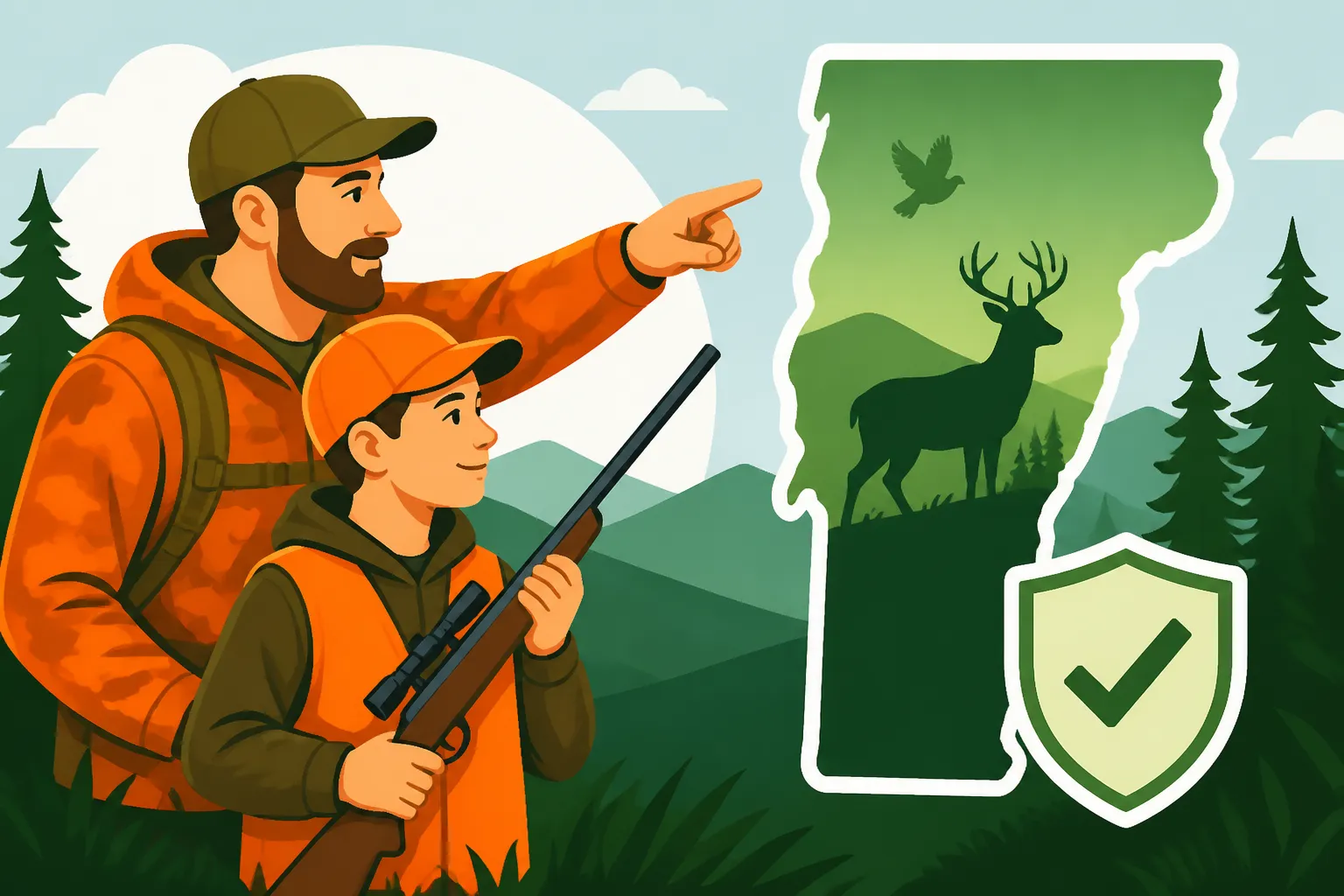
The Mentored Youth Hunting program isn't just a casual option; it's a structured and incredibly important initiative by the Vermont Fish & Wildlife Department aimed at introducing the next generation to the joys and responsibilities of hunting. It recognizes that learning to hunt safely and ethically is a journey that starts early, and it provides a legal framework for that journey to begin long before a young person can independently carry a firearm or bow.
The Program's Purpose and History
For years, wildlife agencies across the country have grappled with a decline in hunter participation. This trend directly impacts conservation funding, which relies heavily on hunting license and tag sales. Vermont's Mentored Youth Hunting program, like similar initiatives nationwide, was established to counteract this decline by removing barriers for new, young hunters. It allows youth to experience hunting firsthand, without first having to complete the full Vermont Hunter Education Requirements, as long as they are under the direct supervision of a qualified mentor. This isn't about skipping education entirely; it's about providing an entry point, sparking interest, and fostering a love for the outdoors that will eventually lead them to pursue hunter education and become independent, responsible hunters. It’s a pragmatic approach to ensure the future of hunting and, by extension, wildlife conservation in our beautiful state.
The program often aims to instill not just hunting skills, but a deep respect for wildlife, habitat, and the natural world. It acknowledges that the earliest experiences in the field are often the most formative, and by making these experiences accessible and safe, Vermont hopes to cultivate a strong conservation ethic in its youth. This forward-thinking approach understands that conservation isn't just about preserving land; it's about preserving traditions and the knowledge that comes with them.
Core Principles of Mentorship
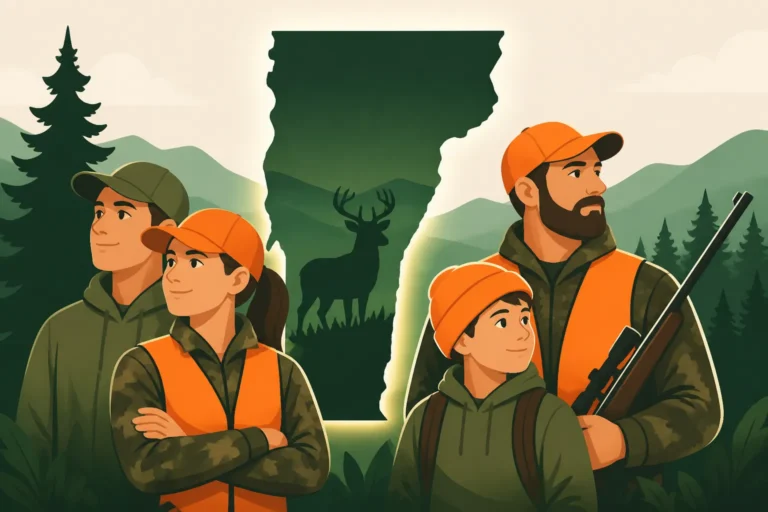
At its heart, the Mentored Youth Hunting program is built on the idea of mentorship. This isn't simply about taking a kid out to shoot a deer or a turkey; it's about passing down a legacy. The mentor's role extends far beyond just supervision. They are responsible for teaching every aspect of the hunt: from scouting and understanding animal behavior to safe firearm handling, ethical shot placement, and proper game recovery. It's about instilling patience, resilience, and a profound appreciation for the outdoors. Think about those crisp fall mornings in the Vermont woods, not just waiting for game, but quietly observing, identifying tracks, listening to the sounds of the forest – these are the moments where true learning happens.
A good mentor acts as a living textbook, explaining why certain stands are chosen, how wind direction affects a hunt, or the importance of proper field dressing. They teach respect for the animal, ensuring that every harvest is treated with reverence and that no part of the animal goes to waste. The focus is always on the experience and the education, with a successful harvest being a bonus, not the sole objective. This deep, personal instruction is what differentiates mentored hunting from simply tagging along; it's an active, immersive learning process.
Eligibility and Requirements for Mentors and Youth
Navigating the specifics of who can mentor and who can be mentored, along with the necessary licenses, can sometimes feel like trying to untangle a fishing line after a big knot. But the rules are in place for safety and to ensure a quality learning experience. Let's break down the essential qualifications for both the young hunter and their guiding adult.
Youth Hunter Eligibility
For a young person to participate in Vermont's Mentored Youth Hunting program, they generally must be under 16 years of age. The exact age cutoff can sometimes vary slightly depending on the specific season or species, so it’s always crucial to check the most current Vermont Fish & Wildlife regulations handbook or their website before planning your hunt. The most significant aspect of this program is that it allows these young hunters to participate without having completed a hunter education course. This is a huge benefit, as it removes that initial hurdle and lets them get hands-on experience in the field much sooner.
However, just because they don't need hunter education yet doesn't mean they can hunt independently. Far from it. A youth hunter under this program must always be accompanied and directly supervised by their qualified mentor. This isn't just a suggestion; it's a strict legal requirement. They will need to obtain a specific youth hunting license, which is typically quite affordable and helps the state track participation and manage wildlife. It's their first step into the formal hunting community, and it comes with responsibilities.
Mentor Requirements and Responsibilities
Becoming a mentor is a significant commitment, one that carries great responsibility. To be a qualified mentor in Vermont, you must generally be 18 years of age or older, although for some firearms-related activities, the age might be 21 or older – again, always double-check the latest regulations. Critically, the mentor must hold a valid Vermont hunting license for the current year and for the species being hunted. They must also have successfully completed an approved hunter education course, proving their own competence and safety knowledge. This isn't just about having a license; it's about having the experience and wisdom to impart to a new hunter.
The mentor's responsibilities are paramount. You are legally and ethically responsible for the safety and conduct of the youth hunter at all times. This means maintaining direct, uninterrupted supervision, ensuring safe firearm or bow handling, and making sure all game laws are followed. You are not just a chaperone; you are the primary instructor. If a new hunter is interested, but the mentor doesn't meet the full hunter education requirement, they might consider the Vermont Apprentice Hunter License Rules as a pathway for themselves, though that's a different program designed for adults new to hunting, which still requires mentorship. This program really emphasizes that the person guiding the youth needs to be fully proficient and legally compliant themselves.
License and Permit Needs
Alright, let's talk brass tacks: what paperwork do you actually need? For the youth, the cornerstone is the Vermont Mentored Youth Hunting License. This special license grants them the privilege to hunt designated species under direct supervision. It’s distinct from a regular hunting license and is tailored for this specific program. You can typically purchase these online through the Vermont Fish & Wildlife Department's portal, or at authorized license agents around the state. It's one of the most accessible Vermont Resident License Options for young people getting started. Non-residents can also participate, though their youth license cost might differ slightly, similar to other Vermont Nonresident License Options.
Beyond the base youth hunting license, depending on what game species you're pursuing, the youth will also need the appropriate tags or permits. For instance, if you're targeting deer, they'll need a deer tag. For spring turkey, a turkey permit. These are usually purchased concurrently with the youth hunting license. It's essential to understand that while the initial hunter education requirement is waived for the youth, these licenses and permits are still critical. They allow the state to manage harvest data and ensure that even mentored youth hunts contribute to the overall conservation efforts. Always make sure to have physical copies or easily accessible digital proof of all licenses and permits when afield.
Understanding the Rules and Regulations
The framework of rules and regulations around mentored youth hunting in Vermont might seem daunting at first glance, but they are all designed with one paramount goal in mind: safety. Understanding and adhering to these rules isn't just about avoiding a fine; it's about ensuring a positive, safe, and ethical experience for everyone involved, especially the young hunter.
Supervision and Proximity
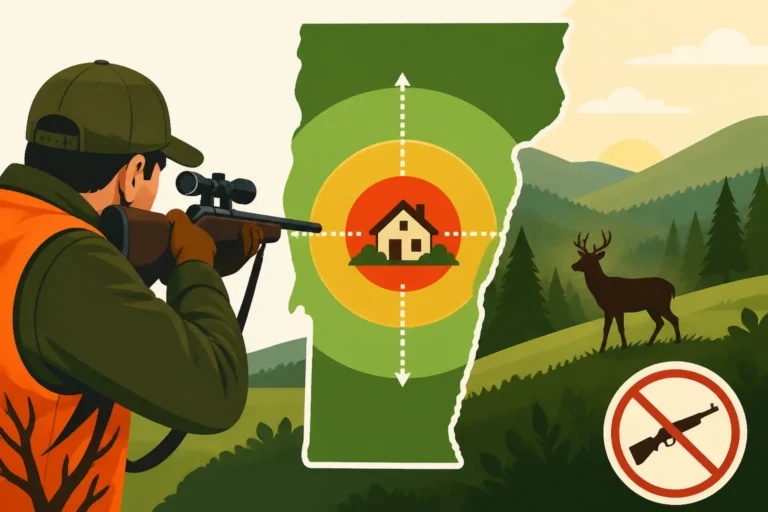
This is arguably the most crucial rule in the entire Mentored Youth Hunting program. The youth hunter must be under the direct, uninterrupted supervision of their qualified mentor at all times while hunting. What does "direct, uninterrupted supervision" actually mean in the field? It means you, as the mentor, must be close enough to the youth to provide immediate and effective instruction, assistance, and control. In many states, this is defined as being within arm's reach or within normal conversational distance. Vermont's rules emphasize constant proximity, ensuring the mentor can physically intervene if necessary, advise on shot placement, or address any safety concerns instantly.
This isn't the time for you to sit on one side of a field while your mentee sits on the other. If you're still-hunting, you're walking right alongside them. In a treestand, they're typically in the same stand or an adjacent one where you can physically reach them. If you're in a ground blind, they're right there with you. This ensures that every action, from loading a firearm to identifying legal game, is done under your immediate guidance. This level of supervision also helps with real-time teaching – you can point out tracks, explain wind thermals, or identify distant movement as it happens. When planning your hunting locations, using mapping tools like GoHunt can help you visualize the terrain and plan how you'll maintain that close proximity effectively, ensuring safety and compliance.
Weapon and Equipment Rules
Just like in regular hunting seasons, there are specific rules governing the type of weapons and equipment that can be used by mentored youth. While the youth doesn't need prior hunter education, they must still use legal and appropriate hunting equipment for the species they are pursuing. This generally means abiding by the same legal weapon restrictions as adult hunters. For example, if you are deer hunting, the youth must use a firearm or archery equipment that meets Vermont's specifications for deer hunting. You can find detailed information on what's allowed in our guide on Vermont Legal Firearms for Deer Hunting.
It's critical that the chosen weapon fits the youth. A mentor shouldn't put a young hunter in a position where they are struggling to handle a firearm that is too heavy, has excessive recoil, or is simply too large for them to safely operate. Often, youth-specific firearms or bows with adjustable stocks and lighter draws are ideal. The mentor is responsible for ensuring the youth is comfortable and proficient with the equipment before heading into the field. This includes practice sessions at a range, familiarizing them with loading, unloading, aiming, and safe carrying practices. The equipment must be a tool for learning, not a source of frustration or danger.
Safety Protocols and Blaze Orange
Safety is the absolute cornerstone of mentored youth hunting, and there's no cutting corners here. Before even stepping foot into the woods, the mentor must thoroughly instruct the youth on fundamental firearm or bow safety rules. This includes the four primary rules of firearm safety: treat every firearm as if it's loaded, always point the muzzle in a safe direction, keep your finger off the trigger until you're ready to shoot, and be sure of your target and what's beyond it. These are non-negotiables, drilled into every hunter during their education course, and they become even more critical when teaching a beginner.
Beyond weapon handling, both the youth hunter and the mentor are required to wear blaze orange during applicable seasons. This is particularly vital during the rifle season or other seasons when visibility is key. Vermont has strict Vermont Blaze Orange Requirements to ensure hunters are visible to each other, minimizing the risk of accidental shootings. It’s not just about wearing some orange; there are specific requirements for the amount of blaze orange, often stating a minimum number of square inches visible from all sides. Check the regulations for How Much Blaze Orange Vermont Requires to ensure full compliance. This safety measure is a visual reminder to everyone in the woods that hunting is underway, and it's a simple, effective way to protect both mentor and mentee.
Specific Hunting Opportunities for Mentored Youth
One of the most appealing aspects of Vermont's Mentored Youth Hunting program is the dedicated opportunities it provides. These special windows allow young hunters to experience the thrill of the hunt in a less pressured environment, making their initial forays into the field more positive and often more successful.
Youth-Specific Hunting Weekends
Vermont takes youth hunting seriously, and one of the best ways they demonstrate this is by offering dedicated youth-only hunting weekends. These are precious opportunities where only properly licensed youth hunters (and their mentors) can pursue specific game species, typically deer or turkey. The most prominent example is the Vermont Youth and Novice Weekend Rules for deer, often held in late October. This weekend provides a fantastic chance for young hunters to chase whitetails before the general rifle season opens, meaning less hunting pressure and often more active deer movement. It's a calmer, more focused environment, ideal for learning.
Similarly, there are specific Vermont Youth Turkey Weekend Dates for spring gobblers. Imagine the excitement of calling in a big tom with your young hunter during a weekend dedicated just to them, without the competitive pressure of thousands of other hunters in the woods. These weekends are truly special, giving youth a head start and a better chance at success. During these times, the bag limits and legal methods for youth are clearly defined, providing a straightforward pathway for a memorable hunt. When planning for these unique opportunities, resources like GoHunt can be invaluable for scouting potential areas beforehand, identifying accessible public lands, and understanding the specific regulations that apply to these special weekends.
General Season Participation
While the youth-specific weekends are fantastic, mentored youth hunters aren't confined solely to those dates. Under the direct supervision of their mentor, they can also participate in Vermont's general hunting seasons for various species, provided they have the correct licenses and permits. This means if you want to take your young hunter squirrel hunting in the early fall, or bring them along for a duck hunt during the regular waterfowl season, they can do so within the program's guidelines.
The key, as always, is adherence to the supervision and safety rules. Whether it's the regular archery deer season, the muzzleloader season, or even small game seasons, the mentor's constant presence and guidance are mandatory. This flexibility allows mentors to introduce youth to a wider range of hunting experiences and species, building their skills and knowledge incrementally. For instance, Hunting the Youth Waterfowl Weekend is a special opportunity, but a mentored youth can also accompany you during the regular duck and goose seasons, learning about decoy spreads, calling, and reading the flight. It's about immersing them in the full spectrum of hunting experiences, not just limiting them to one or two species.
Bag Limits and Species Considerations
When a mentored youth is hunting, they are typically assigned their own individual bag limits, separate from their mentor's. This means if a youth has a deer tag, they can harvest one deer according to the specific rules of that tag (e.g., antlered or antlerless), and their mentor, also possessing a valid tag, can still harvest their own. It’s crucial to understand these distinctions to avoid any accidental over-harvesting. The details will always be outlined in the Vermont hunting regulations for the current year.
For species like deer, understanding the rules around antlered versus antlerless tags is important. During the youth deer weekend, for example, youth often have greater flexibility with antlerless deer, depending on the Wildlife Management Unit (WMU). All harvested game must be legally reported. Just like an adult, a mentored youth who successfully harvests a deer will need to comply with Vermont Deer Reporting Requirements, typically online or at a check station, by the deadline. This process is part of the overall responsibility of hunting and helps the state gather crucial data for wildlife management. It's a valuable lesson in accountability and conservation from day one.
Benefits and Considerations of the Program
Vermont's Mentored Youth Hunting program isn't just a regulatory framework; it's an investment in the future of our outdoor heritage. It offers profound benefits, not only for the individual young hunters and their mentors but for the broader conservation community. However, like any endeavor, it comes with considerations that dedicated mentors should be prepared to address.
Fostering a New Generation of Hunters
The most significant benefit of the Mentored Youth Hunting program is its direct role in ensuring the continuation of hunting traditions and, by extension, robust wildlife conservation efforts. Hunters are often the most passionate and effective conservationists, directly funding wildlife management through license and excise tax sales. By providing an accessible and safe entry point, Vermont is actively cultivating a new generation of stewards who understand and appreciate the natural world firsthand. These young individuals, having experienced the outdoors with a mentor, are far more likely to become advocates for wildlife and wild places.
This program goes beyond just shooting. It teaches patience, resilience, observation skills, and a deep respect for the cycle of life. These are lessons that extend far beyond the hunting season, shaping responsible, engaged citizens. It helps bridge the gap for families where a parent might be new to hunting themselves, or for a single parent who wants to introduce their child but needs support. The communal aspect of hunting, often involving friends and family, can be solidified through these early experiences. Using platforms like GoHunt can even help mentors and youth explore new potential hunting areas and learn about the diverse ecosystems within Vermont, further enriching their understanding of the natural world and reinforcing a connection to conservation.
Safety and Skill Development
Safety is paramount, and the mentored program structure inherently promotes it. By requiring constant, direct supervision, the program ensures that every shot, every movement, and every decision in the field is guided by an experienced hand. This one-on-one instruction is simply unparalleled. It's far more effective than a classroom setting alone for teaching practical skills like safe firearm handling, muzzle control, proper target identification, and ethical shot placement. The mentor can correct mistakes in real-time, explain complex scenarios on the fly, and build the youth's confidence in a controlled environment.
Beyond safety, this direct teaching accelerates skill development. Young hunters learn crucial woodsmanship skills: reading sign, understanding wind direction and thermals, tracking game, and moving quietly through the woods. They learn about game recovery, the importance of patience, and the satisfaction of earning a meal from the land. These aren't just hunting skills; they're life skills that promote self-reliance, observation, and a deeper connection to their surroundings. The mentor's role is not to do it for them, but to empower them with the knowledge and confidence to eventually hunt independently when they are ready and legally able to do so.
Addressing Common Concerns
While the program offers immense benefits, it's natural for people, especially those unfamiliar with hunting, to have concerns. One common apprehension revolves around the idea that the program somehow bypasses critical safety education. It’s important to clarify that this is absolutely not the case. The program is designed as an introduction, with the expectation that once a young hunter has gained experience and interest, they will then complete their formal Vermont Hunter Education Requirements when they reach the appropriate age or before they can hunt unsupervised. The mentor essentially provides a personalized, real-world hunter education course that complements the formal classroom training they'll eventually receive.
Another consideration is the sheer responsibility placed on the mentor. It's a significant commitment of time, energy, and unwavering attention. Mentors must be prepared for the realities of hunting with a novice, which often means slower progress, more teaching moments, and sometimes less personal hunting time for themselves. It’s not always about filling a tag; it's about making memories and building a foundation. Finally, understanding the transition from mentored hunting to independent hunting is important. There are clear rules regarding the Minimum Age for Unsupervised Vermont Hunting and the completion of hunter education. The mentored program is a stepping stone, preparing them for that eventual independence, and GoHunt can even help mentors identify specific WMUs that are particularly well-suited for teaching and low-pressure hunts, enhancing the experience for both mentor and mentee.
| Aspect | Youth Hunter (Mentored) | Mentor (Supervising Adult) |
|---|---|---|
| Age Requirement | Under 16 (specifics may vary by season/species) | 18+ (often 21+ for firearms) |
| Hunter Education | Not required for participation (initial) | Required and valid |
| License/Permit | Specific Youth Hunting License + applicable tags | Valid Vermont Hunting License + applicable tags |
| Supervision | Direct, uninterrupted, within arm's reach/voice | Direct, uninterrupted, within arm's reach/voice |
| Blaze Orange | Required | Required |
| Bag Limits | Own bag limits, per specific season rules | Own bag limits, per specific season rules |
| Weapon Used | Must be physically capable, legal for species | Legal for species being hunted |
| Primary Objective | Learning, safety, ethics, experience | Teaching, safety, guidance, fostering passion |
Disclaimer
The information provided in this guide is for general informational purposes only and is not a substitute for the official regulations published by the Vermont Fish & Wildlife Department. Hunting laws and regulations can change, and it is the responsibility of every hunter and mentor to consult the most current Vermont hunting regulations handbook or the Vermont Fish & Wildlife Department's official website before participating in any hunting activity. Always prioritize safety, ethics, and legal compliance in the field.