Vermont Apprentice Hunter License Rules
Many aspiring hunters in Vermont feel a bit lost when it comes to getting started, especially if they didn't grow up with hunting as a family tradition or haven't had the time to complete a full hunter education course. It can seem like a daunting barrier to entry, but thankfully, Vermont offers a thoughtful solution: the Apprentice Hunter License. This comprehensive guide will explain the Vermont Apprentice Hunter License rules, helping you understand how this program works, what's required, and how you can safely and legally begin your hunting journey with an experienced mentor by your side.
Demystifying the Vermont Apprentice Hunter License
For those new to the hunting world, the idea of an "apprentice" license might sound a bit complex, but its purpose is beautifully simple. It's designed to open the door to hunting for individuals who are ready to learn but haven't yet fulfilled the mandatory hunter education requirements.
What Exactly Is an Apprentice Hunter License?
At its core, a Vermont Apprentice Hunter License is a special permit that allows an individual to hunt legally without first completing the traditional hunter education course. Think of it as a temporary training pass, giving you real-world experience in the field under strict supervision. The Vermont Fish and Wildlife Department recognizes that hands-on learning, especially when guided by an experienced hunter, can be an incredibly effective way to teach safety, ethics, and the practical skills necessary for responsible hunting. This license acknowledges that for some, fitting a multi-day hunter education course into a busy schedule can be a significant hurdle, delaying their entry into a sport they are eager to explore. It bridges that gap, allowing you to gain practical experience while you plan to complete your full certification.
Who Can Get One and What Can They Hunt?
The Apprentice Hunter License is primarily aimed at newcomers of all ages who are curious about hunting but haven't yet committed to formal hunter education. This includes adult beginners, as well as youth who might be too young for certain hunter education components or who are just testing the waters. There isn't an upper age limit, so whether you're 18 or 80, if you're new to hunting and want to try it out, this license can be for you.
When it comes to what you can hunt, an apprentice hunter, just like a fully licensed hunter, is generally permitted to pursue all legal game in Vermont, provided they have the necessary permits or tags for specific seasons. For instance, if you're pursuing deer, you'd still need to acquire the appropriate deer tags. However, the apprentice license itself doesn't grant special permits like those for moose through the Vermont Moose Permit Lottery; it simply grants the privilege to hunt under supervision. You'll need to pay close attention to the specific regulations for each game species and season, whether you're looking at Vermont Deer Harvest Records or the rules for small game. The key is that the apprentice is allowed to participate in the actual act of hunting, from scouting to harvesting, all while learning from their mentor.
Understanding the Eligibility and Mentor Requirements
The success and safety of Vermont's Apprentice Hunter License program hinge entirely on the quality of the mentorship. This isn't a license to go out on your own; it's a license to learn intensely from someone else.
Who Qualifies as a Mentor?
Choosing the right mentor is perhaps the most critical aspect of the apprentice program. Vermont's rules are quite clear on who can act as a mentor. Generally, a qualified mentor must be at least 18 years old and hold a valid, current Vermont hunting license. Crucially, they must also have a clean record, meaning their hunting license has not been revoked or suspended in the past. This isn't just a formality; it ensures that the person guiding you has demonstrated a commitment to ethical and legal hunting practices.
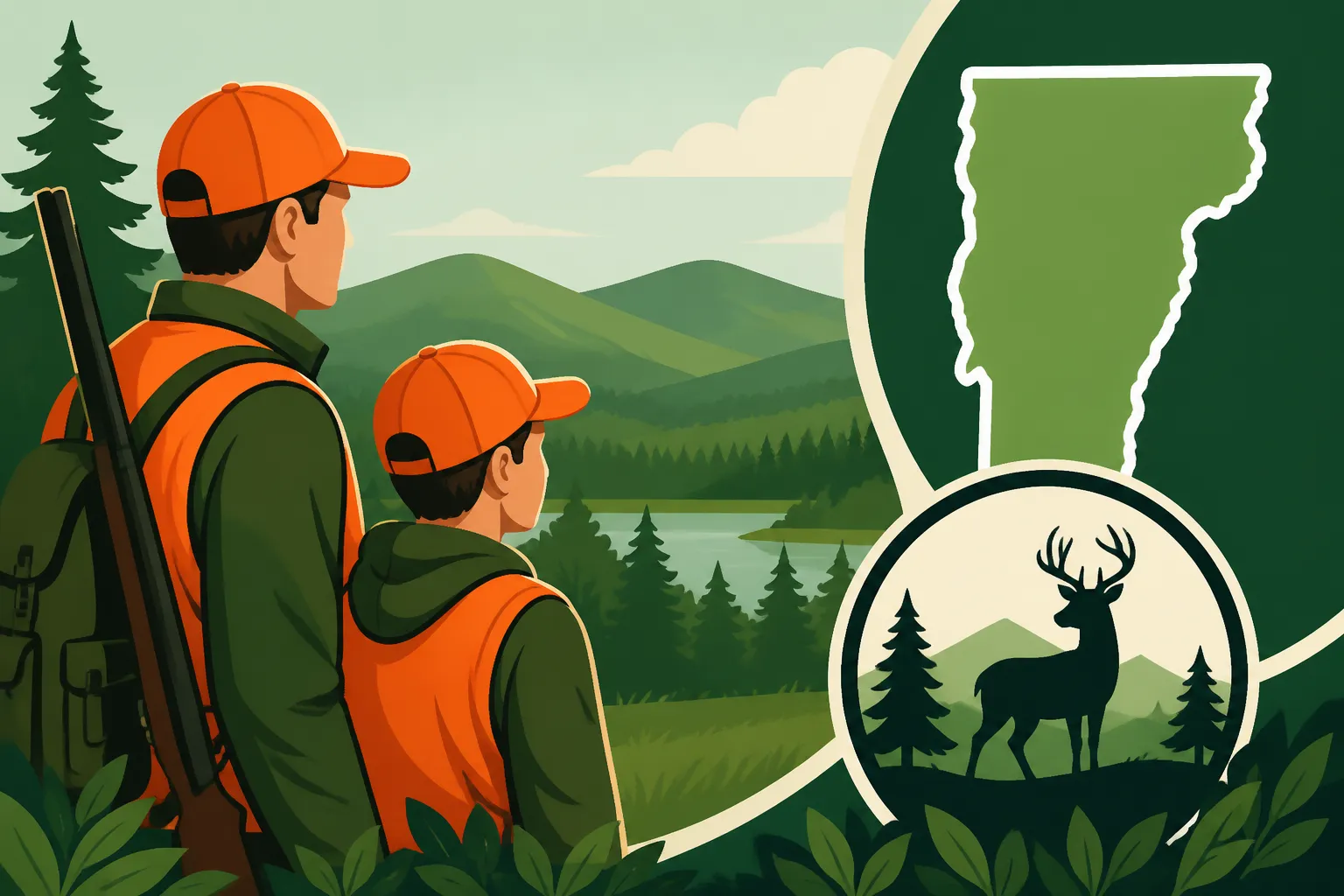
The mentor bears a significant responsibility. Legally, they are responsible for the actions of their apprentice, ensuring adherence to all hunting laws, safety protocols, and ethical considerations. This means they're not just a guide; they're a supervisor. They'll be teaching everything from firearm safety to tracking, field dressing, and responsible game recovery. This deep level of commitment is why many mentors are family members, close friends, or experienced hunters from local clubs who are passionate about passing on their knowledge. The learning curve can be steep, and a good mentor provides invaluable insights, explaining everything from why you choose a particular stand location to how wind and thermals affect deer movement.
Apprentice Age and Hunter Education Waivers
One of the most appealing aspects of the Vermont Apprentice Hunter License program is its ability to waive the immediate requirement for formal hunter education. This means you don't have to complete the course before you step into the field. This is a huge benefit for those who want to get a taste of hunting first.
The minimum age for an apprentice hunter is typically 12 years old for general hunting activities. However, it's worth noting that Vermont also has specific opportunities for younger hunters, such as the Vermont Youth and Novice Weekend Rules, which often cater to even younger participants under very strict supervision. The key takeaway for the apprentice license is that it provides a pathway for those aged 12 and up to defer the hunter education course.
It’s vital to understand, though, that this deferral isn't permanent. The Apprentice Hunter License is generally valid for one year. While it might be renewable a limited number of times (check current Vermont Fish & Wildlife regulations for specifics, as these can change), it's ultimately designed as a stepping stone. To hunt independently in Vermont after your apprentice period, you must eventually complete and pass an approved Vermont Hunter Education Requirements course. The apprentice period gives you a chance to learn, confirm your interest, and then pursue the full certification with a better understanding of what it all entails. Many new hunters find that the experience gained during their apprenticeship makes the formal education course much more relevant and understandable.
The Process: How to Obtain and Use Your License
Getting your Vermont Apprentice Hunter License is a straightforward process, but it requires attention to detail and a clear understanding of the rules you and your mentor must follow.
Step-by-Step Application Process
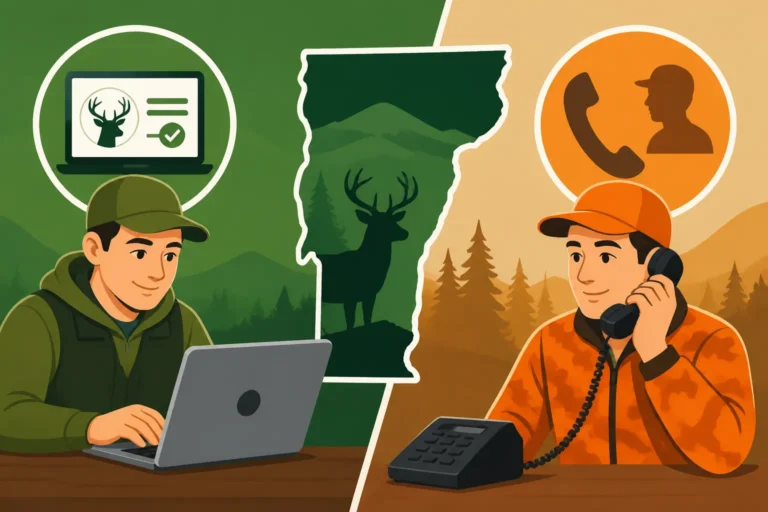
The application process for a Vermont Apprentice Hunter License is designed to be accessible. Most individuals will find it easiest to apply online through the official Vermont Fish and Wildlife Department portal. This online system is user-friendly and guides you through the necessary steps. Alternatively, you can typically purchase the license in person at one of the many licensed agents located throughout the state, such as sporting goods stores or town clerks' offices.
When applying, you'll need to provide standard personal identification information. You'll also likely be asked to affirm your understanding of the rules and responsibilities associated with the apprentice license. The cost of the apprentice license will include the base hunting license fee, which varies depending on whether you are a Vermont Resident Base License Cost or a Vermont Nonresident Base License Cost. There might also be a small additional fee specifically for the apprentice permit itself.
For example, imagine a newcomer named Alex who's always been curious about hunting deer but never had the chance. Alex could visit the Vermont Fish and Wildlife Department website, navigate to the licensing section, and select the Apprentice Hunter License. After entering their personal details and paying the fee, they'd receive their license. Alex could then use the Scouting With the Vermont Fish and Wildlife App or other resources like GoHunt to start planning their first mentored hunt, looking for promising public lands or understanding local regulations. This streamlined process makes it easier for new hunters to get out into the field with proper authorization.
Crucial Rules and Safety Guidelines for Apprentice and Mentor
The most important aspect of the Apprentice Hunter License is the requirement for direct supervision. This isn't a suggestion; it's a legal mandate. The mentor must be within immediate sight and voice contact of the apprentice at all times while hunting. This means they need to be close enough to intervene instantly if a safety issue arises, provide immediate instruction, or correct any mistakes. This isn't just about spotting game; it's about constant, vigilant oversight.
Safety is paramount. Both the apprentice and the mentor must adhere to all general hunting safety rules, including wearing the required amount of blaze orange, especially during seasons like Vermont's November Rifle Season. The mentor is responsible for ensuring the apprentice handles any firearms or archery equipment safely and responsibly. Even if the apprentice has prior shooting experience, the mentor's role is to ensure that field safety protocols are strictly followed.
Beyond legalities, the mentor is tasked with teaching ethical hunting practices. This includes understanding shot placement for a humane kill, responsible Blood Trailing After Dark in Vermont to recover game, and respect for the harvested animal and the environment. Learning how to properly tag and Vermont Deer Reporting Requirements is also a crucial part of the process, ensuring all legal obligations are met. This comprehensive teaching ensures that by the time an apprentice considers getting their full license, they possess not only the skills but also the ethical foundation of a responsible hunter.
Benefits, Limitations, and Moving Beyond the Apprentice License
The Apprentice Hunter License is an excellent tool for introducing new individuals to hunting, but like any program, it has its unique set of advantages and specific limitations. Understanding both is key to making the most of this opportunity.
The Advantages of Starting as an Apprentice
The benefits of starting your hunting journey with an Apprentice Hunter License are substantial and often outweigh the initial hurdles. Foremost among them is the hands-on learning experience. There's simply no substitute for being in the field, observing wildlife, understanding habitat, and learning directly from an experienced hunter. This practical exposure can make concepts that seem abstract in a classroom setting immediately tangible and understandable.
Mentorship is perhaps the most invaluable aspect. A good mentor provides not just technical instruction, but also shares a wealth of knowledge passed down through generations. They can teach you how to read sign, understand animal behavior, navigate Public Hunting Land in Vermont, and even share the traditions and camaraderie that are so central to hunting culture. This personal guidance accelerates learning and builds confidence in a way that self-study simply cannot. Platforms like GoHunt can be incredibly helpful for mentors and apprentices alike to research different hunting areas, understand game movements, and prepare for their outings, ensuring they're making the most of their time in the field.
Furthermore, the apprentice program offers a reduced barrier to entry. You don't have to wait for a hunter education course to be offered or spend hours in a classroom before experiencing the hunt itself. This immediate exposure allows you to "try before you buy," giving you a taste of what hunting entails without a full commitment. It's an excellent way to determine if hunting is truly something you want to pursue long-term before investing the time and effort into formal certification.
Important Limitations and Future Steps
While immensely beneficial, it's critical to remember that the Apprentice Hunter License is not a substitute for full hunter education. It's a temporary pathway. The primary limitation is that you cannot hunt alone; you must always be under the direct supervision of your qualified mentor. This dependence on another individual means your hunting opportunities are often tied to their availability, which can sometimes be restrictive.
The license typically has a one-year validity period, and while Vermont may allow limited renewals (check current regulations for specific details on Vermont Hunting Licenses and What They Cost and renewal limits), it's not intended to be a permanent solution. The clear expectation is that, after gaining some initial experience, an apprentice will transition to becoming a fully certified hunter.
This brings us to the crucial future step: completing a full Who Needs Vermont Hunter Education course. This course covers vital topics like firearm safety, hunting ethics, wildlife identification, game laws, and conservation principles in a structured environment. Once you complete and pass this course, you'll be eligible to purchase a regular hunting license and hunt independently. Think of the apprentice period as your foundational training, preparing you for the comprehensive knowledge and responsibility that comes with being a fully licensed, independent hunter. Utilizing resources like GoHunt can continue to be a valuable tool even after you're fully licensed, providing detailed maps, harvest data, and regulatory updates that support responsible and effective hunting for years to come.
Disclaimer
The information provided in this guide is for general informational purposes only and is not intended as legal advice. Hunting laws, regulations, and license requirements in Vermont can change, and it is the responsibility of every hunter to consult the most current Vermont Fish and Wildlife Department official regulations and statutes before engaging in any hunting activities. Always prioritize safety, ethical conduct, and adherence to all applicable laws.