Vermont Nonresident Base License Cost
Planning a hunting trip to Vermont as a nonresident can feel like navigating a dense thicket of regulations and fees, especially when trying to understand the baseline cost just to get your foot in the door. Many hunters from out-of-state find themselves scratching their heads, wondering exactly what that initial investment looks like before even considering specific game tags. This guide aims to clear up all that confusion, breaking down the cost of a Vermont nonresident base hunting license and what it truly enables you to do in the Green Mountain State.
The Foundation: Vermont's Nonresident Base Hunting License Explained
For any hunter venturing into Vermont from outside its borders, acquiring the foundational hunting license is the very first step. It's often where the initial questions, and sometimes sticker shock, can set in. Unlike some states where a single "all-game" license might cover most species, Vermont's system is structured to require a base license before you can even think about adding specific big game tags. This base license serves as your fundamental authorization to hunt in the state, establishing you as a legal hunter in Vermont's eyes.
What the Base License Covers and Doesn't Cover
The Vermont Nonresident Base Hunting License is essentially your ticket to participate in small game and furbearer hunting. Think squirrels, rabbits, ruffed grouse, snowshoe hare, and even coyotes. It opens up a wide array of opportunities for these species, allowing you to chase them across Vermont's diverse landscapes, from dense hardwoods to open fields, during their respective seasons. You can spend crisp autumn days Squirrel Hunting Green Mountain Hardwoods or set out early morning Coyote Calling Vermont Farm Country with this license in hand. It's an excellent option for those primarily interested in these smaller pursuits or for hunters looking to explore new small game opportunities.
However, and this is a crucial distinction that often trips up new nonresidents, this base license does not authorize you to hunt big game like deer, bear, moose, or turkey. For these highly sought-after species, you'll need to purchase additional, specific permits or tags on top of your base license. It’s a common misconception that the initial license covers everything, so understanding this distinction upfront is vital for proper planning and budgeting. Without these additional permits, pursuing big game, even if you have the base license, is illegal and can lead to severe penalties and fines.
The price point for this base license reflects its foundational nature. As of the most recent information, a Vermont Nonresident Base Hunting License typically costs around $100.00. This fee is subject to change by the Vermont Fish & Wildlife Department, so it's always wise to check their official website or an authorized license agent for the most current pricing before making your purchase. This cost allows you to embark on various adventures throughout the season, from chasing Snowshoe Hare in Vermont during winter months to pursuing upland birds in the fall. While it might seem like a significant upfront cost for a nonresident, it's a necessary investment to legally participate in the state's hunting opportunities.
Navigating the Purchase Process: Getting Your Vermont License
Once you've decided to pursue a hunting adventure in Vermont, the next step is actually acquiring your license. Thankfully, Vermont offers several convenient ways for nonresidents to purchase their base hunting license and any additional permits they might need. Understanding these options can save you time and hassle, especially if you're traveling from a distance and want to ensure everything is in order before you arrive in the Green Mountain State.
Online Purchase Through the Vermont Fish & Wildlife Portal
For many nonresidents, the most straightforward and efficient method is purchasing your license directly through the Vermont Fish & Wildlife Department's official online licensing portal. This digital storefront is accessible 24/7, allowing you to buy your license from the comfort of your home, anytime, anywhere. The process is generally intuitive: you'll need to create an account, provide some personal identification details, and often your hunter education certification number from your home state or another recognized jurisdiction. Vermont has specific Vermont Hunter Education Requirements for all hunters, so ensure you meet these before purchasing.
The online portal will guide you through selecting your Nonresident Base Hunting License, and then you can add any specific big game tags like a Deer Archery Permit, a Deer Muzzleloader Permit, or a Turkey Permit. It’s a one-stop shop for most of your licensing needs. While planning your hunt online, you might consider using powerful scouting tools like GoHunt to research potential hunting areas, understand game movement patterns, and identify public land access points. This kind of advanced planning, powered by detailed mapping and data, can help you decide exactly which permits you'll need based on your target species and desired locations, making your online purchase more efficient and informed. Once purchased, you can often print a temporary copy of your license immediately, and a permanent license is typically mailed to you. Many hunters also appreciate the convenience of carrying proof of their license on their phone, which is generally accepted in Vermont. The system makes it incredibly simple to handle Buying Vermont Permits Online Versus by Phone.
In-Person at Agents or Department Offices
If you prefer a more traditional approach, or perhaps find yourself already in Vermont before purchasing your license, you can visit an authorized license agent or a Vermont Fish & Wildlife Department office. These agents are typically found in sporting goods stores, bait shops, and some general stores across the state. They're usually well-versed in the local regulations and can often answer questions you might have about specific seasons or permits. This can be especially helpful if you're trying to decide between different tags or understand nuanced regulations, such as Vermont's New Archery-During-Rifle Overlap Rule. They can also provide insights into specific local opportunities like Hunting a Champlain Valley Dairy Farm Edge.
When purchasing in person, remember to bring all necessary identification, including a valid driver's license or state ID, and proof of hunter education if it's your first time buying a Vermont license. While the online system offers undeniable convenience, the face-to-face interaction at an agent's location can sometimes provide valuable local insights, and it’s a great way to support small local businesses. These agents can often share firsthand knowledge about current game activity or local access nuances that might not be readily apparent online. However, keep in mind that agent locations might have limited hours, especially on weekends or holidays, so plan accordingly if you choose this route.
Beyond the Base: The True Cost of a Nonresident Vermont Hunt
While the base hunting license gets your foot in the door for small game, the real financial consideration for most nonresident big game hunters comes with the accumulation of additional permits. Each big game species you wish to pursue, and sometimes even the method of take, will require its own separate permit, adding to your overall investment. This layered approach allows hunters to tailor their licenses to their specific interests but also necessitates careful budgeting.
Essential Big Game Permits and Their Costs
For many, a trip to Vermont means chasing whitetails. The good news is, Vermont offers excellent deer hunting opportunities. However, you'll need a specific deer permit, and these vary by season and weapon choice. For example, if you plan to Bowhunting Vermont's Expanded Archery Season in September or hunt during the regular archery season, you'll need a Nonresident Archery Deer Permit, which typically costs around $100.00. If you're coming for the famous November rifle season, the Nonresident Rifle Deer Permit will also run you about $100.00. And for those drawn to the late-season challenge, a Nonresident Muzzleloader Deer Permit, essential for Muzzleloader Deer Hunting in Vermont, is in the same price range. It's crucial to purchase the correct permit for the season and weapon you intend to use.
Beyond deer, other popular big game permits include:
- Nonresident Bear Permit: For hunters wishing to pursue black bears, whether by baiting or spot-and-stalk, this permit is often around $50.00. Vermont offers a fantastic Bear Hunting Vermont's Long September-to-November Season, making this a popular choice. Be sure to check all specific Vermont Bear Hunting Permit Requirements.
- Nonresident Turkey Permit: Whether you're targeting a spring gobbler or a fall flock, a turkey permit is required. These permits typically cost around $30.00 per season (Spring or Fall). If you're aiming for Vermont's two-bird spring limit, remember that nonresidents are usually restricted to one bird per spring season. Consult Vermont Spring Turkey Permit Rules for details.
- Nonresident Migratory Bird Certificate & Federal Duck Stamp: If waterfowl hunting is your game, you'll need a Migratory Bird Certificate (around $10.00) in addition to your base hunting license, as well as a Federal Duck Stamp, which can be purchased from the USPS or through the online license portal. These are essential for navigating Vermont Waterfowl Zones and Seasons.
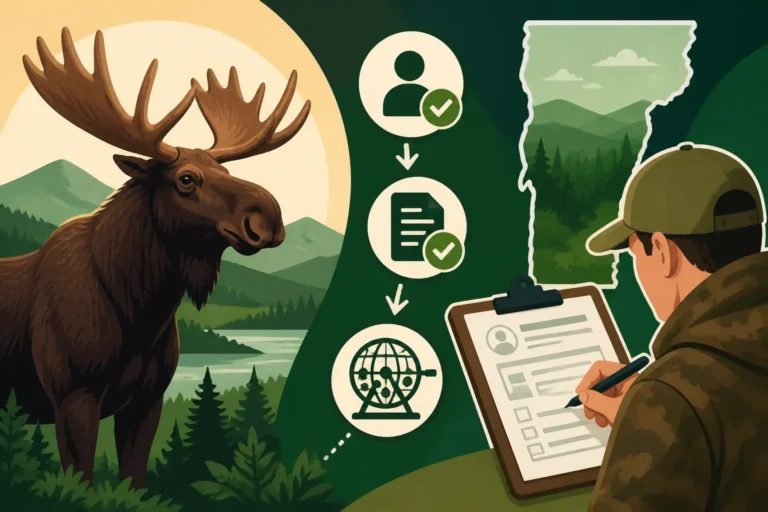
- Moose Lottery Application/Permit: Vermont's moose hunt is a permit-only draw, highly coveted, and truly a once-in-a-lifetime opportunity for many. Applying for the lottery usually has a nominal fee (around $25.00), but if you're lucky enough to be drawn, the Nonresident Moose Permit itself comes with a hefty price tag, typically around $350.00. You can learn more about the Vermont Moose Lottery Application Process for future planning.
Here's a quick overview of approximate nonresident permit costs, illustrating how quickly the total can add up:
| Permit Type | Approximate Nonresident Cost | What it Allows | Notes |
|---|---|---|---|
| Base Hunting License | $100.00 | Small game, furbearers (required for all other permits) | Does NOT cover big game |
| Archery Deer Permit | $100.00 | Archery deer hunting during open seasons | Required for deer taken with a bow |
| Rifle Deer Permit | $100.00 | Rifle deer hunting during open seasons | Required for deer taken with a rifle |
| Muzzleloader Deer Permit | $100.00 | Muzzleloader deer hunting during open seasons | Required for deer taken with a muzzleloader |
| Bear Permit | $50.00 | Black bear hunting during open seasons | Requires base hunting license |
| Spring Turkey Permit | $30.00 | Spring turkey hunting (1 bird limit for nonresidents) | Requires base hunting license |
| Fall Turkey Permit | $30.00 | Fall turkey hunting | Requires base hunting license |
| Migratory Bird Certificate | $10.00 | Waterfowl, woodcock, snipe (plus Federal Duck Stamp) | Required for all migratory bird hunters |
| Moose Lottery Application | $25.00 | Entry into the annual moose permit lottery | Fee does not guarantee a permit |
| Moose Permit (if drawn) | $350.00 | Moose hunting in a specific WMU | Highly limited, once-in-a-lifetime opportunity for many |
Note: All costs are approximate and subject to change. Always verify current prices with the Vermont Fish & Wildlife Department.
The Accumulation Effect and Budgeting
It becomes clear that a nonresident hunter planning to pursue multiple species or use different methods for deer can easily accumulate several hundred dollars in licensing fees alone. A deer hunter interested in both archery and rifle seasons would be looking at the base license plus two deer permits, totaling around $300.00 before even considering travel, lodging, or gear. Add a bear permit, and you're at $350.00. This accumulation effect underscores the importance of a thorough pre-hunt budgeting process.
Beyond the permits, you must factor in other necessities. If you're driving a considerable distance, fuel costs will be significant. Lodging, whether a cozy cabin in the Northeast Kingdom or a motel near a Champlain Valley farm, also adds up. Don't forget food, hunting gear, ammunition, and potential meat processing costs. By carefully detailing all these expenses, including the core licensing fees, you can create a realistic budget that prevents unwelcome surprises down the road. Using digital tools like GoHunt to scout and plan your routes can also help you estimate travel time and proximity to amenities, further refining your overall budget before you hit the road for your Vermont adventure.
Planning Your Vermont Nonresident Hunting Adventure
Embarking on a nonresident hunting trip to Vermont is more than just buying a license; it's about meticulous planning, understanding the seasons, and respecting the local regulations. A well-thought-out plan ensures a more enjoyable, successful, and legal hunting experience in the beautiful Green Mountain State.
Seasonal Considerations and Permit Timing
Vermont's hunting seasons are distinct and offer a variety of opportunities, but understanding their timing is critical for nonresidents. For instance, the expanded archery season kicks off in early September in certain zones, offering a fantastic opportunity for early-season deer. This is followed by the regular archery season, rifle season, and then muzzleloader seasons stretching into December. If you plan to hunt during these windows, understanding the specific dates, such as Vermont Expanded Archery Season Dates or Vermont Rifle Season Opening Day, is paramount.
Each specific permit aligns with these seasons. You can't use an archery permit during rifle season to take a deer with a rifle, for example. Pay close attention to the dates for each permit you purchase. Turkey hunting also has distinct spring and fall seasons, each requiring its own permit. Bear season has an early bow/muzzleloader segment and a later firearm segment, often overlapping with other deer seasons. Knowing these nuances helps you choose the right permits and plan your travel dates effectively. This kind of research is essential to avoid any legal missteps and to maximize your time in the field.
Respecting Vermont's Regulations and Local Etiquette
Beyond just licenses, nonresidents need to be acutely aware of Vermont's specific hunting regulations. This includes things like blaze orange requirements, which are stringent during certain firearm seasons, even for bowhunters when they are Bowhunting During Vermont's Rifle Season. There are also rules regarding baiting, particularly for deer, which is generally prohibited. Vermont also has a Vermont's Rule Against Urine-Based Deer Lures, so leave those at home and opt for synthetic alternatives. Additionally, paying attention to Vermont CWD Prevention Rules is important, especially when transporting harvested game or equipment in and out of the state.
Understanding landowner permission is also crucial. While Vermont has a good amount of public land, much of the prime hunting ground is private. Always secure permission before stepping foot on private property, whether written or verbal, to avoid trespassing issues. Knowing What Vermont Trespass Law Requires can save you a lot of grief. Demonstrating respect for the land, its wildlife, and its residents goes a long way in fostering a positive image for all hunters. This includes proper game retrieval and adhering to reporting requirements for harvested animals. The Vermont Fish & Wildlife app allows for easy online reporting of deer, bear, and turkey, which is a significant convenience and generally has a The Vermont Deer Reporting Deadline to adhere to.
By combining an understanding of the nonresident base license cost with detailed knowledge of additional permits, seasonal timing, and local regulations, you’ll be well on your way to a memorable and rewarding hunting experience in the beautiful state of Vermont.
Disclaimer
Please note that hunting regulations, license costs, and season dates are subject to change by the Vermont Fish & Wildlife Department. This guide provides general information for planning purposes. Always consult the most current official Vermont Fish & Wildlife Department regulations and website before purchasing licenses or embarking on a hunt.