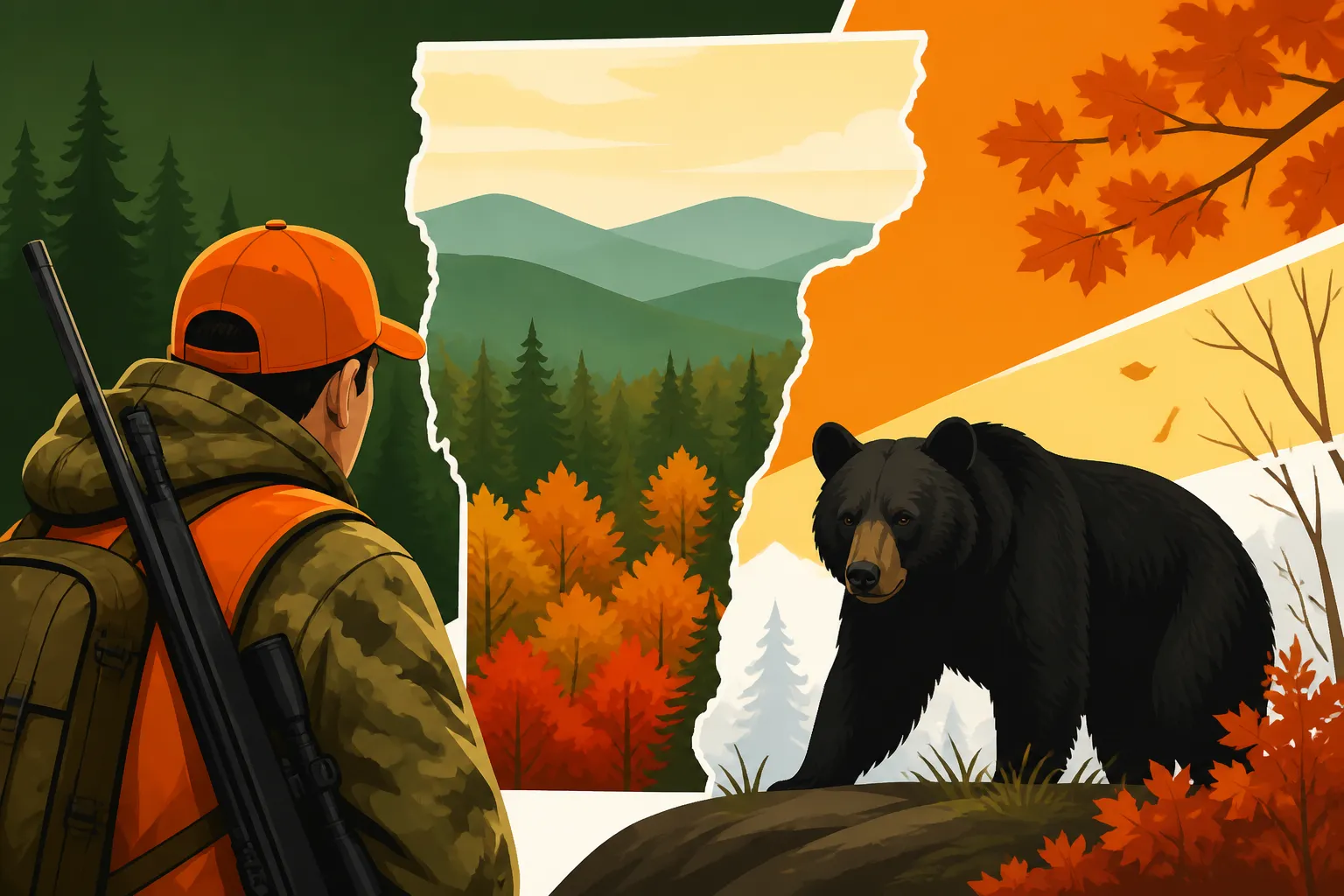
Bear Hunting Vermont’s Long September-to-November Season
The crisp autumn air in Vermont brings with it an undeniable excitement for bear hunters. However, the prospect of tackling Vermont's long bear season, stretching from early September well into November, can feel a bit daunting. Between understanding the regulations, finding active bear sign, choosing the right method, and dealing with the sheer size of these animals, it's easy to feel overwhelmed. This comprehensive guide aims to cut through that confusion, offering practical, in-depth advice to help you successfully pursue black bears in the Green Mountains.
Understanding Vermont's Bear Season Structure
Vermont's bear season is unlike many other states, offering hunters a generous window that spans several months. This extended season, from September to November, presents unique opportunities but also demands a nuanced understanding of bear behavior and local regulations. It's not a static environment; what works in September might not be effective in November, and vice-versa. Many hunters find themselves frustrated by the complexity of matching their strategy to the specific phase of the season.
The Split Season: Early Versus Late Opportunity
The Vermont bear season is essentially split into two distinct periods, each with its own permit requirements and challenges. The early season typically kicks off in September and runs through mid-November, coinciding with archery and then rifle deer seasons. This is often when bears are most active, gorging on available food sources to pack on fat before denning. Hunters often purchase an "Early Bear Permit" to participate during this period. The later segment of the season, extending through the close of rifle season and into the muzzleloader season, allows for continued bear hunting with a regular hunting license, provided a bear tag is available. This split allows for flexibility, but also means you need to be aware of the specific legalities and the current conditions.
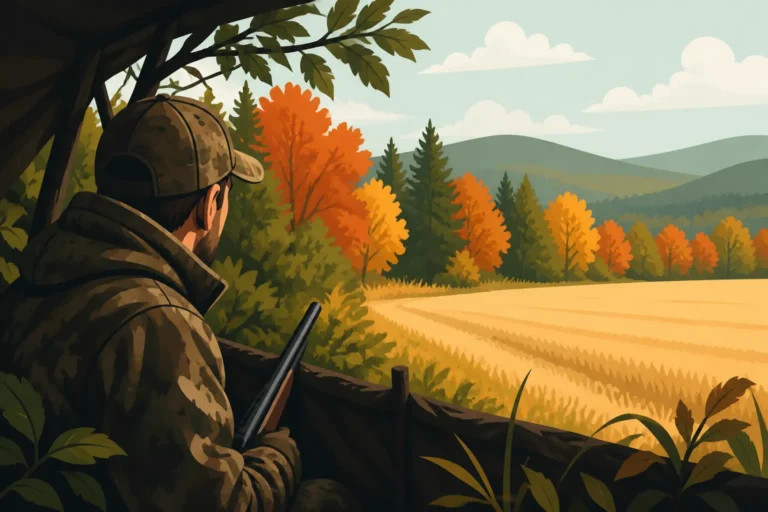
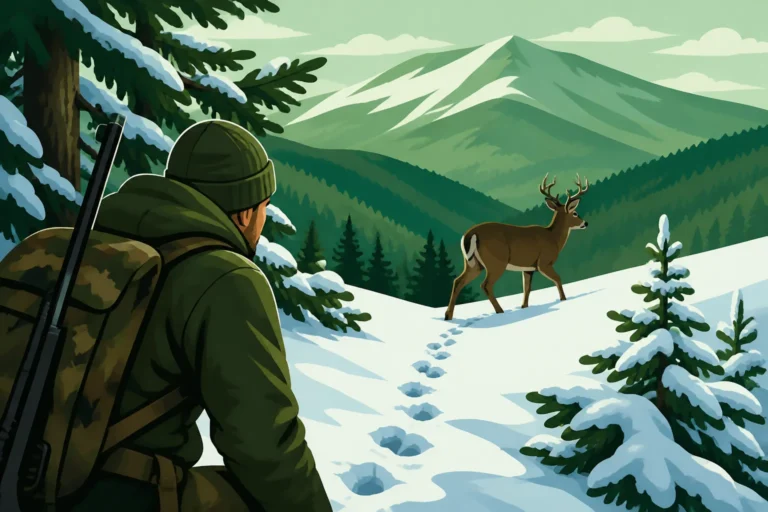
During the early part of the season, bears are heavily focused on foraging. Think of September and early October as prime time for finding bears near mast crops like acorns, beechnuts, and wild apples. They're trying to put on as much weight as possible. This is also when many deer hunters are in the woods, so bear hunters need to be extra mindful of sharing the woods. As the season progresses into late October and November, food sources can become scarcer, and bears might start to transition towards denning. This later period often means colder weather, potentially snow on the ground, and bears that are less predictable in their movements, as they might be hunkered down more frequently or searching for final calorie boosts. Understanding these shifts is crucial for success. Trying to hunt a late-season bear like an early-season bear is a recipe for frustration.
Permit Requirements and Costs
To hunt bear in Vermont, you’ll first need a valid Vermont hunting license. Beyond that, the specific permit you need depends on when you plan to hunt. For the early portion of the season, roughly September through mid-November, you typically need to purchase an "Early Bear Permit." This permit allows you to harvest one bear during that designated early period. Once the early bear season closes, bear hunting often continues without an additional specific bear permit, but rather on your regular hunting license, until the close of the rifle or even muzzleloader season, depending on the year's regulations. It's imperative to consult the current Vermont Fish & Wildlife Department regulations each year, as dates and permit structures can occasionally shift.
The cost of these permits varies for residents and non-residents, and it's an important part of your overall hunting budget. A non-resident Early Bear Permit, for example, will cost significantly more than a resident one. Many hunters also choose to combine their bear hunting with other seasons, such as deer. It’s not uncommon for hunters to be out during the archery deer season and have an early bear permit in their pocket, hoping for a chance encounter. Vermont also has specific rules regarding Vermont's Dual Antlerless Permit Rule that might influence your overall license purchases if you're multi-species hunting. Don't just assume last year's rules apply; always double-check the current year's digest before heading out.
Bear Behavior Throughout the Fall
Bear behavior is heavily dictated by food availability and the approaching winter. In September, bears are often like vacuum cleaners, constantly searching for high-calorie foods. This is when you'll find them hitting apple orchards, cornfields, and areas with early mast crops. They might be more diurnal, moving during daylight hours, especially in less pressured areas. As October rolls around and temperatures drop, their focus remains on food, but they might shift to later-ripening mast, like oak acorns, or whatever agricultural crops are still available. This is also when the rut for bears can occur, though it's less pronounced and often overlooked by hunters compared to the deer rut.
By November, especially as colder weather and potentially snow sets in, bears will be on their final push to put on weight. Their movements might become more erratic as they search for dwindling food or begin to scout out den sites. They might move more nocturnally to avoid human activity, especially in areas with high hunting pressure. Understanding these seasonal shifts in diet and activity is paramount. You can't expect a bear to be hitting an apple tree in late November when all the apples are gone and the ground is frozen. Learning to Reading Vermont Mud for Fresh Deer Movement can also inadvertently help with bear scouting, as both species often utilize similar food-rich areas, particularly around agricultural edges.
Scouting for Bears: Pre-Season and In-Season Strategies
Scouting is the absolute cornerstone of successful bear hunting in Vermont. Unlike deer, bears have huge home ranges and can seemingly vanish and reappear depending on food sources. Many hunters get discouraged when they can't find consistent bear sign, but the key is to understand their seasonal movements and food preferences. Effective scouting isn't just about walking around in the woods; it's about understanding the landscape and predicting where a bear will be rather than just where it was.
Identifying Key Food Sources and Travel Corridors
Vermont's landscape offers a smorgasbord of natural and agricultural food sources for bears, and their location dictates bear movement. In late summer and early fall, look for beech ridges, oak flats, and wild apple orchards. These are calorie goldmines. Bears will return to these areas year after year if the mast crop is good. Don't forget about berries like blackberries and raspberries in the early season, or even wild cherries. As fall progresses, cornfields and abandoned orchards become prime spots, especially in the Champlain Valley. Farmers often plant various crops that attract wildlife, and bears are quick to take advantage.
Travel corridors connecting these food sources to bedding areas or water are equally important. Bears, despite their size, can be incredibly stealthy, using thick cover, old logging roads, or creek bottoms to move undetected. Look for natural funnels – narrow strips of timber between open fields, saddles on ridges, or dense swamps bordering hardwoods. These are places where a bear is almost guaranteed to pass through when moving between feeding and bedding. Using apps like GoHunt can be invaluable here, helping you identify public land boundaries, terrain features, and even potential food sources from satellite imagery before you ever step foot in the woods. This digital scouting can save you countless miles of walking and focus your efforts. A good example of a travel corridor can be a Hunting a Funnel Between Two Woodlots, which applies just as much to bears as it does to deer.
Using Trail Cameras Effectively
Trail cameras are a bear hunter's best friend, offering eyes in the woods when you can't be there. For bears, camera placement is critical. Instead of placing them randomly, focus on those identified food sources and travel corridors. In an apple orchard, place a camera on a well-used game trail leading into the trees, or even directly on a tree that shows signs of bear feeding (claw marks, broken branches). For cornfields, set cameras on the edges where bears are entering and exiting. When baiting legally, cameras are essential for monitoring activity.
Make sure your cameras are robust and weather-resistant. Vermont's fall weather can be unpredictable, with sudden downpours or even early snow. Trail Camera Placement on Public Land requires careful thought about security and visibility, as you don't want your expensive gear to walk off. Cellular trail cameras, while an investment, can be a game-changer, allowing you to monitor activity in real-time without disturbing the area. Companies like Stealth Cam or Tactacam offer reliable cellular options. Just be aware of coverage in remote areas; Vermont's Green Mountains can be notorious for spotty cell service, so check coverage maps beforehand. Don't forget to elevate your cameras slightly higher than you would for deer, as bears are tall, and you want to capture their full body for accurate identification.
Reading Sign: Scats, Tracks, and Rubs
Becoming a proficient sign reader is like learning a new language – the language of the forest. Bear scat is a treasure trove of information, revealing what they've been eating and how recently. Fresh scat with berry seeds or corn kernels tells you they're in the area and what they're targeting. Larger, looser scats indicate a recent meal of soft fruits, while firmer, more fibrous scat could be from nuts or vegetation. Tracks are another obvious sign. Look for the distinct five-toed front and hind paw prints. Muddy trails, creek banks, or even soft moss are excellent places to find them. The size of the track can give you an idea of the bear's size, and the freshness indicates recent activity.
Beyond the obvious, look for more subtle signs. Claw marks on trees, especially beech and apple trees, indicate bears have been climbing to access nuts or fruit. Look for broken branches in apple trees, often higher up, where a bear has pulled them down to reach fruit. Rubs on trees, where bears scratch or rub against the bark, can also indicate presence, sometimes even marking territory. Sometimes, you'll find logs or stumps torn apart, indicating a bear was searching for grubs and insects. Learning to Reading a Green Mountain Deer Yard is a different skill, but the principle of identifying habitat use and activity patterns is similar. The more you immerse yourself in reading these signs, the better you'll become at predicting bear movements and placing yourself in the right spot at the right time.
Methods for Hunting Bears in Vermont
Vermont offers a few distinct legal methods for hunting bears, each requiring different strategies, patience, and preparation. It's crucial to understand the nuances of each, as well as the regulations that govern them. Whether you prefer active hunting or a more stationary approach, tailoring your method to the season and location is key.
Spot-and-Stalk on Ridges and Clear-Cuts
Spot-and-stalk hunting for bears in Vermont's varied terrain can be incredibly rewarding, though it demands a keen eye and physical stamina. This method is particularly effective in areas with good visibility, such as clear-cuts, powerline corridors, and open hardwood ridges, especially those laden with mast crops. In the Northeast Kingdom, for instance, a hunter might spend hours glassing a large clear-cut during the early morning or late evening, hoping to catch a bear feeding out in the open. The cooler temperatures of early fall make this more feasible, as bears are less likely to be deep in thick cover during daylight.
When employing this tactic, patience is paramount. You'll need good optics – quality binoculars and potentially a spotting scope – to pick apart distant cover. GoHunt's mapping features can help identify these open areas and potential travel routes a bear might use to get there. Once a bear is spotted, the real challenge begins: planning an approach that keeps you downwind and out of sight. This might involve long detours, crawling through brush, or waiting for the bear to move into a more favorable position. Vermont's topography, with its steep hills and dense pockets of spruce, can make a stalk incredibly challenging, but the thrill of closing the distance on a bear on its own terms is unmatched. This is a tactic often used for Spot-and-Stalk Bear Hunting Vermont Ridges, especially if they are beech-laden.
Still-Hunting Through Productive Cover
Still-hunting is perhaps the most traditional and intimate way to hunt bears in Vermont. It involves moving slowly and deliberately through productive bear habitat, pausing frequently to observe, listen, and scan for any sign of a bear. This method is excellent for dense hardwood forests, softwood thickets, and along the edges of swamps or abandoned farmsteads – places where visibility might be limited, but bear sign is abundant. The idea is not to cover vast distances, but to thoroughly and quietly investigate prime areas.
Success in still-hunting comes down to stealth and acute senses. You're trying to integrate with the environment, becoming part of the natural rhythm rather than an intruder. This means paying close attention to wind direction, identifying subtle sounds, and using cover to break up your outline. Look for fresh tracks, disturbed leaves, or even the distinct sound of a bear raking through leaves or snapping branches as it feeds. During the peak of the mast crop season, still-hunting through a productive oak or beech flat can put you face-to-face with a foraging bear. It's a method that tests your patience and woodsmanship, demanding that you move at a snail's pace, often taking minutes to move just a few yards, but it often yields close-range encounters. This is similar to Still-Hunting Green Mountain National Forest Timber for deer, but with a heavier focus on specific bear food sources.
The Art of Bear Baiting (where legal)
Bear baiting is a highly effective, but tightly regulated, hunting method in Vermont. It involves establishing a consistent food source to attract bears to a specific location, allowing hunters to set up for an ethical shot. However, it's crucial to understand that baiting is only permitted in specific areas and under strict rules set by the Vermont Fish & Wildlife Department. You must check the current regulations, as rules regarding baiting locations (often only on private land with permission, and not near public roads or trails), bait types, and permit requirements can change. For instance, Baiting Bears Legally in Vermont has very specific stipulations.
If baiting is legal in your chosen area, it's an art form that requires commitment. You'll need to establish your bait site well in advance of the season, typically 2-3 weeks, to allow bears to find it and become accustomed to feeding there. Bait typically consists of high-calorie foods like stale pastries, donuts, dog food, or grease. Consistency is key; bears will only become regular visitors if the bait is refreshed regularly. Trail cameras are indispensable for monitoring activity, identifying individual bears, and determining their feeding patterns. You'll need durable, animal-proof containers to hold the bait, and you'll need to manage the site to prevent other wildlife from consuming all the bait. Hunters often build sturdy log or steel barrel setups. Remember, a bait site isn't a guarantee; bears can be finicky, and pressure from other hunters or natural food sources can draw them away.
| Bait Type | Bear Preference | Best Season | Notes |
|---|---|---|---|
| Pastries/Donuts | High | Early-Mid | High sugar and fat content, strong scent. |
| Meat Scraps/Grease | High | Early-Mid | Very attractive but can spoil quickly, strong odor. |
| Corn/Pellets | Moderate-High | All | Good bulk, lasts longer, but less immediate attraction. |
| Apples/Fruits | High (natural) | Early | Mimics natural food, less effective as primary bait due to spoilage. |
| Peanut Butter | High | All | Sticky, strong scent, good for smearing on trees. |
Essential Gear for Vermont Bear Hunters
Hunting bears in Vermont means preparing for diverse conditions, from warm September afternoons to frigid November mornings with snow on the ground. The right gear isn't just about comfort; it's about safety, efficiency, and increasing your chances of success. Cutting corners on gear can lead to a miserable, or even dangerous, experience in the Green Mountain State.
Firearms and Ammunition Considerations
When it comes to firearms for bear hunting in Vermont, capability and ethical shot placement are paramount. While a .30-06 Springfield or a .308 Winchester are often considered excellent all-around choices for big game, many other calibers can be effective. Popular choices include the .270 Winchester, 7mm Remington Magnum, .300 Winchester Magnum, and even larger calibers like the .338 Winchester Magnum for those seeking maximum stopping power. The key is to use a rifle that you are proficient with, capable of delivering accurate shots under hunting conditions.
Ammunition choice is equally critical. For bears, you want a bullet designed for deep penetration and controlled expansion. Premium bonded bullets or monolithic copper bullets are excellent choices, as they retain their weight and energy well, punching through thick hide, muscle, and bone to reach vital organs. Avoid varmint or thin-jacketed bullets that might fragment on impact. Shot placement is always the most important factor, but a well-constructed bullet greatly increases your chances of a quick, humane kill. Remember that Vermont has specific regulations regarding Vermont Legal Firearms for Deer Hunting, and these generally apply to bear hunting as well, particularly during overlapping seasons. Always ensure your chosen firearm and ammunition comply with state law.
Optics for Dense Woods and Open Areas
Vermont's bear country can vary wildly from dense, dark spruce thickets to open hardwood ridges and expansive clear-cuts. This diversity means your optics need to be versatile. A good pair of binoculars, typically 8x or 10x magnification with a 42mm or 50mm objective lens, is indispensable. For close-quarters still-hunting in thick woods, an 8x binocular offers a wider field of view and is easier to hold steady. When spot-and-stalk hunting across a clear-cut or glassing a distant ridge, a 10x binocular provides a bit more reach. Brands like Vortex, Leupold, and Maven offer excellent quality optics that can withstand Vermont's rugged conditions.
In addition to binoculars, a quality rifle scope with appropriate magnification is essential. For most Vermont bear hunting, where shots are typically under 200 yards, a scope with a lower power range (e.g., 2-7x, 3-9x, or 2.5-10x) is ideal. The ability to dial down to 2x or 3x is crucial for quick target acquisition in dense cover, while the higher end provides precision for longer shots if they present themselves. For hunters engaging in spot-and-stalk tactics in more open terrain, a compact spotting scope might also be beneficial for evaluating bears at extreme distances before attempting a stalk. Just be sure your optics are waterproof and fog-proof, as you will encounter both in Vermont's fall. Consider a good optics harness to keep your binoculars secure and accessible, especially when navigating steep terrain or dense brush. This is directly relevant for Optics for Vermont's Green Mountain Terrain.
Layering and Footwear for Varied Fall Weather
Vermont's fall weather is notoriously unpredictable. You can start a September morning with a heavy frost, experience a warm, sunny afternoon, and then have a cold, soaking rain move in by evening. This variability makes a proper layering system absolutely critical for bear hunting. Start with a moisture-wicking base layer to manage sweat, followed by an insulating mid-layer (fleece or synthetic puffy) for warmth, and top it off with a waterproof and windproof outer shell. Having options to add or shed layers as conditions change will keep you comfortable and focused.
Footwear is equally important. You'll be covering rugged terrain, often steep, rocky, and potentially wet or muddy. A sturdy, waterproof hunting boot with good ankle support and aggressive traction is a must. Depending on the season, consider the insulation level; early season might only require light insulation, while late November hunts will demand heavily insulated boots, perhaps even rated for sub-zero temperatures. Brands like Kenetrek, Schnee's, and Irish Setter are popular among serious hunters for their durability and performance in challenging conditions. Don't forget high-quality wool socks to prevent blisters and wick away moisture. Many Vermont hunters rely on good quality Boots for Green Mountain Ridge Terrain and even more specialized footwear for Boots for Northeast Kingdom Bog Hunting.
Navigating Public and Private Land for Bear Hunting
Finding viable bear hunting ground in Vermont can be a significant challenge, particularly for non-residents or those new to the state. Vermont has a mix of public and private land, each with its own access rules and hunting pressures. Understanding where bears live, how to legally access those areas, and how to minimize your impact is crucial for a successful and ethical hunt.
Utilizing Green Mountain National Forest and WMAs
Vermont boasts a substantial amount of public hunting land, primarily through the Green Mountain National Forest (GMNF) and various Wildlife Management Areas (WMAs) managed by the Vermont Fish & Wildlife Department. The GMNF, covering hundreds of thousands of acres, offers vast, rugged backcountry ideal for bear hunting, especially for those willing to hike deep. These areas tend to see less pressure the further you venture from access points. Here, bears can often be found in the more remote sections, feeding on mast crops or foraging along natural clearings. Understanding the specific regulations for GMNF, such as camping rules or vehicle restrictions, is important. A post like Hunting Vermont's Green Mountain National Forest can provide more detailed information.
Vermont's WMAs are scattered across the state and are specifically managed for wildlife habitat, making them prime locations for various game species, including bears. Some WMAs, like Victory Basin in the Northeast Kingdom, offer extensive wetlands and surrounding uplands that can hold good numbers of bears. Others, closer to agricultural areas, might attract bears hitting cornfields or orchards. While WMAs are generally open to public hunting, some might have specific regulations or limited access points. Always check the Vermont Fish & Wildlife website or use a mapping app like GoHunt to understand boundaries and access points for any WMA you plan to hunt. These areas are vital for hunters without private land access.
Gaining Private Land Access
While public lands offer great opportunities, some of the best bear hunting in Vermont can be found on private land, particularly around agricultural areas where bears frequently raid crops. Gaining private land access is a skill in itself and requires respect, communication, and often a bit of persistence. Vermont's trespass laws are clear: you need permission to hunt on private land. While written permission isn't legally required in all cases, it's always a good idea to have it, especially if you're not personally known to the landowner. A simple note with dates, your name, and the landowner's signature can save a lot of headaches.
When approaching landowners, be polite, respectful, and clearly state your intentions. Offer to share meat, help with chores, or assist with nuisance wildlife issues (bears causing crop damage can be a major problem for farmers). Showing up clean, well-spoken, and in person is usually more effective than a phone call. Focus on areas with clear bear sign or historical activity, like cornfields, orchards, or even heavily wooded areas bordering farms. Be prepared for rejection, but also realize that many landowners are happy to grant access to responsible hunters who will respect their property. Building these relationships takes time and trust, but the rewards can be significant. This process is very similar to Knocking on Doors in Champlain Valley Farm Country for deer.
Understanding Access Challenges
Hunting in Vermont, especially for bears, comes with its own set of access challenges. Beyond simply finding land, you'll contend with rugged terrain, limited road access in some public areas, and potential conflicts with other outdoor enthusiasts. The Green Mountain National Forest, while vast, often requires significant physical exertion to get away from roads and into productive bear habitat. Logging roads may or may not be open to vehicular traffic, and understanding these rules is crucial.
Furthermore, hunters might encounter non-hunting recreationists – hikers, mountain bikers, or birdwatchers – who are also using public lands. Practicing courtesy and being mindful of shared spaces is essential. On private land, the challenge shifts to landowner relations and ensuring you're not disturbing livestock or agricultural operations. In any scenario, using mapping tools like GoHunt or OnX Hunt can be invaluable for identifying property boundaries, topography, and potential access routes. Always have a plan for getting a bear out of the woods, especially in remote areas; a game cart or even quartering the animal might be necessary. This also relates to Hunting Pressure on Vermont Public Land, which can be an issue in more accessible areas.
Field Dressing and Game Care for Vermont Bears
Harvesting a bear in Vermont is a monumental achievement, but the work is far from over once the animal is down. Bears are large, heavy, and their meat requires proper handling to ensure quality. Field dressing and game care are critical steps that, if done correctly, will honor the animal and provide excellent table fare. Many hunters, especially new ones, underestimate the physical demands of processing a bear in the field.
On-the-Spot Field Dressing Techniques
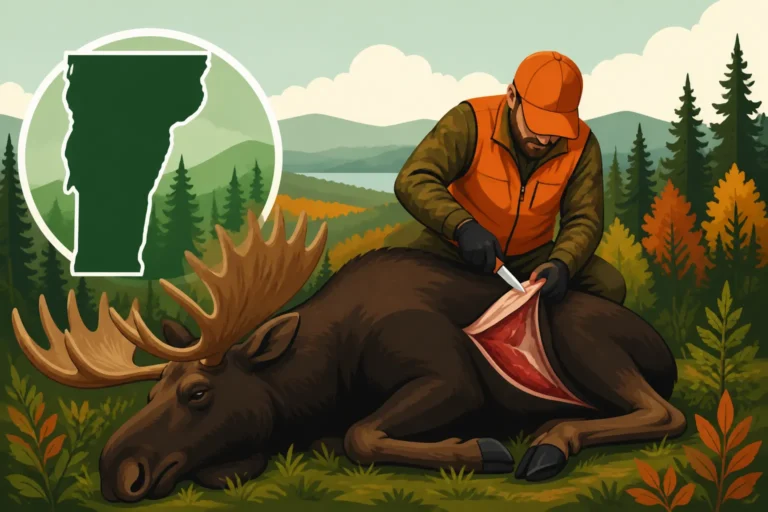
Bears have a thick layer of fat and often a dense hide, making field dressing them a bit different than deer. The goal is to cool the carcass as quickly as possible to prevent spoilage, especially if temperatures are mild. After confirming the bear is deceased and safe to approach, roll it onto its back and prop it open. Make your initial incision from the sternum down to the pelvis, carefully cutting around the anus. It’s important to open the cavity widely to allow heat to escape. You'll then need to reach in and sever the trachea and esophagus, pulling out the entire digestive and respiratory tracts.
Pay particular attention to the fat layer. While some fat is desirable for flavor, excessive fat can hold heat and accelerate spoilage, especially the intestinal fat. Removing as much of this internal fat as possible during field dressing is beneficial. If you plan to skull cap the bear for taxidermy, make sure to leave ample hide around the skull and neck. If you plan to cape it, follow appropriate taxidermy cuts. Have a sharp, sturdy knife, a bone saw if needed, and rubber gloves on hand. This is a much larger undertaking than Field Dressing a Deer in Cold Weather, requiring more effort and often more specialized tools.
Transporting a Heavy Bear Out of the Woods
Retrieving a downed bear from Vermont's rugged terrain can be the hardest part of the entire hunt. Bears are incredibly dense and heavy, often weighing several hundred pounds. Attempting to drag a whole bear out of a remote location is usually an exercise in futility and can be dangerous. Quartering the bear in the field is almost always the most practical approach. This involves skinning the bear, removing the head (if you're keeping it), and then separating the animal into its major muscle groups or quarters. Each section becomes manageable to carry.
You'll need quality game bags to protect the meat from dirt, insects, and debris. A sturdy backpack frame designed for packing out heavy loads, such as those from GoHunt's gear selection or brands like Mystery Ranch or Kifaru, is invaluable. If you're fortunate enough to be near a logging road or ATV trail, a heavy-duty game cart can be a lifesaver, but these are often impractical in true backcountry. Having a hunting partner or two to help with the pack out is highly recommended. Always plan your extraction route before the hunt, if possible, anticipating where a bear might go down and how you'd get it out. This is a much more complex task than Dragging a Deer Out of a Steep Ravine.
Processing and Preserving Bear Meat
Bear meat, when properly handled, is delicious and versatile, but it has a stronger flavor profile than venison due to its higher fat content. After getting the bear out of the woods, the next step is breaking it down further. Skinning a bear needs to be done carefully, especially if you plan to get a rug or a full mount. Once skinned, the meat should be trimmed of as much fat as possible, as bear fat can go rancid quickly and contribute to a "gamey" flavor. Some hunters save the fat for rendering into lard for cooking, which can be excellent, but it must be processed cleanly and quickly.
Bear meat is fantastic for roasts, stews, ground meat, sausages, and even jerky. Because bears can carry trichinellosis (a parasitic worm), it is absolutely critical that bear meat is cooked thoroughly to an internal temperature of at least 160°F (71°C). Never consume rare or medium-rare bear meat. You can also send samples of your bear meat to a lab for trichinella testing, a service sometimes offered by state wildlife agencies. Once processed, vacuum sealing and freezing the meat is the best way to preserve its quality for the long term. Proper processing ensures that your hard-earned bear provides many delicious meals.
Safety and Regulations Specific to Vermont Bear Hunting
Hunting bears in Vermont requires not only skill and dedication but also a deep understanding of the state's specific regulations and an unwavering commitment to safety. Ignoring these aspects can lead to dangerous situations, legal trouble, and an overall negative experience. Vermont has worked hard to manage its bear population, and adhering to the rules is part of being a responsible hunter.
Blaze Orange Requirements and Visibility
Vermont takes hunter visibility seriously, and for good reason. During the overlapping deer rifle season, blaze orange requirements are in full effect for all hunters, including those pursuing bears. Even if you're bowhunting a bear during rifle season, you'll need to wear the required amount of blaze orange (at least 500 square inches above the waist, including a head covering). This rule is designed to prevent accidents and ensure that hunters are highly visible to each other in the woods. While there may be a temptation to reduce blaze orange when trying to be stealthy, safety always comes first.
It's not just about wearing the color; it's about making sure you're visible from all angles. A simple vest and hat might meet the minimum, but consider a blaze orange jacket or vest that covers more of your body. In dense cover, even a little bit of blaze orange can make a difference. Always be certain of your target and what's beyond it, and assume other hunters are in the woods, even if you haven't seen them. This is especially critical during the general deer season when bear and deer hunters are sharing the same habitat. For more on this, check out How Much Blaze Orange Vermont Requires.
Reporting Your Harvest and Data Collection
Every successful bear harvest in Vermont must be reported to the Vermont Fish & Wildlife Department. This isn't just a formality; it's a crucial part of wildlife management. The data collected from hunter harvests helps the department monitor bear populations, assess overall health, track harvest rates, and make informed decisions about future hunting seasons and permit allocations. Reporting can usually be done online through the Vermont Fish & Wildlife website or app, or at designated check stations.
When reporting, you'll typically need to provide information such as the date and time of kill, the town it was harvested in, the sex of the bear, and potentially a tooth for aging. Game wardens or biologists may also want to examine the bear or collect biological samples. Being prepared to provide this information accurately and promptly is part of your responsibility as a bear hunter. This commitment to data helps ensure that Vermont's bear population remains healthy and sustainable for generations to come, much like the process for Reporting a Deer Through Vermont's App.
Avoiding Conflicts with Other Hunters and Wildlife
Vermont's woods are shared by a diverse community of users, and avoiding conflicts is key to a positive hunting experience. During the fall, you'll encounter not only other bear hunters but also deer hunters (archery, rifle, and muzzleloader), small game hunters, and non-hunting recreationists. Always be courteous and respectful. If you arrive at a spot and see another hunter's vehicle, consider moving to a different area to avoid overcrowding and potential interference. Communication, if appropriate and safe, can also prevent misunderstandings.
Beyond human interactions, bear hunters also need to be aware of other wildlife. While bear hunting, you might encounter moose, bobcats, or coyotes. Understanding where and how to hunt without disturbing these species or creating unnecessary conflicts is important. For instance, if you are legally baiting bears, take measures to minimize attracting other animals that you do not intend to hunt. Always carry bear spray in the backcountry, especially in areas with higher bear densities, for personal protection against an aggressive or habituated bear, though encounters are rare. This commitment to being a responsible outdoorsperson reflects well on the hunting community as a whole.
Disclaimer
Please note: Hunting regulations and seasons can change. Always consult the official Vermont Fish & Wildlife Department regulations for the current year before planning any hunting trip. This guide is for informational purposes only and does not supersede state law.