Boots for Green Mountain Ridge Terrain
Hunting the Green Mountains isn't like strolling through a park; it's a formidable challenge for your feet and gear. The relentless ascents, slick roots, jagged rock fields, and often boggy, unpredictable mud can quickly turn a highly anticipated hunt into a miserable, foot-blistering ordeal if your boots aren't specifically chosen for this rugged environment. This guide is here to help you navigate the complexities of footwear, ensuring you select the right hunting boots to confidently conquer Vermont's demanding Green Mountain ridge terrain, keeping your feet comfortable, dry, and protected from sunup to sundown.
Understanding the Unique Challenges of Green Mountain Ridge Terrain
Vermont's Green Mountains offer some incredible hunting opportunities, but they demand respect – especially from your footwear. This isn't flat farmland or gentle rolling hills. When you're tackling these ridges, you're facing a specific set of environmental hurdles that will push your boots to their absolute limit. Ignoring these unique demands will leave you regretting your choice with every painful step.
The Relentless Vertical and Steep Climbs
Imagine starting your morning hunt well before dawn, headlamp illuminating the breath rising from your chest as you begin the long, steep climb up a Green Mountain ridge. This isn't just about ascending; it's about navigating uneven, often slippery, surfaces with significant weight on your back, whether it's your day pack or, hopefully, game on the way out. These continuous, often abrupt, changes in elevation put immense strain on your ankles, calves, and the soles of your feet. You need boots that can handle the constant flexing and provide unwavering support to prevent rolled ankles and fatigue. It's not just the upward battle; the descent is equally taxing, requiring excellent heel braking and control. A poorly constructed boot will feel like cinder blocks strapped to your feet by midday, or worse, lead to a painful stumble. This relentless up-and-down requires a boot that's built for serious mountaineering, not just casual walking.
Navigating Rocky and Root-Laden Trails
Vermont's Green Mountain ridges are a mosaic of rocks and roots, often hidden under a blanket of fallen leaves or concealed by wet moss. Every step is a potential ankle-twister or foot-bruiser. Picture yourself still-hunting slowly, trying to stay silent, when suddenly your foot slides on a wet granite slab or catches on a gnarled root. The impact of sharp rocks against the bottom of a thin-soled boot can make your feet ache within hours. These aren't just minor obstacles; they are constant threats to your stability and comfort. You need boots with robust sole protection, aggressive tread patterns, and stiff, supportive uppers that can absorb these impacts and keep your foot stable even when the ground shifts unexpectedly. It's a constant dance between balance and footing, and your boots are your most critical partners. It's wise to consider specific gear that can help with stability and support when venturing into these unforgiving areas, especially if you're Still-Hunting Green Mountain National Forest Timber.
Dealing with Vermont's Unpredictable Weather and Mud
If there's one thing you can count on in Vermont, it's that the weather can change on a dime. A crisp, clear morning can quickly turn into a drizzly, foggy afternoon, or a sudden downpour can leave the forest floor a muddy, slick mess. Hunting often means sitting or moving through wet grass, crossing small streams, or slogging through boggy sections on lower elevations before hitting the drier ridge tops. A boot that isn't truly waterproof will lead to cold, wet feet, which is not only miserable but can be genuinely dangerous in dropping temperatures. Conversely, a boot that's too heavy and doesn't breathe will leave your feet sweaty and prone to blisters on warmer days or during strenuous climbs. Finding that balance between impenetrable waterproofing and adequate breathability is key to foot health and overall comfort in Vermont's varied conditions. Your choice of Layering for Vermont's Long Hunting Season extends right down to your feet, as wet feet will chill your entire body.
Key Features to Look for in Ridge-Hunting Boots
When you're shopping for boots to tackle the Green Mountains, you can't just pick any old pair. There are specific features that elevate a boot from "okay" to "indispensable" in this kind of terrain. Paying attention to these details will save you a lot of grief and ensure you stay focused on the hunt, not your aching feet.
Ankle Support and Stability
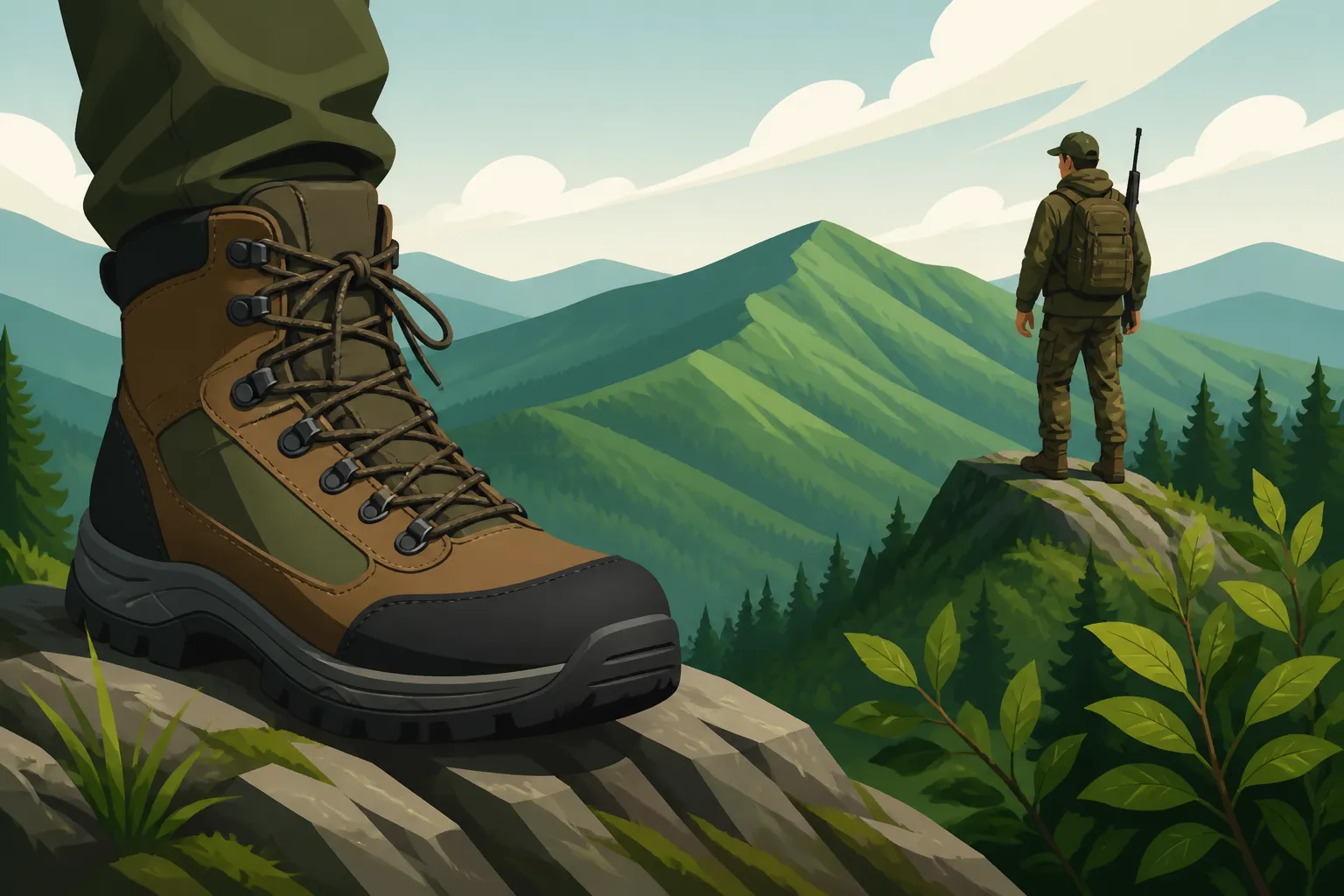
This is perhaps the single most critical factor for Green Mountain ridge hunting. With those relentless climbs and descents, and the constant threat of rocks and roots, ankle support isn't a luxury; it's a necessity. Look for boots that come up over your ankle bone, typically 8 to 10 inches high, and have a stiff, well-padded collar. This high cuff, combined with a robust lacing system that cinches down snugly, provides lateral stability, drastically reducing your risk of twisting or rolling an ankle on uneven ground.
Think about traversing a steep sidehill or stepping over a downed log; without adequate ankle support, your foot can easily pronate or supinate, leading to an injury. The internal structure of the boot, often involving a rigid shank (we'll get to that later), also contributes significantly to overall stability, preventing your foot from fatiguing as quickly. When you're deep in the backcountry, far from the truck, a twisted ankle can turn into a serious survival situation. Prioritizing unwavering ankle support is a smart move for any Green Mountain hunter.
Aggressive Traction for Slippery Surfaces
The outsole of your boot is your direct connection to the ground, and in the Green Mountains, that ground is often anything but predictable. You'll encounter everything from wet leaves, mud, and slick moss-covered rocks to loose scree and compact snow depending on the season, especially if you're out during Vermont's November Rifle Season. An aggressive tread pattern with deep, multi-directional lugs is essential. These lugs need to be widely spaced enough to shed mud and debris but numerous enough to provide consistent grip.
Pay close attention to the rubber compound of the outsole as well. Some compounds are designed to be "sticky" and perform better on wet rock, while others prioritize durability. For Green Mountain terrain, you want a balance, leaning towards stickiness for those unpredictable slippery conditions. Additionally, look for a defined heel brake. This is a distinct, sharp edge at the back of the heel that digs into soft ground, providing crucial braking power on steep descents. Without it, you'll be sliding and struggling to maintain control, wasting energy and increasing your risk of a fall.
Waterproofing and Breathability
As we discussed, Vermont weather is fickle, and wet feet are a hunter's worst enemy. Effective waterproofing is non-negotiable. Most quality hunting boots achieve this through a waterproof, breathable membrane, such as Gore-Tex or similar proprietary technologies. These membranes are designed to block external water molecules from entering while allowing internal moisture (sweat) vapor to escape, keeping your feet dry from both the outside in and the inside out.
However, not all "waterproof" claims are created equal. Look for boots where the membrane extends throughout the entire boot, including the tongue, which should be gusseted (attached to the sides of the boot) to prevent water intrusion around the laces. While waterproofing is vital, breathability prevents your feet from becoming a sweaty mess, which can lead to blisters and cold feet once you stop moving. Finding the right balance here is key. Boots that are excessively insulated for early season hunts, for example, might be too warm and lead to sweaty feet, negating some of the benefits of the waterproof membrane.
Material Matters: What Your Boots Are Made Of
The materials used in your hunting boots dictate their durability, weight, and how they perform in various conditions. This isn't just about aesthetics; it's about function and longevity when you're putting them through the wringer on Green Mountain ridges.
Full-Grain Leather Versus Synthetics
When it comes to the upper material, you'll generally find two main categories: full-grain leather and synthetics (or a combination of both).
-
Full-Grain Leather: This is the traditional choice for serious hikers and hunters, and for good reason. Full-grain leather is incredibly durable, offers excellent abrasion resistance, and, when properly cared for, can be highly water-resistant and last for decades. It also molds to your foot over time, providing a custom-like fit. However, leather boots typically require a longer break-in period and are heavier than synthetic alternatives. They also need regular maintenance, such as conditioning, to prevent drying and cracking. For those long, grueling treks up a Green Mountain ridge, the robust protection and longevity of leather are hard to beat.
-
Synthetics: Modern synthetic materials like nylon, Cordura, and various blends offer several advantages. They are generally lighter, require less break-in time, and are often more breathable. They can also be cheaper. However, synthetics typically aren't as durable as full-grain leather, especially in terms of resisting punctures and abrasion from sharp rocks and branches. While many synthetic boots incorporate waterproof membranes, their external water resistance without the membrane isn't as inherent as well-treated leather. Many boots today use a hybrid approach, combining a durable leather lower with synthetic panels in the upper for weight savings and increased flexibility. This can be a great compromise for balancing protection with comfort.
Insulation Levels for Varying Seasons
Choosing the right amount of insulation is crucial for foot comfort, directly impacting whether your feet stay warm or become sweaty. It's a fine line to walk, and often depends on the season you're hunting.
- Uninsulated or Lightly Insulated (0-200 grams): These boots are ideal for early archery season in September and October, or even during Hunting the Regular Archery Opener in October when temperatures can still be mild or even warm during strenuous activity. They prioritize breathability and minimize bulk, which is important for long climbs. If you plan to layer your socks, this is often the way to go.
- Medium Insulation (400-800 grams): This is a popular all-around choice for cooler late-fall hunts, like the rifle season in November or the early muzzleloader season. It provides warmth without excessive bulk, suitable for sitting in a stand for a few hours or remaining warm during active hunts in chilly weather. For most Green Mountain ridge hunting in typical deer season temperatures, this range often hits the sweet spot.
- Heavy Insulation (1000+ grams): Reserved for truly frigid late-season hunts, such as the December muzzleloader season, or for very cold, sedentary stand hunting in deep winter. While they offer maximum warmth, these boots are typically much bulkier and heavier, which can be a hindrance on long, steep climbs. They also tend to be less breathable, making them less versatile for actively hunting in varied conditions. Consider the specific temperatures you'll be facing and your activity level. If you're going to be Cold-Weather Sitting Strategy in the Northeast Kingdom, heavy insulation is a must.
Sole Construction and Shank Types
The sole of your boot is a complex system designed to provide cushioning, protection, and traction. Understanding its components is key to performance on uneven terrain.
- Midsole: This layer sits between the outsole and the insole, providing cushioning and shock absorption. Materials like EVA (ethylene-vinyl acetate) are common for their lightweight and cushioning properties, while PU (polyurethane) midsoles offer more durability and support but are heavier. For Green Mountain hunting, you want a midsole that strikes a balance between comfort for long miles and firmness to prevent fatigue from constantly adjusting to uneven ground.
- Shank: Often overlooked, the shank is a rigid insert, usually made of steel, nylon, or fiberglass, embedded within the midsole. Its primary purpose is to provide stiffness and support under the arch of your foot, preventing excessive flexing of the boot. This is critical for comfort and stability when carrying a heavy load, climbing steep grades, or traversing rocky ground. A full-length shank offers maximum stiffness and protection against sharp objects, while a ¾ length or ½ length shank provides more flexibility. For the relentless demands of Green Mountain ridges, a substantial shank is highly recommended to protect your feet from fatigue and bruising over sharp rocks. Without it, your feet will feel every single stone and root.
- Outsole: As discussed earlier, the outsole is all about traction. Materials, lug patterns, and heel brakes are the main considerations. Vibram is a well-known brand that produces high-quality outsoles used by many boot manufacturers, renowned for their durability and grip across various terrains.
Fit and Comfort: The Unsung Heroes of a Successful Hunt
You can have the most expensive, technically advanced boots on the market, but if they don't fit well, they're useless. In fact, they'll be worse than useless – they'll be a source of constant agony, blisters, and distraction. Comfort and proper fit are absolutely paramount for Green Mountain hunting.
Trying Boots On: More Than Just Size
Don't ever buy hunting boots without trying them on, preferably at the end of the day when your feet are slightly swollen. Simply knowing your shoe size isn't enough. Here's a quick checklist for a proper fit:
- Bring Your Hunting Socks: Wear the exact type of socks you intend to wear while hunting. This will give you the most accurate feel.
- Walk Around: Don't just stand there. Walk on an incline ramp if the store has one. Walk up and down stairs. Pay attention to any pinching, rubbing, or excessive movement.
- Toe Room: You should have about a thumb's width of space between your longest toe and the end of the boot. This prevents your toes from jamming into the front of the boot on downhills, which can lead to painful bruising or even lost toenails.
- Heel Lock: Your heel should feel secure with minimal slippage. Some heel lift is normal, especially with new, stiff boots, but excessive movement will cause blisters. A good lacing technique can often mitigate minor heel lift.
- Snug Midfoot: The boot should feel snug around your instep and arch, providing support without being overly tight or restrictive.
- Ankle Support Check: Make sure the ankle collar provides firm support without digging into your Achilles tendon or ankle bones.
- Time: Don't rush. Spend at least 15-20 minutes trying on different pairs and walking around. This investment of time will pay dividends in comfort on the mountain. Many hunters use mapping tools like GoHunt to scout terrain from home. This can give you a really clear idea of the type of vertical and ruggedness you'll be facing, which can help inform your boot choices before you even step into the store. Knowing your typical hunt profile helps immensely.
Sock Selection and Lacing Techniques
Your socks are an extension of your boots, and the right pair can make all the difference. Avoid cotton socks at all costs; they retain moisture and lead to blisters and cold feet. Opt for wool or synthetic blends designed for hiking and hunting. These materials wick moisture away from your skin, keeping your feet dry and regulating temperature. Choose the appropriate thickness for the season and your boot's insulation level. Some hunters even use a thin liner sock under a thicker outer sock to further prevent friction.
Lacing techniques are also critical, especially in the Green Mountains. For steep ascents, you might want to lace the lower part of the boot tighter to secure your foot, while leaving the upper section a bit looser for flexibility around the ankle. For descents, you'll often want to cinch down the ankle and upper cuff more tightly to prevent your foot from sliding forward and your toes from jamming. Many quality boots have locking eyelets that allow you to adjust tension independently for the forefoot and ankle, providing a customized fit for specific terrain challenges. Practicing different lacing methods at home will save you discomfort on the trail.
Breaking in Your New Boots
This isn't a suggestion; it's a mandatory step. New, stiff hunting boots, especially leather ones, need time to soften and mold to your feet. Wearing them on your first big hunt without breaking them in is a recipe for disaster.
Start by wearing them around the house for a few hours at a time. Then, move to short walks around your neighborhood or local park. Gradually increase the distance and terrain difficulty. Take them on scouting trips, even if it's just a short hike into your stand location. During this process, pay attention to any hot spots or areas of discomfort. Address them early with specific lacing adjustments, different socks, or even mole skin. Some hunters even use specialized boot stretches for stubborn areas. The goal is for your boots to feel like a natural extension of your feet by the time opening day rolls around. A properly broken-in pair of boots will perform far better and allow you to focus on the hunt, not your blistering heels. Many experienced hunters will scout local public lands, like those mentioned in Hunting Green Mountain National Forest's Two Districts, to help break in their boots on similar terrain they plan to hunt.
Maintenance and Longevity: Keeping Your Boots Trail-Ready
Even the best hunting boots won't last if you don't take care of them. Proper maintenance is essential for preserving their waterproofing, durability, and comfort, ensuring they're ready for every season in the Green Mountains.
Cleaning and Conditioning
After every hunt, especially if your boots are covered in mud, dirt, or wet, take the time to clean them.
- Remove Debris: Brush off loose dirt and mud. For stubborn mud, use a stiff brush and water. If your boots have deep lugs, a toothpick or small stick can help clear them out.
- Rinse: Rinse the exterior of the boots with clean water. Avoid using harsh soaps or detergents, which can strip away natural oils from leather and damage waterproof membranes.
- Dry: Crucially, dry your boots properly. Remove the insoles and open up the laces and tongue to allow air circulation. Let them air dry naturally at room temperature. Never place them directly next to a heat source like a campfire or radiator, as this can severely damage leather (causing it to crack) and melt synthetic materials or adhesives. For faster drying, boot dryers with gentle forced air are an excellent investment. You'll want to take similar care if you're out Hunting the Green Mountains High Country where you might be exposed to rain or snow.
- Condition Leather: For full-grain leather boots, once they are completely dry, apply a leather conditioner or boot wax. This replenishes the natural oils, keeps the leather supple, prevents cracking, and enhances water resistance. Follow the product's instructions carefully. This step is vital for extending the life of your expensive leather boots.
Re-Waterproofing Treatments
Over time, even boots with waterproof membranes can lose some of their exterior water repellency. The Durable Water Repellent (DWR) coating on the outer fabric can wear off, causing the material to "wet out." While the internal membrane still keeps water out, the saturated outer layer can make the boots heavier, colder, and reduce breathability.
You can easily restore this DWR coating with specialized re-waterproofing sprays or waxes designed for hunting boots. Apply these treatments to a clean, dry boot. This not only keeps water beading off the surface but also helps to maintain the boot's breathability and prolong its life. Check the manufacturer's recommendations for specific products and application methods. Regular re-treatment, especially before a long season of hunting in potentially wet Green Mountain conditions, is a smart practice.
Specific Scenarios and Boot Recommendations
The Green Mountains are diverse, and while general principles apply, sometimes specific hunting scenarios call for slightly different boot considerations. Being prepared for these nuances can significantly improve your experience.
Early Season Bowhunting and Scouting
For early season bowhunting in September and October, or extensive scouting trips before the seasons truly kick off, temperatures can range from mild to surprisingly warm, especially when you're moving vigorously. Your primary concern will likely be breathability, comfort over long distances, and reliable ankle support on uneven terrain.
For these conditions, a lighter, uninsulated or lightly insulated boot (0-200 grams) is often ideal. Look for models that prioritize moisture-wicking and quick drying. While still needing robust ankle support and an aggressive outsole, you might opt for a boot with more flexible uppers, possibly incorporating more synthetic materials, to reduce weight and increase comfort during extended periods of activity. Since you're often covering a lot of ground, good arch support and adequate cushioning are also critical to prevent foot fatigue. Hunting Vermont's Expanded Archery Zones in September might see you moving rapidly from higher ridges to valley bottoms, emphasizing the need for flexible, comfortable boots.
Mid-Season Rifle and Muzzleloader Hunts
As you transition into the core of deer season, particularly November for rifle hunters and the October and December muzzleloader seasons, temperatures drop significantly, and you're more likely to encounter cold rain, snow, and icy patches. Your boot choice needs to reflect this shift towards warmth and enhanced traction.
For mid-season, a medium-insulated boot (400-800 grams) with excellent waterproofing is often the sweet spot. This provides sufficient warmth for standing or sitting for periods in chilly weather without being overly bulky for active hunting. Traction becomes even more critical with slippery conditions, so double-check that aggressive outsole and defined heel brake. Stiffer boots with more substantial shanks are beneficial for crossing icy patches or navigating deeper snow, providing better stability. When considering specific gear, think about your primary method of hunting, whether it’s primarily still-hunting or if you're involved in Deer Drives With Three or Four Hunters, where continuous movement is key, but so is warmth when waiting on stand. For hunting during Hunting a Bow During the Rifle Season Overlap, you'll need the warmth and protection of a rifle season boot, but perhaps with a slightly lighter profile if you're relying on archery.
Here's a quick comparison of general boot types for Green Mountain ridge hunting:
| Boot Type | Best For | Insulation (grams) | Pros | Cons | Key Features |
|---|---|---|---|---|---|
| Mountain Hunting Boots | Steep, rugged, rocky terrain, heavy loads | 0-800 | Excellent ankle support, stiff sole, superior durability, rock protection | Heavier, longer break-in, less flexible | Stiff sole, full-grain leather, substantial shank, aggressive traction |
| Backpacking/Heavy Hiking | Varied terrain, long distances, moderate loads | 0-400 | Good balance of support, comfort, and durability | May lack ultimate stiffness for extreme rock fields | Mid-to-high cut, durable leather/synthetic, good cushioning |
| Lightweight Hunting Boots | Early season, active hunting, less extreme terrain | 0-200 | Lighter, more flexible, faster break-in, better breathability | Less support for heavy loads, not as durable in harsh conditions | Lower cut, more synthetic materials, good flexibility |
Late Season and Extreme Cold Hunts
Hunting into December, or even contemplating a backcountry moose hunt in the Northeast Kingdom (where conditions can be even harsher than the central Green Mountains), demands the warmest and most robust footwear you can find. For these extreme conditions, you'll want heavily insulated boots (1000+ grams), possibly even specialized pac boots designed for sub-zero temperatures.
These boots will be bulkier and heavier, but the warmth and protection they offer are non-negotiable when facing deep snow, biting winds, and prolonged exposure to cold. Look for boots with removable liners, which allow for easier drying and can be replaced if worn out. Excellent waterproofing and traction are still paramount, especially since icy conditions and deep snow will be common. Consider pairing these boots with gaiters to prevent snow from entering over the top of the boot. When you're Packing Out a Vermont Moose, you'll be exerting immense effort in potentially freezing conditions, and frozen feet are the last thing you want. Proper cold-weather foot protection is not just about comfort; it’s about safety and preventing frostbite in truly remote and frigid environments.
Disclaimer
This article is for general informational purposes only and does not constitute professional advice. Laws, prices and regulations vary by location and change over time. Consult a qualified professional for guidance on your specific situation.