Best Gloves for Cold-Weather Glassing
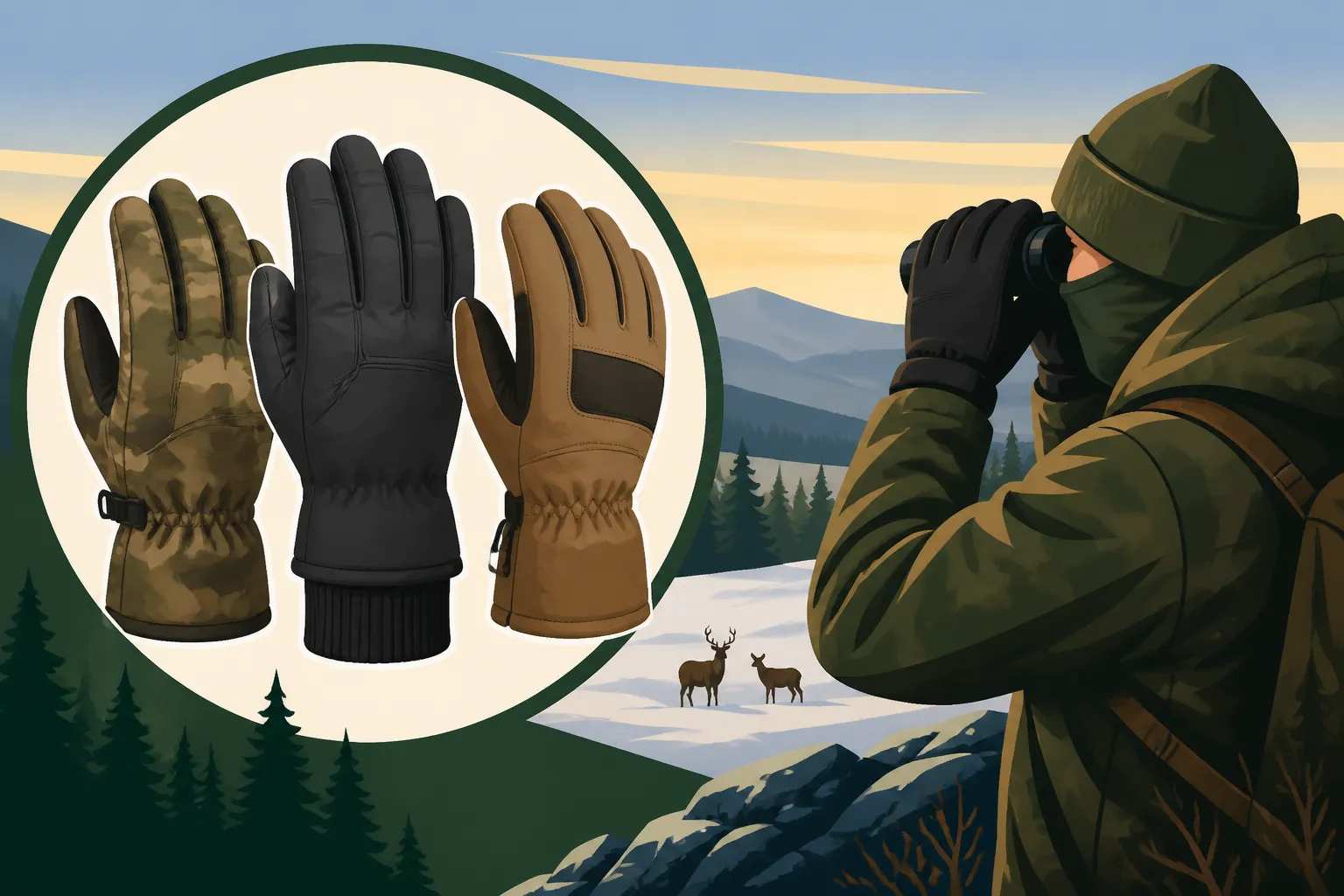
There’s nothing quite like the crisp, cold air of a Vermont morning when you’re out hunting. That silence, that soft light just before sunrise, the promise of the day – it’s magical. But that magic can vanish in an instant when your hands go numb while trying to glass that distant ridge. The frustration of fumbling with binoculars or a rangefinder when your fingers feel like frozen sausages is real, and it can absolutely ruin your focus. This guide is all about helping you keep your hands warm and functional, ensuring your glassing efforts are effective, even when the Green Mountain cold tries its best to sneak in.
The Unique Challenge of Cold-Weather Glassing in Vermont
Glassing, that patient art of observing terrain through binoculars or a spotting scope, is an indispensable tactic for many Vermont hunters. Whether you’re trying to pick apart a distant clear-cut for a bull moose in the Northeast Kingdom or scanning a hardwood ridge for deer activity, your optics are your best friend. But this stationary, focused activity creates a unique set of challenges for keeping warm, especially your hands.
Why Hands Get So Cold While Glassing
When you're glassing, you're usually sitting or standing still, often exposed to the elements. Unlike still-hunting or tracking, where your body is generating heat through movement, glassing involves minimal physical exertion. This lack of movement means less blood flow to your extremities, and your hands are often the first to feel the chill. Add in the biting Vermont winds that seem to find every crevice, or the dampness that permeates even the "dry" cold, and your hands are in for a battle. Holding cold metal or plastic optics further exacerbates the problem, drawing heat away from your fingers like tiny heat sinks. Imagine sitting on a high knob overlooking a vast valley, trying to distinguish a deer from a stump after a Cold-Weather Sitting Strategy in the Northeast Kingdom. Your breath might be steaming, but your fingers, wrapped around those cold binos, are likely screaming.
The Impact of Cold Hands on Your Hunt
Beyond the sheer discomfort, cold hands have a tangible, negative impact on your hunting success. When your fingers are numb, your dexterity plummets. This means fumbling with the focus wheel on your binoculars, struggling to press the button on your rangefinder, or even having trouble adjusting the magnification on your rifle scope if a shot suddenly presents itself. Fine motor skills, which are crucial for precise optics adjustments, simply disappear.
This loss of dexterity often leads to decreased focus. Instead of concentrating on what you're seeing through the glass, your mind is distracted by the throbbing pain in your fingertips. You might miss subtle movements, overlook a tell-tale flicker of an ear, or fail to pick up on critical details that could reveal a hidden animal. Furthermore, the shivering and discomfort can make it nearly impossible to hold your optics steady, leading to a shaky image and eye strain. It’s a vicious cycle: cold hands lead to poor glassing, which leads to frustration, and potentially, a missed opportunity on a Vermont Deer Herd Size that you worked so hard to find.
Key Features to Look for in Cold-Weather Glassing Gloves
When you're trying to find that perfect pair of gloves for glassing in the Vermont cold, it’s not just about maximum warmth. It's a delicate balance of features that work together to keep you comfortable, agile, and effective.
Insulation and Warmth Without Bulk
The primary function of a cold-weather glove is, of course, warmth. But for glassing, you need warmth that doesn't come with excessive bulk. Think about the fine adjustments you need to make on a rangefinder or the subtle movements required to pan binoculars smoothly. Too much bulk and you'll feel clumsy and disconnected.
Look for gloves that utilize effective, low-profile insulation. Modern synthetic insulations are fantastic at retaining heat even when damp, which is a real bonus in Vermont’s often-humid climate. Some gloves might use a hybrid approach, with warmer insulation on the back of the hand for exposure and less bulky material on the palm for better grip and feel. The key is to find that sweet spot where your hands stay toasty without feeling like you’re wearing boxing gloves. Many specialized hunting apparel companies, like GoHunt, understand this balance, designing gear specifically for the demands of the hunter. They often feature proprietary insulation technologies aimed at maximizing warmth-to-weight ratios.
Dexterity and Tactile Feel
This is perhaps the most critical factor for glassing gloves. You need to be able to perform intricate tasks without removing your gloves. This includes:
- Adjusting focus and diopter on binoculars: These small dials require precise finger movements.
- Operating a rangefinder: Pressing buttons and holding steady.
- Manipulating a GPS or mapping app: Especially important for navigating public land or marking a spot where you see movement. Think about Scouting With the Vermont Fish and Wildlife App – you need to operate your phone with ease.
- Safely handling your firearm: While glassing, you might need to quickly transition to holding your rifle or shotgun.
Some gloves address this by having pre-curved fingers, allowing for a more natural grip. Others incorporate a specific material on the fingertips that provides better grip and allows for touchscreen compatibility – a huge plus if you’re relying on your phone for mapping or notes. A glove with good tactile feel lets you perceive the contours and buttons of your equipment, almost as if you weren't wearing gloves at all.
Wind and Water Resistance
Vermont weather is notoriously fickle. One minute it's calm, the next a biting wind rips through the valley. A light drizzle can quickly turn into a bone-chilling mist. Without good wind and water resistance, even the warmest, most dexterous gloves will fail you.
Wind resistance is crucial because wind chill dramatically increases heat loss. Look for gloves with windproof membranes. These materials block the wind from penetrating the insulation and reaching your skin. For water resistance, a DWR (Durable Water Repellent) finish on the exterior is a good start, but for serious wet conditions, a fully waterproof and breathable membrane (like Gore-Tex or similar technologies) is ideal. This is especially important if you're hunting after a cold front that brought precipitation, or if you find yourself exposed on a ridgeline, trying to pick out a buck in a Green Mountain Ridgeline Public Access area. Keeping your hands dry is paramount to keeping them warm, because once they get wet, they're nearly impossible to warm back up in the field.
Types of Gloves for Different Vermont Glassing Scenarios
Choosing the right glove isn't a one-size-fits-all situation in Vermont. What works for an early season bowhunt might not cut it for a late-December muzzleloader outing. Hunters often find success by building a "glove system" that adapts to the conditions.
Glove Systems: Layering for Versatility
Just like you layer your clothing for varying temperatures, a layered approach to gloves can offer immense versatility. This system typically involves three components:
- A Thin Liner Glove: This is your base layer, often made of merino wool or a thin synthetic fleece. It provides a touch of warmth and wicks moisture away from your skin. Crucially, you can often perform most delicate tasks, like working your phone or adjusting optics, while wearing just the liner. It's great for those moments when you need a bit of protection but maximum dexterity.
- A Mid-Weight Main Glove: This is your primary workhorse. It offers substantial insulation and some level of weather protection. This glove goes over your liner. When you need more warmth than the liner alone but still need good dexterity for longer glassing sessions, this is your go-to.
- An Outer Shell or Mitten: For extreme cold, high winds, or heavy precipitation, an uninsulated or lightly insulated waterproof/windproof shell or mitten goes over your main glove. These are often oversized to fit over other layers comfortably. When the weather turns truly nasty, you can slip your hands into these, maintaining core warmth while still having the dexterity of your liner or main glove for brief moments when you pull your hand out of the shell. This system is perfect for adapting to those dramatic temperature swings you get when Hunting Deer After a Cold Front.
This modular approach means you can shed or add layers as needed, ensuring your hands are always as warm and dexterous as the conditions allow.
Convertible Mittens and Fingerless Gloves
These specialized glove designs attempt to bridge the gap between warmth and dexterity in a single garment.
-
Convertible Mittens: These are mittens with a flap that can be pulled back to expose your fingers, often secured by a magnet or Velcro. The thumb usually has its own flap as well.
- Pros: Excellent warmth when the mitten flap is closed, as your fingers share body heat. Quick access to bare fingertips for sensitive tasks.
- Cons: Can be cumbersome to operate the flap, and the exposed flap can get in the way. Not ideal for continuous bare-finger work as your fingers will get cold quickly once exposed.
- Best Use: Long periods of stationary glassing where you need maximum warmth, but anticipate brief moments of fine motor skill use. For instance, when Sitting a Field Edge in Late Season waiting for deer, you can keep your hands warm, then quickly expose your fingers to range a deer you’ve spotted. Many hunting-focused brands, including GoHunt, offer convertible mittens designed with specific pocketing or materials for hunters.
-
Fingerless Gloves: These gloves cover the palm and back of the hand but leave the fingers (and often the thumb) completely exposed.
- Pros: Maximum dexterity for detailed tasks, as your fingers are completely unencumbered.
- Cons: Limited warmth, especially in truly cold or windy conditions. Your exposed fingertips will get cold very quickly.
- Best Use: Milder cold-weather days, or as a liner under a larger shell where you frequently need bare finger access. They're excellent for tasks like tying knots, loading a muzzleloader during Hunting a Muzzleloader Tag After Rifle Season Closes, or handling small calls, but not for prolonged exposure to bitter cold.
Dedicated Optics Gloves
Some manufacturers create gloves specifically with optics in mind. These gloves often have:
- Thinner, Grippier Palms: To ensure a secure hold on binoculars, spotting scopes, or rifle forends, often with silicone or synthetic leather overlays.
- Touchscreen-Compatible Fingertips: Essential for using mapping apps or accessing information on your phone without removing gloves.
- Pre-Curved Fingers: For a more natural and relaxed grip around optical equipment.
- Magnetic Attachments: Sometimes, these gloves will have small magnets to keep glove flaps open or to secure the gloves to each other when not in use.
While they might not offer the extreme warmth of a heavy mitten, their design prioritizes the precise manipulation of gear. They're a fantastic choice for those who do a lot of glassing and prioritize tactile feel above all else, often relying on other strategies (like hand warmers or a larger over-mitten) for supplementary warmth. For glassing open country like a Champlain Valley Cornfield Edge, where precise ranging and glassing is key, these gloves can make a real difference.
Here’s a quick overview of glove types and their primary benefits for glassing:
| Glove Type | Primary Benefit | Warmth Level | Dexterity Level | Best for |
|---|---|---|---|---|
| Thin Liner Gloves | Moisture-wicking, base layer | Low | High | Mild cold, layering, quick bare-finger tasks |
| Mid-Weight Gloves | Balanced warmth & dexterity, main workhorse | Medium | Medium-High | Most cold-weather glassing, active hunting |
| Convertible Mittens | Maximum warmth, quick bare-finger access | High | Low (mitt), High (fingers out) | Stationary glassing, brief fine motor tasks |
| Fingerless Gloves | Unrestricted finger dexterity | Low | Very High | Milder days, under shells, constant fine motor needs |
| Dedicated Optics Gloves | Optimized for gear manipulation, grip, touchscreen | Medium | High | Frequent optics use, tech integration |
| Heavy Mittens (Shell) | Extreme warmth, wind/water protection over other layers | Very High | Very Low | Extreme cold, emergency warmth, worn over other gloves |
My Personal Tips for Keeping Hands Warm While Glassing
Beyond just picking the right gloves, there are several other strategies that veteran Vermont hunters employ to keep their hands toasty and effective during those long, cold glassing sessions. It’s all about an integrated approach to staying warm in the field.
Beyond the Gloves: Integrated Strategies
Gloves are essential, but they're just one piece of the puzzle. You need to think about your entire system:
- Hand Warmers: These are a game-changer. Chemical hand warmers are inexpensive, lightweight, and can provide hours of supplemental heat. I always stash a couple in my pockets, and often place one inside my main glove or convertible mitten, especially on the back of my hand, before a long sit or during brutal cold. Reusable hand warmers, like Zippo's fluid-fueled models, also work wonders. Some gloves even have dedicated pockets for hand warmers.
- Hand Muffs: Often overlooked, a good hand muff (worn around your waist like a fanny pack) can be incredibly effective. It's a warm, insulated tunnel where you can stash your hands, often with hand warmers inside, keeping them toasty until you need to grab your binoculars. This is especially useful if you prefer fingerless gloves or thinner main gloves for dexterity.
- Overall Core Temperature Management: Remember, cold hands are often a symptom of a cold core. If your core body temperature drops, your body will restrict blood flow to your extremities to protect vital organs. Make sure your layering system for your entire body is adequate. A warm hat, a good insulated vest or jacket, and warm boots are just as important as your gloves for Layering for Vermont's Long Hunting Season. If you're shivering from head to toe, no glove in the world will keep your fingers warm.
Practice Makes Perfect
Don’t wait until opening day to try out a new glove system. Practice manipulating your optics and other gear while wearing your chosen gloves at home.
- At Home Practice: Put on your hunting gloves and spend time focusing your binoculars, ranging objects in your yard, and operating your phone or GPS. Get a feel for the buttons, the dials, and how much dexterity you truly have.
- Field Test: Before a critical hunt, take your gloves out on a scouting trip or a casual walk in similar cold conditions. See how they perform when exposed to wind and cold for an extended period. Identify any pinch points, areas where cold seeps in, or tasks that become surprisingly difficult. This pre-season practice will give you confidence and help you troubleshoot any issues before they matter most.
The Importance of Dryness
Few things will make you colder faster than wet hands. Whether it's sweat from an uphill hike, melting snow, or rain, moisture on your skin rapidly draws heat away.
- Avoid Sweating: If you're hiking into your glassing spot, try to avoid overheating. Shed layers before you start sweating, and put them back on once you reach your destination. This keeps your base layers (and your glove liners) dry.
- Carry Spares: I always carry at least one extra pair of thin liner gloves in a waterproof bag. If my primary gloves get wet, I can swap them out for a dry pair and instantly feel more comfortable. This is a simple but incredibly effective trick, especially during the often-damp Vermont Rifle Season Dates.
- Protect from Precipitation: When not actively glassing, keep your gloves tucked into a pocket or pack where they'll stay dry. If it's raining or snowing, make sure your outer shell or mittens are genuinely waterproof. The misery of cold, wet hands is something no hunter should have to endure if it can be avoided.
By combining the right glove features with smart layering and integrated warming strategies, you can ensure your hands remain warm and capable throughout your Vermont hunting adventures. Stay warm out there, and happy glassing!
Disclaimer
This article is for general informational purposes only and does not constitute professional advice. Laws, prices and regulations vary by location and change over time. Consult a qualified professional for guidance on your specific situation.