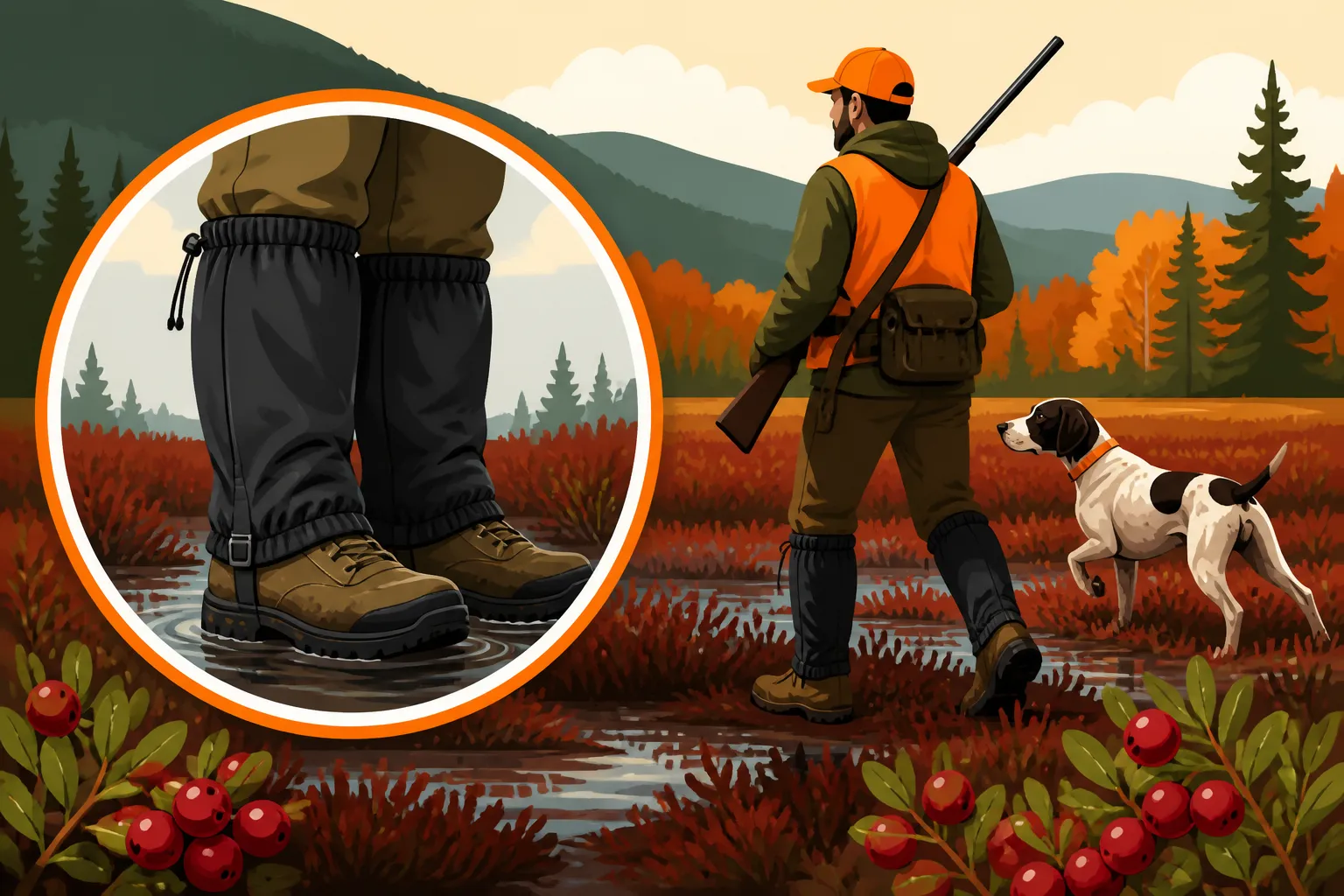
Best Gaiters for Bog Hunting
There's nothing quite like the squelch of a boot sinking into a Vermont bog, only to have that cold, muddy water seep right over the top of your hunting boot and soak your socks. It's a miserable feeling that can quickly end an otherwise promising day afield, especially when you're targeting elusive game in those damp, thick covers. This guide will walk you through everything you need to know about choosing the best gaiters to keep your feet dry and comfortable, ensuring your bog hunting adventures remain focused on the pursuit, not the soggy consequences.
Why Gaiters are Essential for Vermont Bog Hunting
Vermont's diverse landscape, from the dense hardwoods of the Green Mountains to the low-lying beaver flows and swamps of the Champlain Valley, means hunters frequently encounter wet, challenging terrain. Bogs, marshes, and soggy lowlands are often prime habitat for deer, bear, and even waterfowl, but navigating them without the right gear can turn an exciting hunt into a cold, uncomfortable ordeal. This is where a good pair of gaiters becomes an absolute game-changer, acting as an unsung hero in your cold-weather layering system.
Protecting Your Feet from the Elements
The primary role of gaiters in bog hunting is to create an impermeable barrier between the outside world and the top of your boots and lower pant legs. Think about it: you spend good money on waterproof boots, but what happens when you step into water or mud deeper than the boot's shaft? Without gaiters, that water and muck will inevitably spill over the top, rendering your expensive waterproof footwear useless. In Vermont, where temperatures can plummet quickly, a wet foot isn't just uncomfortable; it can be dangerous, leading to numbness, blisters, and even hypothermia if you're far from camp.
Beyond just water, gaiters also defend against a barrage of other unpleasantries. They keep out snow, ice, twigs, thorns, burrs, and abrasive grit that would otherwise work their way into your boots and socks, causing irritation and potential injury. When you're pushing through thick cedar swamps in the Northeast Kingdom or negotiating beaver-dammed streams while Hunting a Beaver Flowage on Public Land, these humble pieces of gear become invaluable. They allow you to confidently tackle obstacles that would otherwise make you hesitate, keeping you focused on the hunt rather than the terrain underfoot.
Shielding Pants from Wear and Tear
Bog hunting isn't just tough on your feet; it's brutal on your pants. Pushing through thorny thickets, rubbing against abrasive bark, and constantly exposing the lower legs to mud and moisture can quickly wear down even the most durable hunting trousers. Gaiters act as an sacrificial outer layer, absorbing the brunt of this abuse. They take the scratches, tears, and mud splashes, protecting your more expensive and often less durable hunting pants from premature wear.
This protection is especially important for waterproof or insulated hunting pants, which can be costly to replace. By covering the lower legs, gaiters prevent moisture from wicking up your pants, which can happen even with waterproof material if mud or water sits on the fabric for too long. They create a smooth, durable surface that sheds debris, making it easier to clean up after a long day in the field. When you're back at camp after a successful hunt in a soggy area, you'll appreciate being able to just hose off your gaiters rather than scrubbing mud from your primary hunting attire.
Key Features to Look for in Bog Hunting Gaiters
Choosing the right gaiters for Vermont's bogs isn't about picking the first pair you see. It requires careful consideration of materials, design, and features that will stand up to the unique challenges of wet, muddy, and often dense terrain.
Material and Waterproofing
The material of your gaiters is paramount for bog hunting. You need something that is not only highly waterproof but also exceptionally durable. Look for gaiters made from robust nylon or polyester fabrics, often with a waterproof-breathable membrane like Gore-Tex or similar proprietary technologies. These membranes are crucial because they block external moisture while allowing internal perspiration to escape, preventing your lower legs from becoming a sweaty mess. A high waterproof rating (e.g., 10,000mm or more) is a good indicator of their ability to handle deep puddles and persistent moisture.
However, waterproofness isn't just about the fabric; it's also about construction. Pay attention to how the seams are sealed. Taped seams are essential to prevent water ingress through stitching holes. Think about the rough conditions: pushing through dense brush, scraping against fallen logs, or wading through icy water. The material needs to withstand abrasion without tearing, and the waterproof membrane must remain intact. When you're considering gear, a quick search on a platform like GoHunt can help you compare material specifications and read user reviews for how different brands hold up in truly wet environments. You want gaiters that feel substantial and robust in your hands, not flimsy or easily punctured.
Fit and Closure Systems
A good fit is critical for gaiters to perform effectively. They should be snug enough to prevent debris from entering but not so tight that they restrict blood flow or movement. Most gaiters come in various sizes (S, M, L, XL), and it's important to match your calf circumference and boot size to the manufacturer's recommendations. An ill-fitting gaiter can sag, ride up, or create gaps, defeating its purpose. When you're hunting a Northeast Kingdom bog, you'll be thankful for a gaiter that stays securely in place as you navigate uneven, slippery ground.
The closure system also plays a huge role. Look for a combination of durable full-length zippers and strong hook-and-loop (Velcro) fasteners. The zipper should be robust and often covered by a storm flap with hook-and-loop to prevent water from seeping through. A top cinch or drawcord, sometimes with a one-handed adjuster, allows you to tighten the gaiter snugly around your calf, preventing debris from falling in from above. The bottom closure, usually a metal hook that attaches to your boot laces and a tough underfoot strap, is equally vital. The underfoot strap, often made of Hypalon, a durable synthetic rubber, or even wire, must withstand constant friction against rocks and mud without breaking. Ensure it's adjustable and replaceable, as this is often the first part of a gaiter to wear out.
Breathability and Comfort
While waterproofness and durability are paramount, breathability is a close third, especially for active hunters. If gaiters aren't breathable, your lower legs will sweat, leading to clamminess, discomfort, and potentially blisters. That defeats the purpose of keeping your feet dry! High-quality waterproof-breathable membranes like Gore-Tex, eVent, or similar technologies excel at this. They have microscopic pores that are too small for water droplets to pass through but large enough for water vapor (sweat) to escape.
Comfort also extends to how the gaiters feel and move. They shouldn't be excessively stiff or noisy, as that can impede your stealth and fatigue your legs over a long day. Look for designs that allow for natural knee flexion and movement. Some gaiters might have an ergonomic cut that contours to the leg, reducing bulk and improving comfort. Remember, you'll be wearing these for hours, potentially over varied terrain, so choosing a pair that you barely notice is the ultimate goal. Paired with comfortable Best Boots for Northeast Kingdom Bog Hunting, you'll be ready for any challenge the Vermont backcountry throws at you.
Different Types of Gaiters and Their Best Use Cases
Gaiters aren't a one-size-fits-all solution; they come in various styles, each suited for different conditions and activities. Understanding these differences will help you select the most effective pair for your specific bog hunting needs in Vermont.
Ankle Gaiters (Short)
Ankle gaiters, sometimes called trail gaiters, are the shortest style, typically extending just above your ankle bone. They are lightweight and offer basic protection against small debris like pebbles, sand, and light snow. They're great for dry, well-maintained trails or light hiking where you don't anticipate deep water or heavy mud.
For serious bog hunting in Vermont, ankle gaiters usually aren't sufficient. While they might prevent some grit from getting into your low-cut hiking shoes, they offer minimal protection against the deep mud and standing water you're likely to encounter in beaver flows, swampy lowlands, or flooded timber. They also won't protect your lower pant legs from thorns or thick brush. If your hunt involves crossing anything more than a shallow puddle, you'll quickly find these coming up short, literally. They might be suitable for early season, drier upland hunts, but for true bog work, you'll want more coverage.
Mid-Calf Gaiters
Mid-calf gaiters offer a compromise between ankle and full-length styles, reaching about halfway up your calf. They provide better protection against splashes, moderate snow, and deeper mud than ankle gaiters. They're often favored by hikers and hunters who want more protection than an ankle gaiter but find full-length gaiters too warm or restrictive for certain conditions.
These can be a viable option for some less extreme bog hunting scenarios, particularly if you're primarily concerned with keeping mud off your pant legs and preventing water from splashing over your boots in moderately wet conditions. However, if you plan to traverse areas with consistently deep mud, standing water, or dense, thorny vegetation that reaches higher, you might still find yourself wishing for more coverage. They offer a good balance of protection and ventilation, making them suitable for hunts where you're moving between drier uplands and intermittent boggy sections, especially when layered over good Boots for Green Mountain Ridge Terrain.
Full-Length Gaiters (Knee-High)
For dedicated bog hunting in Vermont, full-length or knee-high gaiters are almost always the superior choice. These extend from the top of your boots all the way up to just below your knees, providing maximum protection. They create a continuous, impenetrable barrier against deep water, thick mud, snow, ice, and abrasive vegetation. When you're wading through a beaver pond or post-holing through deep, slushy mud, these gaiters ensure that water and muck simply cannot breach your defenses.
The extensive coverage also means superior protection for your pants against tears, abrasions, and saturation from prolonged exposure to wet conditions. This is particularly important during late-season hunts when temperatures are low, and staying dry is critical for warmth and comfort. While they might feel a bit warmer or more restrictive than shorter styles, the peace of mind and enhanced comfort of completely dry feet and lower legs far outweigh any minor drawbacks. For hunters who regularly tackle the truly wild and wet parts of Vermont's landscape, such as exploring deep within the Victory Basin Wildlife Management Area, full-length gaiters are an absolute necessity, not an option.
| Gaiter Type | Coverage | Best Use Case for Vermont Hunting | Pros | Cons |
|---|---|---|---|---|
| Ankle Gaiters | Just above ankle | Dry trails, light debris, early season upland hunting | Lightweight, highly breathable, less restrictive | Minimal protection from water, mud, snow, or dense brush |
| Mid-Calf Gaiters | Halfway up calf | Moderate mud, light snow, mixed terrain, intermittent wet areas | Good balance of protection and breathability, less bulky than full | Can still allow water/mud over the top in deeper conditions |
| Full-Length Gaiters | Below knee | Deep bogs, swamps, heavy snow, dense thorny cover, late season | Maximum protection from all elements, protects pants | Can be warmer, potentially more restrictive, may feel bulky |
Care and Maintenance for Longevity
Investing in a good pair of gaiters for your Vermont hunting adventures is a smart move, but to truly get your money's worth and ensure they perform season after season, proper care and maintenance are crucial. Neglecting them after a muddy day in the bog will quickly diminish their effectiveness and shorten their lifespan.
Cleaning After Each Hunt
After every hunt, especially those in wet and muddy conditions, your gaiters will likely be covered in muck, mud, and possibly even some organic matter. It's tempting to just toss them in the corner of the garage, but resist that urge! Dried mud can be abrasive and stiff, potentially damaging the fabric and waterproof membrane over time. As soon as you can, give them a good cleaning.
Start by simply rinsing off as much loose dirt and mud as possible with a hose or under a faucet. For stubborn grime, a soft brush or sponge with plain water is usually sufficient. Avoid harsh detergents, bleach, or fabric softeners, as these can strip away the durable water repellent (DWR) finish and clog the pores of waterproof-breathable membranes. If there's a strong odor or persistent stain, use a technical gear wash specifically designed for waterproof fabrics. Gently scrub, rinse thoroughly until the water runs clear, and make sure all soap residue is gone. This simple step will prevent dirt from embedding itself into the fabric, maintaining the gaiter's flexibility and breathability.
Drying and Storage Tips
Proper drying is just as important as cleaning. After washing, hang your gaiters in a well-ventilated area away from direct sunlight or extreme heat. Air drying is always the best method. Avoid putting them in a clothes dryer, even on low heat, as the high temperatures can damage the waterproof membrane and the heat-taped seams. Ensure they are completely dry before storing them. Even a little residual moisture can lead to mildew, which not only smells terrible but can also degrade the fabric and compromise waterproofing.
Once dry, store your gaiters in a cool, dry place. Avoid cramming them into a tight gear bag where they might get creased or compressed for long periods, especially if they have stiff components or fragile membranes. Hanging them or laying them flat in a tote bin will help maintain their shape and prevent unnecessary wear and tear. Periodically, especially if you notice water isn't beading up on the fabric like it used to, you might need to reapply a DWR spray treatment. This renews the outer fabric's water repellency, ensuring water continues to bead off rather than soaking into the face fabric, which can compromise breathability. Thinking about the long game with your gear, whether it's Best Rain Gear for a Wet Green Mountain Hunt or your bog gaiters, will always pay off in the long run.
Choosing the Right Fit and Staying Secure
Getting the right fit and ensuring your gaiters stay put are critical for their performance in the field. There's nothing more frustrating than constantly having to adjust slipping gaiters, especially when you're trying to be stealthy or navigating difficult terrain.
Sizing Considerations for Boots and Pants
When selecting gaiters, don't just guess your size. Manufacturers usually provide a sizing chart based on calf circumference and boot size. It's often a good idea to measure your calf while wearing your typical hunting pants and boots to get the most accurate fit. You want the gaiters to be snug enough to prevent movement and seal effectively around your boots and calves, but not so tight that they restrict blood flow or make bending your knee uncomfortable. A little extra room for thick winter pants or insulated boots is often a good idea for those cold Vermont late-season hunts.
Consider the height as well. For bog hunting, taller is generally better, providing more coverage against deep water and snow. Make sure the gaiters are tall enough to reach just below your knee, but not so tall that they interfere with the back of your knee when you bend your leg. If your gaiters are too short, water and debris can easily get in; too long, and they can bunch up uncomfortably. Paying attention to these details will ensure your gaiters integrate seamlessly with your Layering for a Wet Green Mountain Day and keep you comfortable.
Securing Your Gaiters in Rough Terrain
Even the best-fitting gaiters need a robust system to stay secure, particularly when you're traversing uneven, muddy, or brush-filled terrain. The combination of a strong underfoot strap and a boot lace hook is key. The underfoot strap, whether Hypalon or a wire, is designed to prevent the gaiter from riding up your boot. Ensure this strap is adjustable and made from a highly durable material that won't easily fray or snap when dragged through mud and over rocks. Some advanced models even feature a replaceable strap, which is a huge plus for longevity.
The metal hook at the front of the gaiter that clips onto your boot laces is equally important. This hook anchors the front of the gaiter, preventing it from lifting and exposing the top of your boot. Make sure this hook is sturdy and won't bend or break easily. Coupled with the upper cinch or drawcord that tightens around your calf, these features work in tandem to create a secure, consistent seal. Regularly check these components for wear and tear, especially the underfoot strap, as they are often the first to show signs of damage from the constant friction of walking. A well-secured gaiter means one less thing to worry about, allowing you to focus on Still-Hunting Green Mountain National Forest Timber or reading that fresh buck sign in the muck.
Disclaimer
This article is for general informational purposes only and does not constitute professional advice. Laws, prices and regulations vary by location and change over time. Consult a qualified professional for guidance on your specific situation.