Best Cooler for Packing Out Meat in Warm Weather
There's nothing quite like the satisfaction of a successful hunt in Vermont, whether you've tagged a whitetail in the Green Mountains or filled your bear permit in the Northeast Kingdom. But that feeling can quickly turn to dread if you're worried about preserving your hard-earned meat, especially when unexpected warm weather hits. This guide is all about helping you pick the perfect cooler to keep your game fresh, ensuring that all your efforts in the field translate into delicious, high-quality table fare back home.
Understanding the Perils of Warm Weather Meat Handling
Let's face it, Mother Nature in Vermont can be fickle. You might start your deer hunt in a crisp October morning, expecting cool temperatures to help chill your game, only for the afternoon sun to beat down relentlessly. Or perhaps you're out during the early bear season in September, where warm days are more the norm. In these scenarios, the clock starts ticking the moment your animal hits the ground. Improper handling, particularly inadequate cooling, is the fastest way to ruin otherwise perfect meat.
The Urgency of Cooling Down Game Meat
The moment an animal dies, the natural processes that keep its body healthy cease. Bacteria that are naturally present in and on the animal begin to multiply rapidly, especially in warm conditions. These bacteria thrive in temperatures above 40 degrees Fahrenheit. The longer the meat stays in this danger zone, the quicker it degrades, leading to off-flavors, unpleasant odors, and, in severe cases, spoilage that renders the meat inedible.
Think of it like this: your refrigerator keeps food cold to slow bacterial growth. Field-dressing an animal removes internal organs, which helps, but it doesn't instantly chill the entire carcass. When you’re miles from the truck with an animal on the ground and the mercury climbing, getting that core temperature down quickly is paramount. This is where your cooler becomes your first line of defense against spoilage, preserving not just the meat, but the essence of your hunting success. It’s a race against time and bacteria, and a well-prepped cooler is how you win.
Common Mistakes Hunters Make
We've all been there, or seen it happen. One of the biggest mistakes is underestimating the need for a proper cooling strategy. Some hunters might rely solely on hanging the animal, which is fine in consistently cold weather, but insufficient when temperatures fluctuate. Another common misstep is bringing a cooler that's simply too small, forcing them to cram meat in without adequate ice or air circulation. Others might fill their cooler with a single bag of convenience store ice, expecting it to last for days, only to find it melted into lukewarm water hours later.
Then there's the mistake of not pre-cooling the cooler itself, essentially using valuable ice to chill the plastic walls before it can even start on the meat. Or, worse yet, placing uncleaned, ungloved hands on the meat after handling other parts of the animal, introducing more bacteria. These seemingly small errors can compound quickly, especially when you're dealing with the logistical challenges of getting an animal out of rugged terrain, whether it's the steep slopes of the Green Mountain National Forest or the dense timber of the Northeast Kingdom. A little planning goes a long way in avoiding these pitfalls.
Vermont's Unpredictable Weather
Vermont's weather can be a real curveball, particularly during our hunting seasons. You might wake up to a crisp, frosty morning in late October, perfect for deer hunting, but by midday, the sun could be beating down, pushing temperatures into the 50s or even 60s. The early September bear season is often characterized by warm days, making immediate and effective cooling critical. Even during November rifle season, while generally colder, we can experience those unseasonable thaws.
This unpredictability means you can't just rely on ambient air temperatures to cool your game effectively, especially if you're working far from the road or anticipate a lengthy recovery and pack-out. A deboned deer or bear can hold a lot of residual body heat, and without a robust cooling plan, that heat combined with warm air can spoil meat fast. Always prepare for the warmest possible scenario for the time of year you're hunting. It's better to have too much ice and cooler capacity than not enough.
Key Features of an Effective Game Meat Cooler
When you’re investing in a cooler for game meat, you’re not just buying a fancy box; you’re buying peace of mind and ensuring the quality of your harvest. There’s a big difference between a cheap picnic cooler and one designed to hold ice for days, especially when you've got several hundred dollars worth of venison or bear meat at stake.
Insulation Performance
The core function of any good cooler is its ability to insulate, and this is where you'll see the biggest divergence in quality and price. Top-tier coolers, often referred to as "rotomolded" coolers, are built using a process that creates a thick, uniform wall with dense foam insulation. This construction minimizes air pockets and maximizes insulating power. Look for coolers with at least two, preferably three, inches of insulated walls and lid.
Beyond just wall thickness, a good cooler will have a freezer-grade gasket around the lid to create an airtight seal, preventing cold air from escaping and warm air from seeping in. Sturdy, often rubber, latches pull the lid down tight, compressing this gasket. These features are critical for maintaining internal temperatures below that crucial 40-degree mark for extended periods. A cooler with superior insulation can mean the difference between fresh meat after a two-day camp in the Green Mountain National Forest and a disheartening loss.
Size and Capacity Considerations
Choosing the right size cooler is a balancing act between portability and the amount of meat you anticipate needing to store. For a typical Vermont whitetail, especially if deboned, a cooler in the 65-85 quart range is often sufficient. This allows enough space for the meat and plenty of ice to surround it. If you're lucky enough to draw a moose permit in the Moose Hunting Vermont's Northeast Kingdom, you'll be looking at multiple large coolers, likely 150-quart or larger, to handle the sheer volume of meat, even if quartered.
| Game Animal | Typical Cooler Capacity (Quarts) | Notes |
|---|---|---|
| White-tailed Deer | 65-85 | For deboned meat, often requires additional ice. |
| Black Bear | 85-120 | Larger size accounts for more volume and sometimes heavier bone-in pieces. |
| Wild Turkey | 25-45 | Breast meat and thighs, usually deboned. |
| Moose | 150+ (multiple coolers) | Requires significant capacity for quartered or deboned sections. |
| Small Game (Rabbit, Squirrel) | 10-25 | Smaller, more portable cooler for a day's hunt. |
Consider how you’ll transport the cooler. A massive 200-quart cooler might hold a lot of meat, but can you lift it, full of meat and ice, into your truck by yourself? If you’re often hunting solo, two smaller 65-quart coolers might be more practical than one giant 130-quart behemoth. It's always a good idea to err on the side of slightly larger capacity, as you can always fill extra space with more ice, but you can't magically expand a too-small cooler.
Durability and Construction
A hunting cooler isn't just for picnics. It's going to be tossed in the back of a truck, potentially dragged over rough terrain, and used as a temporary seat or even a stepping stool. This demands robust construction. Rotomolded coolers excel here, as their seamless, one-piece construction is incredibly tough and resistant to impacts and punctures. Look for thick, UV-resistant plastic that won't become brittle over time from sun exposure.
Hardware also matters. Heavy-duty latches, often made of durable rubber or reinforced plastic, will withstand years of opening and closing. The hinges should be stout, ideally integrated into the rotomolded design or made of heavy-duty metal. Handles should be strong and comfortable to grip, preferably with a rope or molded design that won't break when carrying a heavy load. You want a cooler that can take a beating and still keep your meat cold, season after season, through all your Vermont hunting adventures.
Drainage and Cleaning
After a successful hunt and the careful processing of your meat, the last thing you want is a cooler that's a nightmare to clean. Good drainage is key. Look for a large drain plug that's easy to open and close, preferably tethered so you don't lose it. A large drain opening allows for quick water evacuation and makes it easier to flush out any debris.
The interior of the cooler should ideally be smooth and easy to wipe down. Many quality coolers have antimicrobial liners or surfaces that resist stains and odors, which is a huge plus when dealing with raw meat. You want to be able to thoroughly clean and sanitize your cooler after each use to prevent bacterial buildup and ensure it's ready for your next outing, whether that's Hunting the Rut in Early-to-Mid November or chasing bears in early fall. A clean cooler is a critical part of maintaining meat quality and preventing cross-contamination.
Cooler Types for Different Vermont Hunting Scenarios
The world of coolers has expanded dramatically in recent years, offering more choices than ever. While this can be a bit overwhelming, it also means there’s a perfect cooler for almost every hunting scenario you might encounter in Vermont. Knowing the strengths and weaknesses of each type will help you make the best decision for your needs.
Hard-Sided Rotomolded Coolers
These are the heavyweights, the workhorses, and often the most recommended option for serious game preservation. Rotomolded coolers, like those from Yeti, RTIC, or Orion, are built with a single, continuous mold, resulting in extremely thick walls filled with pressure-injected foam insulation. This construction provides exceptional ice retention, often keeping ice solid for several days, even in warm conditions.
Pros:
- Superior Ice Retention: This is their biggest selling point. They can keep meat cold for days.
- Extreme Durability: Virtually indestructible, they can handle abuse in the field.
- Excellent Seal: Freezer-grade gaskets and robust latches prevent air leakage.
- Bear-Resistant: Many models are certified bear-resistant, a real plus in Vermont's bear country.
Cons:
- Heavy: Even empty, they are significantly heavier than other cooler types. When full of meat and ice, they can be a two-person job to move.
- Expensive: This level of performance and durability comes at a higher price point.
- Bulky: Their thick walls mean external dimensions are larger than internal capacity.
Best Use: Deboned deer, bear quarters, long camping trips where preserving food and game is critical, or when you anticipate a multi-day retrieve from remote areas. If you're driving hours back home after a hunt, this cooler will ensure your meat arrives in prime condition. Many hunters find that researching options and reading reviews on platforms like GoHunt helps them navigate the various brands and features to find the best fit for their needs.
Soft-Sided Coolers and Insulated Kill Bags
For smaller game, shorter trips, or when weight and portability are paramount, soft-sided coolers and insulated kill bags offer a viable alternative. Soft-sided coolers, like those made by Engel or AO Coolers, are essentially heavily insulated bags with waterproof liners and zippered closures. Kill bags, often made of durable, insulated fabric, are specifically designed to hold game meat and are less rigid.
Pros:
- Lightweight and Portable: Much easier to carry and transport, especially for walk-in hunts.
- Flexible: Can be squished into tight spaces in a vehicle.
- Less Expensive: Generally more affordable than rotomolded hard coolers.
- Kill Bags are Spacious: Often designed to lay flat and hold an entire deboned deer.
Cons:
- Limited Ice Retention: While good, they won't hold ice as long as rotomolded coolers. Expect 1-2 days at best.
- Less Durable: More susceptible to punctures or tears from sharp bones or rough handling.
- Less Rigid: Can be harder to load and stack, and offer less protection to contents.
Best Use: Carrying out smaller game like wild turkeys from a Spring Turkey Hunting in Vermont trip, transporting deboned meat for a short drive, or as an auxiliary cooler for drinks and snacks. Insulated kill bags are excellent for packing out a deboned deer or bear on a backpack frame, then transferring the meat to a larger hard-sided cooler once at the truck. They are also incredibly useful for keeping meat clean and cool during the initial packing out phase.
Specialized Game Bags and Liners
While not coolers in the traditional sense, specialized game bags and insulated liners are absolutely crucial for warm weather meat care and work in conjunction with your cooler. Game bags are breathable fabric bags (cotton, synthetic blends) that protect meat from flies, dirt, and debris, while allowing it to cool down through air circulation. Insulated liners can turn a regular duffel bag or even a large backpack into a temporary insulated container.
Pros:
- Protection: Keep meat clean and free from insects.
- Breathability (Game Bags): Allow meat to "air out" and form a protective crust, which aids in preservation.
- Lightweight: Easy to pack into the backcountry.
- Versatile: Can be used inside coolers, kill bags, or for hanging meat.
Cons:
- No Ice Retention (Game Bags): They don't keep things cold on their own.
- Liners are Temporary: Offer limited insulation compared to dedicated coolers.
Best Use: Essential for field-dressing any animal in warm weather. Quarter your deer or bear, place the meat in clean game bags, and then either hang them in the shade to cool (if temperatures permit) or immediately place them into your pre-cooled soft-sided kill bag or hard-sided cooler. Using good quality game bags from brands like TAG or Alaskan Game Bags, which you might find reviewed on sites like GoHunt, is a non-negotiable step for preserving meat quality. These bags ensure the meat stays pristine until it hits the ice.
Strategies for Maximizing Cooler Performance in Warm Weather
Having the best cooler money can buy is only half the battle. How you use it, especially in warm conditions, makes all the difference. Think of your cooler as a system, and every step contributes to its overall effectiveness in keeping your hard-earned game meat pristine.
Pre-Cooling Your Cooler
This is perhaps the most overlooked, yet critical, step in warm weather meat management. Imagine putting a fresh bag of ice into a warm cooler; a significant portion of that ice will immediately melt just to bring the cooler's internal temperature down. That's wasted chilling power.
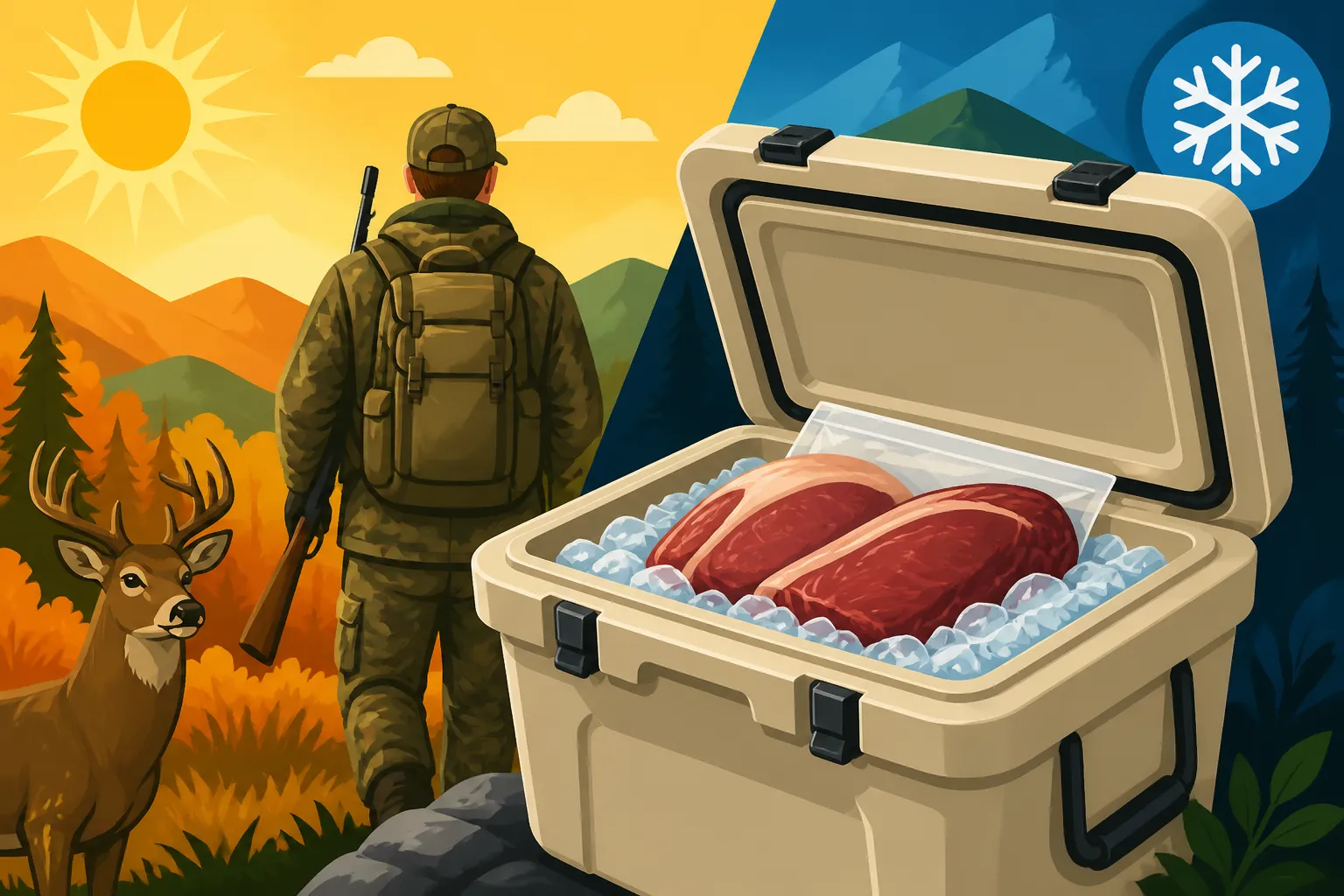
To pre-cool your cooler effectively, about 12-24 hours before your hunt, fill it with sacrificial ice or even frozen gallon jugs of water. Let it sit, ideally in a cool place, until the walls of the cooler are thoroughly chilled. Just before you head out or load your meat, dump out the sacrificial ice (or save the frozen jugs for another use) and refill with fresh, clean ice. This simple step can add hours, if not a full day, to your ice retention. For serious hunters, this is standard practice and makes a huge difference in the longevity of your main ice supply, ensuring your meat stays cold whether you're hunting deer in the Champlain Valley or a moose deep in the Northeast Kingdom.
The Ice Dilemma: Block, Crushed, or Dry?
Not all ice is created equal when it comes to long-term cooling.
- Block Ice: This is your best friend for extended ice retention. Large blocks have less surface area exposed to warm air than smaller pieces, so they melt much slower. If you can make or buy large blocks, use them as your foundation layer in the cooler. Place them on the bottom and sides.
- Crushed/Cubed Ice: While it melts faster, cubed ice is excellent for filling voids and surrounding irregular shapes of meat, maximizing contact and quick chilling. Use it to pack around your game bags once the block ice is in place.
- Dry Ice: For extreme situations or very long hauls, dry ice (solid carbon dioxide) can be a game changer. It's much colder than water ice and sublimates (turns directly into gas) rather than melts, so no messy water. However, it requires careful handling (always wear gloves!) and proper ventilation, as the gas can displace oxygen. Never place dry ice directly on exposed meat; always wrap it or keep it separated by a layer of cardboard or another barrier to prevent freezer burn. It's usually placed on top, as cold air sinks. For most typical Vermont hunts, a good mix of block and crushed ice will suffice.
Field Dressing and Quartering for Cooler Fit
Proper field dressing isn't just about hygiene; it's about preparing the animal for efficient cooling. In warm weather, speed is crucial. Get the guts out as quickly and cleanly as possible to remove the primary source of internal heat and bacteria. If you have the facilities, skinning the animal in the field can also help it cool faster by exposing more surface area, but this must be done in a very clean environment.
For cooler transport, especially in smaller coolers or if you're packing out on foot, quartering is almost always necessary. Deboning the meat from the carcass, placing it into clean game bags, and then packing those bags into your cooler allows for optimal space utilization and direct contact with ice. This ensures the meat chills rapidly. It's far easier to fit deboned muscle groups, like those from a deer harvested during Vermont's November Rifle Season, into a cooler with plenty of ice than trying to squeeze in bone-in sections. The more surface area of the meat that touches ice, the faster it cools.
Managing Meat in the Cooler
Once your meat is in the cooler, the job isn't done. Ongoing management is essential.
- Keep Meat Out of Water: As ice melts, it creates cold water. While cold water is better than warm air, meat submerged in water can "wash out" and become waterlogged, negatively affecting its texture and flavor. It’s better to have ice directly touching the meat, with a way for the melted water to drain away. Some hunters use small racks or false bottoms to keep game bags elevated, or simply periodically drain the cooler and replace some ice.
- Drain Periodically: Regularly drain the melted water from your cooler. This keeps the remaining ice colder longer, as ice will melt faster in standing water.
- Don't Overpack: While you want to maximize space, avoid jamming the cooler so full that air (and cold) can't circulate. Leave some room for the ice to surround the meat.
- Maintain the Ice Layer: Check your cooler periodically. As ice melts, rearrange it or add more to ensure all meat is in direct contact with the cooling medium. Think of the journey home; whether it's an hour or several, maintaining that consistent cold temperature is paramount for preserving your White-Tailed Deer Across Vermont or black bear.
Using these strategies, combined with a high-quality cooler, you'll be well on your way to enjoying delicious, well-preserved wild game from your Vermont hunts.
| Feature | Basic Cooler | Mid-Range Cooler | Premium Rotomolded Cooler |
|---|---|---|---|
| Ice Retention | <1 day | 1-3 days | 5-10+ days |
| Insulation | Thin walls, basic foam | Thicker walls, better foam | Pressure-injected, dense foam, freezer gasket |
| Construction | Blow-molded plastic | Injection-molded, some reinforcement | Rotomolded, seamless, heavy-duty |
| Durability | Low, prone to cracking | Medium, can withstand some bumps | High, virtually indestructible |
| Weight (empty) | Very Light | Light to Medium | Heavy |
| Drainage | Small plug, sometimes leaks | Adequate plug, often tethered | Large, robust plug, leak-proof |
| Price | Low | Medium | High |
| Best Use Case | Short trips, drinks | Weekend camping, small game | Big game, multi-day hunts, long transport |
Disclaimer
This article is for general informational purposes only and does not constitute professional advice. Laws, prices and regulations vary by location and change over time. Consult a qualified professional for guidance on your specific situation.