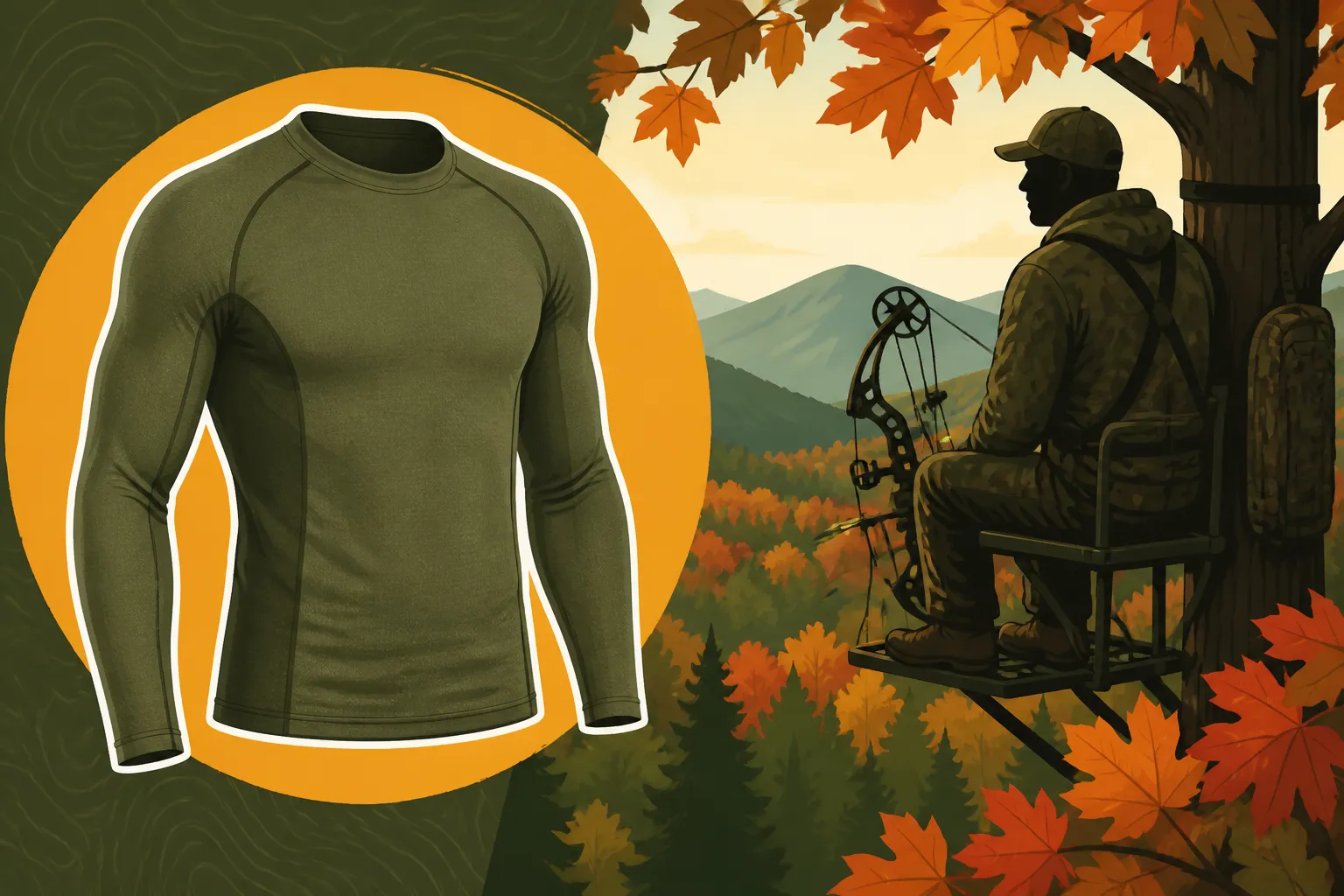
Best Base Layer for a September Archery Sit
Ah, September in Vermont! It brings the promise of crisp mornings, stunning foliage, and that undeniable itch to get into the woods for archery season. But let's be honest, those "crisp mornings" often turn into unexpectedly warm afternoons, leaving you either shivering on stand or drenched in sweat, making for a truly miserable sit. Choosing the right base layer for these unpredictable early-season conditions is crucial for comfort, stealth, and ultimately, success, and this guide will help you navigate those tricky choices.
Understanding the Unique Demands of a September Archery Sit in Vermont
Hunting during Vermont's expanded archery season, or even the regular archery opener in October, means dealing with some truly unique weather patterns. Unlike the consistent cold of late-season hunts, September is a wild card. You might start your morning climb to the stand in a heavy dew with temperatures barely breaking 40 degrees, only to have the sun beat down by 10 AM, pushing the mercury well into the 60s or even 70s. This isn't just uncomfortable; it can actively work against your hunt.
The Sweat and Chill Cycle
One of the biggest frustrations for early-season archers is the relentless sweat-and-chill cycle. You work up a good sweat hiking into your stand, perhaps through some thick cover or up a steep ridge in the Green Mountain National Forest, and by the time you settle in, that moisture is trapped against your skin. As the morning air cools, or a breeze picks up, that sweat turns icy cold, making you shiver uncontrollably. This isn't just about discomfort; it impacts your focus, makes it harder to hold steady for a shot, and creates movement that could spook a wary buck. A proper base layer acts as your first line of defense, actively moving that moisture away from your skin so it can evaporate from outer layers, keeping you dry and much more comfortable.
Odor Control: A Stealth Imperative
Let's face it, deer have an incredible sense of smell. In September, with warmer temperatures and increased physical exertion, you're going to sweat, and that sweat carries human odor. While no gear can make you completely scent-free, a good base layer with excellent odor-controlling properties is a critical component of your overall scent management strategy. Many traditional materials, especially cotton, absorb sweat and hold onto that scent, broadcasting your presence to every deer downwind. The right base layer will either resist bacterial growth, which causes odor, or actively neutralize it, giving you a distinct advantage when a mature buck is working its way along a Scrape Lines Along a Logging Road or through a natural funnel.
Adaptability to Variable Vermont Weather
Vermont weather in September can change on a dime. A sunny start can quickly turn to a misty fog, or even a sudden, chilly rain shower, especially as you climb higher into the Green Mountains High Country. Your base layer needs to be versatile enough to handle these swings. It shouldn't be so insulating that you overheat during exertion or a warm spell, but it also needs to offer enough warmth to prevent a chill when the sun dips behind the clouds or the temperature drops. This adaptability is key to a successful all-day sit, particularly if you're targeting deer during the Hunting Vermont's Expanded Archery Zones in September. Having a base layer that breathes well but still provides some thermal regulation is a game-changer.
Key Characteristics of an Ideal September Archery Base Layer
When you're out there chasing whitetails in the early fall, your base layer isn't just another piece of clothing; it's the foundation of your entire hunting system. For a September archery sit, you're looking for very specific qualities to keep you comfortable and effective, without sacrificing stealth.
Superior Moisture-Wicking Performance
This is, without a doubt, the most important characteristic for a September base layer. Think about those long walks into your stand, often uphill, sometimes with a pack. You're going to perspire. If your base layer just absorbs that sweat and holds it against your skin, you're setting yourself up for a miserable, chilly experience once you stop moving. The best base layers are designed to pull moisture away from your skin and transfer it to the outer layers where it can evaporate. This process keeps you dry, which in turn helps regulate your body temperature, preventing both overheating and chilling. Look for fabrics with a high surface area and capillary action that actively "wick" rather than just soak. This is paramount, whether you're still-hunting a timber stand or settled into a blind you've spent time Brushing In a Blind on a Field Edge.
Excellent Odor Control and Scent Management
As archers, we live and die by scent control. Any edge you can get in fooling a deer's nose is worth its weight in gold. Since early season conditions often mean more sweating, your base layer needs to pull double duty in managing human odor. Some materials naturally resist the growth of odor-causing bacteria, while others are treated with antimicrobial agents. These technologies are designed to minimize the scent signature you leave behind, allowing you to stay on stand longer and increase your chances of getting a shot opportunity. Brands like GoHunt often highlight gear with advanced odor-control features, making it easier to research and compare options specifically tailored for hunters. Remember, a clean base layer is the starting point for effective scent control.
Lightweight and Breathable Construction
September isn't deep winter. You don't need heavy insulation. What you need is a base layer that feels barely there, allowing your skin to breathe and heat to escape when you're active or when the sun is high. Lightweight fabrics are less bulky, which is a huge plus for archers who need a full range of motion for drawing a bow. Breathability means air can circulate, helping to cool you down and aid in that crucial moisture evaporation. A breathable fabric will prevent that stifling, clammy feeling that heavier, less breathable materials can cause. This thoughtful construction ensures you're not adding unnecessary bulk or warmth, keeping you agile and comfortable throughout your hunt.
Material Matters: Synthetic vs. Merino Wool for Early Season
When it comes to choosing the best base layer, the material is king. For a September archery sit in Vermont, the debate often boils down to two main contenders: high-performance synthetics and natural merino wool. Both have their devout followers, and both offer distinct advantages and disadvantages under early-season conditions.
Merino Wool: Nature's Performance Fiber
Merino wool has become a darling in the outdoor world for very good reason. Unlike traditional, scratchy wool, merino fibers are incredibly fine, making them soft against the skin and non-itchy. For a September archery sit, merino shines in several key areas. First, it offers exceptional temperature regulation. It helps keep you warm when it's cool, but perhaps more importantly for early season, it helps cool you down when it's warm by effectively wicking moisture and allowing it to evaporate. This makes it incredibly versatile for those swing temperatures.
Secondly, and critically for hunters, merino wool boasts natural odor resistance. The complex structure of its fibers makes it difficult for odor-causing bacteria to thrive, meaning you can often wear merino for multiple days without it smelling rank. This is a huge advantage for multi-day hunts or even just extended sits where maintaining a low scent profile is paramount. Merino also retains much of its insulating properties even when wet, which is a comforting thought if you get caught in an unexpected shower while Hunting Vermont's New Archery-Rifle Overlap. The downside? It tends to be more expensive than synthetics and can take longer to dry if it gets thoroughly soaked. When looking for quality merino, resources found on platforms like GoHunt can help you compare different weights and blends for optimal performance.
Synthetics: Engineered for Peak Performance
Modern synthetic base layers, typically made from polyester or nylon, are highly engineered fabrics designed for athletic performance. They excel at moisture-wicking; in fact, many synthetics will outperform merino in terms of how quickly they move sweat away from your skin and dry out. This rapid drying time is a significant advantage if you're expecting to work up a lot of sweat on a challenging climb to a remote stand, or if you plan on layering for a full day.
Synthetics are also typically more durable and often more affordable than merino wool. To combat the odor issue, which synthetics are historically prone to, most high-quality hunting base layers come with antimicrobial treatments. These treatments help inhibit the growth of bacteria, making them much more effective at scent control than untreated versions. However, these treatments can eventually wear off over time and repeated washes. For hunters who prioritize quick-drying properties and robust durability for active hunts, synthetics are an excellent choice. When considering specific synthetic options, checking out gear reviews on sites that cover platforms like GoHunt can provide insights into how different brands' antimicrobial treatments perform in real-world hunting scenarios.
Making Your Choice: A Comparison Table
To help you decide which material might be best for your specific September archery hunt, here's a quick comparison:
| Feature | Merino Wool | Synthetic (Polyester/Nylon) |
|---|---|---|
| Moisture Wicking | Excellent; wicks and evaporates effectively. | Excellent; often dries faster than merino. |
| Odor Control | Natural, inherent resistance; very good. | Relies on antimicrobial treatments; good, but can degrade. |
| Warmth (Wet) | Retains warmth well even when damp. | Loses most warmth when wet; dries quickly. |
| Breathability | Excellent, adapts to body temperature. | Very good, often feels lighter and airier. |
| Comfort | Soft, non-itchy; pleasant feel. | Smooth, slick; some might feel "plasticky." |
| Durability | Good, but can be prone to holes if snagged. | Very good, generally more resilient. |
| Cost | Generally higher. | Generally lower. |
| Ideal Use | Variable temperatures, extended sits, scent critical. | High exertion, quick drying needed, consistent activity. |
Ultimately, both materials offer solid performance. Many hunters find a blend of both, or choose based on the specific forecast and their personal activity level for that day's hunt.
Layering Strategy and Fit for Optimal September Comfort
Even the best base layer won't perform optimally if it's not part of a thoughtful layering system and fitted correctly. September's mercurial weather makes smart layering absolutely essential, transforming your comfort from a hopeful wish to a tactical advantage.
The Importance of a Layering System
Thinking about your hunting clothes as a system, rather than individual pieces, is crucial for those variable early season conditions. Your base layer is the foundation, managing moisture directly off your skin. Over that, you'll want a mid-layer for insulation – something like a lightweight fleece or grid-fleece that can add warmth without bulk and still breathe. Finally, an outer layer provides protection from wind and light precipitation. The beauty of this system is its adaptability. As the day warms up, or as you increase your activity, you can shed your mid or outer layer, adjusting your insulation to prevent overheating and sweating. When the temperature drops again, or you settle into your stand for a long sit, you can put those layers back on. This flexibility is key to staying comfortable from the moment you hit the woods at Vermont Expanded Archery Season Dates until you're packing out your deer. Consider how your base layer works with a light vest or jacket for quick changes as the sun moves or the wind shifts, especially if you're waiting for a buck to work into range along a Reading a Green Mountain Deer Yard.
Achieving the Right Fit: Next-to-Skin Contact
A base layer needs to fit snugly against your skin to do its job effectively. This "next-to-skin" contact allows the fabric to efficiently wick away moisture. If your base layer is too loose, there will be air gaps between the fabric and your skin, reducing its ability to pull sweat away. Think of it like a sponge; it needs to be directly touching the liquid to absorb it. However, "snug" doesn't mean "restrictive." You still need full freedom of movement, especially as an archer. Any tugging or binding in the shoulders, chest, or arms could interfere with your draw cycle or cause unnecessary noise.
When trying on base layers, mimic common archery movements: raise your arms, draw an imaginary bow, twist your torso. Ensure there's no pulling or bunching that could create noise or discomfort. This careful attention to fit will ensure that your base layer is a true second skin, working seamlessly with your body to keep you dry and comfortable. A good fit also helps with scent control, as there's less loose fabric to rub against things and pick up external odors.
Considerations for Scent Control Technologies
While we've touched on odor control, it's worth diving a little deeper into the specific technologies you'll encounter. Many reputable hunting brands integrate advanced scent control into their base layers. This might involve activated carbon interwoven into the fabric, which absorbs odor molecules, or silver ion treatments that inhibit bacterial growth. It's not a magic bullet, but it's a significant improvement over untreated fabrics.
When you're comparing options, pay attention to these features. While a base layer might be excellent at wicking, if it doesn't offer robust odor control, it's losing a crucial battle in the early season. Remember to follow the care instructions meticulously for these garments; improper washing can compromise the effectiveness of these scent-controlling technologies. Combining a high-quality, scent-controlled base layer with diligent field hygiene, showering with scent-free soap, and storing your hunting clothes in airtight containers will give you the best possible advantage against a deer's incredible nose.
Specific Scenarios and Additional Tips for September Base Layers
Beyond the general characteristics, there are always those specific situations that demand a little extra thought. Vermont hunting often throws unique curveballs, and being prepared can make all the difference between a productive hunt and a frustrating one.
Hiking In Versus Sitting Still
Consider the activity level. Are you planning an aggressive spot-and-stalk hunt through dense timber, or a long, patient sit in a treestand overlooking a Hunting a Standing Apple Orchard? If you're going to be hiking in far and hard, especially up some of Vermont's steeper terrain, you'll likely work up a significant sweat. In this scenario, a base layer with extreme moisture-wicking and quick-drying properties is paramount. You might even consider starting your hike with fewer layers and adding them once you've reached your stand and cooled down. Layering for Vermont's Long Hunting Season really comes into play here, as you can shed and add layers as needed.
Conversely, for a shorter walk to a field edge stand where you'll be static for hours, perhaps in a Hanging a Stand on a Champlain Valley Field Edge, you might lean slightly more towards a base layer that offers a bit more inherent warmth if the morning forecast is chilly, without sacrificing breathability. The key is to match your base layer choice to your expected exertion and how much time you'll spend stationary.
The Role of Sun and Wind
September days can be deceptively sunny, and while the air temperature might not be scorching, direct sun exposure can quickly lead to overheating, especially if you're exposed on a ridge line or open field. A breathable base layer will help manage this heat. Conversely, a stiff breeze, even on a mild day, can cut right through damp clothing, leading to a rapid chill. This is where your base layer's ability to keep you dry becomes critical. If it effectively wicks moisture, that breeze will help evaporate the sweat from your outer layers, rather than chilling you to the bone. Understanding Wind and Thermals in Steep Green Mountain Terrain will also inform your stand placement and how you position yourself relative to the sun and wind, influencing your comfort.
Footwear and Headwear Integration
Don't forget that "base layer" principles apply to more than just your torso. Your feet are notorious sweat producers, and wet feet quickly become cold, uncomfortable, and prone to blisters. Merino wool socks, or high-performance synthetic blends, that wick moisture are just as crucial as your shirt and bottoms. Similarly, a lightweight, breathable skull cap or merino beanie can help regulate head temperature – pulling sweat from your scalp when you're exerting yourself, or adding a touch of warmth when the morning air is still biting. Thinking about your entire clothing system, from head to toe, ensures holistic comfort and performance during your September archery hunt. You can find excellent reviews for specialized hunting gear, including high-performance socks, on reputable outdoor sites like GoHunt.
Choosing the right base layer for your September archery sit in Vermont is more than just grabbing any old long-sleeve shirt. It's about making an informed decision that directly impacts your comfort, your scent control, and ultimately, your chances of success. By prioritizing moisture-wicking, odor control, breathability, and proper fit, you'll be well on your way to enjoying those beautiful early-season days, no matter what unpredictable weather the Green Mountains throw your way.
Disclaimer
This article is for general informational purposes only and does not constitute professional advice. Laws, prices and regulations vary by location and change over time. Consult a qualified professional for guidance on your specific situation.