Bowhunting Gear for the Rifle Season Overlap
The crisp air of a Vermont November brings a unique excitement, but for us bowhunters, it also ushers in a distinct set of challenges and opportunities when our season overlaps with rifle hunting. Navigating the woods safely and effectively during this period requires more than just your usual archery setup; it demands a strategic approach to gear, safety, and awareness. This comprehensive guide will help you understand the nuances of bowhunting during the rifle season overlap, ensuring you’re well-equipped, safe, and ready to make the most of this intense hunting window.
Understanding the Overlap and its Challenges
Vermont's hunting seasons, particularly for deer, are carefully structured, but the period when archery and rifle seasons converge creates a dynamic environment unlike any other. It’s a time of heightened activity in the woods, both from deer and from fellow hunters, which means your bowhunting strategy needs to evolve.
Why the Overlap Exists
The decision to allow bowhunting during the rifle season isn't arbitrary; it's part of a broader wildlife management strategy aimed at providing diverse hunting opportunities while still managing deer populations effectively. The season dates are designed to maximize hunter participation while considering various factors like deer biology, population health, and hunter success rates. For many of us, this overlap offers a thrilling chance to extend our time in the woods during prime hunting conditions, often coinciding with the peak of the rut. It's a testament to the state's commitment to offering a full spectrum of experiences for its passionate hunting community, as detailed in Vermont's New Archery-During-Rifle Overlap Rule.
However, with more hunters in the woods, regardless of their chosen weapon, comes the need for increased vigilance. The woods are simply a busier place. While bowhunters might be accustomed to a quieter, more solitary experience during the early archery season, the November overlap means sharing the landscape with a much larger contingent of hunters. This isn't necessarily a bad thing, but it certainly changes the dynamics of how you approach your hunt and the gear you choose to bring along.
Unique Pressures on Deer
The sheer volume of hunters during the rifle season fundamentally alters deer behavior. Deer that might have been relatively calm during the early archery season suddenly become more wary, nocturnal, and prone to seeking out the thickest, nastiest cover they can find. This increased pressure can push deer into areas they might normally avoid, like dense swamps, clear-cuts, or even closer to human habitation if they feel it offers sanctuary.
For a bowhunter, this means that traditional stand locations might become less productive. Bucks that were once cruising open timber for does are now likely to stick to heavy cover, moving stealthily. Understanding these shifts in deer movement is paramount. You can't just hunt the same old spots and expect the same results. Deer are acutely aware of increased human presence, the sound of gunshots in the distance, and the general disturbance of the woods. This can make them incredibly challenging to pattern and even more difficult to get within bow range. Your strategy needs to focus on finding those overlooked pockets of cover or catching deer as they transition between bedding and feeding areas under the cloak of darkness or during brief, intense periods of daylight movement.
Strategic Advantages for Bowhunters
While the increased pressure is a challenge, it also creates unique advantages for bowhunters. Deer pushed by rifle hunters often move more frequently and sometimes less predictably, potentially creating opportunities for a well-positioned archer. They might be funneled into natural pinch points or travel corridors as they try to escape pressure, offering a fleeting shot opportunity you wouldn't typically get.
Furthermore, bowhunters, with their quieter approach and ability to hunt from elevated stands, can often access and effectively hunt smaller, more pressured parcels of land that rifle hunters might overlook or deem too small. The stealth of archery allows for a more intimate hunt, even in a bustling environment. You might find a small woodlot bordering a field that is consistently pushed by rifle hunters, driving deer through a specific funnel right into your lap. This is where your careful scouting and understanding of deer escape routes truly pay off. A bowhunter who understands these dynamics and adapts their strategy can have a incredibly successful hunt during this exciting, yet demanding, time of year.
Essential Bowhunting Gear for the Season
Stepping into the woods during Vermont's rifle season overlap as a bowhunter means your gear needs to be top-notch, reliable, and tailored to the unique conditions. It’s not just about having a bow; it’s about having a complete system that functions flawlessly when the stakes are highest.
Your Bow and Arrow Setup
First and foremost, your bow needs to be meticulously tuned and utterly dependable. This isn't the time to be making major adjustments or trying out new equipment. You should have spent ample time at the range, ensuring your broadheads fly true with your field points. Pay close attention to your rest, sight pins, peep sight, and string. A small issue with any of these components can ruin a shot opportunity that may have taken hours or days to earn. Think about the cold: string material can stiffen, and metal components can become less forgiving. Ensure everything is lubricated if needed and secured tightly.
Arrow choice is also critical. During November, especially in thicker cover, you want arrows that are durable, consistent, and offer excellent penetration. A heavier arrow can be beneficial, carrying more kinetic energy to push through a deer, even if it hits a shoulder blade. Consider your fletching as well; a larger fletching can help stabilize broadheads in windy conditions or if your shot requires navigating a tight window through timber. Don't forget your quiver setup – make sure it’s securely attached, silent, and allows for quick, easy access to your arrows without fumbling. Whether it's a tight-fitting fixed quiver or a detachable one that you remove once on stand, ensure it meets your specific hunting style.
Broadhead Selection
The choice of broadhead is a decision every bowhunter agonizes over, and during the rifle season overlap, it's even more critical. With deer on high alert and potentially moving quickly or angling away, you need a broadhead that delivers maximum penetration and causes significant tissue damage. There are generally two camps: fixed-blade and mechanical.
Fixed-blade broadheads are known for their reliability and strength. They typically offer excellent penetration because there are no moving parts to potentially fail or hinder passage. In a scenario where a deer is quartering away slightly, a robust fixed-blade can maintain its cutting angle and drive deep. Brands like those often reviewed on platforms like GoHunt emphasize the importance of flight consistency with fixed blades, especially out of faster bows. However, they demand precise tuning to fly perfectly with your field points. Mechanical broadheads, on the other hand, often fly more like field points due to their smaller profile in flight. They deploy on impact, creating a wider cutting diameter and often a larger wound channel. This can be advantageous for quickly anchoring an animal, especially if your shot placement isn't absolutely perfect. However, some hunters worry about potential mechanical failure in extremely tough conditions or on glancing blows. Whichever you choose, ensure it's razor-sharp and you've practiced extensively with it to ensure accurate flight from your specific bow setup. Best Broadhead for a Vermont Whitetail goes into more detail on this critical choice.
Quivers and Accessories
While seemingly minor, your quiver and other bow accessories play a huge role in your overall success and safety. A silent quiver is non-negotiable. Any rattle or clink when you draw your bow will send a jumpy buck heading for the hills. Test your quiver thoroughly, not just in your living room, but out in the field in cold conditions, to ensure it doesn't make noise. Consider a tight-fitting, lightweight quiver that stays close to the riser, or a detachable one that you can remove and hang within easy reach once you're on stand. Many bowhunters prefer to remove their quiver to reduce weight and torque on the bow, improving accuracy during the shot.
Beyond the quiver, think about the smaller but equally important accessories. Your release aid needs to be comfortable, reliable, and silent. Practice your drawing sequence until it's second nature. A good quality stabilizer can help dampen vibration and improve accuracy, especially in the cold. Ensure your peep sight is properly aligned and won't twist during the shot. Even your D-loop should be checked for wear. These small details, when overlooked, can lead to frustration and missed opportunities. By having a well-maintained and silent setup, you increase your chances of success and minimize any unnecessary disturbances in the quiet Vermont woods.
Staying Safe and Visible
Hunting during Vermont's rifle season overlap demands an even higher level of safety consciousness from bowhunters. While you might prefer to blend seamlessly into the forest, November conditions dictate that visibility to other hunters is paramount.
Blaze Orange Requirements
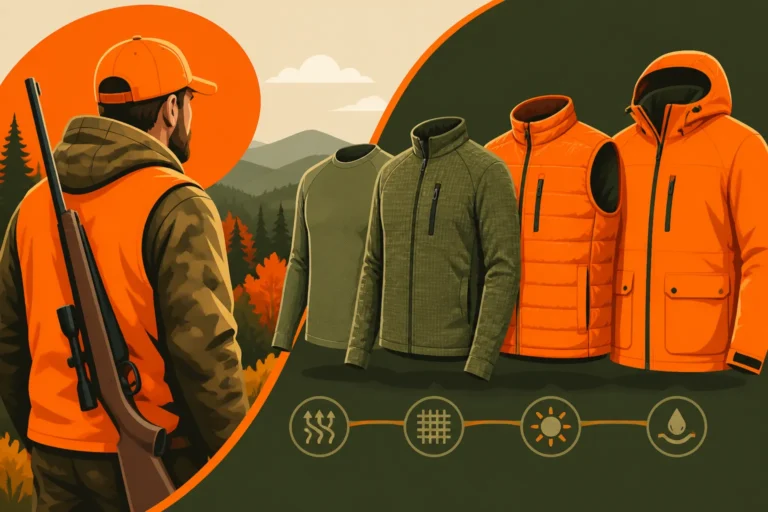
This is non-negotiable: Blaze Orange Requirements for Bowhunting the Overlap are in place for a very good reason. Even if you're primarily a bowhunter, when the rifle season is open, you are required to wear blaze orange. This means a minimum amount of material that is clearly visible from 360 degrees. It's not about hiding from deer; it's about being seen by other hunters. Deer, while colorblind to red and green, can still detect motion and differences in brightness, so while the orange doesn't make you invisible, it also doesn't necessarily blow your hunt the way some might fear.
The most common requirement is a vest or jacket that covers a significant portion of your torso and potentially a cap. Always check the current regulations for the precise square inch requirements. This isn't a suggestion; it's a legal and ethical imperative. Failure to comply can result in fines and, more importantly, put you at serious risk. Think of blaze orange as your protective shield, a beacon that clearly signals "human hunter" to anyone else in the woods. It's a small concession to make for the privilege of hunting during such an exciting time.
Visibility Strategies
Beyond simply wearing the required blaze orange, consider strategic ways to enhance your visibility without compromising your bowhunting approach. While on the ground, move slowly and deliberately, particularly in thick cover where visibility is reduced. When setting up a treestand, try to position your blaze orange so it's visible from common approach angles, but still allows you to remain relatively concealed from a deer's perspective against the backdrop of the tree. Some hunters opt for an orange vest that can be easily donned or removed depending on whether they are walking to or from their stand, or actively hunting.
Another important aspect of Staying Visible While Bowhunting During Rifle Season is to be mindful of your treestand location. Avoid setting up in areas that are directly in line with commonly used trails or known rifle hunting positions if you can help it. If you're hunting public land, assume there are other hunters around, even if you don't see them. Before and after your hunt, when you're moving through the woods, wear even more orange if possible, and carry a flashlight during low-light conditions. Every step you take should be with the awareness that another hunter could be in the vicinity.
Communicating with Other Hunters
One of the often-overlooked aspects of safety during the overlap is direct communication and common courtesy. If you encounter another hunter in the woods, a friendly wave, a verbal greeting, and a brief chat can go a long way. Let them know where you plan to hunt, and ask about their intentions. This helps establish a mental map of hunter locations and reduces the chance of surprising one another.
Deer drives are also a common tactic during rifle season, and it's essential for bowhunters to be aware of them. If you hear voices or an organized group moving through the woods, understand what's happening and adjust your position if necessary. Don't sit in the path of a drive, and never attempt to block one. Similarly, if you are planning a deer drive, be considerate of bowhunters who might be stationary on stand. A simple understanding and respect for all hunters sharing the woods can make the season safer and more enjoyable for everyone. Platforms like GoHunt often stress the importance of clear communication and ethical behavior in shared hunting spaces.
Optics and Scouting Tools
In the dense, often grey landscape of a Vermont November, your optics and scouting tools become even more critical for success, particularly when deer are pressured. Good quality gear can give you the edge you need to locate, observe, and ultimately harvest a wary buck.
Rangefinders and Binoculars
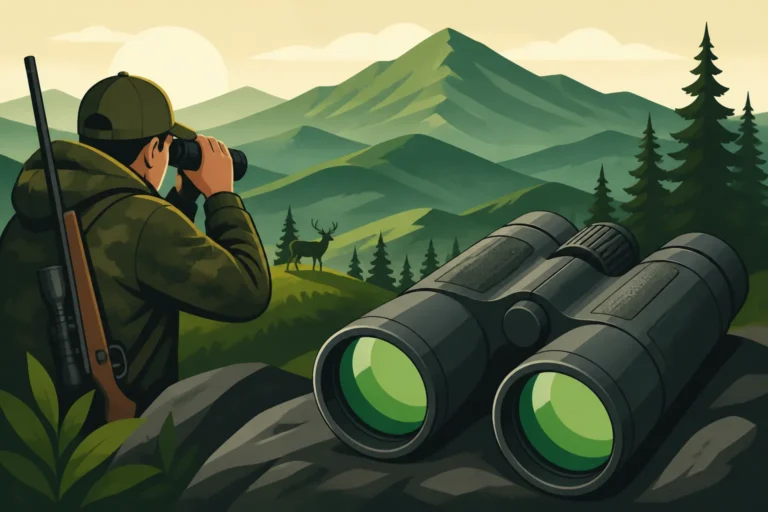
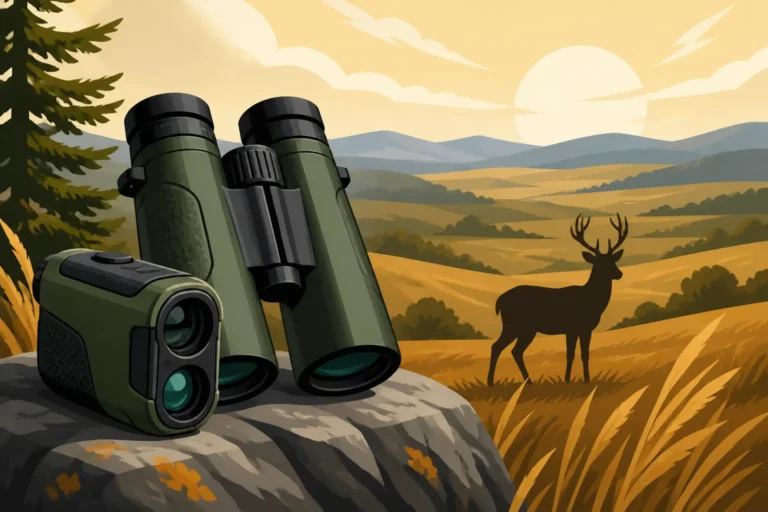
A reliable rangefinder is an absolute must-have for bowhunting, and during the rifle season overlap, it's indispensable. Shots can often present themselves quickly and at varying distances, sometimes through dense cover that makes judging distance difficult. Knowing the exact yardage to your target eliminates guesswork and boosts confidence. Look for a model that's fast, accurate, and has a clear display, especially in low light conditions. Many modern rangefinders also offer incline/decline compensation, which is incredibly useful in Vermont's undulating terrain, ensuring you get the true horizontal distance for an accurate shot from your treestand or elevated position.
Pairing your rangefinder with a quality set of binoculars will dramatically increase your scouting and hunting effectiveness. While you might think "bowhunting means close range," binoculars are for far more than just spotting deer. They help you pick apart thick cover for subtle movements, identify distant rubs or scrapes, observe deer behavior without spooking them, and even locate other hunters. A good 8×42 or 10×42 binocular with clear glass will make a world of difference. In the subdued light of a cloudy November day or during those crucial first and last minutes of legal shooting light, superior light gathering capabilities will allow you to see details that lesser optics simply won't reveal. Best Rangefinder for Green Mountain Ridges and Best Binoculars for a Northeast Kingdom Bog offer deeper insights into choosing the right glass for different Vermont landscapes.
Mapping Apps and GPS
Navigating Vermont's public lands, particularly the vast expanses of the Green Mountain National Forest or various Wildlife Management Areas, can be challenging. This is where modern mapping applications and GPS devices truly shine. Apps like onX Hunt, GoHunt, or others, loaded with detailed topographic maps, aerial imagery, and property boundaries, are invaluable. They allow you to pinpoint your exact location, mark potential hotspots like bedding areas, food sources, or funnels, and plan your entry and exit routes quietly and efficiently.
Before heading out, download your maps for offline use, as cell service can be spotty in many remote Vermont hunting locations. These apps also often show public land boundaries, which is crucial when hunting near private parcels. Having a clear understanding of property lines prevents accidental trespassing and helps you identify areas where deer might seek refuge. A dedicated handheld GPS unit can serve as a reliable backup, especially if your phone battery dies or gets wet. Knowing exactly where you are and where you need to go saves time, reduces unnecessary movement that could spook game, and ultimately keeps you safer in unfamiliar terrain. Best GPS App for Vermont Public Land can provide more detail on these essential tools.
Trail Camera Use During the Overlap
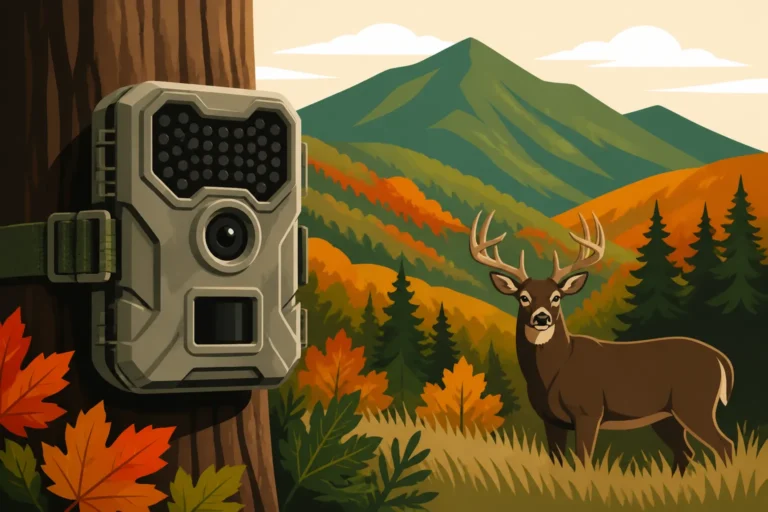
Trail cameras can be powerful scouting tools, even during the active rifle season. While some hunters might pull their cameras due to increased human activity, strategic placement can still yield valuable intelligence on deer movement patterns, especially those bucks pushed into new areas. Focus on transitional zones, natural funnels between thick cover, or remote food sources that might be overlooked by other hunters.
However, consider the increased risk of theft or disturbance when placing cameras on public land during this busy season. Opt for discreet camera locations, camouflaged housings, and consider security measures like Python locks. Cellular trail cameras can provide real-time updates without needing to visit the camera site, minimizing your presence and scent in the area. This is particularly useful for monitoring bait sites (where legal) or checking on a promising scrape line. The data from trail cameras can confirm if deer are moving during daylight, identify specific animals, and help you adjust your strategy to intercept them as they navigate the increased pressure of the overlap. Trail Camera Placement on Public Land offers more specific advice on this.
Clothing and Layering for November Conditions
Vermont in November is notoriously unpredictable. One day you might be basking in crisp, cool sunshine, and the next battling freezing rain, biting winds, or even a sudden snowfall. Proper clothing and layering are not just about comfort; they are critical for maintaining focus, staying safe, and extending your time on stand for those crucial opportunities.
Base Layers for Cold and Sweat Management
Your base layer is the foundation of your entire clothing system and should be chosen with both cold and exertion in mind. When hiking into a stand in hilly Green Mountain terrain, you'll inevitably work up a sweat. If that sweat then cools against your skin, you'll get cold very quickly once you sit down. Therefore, your base layer needs to be excellent at wicking moisture away from your body. Merino wool and synthetic materials are kings here. Merino wool offers excellent warmth-to-weight ratio, is naturally antimicrobial (meaning it won't stink after a few days), and still insulates when damp. Synthetics are typically faster drying and often more durable.
Avoid cotton at all costs; it absorbs moisture and holds it against your skin, making you cold. For November, consider a mid-weight base layer. If you tend to run hot, a lighter weight might suffice, but if you're prone to getting cold, a heavier base layer might be appropriate. The goal is to start your hike feeling slightly cool, knowing that your body will warm up with activity, and then your base layer will manage that sweat effectively once you settle into your stand. This strategy is key to Best Base Layer for a September Archery Sit but becomes even more important in the colder November air.
Insulation for Stationary Hunting
Once you've reached your stand and cooled down from your hike, your insulation layers kick in. This is where you trap warm air close to your body. Down, synthetic fills, and fleece are common choices. Down is incredibly warm for its weight and packability but loses its insulating properties when wet. Synthetics, on the other hand, perform better when damp, making them a good choice for unpredictable Vermont weather or for those who might get sweaty. Fleece is another excellent, breathable option for mid-layers.
For a long sit in a treestand during November, especially when Hunting the Rut in Early-to-Mid November, you'll want substantial insulation. Consider a puffy jacket or vest that can be easily pulled on over your base and mid-layers once you're on stand. Many hunters opt to hike in with minimal insulation and then add a heavy outer insulating layer once they are in place. This prevents overheating and sweating during the approach. Pay attention to areas like your core, head, and hands, as these are critical for heat retention. A good insulated hat, neck gaiter, and warm gloves or mittens are just as important as your torso insulation.
Outerwear for Protection and Camouflage
Your outer layer serves two primary functions: protection from the elements and camouflage. Given the potential for rain, snow, and wind, a waterproof and windproof outer shell is crucial. Look for durable fabrics that can withstand abrasive branches and briars, and ensure zippers and seams are well-sealed. Many modern hunting outerwear systems offer silent fabrics, which are essential for bowhunting, allowing you to draw your bow or move slightly without making noise.
While rifle hunters often prioritize broad visibility, bowhunters during the overlap still need to consider camouflage. The blaze orange requirement applies to an outer layer, but the rest of your system can still be camouflaged to help you blend into the bare trees and muted tones of the late-fall woods. Patterns designed for deciduous forests in late fall/early winter work well. Remember that the blaze orange still needs to be prominently displayed on your outermost layer. Layering for a Wet Green Mountain Day is a great resource for putting together a comprehensive system that protects you from whatever Mother Nature throws your way while allowing you to remain effective as a bowhunter.
Packing Smart for a Mixed Season
The rifle season overlap means you're not just preparing for a typical bowhunt; you're preparing for a hunt where conditions are colder, deer are warier, and there's a higher density of other hunters. Packing smart means bringing essentials for both the hunt itself and for unforeseen circumstances.
Backpacks and Organization
Your backpack is your mobile base camp. For an all-day sit or a serious still-hunt, you'll want a pack that is comfortable, quiet, and offers enough capacity for all your gear without being overly bulky. A pack in the 2,000-3,500 cubic inch range is often ideal for day hunts, allowing space for extra layers, food, water, and emergency supplies, with enough room to potentially pack out some game meat if you're successful. Look for quiet fabrics that won't rustle against brush or make noise when you're moving.
Organization is key. Use smaller dry bags or stuff sacks to keep items separated and protected from moisture. This makes it easy to find specific items without rummaging through your entire pack and making unnecessary noise. Keep frequently accessed items, like your rangefinder, calls, or a snack, in easily reachable pockets. Consider a pack with an integrated hydration system, as staying hydrated is crucial even in cold weather. A well-organized pack means less fumbling and more focus on the hunt itself.
Emergency Gear and Essentials
Beyond your hunting-specific items, packing emergency gear is non-negotiable, especially when hunting alone in remote areas or during colder weather. A small first-aid kit, a headlamp with extra batteries, a fire-starting kit (lighter, waterproof matches, tinder), a whistle, and a small emergency blanket or bivy sack are absolute must-haves. You might also consider a satellite communicator or personal locator beacon, particularly if you're venturing into areas with no cell service, like deeper sections of the Green Mountain National Forest or the Northeast Kingdom. These devices can literally be lifesavers if you get lost, injured, or need to signal for help.
Always carry more water and snacks than you think you'll need. High-energy snacks like nuts, jerky, and energy bars are great for maintaining warmth and focus throughout a long day. A small thermos of hot coffee, tea, or soup can also be a real morale booster on a cold morning. These items don't just add comfort; they provide a critical safety net against unexpected events, helping you stay warm, fed, and hydrated in an emergency.
Field Dressing and Game Recovery Tools
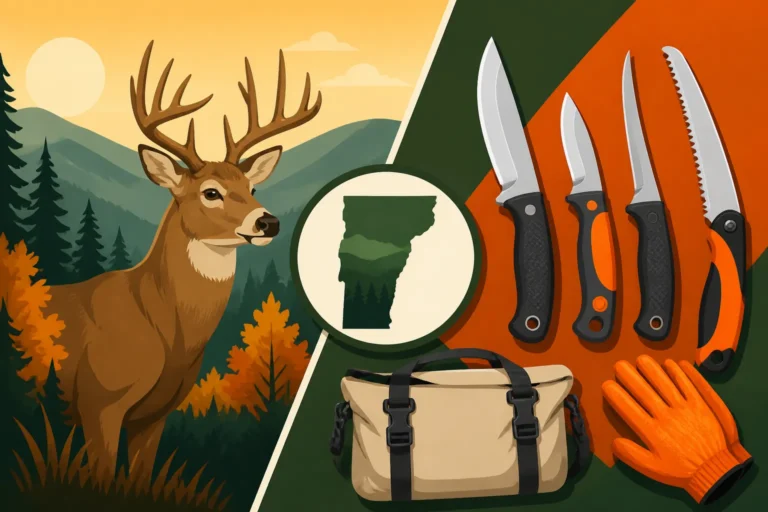
The work isn't over once you've made a successful shot. Having the right tools for field dressing and game recovery is crucial, particularly when conditions might be cold or you're deep in the woods. A sharp, durable knife (with a spare or a sharpening stone) is essential for field dressing. Many hunters prefer a fixed-blade knife for its strength and reliability. You'll also want game bags to protect the meat from dirt, insects, and debris, especially if you need to quarter your deer for a long pack out.
Consider carrying a pair of surgical gloves to maintain hygiene during field dressing. If you're anticipating a long drag or hunting in areas with steep terrain, a drag rope or a small game cart can be invaluable. A bright, reflective trail marking tape can help you backtrack to your stand or mark the blood trail more effectively. The goal is to be prepared for the entire process, from shot to harvest, ensuring that the meat is handled properly and you can safely and efficiently get your deer out of the woods, as covered in topics like Dragging a Deer Out of a Steep Ravine and Field Dressing a Deer in Cold Weather.
Maintaining Your Gear in Tough Conditions
Vermont's November hunting conditions, with their mix of cold, moisture, and potential for harsh weather, can be tough on your gear. Proper maintenance isn't just about extending the life of your equipment; it's about ensuring it performs flawlessly when you need it most.
Bow Maintenance in Cold Weather
Cold weather can affect your bow in several ways. String material can become stiffer and less forgiving, while metal components, particularly those on your rest or sight, can sometimes become sluggish or even freeze if moisture is present. Regularly check all screws and bolts for tightness, as cold can cause materials to contract slightly. Keep all moving parts clean and, where appropriate, lightly lubricated with a cold-resistant lubricant.
After each hunt, especially if your bow has been exposed to moisture, thoroughly wipe it down. Pay attention to cables, strings, cams, and the riser. Store your bow in a dry, temperate environment, not in a cold garage or unheated shed, to prevent condensation and material fatigue. If your bow gets wet, make sure it's completely dry before putting it away to prevent rust on metal components and mildew on strings. A well-maintained bow is a reliable bow, and reliability is paramount when facing the elements and wary deer.
Protecting Optics and Electronics
Your binoculars, rangefinder, and any electronic devices (like your phone or GPS) are susceptible to moisture and extreme cold. Always keep them protected when not in use. Carry them in a padded case or harness system that offers protection from bumps and moisture. A good quality optics harness keeps your binoculars secure, readily accessible, and protected against light rain or snow. For phones and other small electronics, use waterproof dry bags or cases.
When moving from a cold outdoor environment to a warmer indoor one, condensation can form on and inside your optics and electronics. To minimize this, place them in a sealed bag before bringing them inside. The air inside the bag will warm up with the device, preventing condensation from forming directly on the glass or internal components. If condensation does occur, allow devices to air dry slowly in a warm, dry place. Never try to accelerate drying with heat, as this can cause damage. Regularly check batteries in all electronics; cold weather significantly reduces battery life, so always carry spares, stored in an inside pocket to keep them warm.
Keeping Your Broadheads Sharp
A dull broadhead is not only unethical but incredibly ineffective. A razor-sharp broadhead is essential for quick, humane kills. Even a slight imperfection or burr can impede penetration. After each hunt, inspect your broadheads carefully. If they've been shot into a target or even if they've just rattled around in your quiver, they might need sharpening.
For mechanical broadheads, inspect the blades for nicks or bends, and ensure the deployment mechanism is free of debris. For fixed-blade broadheads, you'll need a sharpening stone or a specialized broadhead sharpener. Practice sharpening your broadheads until you can achieve a hair-shaving edge. Store sharpened broadheads securely in a broadhead box or quiver with protective caps to prevent damage to the blades and to protect yourself. A truly sharp broadhead makes a significant difference in penetration and creates a larger wound channel, increasing your chances of a quick recovery, which is critical during the rifle season overlap when tracking conditions can be challenging and other hunters might be nearby. Best Knife for Field Dressing a Whitetail highlights the general importance of sharp blades in the field.
Ethical Considerations and Regulations
Hunting during Vermont's rifle season overlap isn't just about gear and strategy; it’s deeply rooted in ethics, respect for wildlife, and adherence to regulations. As bowhunters, we share the woods with many others, and our actions reflect on the entire hunting community.
Respecting Other Hunters
The most important ethical consideration during the overlap is respecting your fellow hunters. The woods are a shared resource, and everyone deserves a safe and enjoyable experience. This means being mindful of your presence, avoiding interference with another hunter's setup, and demonstrating common courtesy. If you arrive at a hunting spot and find another hunter already there, give them ample space. If you're walking to your stand and hear gunshots or see orange, be extra cautious and consider altering your route.
Understanding that different hunting methods exist, such as Deer Drives With Three or Four Hunters, and respecting them, is key. While you might prefer a solitary ambush, others might be still-hunting or participating in a drive. The goal is coexistence. A quick, friendly conversation can often prevent misunderstandings. Remember that your actions reflect on all bowhunters. By being courteous and respectful, you contribute to a positive perception of hunting and foster a better experience for everyone sharing Vermont’s wild spaces.
Understanding Vermont's Hunting Regulations
Vermont has specific rules governing all hunting seasons, and the overlap period is no exception. It’s your responsibility as a hunter to thoroughly understand and abide by these regulations. This includes the aforementioned blaze orange requirements, legal shooting hours, bag limits, and specific weapon restrictions for each season. Don't rely on word-of-mouth; consult the official Vermont Fish and Wildlife Department regulations guide every year, as rules can change.
Pay particular attention to the rules regarding archery equipment when hunting during the rifle season. Are there any specific arrow or broadhead requirements that differ? Are there special considerations for crossbow use? For example, Vermont Crossbow Equipment Rules might have specific guidelines. Ignorance of the law is never an excuse. Staying informed ensures you are hunting legally and ethically, protecting yourself and the future of hunting in Vermont.
Deer Reporting and CWD Prevention
After a successful harvest, prompt and accurate deer reporting is a critical part of wildlife management. Vermont's deer reporting system allows the state to collect vital data on harvest numbers, deer health, and population trends. This information directly influences future season structures and management decisions. Make sure you understand the Vermont Deer Reporting Requirements and deadlines. Modern systems often allow for online reporting via an app or website, making the process convenient even from remote locations.
Furthermore, hunters play a crucial role in preventing the spread of Chronic Wasting Disease (CWD). While Vermont currently boasts a Vermont's CWD-Free Deer Herd, vigilance is essential. Be aware of Vermont's CWD Prevention Rules, which often include restrictions on importing deer carcasses or certain parts from states or provinces with known CWD cases. The ban on natural urine-based lures, described in Vermont's Rule Against Urine-Based Deer Lures, is another measure to protect the herd. By diligently following these guidelines, you contribute directly to the health of Vermont’s deer population and the long-term sustainability of hunting in the state. Every hunter has a responsibility to be a steward of the land and its wildlife.
| Gear Category | Essential Items for Overlap Season | Key Considerations |
|---|---|---|
| Bow Setup | Meticulously tuned bow, durable arrows, razor-sharp broadheads, silent quiver, reliable release aid | Ensure broadheads fly true with field points, consider heavier arrows for penetration, check all components for cold-weather performance. |
| Safety & Visibility | Blaze orange vest/jacket/hat (meeting square inch requirements), headlamp, whistle, first-aid kit | Visibility to other hunters is paramount. Consider extra orange when moving. Be aware of other hunters' presence and activities. |
| Optics & Scouting | Rangefinder, binoculars (8×42 or 10×42), mapping app/GPS (with offline maps), trail camera (optional) | Crucial for distance judgment in changing light/cover, spotting wary deer, navigating public land boundaries. Protect electronics from moisture and cold. |
| Clothing & Layering | Moisture-wicking base layers (merino/synthetic), insulating mid-layers (fleece/down/synthetic), waterproof/windproof outer shell | Layer to regulate temperature during exertion and stationary periods. Avoid cotton. Ensure outer layers are quiet and protect from harsh November weather. |
| Backpack & Essentials | Quiet backpack (2000-3500 cu in), water, high-energy snacks, emergency shelter, fire starter, spare batteries | Organize for quick, silent access. Pack more than you think you need for safety. Consider satellite communicator for remote areas. |
| Game Recovery | Sharp field dressing knife, game bags, surgical gloves, drag rope/game cart (optional) | Prepare for efficient, humane recovery and proper meat care, especially in cold or challenging terrain. Ensure all tools are clean and readily accessible. |
Disclaimer
This article is for general informational purposes only and does not constitute professional advice. Laws, prices and regulations vary by location and change over time. Consult a qualified professional for guidance on your specific situation.