Blaze Orange Layering Options
There's nothing quite like the crisp, vibrant colors of a Vermont autumn day, but when you're out chasing deer or bear, your own color palette needs to shift dramatically. One of the biggest challenges hunters face in our beautiful, thick woods is staying both warm and safe without feeling like the Michelin Man or sacrificing stealth. This guide is all about mastering blaze orange layering, helping you stay compliant, comfortable, and most importantly, visible to your fellow hunters in the Green Mountains.
Why Blaze Orange is Non-Negotiable in Vermont
Let's be real, no one wants to blend in with the landscape more than a hunter. We spend countless hours scouting, preparing, and investing in camouflage patterns designed to make us disappear. But when the rifle and muzzleloader seasons roll around, or even during the archery-rifle overlap, Vermont law—and common sense—demands that we stand out. It's not just a rule; it's a fundamental aspect of hunting safety that protects everyone in the woods.
The Primary Purpose: Safety First
Think about those foggy, drizzly mornings in November. The woods are a monochrome blur, and visibility can be measured in yards, not hundreds of feet. In such conditions, a hunter in camouflage could easily be mistaken for game, especially by someone new to the woods or in a moment of hurried judgment. Blaze orange screams "human," plain and simple. It’s a color that no game animal possesses in nature, making it immediately distinguishable. The primary goal is to prevent accidental shootings, and it’s a responsibility every single hunter shares. When you're out there, you're not just looking out for yourself; you're looking out for every other hunter, hiker, and property owner who might be sharing the woods.
Ethical Hunting and Respect for Fellow Hunters
Beyond the letter of the law, wearing blaze orange is an act of ethical consideration. It shows respect for the land, the wildlife, and especially for other people. Imagine you’ve spent a week hunting hard, finally putting yourself in a perfect spot, only to have another hunter walk by too close, not seeing you. It’s frustrating, potentially dangerous, and certainly not what any of us want. By making ourselves visible, we contribute to a safer, more enjoyable hunting environment for everyone. It helps us avoid those uncomfortable, potentially risky encounters and ensures that the focus remains on the hunt itself, not on preventable accidents.
Avoiding Misidentification in Dense Cover
Vermont's woods are dense, varied, and can be incredibly thick. From tight spruce stands in the Northeast Kingdom to the brushy edges of old clear-cuts, visibility can change dramatically within a few steps. It's not always open hardwood ridges. When you're working through thick cover, perhaps Still-Hunting Green Mountain National Forest Timber or following a track in fresh snow, the chance of another hunter only catching a glimpse of movement is high. Without blaze orange, that fleeting movement could be interpreted as a deer's flank or a bear's shadow. The bright, unmistakable color ensures that even a brief flash of movement registers as human, giving others the crucial time to identify what they’re seeing and react appropriately. This is especially true if you are hunting small game like snowshoe hare or squirrel in areas where deer hunters might also be present.
Understanding Vermont's Blaze Orange Requirements
Before you even think about layering, you need to know the rules inside and out. Vermont has specific regulations regarding blaze orange, and they're designed with safety in mind. These rules aren't arbitrary; they're based on decades of hunting data and aim to protect all outdoor enthusiasts. Ignorance of the law is no excuse, and a violation could lead to a fine or worse.
Minimum Surface Area and Visibility
The Vermont Fish & Wildlife Department is quite clear on its requirements. During specified seasons, hunters must wear "at least 50 percent of the person's head covering and at least 50 percent of the person's outermost garment above the waist shall be solid blaze orange." That means your hat, cap, or beanie needs to be at least half orange, and your jacket, vest, or outermost shirt must also be at least half orange above the waist. It’s not about just tying a scrap of orange cloth to your pack; it’s about providing a significant, visible profile. The intent is to create a large, unmistakable patch of color that can be seen from all angles, especially in dim light or dense foliage. This isn't just for hunters either; it's a good practice for anyone hiking or recreating in the woods during hunting seasons. You can find all the precise details on How Much Blaze Orange Vermont Requires.
Season-Specific Rules: Rifle, Muzzleloader, and Overlap
The requirement for blaze orange is not year-round in Vermont. It primarily comes into play during firearm seasons for deer. Specifically, this includes the full Vermont Rifle Season Dates, which is a big one, and both phases of the Vermont Muzzleloader Season Dates. A critical rule change introduced an Vermont's New Archery-During-Rifle Overlap Rule, which means that if you're bowhunting during that window, you also need to abide by the blaze orange rules. It's easy to forget if you're typically an archery-only hunter, but that overlap means you'll be sharing the woods with rifle hunters, so visibility is paramount. Always double-check the current hunting guide each year, because regulations can sometimes see small adjustments.
Exceptions and Considerations
While mandatory for firearm seasons, blaze orange generally isn't required for dedicated archery-only seasons (like the early expanded archery or the regular archery season outside the rifle overlap) or for specific pursuits like waterfowl hunting. For example, during Hunting the Regular Archery Opener in October, you're typically not required to wear blaze orange. However, even during these periods, common sense can often override the letter of the law. If you're walking in or out of your stand in low light, especially if you're on public land where other hunters might be present, slipping on an orange vest or hat is never a bad idea. For waterfowl hunters, who often employ camouflage specifically to blend into marshes and fields, the rules are different, reflecting the specific nature of that type of hunting. The key is knowing what season you're in, what game you're after, and what other hunters might be sharing your space. It's also worth noting that Blaze Pink Options Under Vermont Law have been introduced, offering an alternative for those who prefer it, while still meeting the visibility requirements.
Strategic Layering for Comfort and Visibility
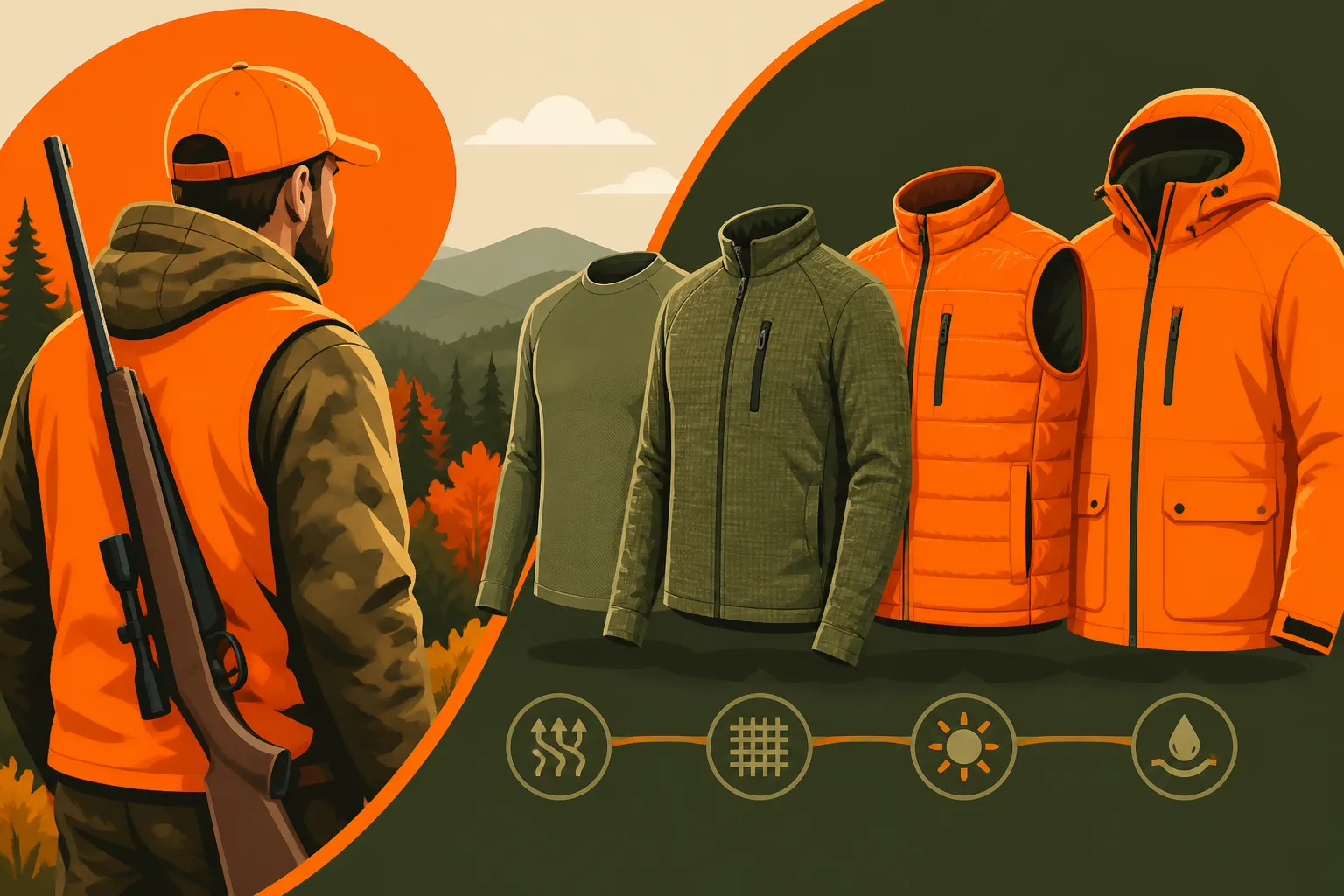
Layering is an art form for any Vermont hunter, but adding blaze orange to the mix makes it a slightly different beast. You want to stay warm, dry, and agile, all while ensuring your orange is visible from 360 degrees. It’s not just about throwing on a vest; it’s about integrating safety into your entire cold-weather system. Our weather can change on a dime, from brisk mornings to surprisingly warm midday sun, then back to a biting chill as evening approaches. Layering for Vermont's Long Hunting Season is crucial for comfort and endurance.
The Base Layer: Beyond Just Orange
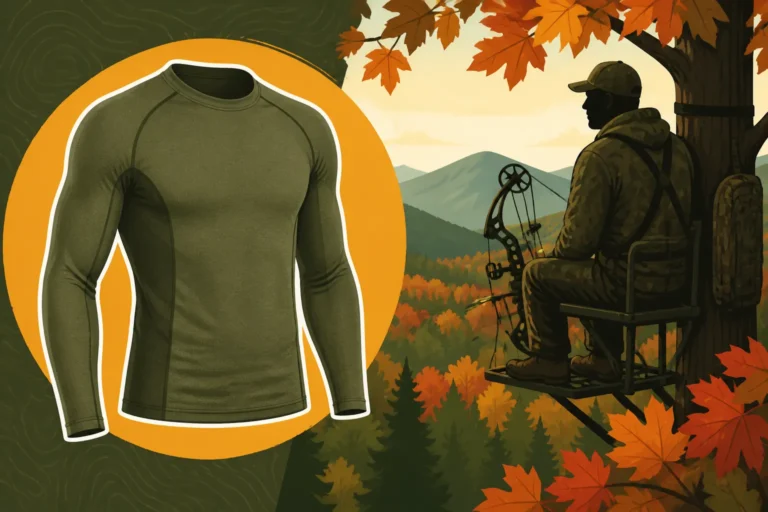
Your base layer, the one closest to your skin, is all about managing moisture. While it's typically not blaze orange (though some companies do make orange base layers, primarily for novelty or added warmth in mild conditions), its role in comfort is critical. A good merino wool or synthetic base layer will wick sweat away from your body, preventing that clammy, cold feeling that sets in when you stop moving. If your base layer fails, no amount of blaze orange on top will make you comfortable. Think about a long hike up to a ridge top, working hard and sweating, only to sit down in a frigid wind. If that sweat isn't pulled away, you'll be shivering in no time. Best Base Layer for a Cold September Sit and Best Base Layer for a Steep Green Mountain Hike both emphasize quick-drying and insulating properties.
Mid-Layers: Insulation and Movement
Mid-layers provide the bulk of your insulation. Fleece, down, or synthetic puff jackets are common choices. Here, you might start to introduce blaze orange, particularly if you're opting for a lighter outer shell. An orange fleece vest or jacket worn under a clear, uninsulated blaze orange shell can add significant warmth. The trick is to have layers that don't restrict your movement. You need to be able to draw a bow, shoulder a rifle, or simply navigate the woods without feeling constricted. This is where pieces like a quality vest can shine, offering core warmth without bulky sleeves. When sitting for extended periods, especially in the cold, Cold-Weather Sitting Strategy in the Northeast Kingdom stresses the importance of adequate, yet flexible, insulation.
Outer Layers: Your Visible Shield
This is where your blaze orange requirement really comes into play. Your outermost garment above the waist needs to meet the 50% blaze orange threshold. This could be a dedicated blaze orange jacket, a vest, or even a heavy blaze orange sweatshirt. Many hunters opt for a versatile system: a camouflage insulated jacket with a removable blaze orange vest or shell that goes over it. This allows you to remove the orange when not required, or if you're in a stand during an archery-only period where you prefer to be fully camouflaged.
The Versatility of a Blaze Orange Vest
A well-fitting blaze orange vest is arguably the most common and versatile piece of gear for meeting the requirement. It can be easily added over any jacket, from a lightweight softshell to a bulky insulated parka. It offers maximum visibility while allowing you to maintain the camouflage integrity of your other layers. Look for vests with generous armholes and a cut that won't ride up or bind when you move. Some even feature pockets, which can be surprisingly handy for calls or snacks.
The Vest/Hat Combo: Classic and Effective
For many, the simplest and most effective way to meet Vermont's blaze orange rules is with a solid blaze orange hat and a vest. This combination ensures your head is visible, which often pops above brush and can be seen when you're crouched, and your torso is covered. It's an economical and straightforward approach that provides excellent 360-degree visibility. If you choose a hat, make sure it's comfortable for all-day wear and can stay put in wind. For vests, consider options that are lightweight, durable, and don't interfere with your optics or rangefinder access. A company like GoHunt, with its extensive gear reviews, often highlights practical and effective blaze orange vest and hat options that meet regulatory standards while prioritizing hunter comfort and functionality.
Material Matters: Choosing Your Blaze Orange Gear
Not all blaze orange is created equal. The material your gear is made from significantly impacts comfort, durability, and even your stealth in the woods. Choosing wisely means you'll be better prepared for whatever Vermont's weather and terrain throw at you.
Fabric Types and Their Performance
When it comes to fabric, you'll generally encounter a few main types for blaze orange gear:
- Polyester/Synthetic Blends: These are very common. They're often lightweight, quick-drying, and can be treated for water resistance. They're also usually quite durable. The downside can be noise; some synthetic fabrics can be a bit "swishy" when moving, especially when cold.
- Cotton/Canvas Blends: More traditional and often found in heavier vests or jackets. They tend to be quieter than some synthetics but can absorb water and dry slowly, making them less ideal for wet conditions or strenuous activity where sweat is an issue.
- Brushed Tricot or Fleece-Backed Synthetics: These offer a softer, quieter exterior, which is fantastic for Still-Hunting Green Mountain National Forest Timber or trying to get close to game. They often have good insulating properties and can still be water-resistant.
- Woven Nylon: Extremely durable and abrasion-resistant, often found in heavy-duty outer shells. It's built to withstand abuse but might be less flexible or noisier than other options.
Consider what kind of hunting you'll be doing. Are you primarily still-hunting, where silence is golden? Or will you be participating in deer drives, where visibility and warmth are paramount, and noise is less of a concern? Your choice of material should align with your hunting style.
Durability and Weather Resistance
Vermont weather is notoriously unpredictable. A November morning can start with freezing rain, turn to sleet, then snow, and then clear to bright sunshine, all before lunch. Your blaze orange gear needs to stand up to these conditions.
- Water Resistance: Look for fabrics that are treated with a Durable Water Repellent (DWR) finish or have a waterproof/breathable membrane. This is essential for staying dry, which is critical for staying warm. Nothing zaps your body heat faster than being wet.
- Wind Resistance: A good outer layer, whether it's a dedicated jacket or a vest, should block the wind. Even on a relatively mild day, a strong wind can cut right through thin fabric and make you miserable.
- Abrasion Resistance: Vermont's woods are full of briars, tangled branches, and rough bark. Your blaze orange needs to be able to take a beating without tearing or snagging easily. A garment that rips on the first outing isn't going to provide much safety or value.
Think about the longevity of the garment. Will it last several seasons of hard hunting, or will it be falling apart by December? Investing in quality now can save you headaches (and cold shoulders) down the line.
Noise Reduction for Close Encounters
This is a huge factor for hunters, especially those who prefer still-hunting or stalking. That "swish-swish" of noisy fabric can spook a deer long before you even see it.
- Brushed Fabrics: As mentioned, brushed tricot or fleece-backed materials are excellent for noise reduction. They're designed to be quiet against branches and when you move.
- Soft Shells: Many modern hunting jackets utilize softshell fabrics that are designed to be quiet, flexible, and weather-resistant. If you're looking for an all-in-one blaze orange jacket, a quiet softshell is a great option.
- Layering Strategy: Sometimes, a slightly noisier but highly visible outer shell can be mitigated by quiet base and mid-layers, especially if you're sitting in a treestand. However, if you're on the move, every little bit of noise reduction helps.
Consider testing your gear in the actual woods before season. Walk around your backyard or a local woodlot on a cold morning. Listen to how your layers interact. Does your orange vest rub loudly against your jacket? Is your hat silent when you turn your head? These small details can make a big difference when Rattling and Grunting Vermont Bucks or making a move on a wary whitetail.
Integrating Blaze Orange with Your Hunting Style
How you hunt in Vermont will greatly influence the best way to incorporate blaze orange into your system. What works for a treestand hunter might be different for someone still-hunting miles of public land or participating in a deer drive.
Still-Hunting and Stealthy Movement
When you're still-hunting, moving slowly and deliberately through the woods, every detail counts. You want to be silent, you want to manage your scent, and you definitely don't want your blaze orange to be a hindrance.
- Quiet Materials: Prioritize quiet fabrics. A soft, brushed polyester or fleece vest over a quiet camo jacket is often an excellent choice. Avoid stiff, crinkly materials that will amplify every brush against a branch.
- Minimal Bulk: You need to be able to move fluidly, slip through tight spots, and raise your rifle or bow smoothly. Overly bulky blaze orange can snag on branches or make you feel cumbersome. A form-fitting vest or a streamlined jacket is ideal.
- Strategic Placement: Ensure your orange is visible from all angles, especially as you navigate varied terrain. As you move over rises or through dips, your hat might be the first thing visible. Make sure it's bright and clear.
- GoHunt Mapping: Using a mapping app like GoHunt can help you visualize the terrain and potential sightlines. If you know you'll be moving through a dense section where visibility is naturally limited, you might choose an even brighter or larger blaze orange piece for that day. This kind of spatial awareness, combined with proper gear, enhances safety.
Treestand and Ground Blind Considerations
Sitting in a treestand or a ground blind presents a different set of challenges for blaze orange. You're stationary, often for hours, and your primary concern shifts from silent movement to maximum warmth and unobtrusive visibility.
- Layering for Cold: Cold-Weather Sitting Strategy in the Northeast Kingdom is all about maximizing insulation. You might wear a very warm, bulky camouflage jacket, and then layer a simple, lightweight blaze orange vest over it. This ensures your warmth is maintained while still meeting the visibility requirements.
- Harness Compatibility: If you're using a treestand, make sure your blaze orange layers don't interfere with your safety harness. The vest or jacket should fit comfortably over the harness without bunching or restricting crucial connection points.
- Ground Blind Entry/Exit: When entering or exiting a ground blind, you're exposed. It's smart to have your blaze orange on until you're safely inside the blind, and then put it back on before you step out. Even if the blind itself offers camouflage, the walk to and from it is where you're most vulnerable. Brushing In a Blind on a Field Edge also brings home the point that you'll be visible to other hunters during setup, so consider your orange then.
- Minimalist Approach: Some treestand hunters prefer a minimalist approach, using just a blaze orange hat and a very lightweight mesh vest that packs down small. The goal here is sufficient visibility without adding unnecessary bulk or weight to their pack, especially if they have a long walk to their stand.
Deer Drives and Group Hunting Dynamics
Deer drives are inherently more dynamic and require even greater attention to safety, making blaze orange absolutely paramount.
- Maximum Visibility: For deer drives, you want the brightest, most obvious blaze orange possible. Consider a full blaze orange jacket in addition to a hat. You need to be unmistakable, especially in a fluid situation where multiple hunters are moving.
- Clear Communication: While not directly gear-related, clear communication about positions and routes is critical during drives, and blaze orange enhances visual identification of fellow hunters. This means knowing who is pushing and who is posting.
- Staying Put (for Posters): If you're posting on a drive, you're stationary, so warmth and comfort are important. Your blaze orange should be integrated into your Cold-Weather Sitting Strategy in the Northeast Kingdom, allowing you to remain still and alert without shivering.
- GoHunt for Planning: Before a drive, using a mapping tool like GoHunt to visualize everyone's positions and corridors can be a lifesaver. Marking everyone's location and having a clear understanding of the terrain, combined with highly visible blaze orange, drastically reduces risk. This is particularly useful for Deer Drives With Three or Four Hunters.
Maintaining Your Blaze Orange for Peak Performance
You’ve invested in good blaze orange gear, now protect that investment! Proper care ensures it lasts longer, maintains its vibrant color, and continues to provide the safety you rely on. A faded, dirty, or damaged piece of blaze orange isn't doing its job effectively.
Cleaning and Care for Longevity
It’s tempting to just toss your hunting clothes in with the regular laundry, but blaze orange, like other technical hunting gear, benefits from specific care.
- Follow Manufacturer Instructions: Always check the care tag first. Different fabrics and treatments require different approaches.
- Scent-Free Detergent: Use a scent-free detergent designed for hunting clothes. This is crucial for all your hunting gear, not just the blaze orange. You don't want lingering flowery scents alerting game.
- Cold Water Wash: Wash in cold water to help preserve the color and the integrity of any DWR treatments. Hot water can cause fading and break down synthetic fibers.
- Air Dry or Low Heat: Air drying is always best for hunting clothes. If you must use a dryer, use the lowest heat setting. High heat can damage fabrics, melt synthetic fibers, and degrade DWR finishes.
- Remove Stains Promptly: Blood, mud, and other field stains should be addressed as quickly as possible. Pre-treat with a scent-free stain remover.
- Avoid Fabric Softeners: Fabric softeners can clog the pores of technical fabrics, reducing their breathability and wicking properties. They also often contain scents.
Regular cleaning prevents dirt and grime from dulling the orange and helps maintain any water-resistant treatments.
Storage Tips to Preserve Color
How you store your blaze orange can dramatically impact how long it stays bright and effective.
- Cool, Dark Place: UV light is the enemy of blaze orange. Prolonged exposure to sunlight will cause it to fade quickly, turning that vibrant orange into a dull, brownish hue that offers far less visibility. Store your gear in a closet, a sealed tote, or a garment bag in a cool, dark place.
- Clean Before Storing: Always clean your gear before putting it away for the off-season. Dirt, sweat, and residues can attract pests or lead to mildew if stored damp.
- Avoid Compression: Try not to pack blaze orange tightly with other items for extended periods, as this can create permanent creases or damage specialized fabrics. Hang jackets and vests if possible.
- Separate from Strong Odors: Store your hunting clothes, including blaze orange, away from mothballs, air fresheners, or other strong odors that can infuse the fabric with non-natural scents. Many hunters use scent-free totes or carbon-lined bags for this purpose.
When to Replace Your Blaze Orange
Blaze orange isn't forever. It's a safety tool, and like any tool, it wears out and needs replacement.
- Fading: If your blaze orange has faded significantly from its original vibrant hue, it’s time for a replacement. A dull orange is not as visible, especially in low light or dense cover. Compare it to a new piece of blaze orange in a store if you're unsure.
- Damage: Holes, rips, or significant fraying compromise both the garment's durability and its overall visibility. If a large portion of the orange is obscured by damage, it’s no longer meeting its purpose.
- Loss of Water Resistance: If your blaze orange outer layer is no longer shedding water effectively, even after washing and re-treating with a DWR spray, it might be time for a new one, especially if you hunt in wet conditions frequently.
- Age and Wear: Even with perfect care, fabrics break down over time. Zippers can fail, seams can pull apart, and insulation can pack down. If your gear is simply showing its age, it might not be providing the protection, comfort, or visibility it once did.
A good rule of thumb is to inspect your blaze orange gear carefully at the start of each season. Ask yourself, "Would I feel safe if I saw another hunter wearing this from a distance?" If the answer isn't a confident yes, it's time to invest in new gear. Safety is not an area to cut corners.
Blaze Orange Layering Strategies at a Glance
To give you a quick overview, here's a table comparing different layering strategies for blaze orange in Vermont, based on common hunting scenarios:
| Hunting Style | Base Layer | Mid-Layer(s) | Outer Layer / Blaze Orange Integration | Pros | Cons | Ideal Conditions |
|---|---|---|---|---|---|---|
| Still-Hunting | Moisture-wicking | Fleece/Softshell | Quiet Camo Jacket + Lightweight Blaze Orange Vest + Blaze Orange Hat | Stealthy movement, easy to adjust orange, good wind protection | Vest can snag if too loose | Cooler temps, moving through dense cover |
| Treestand/Blind | Warm, moisture-wicking | Insulated Jacket/Pants | Bulky Camo Parka + Mesh Blaze Orange Vest + Blaze Orange Beanie | Maximum warmth, easy on/off for blind, full visibility when exposed | Can be bulky to pack, may interfere with harness if not fitted correctly | Cold, stationary sits, windy conditions |
| Deer Drive (Pusher) | Synthetic/Wool | Flexible Fleece | Breathable Blaze Orange Jacket + Blaze Orange Hat (full coverage) | High visibility, allows vigorous movement, good moisture management | Can get warm quickly, less "stealthy" noise reduction | Active hunting, moderate to cold temps, requires high visibility |
| Deer Drive (Poster) | Warm, insulating | Thick Down/Puffer | Insulated Camo Parka + Heavy-Duty Blaze Orange Vest + Insulated Orange Hat | Maximum warmth for stationary position, unmistakable visibility | Less freedom of movement, very bulky for walking | Very cold, stationary waits, high wind exposure |
| Archery-Rifle Overlap | Performance Base | Camo Hoodie/Jacket | Camo Softshell + Blaze Orange Vest + Blaze Orange Hat | Meets legal requirement, maintains camo, versatile for varying temps | Must remember to don orange, may feel slightly less streamlined than full camo | Any weather during the overlap, requires careful attention to rules Bowhunting During Vermont's Rifle Season |
Remember, the goal is always to be safe, comfortable, and compliant. Your blaze orange isn't just a requirement; it's a vital part of your hunting kit that protects you and every other person in the beautiful Vermont woods.
Disclaimer
This article is for general informational purposes only and does not constitute professional advice. Laws, prices and regulations vary by location and change over time. Consult a qualified professional for guidance on your specific situation.