Best Base Layer for a Steep Green Mountain Hike
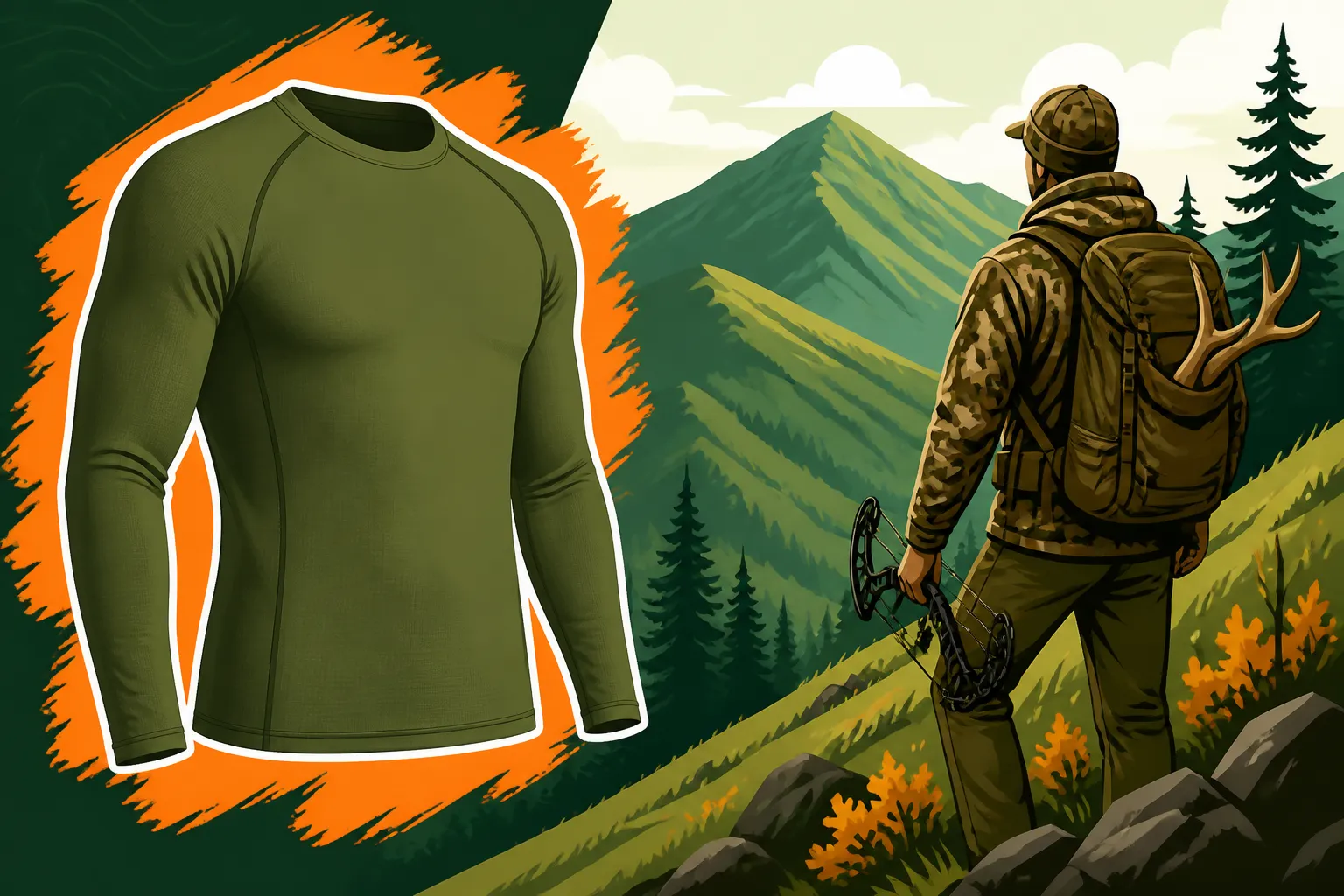
There’s nothing quite like the feeling of hitting a steep incline in Vermont’s Green Mountains, heart pumping, muscles burning, pushing towards that ridge-top saddle or hidden bench. But as glorious as that exertion feels in the moment, it's often followed by the unwelcome chill of sweat cooling on your skin the moment you pause. This frustrating cycle of overheating on the climb and freezing on the stand or during a glassing session is a common challenge for hunters, especially when tackling rugged terrain. This guide is all about helping you conquer that problem, diving deep into what makes a great base layer and how to pick the absolute best one to keep you comfortable, dry, and focused during those demanding Vermont hikes.
The Science of Layering and Why Your Base Layer Matters So Much
Think of your hunting clothing system like a finely tuned machine, and the base layer? It’s the engine. It’s the piece of gear doing the heavy lifting right against your skin, managing moisture and regulating your core temperature before any other layer even gets a chance. Many hunters focus on their big, warm outer layers, but often overlook the fundamental role the base layer plays in overall comfort and performance, particularly when you’re pushing hard up a steep mountain.
If you’ve ever tried to climb a serious elevation wearing a cotton t-shirt, you know the struggle. You sweat, the cotton gets soaked, and then it stays wet, robbing your body of precious heat. It's not just uncomfortable; it can be downright dangerous in colder conditions. A proper base layer, on the other hand, is engineered specifically to prevent this, ensuring that whether you’re sweating like a racehorse or sitting still in a biting wind, your skin stays as dry and warm as possible. It truly is the foundation of an effective layering system, especially when you consider the wide range of weather conditions we experience across Vermont’s hunting seasons.
Wicking Away Moisture: Your First Line of Defense
The primary job of any good base layer is to move moisture – specifically, your sweat – away from your skin. This process is called "wicking." Imagine tiny channels in the fabric drawing the moisture from your skin to the outside of the garment, where it can then evaporate. This is critical because wet skin loses heat far more rapidly than dry skin, thanks to evaporative cooling. When you’re huffing and puffing up a particularly brutal Vermont mountain trail, your body is producing a lot of sweat to try and cool itself down. If that sweat just sits on your skin, you're going to feel clammy and cold the second you stop moving, and that chill can seep right into your bones.
The material of your base layer is what makes this wicking magic happen. Cotton, for example, is hydrophilic, meaning it loves to absorb water and holds onto it. That’s why it feels heavy and cold when wet. Performance base layers, however, are made from hydrophobic materials or a blend that actively pushes moisture outwards. This keeps the layer closest to your skin dry, which is paramount for maintaining core body temperature. It means you can break a sweat on the ascent and still feel relatively dry and warm when you slow down to glass a distant ridge or sneak through a thick cedar swamp.
Regulating Body Temperature: The Core Function
Beyond wicking, a high-quality base layer also plays a crucial role in temperature regulation. It’s not just about staying warm; it’s about preventing overheating during periods of high exertion and then retaining warmth when activity decreases. Good base layers create a microclimate next to your skin, trapping a thin layer of warm air that acts as insulation. When you start to heat up, the wicking action helps cool you by allowing sweat to evaporate, taking heat with it. When you cool down, that trapped warm air provides critical insulation.
This dual action is what makes the base layer so indispensable for steep, demanding hunts. You might start a November morning hike with frost on the ground, then climb for an hour, working up a serious sweat, only to then sit for another hour on a windy exposed knob. Without proper temperature regulation from your base layer, you’d be constantly shedding and adding layers, or worse, enduring extreme discomfort and even putting yourself at risk of hypothermia. The right base layer essentially works with your body's natural cooling and warming mechanisms to keep you in that optimal comfort zone, regardless of your activity level or the fickle Vermont weather.
Top Materials for Vermont's Variable Terrain
When it comes to base layers, the material choice is perhaps the most significant decision you'll make. Each fabric has its own strengths and weaknesses, making some better suited for certain conditions or hunting styles than others. In Vermont, where you might experience drizzle, biting wind, sunshine, and even snow all in one day, choosing wisely is key. You need something that can handle the unpredictability of a Green Mountain ascent and descent.
Gone are the days when a simple long-john set was your only option. Today, hunters have excellent choices that leverage advanced textile technology or refined natural fibers to deliver superior performance. Understanding these differences will help you make an informed decision that truly enhances your time afield, whether you're chasing deer during Vermont's November Rifle Season or bear during Bear Hunting Vermont's Long September-to-November Season.
Merino Wool: The Natural Wonder
Merino wool has become a darling in the hunting community, and for good reason. Unlike traditional, scratchy wool, merino fibers are incredibly fine and soft, making them comfortable directly against the skin. Its list of benefits for hunters is long and impressive. First and foremost, merino is an excellent insulator, trapping warmth even when wet. This is a huge advantage in damp or rainy Vermont conditions where synthetics might feel colder once soaked. It's also exceptionally breathable, helping to regulate temperature by allowing excess heat to escape.
Perhaps its most celebrated feature, though, is its natural odor resistance. Merino wool fibers have a complex structure that makes it difficult for odor-causing bacteria to adhere and thrive. This means you can wear merino base layers for multiple days in the field, even during strenuous hikes, without smelling like a locker room. For multi-day hunts in the backcountry or simply wanting to maintain stealth, this is invaluable. Many hunters appreciate the sustainable aspect of a natural fiber. The main downsides often include cost – merino tends to be more expensive than synthetics – and durability; while modern merino is tougher than ever, it can still be more prone to snags or holes than some heavy-duty synthetics, especially in areas of high friction, so it's wise to handle it with care. When you’re planning out your gear, checking resources like GoHunt for reviews on merino options can be incredibly helpful.
Synthetic Fabrics: The High-Performance Contender
Synthetic base layers, typically made from polyester, nylon, or blends thereof, have been the backbone of performance outdoor clothing for decades. They excel in their ability to wick moisture rapidly and dry incredibly quickly. If you’re pushing hard on a steep climb and sweating profusely, a high-quality synthetic base layer will often move that moisture away from your skin faster than merino, helping you stay dry during peak exertion. This quick-drying property is also fantastic if you get caught in a sudden downpour, as they won't hold onto water like cotton, and they'll shed moisture much more readily than even merino.
Synthetics are generally more durable than merino, standing up well to repeated washing and hard use, which is a real plus if you're frequently bushwhacking through dense cover. They also tend to be more affordable, making them a great option for hunters on a budget or those looking to stock up on multiple sets. The main drawback for synthetics historically has been odor retention; they can start to smell pretty ripe after a day or two of hard hunting. However, many modern synthetic base layers are treated with antimicrobial finishes to combat this issue, significantly improving their performance in this area. Brands are constantly innovating here, so it's always worth checking the latest options when you are looking at your next set.
What to Avoid: The Cotton Trap
Let’s be blunt: do not wear cotton base layers for hunting, especially when engaging in steep hikes or any activity where you'll sweat. This isn't just a recommendation; it's a critical safety warning, particularly in Vermont's often chilly and damp environment. Cotton might feel soft and comfortable when dry, but it’s a death sentence in the backcountry when it gets wet.
As mentioned before, cotton is hydrophilic – it absorbs moisture and holds onto it. When you sweat, cotton soaks it up like a sponge and then, crucially, holds that cold, dampness right against your skin. The moment you stop moving, that moisture rapidly pulls heat away from your body through evaporative cooling. In colder temperatures, this can quickly lead to hypothermia, even if the air temperature isn't freezing. Imagine working up a sweat scaling a steep ridge in October, then stopping to sit on a stand for an hour. If you're wearing cotton, that wet fabric against your skin will make you feel profoundly cold, miserable, and potentially put your health at risk. Leave the cotton t-shirts for casual wear; for hunting, they have no place in your layering system.
Here's a quick comparison to help you visualize the differences:
| Feature | Merino Wool | Synthetic Fabrics | Cotton |
|---|---|---|---|
| Wicking Ability | Excellent, but can absorb some moisture | Excellent, moves moisture very quickly | Poor, absorbs and holds moisture |
| Drying Time | Moderate | Very Fast | Very Slow |
| Insulation (Wet) | Excellent, retains warmth even when damp | Good, but can feel cooler when wet | Poor, offers no insulation when wet |
| Odor Resistance | Excellent (natural antimicrobial properties) | Variable (often relies on chemical treatments) | Poor (quickly harbors bacteria) |
| Comfort | Very Soft, comfortable, no itch | Smooth, often stretchy | Soft when dry, clammy when wet |
| Durability | Good, but can be prone to snags over time | Excellent, very robust and long-lasting | Good, but loses shape and can get heavy |
| Cost | Higher | Lower to Moderate | Very Low |
| Best Use Case | Multi-day hunts, varied activity, cold/damp | High exertion, fast-paced hunts, quick drying | Casual wear, definitely NOT for hunting |
Key Features to Look For in a Base Layer for Steep Hikes
Beyond just the material, there are several design and construction elements that differentiate a good base layer from a great one for demanding Green Mountain hikes. Paying attention to these details can significantly impact your comfort, performance, and the longevity of your gear. After all, you’re investing in your hunting experience, and you want that investment to pay off during those long days in the field.
When you're constantly moving, pushing through brush, and enduring the elements, the little things really start to matter. A poorly designed seam can chafe, an ill-fitting layer can bunch up, and a lack of proper care can quickly degrade even the best material. Considering these factors will help you select a base layer that truly becomes a trusted part of your Vermont hunting kit.
Fit and Weight: Not All Base Layers Are Created Equal
The fit of your base layer is paramount for its effectiveness. It needs to be snug enough to maintain contact with your skin, allowing for efficient moisture wicking. If it's too loose, it won't be able to pull sweat away properly, and you'll end up feeling damp. However, it shouldn't be so tight that it restricts your movement or feels uncomfortable, especially during dynamic activities like climbing steep terrain. Look for athletic fits that conform to your body without being compressive. Many reputable brands, often found when browsing gear sections on sites like GoHunt, offer a range of fits for different body types.
Beyond fit, base layers come in various weights: lightweight, midweight, and heavy/expedition weight.
- Lightweight base layers are typically very thin, designed for maximum breathability and wicking in mild to cool conditions, or as part of a system where you'll be consistently generating a lot of heat (think early season scouting or extremely aggressive climbs). Hunting Vermont's Expanded Archery Zones in September might see you reaching for a lightweight option.
- Midweight is often the most versatile choice for Vermont, striking a balance between warmth and breathability. It's excellent for cooler temperatures and active hunts, serving well through much of the archery and early rifle seasons.
- Heavyweight or expedition weight base layers are designed for maximum warmth in very cold conditions, ideal for late-season hunts or when your activity level will be lower. Think of those frigid December mornings when you’re Hunting Into the December Muzzleloader Close. Choosing the right weight is a dance between anticipated temperature and your expected exertion.
Durability and Care: Investing in Your Comfort
Hunting gear takes a beating, and your base layer is no exception, especially if you're navigating dense Vermont undergrowth or scrambling over rocks. Look for robust construction, such as flatlock seams, which reduce chafing and increase the garment's lifespan. Double-stitched seams and reinforced stress points are also good indicators of quality. While merino wool is known for its softness, some blends incorporate nylon or other synthetics to improve its durability without significantly compromising its natural properties. Synthetic fabrics, by their nature, often offer superior tear and abrasion resistance.
Proper care is also essential for extending the life and maintaining the performance of your base layers. Always follow the manufacturer's washing instructions. For merino, this often means cold water and air drying to prevent shrinkage and maintain fiber integrity. For synthetics, avoiding fabric softeners is crucial, as they can clog the fibers and reduce wicking ability. Investing a little extra time in care will ensure your base layers perform optimally season after season, saving you money in the long run and ensuring you're always prepared for that unexpected rain shower or freezing cold snap.
Odor Control and Versatility
The ability to control odor is a significant advantage for hunters, particularly during multi-day trips or when staying scent-free is paramount. As discussed, merino wool naturally excels here due to its unique fiber structure. For synthetic base layers, look for those treated with silver ions or other antimicrobial technologies. These treatments inhibit the growth of bacteria that cause body odor, allowing you to wear the same base layer for longer periods without becoming a walking advertisement for your presence in the woods. This is especially useful during hunts where you're not able to shower daily, like extended backcountry excursions in the Green Mountain National Forest.
Versatility also plays a role. A good base layer should be adaptable to different hunting scenarios and layering combinations. Can it be comfortably worn under a Best Mid-Layer for a November Rifle Hunt? Will it provide adequate warmth under a rain shell during a wet sit? Some base layers offer features like quarter-zip necks for quick ventilation, thumb loops to keep sleeves in place, or even integrated hoods for added head warmth. Consider how the base layer will integrate with the rest of your hunting wardrobe and whether it can pull double duty for early morning treks and cooler afternoon sits.
Real-World Scenarios and Recommendations for Vermont Hunters
Now, let's tie all this knowledge back to the specific challenges and opportunities of hunting in Vermont. Our state presents such a diverse range of conditions, from the humid warmth of early fall archery to the biting cold of late-season muzzleloader. Your base layer isn't a "one-size-fits-all" proposition across the entire hunting calendar here. Thinking about specific scenarios can help you make the best choice for your particular hunt.
The right base layer isn't just about comfort; it's about extending your time in the field, staying focused on the hunt rather than shivering or sweating, and ultimately, increasing your chances of success. It's the unsung hero that allows your outer layers to do their job effectively, especially when you're tackling those steep ascents to get to that prime piece of deer habitat or that remote bear bait site.
Early Season Scouting to Late-Season Tracking
Vermont’s hunting seasons span a wide range of temperatures and conditions, each demanding a slightly different approach to base layers.
- Early Archery (September/October): Often starts mild, even warm, but mornings can be chilly, and afternoons can heat up quickly, especially when you're hiking into a stand. A lightweight merino or performance synthetic is ideal here. It will wick sweat effectively on the hike in, and provide just enough insulation for the early morning chill without overheating you. Think about stalking through open hardwoods for Fall Turkey Hunting Vermont's Statewide Archery Window; you need something that breathes. You might consider a quarter-zip for easy ventilation.
- Rifle Season (November): This is where midweight base layers truly shine. November in Vermont is notoriously unpredictable, ranging from Indian summer days to bitter cold, often with rain, sleet, or snow. A midweight merino or synthetic will provide excellent warmth-to-weight ratio for those long sits, while still managing sweat during short, intense walks or drag-outs. This is often the time when you're Hunting the Rut in Early-to-Mid November, requiring you to stay out longer and be prepared for anything.
- Late Muzzleloader (December): When the snow flies and temperatures plummet, a heavyweight merino or synthetic base layer becomes essential. Paired with proper mid and outer layers, this will be your primary defense against the cold. While activity might be lower, the deep cold demands maximum insulation close to the skin. If you're Tracking a Deer in Fresh Green Mountain Snow through deep drifts, you'll still appreciate the wicking, but the focus shifts heavily to warmth retention once you slow down.
Many hunters find it useful to own a lightweight and a midweight option in both merino and synthetic, allowing them to mix and match based on the specific forecast and expected exertion level. A tool like GoHunt's gear reviews can really help narrow down specific brands and models that have a proven track record in varied conditions.
Integrating Your Base Layer into a Full System
Remember, your base layer is just one part of a complete system. It works in conjunction with your mid-layers and outer shells to provide optimal comfort and protection. The base layer’s job is to manage moisture and provide initial insulation. Your mid-layer, whether it’s a fleece, down, or synthetic puffy, adds bulk insulation. Finally, your outer shell provides protection from wind and precipitation.
When selecting your base layer, think about how it will fit and function with your other layers.
- A close-fitting base layer ensures efficient wicking and prevents bunching under your mid-layer.
- If you choose a synthetic base layer that's treated for odor control, it might influence your choice of mid-layer, allowing you to use a less expensive fleece for a day or two without major scent issues.
- If you’re packing a heavy pack for a moose hunt or an extended deer scouting trip, a lightweight but warm base layer will save precious ounces. Best Pack for a Northeast Kingdom Moose Hunt is a whole different ballgame for gear.
- During a wet hunt, a quick-drying base layer will perform better, especially if your outer shell struggles with breathability or gets compromised. Knowing how your entire system works together is crucial, especially when conditions turn nasty, like a cold rain when you're hunting after a cold front.
Ultimately, the best base layer for a steep Green Mountain hike is the one that keeps you dry and comfortable, allowing you to focus on the hunt itself. It’s an investment in your well-being and success in the challenging but rewarding Vermont woods.
Disclaimer
This article is for general informational purposes only and does not constitute professional advice. Laws, prices and regulations vary by location and change over time. Consult a qualified professional for guidance on your specific situation.