Best Mid-Layer for a November Rifle Hunt
November in Vermont is a tricky beast for deer hunters. One minute you're shivering on a treestand as the frost bites, the next you're sweating buckets humping your gear up a steep ridge as the sun breaks through. The biggest challenge? Staying comfortable and focused, especially during Vermont Rifle Season Dates, when temperatures swing wildly and the conditions can change from crisp fall to early winter in a heartbeat. This guide is all about helping you nail down the perfect mid-layer for your November rifle hunt, ensuring you stay warm without overheating, dry without sacrificing mobility, and ultimately, ready for that shot opportunity when it arises.
The Core Purpose of a Mid-Layer in Vermont's November Weather
Let's face it, hunting in Vermont during November isn't a walk in the park. It's a test of endurance, patience, and often, your gear. A good layering system is your best friend, and the mid-layer often acts as the unsung hero, providing crucial insulation and adaptability as the mercury fluctuates throughout the day.
Understanding Vermont's Volatile November Conditions
Imagine this: you're heading out to your stand before dawn on a crisp November morning. The temperature is hovering around 20 degrees, maybe a dusting of snow on the ground. You're bundled up, feeling good. But by 10 AM, the sun is high, the wind has died down, and it's suddenly feeling closer to 40. You start to feel clammy, and that clamminess can quickly turn into a shiver once the afternoon breeze picks up again or the clouds roll in. Vermont's geography, with its deep valleys and towering Green Mountain ridgelines, only exacerbates these swings, creating microclimates where conditions can vary significantly even within a few miles.
This is where your mid-layer earns its keep. It's not just about adding warmth; it's about adding adaptable warmth. A heavy, single outer layer might keep you warm initially, but it leaves you with no options when you start to overheat. Your mid-layer should be something you can easily shed or zip open to ventilate, preventing that dangerous cycle of sweating, cooling, and shivering. Think of it as your personal climate control system, allowing you to fine-tune your comfort based on your activity level and the ever-changing Vermont weather.
The Science of Layering and Why it Works
The concept of layering isn't some new-fangled marketing gimmick; it's rooted in basic physics and the wisdom of generations of outdoor enthusiasts. Simply put, multiple thinner layers trap air more effectively than one thick layer. This trapped air acts as an insulator, slowing the transfer of heat away from your body. Each layer creates its own little microclimate, and when you combine them, you build a highly efficient thermal barrier.
Your base layer is designed to wick moisture away from your skin, keeping you dry. The mid-layer comes next, providing the primary insulation. Its job is to hold warm air close to your body. Finally, your outer layer protects you from the elements – wind, rain, or snow. By having distinct layers, you gain incredible flexibility. You can adjust your insulation on the fly, adding or subtracting layers as needed. For example, if you're on a long hike to a remote spot on Green Mountain National Forest's Two Districts, you might start with just your base and mid-layer, then add your outer shell once you reach your destination and settle into a stationary position. This dynamic control is essential for preventing both hypothermia from chilling and excessive sweating from overheating, both of which can ruin a hunt.
Key Characteristics of an Ideal Mid-Layer for a Rifle Hunt
Choosing the right mid-layer isn't just about grabbing the warmest thing off the shelf. It requires careful consideration of materials, weight, and breathability to ensure it performs optimally during your Vermont Rifle Season Dates adventure.
Insulation Materials: Synthetic vs. Natural
When it comes to insulation, hunters often find themselves debating between synthetic and natural fibers. Both have their merits, and the "best" choice often depends on your specific hunting style and the expected conditions.
Synthetic Materials: Think fleece (polyester) or synthetic fills like PrimaLoft or Thinsulate. These materials shine in damp, unpredictable conditions, which are common in Vermont during November. Their key advantage is that they retain much of their insulating properties even when wet. If you're caught in a sudden snow flurry, or working up a sweat only to have it condense on your layers, synthetics will still keep you reasonably warm. They also tend to dry much faster than natural fibers. This makes them a strong contender if you anticipate any rain, wet snow, or high humidity. Many reputable outdoor brands offer excellent synthetic options, and resources like GoHunt often provide detailed comparisons of different synthetic blends, allowing you to gauge their warmth-to-weight ratio and water resistance.
Natural Materials: Primarily, we're talking about down. Goose or duck down offers an incredible warmth-to-weight ratio, meaning you get a lot of heat for very little bulk. It's incredibly comfortable and compressible, making it easy to pack. However, down's major weakness is moisture. Once wet, down loses its loft and, consequently, its insulating power. It also takes a very long time to dry. While some down garments are treated with water-resistant coatings, they are generally not as resilient in wet conditions as synthetics. If you're confident of dry, cold weather, a lightweight down mid-layer can be supremely comfortable. However, for the often damp and variable Vermont November, many hunters lean towards synthetics for peace of mind. Merino wool is another natural option, excelling at moisture-wicking and retaining warmth when damp, though it's often used more as a base or lighter mid-layer due to its weight compared to synthetic fills for equivalent warmth.
| Feature | Fleece (Synthetic) | Synthetic Down (e.g., PrimaLoft) | Natural Down (Goose/Duck) | Merino Wool (Natural) |
|---|---|---|---|---|
| Warmth-to-Weight | Good | Excellent | Superior | Good |
| Wet Performance | Retains warmth when wet, dries fast | Retains warmth when wet, dries fast | Loses warmth when wet, slow to dry | Retains warmth when wet, dries slower than synthetics |
| Packability | Moderate | Excellent | Superior | Good |
| Noise Level | Generally quiet | Very quiet | Quiet (can have slight rustle) | Very quiet |
| Durability | Good | Good | Can be delicate | Good |
| Cost | Moderate | Moderate to High | High | Moderate to High |
Weight, Bulk, and Packability for Active Hunting
A mid-layer needs to provide warmth, but it can't weigh you down or restrict your movement, especially if you're Still-Hunting Green Mountain National Forest Timber or needing to quickly shoulder your rifle. When you're actively moving, climbing steep terrain, or dragging a deer out of a ravine, every ounce and every bit of bulk matters.
An ideal mid-layer strikes a balance. It should be warm enough to do its job, but not so bulky that it feels like you're wearing a sleeping bag. If it's too thick, it can hinder your range of motion when drawing a bow (if you're Bowhunting During Vermont's Rifle Season) or bringing a rifle to bear. For active hunting styles common in Vermont, look for mid-layers designed with articulated shoulders or stretch panels that allow for a full range of movement without bunching up. Moreover, packability is crucial. As mentioned, Vermont weather can change quickly. You might start your day with your mid-layer on, but by mid-morning, you could be stowing it in your pack. A mid-layer that compresses down to a small, manageable size is a huge advantage, freeing up space for other essentials like water, snacks, or even a game camera for Scouting Vermont Public Land Before Season.
Breathability and Moisture Management
This is perhaps one of the most critical, yet often overlooked, aspects of any mid-layer. We've all been there: you hike in, reach your stand, and peel off layers, only to find your base layer and maybe even your mid-layer are damp with sweat. That moisture, once you stop moving and your body temperature starts to drop, will rapidly conduct heat away from your body. This is a recipe for being miserably cold and can even lead to hypothermia in extreme cases.
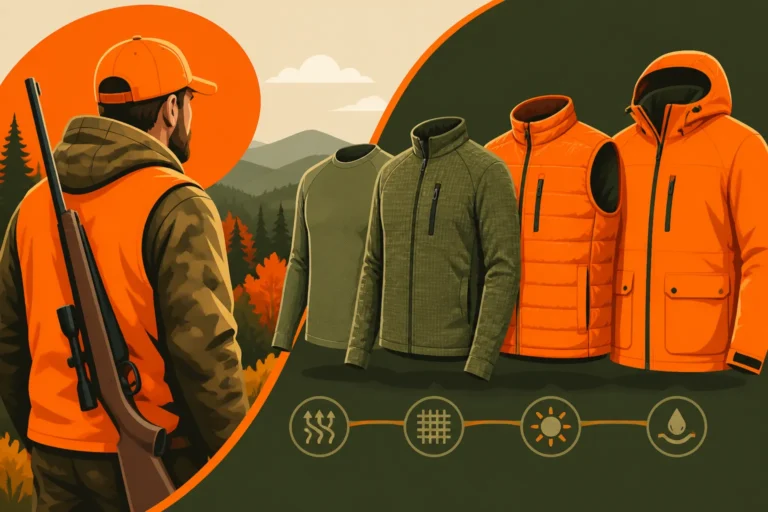
A good mid-layer, even while insulating, needs to breathe. It needs to allow water vapor (sweat) to escape from your base layer and pass through to your outer layer, rather than trapping it against your body. Materials like grid fleece, which have channels to allow airflow, or highly breathable synthetic fills are excellent for this. Paired with a wicking base layer (like merino wool or performance synthetics), a breathable mid-layer helps maintain a stable microclimate around your body. Even if you exert yourself, the system is designed to manage that moisture, keeping you drier and therefore warmer in the long run. Don't underestimate the power of staying dry – it's often more important than simply having "more" insulation.
Choosing Your Mid-Layer Style: Jackets, Vests, or Pullovers
Beyond the material, the style of your mid-layer can significantly impact its versatility and suitability for your Vermont rifle hunt. Each style offers unique advantages depending on your preferences and the conditions you expect.
Full-Zip Jackets for Maximum Versatility
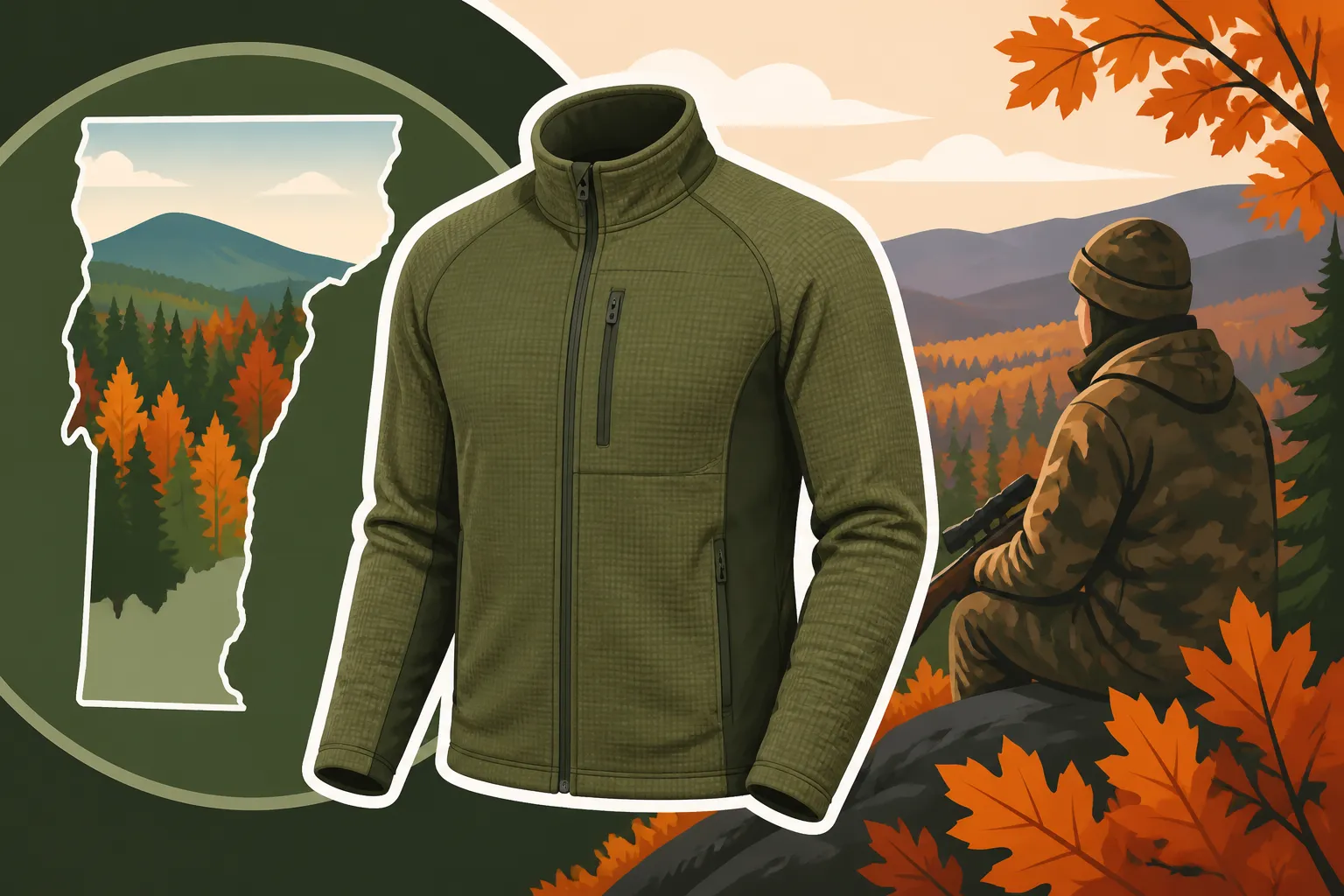
A full-zip mid-layer jacket is arguably the most versatile option for hunters. The full zipper allows for maximum temperature regulation. On those long walks into your hunting spot, you can fully unzip it to dump excess heat and prevent sweating. Once you settle into your stand or still-hunt more slowly, you can zip it up to trap warmth.
This style is particularly excellent for those fluctuating Vermont November days. If the sun comes out strong or you're doing some strenuous activity, simply open the zipper. If a cold gust of wind rolls through, you can quickly zip up and hunker down. It's also easy to take on and off without completely disrobing, which is a huge benefit when layering over other garments and trying to maintain stealth. Many hunters will layer a thinner fleece or synthetic fill full-zip jacket over their base layer, then add a heavier outer shell or another insulated jacket on top, depending on how cold it gets. This setup offers incredible flexibility, making micro-adjustments to your comfort a breeze.
Vests for Core Warmth and Unrestricted Movement
For hunters who prioritize upper body mobility, especially when shooting a rifle, an insulated vest can be an outstanding mid-layer choice. Vests provide critical warmth to your core – your vital organs – where maintaining temperature is paramount. By leaving your arms uncovered (or covered only by a base layer or light shirt), vests allow for completely unrestricted arm movement, which is essential for shouldering a rifle quickly and smoothly without any fabric bunching up or interfering with your shot.
This can be a real game-changer for active hunters who might be doing a lot of hiking, glassing, or those who find traditional jackets too restrictive. You can wear a vest over a long-sleeve base layer, then layer a thin shell jacket over the top for wind and moisture protection. The combination provides core warmth while keeping your arms free to move, draw, or shoot. Many hunters also find vests to be excellent for layering under a heavier outer jacket, as they add significant warmth without adding excessive bulk to the sleeves, which can make shouldering a rifle awkward.
Pullovers and Hoodies for Consistent Warmth
Pullovers, including quarter-zip or half-zip styles, and insulated hoodies offer a more consistent level of warmth with fewer adjustment points than a full-zip jacket. A quarter-zip design still allows for some ventilation, making it a good compromise for those who want simplicity but still need to dump a little heat. Hoodies provide additional warmth for your head and neck, which can be invaluable on those truly cold November mornings.
These styles are great for situations where you anticipate relatively stable temperatures or less strenuous activity, such as long sits in a treestand during the peak of Hunting the Rut in Early-to-Mid November. While they don't offer the same rapid adjustability as a full-zip, their continuous construction can sometimes feel cozier and more protective against drafts. If you tend to run colder or prefer a more streamlined, less "fiddly" layering system, a well-chosen insulated pullover or hoodie can be an excellent choice. Just remember to account for the limited ventilation if you plan on doing a lot of hiking.
Practical Considerations and Vermont-Specific Tips
Beyond materials and styles, there are a few practical considerations that can make or break your mid-layer choice for hunting Vermont's whitetails.
Noise Level and Camouflage for Stealth
When you're trying to sneak through the crunching leaves of a Vermont hardwood forest or make a silent adjustment in your stand, the last thing you want is a noisy mid-layer. Many synthetic materials, especially those with slick outer surfaces or heavier fills, can create a rustling sound with every movement. This might not seem like a big deal, but a sharp-eared buck on high alert will pick up on even subtle sounds.
Always test your mid-layer for noise before hitting the woods. Walk around, lift your arms, and mimic movements you'd make while hunting. Look for quiet fabrics like soft fleece or brushed synthetics that minimize sound. When it comes to camouflage, your mid-layer might not always be your outer layer, but there's a good chance it will be exposed at some point. If you shed your outer jacket during a hike, you don't want to suddenly be wearing a bright, non-camo layer that screams "hunter!" Many mid-layers come in various camouflage patterns or earthy tones that blend well with the natural environment. While your outer layer is often the primary camo, a non-disruptive mid-layer adds another layer of stealth. Checking detailed gear reviews on platforms like GoHunt can often provide insights from other hunters regarding a product's noise level in the field.
Blaze Orange Integration
Safety is paramount, and in Vermont, How Much Blaze Orange Vermont Requires is a non-negotiable rule during rifle season. Even if you have a blaze orange outer shell, it's worth considering how your mid-layer fits into your overall visibility strategy. If you end up shedding your outer layer because you're hiking hard or the day warms up significantly, you need to ensure your remaining visible layers still meet the blaze orange requirements.
Some hunters opt for a blaze orange mid-layer to ensure compliance, or at least a mid-layer in a neutral color that won't detract from an orange vest or outer jacket worn on top. If your chosen mid-layer isn't orange, make sure you have a lightweight, packable blaze orange vest or shell that can quickly go over it if you remove your primary orange outer layer. This small consideration can prevent a run-in with a game warden and, more importantly, keeps you visible to other hunters in the woods, especially when Hunting a Funnel Between Two Woodlots where visibility might be limited.
Layering Strategies for Treestand vs. Still-Hunting
Your chosen mid-layer should align with your primary hunting method. What works for a stationary treestand hunt might be overkill or inadequate for an active still-hunt or tracking mission.
Treestand Hunting: When sitting in a treestand, your activity level is extremely low, meaning your body generates very little heat. In this scenario, you'll want a mid-layer that prioritizes maximum insulation for its weight. A slightly thicker, warmer synthetic fill jacket or a high-quality down jacket (if conditions are dry) would be excellent. The goal here is to prevent heat loss rather than manage sweat from exertion. You might also consider layering multiple thinner mid-layers, such as a thin grid fleece over your base, and then a puffier insulated jacket over that, all beneath your heavy outer shell. This lets you peel off one insulating layer if the sun comes out, but still retain significant warmth. Understanding Cold-Weather Sitting Strategy in the Northeast Kingdom is key for these stationary hunts.
Still-Hunting / Active Hunting: For still-hunting, tracking, or conducting deer drives, you'll be generating a good amount of body heat. Here, breathability and packability become more crucial. A lighter-weight fleece or a moderately insulated synthetic vest or pullover might be preferable. The ability to easily vent or shed this layer when you're moving, then quickly put it back on when you stop to glass or call, is paramount. You want just enough insulation to keep you comfortable during periods of light activity, without causing you to sweat excessively when you're pushing hard. Consider bringing an extra, easily packable mid-layer in your pack for when you stop moving or the temperature drops. Being aware of Wind and Thermals in Steep Green Mountain Terrain will also inform how much insulation you need at different elevations and times of day.
Disclaimer
This article is for general informational purposes only and does not constitute professional advice. Laws, prices and regulations vary by location and change over time. Consult a qualified professional for guidance on your specific situation.