Hunting Vermont’s Expanded Archery Zones in September
The crisp air of a Vermont September, usually a sign of approaching fall, brings a unique challenge for bowhunters in the expanded archery zones. Trying to pattern deer amidst suburban sprawl or on smaller tracts of private land, often with higher human activity, can feel like a completely different ballgame than hunting vast wilderness. This guide will walk you through the nuances of targeting whitetails in these special areas, offering strategies and insights to help you navigate the season successfully and ethically.
Understanding Vermont's Expanded Archery Zones
Vermont's expanded archery zones are a fantastic opportunity for bowhunters, providing an earlier start to the deer season and offering access to areas often less pressured by conventional firearms hunting. However, they come with their own set of rules and unique considerations that are crucial to understand before heading afield. It’s not simply "more hunting days"; it’s a distinct hunting environment.
What Defines an Expanded Zone?
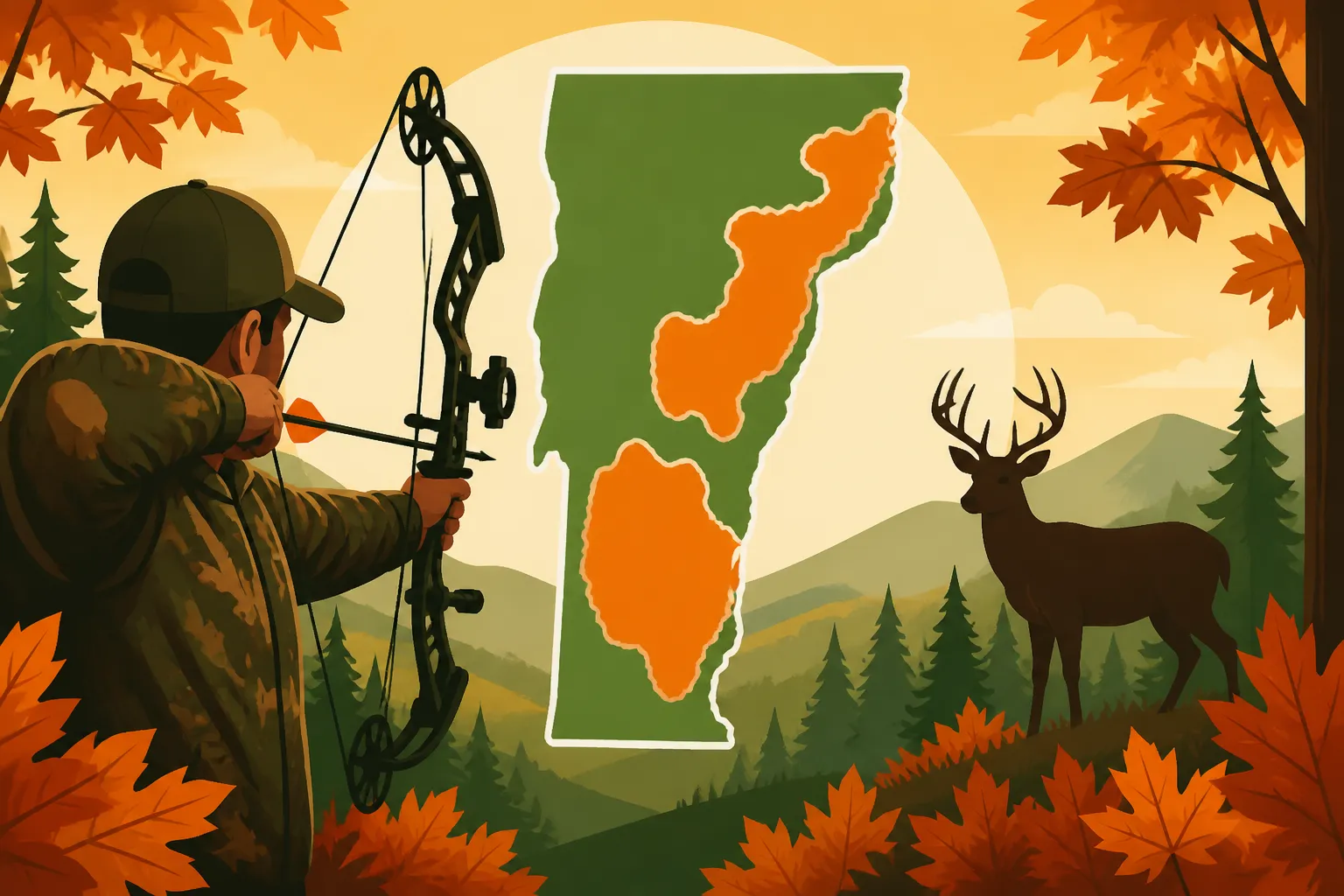
Vermont's expanded archery zones are specifically designated areas, typically urban, suburban, or semi-rural landscapes, often surrounding denser population centers. Think of places around Burlington, Montpelier, or Rutland, where traditional firearms hunting might be restricted or difficult due to safety concerns and proximity to homes. These zones are established to help manage deer populations in areas where deer can cause significant damage to landscaping, agriculture, and even pose a risk with vehicle collisions. The Vermont Fish & Wildlife Department uses these zones as a tool for targeted management, recognizing that deer behavior and access in these areas differ greatly from remote wilderness. The boundaries are usually clearly defined on maps provided by the department, so it’s critical to verify your hunting location falls within one of these designated areas. Hunters often feel a sense of relief knowing they have these closer-to-home options, especially when time is tight, but that convenience comes with added responsibility.
Key Differences from Regular Archery Season
The most significant difference, of course, is the season timing. When Vermont's Expanded Archery Season Opens, it kicks off in early September, weeks before the statewide regular archery season in October. This early start means you're hunting deer that are still largely in their summer patterns, focusing heavily on available food sources and less influenced by the impending rut. Bucks are typically still in velvet or have just shed it, and their primary drive is still eating and packing on calories. Unlike the regular season where mature bucks might start to get a bit more aggressive and wander, early September deer are highly predictable if you can locate their food.
Another major distinction lies in the permit requirements and legal weapons. While both require a Vermont Archery License, the expanded zones often have additional tag requirements or limitations depending on the specific WMU (Wildlife Management Unit) and the deer management goals for that area. Furthermore, the emphasis on bowhunting during this period, without the presence of firearms hunters, changes the dynamic of deer movement and hunter pressure. It creates a quieter, more intimate hunting experience, but also one where deer may be more accustomed to human presence, albeit not necessarily human hunters. Always check the official Vermont Expanded Archery Season Dates and compare them to the Vermont Archery Season Dates to avoid any costly misunderstandings.
Permit Requirements and Dates
Before you even think about stringing your bow, you absolutely must ensure you have the correct licenses and permits. For expanded archery zones, you'll need a valid Vermont hunting license with an archery endorsement. Additionally, you may need an antlerless permit specific to the WMU you intend to hunt within the expanded zone. These antlerless permits are crucial for population control in these areas where deer numbers can grow unchecked without effective management.
The dates for these seasons can vary slightly year to year and by zone, so always consult the most current Vermont Fish & Wildlife hunting guide. Typically, the expanded archery season runs from early September through mid-December, often overlapping with portions of the regular archery, rifle, and muzzleloader seasons. This extended window provides a generous opportunity, but it also means being extra vigilant about other hunters later in the year, even if you’re still using a bow. When you're using a mapping tool like GoHunt, make sure its layers are updated with the latest Vermont F&W boundaries and regulations for these specific zones. This kind of detail can make or break your hunt, ensuring you're legal and avoiding unnecessary hassle.
Pre-Season Scouting and Preparation
Effective scouting is the backbone of any successful hunt, but it's especially critical in Vermont's expanded archery zones. These areas often blend suburban elements with pockets of natural habitat, creating a mosaic where deer behavior can be surprisingly complex. You can't just assume what works in a remote forest will apply here; you need to adapt your approach to the unique landscape.
Identifying Early Season Food Sources
In early September, food is king. Deer are primarily focused on high-energy forage to build up reserves for the coming colder months and the rut. This is a blessing and a curse. While it makes deer patterns somewhat predictable, the available food sources might be very different from what you'd find in deeper woods. Look for soft mast like apples, pears, and berries. Many expanded zones are adjacent to old farms or homesteads where wild apple trees still produce heavily. These can be goldmines. Green agricultural fields, like alfalfa or even late-season clover plots, are also huge attractants. While Vermont has a ban on urine-based lures, understanding natural food sources makes finding deer much easier.
Don't overlook suburban landscaping either. While hunting within town limits or near houses is strictly regulated (and often prohibited or requires specific permission), deer will browse on hostas, ornamental shrubs, and garden vegetables. Identifying these less-traditional food sources, even if they're on properties you can't hunt, can help you locate deer movement corridors leading to huntable patches of woods or thicker cover. This type of detailed observation, sometimes for weeks before the season, will give you a significant advantage. Remember, deer are creatures of habit, and if they're feeding in a particular spot, they're likely bedding nearby and traveling a consistent route.
Locating Bedding Areas Near Development
Finding bedding areas in expanded zones presents a unique challenge. Unlike vast tracts of public land where deer might bed deeply in dense swamps or thick clear-cuts, deer in expanded zones often bed much closer to human activity. They learn to adapt to the sounds and sights of suburban life. Look for thick brush, small woodlots with dense undergrowth, overgrown fencerows, and even patches of tall weeds or multiflora rose bushes that offer visual security. These spots might seem too small or too close to houses, but deer utilize them effectively to stay hidden.
The key is identifying areas that offer excellent concealment with easy access to food and water, even if it's just a small drainage ditch or a stream. Often, these bedding areas will be on private land that you might not have permission to hunt, but understanding where deer are resting during the day will help you predict their travel routes to evening food sources or morning bedding areas. This knowledge is crucial for placing your stand or ground blind effectively. Always prioritize low-impact scouting – using binoculars from a distance, checking for tracks on field edges, and minimizing disturbance, especially near potential bedding cover.
Utilizing Technology for E-Scouting
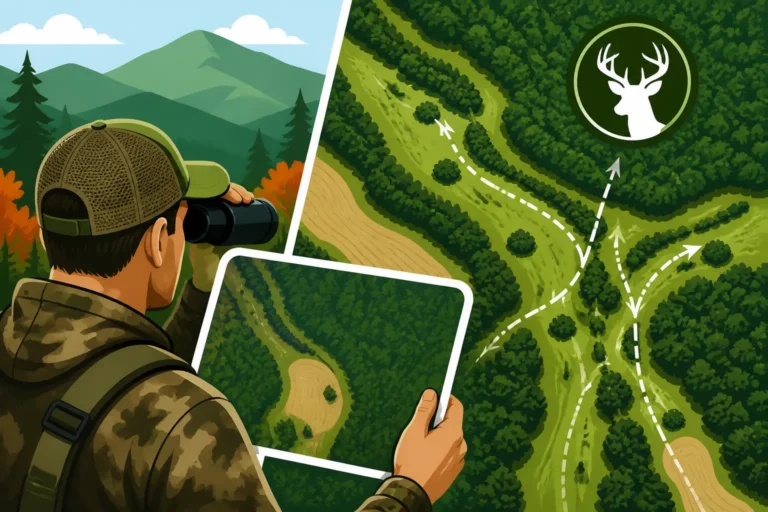
In this modern age, technology is an invaluable asset for pre-season preparation, especially in expanded zones where traditional boots-on-the-ground scouting can be limited by access or time. Tools like GoHunt mapping software become your virtual eyes in the sky. You can pour over aerial photos, identifying potential food sources, thick bedding cover, natural funnels between woodlots, and critical travel corridors—all from your couch. Look for changes in vegetation density, old logging roads, creek bottoms, and subtle elevation changes that might funnel deer movement.
Beyond identifying potential hotspots, e-scouting helps you understand property boundaries, which is paramount in expanded zones. You can mark specific public land parcels, private land where you have permission, and crucial setback distances from dwellings or roads. This digital reconnaissance allows you to maximize your time in the field, focusing your physical scouting efforts on the most promising areas. It also helps you plan your entry and exit routes, minimizing disturbance to the deer and avoiding encounters with non-hunters. Combining the power of a digital mapping application with actual observations on the ground, such as Reading Aerial Photos for Green Mountain Deer, creates a comprehensive scouting plan that leaves little to chance.
Tactics for Early Season Archery Success
Early season archery in Vermont’s expanded zones requires a deliberate, patient approach. The deer are not yet agitated by the rut or heavy hunting pressure, meaning their movements are generally more predictable, centered around food, water, and bedding. However, their proximity to human activity means you need to be extra cautious and strategic.
Exploiting Early Season Deer Patterns
Forget about rattling horns and grunt tubes for now; the rut is still a distant dream. In early September, deer are largely on summer schedules, moving from bedding to feeding in the evenings and reversing that trend in the mornings. Your primary tactic should revolve around identifying these food-to-bed and bed-to-food travel corridors. Think about where deer will emerge to feed in the late afternoon or where they’ll retreat to bed at first light. This is where you set up. Consider setting up on a well-used trail leading into an apple orchard or a clover field. Pay close attention to subtle signs like fresh tracks, droppings, and rubbed saplings that indicate consistent travel.
One common frustration in expanded zones is that deer might feed in an area you can't hunt, only to disappear into a thicket on a neighboring property that is also off-limits. Your goal is to intercept them as they transition. This often means focusing on pinch points and natural funnels, such as a narrow strip of woods between two fields, a creek crossing, or a fence line with a single worn-down crossing point. Patience is key, as deer might not move until low light, so be prepared for extended sits. Understanding Entry Routes Through a Cut Cornfield or Hunting a Funnel Between Two Woodlots can provide invaluable insight into these travel patterns.
Setting Up for Success Near Suburban Edges
Hunting near suburban edges demands extreme discretion and a heightened awareness of your surroundings. While the deer might be accustomed to human noise, they are still wild animals and will react quickly to perceived threats. This means meticulous attention to wind direction, scent control, and silent movement. When Hanging a Stand on a Champlain Valley Field Edge, consider the backdrop; a treestand silhouetted against a bright sky is easily spotted. Look for mature trees that offer natural cover and break up your outline.
Often, expanded zones mean smaller, fragmented parcels of huntable land. This might lead to setting up closer to property lines or areas with occasional human traffic. Always know your precise property boundaries and respect them without exception. A good strategy is to hunt the edge of the thickest cover, rather than pushing deep into it and risking bumping deer. Deer often feel safer just inside the dense woods, observing open areas before stepping out. Using a natural blind or brushing in a ground blind can be effective here, as it minimizes your silhouette and blends into the environment.
Still-Hunting and Ground Blind Strategies
In some expanded zone scenarios, traditional treestand hunting might not be feasible due to limited suitable trees, proximity to sensitive areas, or the fragmented nature of the cover. This is where still-hunting and ground blind strategies truly shine. Still-hunting, moving slowly and deliberately through the woods, pausing frequently to observe and listen, can be incredibly effective when done correctly. Focus on areas with good visibility and consistent deer sign. The key is to move at a snail's pace, often taking several minutes to cover just a few yards, scanning constantly for horizontal lines or subtle movements that indicate a deer.
Ground blinds, whether pop-up models or naturally constructed brush blinds, offer excellent concealment and can be strategically placed to intercept deer moving through a specific area. They are especially useful in open country, field edges, or small woodlots that lack good treestand trees. For example, if you're Using a Ground Blind on Public Land, ensure it's well-brushed in and allows for good shooting lanes without requiring excessive movement. Place it downwind of known travel routes or food sources. A well-placed ground blind can also provide a distinct advantage when trying to remain hidden from deer that are more accustomed to seeing humans at ground level, but not necessarily in a concealed position.
Gear Considerations for September Hunting
Hunting in Vermont during early September means dealing with a unique blend of weather conditions, from warm, humid days to surprisingly cool mornings and evenings. Your gear choices, from clothing to broadheads, need to be carefully considered to maximize comfort, stealth, and effectiveness.
Layering for Variable September Weather
September in Vermont is beautiful, but the weather can be a bit of a chameleon. You might start your morning sit shivering in the pre-dawn chill, only to be sweating profusely by mid-morning as the sun climbs high. This makes layering absolutely essential. Start with a moisture-wicking base layer that helps pull sweat away from your skin, preventing that clammy feeling that leads to chills later. Think merino wool or synthetic fabrics. A lightweight mid-layer, like a fleece vest or a thin jacket, provides insulation that can be easily shed as temperatures rise.
Your outer layer should be quiet, scent-controlled, and offer some protection from light rain or morning dew. Pack a thin rain jacket, even if the forecast looks clear; Green Mountain weather can change on a dime. Remember that you'll be carrying these layers in and out, so lightweight and packable options are ideal. For instance, selecting the Best Base Layer for a September Archery Sit can make all the difference in staying comfortable and focused during long waits. The goal is to regulate your body temperature without creating excess noise or scent, allowing you to adapt to the changing conditions without spooking deer.
Choosing the Right Broadheads and Arrows
For any bowhunter, your broadhead and arrow setup is arguably the most critical component. In Vermont’s expanded archery zones, where shots can sometimes be at closer quarters due to denser cover or the proximity of residential areas, accuracy and reliable penetration are paramount. You want a broadhead that flies true with your bow setup and delivers maximum energy to the target.
Many seasoned Vermont bowhunters lean towards fixed-blade broadheads for their reliability and consistent performance, especially when encountering bone. Brands like G5 Outdoors or Magnus are popular choices known for their durability. However, mechanical broadheads have advanced significantly and can also be very effective, offering larger cutting diameters for increased hemorrhaging, provided your bow setup can consistently and accurately deliver them. The key is to choose a broadhead that is razor-sharp and matches the tuning of your bow and arrow combination. Test your broadheads extensively before season to ensure they fly exactly like your field points. The goal is a quick, ethical kill, and the Best Broadhead for a Vermont Whitetail is the one that you have the most confidence in for a precise shot.
Scent Control in Warmer Weather
Scent control is always important in deer hunting, but it becomes an even bigger challenge during the warmer September days. High humidity and rising temperatures can make human odor dissipate more readily and hang in the air longer. Deer in expanded zones might be somewhat accustomed to human smell from passersby, but they’re experts at detecting the concentrated, alarmed scent of a hunter.
Your scent control regimen should be comprehensive: start with scent-free laundry detergent for all your hunting clothes. Shower with scent-free soap and shampoo before heading out. Consider using scent-eliminating sprays on your clothes and gear, paying special attention to areas that generate more sweat, like armpits and feet. Carrying a small bottle of spray for touch-ups during a long sit is a good idea. Store your hunting clothes in airtight bags or containers to prevent them from picking up household odors. Even with the Vermont's Urine-Based Lure Ban, you can still rely on scent elimination. While you can't completely eliminate your scent, minimizing it significantly increases your chances, especially when hunting close to bedding areas or when deer are moving directly downwind of your stand.
Navigating Regulations and Ethical Considerations
Hunting in Vermont’s expanded archery zones isn’t just about putting venison in the freezer; it’s about being a responsible, ethical hunter who respects the wildlife, the land, and the non-hunting public. The unique nature of these zones, often bordering or intertwining with residential areas, places an even greater emphasis on strict adherence to regulations and impeccable ethical conduct.
Understanding Local Ordinances and Property Lines
This cannot be stressed enough: know your boundaries. Vermont's state regulations provide the overarching framework, but local towns and municipalities within expanded archery zones may have their own specific ordinances regarding hunting, discharge of bows, and proximity to buildings. Always check with the town clerk or local law enforcement agency for any additional rules that might apply to your hunting area. Ignorance is not an excuse, and a violation can lead to significant fines, loss of hunting privileges, or worse.
Using detailed mapping apps is essential for precisely identifying property lines. Never assume where a property line lies; verify it. Hunting private land without explicit permission is poaching and can severely damage the reputation of all hunters. When seeking permission from landowners in these zones, be polite, professional, and clear about your intentions. Offer to share venison or help with deer management on their property. Building good relationships with landowners is often the key to long-term access in these highly desirable, yet sensitive, hunting areas. Remember that even if you have permission to hunt, retrieve game, or access a property, nearby neighbors may still have concerns, so always act with the utmost respect and care.
Minimizing Impact and Maximizing Public Perception
In expanded archery zones, you are often hunting in the public eye, whether you realize it or not. Non-hunters who live in these areas might view hunting with skepticism or even outright opposition. Your actions directly influence their perception of hunting as a whole. Therefore, it's crucial to minimize your impact and present yourself as a responsible conservationist. This means parking discretely, dressing in subdued colors (except for required blaze orange if hunting during an overlap season like Bowhunting During Vermont's Rifle Season), and being respectful of homes and private property.
Avoid displaying harvested game in a way that might alarm or offend non-hunters. If you take a deer, retrieve it quickly and efficiently, using a game cart or sled to move it discreetly from the field. Field dress away from public view if possible, or wait until you can get the animal to your vehicle. The goal is to be invisible, or at least unremarkable, to those who don't understand or appreciate hunting. Every interaction, every action, contributes to the overall image of hunting in Vermont, so let’s make it a positive one.
Dealing with Harvest and Processing in Warmer Temps
Taking a deer in early September means dealing with warmer temperatures, which presents a challenge for proper game care. Heat is the enemy of venison, and rapid cooling is essential to prevent spoilage and ensure the highest quality meat. As soon as you recover your deer, begin the field dressing process immediately. Removing the internal organs allows the carcass to begin cooling from the inside out.
If you're hunting in a remote area, consider packing large Ziploc bags filled with ice into your pack. Once the deer is field dressed, place these ice packs inside the body cavity. If you have a long drag or a significant drive home, stopping for more ice to fill the cavity is a wise investment. Once home, skin the deer as quickly as possible and get it into a cooler packed with ice, or into a walk-in cooler if you have access to one. The key is to get the core temperature down to around 40 degrees Fahrenheit within a few hours. This rapid cooling ensures excellent venison quality and reflects responsible animal handling. Being prepared for this aspect of the hunt is just as important as being prepared for the shot itself.
| Feature | Expanded Archery Zones (September) | Regular Archery Season (October-December) |
|---|---|---|
| Season Dates | Typically early September – mid-December | October 1 – December 15 (approximately) |
| Location | Designated urban/suburban/semi-rural areas | Statewide |
| Primary Deer Behavior | Summer patterns, food-focused | Transitioning to rutting/pre-rut, food-focused |
| Permit Requirements | Archery License + potential Antlerless permits | Archery License + potential Antlerless permits |
| Proximity to Dwellings | Often very close; local ordinances critical | Less frequent; statewide setback rules apply |
| Hunter Density | Varies; can be lower or concentrated | Varies; higher during rifle overlap |
| Focus | Population management in developed areas | General statewide deer harvest |
Disclaimer
Hunting is an inherently dangerous activity. Always prioritize safety, adhere to all Vermont Fish & Wildlife regulations, and obtain appropriate licenses and permits before heading afield. The information provided in this guide is for informational purposes only and should not replace official regulations or professional instruction.