Vermont’s Urine-Based Lure Ban
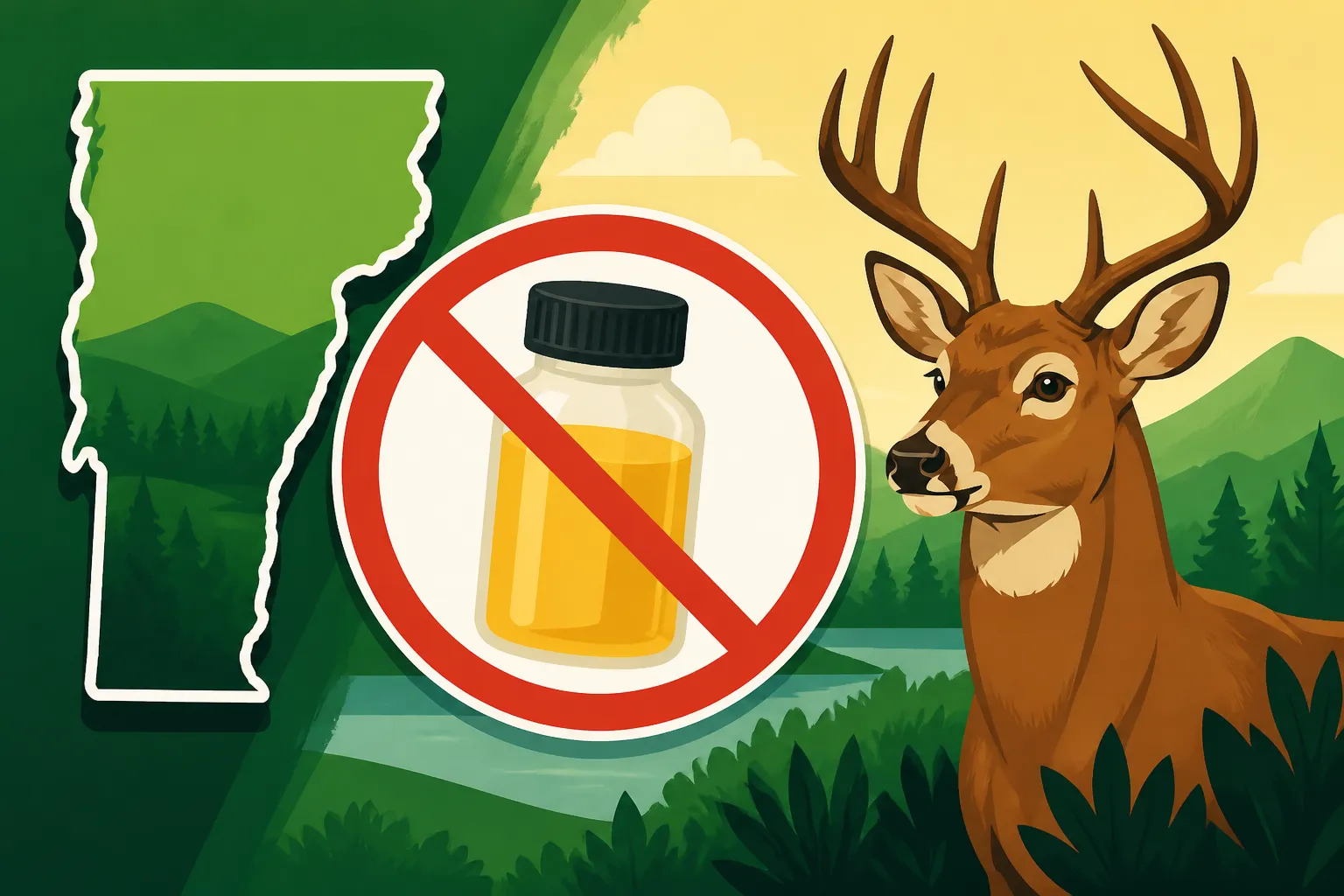
For many of us who've spent decades in the Vermont deer woods, there's a certain familiarity that comes with traditional hunting practices, and using urine-based lures was definitely one of them. The idea of mimicking a buck in estrus or a curious doe to draw in a target deer has been etched into our routines for generations. So, when the Vermont Fish & Wildlife Department announced the ban on urine-based lures, it certainly ruffled some feathers and left many hunters wondering what this meant for their tried-and-true methods. This comprehensive guide is here to unravel the complexities of Vermont's urine-based lure ban, explaining the why behind it, what specific changes you need to be aware of, and practical, actionable ways you can adapt your hunting strategies to continue to be successful and compliant in our beautiful Green Mountain State.
Understanding Vermont's Proactive Stance on CWD
Let's be honest, change can be tough, especially when it comes to traditions passed down through the hunting community. But when Vermont made the decision to ban natural urine-based lures, it wasn't done lightly. This move is deeply rooted in a critical effort to protect our deer herd from a truly devastating threat: Chronic Wasting Disease, or CWD. It's an issue that transcends state lines and demands our collective attention and proactive measures, even if it means adjusting cherished habits.
The Looming Threat of Chronic Wasting Disease
Chronic Wasting Disease is a nasty neurological disease that affects cervids – that’s deer, elk, and moose. It’s caused by abnormal proteins called prions, and once an animal contracts it, there is no known cure, and it's always fatal. The terrifying part is that these prions can persist in the environment for years, even decades, in soil, plants, and even urine, feces, and saliva. Imagine a disease that slowly eats away at the brain of a majestic Vermont buck, leaving it emaciated, disoriented, and eventually dead. That's CWD. The thought of it spreading through our healthy deer population is a nightmare scenario that wildlife agencies nationwide are desperate to avoid.
Vermont has been incredibly diligent in maintaining its CWD-free status, a fact we should all be proud of. However, the disease has been detected in neighboring states and even across the Canadian border, making the threat very real and very close to home. You might recall hearing about Vermont's Closest Confirmed CWD Case in Quebec, which really hit home how vigilant we need to be. Every measure, no matter how minor it might seem, is designed to keep those infectious prions from ever setting foot (or hoof) in our woods and contaminating our precious wildlife.
Why Urine-Based Lures Became a Concern
So, how do urine-based lures fit into this picture? Many traditional deer lures are made from the urine and glandular secretions of captive deer or elk. While these products are often processed, there's a risk, albeit small, that prions from an infected animal could be present in these substances. If a hunter uses a lure contaminated with CWD prions, those prions could then be introduced into the environment in Vermont. A curious deer, attracted to the scent, might sniff, lick, or even ingest soil where the lure was applied, potentially exposing them to the disease.
The fear isn't just about direct transmission from the lure itself. It’s also about what happens when lures are deployed. When you spray a lure on a tree or on the ground, deer are drawn to it, they interact with it, they might urinate or rub themselves in the same spot, creating a common point of contact. If a CWD-positive deer were to visit that site and deposit prions, then another healthy deer comes along, the risk grows. It’s a classic "better safe than sorry" scenario, but with the stakes as high as protecting our entire deer herd, caution becomes paramount. Vermont's wildlife managers have seen the devastation CWD causes elsewhere and are taking every precaution to ensure our state doesn't face the same fate.
What the Ban Actually Means for Vermont Hunters
Understanding the why is one thing, but knowing the what and how to comply is equally important for us hunters. The Vermont Fish & Wildlife Department didn't just wave a magic wand and make all lures disappear. They implemented specific regulations designed to minimize risk while still allowing hunters to pursue their passion effectively. It's about being informed and adjusting our practices, not abandoning them.
Specifics of the Regulation: What's Out, What's In
The core of the regulation is fairly straightforward: you cannot possess or use any natural deer or elk urine-based lures or attractants while hunting in Vermont. This means if it came from an actual deer or elk, whether it's liquid urine, glandular scents, or any product derived from cervid bodily fluids, it's off-limits. This applies to both residents and non-residents alike, ensuring a consistent approach across the state. The intention is to eliminate any potential pathway for CWD prions that might be present in products sourced from other areas, especially those where CWD is endemic.
However, the ban doesn't leave you completely without options. What is allowed are synthetic lures and attractants. These are scientifically formulated to replicate natural deer scents without using any actual animal products. Think of the synthetic estrus scents, buck urine, or even curiosity lures that mimic natural smells through chemical compounds. These are designed to be prion-free and offer hunters an alternative to traditional methods. Furthermore, natural, non-cervid attractants like acorn or apple scents, food-based attractants, and even some cover scents that don't mimic deer are generally permissible. Always double-check the label and, if in doubt, consult the Vermont Fish & Wildlife Department's official guidelines or a reliable source like the GoHunt app for clarification.
Navigating the Ban: Penalties and Compliance
Ignorance of the law is never an excuse, especially when it comes to hunting regulations. Violating Vermont's urine-based lure ban can lead to fines and potentially even more severe consequences, like suspension of hunting privileges. Wildlife wardens are trained to identify these products, and if you're found with them in the field, you could be facing a penalty. It’s far better to invest in compliant alternatives than to risk a citation and contribute to the potential spread of CWD.
The best way to navigate this ban is through proactive compliance. First, thoroughly clean out your hunting pack, vehicle, and storage areas. Get rid of any old, natural urine lures you might still have lingering around. Replace them with synthetic alternatives or simply choose to hunt without scents if that's your preference. Second, educate yourself. Stay informed about any updates to Vermont's CWD Prevention Rules. The Vermont Fish & Wildlife website is always the authoritative source, but resources like GoHunt can also help you stay current with regulations and provide detailed maps for scouting areas that might benefit from these new strategies. Remember, we're all in this together to protect the future of hunting in Vermont.
Adapting Your Deer Hunting Strategy Without Natural Urines
For many hunters, a bottle of "doe in estrus" was as essential as their rifle or bow. The thought of hitting the woods without that familiar tool can feel a bit daunting. But trust me, Vermont deer hunting is about much more than just a scent bottle. This ban is an opportunity to sharpen other skills and explore new tactics that can make you an even more effective hunter. It’s about returning to some fundamental principles of deer behavior and woodcraft.
The Rise of Synthetic Lures and Attractants
The hunting industry is incredibly adaptive, and with urine bans becoming more common across states, manufacturers have stepped up their game with synthetic lures. These aren't your grandfather's synthetics; modern formulations are incredibly realistic and effective. They mimic the complex chemical compounds found in natural deer urine and glands, often lasting longer and offering a consistent scent profile that isn't subject to the inconsistencies of natural products. You can find synthetic versions of everything from estrus doe urine to dominant buck urine, as well as curiosity scents designed to pique a deer's interest.
When using synthetics, remember the principles remain the same: consider wind direction, placement, and the time of year. A synthetic estrus scent might be highly effective during the peak of the rut, say, in early-to-mid November when you're focusing on Hunting the Rut in Early-to-Mid November, but less so in September. Experiment with different types and brands to see what works best in your hunting areas. Always apply them in a way that minimizes human scent contamination – use gloves and avoid direct contact with your hands.
Enhancing Natural Scents and Cover Scents
Beyond synthetics, don't forget the power of working with nature rather than trying to overpower it. Cover scents derived from natural elements like pine, cedar, or earth can be highly effective at masking human odor. The goal isn't necessarily to attract deer, but to become invisible to their incredibly sensitive noses. Think about the prevalent smells in your hunting area: if you're in a pine stand, a pine-based cover scent makes sense. If you're near an apple orchard, an apple cover scent could be effective.
Beyond cover scents, consider natural attractants that aren't cervid-derived. Apple chips, corn cobs, or even certain plant extracts can draw deer in without violating the ban. Remember to check local regulations on baiting, as these can vary by WMU and season. Sometimes, the best "lure" is simply creating an inviting environment, like strategically placed food plots or enhancing natural browse. It’s about leveraging the deer's natural desire for food and security, rather than just their curiosity about another deer.
Focusing on Foundational Hunting Skills Over Scents
This ban is a golden opportunity to double down on what truly makes a successful hunter: woodsmanship, patience, and understanding deer behavior. Instead of relying on a bottle of scent, invest your time in thorough scouting. Learning to read the land, identify fresh sign, and understand how deer move through their environment is priceless. This means learning to read a Green Mountain Deer Yard, recognizing scrape lines along a logging road, and identifying bedding areas.
Take this table for example, which highlights how shifting focus can enhance your overall hunting prowess:
| Old Strategy (Urine-Based Lures) | New Focus (Adaptation & Skills) | Benefits of New Focus |
|---|---|---|
| Attracting deer via scent trail | Understanding wind and thermals | Reduces human scent detection, consistent |
| Masking human scent with buck urine | Using natural cover scents & scent control | Blends with environment, CWD-safe |
| Setting up based on lure placement | Scouting for natural funnels & pinch points | Intercepts natural deer movement patterns |
| Relying on curiosity/rutting urge | Analyzing food sources & bedding areas | Exploits daily deer routines, year-round |
| Passive waiting at a stand | Still-hunting, tracking, patience | More active engagement, develops tracking skills |
By focusing on skills like still-hunting, understanding wind and thermals in steep Green Mountain Terrain, and reading sign, you become a more adaptable and skilled hunter. Tools like modern mapping applications, such as GoHunt, become even more crucial for identifying likely travel corridors, pinch points, and bedding areas without needing to rely on manufactured scents. These foundational skills are what truly separate consistent hunters from those who rely solely on external aids.
Scouting and Habitat: Your Best Tools in a CWD-Aware Landscape
With urine-based lures off the table, the spotlight shines even brighter on effective scouting and a deep understanding of deer habitat. These aren't just "nice-to-haves" anymore; they're essential pillars of your hunting strategy in Vermont. Spending time before the season, either physically in the woods or virtually with mapping tools, will give you an unparalleled advantage.
Leveraging Technology for Pre-Season Scouting
The days of just walking aimlessly through the woods hoping to stumble upon sign are largely behind us. Modern technology has revolutionized scouting, making it more efficient and insightful than ever. Applications like GoHunt provide incredibly detailed topographic maps, aerial photos, and land ownership overlays that allow you to virtually scout vast tracts of land from the comfort of your home. You can identify potential bedding areas, food sources, travel corridors, and bottlenecks without putting boots on the ground and disturbing the area.
For instance, you can use these tools to scout for ideal spots to hang a stand on a Champlain Valley Field Edge or pinpoint a funnel Between Two Woodlots. Beyond mapping, many digital platforms also offer weather overlays, historical harvest data, and public land boundaries. This information allows you to form a game plan even before your first step into the woods. When you do hit the field, these apps, especially when paired with a reliable GPS signal, can help you navigate confidently, mark hot spots, and track your movements, ensuring you stay within legal boundaries and can easily revisit promising locations.
Understanding Deer Behavior and Habitat Preferences
No matter how advanced your technology, nothing replaces a fundamental understanding of deer behavior and their habitat preferences. Deer are creatures of habit, driven by their needs for food, water, and security. By knowing what they need and when they need it, you can predict their movements and position yourself accordingly. For example, during the early season, deer might be focused on green browse and soft mast like apples, making hunting a Standing Apple Orchard a great strategy. As the season progresses into late fall and early winter, they'll shift to hard mast like acorns and browse on woody vegetation.
Understanding the specific terrain and vegetation of Vermont is crucial. In the Green Mountains, deer will often utilize high-elevation benches for bedding, moving down to lower elevations to feed. In the Champlain Valley, they might frequent dairy farm edges or dense woodlots bordering agricultural fields. Pay attention to changes in vegetation, terrain features like ridge-top saddles, and natural pinch points created by water bodies or dense cover. This deep knowledge allows you to anticipate deer movement, reducing your reliance on scents and making you a more skilled and successful hunter year after year.
Beyond Lures: Other CWD Prevention Measures in Vermont
The urine-based lure ban is a significant piece of Vermont's CWD prevention puzzle, but it's by no means the only one. The state has implemented a robust, multi-faceted approach to safeguard our deer and moose populations, demonstrating a comprehensive commitment to long-term wildlife health. As responsible hunters, understanding and adhering to these broader regulations is just as critical.
Carcass Import Restrictions and Reporting
One of the primary concerns with CWD spread is the movement of infected deer carcasses across state lines. Vermont has strict rules in place to prevent this. Essentially, if you harvest a deer, elk, or moose in another state or province where CWD is known to exist, you cannot bring the whole carcass back into Vermont. There are specific exemptions, like boned-out meat, capes (without the skull or spinal column attached), clean skull plates, and teeth. The goal is to prevent any CWD-prion-carrying parts – specifically brain and spinal column tissue – from entering the state. So, if you're planning a hunt out of state, be intimately familiar with Vermont's Moving a Deer Carcass Into Vermont guidelines before you even pull the trigger.
Additionally, responsible reporting is crucial. If you happen to harvest an animal that appears sick or exhibits any signs consistent with CWD (emaciation, abnormal behavior, drooling), it's your ethical duty to report it immediately to the Vermont Fish & Wildlife Department. While Vermont currently enjoys its CWD-free status, continuous monitoring and swift action on suspicious cases are vital to maintaining it.
Vermont's CWD Surveillance Program
Vermont doesn't just hope for the best; it actively monitors for CWD through a comprehensive surveillance program. Each year, the Vermont Fish & Wildlife Department collects samples from harvested deer and moose across the state, particularly during the rifle season. These samples are then tested for the presence of CWD prions. This ongoing effort provides crucial data, confirming the health of our herd and acting as an early warning system should CWD ever breach our borders.
Hunters often play a direct role in this program, sometimes being asked to voluntarily submit the heads of harvested deer at designated check stations. While not always mandatory for every deer, cooperation with these efforts is paramount. Participating in the CWD surveillance program is a tangible way to contribute to the health of Vermont's deer herd, offering peace of mind that our collective efforts are keeping this devastating disease at bay. It's a testament to the department's proactive stance and the cooperative spirit of Vermont hunters.
Disclaimer
Please be aware that hunting regulations, seasons, and licensing requirements can change. While this guide aims to provide accurate and up-to-date information, it is your responsibility to consult the official Vermont Fish & Wildlife Department website or current hunting law digests for the most recent and complete regulations before engaging in any hunting activities.