Knives and Processing Gear for Field Dressing
There's nothing quite like the immense satisfaction of a successful hunt in Vermont, whether you're bringing down a whitetail in the Green Mountains or a bear in the Northeast Kingdom. But that moment of triumph quickly transitions to the crucial work of field dressing, a task that can feel daunting, messy, and physically demanding, especially when you're miles deep in rugged terrain or facing rapidly changing weather. Having the right knives and processing gear isn't just about efficiency; it's about respecting the animal, preserving the meat, and making the challenging task of getting your harvest from the woods to your table as smooth as possible. This guide will walk you through the essential tools and best practices for field dressing in Vermont's unique environment, ensuring you're prepared for whatever the wilderness throws your way.
The Essential Field Dressing Kit
When you're out in the field, sometimes far from the truck or camp, every piece of gear needs to earn its spot in your pack. For field dressing, this means prioritizing durability, sharpness, and practicality. You don't need a massive collection, but you do need the right tools for the job.
Choosing Your Primary Field Dressing Knife
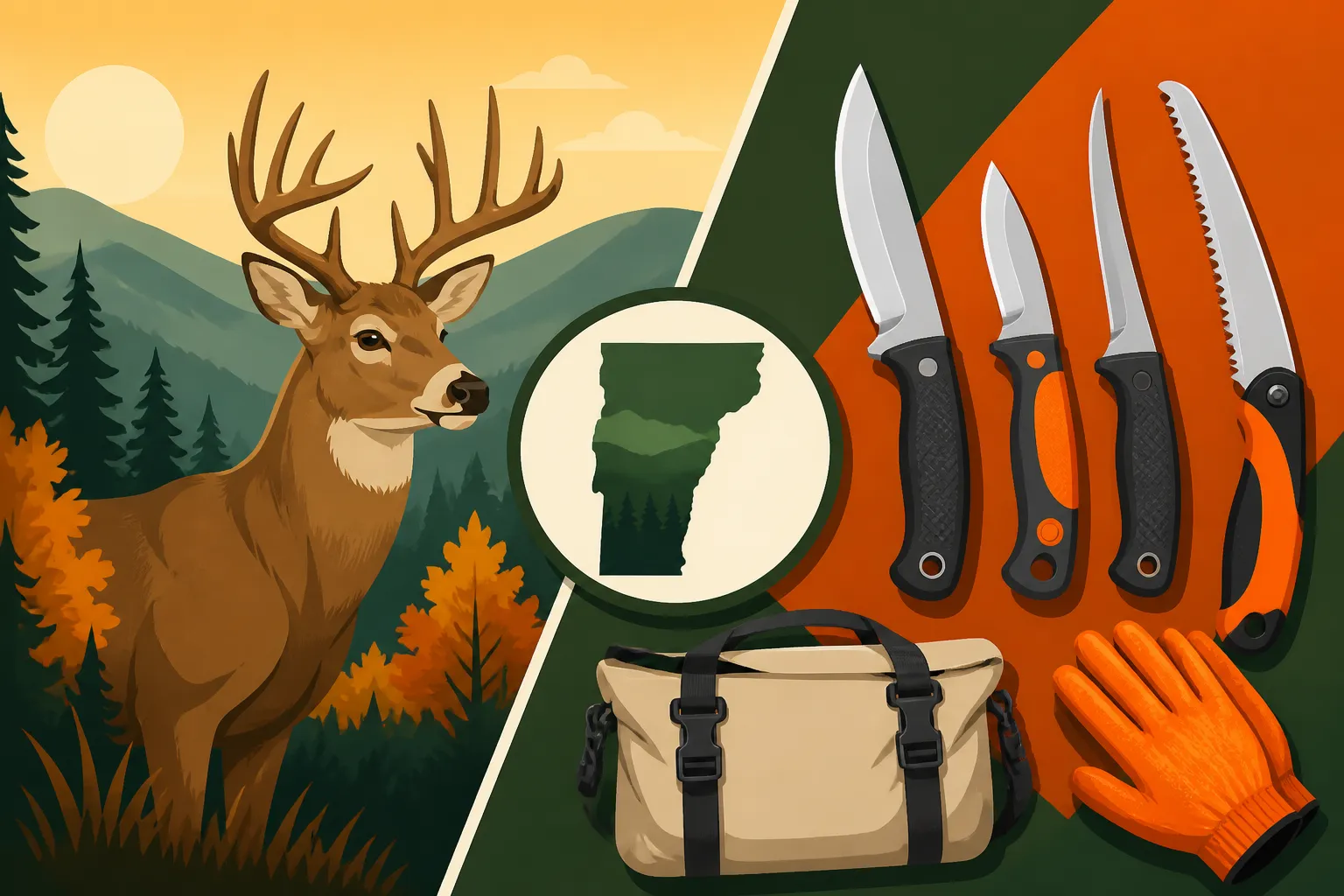
Your primary field dressing knife is arguably the most important tool you'll carry. It needs to be sharp, comfortable in your hand, and reliable. Many hunters opt for a fixed-blade knife because of its inherent strength and lack of moving parts, which can be a real blessing when dealing with cold hands or messy conditions. Look for a blade made from a high-quality stainless steel that holds an edge well but is still relatively easy to resharpen in the field if needed. A blade length between 3.5 and 5 inches is often ideal, providing enough reach for internal work without being unwieldy.
The handle material and design are also critical for safety and comfort. You want a handle that offers a secure, non-slip grip, even when wet or bloody. Materials like G10, rubberized synthetics, or even well-treated wood can work. Pay attention to the ergonomics; a knife that fits your hand comfortably will reduce fatigue and the risk of accidents during a tedious task. Some hunters prefer a gut hook feature, which can be useful for opening the body cavity without puncturing intestines, though many traditionalists find a sharp drop-point or skinning blade sufficient.
Folding Knives and Replaceable Blade Systems
While fixed blades are popular for their robustness, modern folding knives have come a long way and offer significant advantages in terms of portability and storage. Many high-quality folders designed for hunting feature strong lock-back mechanisms or frame locks, ensuring the blade stays open securely. The key here is to choose a folder with minimal blade play and a robust locking system. They're often easier to carry in a pocket or on a belt sheath without taking up much space.
An increasingly popular option is the replaceable blade knife system. Brands like Outdoor Edge or Gerber offer knives where you can quickly swap out dull blades for razor-sharp new ones. This eliminates the need for field sharpening and ensures you always have a surgically sharp edge ready to go. For many, this is a game-changer, especially for intricate work like caping or when you anticipate processing multiple animals. The downside is the need to carry spare blades, and sometimes the disposable blades can be less robust than a fixed blade for tougher tasks like joint separation. However, for opening up the hide and initial cuts, they are incredibly efficient.
Essential Supporting Tools: Gloves, Bone Saw, and Wipes
Beyond the knife, several other items are non-negotiable for a clean and efficient field dressing process. High-quality disposable gloves are paramount for hygiene and protecting yourself from blood-borne pathogens. Nitrile gloves are generally superior to latex as they are more puncture-resistant and less likely to cause allergic reactions. Carry several pairs, as they can tear or get excessively messy.
A small, lightweight bone saw is incredibly useful, especially for larger game like deer or bear, and definitely for Field Dressing a Moose in the Northeast Kingdom. It makes quick work of the sternum and pelvic bone, which can be tough going with just a knife, and helps to get air into the cavity for cooling. Look for compact, folding models that fit easily in your pack. Lastly, a small pack of wet wipes or a roll of paper towels can be invaluable for cleaning hands and gear after the work is done, before you handle your pack or other equipment.
Beyond the Basics: Advanced Processing Gear
Once you've mastered the basics, there are a few other items that can significantly improve your field dressing and meat care, particularly when dealing with the realities of Vermont hunting conditions – think steep hills, varied temperatures, and the need to preserve meat for a long journey out.
Game Bags and Meat Protection
After the animal is field dressed, protecting the meat is your next priority. High-quality game bags are essential. They allow air to circulate around the meat, which aids in cooling, while keeping flies, dirt, and debris off. Traditional cheesecloth or cotton bags work, but synthetic, breathable bags offer superior protection and durability, especially for rough pack-outs. For a deer, you'll want at least two, preferably four, to quarter the animal and hang it. If you're going for a shoulder mount, be sure to bring a dedicated bag for the cape as well.
Consider the temperature in Vermont. If you're successful during a warm September archery hunt for Bowhunting Vermont's Expanded Archery Season or an unseasonably mild November rifle season, cooling the meat quickly is critical. Quartering the animal and getting the meat into game bags to hang can be the difference between prime venison and spoiled meat. Some hunters even carry a small, lightweight tarp or emergency blanket to create shade for the carcass while it cools before a longer pack out.
Sharpening Tools for the Field and Camp
Even the best knife will dull with use. Carrying a compact sharpening tool is a smart move, especially if you're using a fixed-blade knife and need to maintain its edge through a difficult field dressing. Small ceramic sticks, diamond-coated sharpeners, or even multi-tool-integrated sharpeners can fit in your pack without adding much weight. While you won't achieve a razor-sharp edge like you would with a full stone set, a quick touch-up can restore enough utility to finish the job safely.
For camp or back home, investing in a proper sharpening system is a must. A good set of stones, a guided sharpening system, or even a reputable electric sharpener will keep all your knives in top condition for seasons to come. Remember, a sharp knife is a safe knife; dull blades require more force, increasing the risk of slips and cuts. Regular maintenance not only prolongs the life of your gear but also ensures you're always prepared.
Headlamps and Illumination
Many hunts culminate in the last minutes of legal light, meaning field dressing often happens in fading light or complete darkness. A reliable headlamp with fresh batteries (and spares!) is absolutely critical. You need both hands free to work, and fumbling with a flashlight in your mouth or under an arm is not only frustrating but dangerous. Look for headlamps with multiple brightness settings and, ideally, a red light option to preserve your night vision while navigating in and out of the woods.
Having adequate illumination isn't just about seeing what you're doing; it's about safety. Vermont terrain can be unforgiving, even on familiar trails. A good headlamp ensures you can clearly see your knife work, avoid obstacles, and track your blood trail out if necessary. Blood Trailing After Dark in Vermont becomes significantly easier and safer when you can rely on strong, consistent light.
Best Practices for Field Dressing in Vermont Conditions
Field dressing is never a glamorous task, but doing it correctly, especially in Vermont's diverse and sometimes challenging environment, can make a huge difference in meat quality and your overall experience.
Adapting to Cold and Warm Weather
Vermont's hunting seasons span a wide range of temperatures. Early archery can be quite warm, while late muzzleloader season can plunge into frigid conditions.
- Warm Weather Considerations: When temperatures are mild, rapid cooling of the carcass is paramount to prevent meat spoilage. This means field dressing immediately, getting the entrails out to allow the body cavity to cool, and getting air circulating around the meat. If possible, quarter the animal and place meat in game bags, then hang them in the shade or a cooler stream if available. Every minute counts when it's warm. Having a plan for a quick pack-out or immediate refrigeration is crucial.
- Cold Weather Considerations: In colder weather, spoilage is less of an immediate concern, but other challenges arise. Your hands can get numb quickly, making knife work difficult and risky. Dress in layers, wear good gloves (with an outer waterproof shell for the dirty work), and consider bringing hand warmers. While the cold helps preserve the meat, don't leave the animal in the snow exposed for too long; still get it to camp or processing as efficiently as possible. Field dressing can also be done more thoroughly, potentially quartering the animal to reduce weight for the pack out, especially if you're alone or facing a long drag. For deep winter hunts, like Hunting Into the December Muzzleloader Close, a proper field dressing ensures the meat freezes cleanly.
Navigating Steep Terrain and Long Pack-Outs
Vermont is known for its rolling hills and, in many areas, truly steep mountain terrain, particularly in the Green Mountains and portions of the Northeast Kingdom. Field dressing on a steep slope can be a real struggle, but taking a few minutes to carefully position the animal can save you a lot of grief. Try to orient the animal with its head uphill to allow gravity to assist with draining blood and fluids away from the cavity. Use rocks or logs to prop it up if necessary for better access and comfort.
The pack-out is often the hardest part, and proper field dressing can lighten your load significantly. Removing all organs reduces the weight of a deer by a considerable amount. For very large animals or long distances, quartering the animal in the field is almost always the best strategy. This means breaking the animal down into smaller, manageable sections (four quarters, backstraps, tenderloins, neck, and cape/head) that can be packed out on a frame pack. Services like GoHunt, with their detailed topographic maps and public land overlays, can be invaluable for planning your extraction route before you even pull the trigger, helping you identify the least strenuous path for packing out after the field dressing is complete. Knowing your route can save you hours of grueling work. Packing Meat Out of a Steep Ravine is a task that's made much easier with a clear plan and properly quartered game.
Ethical Considerations and Waste Management
Beyond the practicalities, there's an ethical responsibility to field dress an animal efficiently and with respect. This means doing the job quickly and cleanly, minimizing waste, and leaving the site as undisturbed as possible. Ensure you have a plan for what to do with the entrails. In most wilderness settings, they can be left to naturally decompose and provide sustenance for scavengers. However, consider the proximity to trails, water sources, or residential areas. Some hunters will spread out the gut pile to encourage faster decomposition and reduce concentration for larger scavengers like bears.
Proper field dressing also means maximizing the amount of usable meat you recover. Don't rush through the process and accidentally damage edible portions. Taking your time, even in adverse conditions, ensures you get the most out of your harvest. Remember, the journey doesn't end when the animal is down; it's just beginning.
Maintaining Your Gear
Your field dressing tools are an investment, and like any good hunting gear, they require proper care and maintenance to perform season after season. Neglecting your knives and other processing gear can lead to rust, dullness, and eventual failure, which is the last thing you want when you're in the middle of a remote field dressing operation.
Cleaning and Sanitizing Knives and Saws
Immediately after field dressing, and as soon as practically possible, clean your knives and saws thoroughly. Blood and animal fats can be corrosive, and dried blood is incredibly difficult to remove. Start by rinsing off visible debris with water. A stiff brush, often a toothbrush you keep in your kit for this purpose, can help get into crevices on handles and serrations on saws. Use warm, soapy water to wash all surfaces of the blade, handle, and sheath. Pay particular attention to the area where the blade meets the handle on fixed blades, or the pivot and lock mechanism on folding knives, as these areas can trap significant amounts of grime.
After washing, dry everything completely. Moisture is the enemy of steel, leading to rust. If possible, let items air dry completely before storing them, or use a clean cloth. For folding knives, ensure the pivot mechanism is free of debris and consider a drop of light gun oil if it feels stiff after drying. For bone saws, make sure all bone fragments and tissue are removed from the teeth. Proper cleaning not only extends the life of your tools but also ensures they are hygienic and ready for your next hunt.
Sharpening and Storage for Longevity
Once your knives are clean and dry, take the time to inspect the edge. If it's dull, now is the time to sharpen it. As mentioned, an appropriate sharpening system at home will help you maintain a consistently sharp edge. Learn to use a sharpening steel or ceramic rod for quick touch-ups between major sharpenings, as this can prolong the interval between needing a full resharpening. For replaceable blade systems, ensure you have a fresh supply of blades and dispose of dull ones safely.
Store your field dressing gear in a clean, dry location. Many hunters keep their processing kit together in a dedicated pouch or small tackle box. This not only keeps everything organized but also protects the blades from damage and prevents them from dulling against other items in your pack. Consider adding a light coat of food-grade mineral oil to carbon steel blades (if you have them) for extra rust protection during long-term storage. For important items, like a well-loved fixed blade, ensure it has a sturdy Kydex or leather sheath to protect both the blade and anything it might come into contact with. You'll thank yourself for taking these steps when the Hunting the Rut in Early-to-Mid November or Vermont's November Rifle Season rolls around next year and your gear is ready to go.
Building Your Ultimate Vermont Field Dressing Kit
Here's a quick comparison of knife types commonly used for field dressing, to help you decide what fits your Vermont hunting style best:
| Knife Type | Pros | Cons | Ideal For |
|---|---|---|---|
| Fixed Blade Knife | Extremely strong, reliable, easy to clean, robust | Can be bulky, requires sharpening in the field or at home | General purpose field dressing, larger game, tough conditions |
| Folding Knife | Compact, easy to carry, safe when closed | Moving parts can collect debris, less robust than fixed blades | Hunters prioritizing portability, smaller game, quick cuts |
| Replaceable Blade System | Always razor-sharp, no field sharpening needed, lightweight | Requires carrying spare blades, blades can break on tough tasks | Detailed caping, skinning, light to medium field dressing, convenience |
| Bone Saw (folding) | Cuts through bone easily (sternum, pelvis) | Single-purpose, can be awkward in tight spaces | Deer, bear, moose for splitting sternum and pelvis |
Ultimately, your ideal field dressing kit will be a personal choice based on the type of hunting you do in Vermont, the size of game you pursue, and your personal preferences. However, starting with these essentials and maintaining them well will set you up for success and ensure that the hard-earned meat from your Vermont hunting adventures makes it to your freezer in the best possible condition. Don't overlook the importance of having the right tools for this critical part of the hunt.
Disclaimer
This article is for general informational purposes only and does not constitute professional advice. Laws, prices and regulations vary by location and change over time. Consult a qualified professional for guidance on your specific situation.