Best Boots for Green Mountain Ridge Trails
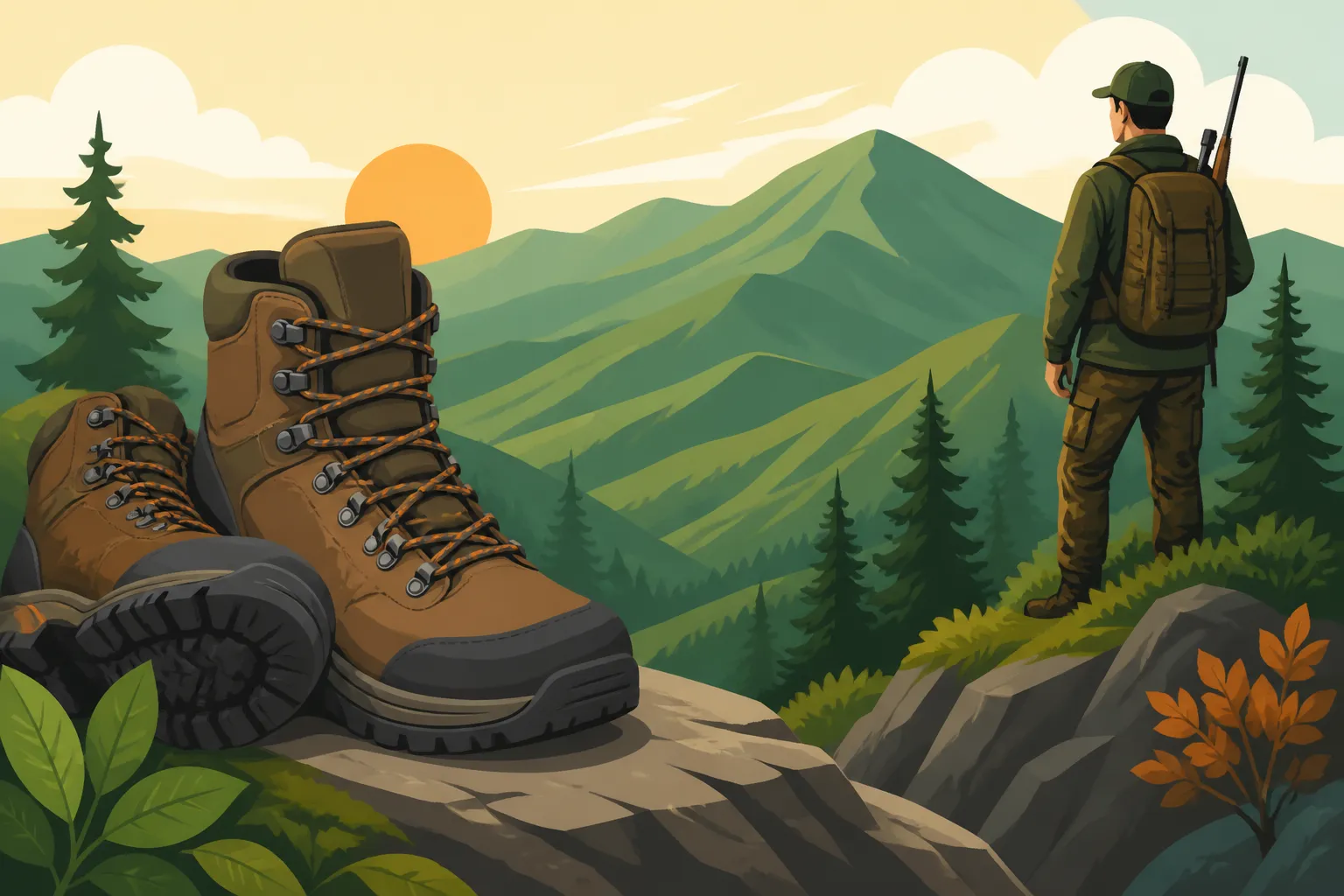
Hunting Vermont's Green Mountain ridge trails is an experience unlike any other, offering breathtaking views and challenging opportunities, but it also demands a lot from your gear – especially your footwear. Too many times, I've seen fellow hunters, and even been one myself, suffer through a miserable day with aching feet and soaking socks because they underestimated the unforgiving terrain. This guide is all about helping you navigate the world of hunting boots so you can find the perfect pair to tackle those steep, rocky, and often wet Green Mountain ridges, ensuring your focus stays on the hunt, not on your feet.
Understanding the Unique Demands of Green Mountain Ridge Trails
The Green Mountains are a hunter's paradise, but they certainly don't make it easy on your feet. We're not talking about flat prairie walks here; this is real mountain hunting, with all the gritty challenges that come with it. Choosing the right boots isn't just about comfort; it's about safety and endurance when you're miles from the truck, potentially carrying a heavy pack or an animal.
The Unforgiving Terrain: Rocks, Roots, and Mud
Imagine picking your way along a narrow deer trail, high on a ridge, with slippery moss-covered rocks underfoot on one side and exposed, gnarled roots reaching out like tripwires on the other. That's a typical Green Mountain afternoon. The terrain is constantly changing, demanding flexibility, stability, and serious traction from your boots. Sharp slate can cut through lesser sole materials, and the endless ascent and descent will test your ankle support to its limits. One wrong step on a wet rock or hidden root can mean a sprained ankle, or worse, ending your hunt prematurely. If you're planning to be Still-Hunting Green Mountain National Forest Timber, you'll quickly realize how vital robust footwear is. These trails are not groomed; they're wild, rugged, and truly put your gear through its paces.
Weather Variability: From Crisp Mornings to Wet Afternoons
Vermont weather is notoriously fickle, especially in the mountains. You might start your day with a crisp, clear autumn morning, frost glittering on the fallen leaves, only for a heavy drizzle or even a snow squall to roll in by midday. One minute you're crunching through dry leaves, the next you're slogging through saturated ground and stream crossings. Your boots need to handle this dramatic shift without missing a beat. The last thing you want is cold, wet feet when you're sitting patiently, waiting for movement, or trying to track a deer after a shot. This variability impacts everything from your base layers to your outer shell, and boots are no exception. Just like you need Layering for Vermont's Long Hunting Season, your boots need to adapt to the changing conditions of a long hunting day.
Key Features to Look for in Ridge Hunting Boots
When you're sifting through the seemingly endless options, it can feel overwhelming. But for Green Mountain ridge hunting, there are specific non-negotiable features that should guide your choice. Think of these as the pillars of a good mountain hunting boot.
Support and Stability: Protecting Your Ankles on Uneven Ground
This is paramount. Those steep, rocky, and often off-camber trails are a recipe for ankle rolls if your boots aren't up to snuff. Look for boots that come up high enough to offer substantial ankle support, usually 8 to 10 inches. The shaft should be stiff but not so rigid it restricts natural movement, allowing your ankle to articulate without over-flexing. Equally important is a firm midsole and a sturdy shank. This provides torsional rigidity, meaning the boot resists twisting from side to side. When you're Hunting Green Mountain's High-Elevation Ridges and side-hilling across a steep slope, a stiff sole prevents your foot from bending unnaturally and distributing weight unevenly. This kind of stability also becomes critical if you find yourself with a full pack, maybe even Packing Out a Vermont Moose or a big buck, where every step carries significantly more weight.
Waterproofing and Breathability: The Essential Balance
You absolutely need boots that are waterproof. Period. Crossing small streams, slogging through dewy grass, navigating muddy sections – it's all part of the game. Look for boots that incorporate a reliable waterproof membrane. These membranes are designed to keep external moisture out while allowing internal moisture (sweat) to escape. This "breathability" is just as crucial as waterproofing. If your boots don't breathe, your feet will sweat, and that sweat will eventually make your socks damp, leading to blisters and cold feet, even in dry conditions. It's a tricky balance, and sometimes in humid conditions, no boot can keep your feet perfectly dry, but the best ones minimize the impact. A good quality waterproof boot will keep you comfortable much longer than a non-waterproof option, especially when those unexpected downpours hit.
Traction and Outsole Design: Gripping Slippery Surfaces
The outsole is where the rubber meets the trail, literally. For Green Mountain terrain, you need aggressive traction. Look for deep, multi-directional lugs that can bite into mud, loose dirt, and grab onto wet rocks. The rubber compound itself matters too; some are softer and offer better grip on wet surfaces but wear faster, while others are harder and more durable but might be a bit slicker on wet stone. A good hunting boot will strike a balance. Large spaces between the lugs are also beneficial, as they help shed mud and debris, preventing your treads from caking up and losing effectiveness. When you're making a steep descent, or climbing up a loose embankment, the right outsole can be the difference between a controlled step and an uncontrolled slide.
Durability and Materials: Built to Last Against Vermont's Grind
Vermont's woods are tough on gear. Brush, rocks, constant moisture, and abrasion all conspire to break down your boots. Investing in durable materials will save you money and discomfort in the long run.
Full-grain leather is a classic choice for a reason: it's incredibly tough, molds to your feet over time, and with proper care, can last for years. Look for leather boots with minimal seams, as seams are often weak points.
Synthetic materials are lighter and can be very durable, often reinforced with abrasion-resistant fabrics. They dry faster than leather, which can be a plus.
Regardless of the primary material, look for rubber randing or reinforced toe and heel caps. This extra layer of protection around the lower perimeter of the boot dramatically increases its resistance to cuts and abrasion from rocks and roots, extending the boot's life. Think about how many times your toe will scrape against something when you're Recovering a Deer From a Steep Ravine or just navigating a tight patch of timber; that reinforcement is crucial.
Different Boot Types for Different Green Mountain Hunting Styles
Just like there's no single "best" hunting rifle, there isn't one perfect boot for every hunter or every situation in the Green Mountains. Your choice will depend on the season, the type of hunting you do, and how much gear you typically carry.
Lightweight Hikers: For Mobile, Fast-Paced Hunting
- Pros: These boots are generally very comfortable right out of the box, require little to no break-in, and are incredibly light. They promote agility and speed, making them ideal for early season archery hunts when the weather is warmer and you're covering a lot of ground quickly, often on established trails or less rugged terrain. If your hunting style involves a lot of Spot-and-Stalk Bear Hunting a Beech Ridge where quiet movement and quick repositioning are key, a lightweight hiker might be appealing.
- Cons: The trade-off for that light weight and comfort is usually reduced support and durability. They often have more flexible soles and less ankle support, making them less suitable for carrying heavy loads or navigating truly rough, off-trail terrain. Their waterproofing might not be as robust, and the materials might wear out faster when constantly exposed to sharp rocks and abrasive conditions. They're typically not insulated, so they're a poor choice for late-season cold.
- Ideal Use: Early fall archery season, fair weather, day hunts with light packs, hunting easier-to-access areas, or when primarily focusing on smaller game in less demanding terrain.
Mid-Weight Backpacking Boots: The All-Around Workhorse
- Pros: This category is where most Green Mountain hunters will find their sweet spot. Mid-weight backpacking boots offer an excellent balance of support, durability, waterproofing, and comfort. They typically feature a stiffer sole than lightweight hikers, providing better stability for uneven ground and heavier loads. The ankle support is significantly improved, protecting you on those treacherous side-hills and steep descents. They are built with robust materials that stand up to abuse and often include some level of insulation, making them versatile across multiple seasons.
- Cons: They are heavier than lightweight options and generally require a break-in period. While some are breathable, they won't dry as quickly as a minimalist trail shoe if they get truly saturated.
- Ideal Use: This is your go-to boot for most of Vermont's deer and bear seasons, including the regular archery, rifle, and muzzleloader seasons. They excel when you're Hunting a Ridge-Top Saddle for Rutting Bucks or need reliable performance through varying conditions and distances, especially if you anticipate carrying out a deer. Many hunters find a pair in this category will serve them well for 90% of their hunting. When exploring options, it's worth checking out reviews on platforms like GoHunt, which often provide deep dives into how different mid-weight boots perform in real-world hunting scenarios.
Heavy-Duty Mountain Boots: For Deep Backcountry and Late Season
- Pros: These are the tanks of the hunting boot world. Designed for extreme conditions, heavy loads, and prolonged backcountry expeditions, they offer maximum ankle support, rigid soles, and superior durability. They are often highly insulated, making them the best choice for late-season hunts when temperatures plummet and snow is on the ground. The aggressive outsoles are built to handle ice and deep mud. If you're tackling multi-day trips deep into the Green Mountain National Forest or venturing into the frigid Northeast Kingdom, these boots provide the protection and performance you need.
- Cons: They are the heaviest and stiffest option, often requiring an extensive break-in period. They can feel clunky and reduce ground feel, and their heavy insulation can be too much for warmer early season hunts, leading to sweaty feet. They are also typically the most expensive.
- Ideal Use: Late-season muzzleloader hunting in December, snowshoe hare hunting, winter predator calling, or any situation demanding extreme cold protection, maximum support for very heavy loads, or navigating extremely rugged, icy, or snow-covered mountainous terrain. If your sights are set on a moose hunt, which often involves very remote areas and the potential for deep snow and extreme cold, this type of boot is non-negotiable for Packing Out a Vermont Moose.
Fitting Your Boots and Essential Care Tips
Even the most expensive, technically advanced boots are worthless if they don't fit correctly or aren't properly maintained. These steps are crucial for comfort and longevity.
The Importance of Proper Fit and Sock Choice
This cannot be overstated. A poorly fitting boot is a guaranteed way to develop blisters, hot spots, and general foot misery that will cut your hunt short. Always try on boots with the kind of socks you'll be wearing while hunting – typically a good quality merino wool blend. Try them on later in the day when your feet are slightly swollen. Walk around, go up and down stairs, and try to replicate different movements you'd make while hunting. Your toes should not touch the end of the boot when walking downhill, and your heel should lift minimally. A little bit of heel lift is normal in stiffer boots, but excessive movement will cause friction and blisters. Don't be afraid to spend an hour trying on different brands and sizes. Many outdoor gear review sites, including resources often highlighted by GoHunt, emphasize the importance of fit and offer advice on finding the right brand for your foot shape. Different brands have different "lasts," or foot forms, so what works for one person might not work for another.
Breaking In Your Boots: A Non-Negotiable Step
New boots, especially stiffer leather or heavy-duty models, are not ready for a 10-mile ridge hunt right out of the box. They need to be broken in gradually. Start with short walks around the neighborhood, then move to longer hikes, gradually increasing the distance and difficulty. This process allows the boot materials to soften and mold to your foot's unique shape, preventing hot spots and blisters when you're truly putting miles on them. A good rule of thumb is to put at least 20-30 miles on a new pair of hunting boots before opening day. This also gives you time to identify any fit issues before they become serious problems in the backcountry.
Maintenance for Longevity: Keeping Your Boots Trail-Ready
Your boots are an investment, and like any good tool, they need care. After each hunt, especially if they've been exposed to mud, water, or heavy brush, take a few minutes to clean them.
Cleaning: Use a brush and water to remove mud, dirt, and debris from the uppers and outsoles. Pay attention to the areas where the sole meets the upper, as mud can accumulate there.
Drying: Always allow your boots to dry naturally at room temperature. Avoid direct heat sources like campfires or heaters, as this can dry out and crack leather, and damage waterproof membranes or glues. You can stuff them with newspaper to absorb moisture and help them maintain their shape.
Conditioning (for leather boots): Periodically apply a leather conditioner or wax to keep the leather supple and prevent cracking. This also helps maintain its water resistance. There are many excellent products designed specifically for outdoor footwear.
Re-waterproofing: Over time, the DWR (Durable Water Repellent) finish on the outside of your boots will wear off, and even the best membranes can benefit from a refresh. Use a spray-on or wash-in re-waterproofing treatment designed for footwear to keep the outer fabric from "wetting out."
Proper care will not only extend the life of your boots but will also ensure they perform at their best when you need them most, whether you're climbing to a Green Mountain Ridgeline Public Access point or still-hunting through a thick timber stand.
Boot Type Comparison for Green Mountain Hunting
| Feature | Lightweight Hikers | Mid-Weight Backpacking Boots | Heavy-Duty Mountain Boots |
|---|---|---|---|
| Weight | Very Light | Moderate | Heavy |
| Ankle Support | Minimal to Moderate | Good to Excellent | Maximum |
| Sole Stiffness | Flexible | Moderate to Stiff | Very Stiff |
| Durability | Moderate | High | Extreme |
| Waterproofing | Varies, often less robust | Generally excellent | Excellent |
| Insulation | Little to None | Variable, light to moderate | Moderate to Heavy |
| Break-in Period | Minimal | Moderate | Extensive |
| Ideal Terrain | Easier trails, less rugged | Varied, rugged, off-trail | Extreme, steep, rocky, snowy |
| Best Use Case | Early season, light packs, fast hikes | Most deer/bear seasons, varied loads | Late season, heavy loads, extreme cold |
Ultimately, choosing the best boots for Green Mountain ridge trails comes down to honesty about your hunting style, the conditions you'll face, and a commitment to proper fit and maintenance. Don't compromise on your feet; they're the engine that drives your hunt. Take the time, do your research, and invest in a pair that will carry you confidently through Vermont's stunning, yet demanding, backcountry. Happy hunting!
Disclaimer
This article is for general informational purposes only and does not constitute professional advice. Laws, prices and regulations vary by location and change over time. Consult a qualified professional for guidance on your specific situation.