Vermont’s CWD-Free Deer Herd
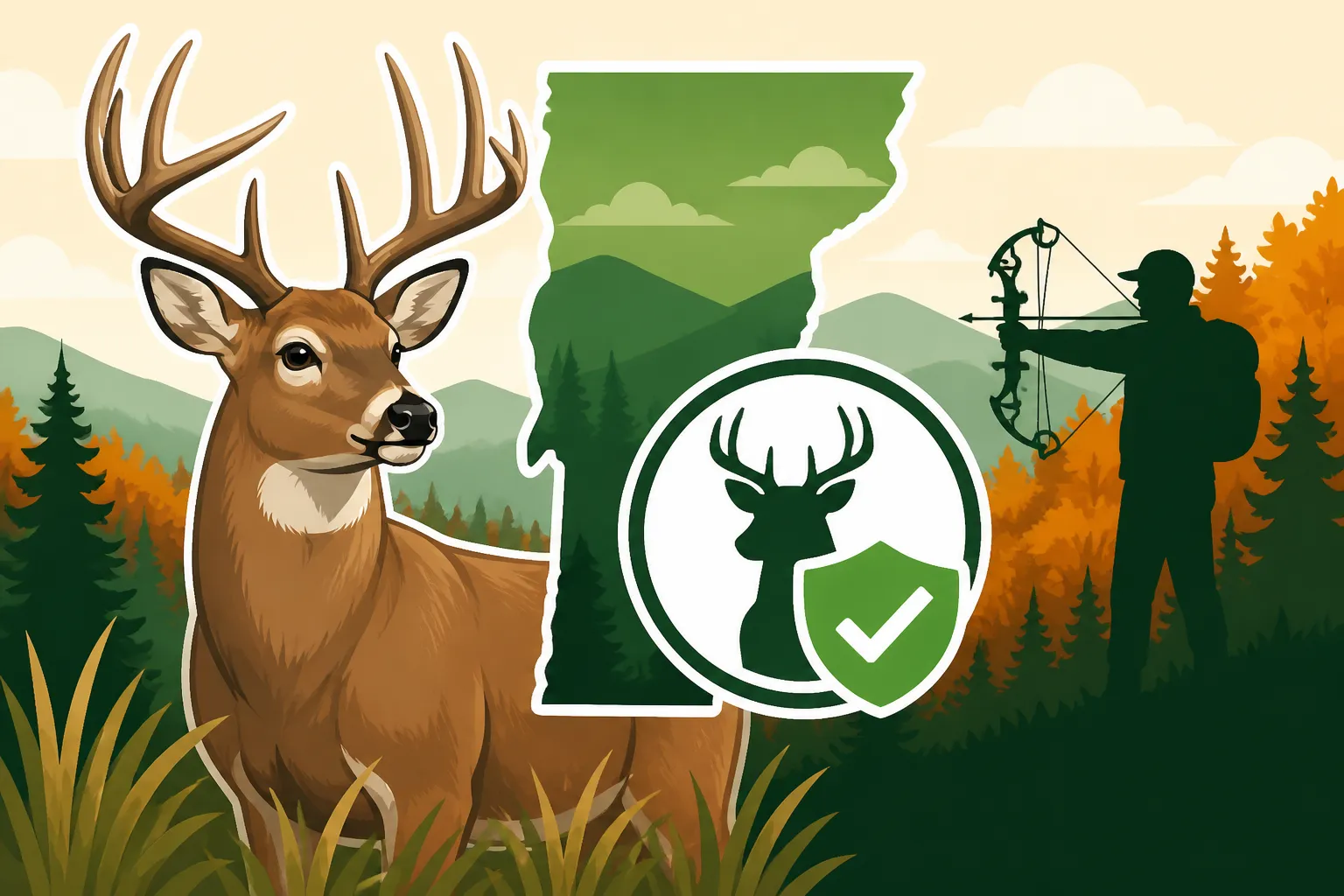
For many hunters, the thought of Chronic Wasting Disease (CWD) casts a long, unsettling shadow over the hunting landscape. It's a devastating neurological disease that can silently decimate deer populations, and the constant worry about its spread is a very real frustration. Here in Vermont, we've been incredibly fortunate to maintain a CWD-free status for our beloved white-tailed deer herd, a testament to diligent management, unwavering hunter cooperation, and a bit of geographic luck. This comprehensive guide will explain what CWD is, outline Vermont's robust defense strategies, and emphasize the critical role every hunter plays in protecting our state's healthy wildlife for generations to come.
What Exactly is Chronic Wasting Disease CWD?
Chronic Wasting Disease is a transmissible spongiform encephalopathy (TSE), a mouthful that essentially means it's a fatal, progressive neurological disease affecting cervids, which include deer, elk, moose, and reindeer. Unlike bacterial or viral infections, CWD isn't caused by a living organism in the traditional sense. This makes it particularly insidious and challenging to manage, creating unique frustrations for wildlife managers and hunters alike who feel like they're fighting an invisible enemy.
The Peculiar Nature of Prions and Transmission
At the heart of CWD lies a misfolded protein called a prion. These aren't bacteria or viruses that can be killed with antibiotics or antivirals; prions are simply rogue proteins that cause other normal proteins in the brain to misfold. This chain reaction leads to spongy holes in the brain tissue, severe neurological damage, and ultimately, death. What's truly baffling and frustrating about prions is their incredible resilience; they're resistant to heat, disinfectants, and even common sterilization methods, meaning they can persist in the environment for years, making contaminated soil or vegetation a potential source of infection.
Transmission primarily occurs through direct animal-to-animal contact, often via saliva, urine, and feces. However, the environmental persistence of prions means deer can also contract the disease by ingesting contaminated soil, plants, or even water. Imagine a deer urinating or defecating in a particular spot, and those prions remaining viable for years, waiting for another unsuspecting deer to come along and graze. This environmental factor adds a layer of complexity and concern, especially when considering how deer interact in concentrated areas like mineral licks, feeding stations, or even heavily used trails. It’s a silent, persistent threat that’s almost impossible to completely eradicate once established in an area.
Recognising CWD Symptoms in Deer
Early stages of CWD often show no outward signs, which is part of what makes it so difficult to detect and contain. However, as the disease progresses, affected animals will begin to exhibit a range of distinctive clinical signs, which can be alarming to witness. These symptoms are caused by the progressive degeneration of the brain and nervous system. Hunters are often the first line of defense in spotting these changes, making their vigilance absolutely crucial.
Common symptoms include dramatic weight loss (hence "wasting"), excessive drooling, difficulty swallowing, altered behavior (like a lack of fear of humans), increased thirst and urination, staggering, poor coordination, and a generally dull or vacant expression. Imagine seeing a once-vibrant buck looking gaunt, stumbling through the woods, and completely unafraid as you approach – it’s a truly heartbreaking sight. While these symptoms can sometimes mimic other illnesses, any deer exhibiting them should be reported immediately to the Vermont Fish & Wildlife Department. You can find more details on how to identify sick animals through resources like GoHunt, which often publishes guides on game health.
The Long-Term Impact on Deer Populations and Hunting
Once CWD becomes established in a deer population, the long-term impacts can be severe and far-reaching, fundamentally altering the hunting experience and the health of the herd. Over time, affected areas often see declining deer populations, reduced fawn survival, and a shift in age structure as older, infected animals succumb to the disease. This isn't just about fewer deer; it's about a less healthy, less robust herd overall, which is deeply frustrating for those who cherish the tradition of hunting in Vermont.
For hunters, CWD can introduce a layer of uncertainty and concern, not just about herd numbers but also about the safety of consuming venison. While there's no evidence CWD can transmit to humans, health agencies generally advise against consuming meat from infected animals. This can lead to decreased hunter participation, especially in areas with high prevalence, impacting local economies that rely on hunting tourism. Furthermore, management strategies in CWD-positive areas often become more restrictive, with mandatory testing, carcass disposal regulations, and potentially increased harvest quotas aimed at reducing population density – all changes that can feel burdensome to dedicated hunters.
Vermont's Diligent Defense Against CWD
Vermont has been incredibly proactive in its efforts to keep CWD out of the state, learning valuable lessons from the experiences of other jurisdictions. The state's approach is multi-faceted, relying on a combination of rigorous surveillance, strategic geographic planning, and a strong regulatory framework. It's a constant, vigilant effort that aims to avoid the devastating impacts seen elsewhere.
Proactive Surveillance and Management Plans
Long before CWD became a widespread concern in the East, Vermont's wildlife managers were developing contingency plans and implementing a robust surveillance program. This isn't just about waiting for a problem to appear; it's about actively looking for it, even when there are no known cases. This proactive stance is rooted in an understanding of the disease's insidious nature and the catastrophic consequences of an outbreak. The goal has always been to have systems in place that can detect CWD early and respond swiftly, minimizing potential spread and impact.
Since 2002, the Vermont Fish & Wildlife Department has conducted extensive surveillance, testing thousands of deer across the state. This continuous monitoring is a cornerstone of their defense. They prioritize testing deer that appear sick or abnormal, as well as road-killed deer and hunter-harvested animals from specific regions or management units. This systematic approach, informed by the latest scientific understanding of CWD, allows them to have a finger on the pulse of the herd's health. You can often find details about Vermont's CWD surveillance program through the department's annual reports and online resources.
Geographic Buffers and Natural Protections
Vermont's unique geography, characterized by its mountainous terrain and dense forests, offers some natural advantages in protecting against CWD. While deer certainly move across state lines, the Green Mountains themselves can act as partial barriers, limiting extensive, rapid movement of large populations. This isn't to say deer don't cross borders – they absolutely do – but it does mean that a massive, unchecked spread is somewhat less likely than in more open, contiguous landscapes.
Additionally, Vermont is not directly bordered by any state with high CWD prevalence, though neighboring states like New York and Pennsylvania have detected cases, and there have been detections in Quebec. This relative isolation creates a crucial buffer. The challenge, of course, is that these buffers aren't impenetrable, and human activity – particularly the movement of deer carcasses or parts – remains the highest risk factor for introduction. This is why hunter compliance with regulations is so paramount, turning a natural advantage into a truly effective defense.
Learning from Regional CWD Cases
Vermont's wildlife managers have not operated in a vacuum. They have closely observed and learned from the challenging experiences of other states and provinces that have detected CWD within their borders. This constant monitoring of the disease's progression and management strategies in regions like Pennsylvania, New York, and even the isolated cases in Quebec, has been invaluable. It allows Vermont to refine its own protocols, anticipate potential pathways of introduction, and adjust its public education efforts.
For example, observing the difficulties other states faced with initial detection and subsequent containment reinforced Vermont's commitment to robust and ongoing surveillance, as well as strict carcass import rules. Understanding how the disease impacts hunter behavior and public perception in affected areas helps the department craft messaging that emphasizes cooperation and the long-term benefits of prevention. This isn't just about avoiding a problem; it's about proactively building a stronger defense based on the collective knowledge and hard-won lessons of the broader wildlife management community.
The Core of Vermont's CWD Surveillance Program
Maintaining Vermont's CWD-free status isn't just about luck; it's about a meticulously planned and executed surveillance program. This program is the eyes and ears of the state's defense, designed to detect any potential incursion of the disease as early as possible. Hunters are not just participants in this program; they are absolutely essential partners, and their involvement is crucial to its success.
Strategic Sampling and Mandatory Testing Areas
Vermont's CWD surveillance program employs strategic sampling methods to maximize the chances of detecting the disease if it were to enter the state. This isn't a random effort; it's a calculated approach based on risk assessment. The Vermont Fish & Wildlife Department focuses sampling efforts in areas considered higher risk, such as counties bordering states or provinces where CWD has been detected. These border regions are often prioritized because the movement of deer, whether natural or human-assisted, is most likely to occur there.
While CWD testing is not typically mandatory statewide for every hunter-harvested deer in Vermont, specific scenarios might trigger mandatory testing requirements in designated areas or during particular seasons. For example, if a suspected case is identified, or if CWD is confirmed in a neighboring county across a state line, the department might establish specific mandatory CWD testing areas for a period to quickly assess the extent of any potential spread. This targeted approach allows resources to be concentrated where they are most needed, ensuring efficient use of taxpayer and license-holder funds. Hunters can often check their GoHunt app or the department's website for real-time updates on any such localized requirements, keeping them informed of what they need to do after a successful hunt.
Hunter Participation at Reporting Stations
Hunter participation is the backbone of Vermont's CWD surveillance program. When hunters voluntarily submit samples from their harvested deer, they provide wildlife biologists with invaluable data. These samples—typically lymph nodes from the deer's neck—are what labs test for the presence of CWD prions. Without hunter cooperation, the surveillance program would be far less effective, creating a significant blind spot in the state's defense.
The process is designed to be as straightforward as possible. During deer season, especially during rifle season, the Vermont Fish & Wildlife Department often operates designated biological check stations or provides drop-off locations where hunters can bring their deer to be sampled. This also often ties into the general deer reporting requirements. Even outside of mandatory testing windows or areas, hunters are encouraged to submit samples, particularly if they harvest a deer showing any unusual signs. This collaborative effort transforms every ethical hunter into a vital partner in public health and wildlife conservation, allowing the department to gather the necessary data to understand the health of White-Tailed Deer Across Vermont.
Advanced Laboratory Analysis
Once samples are collected, they are sent to specialized laboratories for advanced analysis. This isn't a quick process you can do in the field; it requires sophisticated scientific techniques to accurately detect CWD prions. The primary test used is immunohistochemistry (IHC) or enzyme-linked immunosorbent assay (ELISA), which are highly sensitive methods for identifying the presence of the misfolded prion proteins in the lymph node tissue.
These labs are often state-of-the-art facilities, employing trained technicians and veterinarians who meticulously examine each sample. The results of these tests are crucial for determining if CWD is present and, if so, at what prevalence. This scientific rigor ensures that Vermont's CWD status is based on sound data. While waiting for results can be nerve-wracking for hunters who have submitted samples, the thoroughness of the analysis is non-negotiable for maintaining the integrity of Vermont's CWD-free claim and protecting the entire herd.
Critical Prevention Rules for Every Vermont Hunter
Vermont's CWD-free status hinges on more than just testing; it relies heavily on the adherence of every hunter to crucial prevention rules. These regulations, while sometimes feeling like an inconvenience, are put in place for a very specific and critical reason: to prevent the physical introduction of CWD prions into our state.
Understanding Carcass Import Restrictions
One of the most significant pathways for CWD introduction is through the movement of deer, elk, or moose carcasses harvested in CWD-positive areas into unaffected regions. Prions concentrate in the brain, spinal cord, eyes, spleen, and lymph nodes. If these high-risk parts are brought into Vermont from a CWD-infected state, there's a serious risk of contaminating the local environment and potentially infecting our deer herd. This is why Vermont has strict carcass import restrictions.
Specifically, if you harvest a deer, elk, or moose in a state or province with a known CWD presence, you are generally only allowed to bring back boned-out meat, cleaned skull plates, antlers, hides, and taxidermied mounts. The brain, spinal cord, and other high-risk tissues must be left behind in the state where the animal was harvested. This rule can be frustrating for hunters traveling out of state, but it is absolutely non-negotiable. It's a critical layer of defense, directly addressing the highest risk factor for CWD introduction. For detailed, up-to-date information, hunters should always consult the Vermont Fish & Wildlife Department's official guidelines on Moving a Deer Carcass Into Vermont.
The Statewide Ban on Urine-Based Lures
Another proactive measure Vermont has taken is the statewide ban on natural urine-based deer lures. While commercial deer urine lures have long been a staple in many hunters' bags, the concern is that these products, sourced from captive deer herds, could potentially contain CWD prions. Even if a captive herd appears healthy, the long incubation period of CWD means an infected animal might not show symptoms but could still shed prions in its urine.
This ban, while initially a point of contention for some hunters accustomed to using these traditional attractants, is a purely precautionary measure. It eliminates a potential risk pathway for prions entering the environment and being picked up by wild deer. Luckily, there are many effective synthetic scent alternatives available today that pose no CWD risk. This regulation underscores Vermont's commitment to eliminating any potential route of CWD introduction, no matter how small the perceived risk. It’s all part of the larger effort to protect our herd, as highlighted by Vermont's Rule Against Urine-Based Deer Lures.
Ethical Practices to Prevent Disease Spread
Beyond specific regulations, every hunter bears an ethical responsibility to adopt practices that minimize the risk of CWD spread. This includes not just adherence to laws but also a conscious effort to be part of the solution. For instance, never dispose of deer carcasses or parts improperly in the environment, especially near areas where other deer might congregate. If you must dispose of parts, do so in a manner that prevents scavengers from spreading them or prions from contaminating the soil.
Furthermore, minimizing direct contact among deer in the wild can also play a role. While supplemental feeding might seem like a way to help deer, it can actually concentrate animals, increasing the potential for disease transmission. Vermont strictly regulates feeding for this reason. Ethical hunting also means being vigilant: if you see a deer exhibiting symptoms consistent with CWD, resist the urge to harvest it without reporting it first. Contact the Vermont Fish & Wildlife Department immediately. Your quick action could prevent a wider problem. These ethical considerations are paramount, and they align perfectly with the principles taught in Vermont Hunter Education Requirements.
Lessons Learned from CWD in Neighboring Jurisdictions
Vermont's CWD defense strategy isn't developed in isolation; it's heavily informed by the experiences, both good and bad, of other states and provinces. Understanding the challenges faced by our neighbors provides crucial insights and reinforces the importance of vigilance and proactive management. It’s a sobering look at what we are working so hard to avoid.
The Landscape of CWD in Eastern North America
Chronic Wasting Disease has unfortunately spread across many parts of North America, with cases confirmed in over 30 states and multiple Canadian provinces. In the East, states like Pennsylvania, New York, and West Virginia have battled established CWD zones for years. Pennsylvania, for instance, has multiple Disease Management Areas (DMAs) where special regulations apply. New York has also had detections, and even our close northern neighbor, Quebec, confirmed its first CWD case in 2018 in a captive deer facility, although efforts were made to contain it and prevent spread to wild populations.
Vermont is currently surrounded by a complex landscape. While New Hampshire and Massachusetts remain CWD-free, the presence of the disease in New York to our west and south, Pennsylvania further south, and the past case in Quebec to our north, means Vermont is not entirely isolated. This geographical reality means that the risk of CWD introduction, primarily through human activity or natural deer movement across state and provincial lines, is an ongoing concern. Hunters often use tools like GoHunt to track disease outbreaks in other states when planning out-of-state hunts, illustrating the widespread nature of this problem. This constant threat highlights the need for continued strict adherence to Vermont's prevention protocols. You can often find detailed information on Vermont's Closest Confirmed CWD Case by checking the Fish & Wildlife Department's resources.
Diverse Management Strategies and Their Outcomes
Wildlife agencies in CWD-affected areas have implemented a wide array of management strategies, with varying degrees of success. These often include mandatory testing of harvested deer in designated zones, special harvest quotas (including increased antlerless harvest) to reduce deer density, targeted removal of sick animals, bans on baiting and feeding, and strict carcass movement restrictions. In some areas, CWD has been contained to small, manageable zones, while in others, it has proven incredibly difficult to control, leading to widespread infection.
For example, states that reacted quickly and aggressively with targeted culls and strict regulations have sometimes been more successful in limiting spread. Conversely, areas where initial responses were slower or public compliance was low have seen the disease become entrenched. Vermont observes these outcomes closely. The ongoing research into CWD, including understanding its long-term effects on herd dynamics and potential new detection methods, constantly informs Vermont's strategies. This adaptive management approach is crucial, as the scientific understanding of CWD continues to evolve.
Economic and Recreational Impacts
The presence of CWD in a state has significant economic and recreational impacts. Economically, hunting is a major contributor to many rural communities, and a decline in hunter participation due to CWD concerns can hit these areas hard. Reduced license sales, decreased spending on gear, accommodations, and local businesses can lead to substantial financial losses. Taxidermists, meat processors, and outdoor retailers all feel the pinch.
Recreationally, CWD can diminish the overall hunting experience. The added regulations, the moral dilemma of potentially harvesting an infected animal, and the general uncertainty can reduce the enjoyment and tradition of deer hunting. For many, hunting is about more than just filling the freezer; it's about connecting with nature and enjoying a healthy, robust wildlife population. CWD threatens this fundamental aspect of the outdoor lifestyle, making the stakes incredibly high for Vermont to maintain its current CWD-free status. The desire to preserve these traditions is a powerful motivator for Vermont hunters to comply with regulations and support the state's efforts.
The Indispensable Role of Vermont Hunters
It cannot be overstated: Vermont hunters are not just beneficiaries of a healthy deer herd; they are the frontline defenders. Their awareness, vigilance, and adherence to regulations are absolutely indispensable in keeping CWD out of the state. Without active hunter participation and cooperation, even the best state-level plans would fall short.
Vigilance and Reporting Sick Deer
One of the most powerful tools in CWD prevention is the sharp eye of an observant hunter. Hunters spend countless hours in the woods, observing deer behavior and health in intimate detail. They are uniquely positioned to spot abnormalities that others might miss. Therefore, vigilance for any signs of CWD is paramount. If you encounter a deer exhibiting symptoms consistent with CWD—such as extreme weight loss, neurological signs, excessive drooling, or a lack of fear—it is your responsibility to report it immediately.
Do not attempt to harvest or approach the animal. Instead, note its exact location, take photographs or video if possible from a safe distance, and contact the Vermont Fish & Wildlife Department. Provide them with as much detail as possible. This swift action allows wildlife biologists to investigate, collect samples, and, if necessary, take appropriate measures. Your report could be the critical first step in detecting a potential CWD case before it has a chance to spread widely. This is a civic duty for all who enjoy Vermont's outdoors and want to preserve its healthy wildlife, a concept often reinforced in educational materials from organizations like GoHunt.
Compliance with Regulations
The success of Vermont's CWD prevention strategy relies heavily on the compliance of every single hunter with all regulations. This means understanding and strictly adhering to carcass import restrictions when hunting out of state, resisting the temptation to use banned urine-based lures, and following any specific instructions from the Vermont Fish & Wildlife Department regarding sample submission or localized testing during hunting seasons.
While some regulations might feel burdensome or inconvenient, they are designed to protect the entire deer herd and the future of hunting in Vermont. Bending or breaking these rules, even with good intentions, could inadvertently introduce CWD and have devastating, irreversible consequences. Compliance isn't just about avoiding a fine; it's about responsible stewardship of a precious natural resource. It's about respecting the integrity of Vermont's hunting heritage and ensuring that future generations can enjoy the same opportunities that we do today. This includes understanding all aspects of hunting, from Hunting Vermont's New Archery-Rifle Overlap to the general rules for Vermont Hunting Licenses and What They Cost.
Supporting Conservation Efforts Beyond Hunting
The hunter's role extends beyond just adherence to CWD-specific regulations. It encompasses a broader commitment to conservation and supporting the Vermont Fish & Wildlife Department's vital work. Every license and tag purchased contributes directly to wildlife management and research, including CWD surveillance. Advocating for sound wildlife management policies, participating in public input processes, and staying informed about the latest research are all ways hunters can further strengthen the state's efforts.
Consider becoming an even more active participant in understanding the health of our deer herd. Reading a Vermont Harvest Report, which provides data on deer taken annually, can offer insights into the overall health and population trends of Vermont's white-tailed deer. These reports often include information on disease monitoring efforts and help paint a complete picture of the state's wildlife. By engaging with this data and the department's broader conservation initiatives, hunters become true partners in ensuring the long-term health and abundance of Vermont's wildlife, extending far beyond the immediate CWD threat. The collective passion of the hunting community is a powerful force for good.
Looking Ahead: The Future of Vermont's CWD Strategy
Even with Vermont's current CWD-free status, the threat of this disease is ever-present and continually evolving. The state's strategy must also adapt, incorporating new research, fostering ongoing collaboration, and maintaining a steadfast commitment to public education. The fight against CWD is a marathon, not a sprint.
Adapting to New Research and Monitoring Technologies
The scientific understanding of CWD is constantly advancing, and Vermont's defense strategy must evolve alongside it. Researchers are continually exploring new ways to detect prions, improve diagnostic accuracy, and even investigate potential treatments or vaccines (though these are still very far off). They are also studying the environmental persistence of prions, their uptake by plants, and more precise ways to track disease spread.
Future CWD management in Vermont will undoubtedly incorporate these new findings and technologies. This could mean more sophisticated testing methods, perhaps even non-invasive sampling techniques, or improved mapping and modeling tools to predict risk areas. The Vermont Fish & Wildlife Department remains engaged with national and international CWD experts, ensuring that the state's approach is based on the most current scientific knowledge available. It's an ongoing process of learning, adapting, and refining to stay one step ahead of a very cunning adversary, a process vital for all aspects of Vermont Deer and Moose Disease Monitoring.
Ongoing Collaboration and Public Education
Maintaining Vermont's CWD-free status requires a collective effort, and robust public education and ongoing collaboration are critical. The Vermont Fish & Wildlife Department works tirelessly to educate hunters, landowners, and the general public about CWD, its risks, and prevention strategies. This includes informational campaigns, workshops, and clear communication through its website and social media channels.
The goal is to empower everyone with the knowledge they need to be part of the solution. This means fostering open communication with hunters' groups, conservation organizations, and neighboring state agencies. Collaboration also extends to cross-border efforts, sharing information and coordinating strategies with wildlife agencies in New York, New Hampshire, Massachusetts, and Quebec. Only through a unified and informed front can Vermont hope to continue its success in keeping CWD at bay.
Preserving Vermont's Healthy Wildlife Legacy
Ultimately, Vermont's dedicated CWD strategy is about preserving a legacy – the legacy of a healthy, robust deer herd and the rich hunting traditions that define much of the state's outdoor culture. It's about ensuring that future generations of Vermonters can experience the thrill of the hunt, the beauty of the wild, and the bounty of healthy, wild game. The continued absence of CWD allows for a more natural and less restrictive approach to wildlife management, benefitting both the animals and those who pursue them.
Every hunter, every citizen, has a stake in this. By understanding CWD, adhering to regulations, and actively participating in prevention efforts, we collectively safeguard not just the deer, but a fundamental part of Vermont's identity. The investment in vigilance today pays dividends for decades to come, ensuring that the Green Mountain State remains a haven for wildlife and a cherished destination for hunters. For those interested in the broader picture of game species in Vermont, more information can be found on resources like White-Tailed Deer Across Vermont.
| Symptom | Description | Potential Misidentification |
|---|---|---|
| Weight Loss | Severe, progressive wasting despite adequate food intake. Animal appears emaciated. | Starvation due to poor habitat, severe winter, old age, other parasitic infections (e.g., severe deer worm infestations). |
| Behavioral Changes | Loss of fear of humans, listlessness, altered gait, often isolated from the herd. | Rabies (less common in deer), other neurological disorders, injury, advanced stages of other diseases. |
| Excessive Salivation | Profuse drooling, wet fur on chin and neck. | Choking on food, dental problems, severe oral lesions, ingestion of certain plants. |
| Increased Thirst & Urination | Frequent drinking and urination, often indicating kidney issues. | Dehydration, kidney disease from other causes, specific plant toxicities. |
| Head Drooping | Head held low, often with a dull, vacant stare. | Injury, severe weakness, advanced stages of other debilitating illnesses. |
| Poor Coordination | Stumbling, lack of balance, difficulty moving. | Injury (e.g., broken leg), neurological trauma, severe parasitic loads affecting muscles/nervous system. |
| Rough Coat | Patchy, dull, or matted hair coat, often indicating poor health. | Malnutrition, heavy parasite load, other skin conditions. |
| Droopy Ears | Ears may hang limp or appear less alert. | Injury, severe dehydration, extreme weakness. |
Disclaimer
The information provided in this article is for general educational and informational purposes only, and does not constitute professional veterinary, biological, or legal advice. While we strive to provide accurate and up-to-date information, CWD research and regulations are constantly evolving. Always consult the official regulations and guidelines of the Vermont Fish & Wildlife Department or other relevant state agencies for the most current and authoritative information regarding Chronic Wasting Disease and hunting rules in Vermont or any other jurisdiction. If you suspect you have seen a sick deer or have questions about CWD, contact the Vermont Fish & Wildlife Department immediately.