Vermont Waterfowl on the Atlantic Flyway
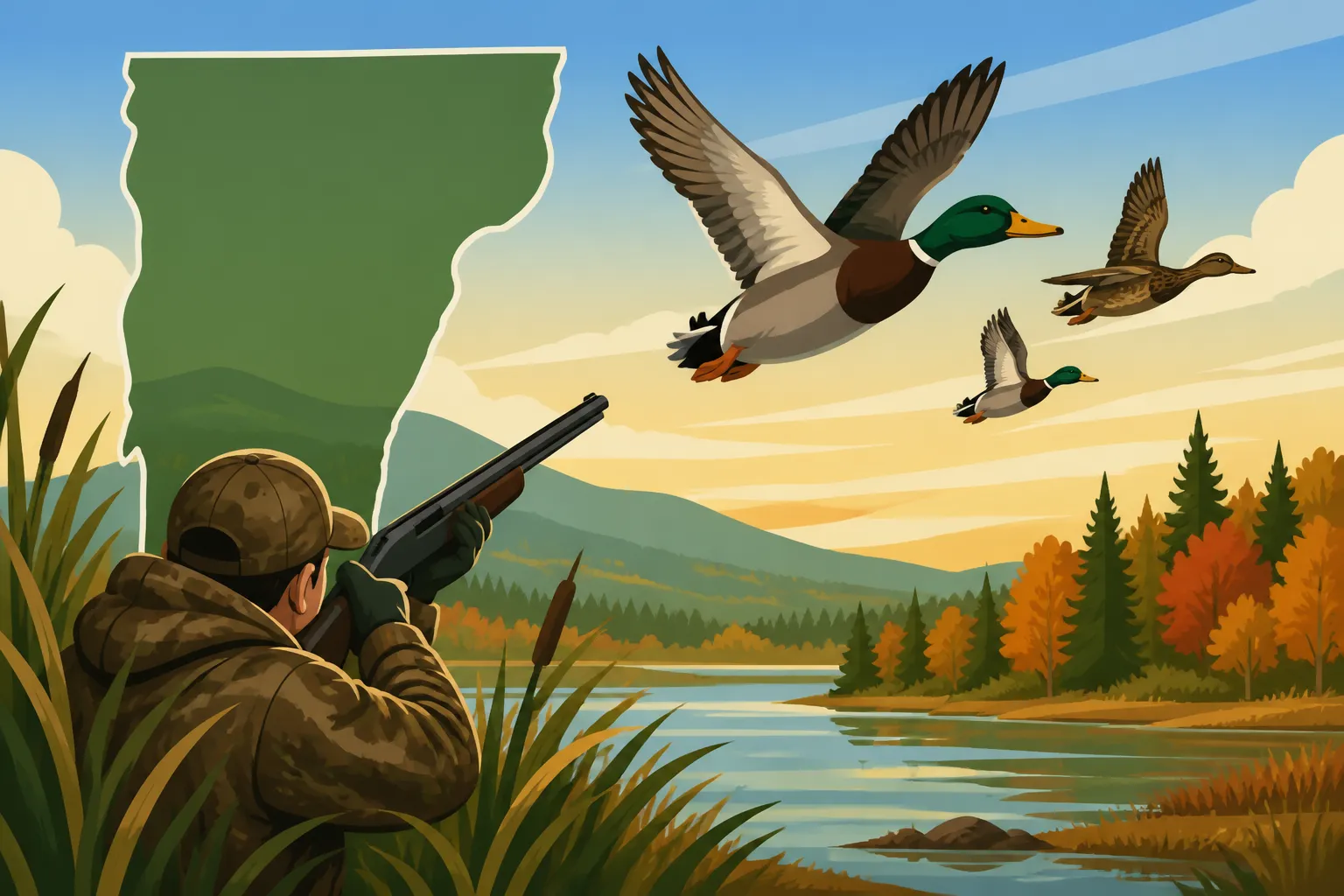
The crisp autumn air, the rustle of cattails, and the distant whistle of wings—these are the hallmarks of waterfowl hunting in Vermont. For many, the challenge of pursuing ducks and geese through changing weather and across diverse landscapes is a passion, but understanding the nuances of Vermont's position on the Atlantic Flyway and its specific regulations can feel overwhelming. This comprehensive guide will break down everything you need to know to successfully chase ducks and geese across the Green Mountain State, from prime locations to essential gear and conservation efforts.
Understanding Vermont's Place on the Atlantic Flyway
Vermont might be landlocked, but its unique geography places it squarely in one of North America's most significant avian superhighways: the Atlantic Flyway. This isn't just a casual flight path; it's a centuries-old migration route that funnels millions of birds, including countless waterfowl, right through our state. Grasping this big picture is key to understanding when and where to find the birds.
The Atlantic Flyway Defined
Think of the Atlantic Flyway as a massive, invisible highway stretching from the Arctic tundra all the way down to the Caribbean and South America. It’s one of four major migratory bird routes in North America, acting as a vital corridor for species moving between their northern breeding grounds and southern wintering areas. Vermont, nestled between New York and New Hampshire, finds itself as a crucial stopover and transit point along this eastern route. Birds don't just fly straight over; they utilize our lakes, rivers, and wetlands to rest, refuel, and regroup before continuing their arduous journeys. This makes understanding the annual migration timing, often aided by resources like those offered by GoHunt, absolutely essential for planning your hunts.
The flyway isn't a single, narrow path; rather, it’s a broad region influenced by continental weather patterns and geographic features. Waterfowl, in particular, are drawn to the abundant water bodies, marshes, and agricultural fields that Vermont offers as they journey south. The sheer volume of birds that can pass through on a good migration push can be astounding, transforming quiet waterways into bustling hubs of feathered activity. This seasonal ebb and flow dictates much of our hunting opportunities, from the earliest teal seasons to the late-season goose hunts.
Beyond just being a pathway, the Atlantic Flyway is an ecological marvel, linking diverse ecosystems and supporting a wide array of species. The birds that traverse it are resilient travelers, adapted to cover incredible distances. For hunters, it means that even within a relatively small state like Vermont, you can encounter a remarkable diversity of waterfowl, each with its own preferred habitats and migration patterns. Understanding these individual species' behaviors within the broader flyway context will greatly enhance your success.
Vermont's Unique Position and Geography
Vermont's geographic features play a starring role in why so many waterfowl choose to stop here. Our western border is dominated by the vast expanse of Lake Champlain, a true jewel of the Atlantic Flyway. This immense freshwater lake, stretching for over 120 miles, provides critical staging areas, feeding grounds, and protected waters for thousands of ducks and geese. It's not just the main lake either; the numerous bays, coves, and associated wetlands that feed into Lake Champlain offer prime real estate for migrating birds.
Moving eastward, the Green Mountain spine creates a natural north-south barrier, but the valleys and river systems that cut through and around it also serve as important routes. The Connecticut River, forming much of Vermont's eastern border, is another significant waterfowl corridor. Its floodplain, oxbow lakes, and associated agricultural lands provide excellent feeding and resting opportunities for birds moving along the eastern edge of the state. These two major water systems, combined with a network of smaller rivers, ponds, and agricultural lands scattered throughout the interior, create a patchwork of suitable habitats.
Even the smaller, seemingly insignificant bodies of water and wet areas, like beaver flowages or flooded timber, can be crucial staging points. These smaller spots often provide more sheltered conditions, especially during periods of heavy hunting pressure on the larger lakes and rivers. The diversity of Vermont's landscape, from large open water to hidden backwater marshes, ensures that there's always a spot for some species of waterfowl, if you know where to look.
Key Migration Corridors Through Vermont
While Lake Champlain and the Connecticut River are the obvious big players, migratory waterfowl also utilize a network of smaller, sometimes less obvious, corridors as they pass through Vermont. These routes are often dictated by elevation, food availability, and prevailing winds. Birds tend to follow river systems, open valleys, and even the lines of agricultural fields as they make their way south.
The Winooski River, Lamoille River, and Otter Creek systems, all flowing into Lake Champlain, act as vital tributaries and internal flyways, guiding birds from the interior mountains down to the larger lake. These river valleys, particularly where they open up into broader floodplains, often feature prime feeding areas and quieter stretches of water that offer respite. Learning to read these smaller waterways and understanding how ducks and geese utilize them is a skill that comes with experience and careful scouting, often best done by Scouting Vermont Public Land Before Season.
Beyond river systems, large agricultural areas, especially those with corn or grain fields, become magnets for geese and certain duck species like mallards, particularly during the late fall. These birds will often roost on larger bodies of water nearby and then fly out to feed in fields at dawn and dusk. This behavior creates opportunities for field hunting, a different challenge than traditional over-water decoy spreads. Understanding these patterns, and having access to mapping tools like GoHunt can help you identify potential feeding and roosting locations.
Meet Vermont's Waterfowl Stars: Ducks, Geese, and More
Vermont's position on the Atlantic Flyway means we're fortunate to host a wide variety of waterfowl throughout the hunting season. From swift-flying puddle ducks to robust geese, each species presents its own unique hunting challenge and opportunity. Knowing what birds you're likely to encounter and understanding their habits is fundamental to successful waterfowl hunting in Vermont.
Dabbling Ducks: Mallards, Wood Ducks, and Teal
Dabbling ducks, often called "puddle ducks," are some of the most sought-after birds in Vermont. These ducks feed by tipping their heads and forequarters into shallow water, dabbling for vegetation and invertebrates, rather than diving. They prefer marshes, shallow ponds, and flooded timber. The most iconic of these is, of course, the Mallard. These adaptable ducks are widespread across the state, found from the smallest beaver ponds to the largest bays of Lake Champlain. They are known for their strong flight, delicious meat, and susceptibility to decoys and calling, making them a staple of any Vermont duck hunt.
Wood Ducks are arguably the most beautiful ducks in North America, and Vermont has a healthy population. They prefer wooded swamps, beaver ponds, and slow-moving streams, often nesting in tree cavities. Their distinctive high-pitched whistle and rapid, twisting flight through timber make them a thrilling target, especially during the early season. Hunting wood ducks often involves setting up in tight, timbered areas or along brushy creek bottoms at first light or last light, catching them as they fly to or from their roosts. Understanding their specific habitat needs will often lead you to success.
Then there are the Teal—both Green-winged and Blue-winged. Blue-winged teal are typically the first to arrive in the early fall and are also the first to migrate south, often before the regular duck season even opens in some zones. Green-winged teal arrive later and are known for their incredibly swift, erratic flight. Both species are small but offer exciting, fast-paced shooting. They prefer shallow, vegetated waters, making them a common sight in the Champlain Valley marshes and various smaller ponds across the state. Hunting teal often requires quick reflexes and a good spread of small, realistic decoys.
Diving Ducks: Ring-necked, Goldeneye, and Scaup
Diving ducks, in contrast to their dabbling cousins, feed by submerging themselves completely underwater to forage for aquatic plants, mollusks, and fish. They typically prefer larger, deeper bodies of water like Lake Champlain and the Connecticut River, especially as the season progresses and colder temperatures arrive. The Ring-necked Duck is a common diver in Vermont, often found in good numbers on larger ponds and the more sheltered bays of Lake Champlain. They are fast flyers and often respond well to decoy spreads featuring a mix of diver and puddle duck species.
Common Goldeneyes are striking ducks, particularly the drakes with their bold black and white plumage and bright golden eyes. They are late-season arrivals, often showing up as ice begins to form, and are incredibly hardy birds. Goldeneyes are strong flyers and tend to raft up in larger groups on open water. Hunting them often involves larger decoy spreads and setting up on points or islands that birds use to funnel around. Similarly, Scaup (Greater and Lesser) are also deep-water divers that frequent Lake Champlain. They often form large rafts far out on the open water but can be intercepted as they move closer to shore to feed or when strong winds push them into more sheltered areas.
Hunting diving ducks can be a different experience than hunting puddle ducks. It often involves more open water, larger boats, and specialized decoy spreads. The shooting can be incredibly challenging due to their speed and the distances over which they often appear. However, the reward of bringing down a fast-flying goldeneye or a plump ring-neck is well worth the effort, adding another dimension to Vermont's waterfowl hunting.
The Mighty Canada Goose Population
Canada geese are a ubiquitous sight across Vermont, from agricultural fields to urban parks. Our state hosts both migratory populations that pass through the Atlantic Flyway and a significant resident population that breeds here. These large, vocal birds provide excellent hunting opportunities, particularly in agricultural areas and along the major river systems.
Migratory Canada geese begin arriving in earnest during the late fall, pushed south by colder weather in Canada. These birds are often wary, having faced hunting pressure for hundreds of miles, and present a significant challenge. They typically fly in large V-formations and communicate with a variety of honks and clucks. Hunting migratory geese often involves scouting feeding fields, setting out large spreads of full-body decoys, and employing expert calling techniques.
Resident Canada geese, on the other hand, are present year-round and can be found in a variety of habitats, including smaller ponds, local fields, and even suburban areas. While sometimes less wary than their migratory cousins, they still provide an exciting hunt. Vermont's regulations often include early September seasons specifically for resident geese, designed to help manage their populations. These early seasons offer a fantastic way to kick off the waterfowl hunting calendar, though hunters must be diligent in ensuring they adhere to the specific rules, as detailed in Vermont Duck and Goose Bag Limits.
Other Migratory Birds: Mergansers and Brant
While not as commonly targeted as ducks and geese, other migratory birds, such as mergansers and brant, also pass through Vermont and offer additional opportunities for waterfowl hunters. Mergansers—Common, Red-breasted, and Hooded—are diving ducks distinguished by their slender, serrated bills, perfectly adapted for catching fish. They are found on both large lakes and smaller rivers, particularly during the colder months. While their fish-based diet often gives their meat a stronger flavor, some hunters do pursue them, and they count towards daily bag limits. Their fast, straight-line flight can provide challenging shooting.
Brant are a smaller species of goose, distinct from Canada geese, known for their preference for saltwater environments. While less common in landlocked Vermont, they do occasionally appear, particularly along Lake Champlain or the Connecticut River, often pushed inland by severe coastal weather. If you're lucky enough to encounter brant, they are a unique trophy and a testament to the diverse avian life that utilizes the Atlantic Flyway. Always double-check your identification, as their bag limits and season dates can differ from Canada geese.
The presence of these diverse species makes every waterfowl hunt in Vermont a potential surprise. You never quite know what might drop into your decoys or fly overhead, adding an element of excitement and reinforcing the importance of being able to identify various birds in flight.
Navigating Vermont's Waterfowl Zones and Seasons
Understanding Vermont's waterfowl zones and their specific season dates and bag limits is not just important; it's absolutely critical for staying legal and having a successful hunt. Vermont is divided into three distinct zones, each with its own set of rules tailored to the unique migration patterns and habitat conditions of that region. It’s imperative to consult the current Vermont Fish & Wildlife Department regulations every year, as dates and bag limits can change.
The Lake Champlain Zone: A Hunter's Paradise
The Lake Champlain Zone is, without a doubt, Vermont's most renowned waterfowl hunting area. It encompasses the entirety of Lake Champlain and its immediate tributaries and wetlands within Vermont's borders. This zone is a magnet for both dabbling and diving ducks, as well as geese, due to the lake's immense size, diverse habitat, and strategic position on the flyway. Hunters here can expect a season that often opens earlier for some species and sometimes has a split season, allowing for an early hunt, a break, and then a return for the main migration. Hunting the Split Lake Champlain Zone Season is a popular strategy for many.
The sheer variety of hunting opportunities in the Lake Champlain Zone is staggering. You can hunt expansive open water from specialized boats for diving ducks, hide in dense cattail marshes for mallards and wood ducks, or set up in agricultural fields along the shoreline for geese. Popular spots include the extensive delta marshes of the Missisquoi River, various bays and islands near Grand Isle and Addison counties, and the many smaller creeks and rivers that feed into the lake. This zone requires careful attention to detail regarding local regulations, public access points, and private property boundaries.
Success in the Lake Champlain Zone often hinges on adapting to conditions. Wind, weather, and water levels can dramatically affect bird movement and where they choose to feed and rest. Having a versatile setup, from open-water diver spreads to marsh-edge puddle duck sets, will serve you well. Many hunters here rely on large decoy spreads and effective calling to pull in birds from the vast expanse of the lake. Remember to always use a reliable mapping application, such as GoHunt, to verify your location within the zone and identify land ownership, especially when hunting close to the New York border.
The Interior Zone: Diverse Opportunities
The Interior Zone covers the majority of Vermont's landmass, extending from the eastern edge of the Lake Champlain Zone all the way to the western bank of the Connecticut River. This zone is characterized by a mix of smaller lakes, ponds, rivers, streams, and extensive hardwood and softwood forests, interspersed with agricultural fields. While it doesn't boast the massive open water of Lake Champlain, the Interior Zone offers fantastic hunting for puddle ducks, especially wood ducks and mallards, and often good opportunities for resident geese.
Hunting in the Interior Zone is often a more intimate affair, focused on smaller water bodies and river systems. Beaver flowages, isolated farm ponds, and winding creeks can hold surprising numbers of birds, particularly early in the season. These locations often require more stealth, smaller decoy spreads, and a focus on jump-shooting or pass-shooting as birds move between feeding and roosting areas. Don't overlook the potential for Jump-Shooting a Vermont Creek which can provide exciting action.
As the season progresses, agricultural fields in the Interior Zone become crucial for geese and late-season mallards. Scouting these fields for fresh droppings and feeding activity is key. While the total number of waterfowl may not rival the Lake Champlain Zone, the Interior Zone provides accessible, diverse, and often less pressured hunting experiences. Hunters in this zone should pay close attention to local conditions, as small water bodies can freeze quickly in colder weather, pushing birds to larger, still-open waters.
The Connecticut River Zone: Eastern Vermont's Hotspot
The Connecticut River Zone encompasses the Vermont side of the Connecticut River and its immediate floodplain, stretching along the entire eastern border of the state. This zone, much like Lake Champlain, serves as a significant migratory corridor, drawing ducks and geese that follow this major river system south. It offers excellent opportunities for both puddle and diving ducks, as well as substantial goose hunting.
The Connecticut River itself provides varied habitat, from broad, slow-moving stretches to faster currents and oxbow lakes. Numerous backwaters, sloughs, and flooded timber areas along the floodplain are prime spots for dabbling ducks, while the main river channel will hold divers. Goose hunting is particularly strong in the agricultural fields that line the river valley, where birds feed on waste grain. Pass-Shooting Geese on the Connecticut River is a popular and often productive method here.
Access along the Connecticut River can sometimes be more challenging due to private land ownership, so understanding Vermont Trespass and Permission Law is essential. However, public access points, boat launches, and state-owned lands do exist and can provide excellent hunting. This zone often sees birds later into the season than the Interior Zone, as the river's flow keeps areas open longer, providing late-season opportunities, particularly for hardy species like goldeneyes and mergansers. Hunters should be prepared for varying water levels and currents on the river itself, and always prioritize safety on the water.
Understanding Vermont's Split Lake Champlain Season Explained
One of the unique aspects of waterfowl hunting in Vermont, particularly for the Lake Champlain Zone, is the concept of a split season. This means that the season for certain waterfowl species is divided into two separate periods, with a closure in between. The rationale behind a split season is often to allow hunters to target early migrants, such as blue-winged teal, before the main duck migration arrives, and then re-open later to take advantage of the larger pushes of birds in late fall.
For instance, the Lake Champlain Zone might open in late September or early October for a shorter period, then close for a few weeks, and finally reopen for a longer stretch from mid-October through December. This strategy allows hunters to experience different phases of the migration. The early segment often offers warmer weather and targets local birds and early migrants like wood ducks and teal. The later segment, after the reopening, typically sees larger numbers of mallards, black ducks, and diving ducks as colder weather pushes them south from Canada.
This split season requires careful planning on the hunter's part. You need to be aware of the exact opening and closing dates for each segment and for each species you intend to hunt. It's crucial not to hunt during the closed period, even if birds are present. The Vermont Fish & Wildlife Department publishes detailed regulations each year, outlining these dates, and these are your go-to source. Being prepared for both warmer, early-season conditions and colder, late-season weather is also important, so versatile layering and gear choices are key. The split season can offer some of the most memorable hunting experiences, allowing you to chase ducks and geese through changing landscapes and migratory patterns.
Essential Gear and Tactics for Vermont Waterfowl Hunting
Successful waterfowl hunting in Vermont is a blend of knowing the birds, understanding the regulations, and being equipped with the right gear and tactics. Unlike deer hunting, where stealth is often paramount, waterfowl hunting often involves attracting birds to your location using decoys, calls, and effective concealment. Building a solid toolkit of gear and refining your techniques will significantly increase your odds of success.
Decoy Spreads for Different Species and Habitats
Decoys are the cornerstone of most waterfowl hunting. They act as visual magnets, luring ducks and geese into shooting range by simulating a safe, appealing feeding or resting area. The type, number, and arrangement of your decoys—your "spread"—will vary depending on the species you're targeting and the habitat you're hunting.
For puddle ducks like mallards and wood ducks in marshes or flooded timber, a smaller, more natural-looking spread is often best. A dozen or two mallard decoys, mixed with a few black ducks or wood ducks, arranged in a loose "J" or "U" shape with an open landing zone, can be very effective. Motion decoys, such as spinning-wing Mojos, can add an irresistible lifelike flicker, drawing attention from a distance, particularly in calm conditions. Using confidence decoys like a few coots or geese can also make your spread appear more natural. Many hunters swear by Mojo Decoys for Vermont Puddle Ducks.
When targeting diving ducks on larger bodies of water, larger spreads are often preferred. Divers tend to raft up in big groups, so 3-4 dozen or more diver decoys, like ring-necks, bluebills, or goldeneyes, spread out in a linear or L-shaped pattern, can mimic these rafts. For geese in agricultural fields, "Go big or go home" is often the mantra. Full-body goose decoys, 2-4 dozen or more, arranged in family groups with sentry birds, are highly effective. For both ducks and geese, always consider the wind direction when setting your spread; birds almost always land and take off into the wind, so your landing zone should be positioned accordingly. Effective decoy placement is covered well in articles like Best Duck Decoy Spread for Lake Champlain.
Calls and Calling Strategies for Success
While decoys draw birds visually, calls draw them audibly. Being proficient with a duck or goose call can be the difference between birds circling out of range and cupping their wings for a landing. For ducks, mastering the basic mallard sounds—the greeting call, comeback call, feeding chuckle, and pleading hen call—is essential. Start with a simple six-note greeting call, and as birds respond, adjust your calling to mimic their behavior. Don't overcall; let the birds tell you what they want.
Goose calling is equally important, especially for wary Canada geese. Learning the deep honk of a lone goose, the rhythmic clucks and moans of a feeding flock, and the excited comeback calls will significantly enhance your field hunts. Different situations call for different tones and volumes. Early in the season, before birds are heavily pressured, less calling might be needed. As the season progresses and birds become warier, more realistic and nuanced calling, sometimes even just soft clucks, can be more effective.
The key to calling is practice and realism. Listen to real ducks and geese, and try to mimic them. Don't be afraid to experiment, but avoid calling excessively or poorly, which can scare birds away. Combining effective calling with a realistic decoy spread creates an irresistible illusion that can bring birds right into your lap.
Waders, Blinds, and Staying Concealed
Waterfowl hunting often means being wet, cold, and hidden. Good quality waders are non-negotiable for marsh and shallow water hunting. Chest waders are typically preferred in Vermont's diverse habitats, offering more protection from deeper water and colder temperatures than hip waders. Neoprene waders provide excellent insulation for cold water, while breathable waders are better for early-season hunts or if you do a lot of walking. Ensure they fit well and are durable enough to withstand brush and briars.
Blinds are crucial for concealment, preventing birds from flaring at the sight of hunters. For marsh hunting, natural blinds made from existing vegetation are often the best, brushing yourself in with cattails, reeds, or cedar boughs. Portable panel blinds or hub-style blinds can also work well, provided they are thoroughly brushed in and blend seamlessly with the surroundings. For field hunting geese, layout blinds are king. These low-profile blinds allow hunters to lie down in a field, virtually invisible, until it's time to sit up and shoot. Many hunters find Best Layout Blind for a Champlain Valley Field indispensable for field hunting.
Regardless of the blind type, the golden rule is concealment. Birds have incredible eyesight. Any shine, unnatural shape, or movement will send them packing. Wear full camouflage, including face masks and gloves, and avoid looking directly at approaching birds until they are committed. Using natural cover, like a downed log or a fencerow, can also provide excellent concealment with minimal setup.
Retrievers: An Indispensable Partner
For many waterfowl hunters, a well-trained retriever is not just a dog; it's an indispensable hunting partner and an ethical imperative. A good retriever dramatically improves your ability to recover downed birds, especially in thick cover, deep water, or strong currents, minimizing lost game. Breeds like Labrador Retrievers, Golden Retrievers, and Chesapeake Bay Retrievers are naturally gifted at this task, but any dog with the right training and temperament can become an excellent waterfowl companion.
Training a retriever requires dedication, patience, and consistency. Start with basic obedience, then introduce commands like "fetch," "hold," and "retrieve" with bumpers, gradually moving to more complex scenarios like retrieves in water, through cover, and under distractions. Exposure to gunfire and duck scents should be introduced carefully and positively. A well-trained retriever will sit quietly in the blind, mark fallen birds, and retrieve on command, making your hunt more efficient, enjoyable, and ethical.
Beyond the practical benefits, hunting with a retriever adds an incredibly rewarding dimension to the experience. Watching your dog work, driven by instinct and training, is a joy. They truly become part of the team, and their enthusiasm for the hunt is infectious. Remember to always prioritize your dog's safety and comfort, especially in cold weather or strong currents, ensuring they have appropriate rest and gear.
Finding Your Spot: Premier Waterfowl Hunting Locations in Vermont
Vermont offers a surprising diversity of waterfowl hunting locations, from expansive lake margins to secluded inland ponds and productive agricultural fields. Knowing where to focus your efforts can make all the difference, especially when you consider the varying regulations across the state's three waterfowl zones. While specific "honey holes" are often closely guarded secrets, there are certainly general areas and types of habitat that consistently produce good hunting.
Lake Champlain's Expansive Marshes and Bays
Lake Champlain truly is the crown jewel of Vermont waterfowl hunting. Its sheer size and ecological richness attract a staggering number of migratory birds. The Missisquoi Bay Wildlife Management Area (WMA) at the northern end of the lake is legendary. Its vast delta marshes, flooded timber, and numerous channels provide prime habitat for virtually every species of waterfowl found in Vermont. Hunting here can involve anything from layout boats in open water to wading through thick cattails. Access can be tricky, and understanding the specific WMA regulations is a must.
Beyond Missisquoi, other bays and shorelines along the lake offer excellent opportunities. Areas around Addison County and Grand Isle County feature extensive marshes, coves, and points that funnel birds. Look for areas with a mix of shallow water, emergent vegetation, and access to deeper open water for diver ducks. Using mapping tools, such as GoHunt, is indispensable for identifying public access points, boat launches, and promising stretches of marsh. Remember, Lake Champlain is a big body of water, and conditions can change rapidly, so always prioritize safety, especially when boating. These spots are ideal for Decoying Ducks on Lake Champlain and Reading a Marsh for a Morning Flight.
It’s also worth scouting the smaller inlets and creeks that feed into Lake Champlain. These can concentrate birds, especially during times of high pressure on the main lake. Early in the season, wood ducks and local mallards will often gravitate to these quieter backwaters. Later in the season, these same spots, particularly if they have standing timber or dense vegetation, can provide shelter for birds seeking refuge from heavy winds or hunting pressure.
Productive Rivers and Flowages Across the Interior
Away from Lake Champlain, Vermont's interior offers a wealth of smaller, yet highly productive, waterfowl hunting opportunities. The Winooski, Lamoille, and Otter Creek river systems are all significant draws for ducks and geese. Their winding courses, slower-moving stretches, and associated oxbows and wetlands create ideal habitat. These rivers are excellent for jump-shooting, floating a section in a canoe or kayak, or setting up a small spread in a secluded bend.
Beaver flowages, often overlooked by less dedicated hunters, are unsung heroes of interior waterfowl hunting. These impounded wetlands, created by industrious beavers, produce a mosaic of open water, dead timber, and emergent vegetation—perfect for wood ducks, mallards, and various teal species. Finding a series of beaver flowages and scouting them for bird activity can lead to incredible early-season hunts. Access to these spots sometimes requires a bit of a hike, but the reward of undisturbed hunting can be well worth the effort.
Smaller ponds, particularly farm ponds with good vegetation and nearby food sources, also hold ducks and geese. Securing permission from private landowners is often key for these spots, but a friendly knock on the door can unlock fantastic opportunities. Remember that these smaller waters can freeze quickly in late fall, so timing your hunts with cold snaps is important to catch birds before they move on.
Agricultural Fields and Pass-Shooting Opportunities
While water is essential for waterfowl, food is equally important. Vermont's agricultural landscape, particularly in the Champlain Valley and along the Connecticut River, provides crucial feeding grounds for geese and certain duck species, especially mallards, in the late season. Fields of harvested corn, soy, or winter wheat are magnets for hungry birds.
Hunting these fields typically involves extensive scouting to identify active feeding areas. Look for fresh droppings, trampled stubble, and actual birds feeding at dawn or dusk. Once an active field is located, hunters will deploy large spreads of full-body goose decoys, often combined with a few mallard decoys, and hide in layout blinds. The challenge is in the setup and calling, mimicking a contented flock to draw wary birds into range. This kind of hunting can be incredibly rewarding, especially when a large flock of geese commits to your spread.
Pass-shooting, another popular tactic, involves positioning yourself along a known flight path between a roosting area (like Lake Champlain or a large river) and a feeding area (like an agricultural field). This requires understanding the local bird movement patterns, often observing birds from a distance before a hunt. While less reliant on decoys and calling, pass-shooting demands excellent judgment of range and leads on fast-flying birds. It's an exciting, fast-paced form of hunting that can yield good results, especially during peak migration.
Public Access and Wildlife Management Areas (WMAs)
Vermont is fortunate to have a substantial amount of public land accessible for hunting, including numerous Wildlife Management Areas (WMAs) managed by the Vermont Fish & Wildlife Department. These WMAs are often specifically managed to enhance waterfowl habitat, featuring controlled water levels, planted food plots, and extensive marshland.
Examples include the aforementioned Missisquoi Bay WMA, but also other fantastic areas like Dead Creek WMA in Addison, known for its incredible goose hunting, and Little Otter Creek WMA also in Addison County. Further inland, WMAs like the Victory Basin Wildlife Management Area offer more secluded wetland hunting opportunities. It's crucial to consult the Vermont Fish & Wildlife Department's website or app for specific WMA regulations, as some areas may have restrictions on boat size, motor use, or even hunting hours.
Beyond WMAs, many state forests and other public lands may have ponds or wetlands that offer waterfowl opportunities. Using mapping apps like GoHunt, which often have public land layers, can help you identify these areas. While public lands sometimes see more hunting pressure, the persistent hunter willing to walk a bit further or explore lesser-known corners can often find productive spots. Always be mindful of other users, and practice ethical hunting behavior to ensure these resources remain available for all.
Conservation Efforts and the Future of Vermont Waterfowl
Waterfowl hunting in Vermont isn't just about the pursuit of game; it's deeply intertwined with conservation. Hunters have historically been, and continue to be, the strongest advocates and funders for waterfowl and wetland conservation. Understanding these efforts isn't just good citizenship; it’s about appreciating the interconnected system that sustains the very resource we enjoy.
The Role of Hunter Contributions and Duck Stamps
The North American Model of Wildlife Conservation, which Vermont adheres to, is largely funded by hunters. A cornerstone of waterfowl conservation funding comes from the Federal Migratory Bird Hunting and Conservation Stamp, more commonly known as the "Duck Stamp." Every waterfowl hunter 16 years of age or older is required to purchase this stamp annually, regardless of where they hunt in the United States. Ninety-eight cents of every dollar generated by Duck Stamp sales goes directly to acquiring and restoring vital wetland habitat for the National Wildlife Refuge System.
In Vermont, these federal funds, combined with state hunting license fees and excise taxes on hunting equipment (through the Pittman-Robertson Act), provide critical financial support for wetland conservation efforts. When you buy your Vermont hunting licenses and permits, including your federal and state migratory bird stamps, you are directly contributing to the preservation of the habitats that waterfowl, and countless other wildlife species, depend on. This self-funding model is one of the most successful conservation programs in the world, and waterfowl hunters are proud to be its primary engine. This commitment to conservation is why Vermont requires a Vermont Migratory Bird Certification for all bird hunters.
These contributions don't just benefit ducks and geese; they support a vast array of wetland-dependent species, from otters and muskrats to rare birds and amphibians. Wetlands are vital ecosystems, acting as natural water filters, flood control, and biodiversity hotspots. Your participation in waterfowl hunting directly ensures the future of these precious resources.
Habitat Preservation and Restoration Projects
Vermont, in partnership with federal agencies like the U.S. Fish and Wildlife Service, and non-profit organizations such as Ducks Unlimited and the Vermont Land Trust, is actively involved in preserving and restoring critical waterfowl habitat. These efforts range from large-scale land acquisitions to smaller, localized projects aimed at improving wetland health.
Habitat preservation involves protecting existing wetlands, floodplains, and riparian zones from development or degradation. This often means purchasing land or establishing conservation easements, ensuring these vital areas remain undisturbed and functional for wildlife. Restoration projects, on the other hand, focus on improving degraded or altered habitats. This can involve restoring natural hydrology to drained wetlands, planting native vegetation, creating impoundments, or managing water levels to optimize conditions for waterfowl feeding and nesting.
Many of Vermont's Wildlife Management Areas (WMAs) are prime examples of successful habitat management. The controlled impoundments at places like Dead Creek WMA or Missisquoi Bay WMA are actively managed to provide optimal conditions for migrating and breeding waterfowl, ensuring they have reliable places to feed, rest, and raise their young. These ongoing projects are dynamic and require constant monitoring and adaptation to changing environmental conditions, including climate change.
Monitoring Populations and Managing Harvests
A key component of sustainable waterfowl hunting is rigorous scientific monitoring of bird populations. The U.S. Fish and Wildlife Service, in collaboration with state wildlife agencies like the Vermont Fish & Wildlife Department, conducts extensive surveys throughout the year. These surveys include breeding pair counts on northern breeding grounds, wintering ground surveys, and annual harvest surveys.
This data is meticulously analyzed to assess population trends, calculate annual productivity, and determine appropriate harvest levels. The information gathered directly informs the establishment of hunting season dates, bag limits, and other regulations for each flyway. This adaptive management approach ensures that waterfowl populations remain healthy and sustainable for future generations of hunters and wildlife enthusiasts. Hunters themselves contribute to this data through annual harvest reports and participation in banding programs.
For example, if breeding ground surveys indicate a decline in a particular species, regulations might become more restrictive in the following season. Conversely, if populations are robust, more liberal seasons might be allowed. This science-driven management system is crucial to the long-term health of our waterfowl resources, allowing for hunting while safeguarding the species.
Vermont's Migratory Bird Certification
Before you can even think about heading out into the marsh or field, all migratory bird hunters in Vermont are required to obtain a Vermont Migratory Bird Certification, in addition to their state hunting license and federal duck stamp. This certification, often referred to as HIP (Harvest Information Program) certification, is a crucial step in the nationwide effort to gather data on migratory bird harvests.
When you get your HIP certification, you’ll be asked a few simple questions about your previous year's migratory bird hunting activity. This information, though seemingly basic, is vital. It allows wildlife managers to estimate the total number of various migratory birds harvested across the country, providing essential data for population assessments and setting future hunting regulations. Without this data, effective, science-based management of migratory bird populations would be impossible.
The HIP certification is typically quick and easy to obtain when purchasing your hunting license online or through a license agent. It's a small but significant act that connects every migratory bird hunter directly to the larger conservation framework. It underscores the shared responsibility that hunters have in contributing to the monitoring and sustainable management of these incredible flying resources.
Common Challenges and How to Overcome Them
Waterfowl hunting, while incredibly rewarding, is rarely easy. Vermont's unpredictable weather, varying terrain, and the inherent wariness of wild birds present a constant set of challenges. Learning to anticipate and adapt to these difficulties is part of becoming a successful and resilient waterfowl hunter.
Dealing with Changing Weather and Water Levels
Vermont weather is famously fickle, and nowhere is this more apparent than when you're waterfowl hunting. A beautiful, calm morning can quickly turn into a howling gale, bringing rain, sleet, or even snow. These changes, while sometimes uncomfortable for the hunter, also drive bird movement. Ducks and geese often fly best in adverse weather, using strong winds to aid their migration or seeking shelter in more protected areas.
Warm, still weather can make birds lethargic and less inclined to move, making hunting tougher. Cold fronts, however, often push new birds into the area and stimulate feeding activity. High winds can be your friend, as they keep birds low and make them commit harder to decoys, but they also make boat handling difficult and your blind susceptible to damage. Always check the forecast meticulously before heading out, not just for comfort, but to anticipate bird behavior. Layering clothing effectively, as discussed in Layering for Vermont's Long Hunting Season, is critical. Rain gear, insulated waders, and warm gloves are non-negotiable.
Water levels are another significant factor, particularly in rivers, flowages, and shallow marshlands. Heavy rains can cause rivers to swell and flood fields, creating new hunting opportunities but also making access challenging. Drought conditions can dry up shallow ponds and marshes, forcing birds to larger, deeper waters. Constantly monitoring water levels, either through local reports or by scouting, will help you adapt your plans and identify newly accessible or newly exposed feeding areas.
Managing Hunting Pressure on Public Lands
Vermont's public lands offer fantastic waterfowl hunting, but they can also experience significant hunting pressure, especially in popular WMAs like Missisquoi Bay or Dead Creek. Birds quickly learn where hunters are and will avoid those areas, becoming "educated." This pressure can make public land hunting particularly challenging, requiring different strategies than on private land.
To overcome hunting pressure, early scouting is paramount. Identify less accessible areas that other hunters might overlook. This might mean hiking further, wading into thicker cover, or using a smaller, quieter boat to reach secluded pockets. Being willing to put in the extra effort often pays off. Timing your hunts can also help; weekdays generally see less pressure than weekends. Going out after a fresh push of migratory birds can also provide better opportunities before the birds become too wary.
Adapting your setup is also crucial. Instead of large, flashy spreads, sometimes a smaller, more natural decoy setup, combined with excellent concealment and minimal calling, can be more effective on pressured birds. Thinking outside the box and trying different tactics from other hunters in the area can give you an edge. Always remember to be respectful of other hunters, share access points, and avoid setting up too close to another hunting party.
Decoy Theft and Securing Your Setup
Unfortunately, decoy theft is a real concern in some areas, particularly on public lands or easily accessible spots. Investing in quality decoys can be expensive, and losing them to theft is not only financially painful but also incredibly frustrating. Taking precautions to secure your setup can help deter thieves.
Whenever possible, don't leave your decoys out overnight, especially in high-traffic or easily accessible areas. While it might mean more work, retrieving your spread at the end of each hunt is the surest way to prevent theft. If leaving decoys out is unavoidable (e.g., on a remote WMA where you're hunting multiple days), try to secure them as best you can. Use heavy-duty lines and anchors, and consider camouflaging your bags or decoy weights to make them less noticeable.
In some cases, using less expensive "shooter" decoys in the visible parts of your spread, while keeping your high-end, realistic decoys closer to your blind, can be a strategy. Additionally, marking your decoys with unique identification (e.g., your initials or a specific color) can help in recovery if they are stolen and later found. While it’s disheartening to consider, a proactive approach to securing your gear is a necessary part of waterfowl hunting today.
Staying Ethical and Respecting Regulations
The ethical treatment of game and strict adherence to hunting regulations are non-negotiable aspects of waterfowl hunting in Vermont. Violations not only jeopardize your hunting privileges but also harm the reputation of all hunters and undermine conservation efforts. This includes understanding Vermont Deer Reporting Requirements and other regulations.
Always identify your target before shooting. Many species of ducks have specific bag limits, and some may even be protected. It’s critical to know the difference between a mallard and a wood duck in flight, or a legal goose from a protected swan. If in doubt, don't shoot. Understanding Vermont Duck and Goose Bag Limits is a yearly refresher every hunter should undertake.
Retrieve all downed birds. This is an ethical imperative. Use a retriever if you have one, or be prepared to wade, boat, or swim to retrieve game. Losing birds to water or thick cover is a waste of a valuable resource. Respect posted property and landowner rights. Always obtain permission before hunting on private land, even if it's just to retrieve a bird. Familiarize yourself with Vermont Posted Land Rules to avoid trespassing.
Finally, always follow all safety rules. This includes proper firearm handling, wearing personal flotation devices in boats, and being aware of other hunters in the area. Our collective responsibility to hunt ethically and legally ensures that waterfowl hunting remains a respected and sustainable tradition in Vermont for generations to come.
Disclaimer
Please note: Hunting regulations, season dates, and license requirements in Vermont are subject to change. Always consult the most current Vermont Fish & Wildlife Department regulations before planning any hunting trip. This guide is for informational purposes only and does not supersede official state regulations.