Pass-Shooting Geese on the Connecticut River
The distinct honk of Canada geese overhead is a sound that sets many a hunter's heart racing, but trying to intercept those high-flying flocks along a major waterway like the Connecticut River can feel like trying to catch smoke. It's frustrating when you spend hours hidden, only to watch birds fly just out of range, or worse, miss the few opportunities you get. This guide dives deep into the art and science of pass-shooting geese on Vermont's stretch of the Connecticut River, giving you the insights and strategies to turn those frustrating misses into satisfying retrieves.
Understanding Connecticut River Goose Behavior
Hunting geese effectively on the Connecticut River, especially with a pass-shooting approach, starts with truly understanding them. These aren't just random birds flying by; they have routines, preferences, and patterns that, once deciphered, can dramatically increase your chances of success. It's about thinking like a goose, even if just for a day.
Flight Patterns and Daily Routines
Canada geese, like clockwork, generally follow predictable daily routines. They'll spend their nights roosting on large, open bodies of water where they feel safe from predators. The Connecticut River, with its wide stretches, oxbows, and occasional islands, offers numerous ideal roosting locations. As the first hints of dawn paint the eastern sky, these birds begin to stir. Their primary motivation then becomes food. They'll leave their roosts in smaller family groups or larger flocks, heading directly to agricultural fields – corn, hay, winter wheat – that offer abundant sustenance. This morning flight is often the most consistent and provides prime pass-shooting opportunities as they traverse between their safe haven on the river and their feeding grounds. Later in the day, usually mid-morning or early afternoon, there might be a "loafing" flight, where geese move to a different, often smaller, body of water or a large field to rest, preen, and digest before heading back to the feeding fields for a second round or returning to the main river to roost as dusk approaches.
The evening flight can be just as strong as the morning, as geese make their way back to the river for the night. These flights, however, can be more spread out as birds come in from various feeding locations. Wind direction plays a monumental role in their flight paths; geese will often fly into the wind when heading to feeding areas, or hug shorelines and timber edges to escape strong gusts. Paying attention to these subtle shifts can give you a significant advantage. A valuable tool for scouting these patterns is a detailed mapping application like GoHunt, which can help you mark observed flight paths and potential roosting areas, even when you're not physically on the ground. Understanding the broader context of Waterfowl Hunting Vermont's Three Zones is also crucial, as regulations and goose densities can vary.
Key Foraging and Roosting Areas
The Connecticut River itself provides incredible roosting habitat due to its sheer size and the relative safety it offers. Look for wide, open stretches of the river, especially those with minimal human disturbance, or large oxbows that create quiet backwater areas. Islands, sandbars, or even wide gravel banks within the main channel can also serve as favored roosts, especially if they're exposed and offer good visibility for the geese. During periods of heavy hunting pressure, geese will often shift their roosting locations to the most secluded spots they can find.
As for foraging, the rich agricultural lands that flank the Connecticut River valley are the primary draw. Farmers along the river corridor, from Brattleboro north to Newbury, often plant corn, soybeans, and various grains that are a goose's delight. Fields that have recently been harvested, particularly corn stubble fields, are absolute magnets. Geese will spend hours meticulously picking through the remnants, and if there's standing water nearby – even a small puddle or a drainage ditch – it becomes even more appealing. Scouting is paramount here. Before opening day, drive the backroads adjacent to the river, especially at dawn and dusk, to identify which fields the geese are using. Don't be afraid to put some miles on your truck or, even better, use a mapping app like GoHunt to identify potential feeding fields and then cross-reference with observed flight patterns. A field that’s being actively used by geese, or one directly on a flight path between the river and another known feeding area, is your golden ticket for a successful pass-shooting setup.
Essential Gear and Setup for Pass-Shooting
Pass-shooting geese on the Connecticut River is a game of precision and patience, and having the right gear is non-negotiable. It’s not just about having a shotgun, but about having the right shotgun, the right ammunition, and the right approach to concealment to make those fleeting opportunities count.
Shotgun and Ammunition Choices
When you're pass-shooting geese, you're generally engaging birds at longer ranges than you would in a decoy spread. This means you need a shotgun that can deliver dense patterns with heavy payloads. The 12-gauge is, without a doubt, the king for this type of hunting. Its ability to handle magnum shells with larger shot sizes and greater powder charges gives you the reach and knockdown power you need for high-flying Canada geese. While 20-gauge shotguns can certainly take geese, they are generally better suited for decoying at closer ranges. For pass-shooting, stick with the 12-gauge, and consider a 3-inch or even a 3.5-inch chamber if your shotgun supports it, to maximize pellet count and velocity.
Ammunition choice is equally critical. For Canada geese, you'll want to use larger steel shot sizes, typically BB, BBB, or T. Steel shot is legally required for waterfowl hunting throughout Vermont, and it flies differently than lead, so practice with your chosen load. The larger shot sizes retain energy better at longer distances and deliver more lethal impacts on large-bodied geese. Velocity is also important; look for loads that push these heavy pellets out at 1,400 to 1,550 feet per second. Choke selection also matters immensely. For pass-shooting, a modified or improved modified choke is often a good starting point. Some hunters even opt for a full choke if they're consistently taking very long shots, but be aware that tighter chokes can be less forgiving if your lead isn't perfect. Pattern your shotgun with different choke and load combinations before the season to see what performs best with your specific firearm at various distances. This isn't a suggestion; it's a requirement for ethical and effective pass-shooting.
Concealment and Blind Strategies
Concealment is absolutely paramount when pass-shooting geese. Unlike decoying, where the birds are actively trying to land, pass-shooting relies on intercepting birds that are simply flying from Point A to Point B. They are not looking for you, but they are incredibly vigilant and will flare at the slightest hint of danger. The Connecticut River valley offers a mix of cover, from dense hardwoods along the banks to brushy field edges and natural depressions. Your goal is to blend seamlessly into the environment. A natural blind, utilizing fallen logs, thick brush, or tall grasses, is often the best approach. Digging a shallow pit blind, if feasible and legal on your chosen land, can also be highly effective, as it completely breaks up your outline.
When setting up your blind, consider the sun's position – you want the sun at your back if possible, both to illuminate the birds for better visibility and to keep your face in shadow. Also, think about the backdrop. If you set up against a dark tree line, wear dark camo. If you're against a light-colored corn stubble field, lighter camo is better. Brands like Sitka Gear or First Lite offer excellent patterns that are designed to blend into various environments, but simple, well-chosen drab clothing can also work wonders. The key is to break up your human silhouette. Even small details, like a shiny watch face or exposed skin, can give you away to the sharp eyes of a goose. Wear gloves and a face mask or paint your face. Remember, geese have exceptional eyesight. For more general advice on blending in, check out our guide on Camo Patterns for Vermont Hardwood Cover.
Decoy Spreads (Minimal Approach)
While pass-shooting primarily focuses on intercepting birds in flight, a very minimal decoy spread can sometimes be beneficial, though it's not strictly necessary. The purpose of these decoys isn't to draw birds into landing range, but rather to give them a subtle reason to potentially dip a bit lower or veer slightly closer to your position. Think of it as a confidence builder, or a slight alteration of their flight path.
A small spread of half-shell field decoys or even full-bodied floaters placed on a prominent sandbar or field edge along the river can give the appearance of feeding or loafing geese, suggesting a safe zone. You might deploy just a handful – three to six decoys – spaced loosely. The goal is not to create a landing zone but to make your area seem more natural and less threatening. If you’re setting up on a river bank, a couple of floaters out in the water could provide that visual cue. However, avoid overdoing it. A large spread would be overkill for pass-shooting and might even be counterproductive if geese are wary and simply flying over. The beauty of pass-shooting is its simplicity; often, the best "spread" is simply impeccable concealment. Keep in mind that Pass-Shooting Geese Off a Roost Pond might employ similar minimal decoy tactics, but the river environment adds its own challenges.
Strategic Locations Along the Connecticut River
The Connecticut River is a massive waterway, and not all stretches are created equal for pass-shooting geese. Knowing where to focus your efforts can save you countless hours and significantly improve your odds. It's about finding those natural bottlenecks and corridors that geese habitually use.
Identifying Prime Flight Corridors
Geese are creatures of habit, and they tend to utilize the same flight corridors day after day, particularly between roosting and feeding areas. Along the Connecticut River, these corridors often follow the main river channel, but they can also cut across specific points of land, follow smaller tributaries, or skirt around prominent land features like hills or large timber blocks. Look for areas where the river narrows slightly, where a prominent bend in the river funnels birds, or where a large, open agricultural field sits directly adjacent to the river. These are natural "funnels" where geese are more likely to be within shooting range as they fly over.
Another key indicator is terrain. Geese generally prefer to fly over open areas rather than dense woods, so clearings, old logging cuts, or powerline rights-of-way that intersect their flight path can be excellent ambush points. Pay close attention to prominent landmarks that geese might use for navigation, such as specific mountain peaks, tall silos, or unique groupings of trees. Observing where these birds consistently cross the river or transition from river to land will reveal their preferred highways. Using aerial imagery from a GoHunt or similar mapping app to study the landscape, identify bottlenecks, and mark potential flight lines before you even step foot in the field is a powerful scouting strategy. Remember, the Connecticut River forms the border with New Hampshire, so understanding the specific regulations within Vermont Connecticut River Zone Waterfowl Dates is crucial.
Public Access Points and Considerations
Hunting public land along the Connecticut River requires careful planning and an understanding of access rules. The good news is that Vermont offers several public access points and parcels managed by the Vermont Fish & Wildlife Department, and also potential access through specific federal lands, though it's always critical to confirm boundaries and regulations. Many of these areas are part of Wildlife Management Areas (WMAs) or state forests that directly border the river. These can be prime locations, but they often come with increased hunting pressure.
Before you go, consult the Vermont Fish & Wildlife Department website for maps of WMAs along the Connecticut River. Examples might include sections near the Victory Basin WMA or other riverine parcels. When you arrive, be mindful of where you park and how you access the river. Some public lands may have designated parking areas or specific walk-in access points. Always respect private property boundaries, even when on public land; trespassing is not only illegal but also harms the reputation of all hunters. A detailed mapping app like GoHunt is invaluable for identifying property lines and showing designated public hunting areas, helping you avoid accidental trespass. Be prepared to walk a bit from parking areas to find less-pressured spots, especially on weekends.
Navigating River Banks and Terrain
The terrain along the Connecticut River can vary dramatically, from flat, open floodplain fields to steep, wooded bluffs and marshy oxbows. Successful pass-shooting often involves getting into a position where you have a clear view of the sky and a good shooting lane, without being silhouetted. This might mean climbing a small rise behind a hedgerow, sitting on the edge of a cut cornfield that borders the river, or finding a natural depression to hide in.
Marshy sections and oxbows, like those mentioned in Hunting a Connecticut River Oxbow, can be particularly productive as they often serve as transition zones or secondary loafing areas. However, these areas also present challenges, requiring appropriate footwear and gear. Best Waders for Lake Champlain Duck Hunting offers insights into choosing waders, which are often essential for navigating the muddy, wet banks and shallow waters of the Connecticut River. Be aware of fluctuating river levels, especially after heavy rains or snowmelt, which can change access points and submerged hazards. Always prioritize safety, especially when dealing with slippery banks or deep mud. Before venturing into unfamiliar riverine terrain, use online topographic maps or a GPS app to get a sense of the elevation changes and potential obstacles.
The Art of Pass-Shooting Geese
Pass-shooting is often considered the most challenging form of waterfowl hunting. It demands patience, keen observation, and precise shooting skills, but when you connect with a high-flying honker, the reward is immensely satisfying.
Reading the Flight Path and Leading Your Shot
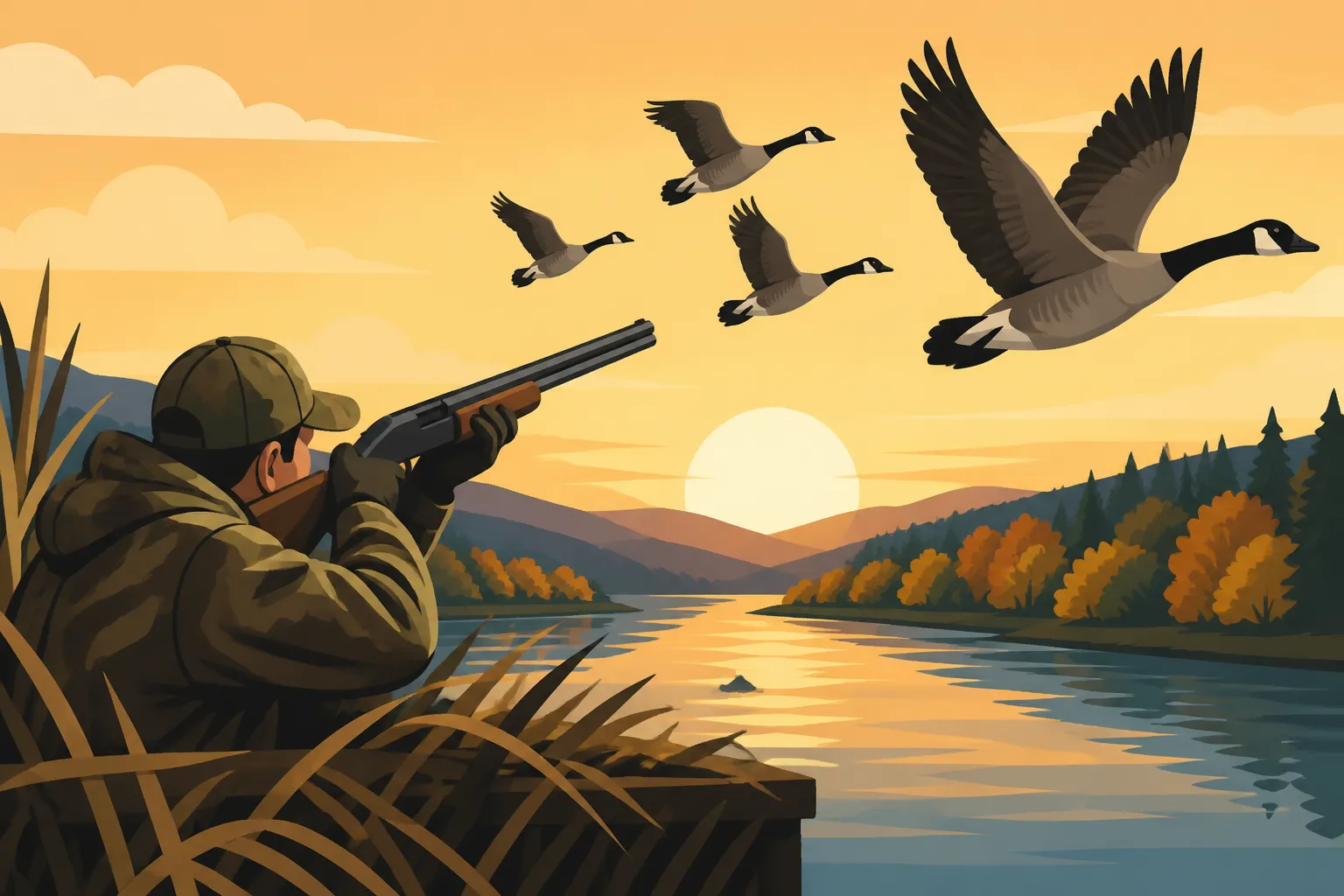
This is where the "art" truly comes in. When geese are flying overhead, they're often moving at speeds upwards of 40-50 miles per hour, sometimes even faster with a tailwind. Simply aiming directly at a goose will almost guarantee a miss. You need to lead the bird significantly. The amount of lead required depends on several factors: the bird's speed, its distance, its angle of flight, and the velocity of your chosen ammunition.
Start by observing the flock as it approaches. Are they flying in a straight line, or are they banking and weaving? Identify a single bird you intend to shoot. As it draws closer, track it smoothly with your shotgun, swinging ahead of it. Your eyes should remain focused on the bird's head, not the barrel. When you've established your lead – which might be anywhere from 5-10 feet or even more for distant birds – squeeze the trigger while continuing your swing. This is called "swing through" or "sustained lead" shooting. The follow-through is critical; don't stop your swing the moment the shot breaks. Practice makes perfect, and many seasoned pass-shooters recommend practicing on clay targets thrown at various angles and speeds to simulate real-world scenarios. Don't be afraid to estimate and adjust your lead; it's a dynamic calculation that changes with every bird.
Ethical Shot Placement and Retrieval
Ethical hunting demands that we make every effort to ensure a clean, quick kill and recover every bird we shoot. For geese, the most effective shot placement is generally the head and neck, or the forward half of the body, which contains the vital organs. Shooting at the tail feathers of a retreating bird is rarely effective and often leads to wounded birds that are difficult, if not impossible, to retrieve. Wait for the birds to be in an optimal position, preferably broadside or slightly quartering away, where you have a good chance of hitting those vital areas.
Retrieval is equally important, especially over water. If you're hunting along the Connecticut River, having a retrieving dog is an incredible asset. A well-trained Labrador or Chesapeake Bay Retriever can dramatically increase your retrieve rate, especially if birds fall into the main river current or dense shoreline vegetation. If you don't have a dog, consider bringing a small boat, canoe, or even a kayak, particularly if you anticipate birds falling into the water. Never take a shot if you aren't reasonably confident you can retrieve the bird. This might mean letting some birds fly by, especially if they are over the deepest part of the river or dense, impenetrable cover. Being able to successfully recover your game is just as important as being able to shoot it.
Timing Your Hunt for Optimal Success
Timing is everything in pass-shooting. The most productive times are typically the first two hours after legal shooting light in the morning and the last two hours before legal shooting light in the evening. These are the peak movement times as geese travel between roosts and feeding areas. During these windows, the flight activity is often highest and most predictable.
Midday hunting can be slower, but don't discount it entirely. Sometimes, particularly on colder days or during periods of heavy hunting pressure, geese might make mid-morning "loafing" flights to another section of the river or a new field. Weather also plays a significant role. Overcast days with light rain or mist can keep geese flying lower and longer, offering better opportunities. Strong winds can also be a boon, as geese often fly lower and use specific terrain features to gain an advantage against the wind, making their flight paths more predictable. Conversely, bright, bluebird days with no wind often see geese flying exceptionally high, making pass-shooting much more challenging. Pay attention to the Vermont Waterfowl Zones and Seasons to ensure you're hunting during legal dates for the Connecticut River Zone.
Legalities and Regulations for Connecticut River Waterfowl
Hunting waterfowl in Vermont, especially on a unique border waterway like the Connecticut River, comes with its own set of rules and regulations. Understanding and adhering to these laws is essential for a legal and enjoyable hunt.
Vermont Waterfowl Zone Specifics (Connecticut River Zone)
Vermont is divided into three distinct waterfowl zones: the Lake Champlain Zone, the Interior Zone, and the Connecticut River Zone. Each zone can have different opening and closing dates and potentially different bag limits for certain species, although goose limits are often statewide. For pass-shooting geese along the Connecticut River, you must be intimately familiar with the specific dates and rules for the Vermont Connecticut River Zone Waterfowl Dates. This zone typically encompasses the main stem of the Connecticut River and its immediate adjacent floodplains, often extending to specific towns or geographic markers inland.
Always check the most current Vermont Fish & Wildlife Department regulations digest before each season. Regulations can change annually based on waterfowl populations, migratory patterns, and federal frameworks. Be aware of any special youth or veteran hunting days, and understand that hunting over open water might have specific restrictions regarding how far you can be from shore or vegetation. Given that the Connecticut River forms the border with New Hampshire, it's also crucial to understand that Vermont regulations apply to hunters on the Vermont side of the river. While most regulations are often harmonized, always confirm.
Licensing, Stamps, and Reporting Requirements
To legally hunt waterfowl in Vermont, you need several key items:
- Vermont Hunting License: A valid Vermont hunting license is your fundamental requirement.
- Vermont Migratory Bird Certificate: This state-specific endorsement is required for all migratory bird hunters and helps fund conservation efforts. It's an additional purchase to your base hunting license, often referred to as Vermont Migratory Bird Certification.
- Federal Duck Stamp: This federal stamp, officially known as the Migratory Bird Hunting and Conservation Stamp, is a physical stamp you must sign across the face and carry with you. It's a national requirement for hunting waterfowl and helps fund the acquisition and protection of wetlands. This is generally referred to as the Vermont Federal Duck Stamp Requirement.
- Harvest Information Program (HIP) Certification: You must register with the federal HIP program each year. This is typically a brief survey you complete when purchasing your state license, and it helps wildlife agencies gather data on migratory bird harvests.
Beyond possessing these, you must also be aware of daily bag and possession limits. For Canada geese, these are usually statewide, but always confirm the Vermont Duck and Goose Bag Limits for the current season. While deer and turkey require immediate reporting, waterfowl usually do not, but you are required to comply with federal banding surveys if you shoot a banded bird.
Safety and Ethical Hunting Practices
Safety must always be your top priority, especially when hunting near a major waterway or on public land.
- Blaze Orange: While not always required for waterfowl hunting in the blind, it is absolutely crucial when walking to and from your setup, especially during the rifle season overlap for deer. Even when waterfowling, if other hunters are around, a blaze orange hat or vest while moving is a smart choice.
- Firearm Safety: Always treat every firearm as if it's loaded. Keep the muzzle pointed in a safe direction. Be absolutely certain of your target and what is beyond it, especially when shooting at high-flying birds, as pellets can travel considerable distances.
- Water Safety: If you're using a boat or waders, wear a life vest. Be mindful of currents, cold water, and potential hazards like submerged logs. Hypothermia is a real danger in Vermont's colder months.
- Respect Other Hunters: If you encounter other hunters already set up in a prime location, give them a wide berth. Vermont's public lands are for everyone, and courteous behavior ensures a better experience for all. Maintain a safe shooting distance from residences, roads, and other structures as per state law regarding Vermont Firearms Discharge Setback Rules.
- Leave No Trace: Pack out everything you pack in, including spent shell casings. Leave the area cleaner than you found it.
Adapting to Weather and River Conditions
The Vermont weather along the Connecticut River can be notoriously fickle, and successful pass-shooting demands a hunter who can read the conditions and adapt their strategy on the fly. Ignoring these elements can lead to a frustrating and fruitless day.
Impact of Wind and Precipitation
Wind is arguably the single most influential weather factor for goose hunting. Geese are powerful fliers, but they instinctively use the wind to their advantage. They will almost always take off and land into the wind, and their flight paths are often dictated by it. On a day with a strong headwind, geese will typically fly lower, hug terrain features, and can be slower, presenting better shot opportunities. A strong tailwind, conversely, will send them rocketing by at incredible speeds, often much higher, making them incredibly difficult to intercept. Understanding Wind and Thermals in Steep Green Mountain Terrain can even apply to the river valley, as strong winds can be channeled and amplified along the river corridor.
Precipitation also plays a significant role. Overcast, drizzly, or lightly rainy days can be excellent for pass-shooting. The low cloud cover often encourages geese to fly lower, and the reduced visibility for the birds can make them less wary. Heavy rain, however, usually grounds birds or forces them into very short, urgent flights. Snow, particularly a fresh snowfall, can also be fantastic, as geese often appear darker against a white backdrop, making them more visible, and heavy snow can also drive them to lower altitudes. Always dress appropriately for the weather, employing a robust layering system to stay warm and dry, as sitting for extended periods in wet, cold conditions can be miserable and dangerous.
River Levels and Their Effect on Goose Movement
The Connecticut River is a dynamic system, and its water levels can fluctuate significantly throughout the hunting season, influenced by rainfall, snowmelt, and dam operations. These changes directly impact goose behavior and, consequently, your hunting opportunities. High water levels can submerge traditional sandbars and shallow feeding areas, forcing geese to seek out different roosts or feeding patterns. Conversely, very low water levels might expose new sandbars or gravel banks, creating new attractive loafing or roosting spots.
When the river is high and running fast, geese might avoid the main channel more, preferring calmer oxbows or adjacent flooded fields. This could mean they fly over land more frequently, altering their usual corridors. Conversely, if the river is very low, they might concentrate more on the remaining exposed mudflats or sandbars. Scouting isn't just about finding birds; it's about understanding how the current river conditions are influencing them. A quick check of local river gauges or news on dam releases can give you a heads-up on what to expect before you even leave home. This constant adaptation to conditions is what makes waterfowl hunting on the Connecticut River such a perpetual learning experience.
| Gear Category | Recommended Item | Why It's Essential |
|---|---|---|
| Firearm | 12-gauge Shotgun (3" or 3.5" chamber) | Handles heavy loads for long-range goose shots. |
| Ammunition | Steel Shot (BB, BBB, or T) at 1400+ FPS | Legal for waterfowl; retains energy and delivers lethal blows at distance. |
| Choke | Modified, Improved Modified, or Full | Tighter patterns for longer shots, pattern tested with chosen ammo. |
| Concealment | Camouflage Clothing (terrain-specific), Face Mask, Gloves | Blends into natural surroundings; breaks up human silhouette, hides exposed skin. |
| Footwear | Waterproof Waders or High Rubber Boots | Essential for navigating wet, muddy river banks, shallow water, and marshy areas. |
| Retrieval | Retrieving Dog (preferred) or Small Boat/Kayak | Crucial for recovering downed birds from water or dense cover to ensure ethical hunting. |
| Navigation | GPS/Mapping App (e.g., GoHunt) & Physical Map | Locating public land, property lines, identifying flight corridors, and navigating unfamiliar terrain. |
| Optics | Binoculars (8×42 or 10×42) | Scouting for distant birds, identifying species, and observing flight patterns. |
| Calls (Optional) | Goose Call (short-reed or flute) | Can be used sparingly to get attention or adjust flight paths, but pass-shooting relies more on concealment. |
| Safety | Life Vest, First Aid Kit, Blaze Orange (for transit) | Essential for water safety, emergencies, and visibility when moving through hunting areas, especially during other open seasons. |
| Comfort | Warm, Layered Clothing, Waterproof Outerwear, Thermos | Vermont weather is unpredictable; staying warm and dry prevents discomfort and hypothermia, essential for long sits. |
| Miscellaneous | Headlamp, Shell Pouch, Knife, Water/Snacks | Practical necessities for pre-dawn/post-dusk operations, carrying ammo, field dressing, and staying hydrated/fed. |
Disclaimer
Hunting involves inherent risks, and it is the responsibility of each individual to understand and comply with all applicable local, state, and federal hunting laws and safety regulations. The information provided in this guide is for informational purposes only and should not be considered legal advice. Always consult the most current Vermont Fish & Wildlife Department regulations and practice safe firearm handling.