Vermont Deer and Moose Disease Monitoring
The health of Vermont's iconic deer and moose populations is a top concern for every hunter and wildlife enthusiast in the Green Mountain State. It's completely understandable to feel a sense of worry about diseases like CWD or the ever-present threat of the winter tick to our moose, wondering what's being done to protect these incredible animals. This comprehensive guide will walk you through Vermont's rigorous disease monitoring programs for deer and moose, explaining the proactive measures in place and how hunters play a vital role in keeping our wild herds healthy and thriving.
Understanding Vermont's Proactive Approach to Wildlife Health
Vermont's approach to wildlife health isn't just reactive; it's a deeply rooted commitment to proactive monitoring and management. For decades, wildlife biologists and conservation wardens have been working tirelessly, often behind the scenes, to ensure our deer and moose remain robust against potential threats. This isn't just about preventing catastrophic outbreaks; it's about maintaining the ecological balance and ensuring sustainable hunting opportunities for future generations. The dedication to these efforts stems from a deep understanding that a healthy ecosystem relies on healthy wildlife populations.
The Importance of Healthy Herds
A healthy deer or moose herd means more than just a good hunting season; it speaks volumes about the overall health of Vermont's diverse ecosystems. When deer or moose populations are robust and free from widespread disease, it indicates that their habitat can support them, that food sources are adequate, and that environmental stressors are minimized. Conversely, a struggling herd can be an early warning sign of broader environmental issues. For hunters, encountering a healthy, vibrant animal is not only rewarding but also a testament to effective wildlife management. It gives us confidence that the venison we bring home is safe for our families and that the traditions we cherish can continue. The state's efforts go beyond just counting animals; they delve into the nuances of their well-being, from nutritional status to disease resistance.
Collaborative Monitoring Programs
Vermont's wildlife disease monitoring is far from a solo act. It's a collaborative dance involving state wildlife agencies, veterinarians, researchers, hunters, and even concerned citizens. This multi-faceted approach ensures that data is collected from various sources, giving a comprehensive picture of herd health. Samples are collected from harvested animals, reports of sick wildlife are investigated, and specific studies are conducted on prevalent concerns. This network allows for early detection of potential threats, which is critical in preventing localized issues from becoming widespread problems. For instance, the collaboration with hunters at check stations during hunting season is invaluable, as it provides a direct means to gather biological samples and observe trends across different regions, from the Champlain Valley to the Northeast Kingdom. If you're looking for detailed information on herd health and population estimates, resources like GoHunt often compile publicly available data from state agencies, allowing hunters to stay informed.
Chronic Wasting Disease (CWD): Vermont's Vigilance and Prevention
Chronic Wasting Disease (CWD) is perhaps the most talked-about and feared deer disease, and for good reason. It's a fatal neurological disease affecting deer, moose, and elk, caused by misfolded proteins called prions. While Vermont has remained CWD-free, the threat from neighboring states and provinces is real and constant. This isn't a situation where the state is waiting for a problem to appear; instead, there's an aggressive, multi-layered defense strategy in place to keep CWD out of Vermont. Every hunter needs to be aware of these measures, as our actions directly contribute to this critical prevention effort.
Vermont's CWD Surveillance Program
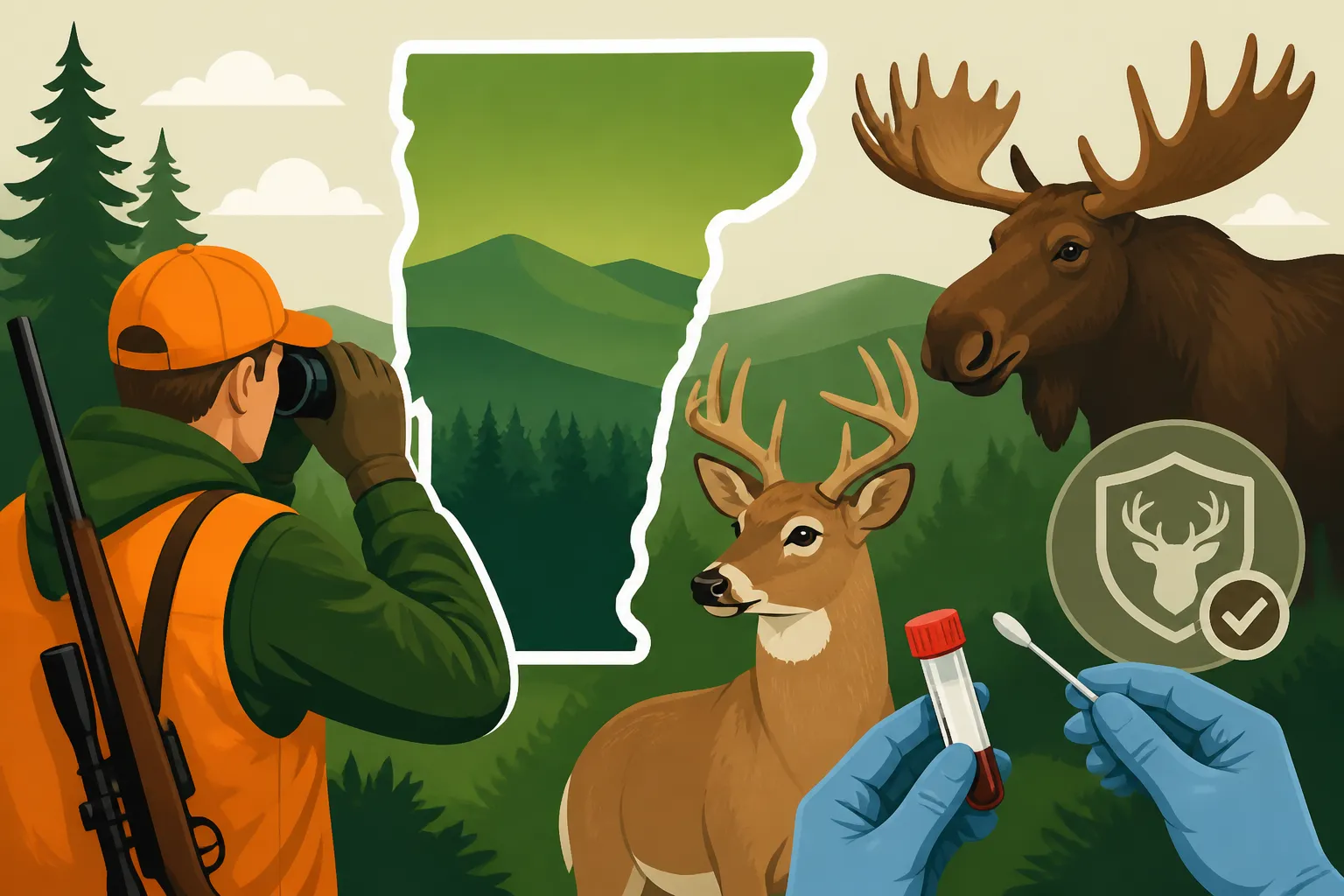
Vermont operates a robust CWD surveillance program, designed to detect the disease quickly should it ever appear. This program involves routinely testing samples from harvested deer and other cervids, particularly in areas near state borders or where there might be a higher risk of introduction. During specific hunting seasons, such as Vermont's November Rifle Season or Vermont's Expanded Archery Season Opens, hunters are often asked to submit deer heads for sampling, especially if they harvest an animal in a designated surveillance area or one that appears unwell. This is a critical point of contact for monitoring, allowing biologists to gather hundreds of samples annually. The state's proactive sampling provides invaluable baseline data, so if CWD were to appear, it could be identified early, triggering rapid response protocols to contain it. You can learn more about these efforts by checking out the specifics of Vermont's CWD Testing Program.
Strict Carcass Import Restrictions
One of the most effective lines of defense against CWD entering Vermont is strict regulation on importing deer, moose, and elk carcasses from other states or provinces. Since CWD prions can persist in lymphoid tissue, brain, and spinal cord, bringing whole carcasses from areas with CWD is a significant risk. Vermont's rules prohibit the import of most parts of cervids from CWD-positive jurisdictions, with exceptions typically made for deboned meat, clean skull plates, antlers, hides, and taxidermy mounts. This measure directly targets a primary pathway for CWD introduction. Hunters who travel out of state for hunts must be acutely aware of these regulations to avoid inadvertently bringing a risk back home. It's a small inconvenience that provides a massive safeguard for Vermont's herds. For details, refer to the guidelines on Moving a Deer Carcass Into Vermont.
The Ban on Urine-Based Lures
Another crucial preventative measure Vermont has implemented is the ban on natural urine-based deer lures. The concern here is that if a deer from a CWD-infected area were used to produce urine lures, prions could potentially be present in the lure itself. While the risk might seem small, the devastating impact of CWD means that every possible pathway for transmission needs to be addressed. Synthetic lures offer a safe and effective alternative, allowing hunters to still employ scent strategies without the risk. This regulation underscores Vermont's conservative approach to CWD prevention, choosing to err on the side of extreme caution to protect its cherished wildlife. Understanding Vermont's Rule Against Urine-Based Deer Lures is essential for all hunters.
Here's a quick overview of Vermont's CWD prevention pillars:
| Prevention Pillar | Description | Primary Goal | Hunter's Role |
|---|---|---|---|
| Surveillance Program | Routine testing of harvested deer, especially in border or risk areas. | Early detection of CWD if it enters the state. | Cooperate with requests for biological samples at check stations. |
| Carcass Import Ban | Restricts bringing whole carcasses from CWD-positive areas into Vermont. | Prevent CWD prions from entering via infected game. | Adhere to regulations when hunting out of state and returning. |
| Urine-Based Lure Ban | Prohibits the use of natural deer urine products. | Eliminate potential prion transmission via scent lures. | Use synthetic lures; do not use natural urine products. |
| Hunter Reporting | Encourages reporting of sick or unusual deer sightings. | Early identification of potential disease cases. | Call Fish & Wildlife if you see a deer exhibiting CWD symptoms. |
Moose Health Concerns: The Shadow of the Winter Tick
While deer health is a constant focus, Vermont's moose population faces unique challenges, none more pressing than the impact of the winter tick. These tiny parasites, in overwhelming numbers, have a devastating effect on moose, particularly calves, and represent a significant management concern for the state. Understanding this challenge is key to appreciating the management decisions made regarding Vermont's moose.
Impact of the Winter Tick on Moose
The winter tick (Dermacentor albipictus) can infest moose in staggering numbers, sometimes tens of thousands on a single animal. Unlike other ticks, the winter tick completes its entire lifecycle on one host, primarily attaching in the fall and remaining through winter and early spring. The sheer number of ticks leads to chronic blood loss, causing anemia and weakening the moose. This severe stress, combined with the irritation, causes moose to rub off significant amounts of their hair attempting to dislodge the ticks, which leads to further heat loss and makes them more susceptible to the harsh Vermont winters. Calves are particularly vulnerable, and high calf mortality due to winter ticks is a major factor limiting moose population growth and even causing declines in some areas. This phenomenon is a critical factor in understanding Why Winter Ticks Threaten Vermont Moose.
Vermont's Moose Permit Strategy
Given the severe impact of winter ticks, Vermont's management strategy for moose has evolved to address this threat directly. The state's annual moose hunt, particularly in the Northeast Kingdom, is not solely about providing hunting opportunities; it's a crucial tool for herd health management. By issuing a limited number of moose permits, the state aims to reduce moose density in certain areas, thereby theoretically reducing the number of hosts available for winter ticks. A lower moose density could lead to fewer ticks on the landscape, giving remaining moose a better chance of survival, especially the vulnerable calves. This is why you might hear about Vermont's Winter-Tick-Driven Moose Permit Strategy when applying for the lottery. The number of permits, and the specific Wildlife Management Units (WMUs) they are allocated to, are carefully decided each year based on population surveys, health assessments, and the ongoing battle against the winter tick. For hunters interested in pursuing a bull moose, understanding how Vermont's Moose Permits as a Density Management Tool are allocated is crucial for planning.
Other Diseases and Monitoring Efforts in Vermont
While CWD and winter ticks often grab the headlines, Vermont's wildlife health monitoring encompasses a broader range of diseases and environmental factors that can impact deer and moose, as well as other wildlife. The state continuously monitors for various pathogens and conditions, recognizing that wildlife health is a complex, interconnected system.
Eastern Equine Encephalitis EEE and West Nile Virus WNV
Though more commonly associated with human health and mosquito control, Eastern Equine Encephalitis (EEE) and West Nile Virus (WNV) can also affect wildlife, including deer. These viruses are transmitted by mosquitoes and, in rare cases, can lead to neurological symptoms in deer. While not a widespread cause of deer mortality, monitoring these diseases in the environment helps paint a more complete picture of ecosystem health. Dead bird surveillance programs, for instance, can provide early warnings of viral activity in specific areas, informing both public health and wildlife management responses. While deer usually recover if infected, it’s another data point in the larger surveillance effort.
Lyme Disease and Hunters
Lyme disease, caused by bacteria transmitted through tick bites, is a significant concern for human outdoor enthusiasts, including hunters. While it doesn't directly impact deer health in a visible, herd-level way, deer play a critical role in the tick life cycle, serving as hosts for adult black-legged ticks. Therefore, managing deer populations can indirectly influence tick abundance and, consequently, the risk of Lyme disease for humans. For hunters, awareness and preventative measures like protective clothing and repellents are essential. The state also monitors tick populations as part of its broader ecological surveys, acknowledging the intertwined nature of human, wildlife, and environmental health.
Bovine Tuberculosis and Brucellosis Monitoring
Historically, concerns existed regarding the potential for wildlife, particularly deer, to transmit diseases like bovine tuberculosis (bTB) or brucellosis to livestock. While these diseases are not prevalent in Vermont's wild deer or moose populations, continuous monitoring is conducted as a preventative measure, especially in areas adjacent to agricultural lands. This involves examining tissue samples from harvested animals for any signs of these bacterial infections. Maintaining a clean bill of health for wildlife against these diseases is crucial for both the health of the wild herds and the economic well-being of Vermont's agricultural community. It's another example of how Vermont takes a holistic view of wildlife and livestock interactions.
The Hunter's Role in Disease Monitoring and Prevention
As hunters, we are often the first line of defense and the most vital eyes and ears in the field. Our intimate knowledge of the land and the animals we pursue puts us in a unique position to contribute significantly to Vermont's disease monitoring and prevention efforts. This isn't just about following rules; it's about being responsible stewards of the resource.
Reporting Sick or Unusual Animal Sightings
One of the most important contributions hunters can make is promptly reporting any deer or moose exhibiting unusual behavior or showing signs of illness. This could include an animal that appears emaciated, has difficulty walking, shows neurological symptoms like stumbling or head tilting, or is unusually unafraid of humans. While it might be tempting to just move on, a quick call to the Vermont Fish & Wildlife Department can provide critical information that could lead to early detection of a disease. Even if it turns out to be nothing serious, it’s always better to report and let the experts investigate. Many states also offer apps or online portals where you can easily submit these observations, and reputable hunting platforms like GoHunt often link directly to these official reporting mechanisms, making it simple to do your part. Reporting sick animals directly contributes to the overall Vermont Deer and Moose Disease Monitoring efforts.
Proper Carcass Handling and Disposal
After a successful hunt, proper carcass handling and disposal are paramount, especially when considering disease prevention. If you've hunted out of state, always know and follow Vermont's carcass import regulations before you even think about heading home. When field dressing an animal, always use gloves and practice good hygiene. If you notice anything unusual with the animal's organs or lymph nodes, make a mental note and consider contacting the Fish & Wildlife Department. For disposal of carcass remains, it's vital to do so responsibly. Leaving gut piles in easily accessible areas where other wildlife or domestic animals could come into contact with them is not ideal. Burying remains deeply or disposing of them in a permitted landfill helps to prevent the potential spread of any pathogens that might be present. This also ties into best practices for Field Dressing a Deer in Cold Weather to ensure meat quality and minimize contamination.
Using Resources like GoHunt for Information
Staying informed is a powerful tool in disease prevention. Hunters should regularly consult official Vermont Fish & Wildlife resources for the latest information on regulations, disease updates, and reporting procedures. Websites, social media channels, and even annual hunting guides are excellent sources. Additionally, online platforms like GoHunt can serve as a valuable hub for hunters, often consolidating state-specific regulations, season dates, and even news related to wildlife health. These platforms can help you plan your hunts, understand specific WMU rules, and even locate public lands, all while keeping you updated on critical information like disease advisories. Being proactive in seeking out and understanding this information means you're not just a hunter; you're an informed conservationist. When you learn about Hunting Vermont's Regular Archery Season Into December, for instance, it's also a good idea to refresh your knowledge on current disease protocols for that specific season.
How Vermont Manages Its Deer and Moose Populations to Promote Health
Beyond disease-specific interventions, Vermont employs broader population management strategies that inherently contribute to the overall health and resilience of its deer and moose herds. It's a holistic approach that recognizes the intricate relationship between population numbers, habitat quality, and disease susceptibility.
Managing Deer Density for Herd Health
Maintaining deer populations at levels that are in balance with their habitat is a cornerstone of responsible wildlife management in Vermont. An overpopulated deer herd can quickly degrade its habitat, leading to diminished food sources and increased competition. This, in turn, stresses individual animals, making them more susceptible to disease and less capable of surviving harsh winters. Through regulated hunting seasons and the issuance of antlerless permits, the state actively manages deer density. For example, in areas where deer numbers need to be reduced, more antlerless permits might be issued. This helps to keep the herd within the carrying capacity of the land, ensuring that deer have access to adequate nutrition, which is vital for strong immune systems. Understanding the Vermont Deer Population Estimate and how it influences antlerless permit allocations is a key part of this strategy. Hunters participating in efforts like Holding Two Antlerless Permits in Different WMUs are directly contributing to healthy herd management.
Habitat Management for Resilient Wildlife
Healthy habitat is perhaps the most fundamental component of a healthy wildlife population. Vermont's Fish & Wildlife Department, along with partners like the Green Mountain National Forest, actively manages habitat to provide abundant food, cover, and water for deer and moose. This includes timber stand improvements, creating diverse forest structures, maintaining early successional habitat, and protecting crucial wintering areas known as deer yards. A diverse and robust habitat provides a variety of food sources, which translates to better nutrition for the animals. Well-nourished deer and moose are more resilient to parasites and diseases and better equipped to withstand environmental challenges like severe winters. These efforts are not just about finding good hunting spots; they are about fostering an environment where wildlife can thrive naturally, from a strong Vermont Moose Population Estimate to a robust deer population. By understanding How Fish and Wildlife Counts the Deer Herd, hunters can appreciate the science behind these habitat decisions.
Disclaimer
This article is for general informational purposes only and does not constitute professional advice. Laws, prices and regulations vary by location and change over time. Consult a qualified professional for guidance on your specific situation.