Why Winter Ticks Threaten Vermont Moose
Vermont's majestic moose, a symbol of the wild Northeast Kingdom, are facing an insidious and growing threat that fewer people talk about than habitat loss or hunting pressure: the winter tick. This tiny parasite is having a devastating, often fatal, impact on these magnificent animals, particularly calves, leading to alarming population declines. This comprehensive guide will explore the life cycle of the winter tick, detail its profound effects on moose health and survival, examine the environmental factors that amplify this crisis, and discuss the critical management strategies being employed to protect Vermont's moose population for future generations.
The Alarming Decline of Vermont's Moose Population
The sight of a bull moose, antlers gleaming, against the backdrop of a Green Mountain sunrise is an iconic Vermont experience. For decades, it seemed like an assured part of our natural heritage, a true success story of wildlife recovery. However, an unseen enemy is slowly but surely chipping away at this success, threatening the very future of these magnificent creatures in our state.
Historical Context of Vermont Moose
It's easy to forget that moose weren't always a common sight in Vermont. By the late 1800s, these impressive cervids had been largely extirpated from the state, victims of unregulated market hunting and the extensive habitat destruction that came with widespread logging and agricultural expansion. For many years, the only moose seen were transient individuals wandering in from neighboring states or Canada.
The tide began to turn in the mid-20th century. With forest regrowth and improved wildlife management, moose started to naturally recolonize Vermont, primarily from populations in Canada and New Hampshire, beginning in the 1960s and 70s. Their numbers truly exploded in the 1980s and 90s, reaching an estimated peak of over 5,000 animals by the early 2000s. This remarkable comeback allowed the Vermont Fish & Wildlife Department to establish regulated hunting seasons, managing the burgeoning population while providing incredible recreational opportunities. Moose became a cherished symbol of Vermont's thriving wilderness, especially in the vast, wild expanses of the Northeast Kingdom. This period of rapid growth is a stark contrast to the challenges we face today, as detailed in discussions around Vermont Moose Population Decline Since the 1990s.
Current Population Trends and Concerns
Sadly, the narrative of explosive growth has reversed dramatically since those early 2000s peaks. Today, the Vermont Moose Population Estimate is significantly lower, and the trend continues to be a source of serious concern for biologists and wildlife enthusiasts alike. While many factors can influence wildlife populations, one culprit stands out as the overwhelming driver of this decline: the winter tick.
Unlike previous pressures such as habitat fragmentation or disease outbreaks that might affect specific localized areas, the winter tick impacts moose across broad regions, particularly affecting the core moose habitats in the Northeast Kingdom and the higher elevations of the Green Mountains. The steady decrease in moose numbers isn't just a statistical blip; it represents a fundamental shift in the health and vitality of the herd. Without intervention and continued monitoring, the long-term implications for Vermont's moose population are dire, threatening to undo decades of conservation success and diminish the presence of these iconic animals in our northern forests.
Understanding the Lifecycle of the Winter Tick
To truly grasp the devastation wrought by winter ticks, one must first understand their unique and relentless life cycle. This isn't your garden-variety deer tick causing Lyme disease; the winter tick operates on a far more insidious timeline, designed to exploit its host for months on end.
The Tick's Journey: From Larvae to Nymphs
The scientific name for the winter tick is Dermacentor albipictus, and its strategy for survival is brutally efficient. Unlike the black-legged tick (deer tick), which requires three different hosts over a two-year period to complete its life cycle, the winter tick is a "one-host tick." This means that once it latches onto a host, it stays there through every developmental stage – from larva to nymph to adult – until it's ready to reproduce.
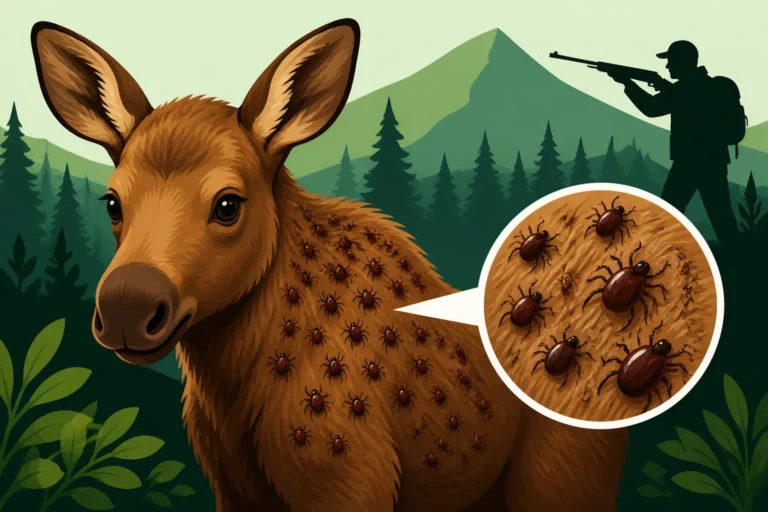
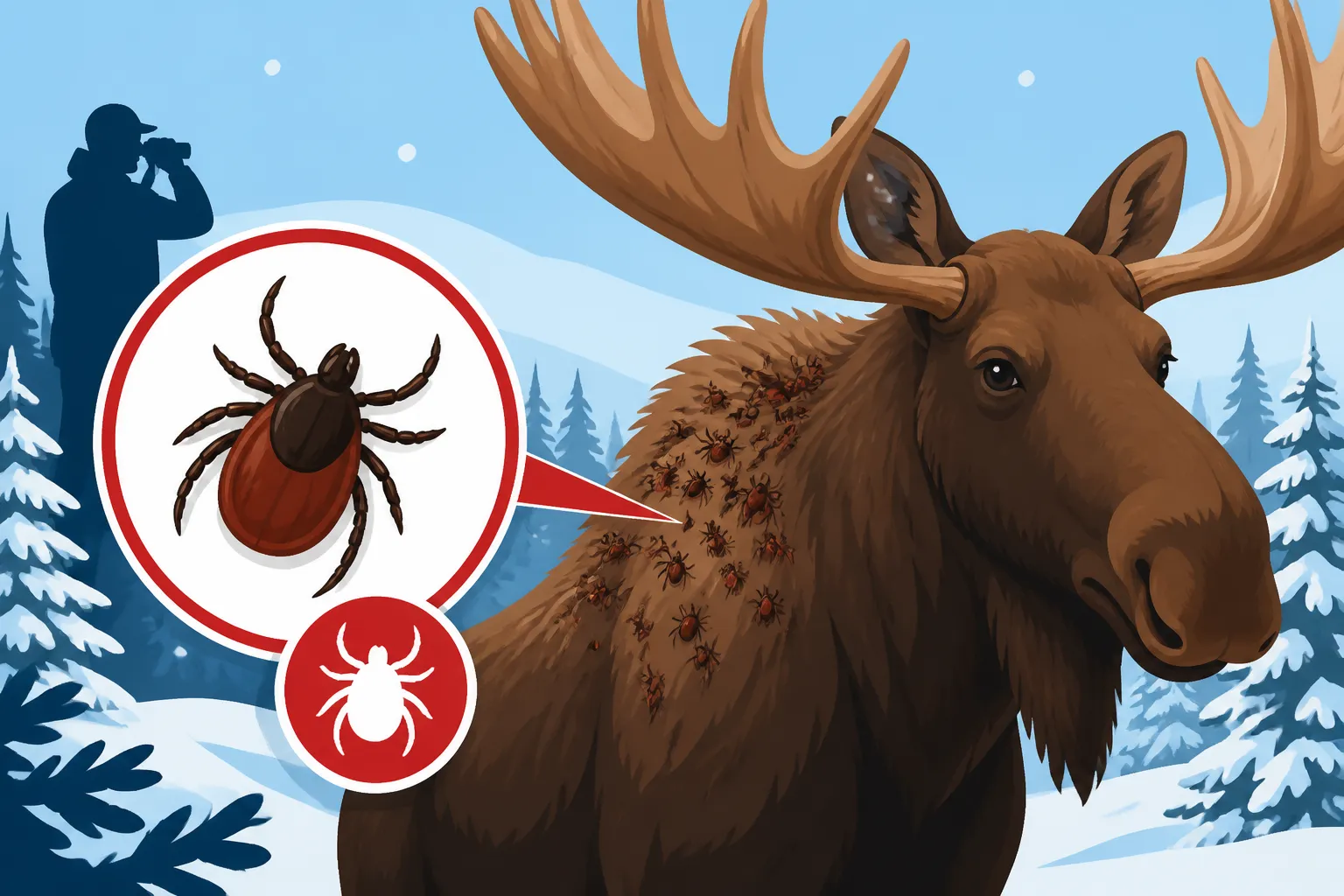
The cycle begins in late summer and early fall, typically from August through October. Thousands, sometimes tens of thousands, of tiny winter tick larvae hatch from eggs laid on the forest floor during the previous spring. These larvae then engage in "questing," climbing up low-lying vegetation like grasses, shrubs, and saplings, and waiting with outstretched legs for a suitable host to brush past. A moose, with its enormous body and tendency to push through dense browse, becomes a giant tick magnet. When a moose walks through a patch of questing ticks, thousands can attach in a matter of minutes. This incredible load explains why discussions about How Many Ticks Infest a Vermont Moose Calf often cite numbers in the tens of thousands, a truly astonishing burden for any animal to bear. Once attached, these larvae feed on the moose's blood, eventually molting into nymphs, and continuing their relentless blood meal, all on the same individual moose.
The Brutal Impact on Moose During Winter
The winter tick's name is highly descriptive of its most devastating phase. From the moment they attach in the fall, these parasites feed continuously throughout the entire winter, molting and growing on the moose. As winter progresses, the nymphs molt into adult ticks, continuing their blood-sucking marathon. It's during late winter and early spring, typically March through May, that the adult ticks mate on the host. Once engorged with blood and fertilized, the female ticks detach from the moose and drop to the snowy or thawing forest floor, where they lay thousands of eggs, thus completing the cycle and ensuring the next generation of parasites.
This uninterrupted feeding period of several months is what makes the winter tick so uniquely harmful. A moose can be carrying anywhere from 30,000 to over 90,000 individual ticks by the height of winter. Imagine the cumulative effect of that many parasites draining blood for months without respite. The sheer volume of blood lost, coupled with the constant irritation, places an immense physiological burden on moose at the very time of year when their energy reserves are already stretched thin by cold temperatures and scarce food. The relentless feeding directly leads to the severe health issues that ultimately threaten the moose's survival.
How Winter Ticks Devastate Moose Health
The continuous siphoning of blood by tens of thousands of winter ticks takes a profound toll on a moose, impacting them in multiple critical ways that often lead to death, particularly for the most vulnerable calves.
Blood Loss and Anemia
The most direct and dangerous consequence of a heavy winter tick infestation is severe blood loss, leading to anemia. Each tick is tiny, but when multiplied by tens of thousands, the collective drain on a moose's circulatory system becomes massive. Over several months, this constant blood extraction can result in a significant reduction in red blood cell count, making the moose anemic.
Anemia severely compromises the moose's ability to transport oxygen throughout its body, leading to lethargy, weakness, and a reduced capacity for normal physiological functions. Moose are already facing harsh conditions in winter, needing every ounce of energy to forage through deep snow and withstand freezing temperatures. Adding the burden of chronic blood loss means they are constantly on the edge of collapse, unable to sustain themselves. Their large body size, while impressive, ironically makes them more susceptible; they offer a vast surface area for ticks, and despite their volume, their blood supply can be overwhelmed by such an extreme parasitic load.
Behavioral Changes and Reduced Foraging
The irritation from thousands of feeding and crawling ticks is unbearable. Moose respond to this intense itching by compulsively rubbing themselves against trees, rocks, and anything else they can find in an attempt to dislodge the parasites. This frantic grooming behavior, sometimes called "self-grooming syndrome," has highly detrimental consequences.
The most visible sign of this behavior is extensive hair loss, particularly noticeable on the moose's shoulders, neck, and flanks. A moose with significant hair loss is often referred to as a "ghost moose" because of its patchy, pale appearance. This loss of insulation in the dead of winter is catastrophic. Moose rely on their thick, hollow hair to trap air and provide a vital layer of warmth against the brutal cold. Without it, they expend significantly more energy trying to maintain their body temperature, further depleting their already strained fat reserves. Moreover, the constant rubbing and irritation distracts moose from their most critical winter activity: foraging for browse. Instead of seeking out essential food sources, they spend valuable time and energy frantically trying to alleviate the itching, often futilely, leading to malnourishment and further weakening, creating a dangerous downward spiral.
Impact on Calf Survival Rates
While adult moose suffer immensely from heavy tick loads, it is the calves that bear the brunt of the winter tick's devastation, often succumbing to the parasitic onslaught. Calves have smaller body sizes, less blood volume, and fewer fat reserves than adults, making them far more vulnerable to the effects of blood loss and exposure.
Mortality rates for heavily infested moose calves can be alarmingly high, reaching 70-90% in some years, particularly following severe tick seasons. These young animals, still in a crucial developmental stage, simply cannot withstand the combined assault of anemia, hypothermia from hair loss, and malnutrition. Even if a calf manages to survive a severe tick burden, its development is often stunted. These compromised individuals are typically smaller, weaker, and less likely to grow into healthy, reproductively successful adults, hindering the future growth and vitality of the overall moose population. The grim reality of Why Moose Calves Die From Winter Ticks highlights the direct threat these tiny parasites pose to the very future of the species in Vermont.
| Factor | Healthy Moose (Low Tick Burden) | Tick-Stressed Moose (High Tick Burden) |
|---|---|---|
| Blood Volume | Normal, robust | Severely Reduced (Anemic) |
| Hair Coat | Thick, intact, insulating | Patchy, rubbed off ("Ghost Moose") |
| Energy Levels | High, active foraging, alert | Low, lethargic, reduced foraging |
| Calf Survival | High (typically >80%) | Low (often <50%, sometimes <10%) |
| Reproduction | Regular, healthy offspring | Reduced success, weaker calves |
| Winter Survival | Excellent | Significantly reduced, high mortality |
Environmental Factors Amplifying the Threat
The winter tick's devastating impact isn't solely a biological phenomenon; it's intricately linked to broader environmental changes, particularly those driven by a warming climate. These changes create a more favorable environment for ticks, exacerbating the challenges faced by Vermont's moose.
Warmer Winters and Extended Tick Seasons
One of the most significant environmental factors contributing to the winter tick crisis is climate change, specifically the trend towards warmer and shorter winters. While ticks attached to a host are insulated, the overall milder winter conditions play a critical role in the tick's life cycle success. Less severe winters mean that more tick larvae, which hatch in the late summer and early fall, can survive to quest for a host. Crucially, warmer autumns extend the period during which these larvae are active and can attach to moose.
Furthermore, shorter, warmer winters lead to an earlier spring thaw, which in turn means female ticks engorged with blood can drop off the moose earlier to lay their eggs. An extended period for egg-laying and development translates directly into a larger population of questing larvae in the following fall. This creates a vicious cycle: warmer temperatures lead to more ticks, which in turn place a greater burden on moose. The critical threshold seems to be consistently cold temperatures and sufficient snow cover to interrupt the tick's questing behavior or otherwise reduce their numbers. When these conditions are absent, tick populations can explode, overwhelming the moose population.
Habitat Changes and Moose Density
While climate change is a macro factor, local habitat conditions and moose density also play a role in amplifying the winter tick threat. Historically, a thriving moose population was a sign of healthy forest ecosystems. However, when moose populations become too dense in certain areas, it can inadvertently contribute to the tick problem. Higher moose density means there are more hosts available in a given area, increasing the likelihood that questing tick larvae will find a host. This can lead to an accumulation of ticks in specific geographic regions, making it even harder for moose to avoid infestation.
Moreover, certain habitat characteristics can favor tick proliferation. While moose thrive in early successional forests with abundant browse, some forestry practices, such as large clear-cuts, if not managed carefully, can create dense, low vegetation that provides ideal questing habitat for tick larvae. This juxtaposition of high moose numbers in areas conducive to tick survival can intensify the parasitic burden. This understanding has informed management decisions focused on Vermont's Moose Density Reduction Efforts as a direct way to break the tick cycle by reducing the number of available hosts. Understanding these local factors, often by looking at detailed maps and data akin to what advanced hunting platforms offer, can provide crucial insights for both biologists and hunters.
Management Strategies and Conservation Efforts
Faced with the severe threat of winter ticks, the Vermont Fish & Wildlife Department, in collaboration with other state agencies and research institutions, has implemented a multi-faceted approach to manage and conserve the state's moose population. These strategies are often complex and require careful balancing of ecological and social considerations.
Reducing Moose Density to Break the Cycle
One of the most direct, albeit sometimes controversial, management strategies is to reduce moose density in areas heavily impacted by winter ticks. The logic behind this approach, shared by wildlife agencies in neighboring states like Maine and New Hampshire, is straightforward: fewer moose mean fewer hosts for the ticks. By lowering the number of available hosts, fewer engorged female ticks will successfully drop off to lay eggs in the spring, which over time, can lead to a reduction in the overall tick population and thus a lower parasitic burden on the remaining moose.
This density reduction is primarily achieved through controlled hunting permits. While it might seem counterintuitive to hunt a declining population, these permits are carefully allocated, often concentrated in specific areas like the Northeast Kingdom where moose density is highest and tick issues are most severe. This is directly addressed in Vermont's Winter-Tick-Driven Moose Permit Strategy, which explains how permits, such as the Vermont's Eighty-Five 2026 Moose Permits, are issued with a scientific rationale. The goal is not to eliminate moose, but rather to achieve a healthier, more sustainable population that is less susceptible to massive tick infestations. These decisions are rooted in robust population models and data, aiming for long-term herd health. The Applying for a Vermont Moose Permit process is an integral part of this management.
Research and Monitoring Programs
Beyond population management, ongoing scientific research and rigorous monitoring programs are absolutely critical to understanding the winter tick crisis and developing effective long-term solutions. The Vermont Fish & Wildlife Department actively participates in studies to gather crucial data on moose health, tick prevalence, and environmental factors.
A key component of this research involves collaring moose to track their movements, monitor their survival rates, assess tick loads, and gain insights into their behavior throughout the winter. This telemetry data provides invaluable real-time information. Additionally, biologists collect data from harvested moose, including hide counts for ticks and tissue samples, which offer a snapshot of herd health and parasitic burden. Collaboration with academic institutions, like the University of New Hampshire and the University of Vermont, and other state and provincial agencies, ensures a broad and comprehensive approach to tackling this complex ecological challenge. This ongoing Vermont Deer and Moose Disease Monitoring is crucial for informed decision-making.
Hunter Contributions to Data Collection
Hunters play an undeniably vital role in wildlife management and conservation efforts in Vermont. For moose, specifically, successful hunters provide invaluable data points that directly feed into the state's research and monitoring programs. When a moose is harvested, hunters are required to report it, and during this process, biologists or wardens may collect biological samples or information about the animal's condition.
This can include assessing the overall health of the moose, noting any signs of heavy tick infestation (like hair loss), and sometimes even collecting tissue samples for disease monitoring. Hunters' observations in the field, whether reporting sightings of "ghost moose" or simply being observant of animal health, contribute to a broader understanding of the herd's status. The process of applying for and Hunting a Drawn Moose Zone in the Northeast Kingdom is not just about the hunt itself; it's part of a larger, scientifically driven management strategy. By engaging responsibly, following regulations, and providing accurate harvest information, hunters become essential partners in the ongoing effort to sustain Vermont's moose population. Being equipped with tools for Scouting Vermont Public Land Before Season and understanding species health is part of this responsible contribution.
What Hunters and Concerned Citizens Can Do
The challenge posed by winter ticks to Vermont's moose population is significant, but it's not insurmountable. It requires a collective effort from all who care about wildlife, encompassing support for scientific management, responsible land stewardship, and ongoing education.
Supporting Research and Conservation
For those passionate about Vermont's moose, one of the most impactful actions is to actively support the organizations and agencies dedicated to their conservation. This can take several forms, including financial contributions to the Vermont Fish & Wildlife Department, either through license purchases (which fund conservation) or direct donations. Many non-profit organizations also conduct vital research and habitat work directly benefiting moose and other wildlife.
Beyond financial support, it's crucial to advocate for science-based wildlife management policies. This means understanding the rationale behind decisions made by biologists, even when they seem unconventional, such as density reduction through controlled hunts. Engaging in respectful dialogue, staying informed about the latest research, and supporting initiatives that address broader environmental concerns like climate change will all contribute positively. The more informed and engaged the public is, the stronger the voice for moose conservation will be. This understanding also extends to appreciating why strict protocols for Packing Out a Vermont Moose and reporting success are critical for data collection.
Responsible Land Stewardship
Another critical avenue for contributing to moose conservation is through responsible land stewardship, whether on private property or when recreating on public lands. For landowners, managing forest habitat to create diverse ecosystems with a variety of browse can benefit moose, providing them with quality food sources that bolster their health. While direct tick control on such a large scale isn't feasible, enhancing overall moose health helps them better withstand tick burdens.
For all citizens, responsible recreation, particularly in sensitive wildlife areas and during critical times like winter, is important. Minimizing disturbance to moose when they are already stressed by tick loads and harsh weather can help conserve their energy. Education is also a powerful tool; by sharing accurate information about the winter tick crisis with friends, family, and community members, we can raise awareness and foster a greater understanding of the challenges facing our moose. Utilizing resources that provide detailed mapping and ecological insights, such as what platforms like GoHunt provide for other regions, can empower hunters and outdoor enthusiasts to make more informed decisions when exploring Vermont's wild spaces and contributing to conservation efforts.
Disclaimer
This article is intended for informational purposes only and does not constitute official legal or regulatory advice. Always consult the latest regulations and guidelines from the Vermont Fish & Wildlife Department before engaging in any hunting activities or making decisions related to wildlife management. Wildlife populations and environmental conditions are dynamic and subject to change.