Why Moose Calves Die From Winter Ticks
It's a heartbreaking sight for any Vermonter who loves our wild spaces: a young moose calf, weak and listless, its coat ragged and patchy from rubbing, struggling to survive the harsh winter. This isn't just a sad anecdote; it's a critical challenge facing our beloved moose population, particularly the most vulnerable calves. This guide will delve deep into the insidious threat of winter ticks and explain exactly why these tiny parasites are devastating Vermont's moose calves.
The Silent Threat: Understanding Winter Ticks and Their Impact on Moose Calves
When we talk about ticks in Vermont, most folks think of the deer ticks that carry Lyme disease, or maybe the wood ticks we pull off ourselves after a long day in the woods. But there's another, less commonly discussed tick that poses a truly existential threat to our moose: the winter tick, or Dermacentor albipictus. Unlike other ticks that take multiple blood meals from different hosts throughout the year, the winter tick has a unique and profoundly damaging lifecycle that plays out almost entirely on a single moose.
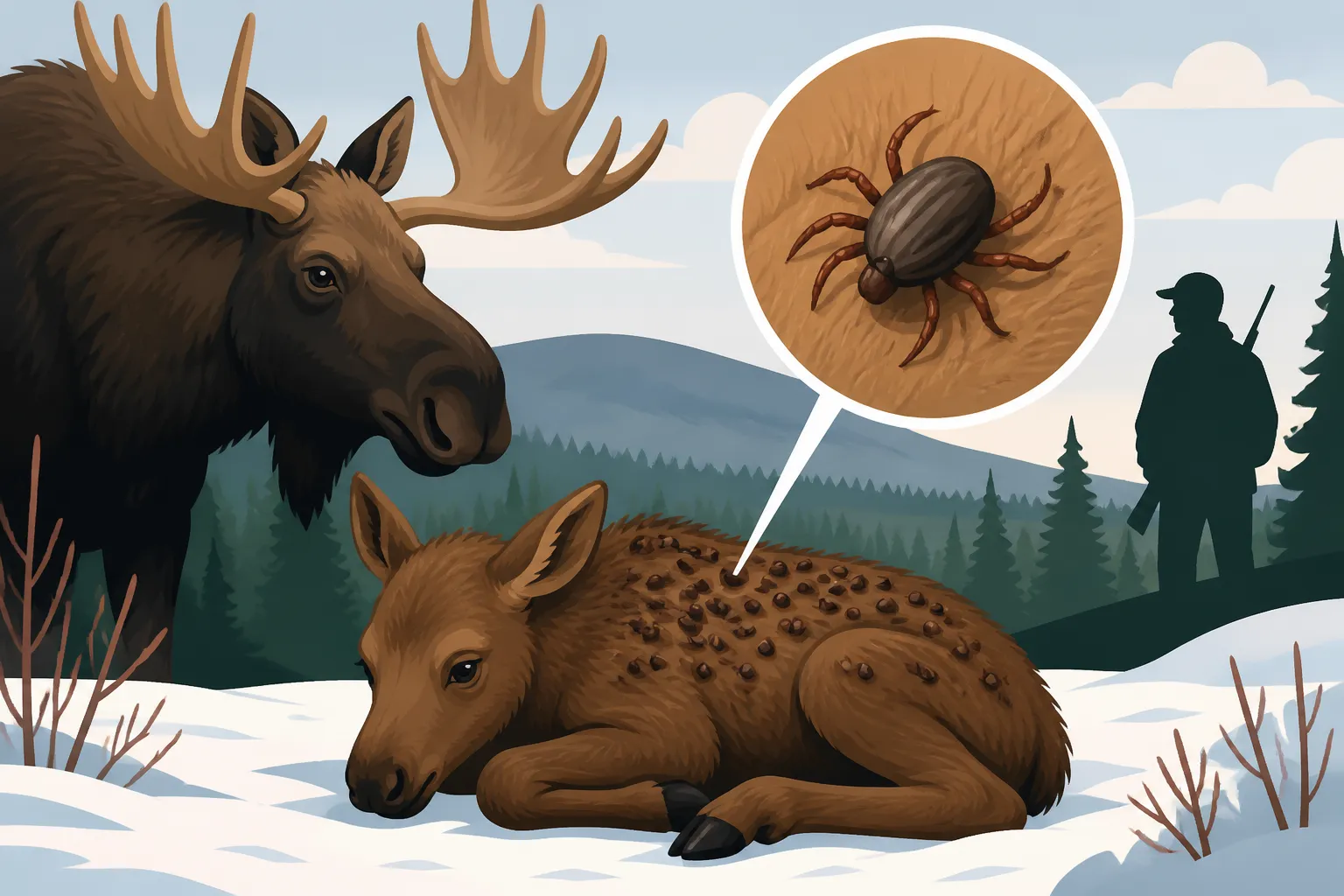
Imagine tens of thousands, sometimes even hundreds of thousands, of these tiny parasites all clinging to one animal. That's the grim reality for many moose calves in Vermont. These ticks are essentially "one-host" ticks. They hatch from eggs on the forest floor in late summer and early fall, then climb onto vegetation, waiting for a passing moose. Once they latch on, they stay on that single host through the fall, winter, and into spring, feeding continuously. For a moose calf, which is still growing and doesn't have the body mass or robust immune system of an adult, this massive, prolonged infestation is catastrophic. While adult moose can also carry a heavy tick load, their larger size and greater energy reserves often allow them to endure the blood loss and stress more effectively. But for a calf, it's a death sentence waiting to happen. Understanding Why Winter Ticks Threaten Vermont Moose involves recognizing this unique lifecycle and the sheer scale of infestation.
You might wonder how a hunter or a concerned citizen could even spot this issue. Often, the first visible sign of a heavy winter tick infestation is the "ghost moose" phenomenon. As the ticks feed and irritate the moose's skin, the animal will instinctively rub against trees, rocks, and anything else it can find to try and relieve the intense itching. This incessant rubbing breaks off huge patches of hair, leaving the moose looking pale, almost white or "ghostly" in appearance, hence the name. This isn't just a cosmetic issue; it's a major problem. That thick winter coat is crucial for insulation in Vermont's cold climate. Losing it prematurely means the calf struggles to regulate its body temperature, expending vital energy just to stay warm when it should be growing.
The Cascade Effect: How Tick Overload Leads to Calf Mortality
The sheer volume of blood lost to tens of thousands of feeding ticks is immense. Think about a tiny tick taking just a drop of blood, now multiply that by 50,000 or 100,000, day in and day out, for months. This constant blood-sucking leads to severe anemia in moose calves. Anemia weakens the calf, making it lethargic and less able to escape predators or even forage effectively. This isn't just a slight dip in energy; it's a profound drain that robs the calf of its ability to thrive. This is a primary reason How Many Ticks Infest a Vermont Moose Calf is a critical question for their survival.
Beyond the direct blood loss, the behavioral changes triggered by the ticks further compound the problem. The constant rubbing to alleviate itching, which leads to the "ghost moose" appearance, is an energy-intensive activity. Energy that should be directed towards growth and maintaining body condition is instead spent on a futile attempt to rid themselves of parasites. This reduced foraging time, combined with the energy demands of staying warm without a full coat, pushes calves into a severe negative energy balance. They burn more calories than they consume, leading to rapid weight loss and emaciation. A thin, anemic calf is incredibly vulnerable.
Furthermore, the constant irritation and open sores from rubbing compromise the calf's immune system. Its body is fighting a losing battle against the ticks, leaving it susceptible to secondary infections and less able to ward off other diseases. This weakened state means that even if a calf manages to survive the direct impact of tick infestation, it might succumb to pneumonia or other illnesses that a healthy animal could easily shrug off. Vermont's often long and cold winters play a significant role here, exacerbating the hypothermia risk for calves with severely thinned coats. If you're using tools like GoHunt to analyze moose distribution and habitat, understanding these environmental stressors can help you pinpoint areas where calves might be particularly at risk.
| Impact Area | Moose Calves (0-1 year) | Adult Moose |
|---|---|---|
| Tick Load | Can carry tens of thousands, sometimes over 100,000 | Typically lower, though still significant |
| Blood Loss | Severe, leading to anemia and weakness | Noticeable, but often not life-threatening |
| Behavioral | Excessive rubbing, hair loss ("ghost moose"), reduced foraging, lethargy | Hair loss, but generally maintain foraging and movement |
| Growth/Weight | Stunted growth, severe weight loss, increased susceptibility to elements | Moderate weight loss, may affect breeding success |
| Mortality | High risk, often fatal due to weakness, starvation, hypothermia | Low direct mortality from ticks alone, but can exacerbate other issues |
| Immunity | Compromised immune system, prone to secondary infections | Generally more resilient |
Broader Implications: The Future of Vermont's Moose Population
The high mortality rate among moose calves due to winter ticks has a direct and alarming impact on the overall health and size of Vermont's moose population. We've seen a Vermont Moose Population Decline Since the 1990s, and winter ticks are considered a primary driver of this trend. While adult moose might survive a heavy tick burden, repeated infestations can weaken them, reduce their reproductive success, and shorten their lifespan, further contributing to population decline. It’s a complex issue, but the vulnerability of calves is where the most significant damage occurs.
Wildlife management efforts, such as Vermont's Moose Density Reduction Efforts and Vermont's Winter-Tick-Driven Moose Permit Strategy, are directly influenced by this challenge. The idea behind these strategies is that fewer moose per square mile could mean less opportunity for ticks to find hosts, potentially reducing the overall tick burden on the remaining animals. It's a difficult balance, and a strategy that comes with considerable debate and observation. When hunting in areas like Hunting the Northeast Kingdom, where moose densities have historically been higher, hunters often report seeing more signs of tick issues.
As hunters and conservationists, our role extends beyond just harvesting game. Observing and reporting any "ghost moose" sightings or calves that appear unusually weak or sick can provide valuable data to the Vermont Fish and Wildlife Department, supporting their ongoing Vermont Wildlife Disease Monitoring Program. While we can't directly treat wild moose, our awareness and careful observations are crucial. Knowing How Many Moose Live in Vermont helps shape these management decisions, and understanding the tick problem is integral to that knowledge base. If you're researching potential hunting areas or simply trying to learn more about our state's wildlife, resources like GoHunt can offer mapping tools and historical data that might indirectly help you understand where moose populations might be facing these pressures. Keep an eye out when you're out Glassing a Clear-Cut for a Bull Moose – you might just spot a "ghost moose" calf that signals a significant tick issue in the local herd.
Disclaimer
This article is for general informational purposes only and does not constitute professional advice. Laws, prices and regulations vary by location and change over time. Consult a qualified professional for guidance on your specific situation.