Vermont Wildlife Disease Monitoring Program
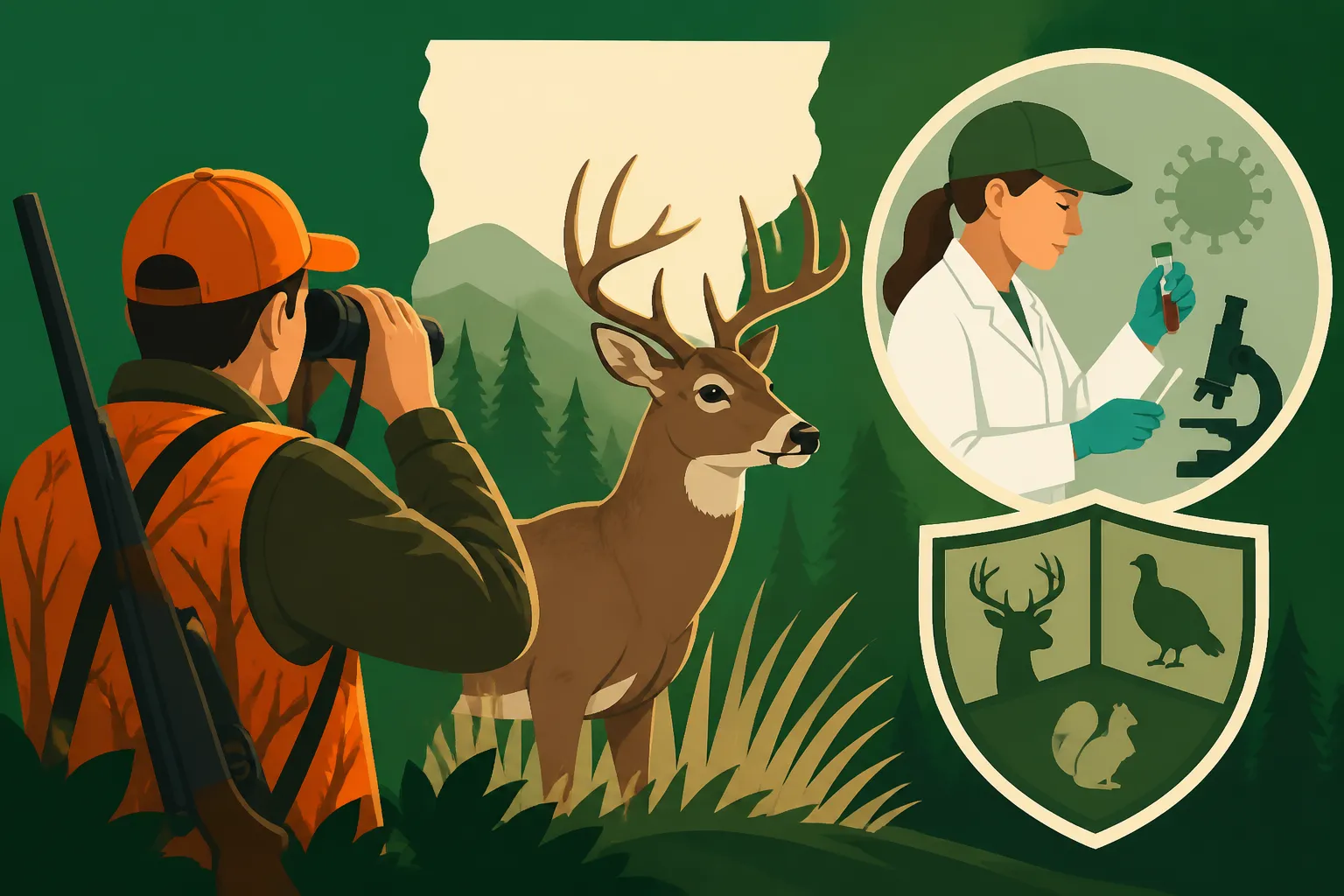
There's nothing more disheartening than spotting a deer or a moose that just doesn't look right – maybe it's acting strangely, looks emaciated, or has visible lesions. As hunters, we spend countless hours in the woods, and our connection to the health of Vermont's wildlife runs deep. This can be truly unsettling, and it often leaves us wondering what's going on with our beloved game animals. This guide dives into Vermont's comprehensive wildlife disease monitoring program, explaining why it's so critical, how it works, and what role you play in keeping our herds healthy for generations to come.
Why Vermont's Wildlife Disease Monitoring Program is Absolutely Crucial
When we think about hunting, we often focus on the thrill of the chase, the time spent afield, and the venison that fills our freezers. But underlying all of that is the fundamental health of the wild animals themselves. Vermont's wildlife populations, whether it's our robust deer herd, the recovering moose in the Northeast Kingdom, or the thriving wild turkeys, face a range of potential health challenges. These challenges can come from environmental factors, population density, or the introduction of new pathogens. Without a proactive and robust disease monitoring program, we'd be flying blind, unable to detect threats before they become widespread and potentially devastating.
One of the biggest fears for any hunter is the introduction of a highly contagious and lethal disease like Chronic Wasting Disease (CWD). The thought of CWD taking root in Vermont's deer herd sends shivers down the spine of every hunter and wildlife manager. This isn't just about deer; a healthy ecosystem depends on healthy wildlife. Diseases can impact reproductive success, overall animal welfare, and even human health in some rare cases. So, when the Vermont Fish and Wildlife Department invests time and resources into monitoring, they're safeguarding not just the animals, but our hunting traditions and the integrity of our natural heritage. It's about protecting what we love, ensuring that future generations can experience the same vibrant hunting opportunities we do today. This proactive approach helps us understand population dynamics better, allowing for more informed management decisions that ultimately benefit all wildlife and those of us who cherish it.
The Mechanisms Behind Vermont's Monitoring Efforts
You might wonder how Vermont keeps tabs on something as vast and wild as its animal populations. It’s not like they can just take every deer's temperature! The truth is, it's a multi-faceted effort involving sophisticated science, dedicated field staff, and crucially, the cooperation of hunters like us. The program relies on a network of observation, collection, and analysis to identify potential disease threats early and understand their prevalence.
Surveillance at Check Stations and Through Hunter Reports
One of the primary ways Vermont monitors deer health, particularly for diseases like CWD, is through mandatory reporting and, during certain seasons, samples taken at game check stations. When you register a deer, bear, or moose, that process isn't just about collecting harvest data; it's often an opportunity for wildlife biologists to gather biological samples. This might include lymph nodes for CWD testing or other tissues for general health assessments. The more samples they can collect, the clearer the picture they get of the herd's overall health and the absence or presence of specific pathogens.
Beyond official check stations, hunter observations are invaluable. If you're out scouting, hunting, or even just driving through rural Vermont and you see an animal that appears sick, lethargic, or behaving abnormally, reporting it to the Vermont Fish and Wildlife Department is a vital part of the monitoring program. Platforms like the GoHunt app or website often have features for reporting unusual wildlife sightings, making it easier for hunters to contribute their observations directly to the department. These grassroots reports can be the first indication of a localized issue that might otherwise go unnoticed until it's too late. Your eyes and ears in the field are a critical first line of defense. Remember, the department wants to know about these things; they're not going to think you're bothering them. They appreciate any information that helps them protect the health of our wildlife. The prompt reporting of a potentially sick animal allows biologists to investigate quickly, potentially preventing wider spread.
Research and Collaborative Partnerships
Vermont doesn't operate in a vacuum. The state's wildlife disease monitoring program is often supported by ongoing research and collaborations with universities, veterinary diagnostic labs, and federal agencies. These partnerships allow the department to leverage cutting-edge scientific techniques and share data with experts across the region and nation. For instance, understanding the spread of diseases like avian influenza in waterfowl requires coordination with other states along the Atlantic Flyway. Researchers might study specific parasites, like the winter tick, which has a significant impact on Vermont Moose Population Decline Since the 1990s.
These collaborations also extend to understanding diseases that might not directly impact hunters but are vital for overall ecosystem health. For example, monitoring bat populations for White-Nose Syndrome or amphibian populations for fungal diseases contributes to a broader understanding of environmental health. It's a testament to the interconnectedness of our natural world, where the health of one species can often be an indicator of the health of many others. The information gathered from these diverse sources is compiled and analyzed to generate a comprehensive overview of disease prevalence and trends across the state, ensuring that the department can make informed management decisions to maintain healthy wildlife populations.
What Hunters Need to Know and Do for Wildlife Health
As hunters, we aren't just consumers of wildlife resources; we're integral stewards. Our actions, both in the field and after the harvest, play a significant role in preventing the spread of diseases and supporting Vermont's monitoring efforts. Being informed and acting responsibly is our contribution to a healthy ecosystem.
Understanding and Following CWD Prevention Rules
Chronic Wasting Disease (CWD) is a neurological disease that affects cervids (deer, elk, moose). It's always fatal and has no known cure. While Vermont has remained CWD-free, the threat is always present, especially with confirmed cases in neighboring regions. This is why understanding and strictly adhering to Vermont's CWD prevention rules is paramount. These rules primarily focus on restricting the importation of certain carcass parts from other states or provinces where CWD has been detected. For example, if you hunt out of state, there are very specific regulations about Moving a Deer Carcass Into Vermont. Generally, only deboned meat, hides, clean skull plates, and taxidermy mounts are allowed.
Beyond importation, Vermont has also taken steps like implementing Vermont's Ban on Natural Deer Lures Explained, which prohibits the use of urine-based lures derived from cervids, as these could potentially transmit CWD prions. It might seem like a small detail, but these measures are crucial for protecting Why Vermont Has Stayed CWD-Free. Every hunter needs to be aware of these regulations. Websites like GoHunt or the Vermont Fish and Wildlife Department site are excellent resources for staying up-to-date on the latest rules and understanding the rationale behind them. Familiarize yourself with the symptoms of CWD – animals appearing emaciated, excessively salivating, or acting uncoordinated – and never hesitate to report such sightings.
Proper Carcass Handling and Disposal
After a successful hunt, how you handle and dispose of your animal's carcass can also impact disease transmission. While hunters are naturally focused on processing their meat, thinking about disease vectors is equally important. When you're field dressing an animal, be mindful of where you leave the gut pile. Ideally, it should be in an area where scavengers won't spread potentially infected material to other game animals or livestock. While the risk of CWD transmission from gut piles is considered low, especially in a CWD-free state like Vermont, it's still good practice to be thoughtful.
For more sensitive situations or if an animal appeared sick, the Vermont Fish and Wildlife Department might ask for specific disposal methods. Always follow their guidance. Additionally, consider how you clean your equipment – knives, saws, game carts, and even your boots. A thorough cleaning after each hunt can prevent the inadvertent transfer of pathogens from one location to another. These seemingly minor details are part of being a responsible hunter and actively participating in the health of Vermont's wildlife.
Key Wildlife Diseases Monitored in Vermont
Vermont's monitoring program keeps an eye on a variety of diseases, each with its own implications for wildlife and, in some cases, for humans. Understanding these specific threats helps contextualize the importance of the monitoring efforts.
Chronic Wasting Disease CWD
As mentioned, CWD is top of mind. This isn't just a Vermont issue; it's a North American concern. The disease affects the brain, spinal cord, and other tissues of cervids, slowly leading to emaciation, behavioral changes, and eventually death. Vermont has been rigorously testing harvested deer for years, especially in counties bordering states or provinces with CWD positive animals. The good news is that Vermont's CWD-Free Deer Herd remains a reality, which is a huge credit to both the monitoring efforts and the cooperation of hunters. However, vigilance is key. Every time a sample is taken at a check station, it's another piece of the puzzle confirming this status.
The long incubation period of CWD means that an infected animal might look perfectly healthy for months or even years before showing symptoms. This makes monitoring even more challenging and underscores why proactive testing of apparently healthy animals is so important. The department's focus on surveillance helps ensure that if Vermont's Nearest Confirmed CWD Case ever appears, they'll have the best possible chance of detecting it early and implementing control measures.
Brain Worm (Parelaphostrongylus Tenuis) in Moose
While not a bacterial or viral disease in the traditional sense, brain worm is a significant health concern for Vermont's moose population. This parasite, commonly found in white-tailed deer without causing them harm, can be deadly to moose. When moose ingest the larvae from snails or slugs (which have consumed deer feces), the parasite migrates to the moose's brain and spinal cord, causing neurological damage. Symptoms in moose can include circling, head tilt, loss of coordination, and paralysis.
The impact of brain worm is one of the factors contributing to challenges faced by Vermont's moose. The monitoring program tracks the prevalence of brain worm in moose populations, often through necropsies of animals found dead or harvested. This information helps biologists understand the complex relationship between deer and moose populations and how deer density can impact moose health, particularly in areas where both species overlap heavily. This is part of the larger picture of Vermont Deer and Moose Disease Monitoring.
Rabies and Other Zoonotic Diseases
Rabies is another disease that wildlife monitoring programs keep a close eye on because it can affect a wide range of mammals, including humans (it's a zoonotic disease, meaning it can jump from animals to people). While it's most commonly associated with animals like raccoons, skunks, foxes, and bats, any mammal can contract it. Hunters should always be cautious around any wild animal that appears unusually aggressive, disoriented, or overly tame. Never handle a wild animal that seems sick or behaving abnormally.
Beyond rabies, the monitoring program also looks for other zoonotic diseases that might pose a risk to human health, even if they don't severely impact the wildlife population itself. For instance, avian influenza in waterfowl or tularemia in rabbits and hares are also on the radar. The general advice for hunters is to always wear gloves when field dressing animals, cook all game meat thoroughly, and practice good hygiene. If you harvest an animal that appears diseased or otherwise unhealthy, it's always best to report it to the department, who can advise on proper handling or disposal and may want to collect samples for testing.
Vermont Wildlife Disease Monitoring Table: Hunter's Role and Key Diseases
| Disease/Threat | Primary Species Affected | Hunter's Role | Key Symptoms to Watch For | Management Implication |
|---|---|---|---|---|
| Chronic Wasting Disease (CWD) | Deer, Moose, Elk | Report sick animals; follow carcass importation rules; proper disposal. | Emaciation, lethargy, excessive salivation, uncoordinated movement. | Prevent introduction; early detection for containment. |
| Brain Worm (P. tenuis) | Moose | Report sick/dead moose. | Circling, head tilt, paralysis, weakness, abnormal behavior. | Understand deer/moose interaction; population management. |
| Rabies | All Mammals | Report abnormal animal behavior; avoid contact. | Aggression, disorientation, excessive drooling, paralysis. | Public health concern; track spread in wildlife. |
| Avian Influenza | Waterfowl, Wild Birds | Report sick/dead birds; avoid handling sick birds. | Sudden death, respiratory distress, neurological signs. | Monitor poultry industry risk; track flyway spread. |
| Ticks (Winter Tick) | Moose | Report moose with significant hair loss/rubbing. | Extensive hair loss, often rubbing on trees, emaciation. | Moose population health; climate change impacts. |
Ultimately, Vermont’s wildlife disease monitoring program is a shield, constantly working to protect the integrity of our wild places and the health of the animals that inhabit them. As hunters, we are its eyes and ears, and our commitment to responsible practices is its strength. Staying informed and participating in these efforts ensures that the vibrant hunting culture we cherish will endure for generations to come. Hunting Vermont's New Archery-Rifle Overlap or Vermont's November Rifle Season, remember that every interaction with wildlife is an opportunity to contribute to their well-being. From submitting samples when asked to simply reporting a deer that seems off, you’re doing your part. Keep an eye on resources like GoHunt, not just for season dates and regulations, but for updates on wildlife health, because an informed hunter is a responsible steward.
Disclaimer
This article is for general informational purposes only and does not constitute professional advice. Laws, prices and regulations vary by location and change over time. Consult a qualified professional for guidance on your specific situation.