Average Weight of a Vermont Black Bear
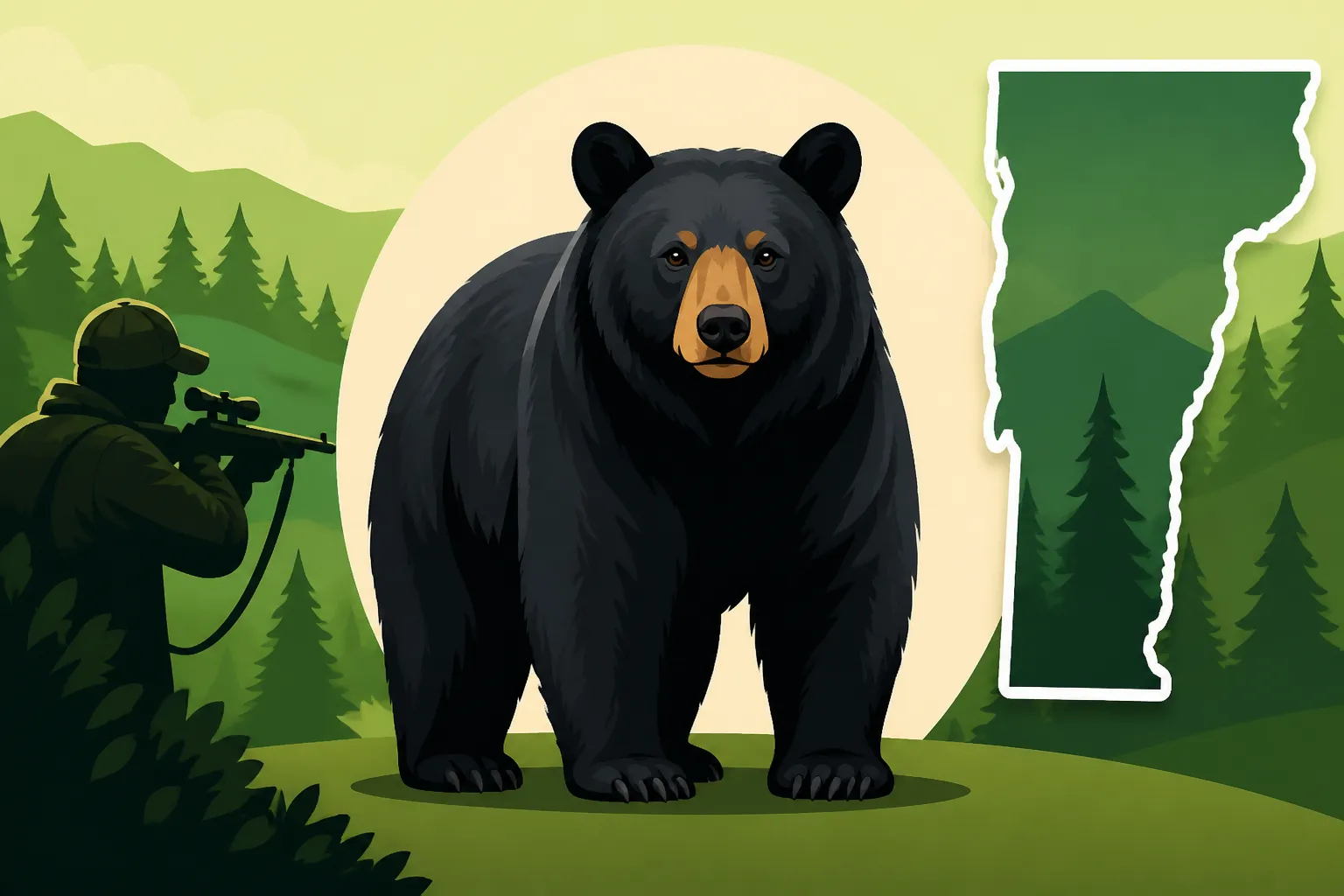
For many hunters, the majestic black bear represents a true challenge and an incredible reward, but pinning down what an "average" Vermont black bear actually weighs can feel like trying to guess the number of leaves on a sugar maple in October. It's a question that brings up a lot of speculation around the campfire, especially when you're trying to figure out if that shadow moving through the Green Mountain timber is a respectable bear or just a juvenile. This guide aims to clear up some of that mystery, giving you a realistic picture of what to expect when you encounter a black bear in Vermont, both in terms of size and the factors that contribute to it.
Understanding Vermont's Black Bear Population and Growth
Vermont has a thriving population of black bears, a true testament to the state's abundant forested habitat. For those of us who spend time in the woods, seeing their sign—claw marks on a beech tree, scat full of berries, or a flipped-over rock—is a common occurrence, reminding us these powerful animals are always nearby. Their numbers have steadily increased over the decades, leading to a robust hunting season that offers plenty of opportunities.
Historical Perspective and Population Trends
It wasn't always this way. Historically, black bear populations faced challenges due to habitat loss and unregulated hunting. However, dedicated conservation efforts, improved habitat management, and regulated hunting seasons have allowed these incredible creatures to not only recover but flourish. Today, Vermont's bear population is healthy and well-distributed across the state, though certain regions certainly hold higher densities. This growth means more opportunities for hunters, but it also means understanding the nuances of bear behavior and size becomes even more important. Learning about the state's overall Black Bears in Vermont can give you a greater appreciation for how far their numbers have come.
Regional Differences in Bear Density
While bears are widespread, their numbers aren't uniform. The deep, expansive forests of the Northeast Kingdom, with its vast tracts of public land and wild country, tend to support a higher density of bears. Areas like Essex County often see more bear activity simply due to the sheer amount of undeveloped habitat. Contrast that with more developed areas or even some of the Champlain Valley's agricultural regions, where bears might still roam but in lower concentrations. These regional differences can certainly influence the average size of bears encountered; areas with higher densities might see more competition for food, potentially impacting individual bear growth rates. It’s always a good idea to research the specific areas you plan to hunt, perhaps using tools like GoHunt to analyze habitat characteristics and past harvest data for insights into regional bear populations.
Factors Influencing a Bear's Weight in Vermont
When we talk about an "average" weight, it's easy to oversimplify. Black bears, much like humans, are individuals, and their size can vary wildly based on a number of interconnected factors. It's not just about what they eat, but also their age, sex, and even the time of year you encounter them. Understanding these nuances helps us set realistic expectations and appreciate the diversity within the bear population.
Age and Sex
This might seem obvious, but it's the biggest determinant of a bear's weight. A 1.5-year-old bear, essentially a juvenile, will weigh significantly less than a mature 5.5-year-old boar. Female bears, or sows, are generally smaller than male bears, or boars, of the same age. A mature sow might top out around 200-250 pounds, while a mature boar in prime condition could easily push past 300 pounds. Younger bears, especially those around 100-150 pounds, are often still with their mother or recently dispersed, and identifying their size accurately is a critical part of ethical hunting, especially if you're trying to avoid shooting a sow with cubs. This is why tools like the GoHunt app are so useful for understanding population demographics in specific areas. It’s something to keep in mind when you’re out Judging a Legal Bear From a Sow With Cubs.
Food Availability and Habitat Quality
Just like any other wild animal, the availability and quality of food sources directly impact a black bear's ability to put on weight. Vermont's forests offer a rich, seasonal buffet:
- Spring: Early greens, succulent shoots, and carrion are crucial for bears emerging from their dens to regain lost weight.
- Summer: Berries, soft mast like raspberries and blueberries, and insects become primary food sources.
- Fall: This is the critical period for bears to bulk up for winter hibernation. Hard mast, particularly acorns and beechnuts, are gold mines of calories. Areas with abundant oak and beech stands, or even agricultural lands offering corn and other crops, can lead to bears packing on significant weight. A poor mast year, however, means bears might have to travel further to find food, leading to less weight gain overall and potentially impacting their survival through winter.
High-quality habitat, meaning areas with a diverse array of food sources throughout the year, ample cover, and minimal human disturbance, will consistently produce larger, healthier bears. These areas allow bears to forage efficiently and minimize energy expenditure, leading to better overall condition and heavier weights.
Seasonal Fluctuations
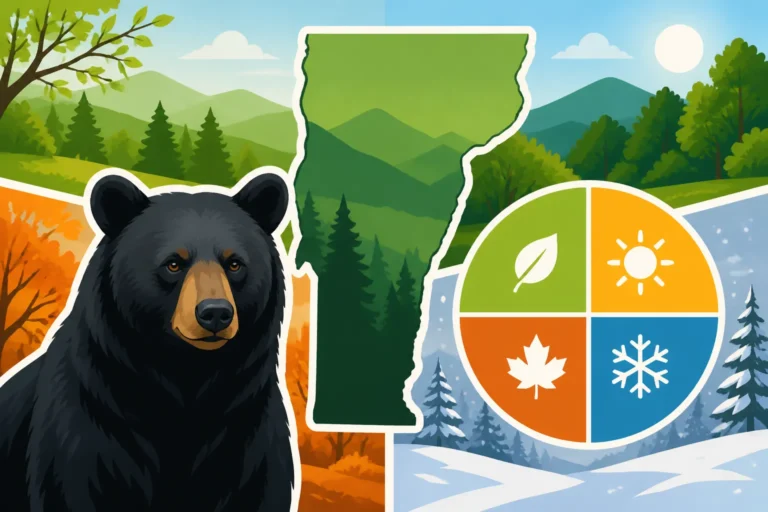
A bear's weight isn't static throughout the year; it's a dynamic figure that changes dramatically with the seasons. A bear emerging from its den in spring will be at its leanest, having lost a significant percentage of its body weight during hibernation. As spring turns to summer, they slowly start to gain weight, foraging on available foods. The true "bulking up" phase happens in late summer and fall, when they enter hyperphagia – a period of intense feeding to accumulate fat reserves for the upcoming winter.
It's not uncommon for a bear to gain 30-50% of its body weight during this fall feeding frenzy. So, a bear that might weigh 200 pounds in May could easily be 300 pounds by October. This is why bears harvested during the peak fall hunting seasons, especially in late September and October, tend to be the heaviest. Understanding this seasonal cycle is crucial for hunters; an "average" bear in May is a very different animal than an "average" bear in October, in terms of sheer mass. If you're planning on Hunting Bear Before the November Close, you're likely to encounter bears at their heaviest.
The Average Weight of a Vermont Black Bear
Now, let's get down to the numbers. While every bear is unique, we can certainly establish a realistic range for what constitutes an "average" adult black bear in the Green Mountain State. It's important to remember that these are averages, and exceptions, both smaller and significantly larger, certainly exist.
Typical Weights for Adult Bears
Based on harvest data and biological studies, a good "average" weight for an adult male black bear (boar) in Vermont falls into the 250 to 350-pound range. For adult female black bears (sows), the average is typically 150 to 250 pounds. These figures represent healthy, mature animals that have had access to good food sources.
It's common for younger bears, often 1 to 2 years old, to weigh between 75 and 150 pounds. These are the bears you'll often see in groups, sometimes still with a sow, or venturing out on their own for the first time. As they mature and become more experienced foragers, their weight will steadily increase, peaking in their prime years.
Here's a quick look at typical weight ranges:
| Age Class | Typical Weight Range (pounds) |
|---|---|
| Yearlings (1.5 yrs) | 75 – 150 |
| Adult Sows | 150 – 250 |
| Adult Boars | 250 – 350 |
| Large Mature Boars | 350+ |
Remember, these are live weights. Once field dressed, a bear will lose a significant amount of weight—often 20-30%—so a 300-pound live bear might weigh 220-240 pounds on the scale after gutting.
Notable Harvests and Record Bear Weights
While 250-350 pounds is a solid average for a mature boar, Vermont certainly produces some true giants. Every year, hunters report harvesting bears well over 400 pounds, and occasionally, a bear will tip the scales close to or even over 500 pounds. These are exceptional animals, usually very old boars that have lived long, successful lives in prime habitat. These record-breaking bears are often the result of years of abundant food, good genetics, and perhaps a bit of luck avoiding hunters.
Imagine the sheer power of an animal that size! Recovering such a bear from a remote location, perhaps after a successful Spot-and-Stalk Bear Hunting Vermont Ridges hunt, is a massive undertaking, often requiring multiple people and specialized equipment. These colossal bears serve as a reminder of the wild potential within Vermont's forests, inspiring many to pursue their own bear hunting dreams.
Implications for Hunters: What to Expect in the Field
Knowing the average weight of a Vermont black bear isn't just a fun fact; it has very real implications for hunters, from how you approach a shot to how you plan for recovery and processing. Proper preparation can make all the difference in a successful and ethical hunt.
Field Judging Bear Size
One of the biggest challenges for bear hunters is accurately judging the size of a bear in the field. Unlike deer, where antler size gives you a clear indicator of age and sometimes body mass, a bear's size can be deceptive. A bear's fur coat can make it look much larger than it actually is, especially if it's got its winter fat on. Here are some tips for field judging:
- Body Proportions: Pay attention to the ratio of its body to its head. A smaller head relative to a thick, blocky body usually indicates a mature, heavy bear. A bear with a proportionally large head and lanky body is likely a younger, lighter animal.
- Leg Thickness: Look at the thickness of its legs and joints. Mature bears will have thick, sturdy legs, while younger bears will appear more spindly.
- Belly Sag: A significant sag in the belly, especially in the fall, indicates a bear that has been feeding heavily and is carrying a lot of weight.
- Behavior: Sows with cubs will almost always be accompanied by them. Observing behavior and waiting for cubs to appear (or not appear) is crucial for ethical hunting. Remember to check regulations regarding Vermont Bear Hunting Permit Requirements and any restrictions on sows with cubs.
- Environmental Cues: Use surrounding objects of known size (like a fallen log, a tree trunk, or even a specific bait barrel if you are Baiting Bears Legally in Vermont) to help estimate the bear's scale.
It takes practice and patience to become proficient at field judging. The goal isn't just to shoot a bear, but to shoot the right bear for you and for the health of the population.
Planning for Recovery and Processing
This is where the reality of bear weight truly hits home. If you successfully harvest an "average" 250-350 pound black bear, you are looking at a substantial amount of animal to recover and process. This isn't a task for one person, especially in Vermont's rugged terrain.
- Team Effort: Always hunt with a buddy, or at least have a plan for calling in help if you get a bear down. Dragging even a 200-pound field-dressed bear out of a ravine is back-breaking work.
- Location, Location, Location: Before you even pull the trigger, consider the bear's location. Is it in a thick swamp, on a steep mountainside, or near a logging road? Planning your shot to minimize a difficult recovery is smart hunting.
- Gear: Essential recovery gear includes a sturdy pack frame or game cart (though these can be challenging on steep or soft ground), sharp knives for field dressing, game bags to protect the meat, and plenty of water. A good quality knife, like the ones discussed in Best Knife for Skinning a Bear, is indispensable.
- Field Dressing: Efficient field dressing is critical, especially if temperatures are mild, to cool the meat quickly. Removing the entrails significantly reduces the weight you need to transport.
- Quartering: For larger bears, quartering the animal in the field is often the only realistic option. This means breaking the bear down into manageable pieces (quarters, backstraps, tenderloins) to be packed out. This requires skill and proper tools, but it makes the task far less daunting than trying to drag a whole bear.
- Transportation: Whether it's an ATV, a truck, or even just strong backs, plan how you'll get the meat and hide from the field to your vehicle and then to a processor or your home freezer.
The size and weight of an average Vermont black bear means you need to be prepared for more than just the hunt itself. The real work often begins after the shot, but with proper planning and a realistic understanding of what you're dealing with, it's a rewarding experience from start to finish.
Disclaimer
This article is for general informational purposes only and does not constitute professional advice. Laws, prices and regulations vary by location and change over time. Consult a qualified professional for guidance on your specific situation.