Black Bears in Vermont
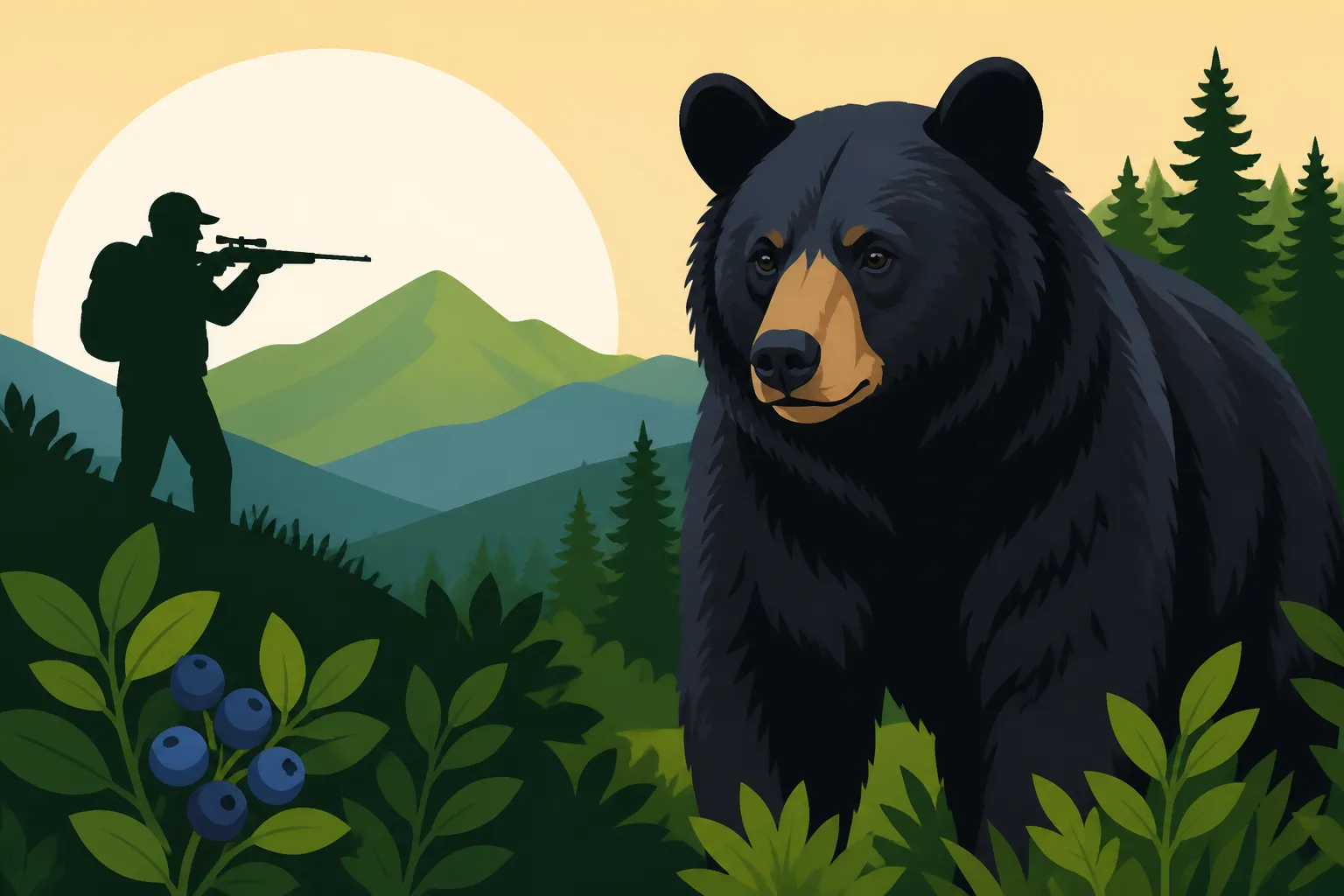
For many hunters in Vermont, the black bear represents the ultimate challenge—a truly wild, intelligent, and often elusive creature of the Green Mountain landscape. Tracking these magnificent animals requires a deep understanding of their habits, preferred habitats, and the unique challenges Vermont presents. This comprehensive guide aims to peel back the layers of mystery surrounding Vermont's black bears, helping you navigate the seasons, understand their movements, and increase your chances of a successful and ethical harvest.
Understanding Vermont's Black Bear Population
It can feel like a guessing game sometimes, trying to figure out where the bears are and how many of them there really are out there. Vermont's black bear population has seen some incredible growth over the past few decades, which is a real testament to conservation efforts and the adaptability of these animals. But while the numbers are up, actually finding one in the dense woods of Vermont is still far from a guarantee.
Bear Population Trends and Density
Let's be honest, trying to get a handle on an animal as wide-ranging and secretive as a black bear can feel impossible. Yet, the Vermont Fish and Wildlife Department does an admirable job tracking these creatures. Historically, black bears were largely confined to the more remote, mountainous regions of Vermont, but their range has steadily expanded. Today, estimates suggest a healthy and growing population, with numbers fluctuating depending on factors like food availability and cub survival rates. This expansion means you might encounter bears in areas where they were less common a generation ago, bringing both excitement and new challenges for hunters and rural residents alike. The population density isn't uniform, of course, with certain regions consistently showing higher concentrations than others.
The overall trend has been a significant increase in the black bear population since the 1970s and 80s, when they were much scarcer. This growth is largely attributed to forest regrowth across the state, which has provided ample habitat, and better management practices. It's truly a success story for wildlife, offering more opportunities for those of us who appreciate the chance to pursue such a formidable animal. However, with more bears comes the need for careful management to balance population health with human-bear conflicts, which is where regulated hunting plays a crucial role. Understanding these long-term trends gives you a better perspective on the opportunities you have today.
Where Bears Thrive in Vermont
If you're wondering where to focus your scouting efforts, it helps to know where black bears generally prefer to call home in Vermont. They are highly adaptable, but they tend to thrive in areas with vast tracts of forested land, especially those with diverse food sources. The Green Mountains, stretching north to south, offer prime habitat with their mix of mature hardwoods, softwoods, and plenty of hidden nooks and crannies. The Northeast Kingdom, with its expansive wilderness areas and lower human population density, is also a hotspot. You'll find bears there taking advantage of the rich berry crops in late summer and the abundant mast in the fall.
Beyond these major regions, bears are increasingly found in the Champlain Valley and even closer to human development, especially when natural food sources are scarce. They're drawn to agricultural areas that offer easy calories, like cornfields or apple orchards, which can lead to conflicts. For hunters, this means expanding your idea of "bear country" to include edges of agricultural lands, especially those bordering dense cover. Public lands such as the Green Mountain National Forest and many Vermont Wildlife Management Areas are key areas where bears roam freely and are accessible to hunters. Focus your initial efforts on large, unbroken blocks of timber with varied topography and ample water sources.
Black Bear Biology and Behavior
Understanding the fundamental biology and behavior of black bears is like having a secret decoder ring for their movements. These aren't just big, furry animals; they're incredibly intelligent and driven by their stomachs. Bears are omnivores, meaning they eat just about anything, and their diet shifts dramatically throughout the year based on availability. In spring, they emerge from dens hungry, often seeking out tender shoots, grasses, and carrion. As summer progresses, berries, nuts, and insects become staples. Come fall, it's all about packing on the calories for winter, making acorns, beech nuts, and apples incredibly attractive.
They are largely solitary animals, except for sows with cubs, and they establish home ranges that can be quite large, especially for males. Their daily routine often involves feeding during the cooler parts of the day, particularly dawn and dusk, and bedding down in dense cover during warmer periods. However, don't be fooled; bears can be active at any time. When thinking about Hunting Bear Through the Long September Season, remember that their patterns are heavily influenced by food availability, weather, and hunting pressure. They have an incredible sense of smell, far superior to dogs, which they use to locate food from great distances. This acute sense is a double-edged sword for hunters: it helps them find food but also makes them incredibly aware of human scent. Their eyesight and hearing are also very good, so they are not easy to sneak up on.
Vermont's Black Bear Seasons and Regulations
Navigating the various bear hunting seasons in Vermont can sometimes feel like trying to solve a puzzle. The regulations are in place for good reasons—to manage the population, provide fair chase opportunities, and ensure hunter safety—but they do require careful attention. Understanding the nuances of each season and the specific permit requirements is absolutely crucial before you even step foot in the woods.
Early Archery and Muzzleloader Season
Vermont offers an early archery and muzzleloader season for bears, which typically kicks off in early September. This is a fantastic opportunity for hunters seeking a more primitive weapon challenge, and it coincides with a time when bears are actively feeding, preparing for winter. During this period, the woods are usually still quite green, and the temperatures can be mild, which presents its own unique set of challenges, like dealing with heat and insects. However, the early season also means bears haven't faced significant hunting pressure yet, and their focus is purely on food.
For archery hunters, this means paying close attention to travel corridors between bedding areas and rich food sources like apple orchards or berry patches. Muzzleloader hunters will find the opportunity to scout out key feeding grounds and set up for a shot when bears are most vulnerable. Remember, specific rules about crossbows might apply, so always check the latest regulations. This early window is also when you can really dial in your Bowhunting Vermont's Expanded Archery Season skills, as many of the same principles for deer apply to bears seeking similar food. Make sure your archery or muzzleloader setup is robust enough for a bear, as these animals are incredibly tough.
General Bear Season and Firearms
As the calendar turns towards October and November, Vermont's general bear season opens up, allowing for the use of modern firearms. This period often coincides with cooler weather, falling leaves, and sometimes even early snow, all of which can drastically change bear behavior and hunting strategies. Bears will be in full "fattening up" mode, making mast crops like acorns and beech nuts incredibly important. This is also when hunters need to be hyper-aware of other hunting seasons, particularly deer season, and adhere to blaze orange requirements.
During the general season, legal firearms include rifles, shotguns, and handguns, provided they meet specific caliber and energy requirements. This flexibility gives hunters more options for pursuing bears, whether still-hunting vast tracts of timber or sitting over a known food source. Given the dense cover often encountered in Vermont, a powerful, accurate rifle with appropriate ballistics is paramount. Many hunters will be out for deer during this time, so understanding the specific regulations for Hunting Vermont's New Archery-Rifle Overlap is critical for bear hunters. The general season often extends well into November, providing a substantial window for those dedicated to harvesting a bear.
Permit Requirements and Reporting
Don't let the excitement of the hunt make you overlook the crucial administrative steps! Before you can even consider heading out, you need the proper permits. In Vermont, a standard hunting license is your first step. Beyond that, a specific bear tag or permit is usually required, often purchased in addition to your base license. These permits are how the state manages harvest numbers and gathers critical data for population management. Always check the Vermont Fish and Wildlife Department website or a local license agent for the most current requirements and costs, as they can change annually.
Once you've harvested a bear, the responsibility doesn't end there. Vermont has strict reporting requirements, typically mandating that you report your kill within a certain timeframe, often 48 hours, to a designated big game reporting station or through the department's online portal or app. This is vital for the state to collect biological data, such as sex, weight, and sometimes tooth samples for aging. This information helps wildlife biologists assess population health and make informed management decisions for future seasons. Failing to properly tag and report your bear can result in significant penalties, so make sure you're well-versed in the process before your hunt. It’s part of being a responsible hunter and contributing to sound wildlife management.
Key Bear Habitat and Scouting Strategies
Finding a black bear in the sprawling woods of Vermont is a huge challenge, and it's not simply about wandering around hoping for the best. Success hinges on rigorous scouting and a deep understanding of what drives a bear's movements. You need to think like a bear, focusing on the essentials: food, cover, and water. This is where your pre-season efforts truly pay off.
Mast Crops and Food Sources
If you want to find bears, you need to find their grocery store. Black bears are incredibly food-driven, and their movements throughout the fall are dictated almost entirely by available mast crops. We're talking about acorns, beech nuts, and wild apples primarily. A banner year for acorns, for example, can mean bears stay deeper in the woods, focused on these high-calorie foods. Conversely, a poor mast year will push them to seek alternative food sources, often closer to human habitation or agricultural fields like corn. This is a critical factor in Hunting After a Poor Acorn Year.
Start your scouting early, even in late summer, by identifying productive oak ridges or beech groves. Look for signs of feeding: overturned rocks, claw marks on trees, droppings, and broken branches under apple trees. These clues will tell you not only that bears are in the area but also what they're eating. Keep an eye on historical production areas, but always verify current conditions, as mast crops can be highly localized and vary year to year. Using a good mapping app like GoHunt can help you identify these specific types of timber and terrain features from your couch, giving you a head start before you even hit the ground.
Bedding Areas and Travel Corridors
Bears, like most wildlife, need places to rest and feel secure. Their bedding areas are typically located in dense, thick cover—often softwood stands, blowdowns, or steep, brushy ravines that offer security and protection from the elements. These areas are usually adjacent to their primary feeding zones. Understanding where a bear beds down helps you predict their travel patterns between bedding and feeding, particularly during the low-light hours of dawn and dusk.
Travel corridors are the invisible highways bears use to get from one point to another. These might be old logging roads, game trails, natural funnels between two woodlots, or creek bottoms. Look for tracks, scat, and rub marks on trees along these routes. Often, these corridors will connect a dense bedding thicket to an open feeding area. Identifying these pathways is key to setting up an ambush point, whether you're spot-and-stalk hunting or considering a more static stand placement. Wind and thermals are paramount when trying to intercept a bear in these areas, as their sense of smell is legendary. For strategies on still-hunting or using funnels, you might find valuable insights in articles like Hunting a Funnel Between Two Woodlots.
Utilizing Technology for Scouting
In today's hunting world, technology can be a game-changer for scouting, especially for an animal as elusive as a bear. GPS units and mapping applications like GoHunt are invaluable tools for identifying potential bear habitat. You can overlay aerial imagery with topographic maps to pinpoint dense cover, water sources, and mast-producing trees. Marking potential bedding areas, feeding zones, and travel corridors on your map before you even step into the woods saves a tremendous amount of time and effort.
Trail cameras are another powerful tool. Placing them near suspected food sources or along well-used game trails can provide incredible insight into bear activity patterns. You'll learn when they're moving, how frequently, and even get a sense of the size and number of bears in an area. Remember to check local regulations regarding trail camera use on public lands, as rules can vary. For strategies on effective placement, especially in remote areas, considering Cellular Camera Coverage in Remote Northeast Kingdom can be very useful. This data allows you to fine-tune your hunting strategy, choosing the best times and locations for your hunt.
Effective Bear Hunting Techniques
Hunting black bears in Vermont demands patience, stealth, and an understanding of different approaches. There's no single "magic bullet" technique, but rather a combination of strategies that can be adapted to the specific conditions and your preferred hunting style. Each method has its own set of challenges and rewards.
Spot and Stalk Hunting
Spot and stalk is arguably one of the most challenging and rewarding ways to hunt bears in Vermont, particularly in the vast, rugged terrain of the Green Mountain National Forest or the Northeast Kingdom. This method involves patiently glassing open areas or clearings, identifying a bear, and then meticulously planning and executing a stalk to get within ethical shooting range. It requires excellent optics, keen eyesight, and an intimate knowledge of wind and topography.
Key areas for spot and stalk often include recent timber cuts, natural clearings, large beaver flowages, or open hard-mast ridges where bears might be feeding. The early season, when leaves are still on the trees, makes this incredibly difficult due to limited visibility. As leaves drop in mid-to-late October, visibility improves dramatically, making glassing more effective. Patience is critical here; you might spend hours glassing one area before spotting anything. Once a bear is located, the stalk itself demands absolute precision, using every fold in the terrain, every patch of cover, and every shift in the wind to your advantage. For more on this technique, check out Spot-and-Stalk Bear Hunting Vermont Ridges. It's a physically demanding but truly immersive way to connect with the wild.
Hunting Over Bait Legal Considerations
While not universally permitted in all states, baiting bears is a legal and popular method in Vermont, offering hunters a controlled opportunity to harvest an animal. However, it comes with a stringent set of regulations that must be followed to the letter to ensure legality and ethical practice. The state specifies what types of bait can be used, how much, how far it must be from roads or dwellings, and specific permit requirements for bait sites. Typically, natural food items like pastries, fruits, and grains are common, but always verify the exact legal allowances.
Setting up a successful bait site is an art and a science. It involves strategically locating a site in an area with known bear activity, often deep in the woods away from human disturbance. You'll need to establish a regular baiting schedule, using an appealing scent and food source to draw bears in and habituate them to the location. Trail cameras are invaluable for monitoring activity, helping you understand which bears are visiting and their patterns. For a deep dive into the legalities and best practices, referring to Baiting Bears Legally in Vermont is a must. It's not a "set it and forget it" method; it requires consistent effort, patience, and adherence to regulations to be successful.
Still-Hunting and Drives
Still-hunting involves moving slowly and deliberately through the woods, pausing frequently to observe, listen, and scan for any sign of a bear. It’s an active form of hunting that requires immense stealth and a deep understanding of how bears use the terrain. This technique is particularly effective in areas with diverse cover and food sources, where a bear might be encountered anywhere. Focus on moving into the wind, utilizing natural terrain features for cover, and paying close attention to fresh sign like tracks or scat. The key is to blend in with the environment, taking one or two steps, then stopping and observing for several minutes before moving again.
Drives, while less common for bears than for deer, can be effective in certain situations, especially in thick cover where bears might be holed up. This typically involves a group of hunters, with some acting as "drivers" to push game towards "standers" positioned along escape routes. For drives to be safe and effective, meticulous planning, clear communication, and a thorough understanding of the terrain are absolutely essential. Given the intelligence and power of bears, extreme caution and strict adherence to safety protocols are paramount. This technique is best employed by experienced groups with a deep knowledge of the area and each other's movements. You might gain insights from strategies outlined in Deer Drives With Three or Four Hunters and adapt some of the safety and communication aspects.
Essential Gear for Vermont Bear Hunters
Heading into Vermont's bear country demands more than just a weapon; it requires a carefully selected kit of gear to ensure safety, comfort, and success. The rugged terrain, unpredictable weather, and the sheer power of a black bear mean you can't cut corners on your equipment. From your firearm to your boots, every item plays a role.
Rifles, Bows, and Muzzleloaders
Your choice of weapon is perhaps the most critical piece of gear for bear hunting. For rifle hunters, stopping power and accuracy are paramount. Calibers like .30-06, .308, .270, and larger are popular choices, paired with premium quality, heavy-for-caliber bullets designed for deep penetration. Shot placement is key, but having a round that can anchor a bear quickly and ethically is non-negotiable. When considering Rifles and Calibers for Vermont Big Game, remember that bears are denser and tougher than deer.
Archery hunters need a powerful bow setup, often with heavier arrows and well-constructed, razor-sharp broadheads. Both fixed-blade and mechanical broadheads can be effective, but many bear hunters prefer fixed-blades for their reliability and penetration on tough hide and bone. A higher poundage bow, shot accurately, is crucial. Muzzleloader hunters should opt for a larger caliber, typically .50 caliber or greater, shooting heavy, saboted projectiles designed for big game. Ensure your muzzleloader is sighted in precisely and that you've practiced extensively, especially considering the potential for close-range encounters.
Optics and Navigation
Vermont's dense woods and varied terrain make quality optics indispensable. A good pair of binoculars, in the 8x to 10x range, will be constantly at your side for scanning distant ridges, clear-cuts, or spotting subtle movement in thick timber. For spot-and-stalk hunting, a spotting scope can also be incredibly useful for evaluating a bear from a distance, allowing you to determine its size and plan your approach without alerting it. You can find more specific advice on this in articles like Best Binoculars for a Northeast Kingdom Bog.
Navigation is another critical component, especially when venturing deep into public lands like the Green Mountain National Forest or remote WMAs. A reliable GPS unit or a smartphone with a robust mapping app like GoHunt, loaded with offline maps, is essential. These tools allow you to mark your stand locations, trail cameras, food sources, and most importantly, your truck and safe escape routes. Don't forget a compass and a physical map as a backup – batteries die, and technology fails. For tips on navigating remote areas, consider Best Offline Map App for the Northeast Kingdom. Having a solid understanding of the terrain and how to navigate it, even without cell service, is a skill that can save your hunt or even your hide.
Field Dressing and Extraction Tools
Successfully harvesting a bear is only half the battle; the real work begins after the shot. Bears are large animals, and their fat layer makes field dressing and meat care a physically demanding task. You'll need a quality field dressing kit, including a sharp, sturdy knife (or two), a bone saw, and game bags. Given the potential for warm weather, especially during the early season, prompt and thorough field dressing is crucial to prevent meat spoilage. Cooling the carcass as quickly as possible is paramount, so consider having large game bags ready to protect the meat. For general advice, Field Dressing a Deer in Cold Weather can offer some adaptable insights, though bear specific challenges are unique.
Extracting a bear, which can weigh upwards of 300-500 pounds (and sometimes more!), from rugged terrain is a monumental undertaking. A sturdy pack frame is essential if you plan to quarter the animal and pack it out yourself. Game carts can be useful on relatively flat or less brushy terrain, but steep, rocky, or heavily wooded areas will often necessitate quartering and multiple trips. If you're hunting with a group, sharing the load is much more manageable. Think about your extraction strategy before you ever pull the trigger. Having a plan for Packing Meat Out of a Steep Ravine could be the difference between easily recovering your trophy and leaving valuable meat behind.
| Bear Hunting Gear Checklist | Early Season (Archery/Muzzleloader) | General Season (Firearms) |
|---|---|---|
| Weapon | Compound/Recurve Bow, Muzzleloader | Rifle, Shotgun, Muzzleloader |
| Ammunition/Arrows | Heavy arrows, fixed broadheads, .50 cal sabots | Heavy-for-caliber bullets |
| Optics | Binoculars (8-10x), Rangefinder | Binoculars (8-10x), Rangefinder, Spotting Scope (optional) |
| Navigation | GPS/Mapping App (offline), Compass, Paper Map | GPS/Mapping App (offline), Compass, Paper Map |
| Clothing | Layered (moisture-wicking base), Rain Gear, Bug Repellent | Layered (insulated), Rain Gear, Blaze Orange |
| Footwear | Waterproof, sturdy hiking boots | Insulated, waterproof boots |
| Field Dressing | Sharp knife, bone saw, game bags | Sharp knife, bone saw, game bags |
| Extraction | Pack frame, game cart (if terrain allows) | Pack frame, game cart (if terrain allows) |
| Safety | First-aid kit, bear spray (optional), headlamp | First-aid kit, bear spray (optional), headlamp, satellite communicator (remote) |
| Scouting Aids | Trail cameras, scent control | Trail cameras, scent control |
Safety and Ethical Considerations
Hunting black bears isn't just about bagging an animal; it's about doing so safely, ethically, and with respect for the animal and the environment. These are powerful wild animals, and mistakes can have serious consequences. Taking the time to understand safety protocols and ethical guidelines is just as important as knowing where to find them.
Bear Safety in the Woods
While black bears are generally shy and more interested in avoiding humans, encounters can happen, especially if a bear feels threatened or surprised. Always make noise when walking through dense brush, especially in areas with known bear activity, to avoid startling an animal at close quarters. If you do encounter a bear, remain calm, make yourself look as large as possible, and slowly back away. Never run, as this can trigger a chase response. Carrying bear spray, especially in remote areas or when Best Bear Spray for Northeast Kingdom Backcountry is a consideration, can be a prudent safety measure, though its use should be understood for defense, not as a hunting tool.
Beyond bear-specific encounters, general hunting safety remains paramount. Always know your target and what's beyond it, and adhere strictly to firearm safety rules. When hunting during the general season, remember that other hunters may be in the woods, so wearing adequate blaze orange is not just a legal requirement but a critical safety measure. This is especially true when considering Blaze Orange Requirements for Bowhunting the Overlap if you're bowhunting during rifle season. Always hunt with a plan, inform someone of your whereabouts, and consider carrying a satellite communicator for emergencies, particularly in areas without cell service.
Judging a Legal Bear From a Sow With Cubs
Ethical hunting dictates that we avoid harvesting sows with cubs, ensuring the continuation of the species. However, in the heat of the moment, distinguishing a lone bear from a sow with cubs can be incredibly challenging, especially in dense cover or at a distance. Vermont regulations typically prohibit shooting a bear if cubs are present. This means you must be absolutely certain of your target before pulling the trigger.
Cubs, even yearlings, can sometimes appear surprisingly large, making identification difficult. Look for behavioral cues: is the bear alone and acting independently, or is it frequently looking around, possibly for offspring? Are there smaller tracks nearby? If you have any doubt whatsoever, let the bear walk. No trophy is worth compromising ethical standards or violating wildlife regulations. Take your time, use your optics, and observe the animal for an extended period to confirm it's a lone adult. For more detailed advice, Judging a Legal Bear From a Sow With Cubs is an excellent resource to study before heading into the field.
Responsible Bear Harvest and Meat Care
A successful bear harvest means more than just a picture; it means responsible utilization of the animal. Bears provide excellent meat, and proper field care is essential to ensure its quality. As mentioned earlier, bears often carry a significant layer of fat, which can taint the meat if not removed promptly. Gutting, skinning, and cooling the carcass as quickly as possible are non-negotiable steps. If temperatures are warm, getting the meat on ice or to a cooler within hours can make a huge difference in flavor and preservation.
After field dressing, proper storage and processing are next. Many hunters choose to quarter their bear and either pack it out themselves or take it to a professional butcher. Ensuring the meat is handled hygienically, kept cool, and properly packaged for freezing will guarantee you have delicious wild game for months to come. Remember to save any required biological samples, such as a tooth for aging, as instructed by the Vermont Fish and Wildlife Department. This complete process, from shot to freezer, embodies the respect and responsibility we owe to the animals we hunt.
The Role of Bears in Vermont's Ecosystem
Black bears aren't just a prized game animal; they are an integral part of Vermont's rich and complex ecosystem. Their presence signifies a healthy forest environment, and their actions play a crucial role in maintaining ecological balance. Understanding their place helps us appreciate these magnificent creatures beyond the hunt itself.
Predator-Prey Dynamics
As apex predators (or more accurately, omnivores that frequently act as predators), black bears influence various aspects of Vermont's wildlife. While they primarily feed on vegetation, nuts, berries, and insects, they will also opportunistically prey on fawns, moose calves, and small mammals. This predation, particularly on young deer and moose, contributes to the overall health and vigor of those populations by naturally culling the weak or sick. It’s part of the natural cycle, even if it can be tough to witness.
Conversely, bears themselves are largely free from predation by other animals in Vermont, with the exception of very rare cases of adult males preying on cubs or extremely sick individuals. Humans, through hunting and vehicle collisions, are the primary factors influencing adult bear mortality. The healthy balance of predators like bears helps shape the behaviors and population dynamics of other species, creating a robust and resilient ecosystem across the Green Mountain State.
Bear Management and Conservation
The thriving black bear population in Vermont is not accidental; it's the result of decades of careful management and conservation efforts by the Vermont Fish and Wildlife Department. This management involves monitoring population trends, habitat health, and harvest data to set appropriate hunting seasons and bag limits. Regulated hunting is a primary tool used to manage bear numbers, ensuring they don't overpopulate and strain available resources or lead to increased human-bear conflicts. By participating in ethical hunting and diligently reporting harvests, hunters directly contribute to these conservation efforts.
Conservation also extends to habitat protection and restoration. Protecting large tracts of continuous forest, managing mast-producing trees, and ensuring access to diverse food sources are all critical for a healthy bear population. Organizations and state agencies work tirelessly to ensure that Vermont remains a place where black bears can continue to thrive, providing both ecological benefits and recreational opportunities for generations to come. Programs like those involved in Vermont Deer and Moose Disease Monitoring also keep an eye on bear health, as many diseases can cross species.
Challenges Facing Vermont's Bear Population
Despite their success story, Vermont's black bears aren't without their challenges. Habitat fragmentation, while perhaps not as severe as in other regions, is an ongoing concern. As human development expands, prime bear habitat can be broken up, leading to increased conflicts and limiting bears' ability to roam freely. Climate change also plays a role, with unpredictable weather patterns impacting mast crop production, which can have cascading effects on bear foraging behavior and denning success.
Human-bear conflicts, particularly around residential areas and agricultural lands, are also a growing issue. Bears drawn to easy food sources like bird feeders, trash, or pet food can become habituated to humans, sometimes leading to dangerous situations where bears have to be relocated or, in severe cases, euthanized. Education is key here, encouraging residents to "be bear aware" and secure attractants. Ensuring the future of black bears in Vermont requires continued vigilance in habitat protection, responsible management, and public education. The health and vigor of Black Bears in Vermont are a reflection of the health of Vermont's wild places.
Disclaimer
Please remember that hunting regulations, season dates, and permit requirements are subject to change. Always consult the official Vermont Fish and Wildlife Department website or their printed regulations guide for the most current and accurate information before planning your hunt. This guide is for informational purposes only and does not supersede state laws or regulations.