Vermont Fisher Diet and Range
It's easy to overlook some of Vermont's more elusive wildlife, especially those that prefer to stay out of sight, like the fisher. Many folks wonder what these fast, fierce predators actually eat, and where in our beautiful state they make their homes. This guide aims to pull back the curtain on the intriguing world of the Vermont fisher, giving you a detailed look into their diet and the specific types of habitats they favor, whether you're a curious trapper, a dedicated wildlife watcher, or just interested in our local ecosystem.
What Exactly is a Fisher, Anyway? Unraveling the Mystery
The fisher, often mistakenly called a "fisher cat," isn't a feline at all; it's a member of the weasel family, closely related to martens and wolverines. These sleek, dark-furred carnivores are built for efficiency in the forest, possessing a unique blend of agility, strength, and cunning that makes them formidable predators. They have a long, slender body, short legs, and a bushy tail, perfectly adapted for navigating dense undergrowth and climbing trees. Their coat is typically dark brown to black, often with a grizzled appearance due to lighter guard hairs, and males are noticeably larger than females.
One of the most remarkable things about fishers is their incredible adaptability. While many species struggle with human encroachment, fishers have shown a remarkable ability to persist, and even thrive, in areas with mixed forest types, including those relatively close to human settlements. They're primarily nocturnal or crepuscular, meaning they're most active at dawn and dusk, which contributes to their elusive reputation. Seeing one in the wild is a rare and special event, a testament to their secretive nature. Their tracks, often seen in the snow, are distinctive and can be a thrilling find for anyone scouting the winter woods.
Understanding the fisher starts with appreciating its place in the ecosystem. They are true forest dwellers, relying heavily on mature coniferous and mixed forests for shelter, denning, and hunting grounds. These aren't creatures of wide-open spaces; they need cover and complexity. The dense canopy provides protection from aerial predators, and the varied forest floor offers a rich tapestry of prey species. Their presence is often an indicator of a healthy, diverse forest environment. They're a vital part of the food chain, acting as a natural control for certain small mammal populations, and without them, the delicate balance of our woodlands would certainly shift.
The Vermont Fisher's Diet: A True Opportunist of the Forest
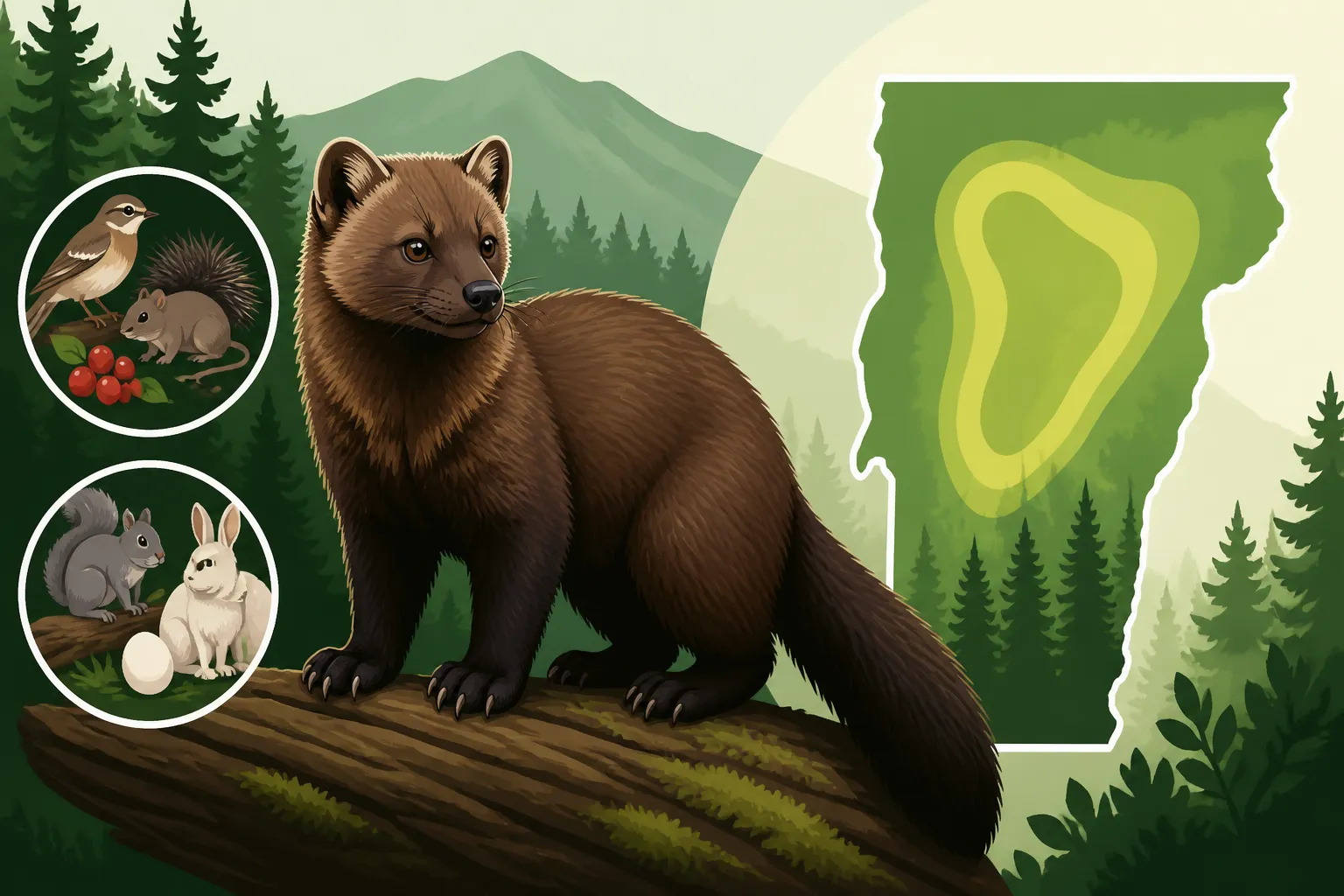
When it comes to what a fisher eats, think "opportunistic carnivore" with a specialized skill set. While they might occasionally snack on berries or nuts, their diet is overwhelmingly meat-based. They're not picky eaters; if they can catch it, they'll likely consume it. However, a few key prey items form the backbone of their nutritional intake here in Vermont, demonstrating their incredible hunting prowess and adaptability to seasonal changes in food availability.
Specialized Hunters of Porcupines
Perhaps the most famous, and certainly the most unique, aspect of the fisher's diet is its ability to successfully hunt porcupines. This is a feat few other predators can manage without serious injury, but the fisher has developed a brilliant, if brutal, strategy. They repeatedly attack the porcupine's face, avoiding the quilled back and tail, until the porcupine is weakened and can be flipped over to expose its vulnerable, unquilled underside. This isn't a quick kill; it's a test of endurance and precision for both animals. Many other predators, like coyotes or bobcats, would rather go hungry than face a porcupine, making the fisher a crucial regulator of porcupine populations in our forests. This unique skill truly sets them apart as a specialized predator in the Vermont woods.
The sheer difficulty of taking down a porcupine means that when a fisher successfully makes such a kill, it's a substantial meal. They'll often cache parts of the carcass to return to later, ensuring a steady food source over several days. This behavior is critical, especially during the lean winter months when other prey can be harder to come by. If you stumble upon a porcupine carcass in the woods that looks like it's been expertly dismembered around the head and belly, there's a good chance a fisher was the architect of its demise. This relationship highlights a fascinating ecological niche that the fisher fills, preventing porcupine numbers from exploding and impacting forest health.
Small Mammals and Birds: The Everyday Meals
Beyond porcupines, the fisher's diet is heavily reliant on a variety of small and medium-sized mammals. Snowshoe hare are a particularly important food source, especially in areas with dense coniferous cover where hare thrive. Fishers are incredibly quick and agile, capable of chasing down a hare even in deep snow. They also regularly prey on red squirrels, mice, voles, and even shrews, which are tiny but numerous. These smaller critters provide a consistent food supply throughout the year, forming the daily sustenance for a busy fisher. Their keen sense of smell and hearing allows them to locate these hidden snacks under snow or dense brush.
Birds, particularly ground-nesting species or those caught unaware, can also become part of a fisher's meal plan. While not as significant as mammals, an opportunistic fisher won't pass up an easy meal, whether it's a fledgling bird or an adult caught on the ground. During the spring and summer, when young birds are abundant, they become an easier target. This broadens their dietary options and helps them adapt to seasonal fluctuations in other prey populations. Trappers often find that baits for other furbearers, especially those mimicking small prey, can sometimes attract a curious fisher.
Scavenging and Incidental Foods: Nothing Goes to Waste
Fishers are not above scavenging. They will readily feed on carrion, especially deer carcasses left by other predators, roadkill, or winter kills. This is particularly true during the harsh Vermont winters when fresh prey is scarce and any available protein source is a lifesaver. This scavenging behavior makes them an important part of the forest's clean-up crew, helping to recycle nutrients back into the ecosystem. If you've ever set up a trail camera on a deer gut pile or carcass, you might be surprised to see a fisher visiting, sometimes alongside coyotes or foxes.
While predominantly carnivorous, fishers will occasionally supplement their diet with plant matter. Berries, fruits, and even some mushrooms can be consumed, especially during late summer and fall when they are readily available. This isn't a primary food source, but rather an opportunistic addition, providing some carbohydrates and vitamins. This flexibility in diet showcases their ability to adapt and survive in diverse conditions, making them incredibly resilient animals in the Vermont landscape. For those using GoHunt to scout areas, understanding these dietary habits can help you pinpoint areas where fishers might be active, such as near berry patches in late summer or winter deer yards.
Here's a quick look at the typical diet items for Vermont fishers:
| Category | Primary Prey Examples | Secondary/Opportunistic Examples | Seasonal Importance |
|---|---|---|---|
| Large Prey | Porcupine | Juvenile Deer (scavenged/opportunistic) | Year-round, crucial in winter |
| Medium Prey | Snowshoe Hare, Red Squirrel, Eastern Cottontail | Grouse, Woodcock, other ground birds | Year-round, especially hares |
| Small Prey | Mice, Voles, Shrews | Insects, Frogs | Year-round, consistent |
| Carrion/Plant | Deer Carcasses, Elk/Moose remains (scavenged) | Berries, Fruits, Nuts, Mushrooms | Winter (carrion), Summer/Fall (plants) |
Where Do Vermont Fishers Roam? Understanding Their Range and Habitat
The range of the fisher across Vermont is quite extensive, covering much of the forested landscape. They are a species that genuinely thrives in the Green Mountain State, and their populations have seen a significant resurgence over the past century, thanks to conservation efforts and changing land use patterns. Understanding their preferred habitat is key to knowing where you might encounter one, or at least find their sign.
Preferred Forest Types and Cover
Fishers are forest creatures through and through. They generally prefer large, unbroken tracts of mature coniferous or mixed coniferous-hardwood forests. Think dense stands of hemlock, spruce, and fir, especially with a thick understory, intertwined with older hardwoods like maple and beech. This type of habitat provides the crucial elements they need: secure den sites in hollow logs, rock crevices, or abandoned burrows, and abundant cover for both hunting and protection from predators like great horned owls or bobcats. They appreciate a complex forest structure, with plenty of fallen logs, brush piles, and varied terrain to navigate. Still-Hunting Green Mountain National Forest Timber involves understanding these subtle habitat preferences for many forest dwellers.
While they favor deep woods, fishers are not exclusively creatures of the wilderness. They can often be found in fragmented forests and even woodlots adjacent to agricultural fields, as long as there's enough cover and prey. This adaptability is one reason for their successful comeback. However, they generally avoid large, open areas like expansive clearcuts or wide-open fields, though they might traverse the edges of such areas to get from one patch of cover to another. When you're using mapping tools, like the public land layers available through GoHunt, look for those dark green swaths of contiguous forestland; those are prime fisher territories.
Geographical Distribution Across Vermont
You can find fishers throughout most of Vermont's forested regions. They are particularly prevalent in the Green Mountain National Forest lands, the expansive timberlands of the Northeast Kingdom, and other large state forests and wildlife management areas. Essentially, anywhere you find significant tracts of suitable forest habitat, you're likely to find fishers. The Northeast Kingdom Versus Champlain Valley Deer often reveals differences in habitat, and similar distinctions apply to fishers. The more rugged, heavily forested parts of the state offer ideal conditions.
While they are present statewide, their density can vary. Areas with higher prey populations (like snowshoe hare) and extensive mature forest will naturally support more fishers. You're less likely to find them in the highly developed or agricultural zones of the Champlain Valley, though even there, isolated woodlots and river corridors can provide refuge. Historical records show their numbers dipped significantly due to unregulated trapping and habitat loss, but a combination of regulated trapping and forest regeneration has allowed them to reclaim much of their ancestral range. If you're out Scouting Vermont Public Land Before Season, keep an eye out for their distinctive tracks or scat in promising forest types.
Impact and Interactions: Fishers in the Vermont Ecosystem
Fishers play a multifaceted role in Vermont's ecosystem, acting as significant predators, contributing to forest health, and sometimes, intersecting with human interests. Their presence is generally a good sign for forest biodiversity, indicating a healthy and functioning woodland environment.
Predator-Prey Dynamics and Ecological Role
As mesopredators, fishers exert considerable pressure on their prey populations. Their unique ability to hunt porcupines means they fill a niche that few other animals can, preventing porcupine overpopulation, which can damage forest trees. Beyond porcupines, their predation on snowshoe hare, squirrels, and various small rodents helps maintain balance within the small mammal community. This constant culling of prey keeps these populations healthy, removing weaker or diseased individuals and preventing excessive numbers that could strain resources. It's a natural cycle of life and death that fosters resilience in the forest.
Fishers also compete with other predators for food resources. They share parts of their range and diet with species like bobcats, foxes, and coyotes. While there might be some overlap, their specialized hunting techniques and preference for dense forest often allow them to coexist without direct conflict. For instance, a bobcat might prefer open woodlands or field edges, while a fisher sticks to the thickest cover. This partitioning of resources helps maintain the diversity of predator species in the ecosystem, strengthening the overall health of the natural community. Vermont's Recovering Fisher Population is a success story for these intricate predator-prey relationships.
Human Interactions and Conservation
For hunters and trappers, understanding fisher habits is important. While fishers are not a game animal in the same way deer or bear are, they are a furbearer with a regulated trapping season in Vermont. Their pelts were once highly prized, leading to overharvesting in the past. Today, trapping seasons are carefully managed by the Vermont Fish & Wildlife Department to ensure sustainable populations. For trappers, knowing where fishers den and what they eat helps in setting traps ethically and effectively, minimizing non-target catches.
Sometimes, fishers can come into conflict with humans, particularly in rural areas where they might prey on domestic poultry or small pets left unattended. These instances are rare but do happen, usually when fishers are drawn to an easy food source. Education and responsible pet ownership (like securing chickens at night) are key to preventing these conflicts. On the conservation front, continuous monitoring of fisher populations, habitat protection, and responsible forest management practices are essential to ensure these remarkable creatures continue to thrive in Vermont's wild spaces. Tools like GoHunt can even help landowners understand the types of habitats on their property that might attract fishers, encouraging good stewardship practices.
Disclaimer
This article is for general informational purposes only and does not constitute professional advice. Laws, prices and regulations vary by location and change over time. Consult a qualified professional for guidance on your specific situation.