Vermont Wild Brook Trout Streams
There's nothing quite like the feeling of chasing wild brook trout in Vermont. It's not just about the fish; it's about the journey into the quieter, more untamed corners of our beautiful state, where the water runs cold and clean, and the air smells of pine and damp earth. Many anglers, myself included, have spent countless hours poring over maps, hiking through dense woods, and wading icy streams in search of those vibrant, jewel-toned natives. It can be a frustrating quest sometimes, leading to dead ends or streams that are just too warm, too slow, or too disturbed. This guide is here to cut through some of that frustration, helping you understand where to find these magnificent fish and how to approach their delicate ecosystems with respect and skill.
The Allure of Vermont's Wild Brook Trout
For many, the wild brook trout isn't just a fish; it's a symbol of wilderness, purity, and a connection to Vermont's natural heritage. These aren't your stocked hatchery fish; these are the genuine articles, born and bred in the wild, carrying the vivid colors and feisty spirit that only comes from navigating pristine, challenging environments. The pursuit of them is less about filling a creel and more about the experience—the quiet hike, the careful approach, the moment of awe when that brilliantly patterned fish flashes in the current.
Why Wild Brookies Are Special
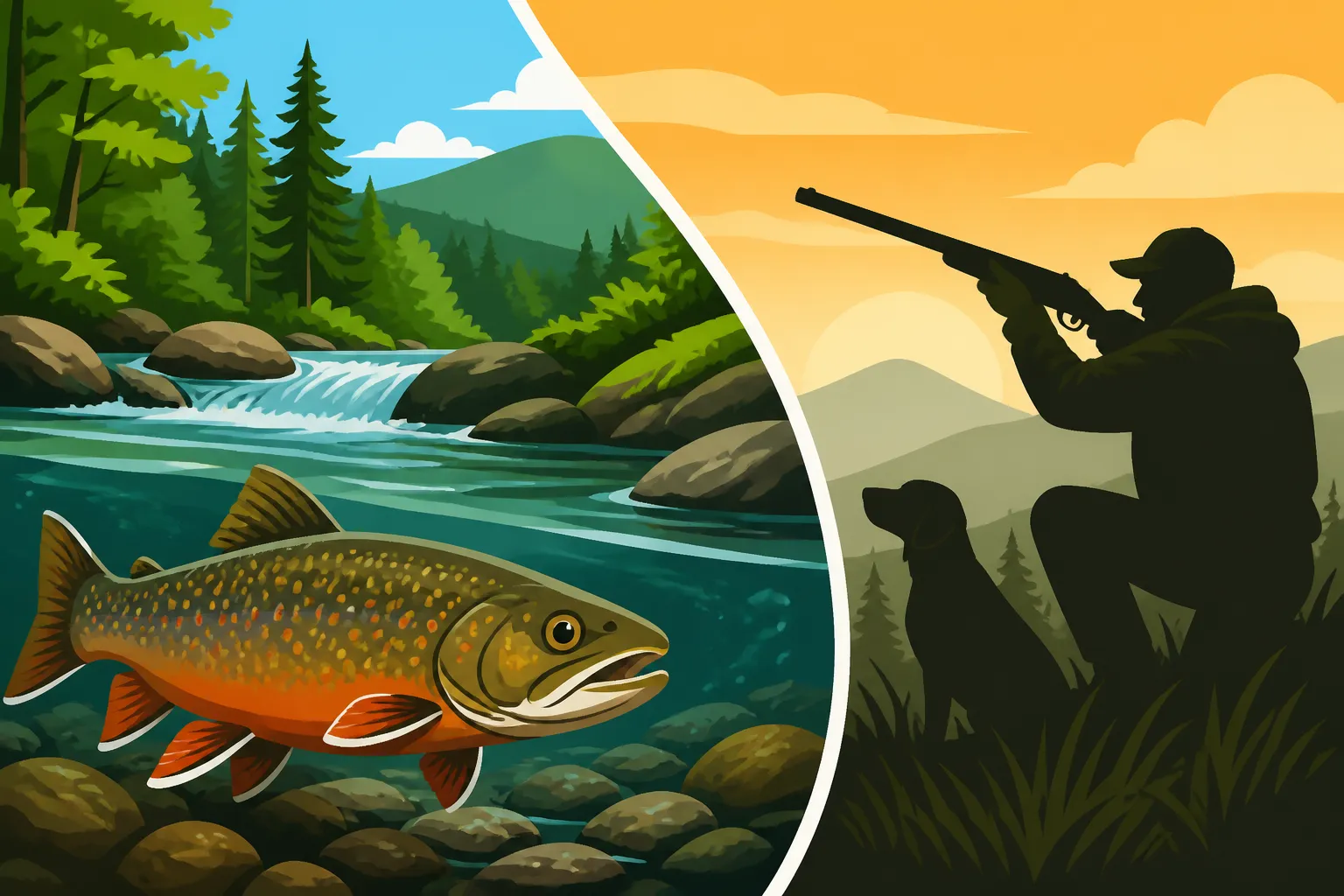
Vermont's wild brook trout are truly special creatures. Their flanks gleam with an iridescent blend of olive, gold, and crimson, dotted with vibrant red spots encircled by blue halos, all leading to a pristine white leading edge on their fins. They are native to these waters, meaning they've adapted over millennia to the unique conditions of our mountain streams and headwaters. Catching one is like holding a living jewel, a testament to the health and vitality of the stream it inhabits. It’s a completely different experience than catching a stocked fish; there’s a wildness about them, a fight that belies their often small size, and a sense of accomplishment that resonates deeply. You're connecting with something truly indigenous to the landscape, something that has been here long before us.
They are often found in breathtaking settings, far from paved roads and even well-worn trails. Accessing these spots often requires a bit of an adventure, pushing through brush, navigating slippery rocks, and crossing downed timber. But it’s in these tucked-away places that you find the true magic, where the air is fresh, the sounds of civilization fade, and it's just you and the stream. This pursuit teaches you patience, observation, and an appreciation for the subtle nuances of a wild ecosystem. It's a deeply immersive experience that cleanses the soul as much as it fills the spirit with wonder.
Understanding Their Habitat: Cold, Clean Water
The cardinal rule for finding wild brook trout is simple: cold, clean, highly oxygenated water. These fish are incredibly sensitive to water temperature, preferring temperatures well below what many other species can tolerate, ideally in the 50s Fahrenheit, rarely much above 65 degrees. This means you'll often find them in higher elevations, spring-fed streams, or the shaded headwaters of larger river systems. They thrive where the water flows over rocky bottoms, providing plenty of nooks and crannies for cover and ample insect life.
Their habitat is also characterized by a lack of pollution and minimal sediment. Silt and other runoff can smother the insect larvae they feed on and destroy their spawning grounds. So, when you're looking for brook trout, you're looking for pristine environments. This often translates to streams flowing through dense forest canopies, where the trees provide shade and leaf litter, keeping the water cool and supporting a healthy aquatic insect population. Understanding these fundamental needs is your first step in successful prospecting. Look for feeder streams cascading down from protected state lands or areas with significant tree cover. Knowing that these specific conditions are non-negotiable for brook trout success helps narrow down your search considerably.
Locating Those Elusive Streams
Finding wild brook trout streams isn't usually about driving up to a popular fishing access point. It's about putting in the homework, both with maps and with your feet on the ground. These are often the forgotten trickles, the unnamed tributaries, or the tucked-away pockets of water that don't see much pressure.
Decoding Topographic Maps and Aerial Imagery
Your best friends in the initial scouting phase are topographic maps and detailed aerial imagery. When you're trying to pinpoint potential wild brook trout streams, using a robust mapping tool like GoHunt can really make a difference, even if it's primarily designed for big game, the principles of scouting apply. Look for areas with steep elevation changes, which indicate fast-flowing water and a good gradient for oxygenation. Identify headwater streams, particularly those originating from springs or high-elevation wetlands. These are often naturally colder and less prone to warming. The contour lines will tell you a lot about the character of the terrain and, by extension, the water.
Aerial photos are gold for identifying canopy cover. Look for streams that run through dense, unbroken forest, providing consistent shade. Areas with agricultural runoff or significant human development upstream are usually less promising. Pay attention to tributaries feeding into larger rivers; sometimes, the main stem is too warm, but its smaller, higher-elevation feeders hold the wild fish. Many anglers find that preparing for a day on the water, whether it's for brook trout or big game, often involves reviewing maps and intel, much like you might do with a service like GoHunt for hunting season. You can utilize tools that overlay onX Layers for Vermont Land Status to confirm public access and identify potential entry points, avoiding any private land issues from the start.
Here's a quick look at what to prioritize when reading your maps:
| Feature | Why It Matters for Brook Trout |
|---|---|
| High Elevation Source | Often spring-fed, leads to naturally colder water, less susceptible to warming. |
| Dense Tree Cover | Provides consistent shade, keeping water temperatures down, crucial for brook trout survival. |
| Steep Gradient/Cascades | Increases oxygenation in the water, essential for cold-water species. |
| Rocky Bottom | Offers habitat, spawning grounds, and promotes a healthy insect population. |
| Minimal Upstream Development | Reduces runoff, siltation, and pollution, ensuring clean water quality. |
| Proximity to Protected Lands | State forests, WMAs, or national forest areas typically have better water quality and access. |
The Importance of Headwaters and Tributaries
Don't overlook the tiny blue lines on a map. While major rivers might hold some brook trout, especially in their upper reaches, the true gems are often found in the headwaters and small tributaries. These smaller streams are less impacted by human activity, warm up less in the summer, and generally maintain the cold, clear conditions that brookies demand. They might not look like much, sometimes just a few feet wide, but they can hold surprisingly robust populations of wild fish.
Think of it this way: as water flows downstream, it accumulates heat, sediment, and often, pollutants. The further upstream you go, the purer and colder the water tends to be. These small feeder creeks are also often less accessible, meaning less fishing pressure. You might be walking through areas deep within Green Mountain National Forest's Two Districts or exploring a stream within Vermont Wildlife Management Areas, which offers a genuine wilderness feel. It's a lot of work to get there, but the reward of finding a truly wild, unpressured stream is unparalleled. Focus your map scouting on these smaller veins of water, especially where they drain off steep, heavily wooded hillsides.
Scouting the Unseen: Tips for On-the-Ground Reconnaissance
Once you've identified potential streams on your map, the next step is boots-on-the-ground reconnaissance. This is where the real adventure begins. You might need to park and simply start walking the banks, even if you're not fishing, just to observe. Look for signs of life: insect hatches, subtle rises, or even the telltale dart of a fish in a clear pool. Pay attention to water temperature – a quick dip of your hand can tell you a lot. Is it noticeably colder than ambient air? That's a good sign.
Observe the stream structure: are there deep pools, undercut banks, fallen logs, or large rocks that provide cover? These are prime holding spots for brook trout. Note the surrounding vegetation; a thick canopy is ideal. Access can be tricky. Sometimes, what looks like a stream on a map is barely a trickle in reality, or it’s choked with blowdowns. Wearing proper footwear, like Boots for Green Mountain Ridge Terrain, is essential for navigating the often-rugged and uneven ground. Even when you're just scouting, it's wise to carry a Best First Aid Kit for a Remote Hunt, because remote areas can be unforgiving. Remember, the journey itself is part of the experience, and every piece of information you gather helps refine your search. You're building a mental library of what good brook trout water looks like in Vermont.
Ethical Angling and Conservation
Chasing wild brook trout isn't just a sport; it's a privilege. These fragile ecosystems and the fish within them deserve our utmost respect and diligent conservation efforts. Without responsible angling practices, the very wildness that draws us to these streams could diminish over time.
Catch and Release for Future Generations
Given the delicate nature of wild brook trout populations, especially in smaller streams, catch and release is not just recommended, it's practically a moral imperative. These fish grow slowly, and their populations can be easily depleted if too many are harvested. When you do catch a brook trout, handle it with extreme care. Keep the fish in the water as much as possible, use wet hands to minimize the removal of its protective slime coat, and release it quickly. Barbless hooks are also a great idea, making it easier to remove the hook with minimal damage to the fish.
Think of it as contributing to a living legacy. Every fish you safely release has the chance to grow, spawn, and contribute to the next generation of wild brook trout. This practice ensures that these vibrant fish will continue to thrive for others to enjoy, preserving the unique character of Vermont's small streams. The thrill of the catch is usually enough, and letting that colorful fish swim away unharmed feels like a small act of gratitude towards nature.
Respecting the Resource and Private Land
Responsible angling extends beyond how you handle the fish. It’s also about how you interact with the environment and the landowners who make access possible. Many prime brook trout streams run through private property. Always, and I mean always, secure permission before stepping onto private land. A simple knock on the door, a polite request, and an offer to be respectful can go a long way. Understanding Vermont Trespass and Permission Law is crucial; never assume access. Landowners are often more willing to grant permission to someone who asks respectfully and promises to leave no trace.
Beyond private land, when accessing Vermont State Forests and Reservations or other public lands, stick to marked trails or established access points where possible. Pack out everything you pack in—and then some. Leave no trace of your visit. This includes fishing line, bait containers, and any other litter. The goal is to leave the stream and its surroundings in better condition than you found them, ensuring that the wildness of these places is preserved. A clean stream is a happy stream, and a happy landowner is one who might grant you access again in the future.
Protecting Their Future: How Anglers Can Help
As anglers, we are often the first to notice changes in aquatic ecosystems. If you observe signs of pollution, unusual fish mortality, or habitat degradation, report it to the Vermont Fish and Wildlife Department. They are dedicated to protecting these resources, but they rely on concerned citizens to be their eyes and ears in the field. Supporting conservation organizations that work to protect cold-water fisheries and watersheds is another powerful way to contribute.
You can also engage in simple practices, such as preventing the spread of invasive species by cleaning your waders and gear thoroughly between different water bodies. Even the smallest actions can have a significant impact on fragile stream environments. Taking courses in stream ecology or volunteering for stream clean-up efforts can further deepen your connection and commitment. The future of White-Tailed Deer Across Vermont and these wild trout depend on our collective efforts to steward these lands and waters. It's about being an active participant in conservation, not just a passive beneficiary.
Essential Gear for Vermont Brook Trout Adventures
Chasing wild brook trout in Vermont’s often rugged and remote settings requires specific gear. You don't need a massive amount of specialized equipment, but having the right tools for the job will make your experience more enjoyable, safer, and ultimately, more successful.
Light Tackle and Flies
For wild brook trout, lighter is almost always better. A small, delicate presentation is key, as these fish can be skittish. A fiberglass rod in a 2 or 3-weight, typically around 6 to 7.5 feet long, is perfect for casting in tight quarters common in brushy streams. Paired with a lightweight reel and a floating fly line, this setup allows for precise casts and protects delicate tippets. The goal is to make it feel like an extension of your arm, able to flick a fly into a small pocket under an overhanging branch.
When it comes to flies, brook trout aren't usually picky eaters, but small, generalist patterns work best. Classic dry flies like an Adams, Elk Hair Caddis, or a small Parachute Adams in sizes 14-20 are excellent choices. For subsurface action, small nymphs such as a Pheasant Tail, Hare's Ear, or Prince Nymph in sizes 16-20 are highly effective. And don't forget the venerable Woolly Bugger in olive or black, especially in larger pools. Sometimes a tiny bead-head streamer can tempt a more aggressive fish. Always carry a small assortment of patterns and sizes to match whatever might be hatching or present in the water. Remember, stealth and presentation often outweigh the specific pattern when dealing with these wary wild fish.
Navigating the Terrain: Waders, Boots, and Safety
Accessing these streams often involves scrambling over slippery rocks, wading through varying depths, and pushing through dense vegetation. A good pair of waders is essential, and breathable chest waders are often preferred for comfort and versatility, allowing you to wade deeper. More important than the waders themselves are your wading boots. Look for boots with aggressive traction, preferably with felt or rubber soles that can be studded for extra grip on mossy rocks. It's also smart to wear sturdy clothing for Layering for Vermont's Long Hunting Season, even in warmer months, as brush can be thick and temperatures in the ravines can be cooler.
Safety is paramount when venturing into remote areas. Always let someone know where you're going and when you expect to return. Carry a small backpack with essentials: water, snacks, a map and compass (or a reliable GPS app like the one used for Using the Fish and Wildlife App Without Cell Service, ensuring you have offline maps downloaded), and a Best First Aid Kit for a Remote Hunt. A headlamp is also crucial, as chasing brookies can often lead you deeper into the woods than planned, and you don't want to be caught out after dark. A wading staff can be a lifesaver for maintaining balance on slippery stream bottoms. These aren't luxuries; they're necessities for a safe and enjoyable wild brook trout adventure in Vermont.
Disclaimer
This article is for general informational purposes only and does not constitute professional advice. Laws, prices and regulations vary by location and change over time. Consult a qualified professional for guidance on your specific situation.