Vermont State Forests and Reservations
One of the biggest frustrations for hunters in Vermont is feeling like all the prime spots are either private land, locked up in leases, or swarmed with other hunters on the obvious public parcels. It can be incredibly disheartening to scout hard, find great sign, only to arrive opening morning and see five other trucks already parked where you planned to go. But what if I told you there's a vast network of public hunting land, often less trafficked than the prominent Wildlife Management Areas (WMAs) or the sprawling Green Mountain National Forest? This guide is going to take a deep dive into Vermont's State Forests and Reservations, shedding light on these often-overlooked gems and how you can unlock their potential for a successful and more solitary hunt.
Understanding Vermont's State Forests and Reservations for Hunting
When we talk about public land hunting in Vermont, many folks immediately think of the Green Mountain National Forest or one of the state's popular Wildlife Management Areas. And while those are fantastic resources, they aren't the whole story. Vermont's State Forests and Reservations offer a unique and often expansive opportunity for hunters willing to do a bit of homework. These lands are managed by the Vermont Department of Forests, Parks and Recreation, and their primary purpose is sustainable timber production, recreation, and conservation, which thankfully includes hunting as a major component of that recreational use.
What Defines a State Forest or Reservation?
A Vermont State Forest is typically a larger tract of land, often thousands of acres, managed primarily for sustainable timber harvesting, wildlife habitat, and a wide array of recreational activities. These areas are working forests, meaning you'll often find active logging operations, distinct age classes of timber, and a network of logging roads that can provide excellent access. Reservations, while sometimes smaller, are also state-owned parcels, often set aside for specific ecological or historical significance, but still generally open to hunting. Both types of land offer diverse habitats, from mature hardwoods to dense softwood thickets, open logging clear-cuts, and sometimes even wetland complexes. It's this variety that makes them so appealing to game animals and, by extension, to us hunters.
The management goals for these state lands often create incredible habitat diversity that directly benefits wildlife. For instance, selective timber harvesting opens up the canopy, allowing sunlight to reach the forest floor, which promotes the growth of new underbrush – a critical food source and cover for deer, moose, and turkeys. Areas that have been recently logged can be absolute magnets for deer, offering thick bedding cover and browse in abundance. This active management often results in a mosaic of different forest types and ages, creating edge habitat that is known to be highly productive for game.
The Role of These Lands in Vermont's Hunting Heritage
Vermont has a deep-rooted hunting tradition, and these state lands are integral to keeping that tradition alive and accessible. For generations, Vermonters have relied on these public forests for their annual deer hunt, a chance to chase turkeys in the spring, or to pursue small game with family. These are places where memories are made, skills are passed down, and a connection to the land is fostered. They represent a commitment by the state to provide public access for hunting, fishing, and other outdoor pursuits, ensuring that future generations will have the same opportunities we do today.
Unlike some private lands that might be posted or leased, State Forests and Reservations are generally open to all legal hunting activities, provided you follow the specific regulations for that area and season. This broad access is a lifeline for many hunters who don't own large tracts of land or have access to private parcels. It means that with a little effort, anyone can find a place to pursue their passion. These lands also contribute to the economic well-being of many rural communities, as hunters spend money on gas, food, lodging, and gear, all while enjoying the natural beauty Vermont has to offer.
The Difference Between State Forests and Wildlife Management Areas (WMAs)
It's easy to confuse State Forests with Wildlife Management Areas (WMAs), but there are some key distinctions in their primary management goals. WMAs, managed by the Vermont Fish and Wildlife Department, are acquired and managed specifically with wildlife habitat and public recreation (especially hunting and fishing) as their paramount concern. Habitat enhancements like food plots, prescribed burns, and targeted plantings are common on WMAs, and their boundaries are often clearly marked with WMA signs. Vermont Wildlife Management Areas are often smaller, more intensely managed parcels dedicated to specific game species or habitat types.
State Forests and Reservations, on the other hand, while still supporting wildlife and allowing hunting, are primarily managed for sustainable forestry and a broader range of recreational uses, including hiking, mountain biking, and snowmobiling. While wildlife considerations are absolutely part of their management plans, they are balanced with timber production and other forest health objectives. This can mean different types of access – logging roads might be more prevalent than maintained recreational trails, for instance – and a different emphasis on habitat work. However, this difference isn't a negative; in fact, the timber management on State Forests often creates excellent habitat inadvertently, offering unique hunting opportunities you might not find on a WMA.
Navigating Access and Regulations
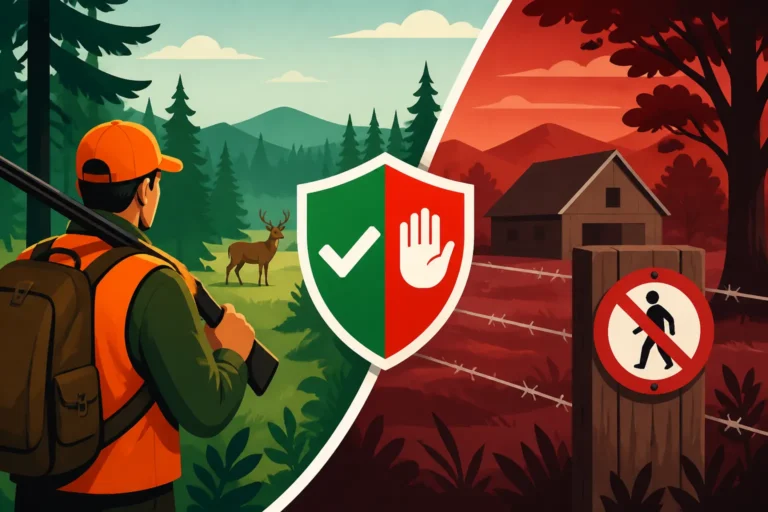
Hunting public land is a privilege, and with that comes the responsibility of understanding and adhering to the rules. Vermont's State Forests and Reservations, while generally very welcoming to hunters, do have specific guidelines that you need to be aware of. Ignoring these can lead to fines, loss of hunting privileges, and can even jeopardize future access for everyone. Always check the Vermont Department of Forests, Parks and Recreation website, or contact the local forest district office for the specific State Forest you plan to visit, as rules can sometimes vary slightly by location.
Finding and Accessing State Forest Lands
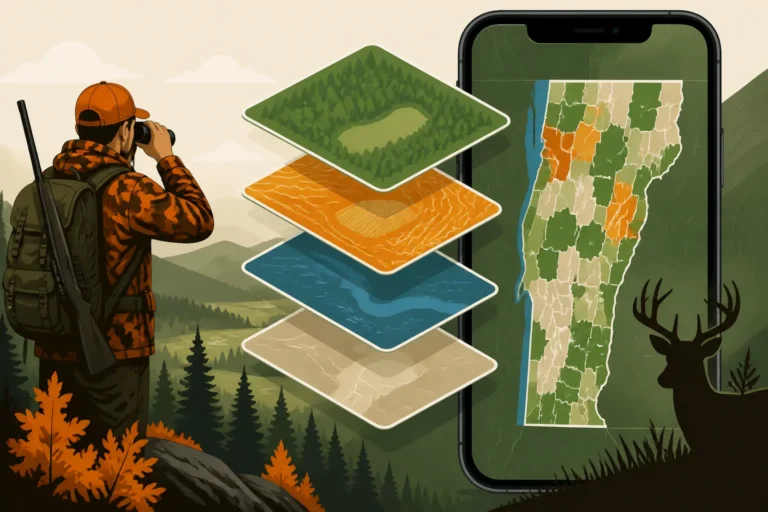
Finding State Forests and Reservations is easier than ever thanks to modern mapping technology. While old-school paper maps from the Department of Forests, Parks and Recreation are still valuable, digital tools have revolutionized this process. Apps like onX Hunt are incredibly useful, as they clearly delineate public land boundaries, including State Forests, WMAs, and Green Mountain National Forest parcels. You can overlay different map layers to see property ownership, topographical features, satellite imagery, and even old logging roads or trails. This allows you to identify potential access points, parking areas, and to understand the lay of the land before you even step foot in the woods. Scouting With the Vermont Fish and Wildlife App is another great tool for identifying public parcels.
Most State Forests will have designated parking areas, often at the end of town roads or off main routes. Many will also have a network of older logging roads or recreational trails. Pay close attention to signage; some roads might be gated, indicating foot traffic only, while others might be open to ATVs for specific uses or times of the year. Always park in a way that doesn't block gates or private driveways. Having a solid plan for your entry and exit points, especially in larger State Forests, is crucial. Remember, many of these areas are quite remote, and cell service can be spotty, so downloading offline maps on your smartphone or GPS device is a must. GoHunt also provides valuable state-specific information and resources that can aid in your planning, often detailing public land access and drawing odds for certain permits.
General Hunting Regulations and Permitted Activities
The general statewide hunting regulations apply to State Forests and Reservations, just as they would on any other public or private land where you have permission. This means adhering to season dates, bag limits, legal methods of take, and blaze orange requirements. For example, during the November rifle season, you'll need to display a minimum of 200 square inches of blaze orange above the waist, visible from all sides. It's not just a rule; it's a critical safety measure when sharing the woods. For specific details on dates and regulations, always consult the current Vermont Hunting and Trapping Guide.
You'll need your valid Vermont hunting license, and any required permits or tags for the species you're pursuing. Always ensure your tags are properly filled out and affixed to your harvested game as required by law. While State Forests are open to hunting, some specific areas within them, like designated picnic areas or developed recreation zones, might have restrictions on firearms discharge or hunting activities for safety reasons. Always be aware of your surroundings, scout for trails, and assume there might be other users in the forest, whether they are hikers, dog walkers, or mountain bikers, especially on weekends.
Specific Rules for Camping, ATVs, and Treestands
When it comes to specific activities beyond simply hunting, State Forests often have their own set of rules. For camping, primitive camping is generally allowed in many State Forests, but there might be restrictions on length of stay, fire regulations, or specific areas where camping is prohibited. Always practice Leave No Trace principles when camping to minimize your impact. You should check with the local district office for any current fire bans or specific camping regulations.
ATV use is a common question. While some logging roads or designated trails in State Forests might be open to ATVs at certain times of the year, many are restricted to foot traffic or designated snowmobile trails during winter. Never assume a gate being open means ATV access is permitted. Look for official signage or check with the district office. Unauthorized ATV use can damage trails, disrupt wildlife, and is a surefire way to get a ticket. For those using treestands, remember that most Vermont public lands, including State Forests, have rules about when stands can be put up and how long they can remain in place. Treestand Rules on Vermont Public Land typically dictate that stands must be removed at the end of the season and cannot be left unattended year-round. Always avoid damaging trees when hanging stands, and clearly mark any stand you leave in the woods with your name and contact information.
Hunting Opportunities by Game Species
Vermont's State Forests and Reservations, with their diverse and actively managed timber habitats, provide excellent opportunities for a variety of game species. The very nature of working forests — with clear-cuts, young growth, and mature stands — creates a mosaic of cover and food sources that wildlife thrives on. Understanding how these areas are managed can give you a significant advantage in predicting game movement and identifying prime hunting spots.
Whitetail Deer Hunting in State Forests
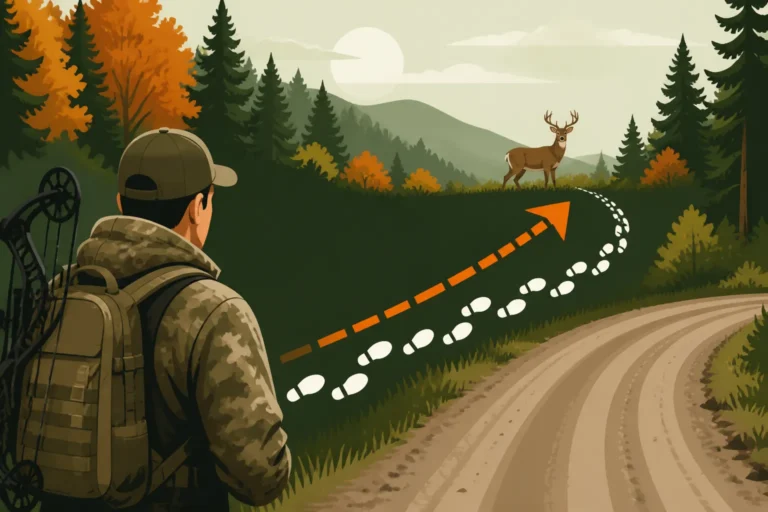
For whitetail deer hunters, State Forests are often goldmines. The timber management practices, particularly clear-cuts and regeneration areas, create dense, brushy cover that deer absolutely love for bedding and browse. These areas provide both protection from predators and abundant food in the form of young saplings, shrubs, and forbs. Look for the edges of these clear-cuts, as deer will often feed in them during low-light hours before retreating into the deeper, thicker cover to bed during the day. Following old logging roads that wind through these diverse habitats can lead you right to prime deer country.
Mature hardwood stands, common in many State Forests, offer crucial mast crops like acorns and beechnuts during the fall. These areas can be excellent spots to set up during the early archery season or the peak of the rut, especially if you find active scrape lines or rub routes. During periods of heavy snow, deer will often congregate in dense softwood stands, known as wintering yards, for thermal cover. Identifying these areas is key for late-season hunting. Reading a Green Mountain Deer Yard is an important skill to develop. The varying age classes of timber throughout State Forests mean deer often don't have to travel far to find everything they need – food, water, and cover – making these areas highly productive for focused scouting and hunting.
Turkey and Small Game Opportunities
Wild turkeys thrive in the mixed habitat found in State Forests and Reservations. The combination of open areas, like clear-cuts or logging decks, for strutting and bugging, alongside mature hardwoods for roosting and foraging, creates ideal turkey habitat. In the spring, listening for gobblers off the roost along ridge lines or near mature timber stands adjacent to open clearings can be very effective. Fall turkey hunting can also be excellent, especially in areas with good mast crops. Working a Fall Flock Apart Statewide With a Bow can be a rewarding challenge in these diverse forest settings.
Small game species like ruffed grouse and snowshoe hare also find excellent habitat in State Forests. Grouse love the dense, regenerating forest associated with recent timber cuts, particularly where there are thick stands of aspen or birch. Following old logging roads or trails through these areas can lead to flushes. Snowshoe hare prefer dense softwood cover, often found in the wetter areas or higher elevations within these forests. Their populations tend to cycle, but when numbers are up, these thickets can provide exciting hunting opportunities for those willing to bust through the brush. Squirrels, of course, are abundant wherever mature mast-producing trees are present, offering a fun and accessible hunting option, especially for new hunters. Squirrel Hunting Vermont Hardwoods is a classic way to experience these forests.
Bear Hunting Potential in Remote Reservations
Black bears are increasingly prevalent across Vermont, and remote State Forests and Reservations, particularly those with vast, uninterrupted tracts of forest, can offer excellent bear hunting opportunities. These large, wild areas provide the solitude and diverse food sources that bears need. Look for signs of bear activity, such as scat, claw marks on beech trees from foraging, or overturned rocks. Remote clear-cuts can also be important for bears, as the new growth provides berries and other soft mast. Spot-and-Stalk Bear Hunting Vermont Ridges is a challenging but rewarding method that can be employed in these expansive forest settings.
Hunting bears in State Forests requires patience and often a willingness to go deep into rugged terrain. Early season bears might be found near soft mast sources like berry patches or abandoned apple orchards within the forest. Later in the season, as hard mast like acorns and beechnuts become available, bears will key in on these areas. Understanding bear behavior and their seasonal food preferences is paramount to success. While baiting is legal in Vermont with an early bear permit, ensure you understand all the regulations and acquire the necessary permit before setting up a bait site on any public land. For many, the challenge of pursuing a bear in these vast, wild public forests is the ultimate hunting experience.
Strategic Scouting and Planning
Success in hunting State Forests and Reservations, just like any other public land, often comes down to the effort you put in before the season even begins. These large, often rugged parcels can be intimidating, but with a strategic approach to scouting and planning, you can significantly increase your odds of success. Don't just show up on opening day hoping for the best; put in the legwork, and these lands will often reward you.
Pre-Season Scouting: What to Look For
Pre-season scouting is non-negotiable, especially on larger State Forests. This means getting out into the woods when you're not carrying a weapon, taking your time to learn the terrain, identify game trails, and locate critical resources. Look for pinch points, funnels, and saddles that naturally direct deer movement. Identify different habitat types – where are the mature hardwoods with mast? Where are the dense softwood thickets for bedding? Where are the recent clear-cuts providing browse? Understanding the mosaic of the forest will help you predict where deer will be during different times of the season.
Water sources are another key element. While Vermont generally has abundant water, knowing where reliable springs or small creeks are located can be crucial, especially in drier periods. Look for old logging roads or abandoned trails that might lead to remote parts of the forest. These less-traveled routes can provide excellent, quiet access away from other hunters. During scouting, keep an eye out for rub lines and scrape activity, which indicate buck travel routes, especially during the pre-rut and rut. Identifying these patterns before the leaves drop can give you a significant edge when the season opens. Finding Sign in Green Mountain Timber before the season can give you a major advantage.
Utilizing Digital Mapping Tools for Success
Modern digital mapping tools are absolutely indispensable for scouting and hunting State Forests. Programs like onX Hunt allow you to view public land boundaries, property ownership, topography, and aerial imagery all on your phone or GPS device. You can mark potential stand locations, map out travel routes, identify bedding areas, and even track your own movements in real-time. Before heading into an area with questionable cell service, be sure to download offline maps so you always have access to your saved waypoints and the detailed map layers. This is especially vital when exploring vast or remote State Forests in the Northeast Kingdom or deep in the Green Mountains.
GoHunt offers similar robust mapping features, often with additional data relevant to specific hunting seasons or species. Using these tools to analyze topographical maps for subtle benches, ridges, and draws can reveal hidden travel corridors or secluded bedding areas that are easily overlooked from the ground. Identifying potential entry and exit routes that minimize disturbance is also critical. Imagine being able to see an old logging skidder trail on a satellite image that leads right to a remote clear-cut, far from the main access points. These digital tools empower you to plan more effectively and hunt smarter, not just harder. Reading Aerial Photos for Green Mountain Deer can unlock new hunting opportunities.
Planning Your Hunt: Entry, Exit, and Recovery
Once you've done your scouting and identified potential areas, it's time to meticulously plan your actual hunt. This includes your entry and exit strategies, factoring in wind direction and thermals, especially in mountainous terrain. Will you use a specific logging road or a cross-country route? How will you minimize scent and noise? For example, if you're targeting a field edge, consider your Entry Routes Through a Cut Cornfield to avoid spooking deer.
Crucially, you need a recovery plan. These State Forests can be rugged, and dragging a deer out, especially a larger animal, can be a monumental task. Familiarize yourself with the nearest roads, access points, and the terrain between your potential kill zone and extraction points. Do you need to bring a game cart? Is there a remote logging road that might allow for easier retrieval with an ATV (if permitted)? Having a solid plan for getting your animal out before you even pull the trigger will save you a lot of headache and potentially spoiled meat. Consider the time of day you'll be hunting and how that affects your recovery window, particularly as it gets colder or darker later in the season.
Ethical Hunting and Conservation
Hunting in Vermont's State Forests and Reservations isn't just about bagging an animal; it's about being a responsible steward of the land and respecting the shared resource. As hunters, we have a vital role in conservation and in maintaining a positive public image for our sport. Our actions on these public lands reflect not only on us individually but on the entire hunting community.
Respecting the Resource and Other Users
State Forests are multi-use lands, meaning you'll often encounter hikers, mountain bikers, bird watchers, and other outdoor enthusiasts. It's paramount to be courteous and respectful to all users. A friendly wave or a brief chat can go a long way in fostering good relations. Always be visible, especially during firearm seasons, by wearing your blaze orange or pink. Avoid hunting too close to designated trails, picnic areas, or other high-traffic zones. Your presence as a hunter should be as unobtrusive as possible to those who might not understand or appreciate hunting.
Beyond other humans, we must respect the wildlife itself. This means adhering to fair chase principles, only taking ethical shots, and making every effort to recover any animal you hit. It means understanding and following all bag limits and season dates, recognizing that these regulations are in place to ensure healthy wildlife populations for the long term. Leave the habitat better than you found it. Pick up any trash you find, even if it's not yours. Being a good steward is part of the hunting ethos.
Leave No Trace Principles in State Forests
The principles of Leave No Trace are critical when utilizing public lands like State Forests and Reservations. These guidelines ensure that our presence has minimal impact on the environment. Pack it in, pack it out: everything you bring into the forest, including food wrappers, spent shell casings, and flagging tape, must come out with you. This also applies to any litter you might encounter left by others.
Stay on existing roads and trails where possible to avoid creating new disturbances. If you need to go off-trail, be mindful of sensitive vegetation. Properly dispose of human waste and bury it away from water sources. Minimize campfire impacts by using existing fire rings where permitted, or by using a portable stove. When camping, select durable surfaces and avoid setting up camp directly in game trails. The goal is for the next person to pass through and have no idea you were ever there, preserving the wild character of these important lands.
Understanding the Importance of Forest Management
It's easy to see a logging operation in a State Forest and think, "Oh no, they're ruining the woods!" But in reality, active forest management, including selective logging and clear-cutting, is often crucial for creating and maintaining diverse wildlife habitat. These forests are managed for ecological health and sustainability, and that includes creating conditions that benefit deer, moose, turkeys, and grouse. When you see a clear-cut that's a few years old, what looks like a mess to some is actually an incredible cafeteria and bedding area for deer, brimming with young growth.
By understanding the goals of forest management, hunters can actually learn to use these activities to their advantage. Future timber sales will create future bedding and browse areas. Older clear-cuts will eventually become new mast-producing stands. Knowing the timeline of forest regeneration can help you predict where the best habitat will be in the coming years. Supporting sustainable forestry practices helps ensure that these State Forests remain vibrant, healthy ecosystems that continue to provide hunting opportunities for generations to come.
Challenges and Considerations
While Vermont's State Forests and Reservations offer incredible hunting opportunities, they also present unique challenges that hunters need to be prepared for. Understanding these potential obstacles and planning for them can be the difference between a successful hunt and a frustrating or even dangerous experience.
Navigating Varying Terrain and Cover
Vermont's terrain is notoriously rugged, and State Forests are no exception. You'll encounter everything from steep ascents and descents to dense, tangled thickets that can be a nightmare to navigate. This is particularly true in the Green Mountains and portions of the Northeast Kingdom. Be prepared for varied ground, including rocky outcrops, wet sections, and areas with blowdowns from past storms. Proper footwear is absolutely critical; invest in high-quality, waterproof hunting boots with excellent ankle support. Boots for Green Mountain Ridge Terrain are a must.
The cover can also vary dramatically, sometimes within a single parcel. One moment you might be walking through open, mature hardwoods, and the next you're pushing through an impenetrable spruce-fir thicket. This dense cover can limit visibility, making shot opportunities challenging and blood trailing difficult. Train to shoot in tight windows and practice identifying shooting lanes. It also means you need to be constantly aware of your surroundings, both for game and for your own safety and navigation. Always carry a compass and a reliable GPS or mapping app, and know how to use them, as getting disoriented in thick timber is easier than you might think.
Dealing with Hunting Pressure on Accessible Lands
While State Forests can offer more solitude than some WMAs, popular and easily accessible parcels can still experience significant hunting pressure, especially on opening weekends and during the peak of the rut. Hunters tend to gravitate towards the easiest access points and the first half-mile or so from parking areas. If you're looking for less-pressured game, you need to be willing to work harder and go deeper. This might mean walking a few extra miles, or finding less obvious access points that require more effort to reach.
Deer, particularly mature bucks, quickly learn to avoid areas with heavy human activity. They'll often retreat into the thickest, most inaccessible cover during daylight hours when pressure is high. This is where your pre-season scouting and digital mapping skills become invaluable. Identify those remote clear-cuts, steep ravines, or dense swamps that other hunters are less likely to penetrate. Sometimes, finding just a small, overlooked pocket of cover within a larger State Forest can be the key to success. Don't be afraid to put on some miles and explore; the rewards of finding undisturbed game are well worth the effort. Finding Ground Others Walk Past is a skill developed over time on these public parcels.
Weather and Seasonal Considerations
Vermont weather is famously unpredictable and can change rapidly, particularly in the fall and winter. You might start your day with crisp, clear skies, only to be hit with a torrential downpour, heavy snow, or freezing rain by midday. Proper layering is essential for comfort and safety. Layering for a Wet Green Mountain Day means waterproof outer shells and moisture-wicking base layers are non-negotiable. Always pack extra clothing, especially socks, and enough food and water for longer than you anticipate being out.
The seasonal changes also impact hunting strategy. Early season archery might mean dealing with warm temperatures and abundant foliage, while late-season muzzleloader hunting will likely involve cold temperatures, snow, and bare trees. Each season presents different challenges and opportunities. Understanding how deer behavior changes with the weather and available food sources is crucial. For instance, after a heavy snowfall, deer will often seek out the thermal cover of dense conifer stands. Being prepared for anything Mother Nature throws at you is key to a successful and safe hunt in Vermont's State Forests.
Key State Forests and Reservations for Hunters
Vermont is home to dozens of State Forests and Reservations scattered across the state, each offering unique characteristics and hunting opportunities. While it's impossible to cover every single one, let's highlight a few areas that exemplify the diverse hunting experiences you can find. Remember, this is just a starting point; the real adventure comes in exploring them yourself.
Northeast Kingdom Gems
The Northeast Kingdom (NEK) of Vermont is renowned for its wild character, expansive forests, and lower population density, making it a prime destination for public land hunters. State Forests here, like the West Mountain State Forest in Maidstone, offer vast tracts of timber, including both hardwoods and softwoods, and often border other public lands or large private timber holdings. This creates huge blocks of unfragmented habitat. West Mountain is part of a larger interconnected forest system, known for deer, bear, and sometimes even moose habitat. Hunting the Northeast Kingdom presents a unique blend of solitude and opportunity.
Another NEK gem is the Groton State Forest, one of Vermont's largest, spanning over 26,000 acres across several towns. While popular for camping and other recreation, its sheer size means there are always remote areas to explore for deer, bear, turkey, and small game. The varied terrain, including mountains, valleys, and numerous ponds and streams, creates a rich and diverse habitat mosaic. Hunters willing to put in the effort to get away from the main access points will often find themselves in untouched country.
| State Forest / Reservation | Region | Approximate Size (Acres) | Primary Game Species | Key Features for Hunters |
|---|---|---|---|---|
| Groton State Forest | NEK | 26,000+ | Deer, Bear, Turkey, Small Game | Diverse habitats, large size, remote sections, ponds, logging roads |
| West Mountain State Forest | NEK | 12,000+ | Deer, Bear, Moose, Small Game | Remote, vast timberland, contiguous with other forests, good for deep woods hunting |
| Hazen's Notch State Forest | Central | 3,000+ | Deer, Turkey, Bear | Mountainous terrain, mixed hardwoods/softwoods, good for still-hunting |
| Mount Ascutney State Park & Forest | Southern | 2,000+ | Deer, Turkey | Varied elevation, mixed forest, more accessible but offers good pockets |
| Camel's Hump State Park (Forest) | Central | 20,000+ | Deer, Bear, Small Game | Rugged, high elevation, wilderness feel, challenging access |
| Okemo State Forest | Southern | 5,000+ | Deer, Bear, Turkey | Mixed forest, varied terrain, near popular ski area but offers remote sections |
Central Vermont's Expansive Woods
Central Vermont also holds significant State Forest lands that offer excellent hunting. The Roxbury State Forest, for instance, provides thousands of acres of mountainous terrain with a mix of hardwood and softwood stands. This area can be particularly challenging due to its steepness but often holds less pressured deer and bear for those willing to climb. Its rugged nature means you'll need to be in good physical condition and have a solid plan for navigating the terrain. Climbing to a Green Mountains High-Elevation Bench can lead to rewarding experiences in these areas.
Another notable area is the Calvin Coolidge State Forest, a massive complex of public land spread across several townships in the central and southern parts of the state. This forest features a mix of rolling hills and steeper mountains, with abundant hardwood forests that are excellent for mast-feeding deer and turkeys. There are extensive networks of logging roads and trails, some of which are open to various forms of recreation, but many others offer quiet access deep into hunting territory. The sheer size of Calvin Coolidge means there's always new ground to explore, and different sections will offer distinct hunting characteristics.
Southern Vermont's Diverse Habitats
Southern Vermont's State Forests, while sometimes smaller than their northern counterparts, offer incredibly diverse habitats. The Green River Reservoir State Park and surrounding State Forest lands in Hyde Park, for example, while a popular paddling destination, also provides unique opportunities for waterfowl and deer along its shoreline and in the surrounding woods. Hunting here requires an understanding of wetland and riparian zones, and often involves quieter approaches.
Further south, the Daniel Boone State Forest in Windham County offers a mix of hills, valleys, and varied timber. These forests often abut agricultural lands, creating excellent edge habitat where deer will move between dense cover and food sources. They might not be as vast as the NEK forests, but their proximity to private land often means deer are accustomed to moving through these public blocks. Finding a good funnel between two woodlots or a thick cover patch adjacent to a farm field can be highly effective in these smaller, more fragmented State Forests. Hunting a Funnel Between Two Woodlots is a classic strategy that works well in these areas.
These State Forests and Reservations are invaluable resources for Vermont hunters. They represent a commitment to public access and offer a lifetime of exploration for those willing to put in the effort. By understanding their unique characteristics, respecting the land, and honing your skills, you can unlock incredible hunting experiences away from the crowds.
Disclaimer
This article is for general informational purposes only and does not constitute professional advice. Laws, prices and regulations vary by location and change over time. Consult a qualified professional for guidance on your specific situation.