Climbing to a Green Mountains High-Elevation Bench
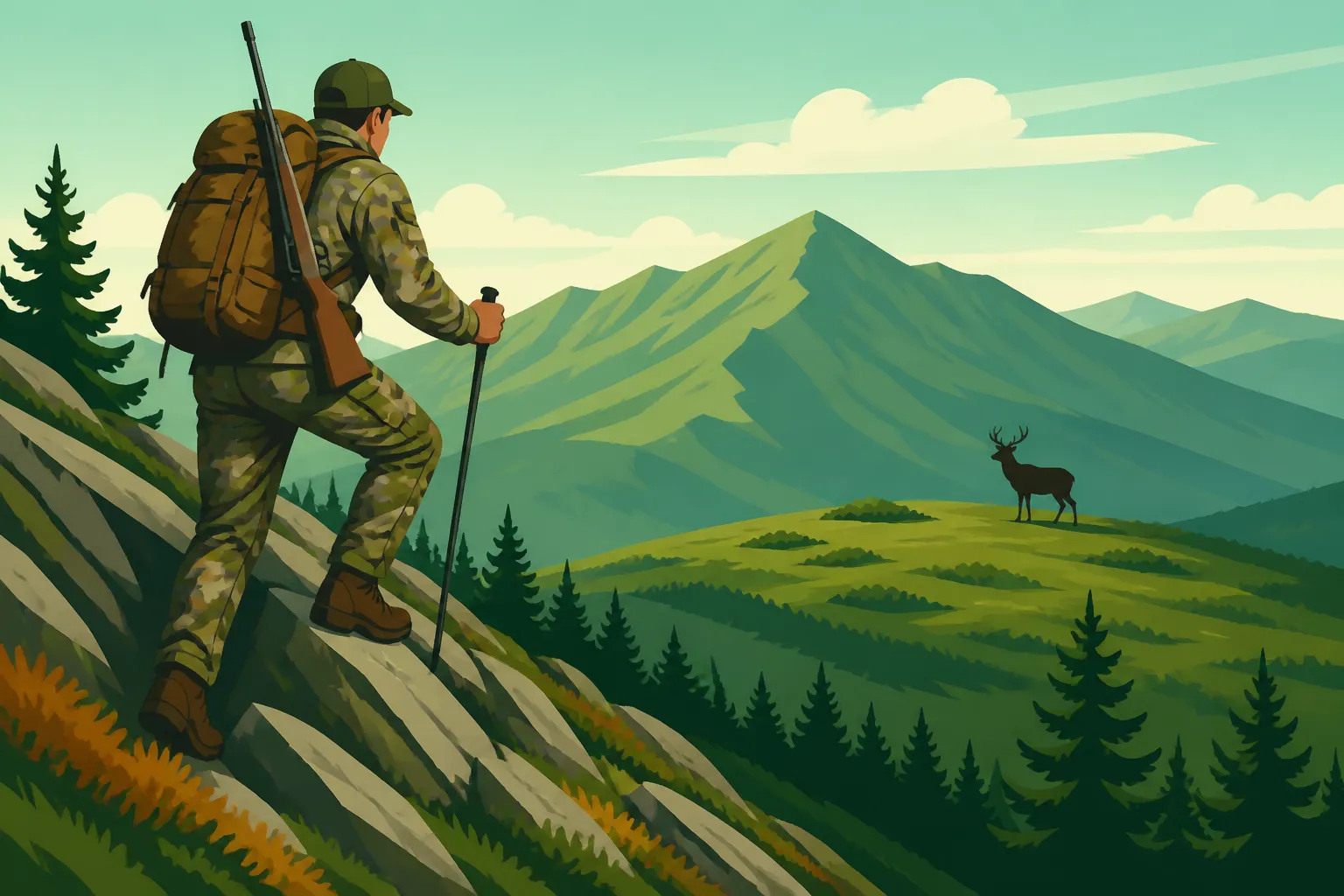
The Green Mountains of Vermont are absolutely stunning, but anyone who’s spent time hunting them knows they can be a real beast. It’s not just the sheer vertical climb that gets you; it’s the constant question of whether you’re even in the right spot, scaling thousands of feet only to find nothing. This guide is all about tackling that challenge head-on, specifically focusing on how to effectively climb to and hunt those elusive high-elevation benches where big bucks often seek refuge, giving you actionable strategies to make those tough ascents pay off.
Understanding High-Elevation Benches and Why Deer Use Them
When we talk about high-elevation benches, we're not talking about perfectly flat, manicured plateaus. Far from it. In the Green Mountains, these are typically less-steep areas or slight shelves that interrupt an otherwise relentless incline. Think of them as natural pauses or steps on a steep hillside, often ranging from just a few yards wide to perhaps an acre or more, nestled among the rugged terrain. These benches might be formed by a subtle change in rock strata, an ancient landslide, or even just where a different soil composition allowed a small, flatter area to develop. From a distance, they can be hard to spot, blending into the uniform slope, but on foot, they suddenly reveal themselves as distinct breaks in the grade.
Deer, particularly mature bucks, are incredibly savvy about using these benches to their advantage. First and foremost, these spots offer a sense of security. The effort required to reach them means they see far less human pressure than lower elevations. A deer bedded on a bench often has a commanding view downhill, allowing them to spot danger approaching from below. They can also quickly slip over the top or around the side if something spooks them from above. Benches also provide thermal regulation. In cold weather, especially with sunshine, a bench on a south-facing slope can be a warm sun trap. Conversely, in the early archery season, a north-facing bench might offer a cooler, shadier bedding area during a hot spell. These microclimates are crucial for deer comfort throughout the long hunting season. Additionally, benches can concentrate food sources. A small cluster of beech trees, a patch of mountain ash, or even a hidden spring feeding a lush growth of browse can make a bench irresistible. They are natural funnels, too, often serving as critical travel corridors as deer navigate steep terrain, moving between bedding areas and lower feeding grounds. Understanding these factors is key to knowing why you're putting in the work to climb.
Scouting Strategies for Mountain Benches
Successfully hunting high-elevation benches isn't just about showing up and climbing; it starts long before the season opener with meticulous scouting. The sheer scale of the Green Mountains can be overwhelming, but modern tools and old-fashioned legwork can make a world of difference.
Leveraging E-Scouting Tools
Before you even lace up your boots, your best friend will be a robust e-scouting platform. Apps like GoHunt or similar mapping tools allow you to pore over topographical maps and high-resolution satellite imagery from the comfort of your home. You're looking for those subtle contour lines that indicate a break in the steepness – the tell-tale sign of a bench. Pay close attention to how these benches connect to other features: saddles, drainages, old logging roads, and changes in timber type. A bench that's part of a larger travel network, perhaps connecting two different ridges or acting as a stopping point on a well-used game trail, is far more valuable than an isolated one. Look for benches positioned strategically near thick cover, like stands of spruce and fir, which offer bedding and protection, or hardwoods that might provide mast crops. Identifying potential bedding areas, often on the leeward side of ridges or in dense thermal cover, and then finding benches that deer might use to travel to feeding areas or simply to stage before moving lower at dusk, is a crucial step. This initial reconnaissance helps you narrow down vast tracts of public land to manageable areas of interest. You can learn a lot by Reading Aerial Photos for Green Mountain Deer, seeing how different timber stands or elevation changes create natural funnels.
Boots-on-the-Ground Verification
Once you've marked potential benches on your map, it's time for boots on the ground. This is where the real work begins, and it's best done outside of hunting season, like late winter or early spring, when vegetation is down, and snow cover (if present) can highlight tracks and trails. The primary goal of boots-on-the-ground scouting is to confirm your e-scouting hunches and find fresh deer sign. When you reach a suspected bench, don't just walk across it. Systematically grid search the entire area. Look for rub lines, old scrapes, fresh tracks in soft soil, and most importantly, bedding areas. Deer often scrape out shallow beds in high-elevation spots, frequently with a clear view downhill and cover to their back.
Also, pay close attention to the access routes to and from the bench. Are there well-worn deer trails leading up to it? Do they follow a specific contour or a natural drainage? This will inform your approach during hunting season. Consider placing a few trail cameras on benches that show promising sign, especially on pinch points or travel corridors leading to them. Remember, deer will often use these high-elevation benches to travel between distant food sources and even as part of their Deer Wintering Yards Explained during harsh conditions. This ground work is exhaustive, but finding definitive evidence of deer actively using a bench is the only way to validate your efforts. For deep insights, check out Scouting Vermont Public Land Before Season. When considering Where to Hang a Camera on a Logging Road, think about extending that logic to game trails leading onto these benches.
The Ascent: Techniques for Climbing Steep Terrain
Climbing to high-elevation benches in the Green Mountains is physically demanding, plain and simple. It requires preparation, the right gear, and a strategic mindset to not only reach your destination but to do so without blowing your cover.
Physical Conditioning and Gear Essentials
Let's be real: hunting these steep hills isn't for the faint of heart or the out of shape. You need to be able to sustain a strenuous climb, often in the dark, with a pack and your hunting equipment. Regular cardio and leg strength training are non-negotiable if you plan to make this a regular part of your hunting strategy. Incorporate hiking with a weighted pack into your workout routine.
Beyond physical fitness, your gear selection is paramount. Footwear is crucial; you need rugged, comfortable, and supportive boots with excellent ankle support and aggressive tread for traction on loose rock, mud, and steep grades. Brands like Kenetrek or Salomon are popular among serious mountain hunters for a reason. For more on this, consider Boots for Green Mountain Ridge Terrain. Layering your clothing is also critical for managing your body temperature during the climb. You'll sweat, even in cold weather, and nothing ruins a hunt faster than arriving at your spot soaked in sweat only to chill down. Start with light layers, like merino wool, that can be easily shed or added. A good quality pack that distributes weight effectively and doesn't hinder your movement is also essential. Think about a pack that can carry extra layers, water, snacks, first-aid, and emergency gear, while still allowing you to comfortably carry your weapon. Even a little extra weight can feel like a ton on a steep climb. Learning to properly layer is an art, and Layering for a Wet Green Mountain Day can offer more guidance.
Strategic Climbing and Thermal Awareness
The way you climb is almost as important as what you climb with. Avoid rushing. A slow, steady, deliberate pace is key to conserving energy and minimizing noise. Take smaller, shorter steps rather than big strides, especially on uneven ground. Look for natural pathways – old game trails, dry streambeds, or even lines of less dense vegetation can offer easier footing. These natural funnels often guide deer as well, so you might be on a common path.
Always be acutely aware of the wind and thermals, especially in mountainous terrain. As the sun rises, thermals typically start to rise, pulling your scent uphill. In the evening, as temperatures drop, thermals fall, carrying your scent downhill. Your approach to a high-elevation bench should always factor this in. If you're climbing pre-dawn, the thermals might still be falling, meaning you'll want to approach from below and to the side, allowing your scent to be carried away from the bench. As you get closer to shooting light, and thermals begin to rise, you might need to adjust, moving to approach from above or maintaining a cross-wind position. A slight breeze can also be your friend, masking the subtle sounds of your ascent. Understanding Wind and Thermals in Steep Green Mountain Terrain is not just academic; it's a fundamental safety and success strategy. Planning your route to leverage these natural air currents is paramount for remaining undetected.
Hunting High-Elevation Benches: Tactics and Considerations
You’ve put in the scouting, made the arduous climb, and now you’re finally there, perched on a Green Mountain bench as dawn breaks. The hard work isn’t over; now it’s time to employ smart hunting tactics to make the most of your lofty position.
Stealthy Approach and Stand Placement
The absolute critical moment after all that climbing is your final approach to your chosen hunting spot on the bench. You must be silent. Every snapped twig or scuff on a rock can carry far in the quiet morning air of the mountains. Take your time, walk slowly, and pause frequently to listen. Use the terrain to your advantage – approach from a low spot, behind a rise, or through dense cover to remain out of sight. Remember, a deer bedded on a bench likely has an excellent vantage point of its own. Scent control is also paramount; despite the thermals, any residual scent you leave on your approach path can quickly alert a deer once it moves.
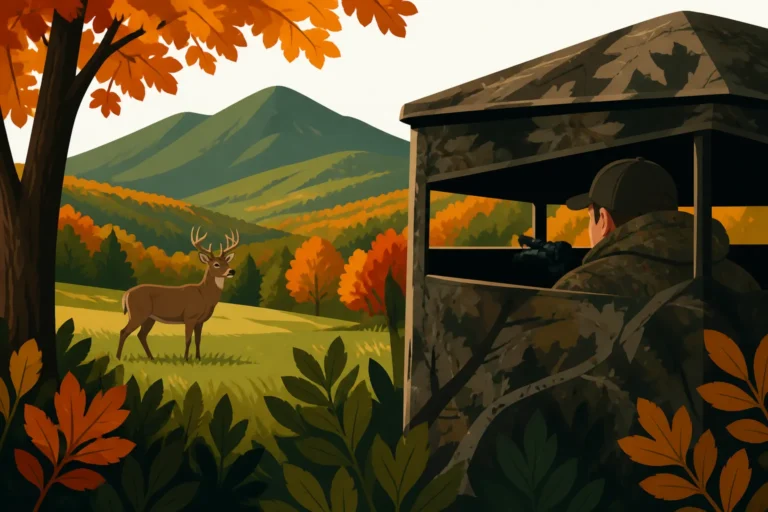
When it comes to stand placement, whether you're using a climbing stand, hang-on, or a ground blind, proximity to fresh sign is key. Look for those heavily used travel corridors or concentrated bedding areas you found during scouting. You want to set up in a spot that offers good shot lanes while breaking up your silhouette. Often, this means setting up just below the crest of the bench, allowing you to shoot up onto it or down into a drainage, while still having the advantage of the higher ground. Consider thick pine or spruce stands that offer excellent concealment. If you prefer a ground blind, ensure it's well brushed in and blends seamlessly with the natural vegetation. For guidance on setup, Using a Ground Blind on Public Land offers excellent advice that can be adapted to these high-elevation scenarios. Remember, if you're bowhunting during Vermont's November rifle season, blaze orange requirements still apply even when you're perched high up in a tree, ensuring safety and visibility to other hunters.
Effective Hunting Strategies and Deer Recovery
Once you're settled, patience is your greatest virtue. Deer on these high benches often move later in the morning or earlier in the evening than those in lower, more pressured areas. They might simply stand up from their beds to browse for a while before moving on. Still-hunting along the bench, moving slowly and deliberately with frequent pauses to scan and listen, can also be very effective. This method, detailed further in Still-Hunting Green Mountain National Forest Timber, allows you to cover more ground on the bench while remaining alert. Pay close attention to subtle movements, the flick of an ear, or a patch of hide through the trees. Sometimes, a soft grunt or a few rattling sequences can bring a curious buck out of dense cover, especially during the rut.
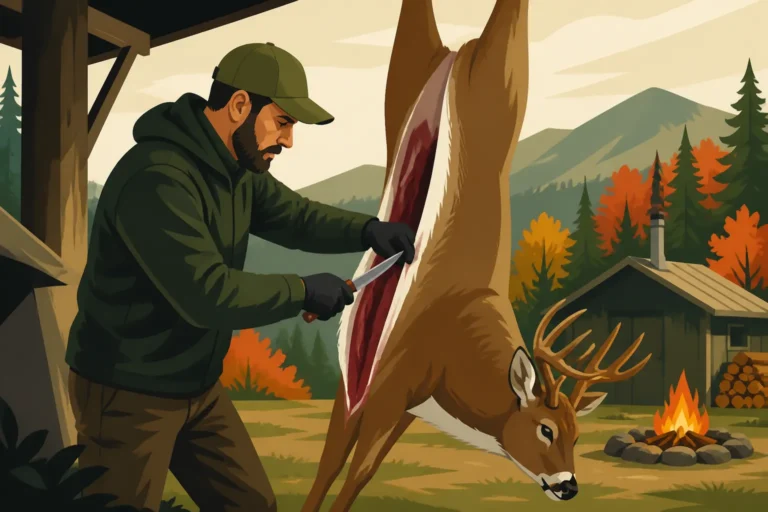
One of the most challenging aspects of hunting high-elevation benches is deer recovery. If you connect with an animal up high, the hard work truly begins. A wounded deer might run downhill, making for an incredibly difficult retrieve over steep, broken ground. It's crucial to give the animal ample time to expire before taking up the trail. Mark the last spot you saw the deer and take note of landmarks. Have a plan for how you'll get the animal out. This might involve quartering it on site and making multiple trips, using a heavy-duty game cart (though these are often impractical on extreme slopes), or even a specialized pack frame. Understanding the challenges and having a strategy for Recovering a Deer From a Steep Ravine can save you immense frustration and ensure ethical recovery. Remember, the reward of a successful high-elevation hunt is immense, but it demands respect for the terrain, the animal, and your own capabilities.
| Scouting Method | Key Advantages | Best Time for Use | Required Tools / Skills | Potential Challenges |
|---|---|---|---|---|
| E-Scouting | Covers vast areas quickly, identifies patterns, | Anytime, especially pre-season (summer/fall) | Mapping apps (GoHunt), Topo maps, Satellite imagery | Doesn't confirm current sign, can miss subtle features |
| Boots-on-the-Ground | Confirms fresh sign, identifies travel routes, | Late winter/early spring (before leaf-out), post-season | Boots, Binoculars, Trail Cameras, Physical stamina | Time-consuming, physically demanding, can spook game |
Disclaimer
Hunting is an inherently dangerous activity. The information provided in this guide is for informational purposes only and is not a substitute for professional instruction, proper training, or adherence to all applicable state and federal hunting regulations. Always prioritize safety, understand your local laws, and be prepared for rapidly changing weather and terrain conditions in the Green Mountains.