Running a Trapline in Rural Vermont
The quiet solitude of a Vermont winter, or the rustle of leaves in fall, can call to a certain kind of outdoors enthusiast – the trapper. But for many, the idea of running a trapline feels daunting, shrouded in complex regulations and an intimidating learning curve. It's a craft that demands patience, knowledge, and a deep respect for both the land and the furbearers you're pursuing. This guide aims to demystify the process, offering a realistic look at what it takes to ethically and effectively run a trapline in rural Vermont, from understanding the rules to mastering the art of the set.
Understanding Vermont's Trapping Regulations and Ethics
Jumping into trapping without a solid grasp of the rules is like trying to navigate the Green Mountains blindfolded – it's a recipe for trouble. Vermont has a clear set of regulations designed to ensure humane practices, protect wildlife populations, and maintain public safety. These aren't just suggestions; they're legal requirements that every trapper, whether seasoned or novice, must understand and adhere to. Ignoring them can lead to fines, loss of privileges, and a black eye for the trapping community.
Licensing Requirements and Seasons
First and foremost, you can't just head out with a trap and a dream. To legally trap in Vermont, you'll need a current Vermont hunting license as your base, and then a separate Vermont trapping license. These licenses are your entry ticket to the woods and waterways. You can purchase them easily online through the Vermont Fish & Wildlife Department's portal, or at various license agents across the state. It's always a good idea to secure your license well in advance of the season you plan to target, giving you ample time to get familiar with any specific regulations that might apply to your chosen species.
Once you have your licenses, the next crucial step is understanding the specific season dates for the furbearers you intend to pursue. Seasons vary widely by species and can sometimes even have different opening and closing dates depending on the Wildlife Management Unit (WMU) you're in. For instance, the season for beaver might run differently than the season for fox or bobcat. It’s imperative to consult the official Vermont Fish & Wildlife digest each year, as dates and rules can change. This digest will also outline any specific permit requirements for certain species or areas, like those sometimes seen for otter or bobcat, ensuring you’re fully compliant before setting a single trap. For a deep dive into what you need, check out our guide on Vermont Trapping License Requirements.
Device Restrictions and Setback Rules
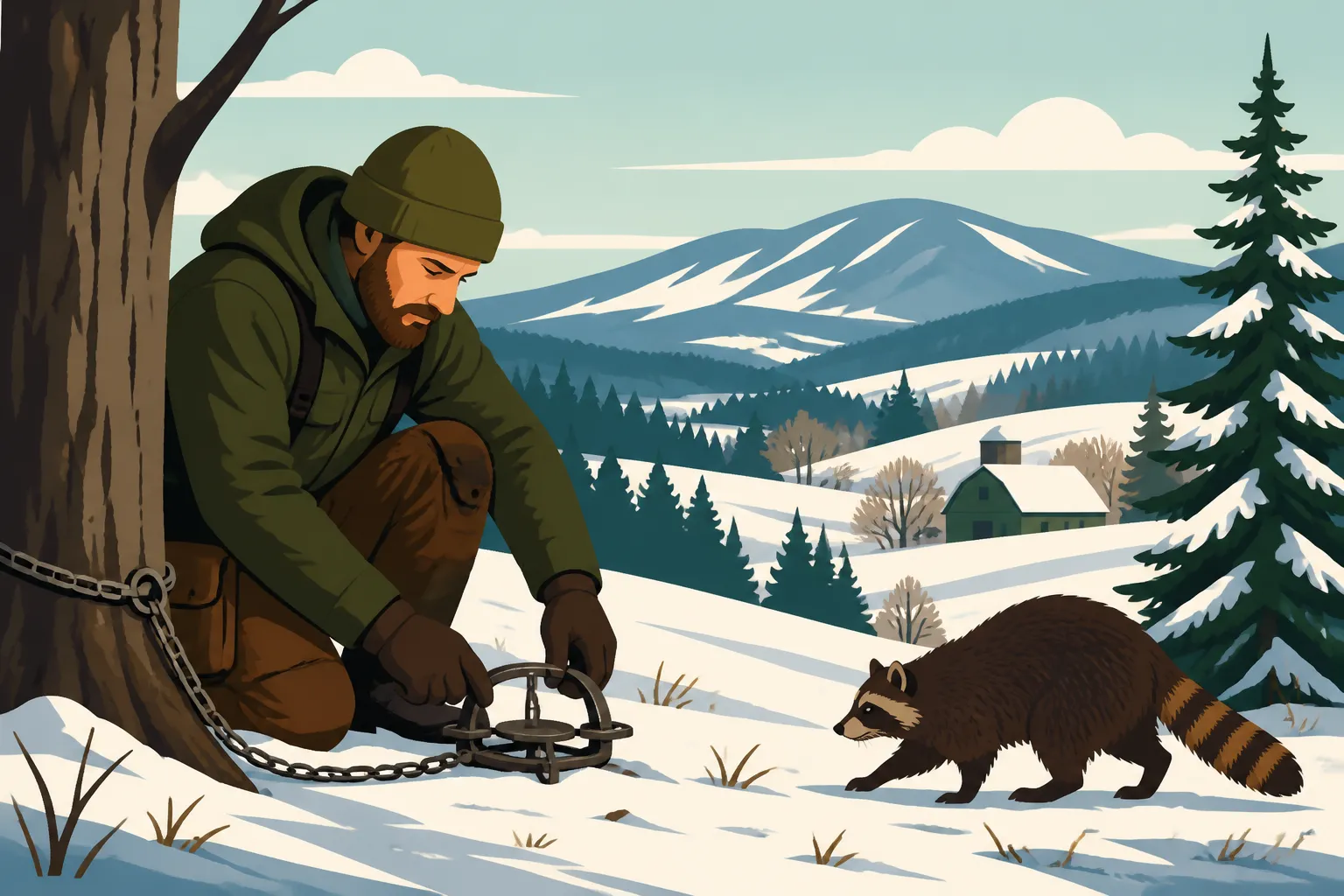
Vermont law is quite specific about the types of traps you can use and how they must be deployed. Generally, legal traps include various sizes of foothold traps, conibear-type body grip traps, and snares, each with specific size limitations. For example, there are maximum jaw spread sizes for foothold traps used on land, and different restrictions for those used in water. It's not just about the size, either; how they're set is equally important. For instance, most traps must be checked at least once every 24 hours. This rule is non-negotiable and is a cornerstone of ethical trapping, ensuring that captured animals are not held for extended periods.
Beyond the type and check times, setback rules are critical for public safety and avoiding non-target catches. Traps cannot be set within certain distances of dwellings, public roads, and designated public trails. These distances are clearly defined in the regulations, and it's your responsibility to know them. For example, a common rule prevents certain traps from being set within 50 feet of a public road or 150 feet of a dwelling without landowner permission. This also extends to avoiding areas where domestic animals might roam. Always consider your surroundings and ensure your traps are placed in a manner that minimizes risk to pets, livestock, or unsuspecting hikers. While our article on Vermont Firearms Discharge Setback Rules details firearm distances, the principle of respecting safety zones around human activity applies equally to traps.
Ethical Considerations and Best Practices
Trapping, at its heart, is about responsible stewardship. Ethical considerations go beyond simply following the letter of the law; they involve a deep commitment to humane practices and respect for wildlife. This means using properly sized and maintained traps that are designed to minimize injury, ensuring quick and humane dispatch of animals, and constantly seeking to improve your skills. A dull trap or a poorly constructed set can lead to unnecessary suffering, which is antithetical to ethical trapping.
Beyond the immediate welfare of the animal, ethical trappers strive to be good neighbors and responsible land users. This involves leaving the land as you found it, or even better, and ensuring your trapping activities don't negatively impact other outdoor enthusiasts. Being discreet with your trapline, obtaining explicit permission for private land, and respecting fellow hunters and hikers are all part of the ethical code. If you happen to catch a non-target animal, knowing how to safely release it or reporting it to Fish & Wildlife, if required, is also part of being a responsible trapper. Remember, the future of trapping depends on the positive image and practices of those who engage in it today.
Scouting and Setting Your Trapline in Rural Vermont
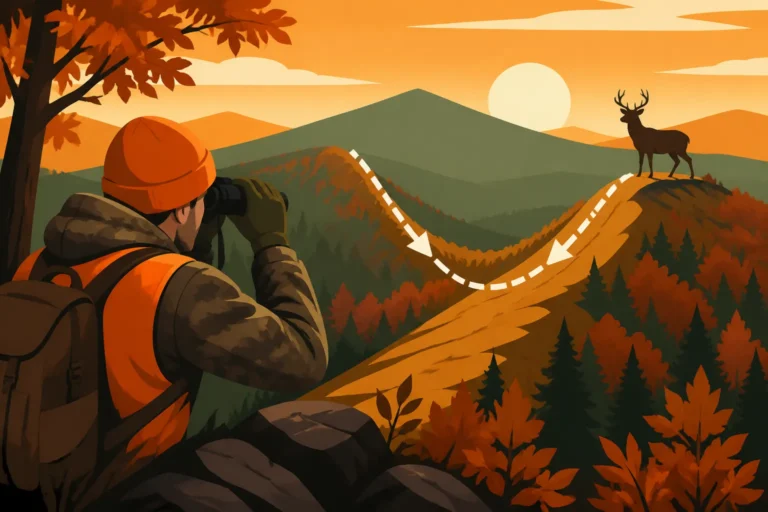
Successfully running a trapline in rural Vermont isn't just about setting traps; it's an intricate dance of observation, knowledge, and strategy. Just like a seasoned hunter studies deer movement, a trapper meticulously scouts for furbearer sign, understanding that location is paramount to success. This takes time, patience, and a keen eye for detail, often well before the season even opens.
Identifying Prime Furbearer Habitat
The first step in any successful trapline is understanding your quarry and where they live. Different furbearers prefer different habitats, and rural Vermont offers a diverse tapestry of environments to explore. For instance, beaver and muskrat are almost exclusively found in aquatic environments—beaver in their flowages, ponds, and larger streams, while muskrat favor marshes, cattail stands, and slower-moving waters. You'll look for beaver chews, dams, lodges, and distinct "slides" where they enter and exit the water. For muskrat, look for feed beds, push-ups, and trails through shallow water vegetation.
Coyotes and foxes, on the other hand, are often found where food is plentiful. This can be agricultural areas, field edges, mixed woodlands, and even closer to human habitation where small rodents thrive. Look for scat, tracks along old logging roads, worn trails through grass, and "sign posts" like clumps of grass or small bushes where they regularly mark their territory. Bobcat and fisher prefer denser cover, often in mature timber, thickets, and remote sections of the Green Mountain National Forest. Scouting for them involves looking for tracks in the snow or mud, tree climbs (especially for fisher), and investigating rocky outcroppings or dense cedar swamps. Utilizing mapping tools like GoHunt, which can show terrain features, water sources, and cover types, can significantly aid your scouting efforts, helping you identify promising areas even before you step foot on the ground. For more on finding good spots, consider how similar techniques are used when Reading Aerial Photos for Green Mountain Deer.
Strategic Trap Placement and Set Types
Once you've identified promising habitat, the next challenge is selecting the right trap set for the animal and the location. This is where experience truly comes into play, as different situations call for different approaches. For beaver, drowning sets with conibear traps or large footholds are common in their runs or at pinch points near their lodges. For muskrat, "push-up" sets or feed bed sets using smaller body grip traps are highly effective. If you’re targeting a beaver flowage, knowing how to effectively place your traps near their travel routes can be the difference between an empty trap and a successful catch, much like understanding how to optimize a setup when Hunting a Beaver Flowage on Public Land.
For canines like fox and coyote, land sets are typical. Dirthole sets, where a trap is buried near a dug hole mimicking a cached food source, are classic and effective when paired with quality bait and lure. Scent post sets, utilizing urine or gland lures at a natural "post," also draw in curious canines. For bobcats and fishers, cubby sets, which are enclosed spaces baited to draw the animal in, are often used, especially in areas with deep snow. Snaring is another option for coyotes and sometimes fox, particularly in trails and pinch points, but requires meticulous placement to ensure humane capture. The key is to make the set look as natural as possible, minimizing human disturbance and camouflaging your equipment.
Considerations for Public vs. Private Land
Trapping opportunities in Vermont exist on both public and private lands, but each comes with its own set of rules and considerations. Public lands, such as Wildlife Management Areas (WMAs) and sections of the Green Mountain National Forest, offer vast expanses of wild habitat. However, these areas often see more recreational use from hikers, skiers, and other hunters, requiring even greater attention to setback rules and trap visibility. When you’re on public land, assume other people will be around, even in remote areas. Utilizing a robust mapping app like GoHunt or onX Hunt can be invaluable for identifying public land boundaries, tracking your movements, and marking potential trap locations, helping you avoid accidental trespass and ensuring you're within legal parameters.
Private land, on the other hand, often provides excellent furbearer habitat with less human pressure. However, securing permission is absolutely non-negotiable. Vermont's trespass laws are clear: you need explicit permission from the landowner to trap on their property. This usually involves a face-to-face conversation, explaining your intentions, and demonstrating your respect for their land. Offering to help with nuisance animals or sharing some of your catches can go a long way in building a positive relationship. Understanding Getting Private Land Permission in Vermont is not just polite, it’s legally required. For those interested in Hunting Vermont Wildlife Management Areas generally, the principles of respectful and legal access apply equally to trapping. A good relationship with landowners can open up opportunities for years to come, and a single misstep can close doors permanently.
Running and Maintaining Your Trapline
The work doesn't stop once your traps are set; in fact, that's often when the real commitment begins. Running a trapline is a daily regimen, requiring diligence, physical effort, and constant adaptation to the ever-changing Vermont environment. It's a hands-on craft that teaches you invaluable lessons about wildlife behavior and the nuances of the landscape.
Daily Checks and Animal Handling
The 24-hour trap check rule is paramount, not just for legality, but for ethical practice. Every morning, you'll need to hit your trapline, regardless of the weather, to check each set. This means knowing your route, being prepared for varying conditions, and having the right gear to ensure safety and efficiency. A proper check involves approaching the set cautiously, observing for signs of activity, and inspecting the trap itself. This routine isn't just about checking for catches; it's also about identifying sprung traps, signs of animals that may have visited but not been caught, and refreshing lures or bait as needed.
When you do find a captured animal, humane handling is key. This involves a calm, respectful approach. If the animal is caught in a foothold trap, knowing how to safely restrain or dispatch it humanely and quickly is essential. For smaller animals in body grip traps, dispatch is usually immediate. Always have the necessary tools with you: gloves, a dispatch tool (such as a stout club or .22 pistol for larger animals like coyote), and game bags. Learning from experienced trappers or taking a trapping education course can provide invaluable hands-on training for these sensitive situations.
Processing and Pelt Care
Once an animal is humanely dispatched, the work shifts to processing. If you plan to sell the pelts, quality preparation is crucial for maximizing their value. This typically involves field skinning the animal, taking care to avoid cuts or damage to the fur. Back at home or camp, the pelt will need to be fleshed – removing all fat and muscle tissue – which is a labor-intensive but critical step. Tools like fleshing knives and beams are essential for this.
After fleshing, the pelt is stretched on a board or wire stretcher, typically fur-side in for most species, and allowed to dry in a cool, well-ventilated area away from direct sunlight or heat. Proper stretching ensures the pelt maintains its shape and size, which directly impacts its marketability. For different species, there are specific stretching forms and drying times. This meticulous care reflects the trapper's respect for the animal and its inherent value. If you're keeping the meat, proper field dressing and cooling are vital, much like Handling Venison From a Healthy Herd after a deer hunt.
Adapting to Weather and Environmental Changes
Vermont weather is notoriously unpredictable, and a successful trapper must be constantly ready to adapt. A heavy snowfall can bury traps, making them ineffective and hard to locate. A sudden thaw can flood water sets or make land sets muddy and prone to freezing overnight. Knowing how to adjust your sets for these conditions is critical. For instance, after a fresh snow, you might "oversnow" a land set with fresh powder to make it appear more natural. During a thaw, you might switch from land sets to more stable water sets, or simply pull traps from areas prone to flooding.
Beyond weather, understanding how furbearer behavior changes with environmental factors is also important. A sudden cold snap might push animals to seek out new food sources or denser cover, requiring you to anticipate their movements and adjust your trapline accordingly. This continuous observation and adaptation is what separates a truly effective trapper from someone just setting traps. Even when you're just out checking traps, dressing in appropriate layers for Vermont's varying temperatures is crucial, applying the same principles as a Cold-Weather Sitting Strategy in the Northeast Kingdom.
Species-Specific Trapping Tips
While the general principles of trapping apply across the board, each furbearer presents unique challenges and opportunities. Tailoring your approach to the specific behaviors and habitats of each species will significantly increase your success and make your trapline more efficient.
Trapping Beaver and Muskrat
Beaver are powerful engineers of the wild, constantly altering their environment. Their movements are often predictable around their dams, lodges, and feeding areas. When targeting beaver, look for their "runs" or trails they repeatedly use to enter and exit the water. Setting conibear traps in these runs, ensuring they are submerged, is highly effective. Foothold traps can also be used, often set on submerged shelves or logs where beaver will climb out. Always use sufficient drowning weights or systems to ensure a quick, humane dispatch. Understanding Vermont Beaver Population and Damage can help you recognize areas where beaver activity is high and trapping might be particularly effective for nuisance control.
Muskrat, often found in the same waters as beaver, prefer marshier, slower-moving areas with abundant aquatic vegetation. They create "push-ups" – small mounds of vegetation – which serve as feeding platforms or breathing holes, especially under ice. Setting small body grip traps (e.g., #110 conibears) in or near these push-ups, or along their submerged travel tunnels, is a proven method. Baiting with apples, carrots, or parsnips can also draw them into cubby sets placed near the water's edge.
Trapping Fox and Coyote
Fox and coyote are cunning canines, requiring intelligent sets and minimal human scent. They are often found in mixed landscapes, including open fields, farmlands, and the edges of woodlands. For fox, smaller foothold traps (#1.5 or #1.75 coilsprings) are typically used in dirt hole or scent post sets. Lure and bait choice is crucial; fox respond well to curiosity lures, urine, and small amounts of tainted meat. Coyotes are larger and often warier, requiring stronger traps (#1.75 or #2 coilsprings) and more careful camouflage. Dirt hole sets are still primary, but deeper, more aggressive holes can be more effective. Good quality coyote urine and strong gland lures are often more successful than food baits. Our guide on Coyote Calling Vermont Farm Country offers insight into their behavior, which can also inform your trapping strategies.
When trapping canines, always be mindful of domestic dogs. Set your traps away from common dog walking areas and consider using snares in pinch points where deer often travel, as they are generally safer for non-target animals if properly deployed and checked frequently.
Trapping Bobcat and Fisher
Bobcat and fisher are elusive predators of Vermont's denser, often mountainous, woodlands. They are notoriously difficult to trap, requiring persistence and a deep understanding of their movements. Bobcat often travel along old logging roads, ridge lines, and through dense cover, frequently investigating rock crevices or brush piles. Cubby sets, using a #220 or #280 conibear trap at the entrance, are common. Baits like fresh meat (beaver or rabbit works well) and strong bobcat-specific lures are effective. Snow tracking can be incredibly valuable for locating their travel routes and setting "blind sets" directly in their path. The Vermont Bobcat Population Trends indicate they are present in significant numbers in certain areas, particularly the Northeast Kingdom.
Fisher, known for their relentless hunting prowess and arboreal habits, are found in mature forests, especially those with good tree cover and denning opportunities. Cubby sets, similar to bobcat sets but often smaller, are frequently used. Placing these cubbies slightly elevated or at the base of large trees can be effective. Strong, skunky lures and fresh meat baits are excellent attractants. Trappers often use small body grip traps, like the #160 or #220 conibear, in these cubby sets. Knowing Vermont Fisher Trapping Trends can give you an idea of where populations are strongest and worth focusing your efforts. Both bobcat and fisher trapping demands patience and a commitment to venturing into some of Vermont's wildest places.
| Furbearer | Primary Habitat | Common Trap Types | Best Set Locations |
|---|---|---|---|
| Beaver | Ponds, flowages, large streams | Conibear (220, 330), Large Foothold | Runs, dam crossings, lodge entrances |
| Muskrat | Marshes, slow-moving water, cattails | Conibear (110), Small Foothold | Push-ups, feed beds, submerged tunnels |
| Coyote | Farm fields, mixed woods, open country | Foothold (1.75, 2, 3), Snares | Dirt holes, scent posts, trail sets |
| Fox | Field edges, hedgerows, open woods | Foothold (1.5, 1.75), Small Snares | Dirt holes, scent posts, trail sets |
| Bobcat | Dense forests, rocky areas, ridges | Conibear (220, 280), Large Foothold | Cubbies, log crossings, natural funnels |
| Fisher | Mature forests, dense cover | Conibear (160, 220) | Elevated cubbies, tree bases, brush piles |
| Mink | Stream banks, beaver flowages, wetlands | Conibear (110), Small Foothold | Under bridges, log jams, narrow passages |
| Otter | Rivers, large streams, lakes | Conibear (220, 330), Large Foothold | Slides, crossings, under ice holes |
Disclaimer
The information provided in this guide is for informational purposes only and is not a substitute for checking the official Vermont Fish & Wildlife Department regulations. Trapping laws and seasons can change annually, and it is the sole responsibility of the individual trapper to know and comply with all current federal, state, and local regulations. Always prioritize safety, ethical practices, and respect for wildlife and landowners.