Vermont’s Nearest Confirmed CWD Case in Quebec
There's a quiet worry that settles in the heart of every Vermont hunter when the topic of Chronic Wasting Disease, or CWD, comes up. We've all seen the devastating impact it's had on deer herds in other states, and the thought of it reaching our Green Mountains is enough to keep us up at night. This guide isn't just about sharing information; it's about giving you a clear, honest look at what CWD means for us, specifically focusing on the confirmed case in Quebec, and how we can all work together to keep our Vermont deer herd healthy and strong.
Understanding Chronic Wasting Disease CWD: A Silent Threat
Chronic Wasting Disease is one of those topics that can quickly get overwhelming, filled with scientific jargon and scary predictions. But for us hunters, it boils down to a very real and devastating threat to the very animals we cherish and pursue. It's not just another deer disease; it's a game-changer that demands our attention and understanding.
What is CWD?
At its core, CWD is a neurological disease that affects cervids – that's deer, elk, moose, and caribou. It's part of a group of diseases called Transmissible Spongiform Encephalopathies (TSEs), similar to "mad cow disease" in cattle or scrapie in sheep. What makes CWD so insidious is that it's caused by abnormal proteins called prions, not a virus or bacteria. These prions essentially turn the animal's brain into a spongy mess over time, leading to a host of debilitating symptoms that are ultimately fatal. There's no cure, no vaccine, and once an animal contracts it, its fate is sealed.
The progression of CWD is slow and relentless. An infected animal might appear perfectly healthy for months, even years, while the disease quietly ravages its system. This long incubation period is precisely what makes CWD so challenging to detect and contain. By the time symptoms become visible, the animal has likely been shedding infectious prions into the environment for a significant amount of time, spreading the disease further without anyone being the wiser.
How CWD Spreads
Understanding how CWD moves through a landscape is crucial for prevention. The prions are incredibly hardy and can persist in the environment for years, even decades. Infected animals shed these prions through their saliva, urine, and feces, contaminating soil, water, and vegetation. When other cervids consume contaminated forage or water, or even through direct contact with infected animals, they can pick up the disease. This environmental persistence is a huge hurdle in eradication efforts.
Consider a deer rubbing its antlers on a tree or leaving droppings in a feeding area. If that deer is infected, those prions can then contaminate that spot, making it a potential hotspot for transmission to healthy animals for a very long time. This is why even after an infected animal is gone, the threat can linger in the environment. It's a truly chilling thought, knowing that the very ground our deer walk on could become a source of infection. This complex transmission route highlights why proactive measures are so vital.
Why CWD is So Concerning for Hunters
For us, CWD represents more than just a biological problem; it's an existential threat to our hunting heritage and the health of the deer population. First and foremost, there's no evidence that CWD can spread to humans, but health agencies still recommend against consuming meat from infected animals. This raises serious concerns about venison safety, a cornerstone of ethical hunting and food sourcing for many families. Imagine the heartache of harvesting a beautiful buck, only to find out it's infected and the meat is unusable.
Beyond the dinner table, CWD can decimate deer herds. Once established, it's incredibly difficult to control, leading to population declines, altered deer behavior, and a significant drop in hunting opportunities. The economic impact on rural communities that rely on hunting tourism can also be substantial. It fundamentally changes the relationship we have with our quarry, introducing a layer of uncertainty and anxiety that none of us want. It threatens the very sustainability of what we do, which is why organizations like GoHunt and local wildlife agencies are so focused on educating hunters about this danger.
The Proximity: Vermont's Nearest Confirmed Case in Quebec
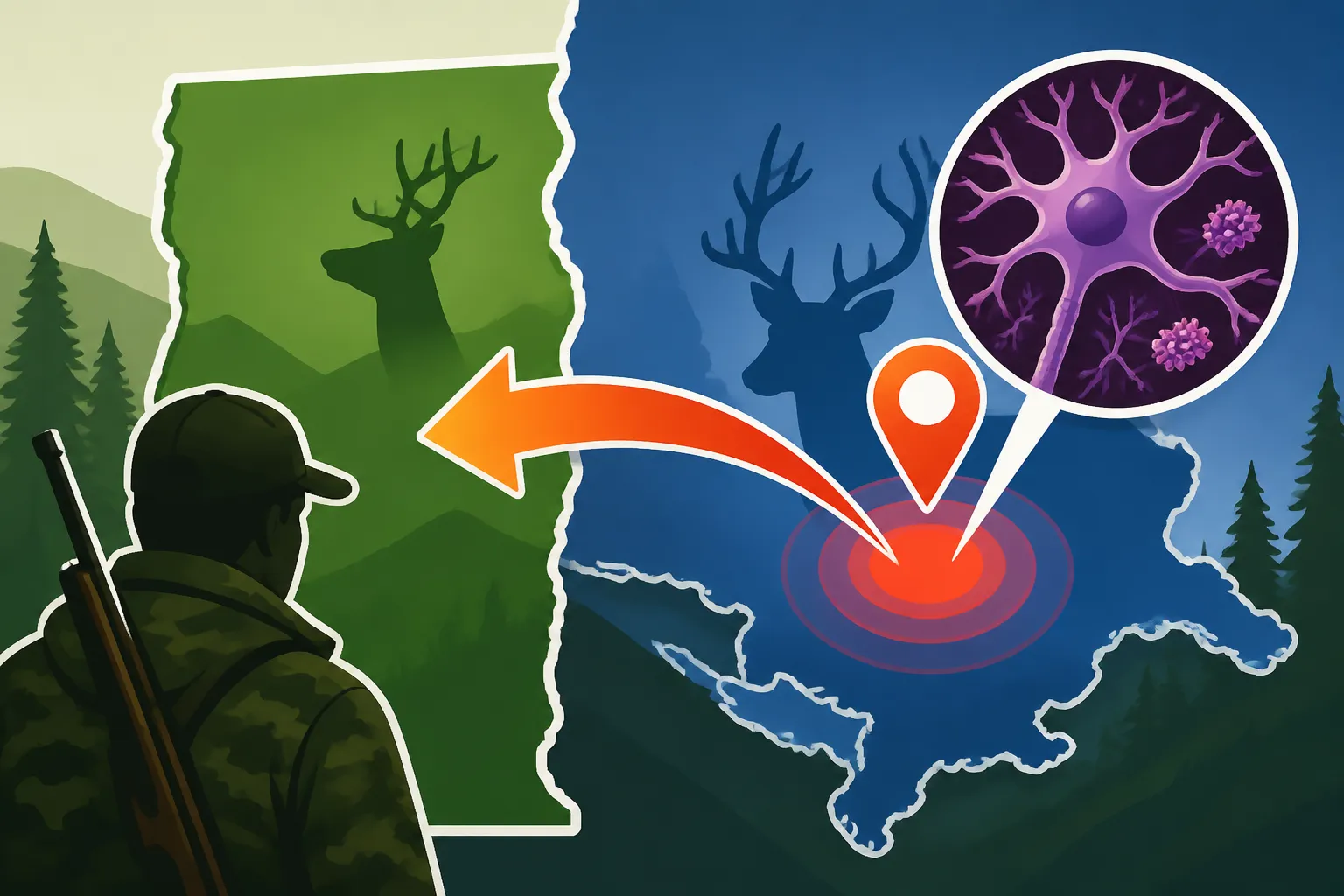
The news that CWD was confirmed just across the border in Quebec sent a ripple of unease through the Vermont hunting community. It brought the threat from a distant problem in other states to our very doorstep, making vigilance and understanding more critical than ever before.
Details of the Quebec Incident
The confirmed CWD case in Quebec occurred on a deer farm in the Laurentides region. While it wasn't a wild deer, the detection on a captive facility so close to Vermont's border was a wake-up call. Deer farms, unfortunately, can be vectors for disease transmission due to the concentration of animals and potential for contact with wild populations. The discovery immediately triggered intense surveillance and management actions by Quebec wildlife authorities, including depopulation of the herd and extensive testing of wild deer in the surrounding areas.
This incident, though contained to a captive herd, underscored the reality of how easily CWD could cross into wild populations. Deer, as we know, don't respect borders, and even a single escape from an infected facility could have dire consequences for our state. The mere fact that the disease was present in any form within such close proximity shifted the conversation in Vermont from "if" to "how do we prevent it." It highlighted the interconnectedness of wildlife populations and the need for cross-border communication and cooperation, even if that cooperation is primarily focused on prevention and rapid response.
Geographical Implications for Vermont
Vermont shares a significant border with Quebec, and much of that border is rural, forested, and frequently traversed by wildlife. This geographical reality means that if CWD were to escape into Quebec's wild deer population near the border, it wouldn't be long before infected animals could potentially wander into Vermont. Regions like the Northeast Kingdom, with its vast forested tracts and interconnected ecosystems, are particularly vulnerable. A deer moving a few miles south could inadvertently introduce the disease to our healthy herd.
The concern isn't just about deer migrating. Scavengers, like coyotes or birds, could potentially move contaminated carcass parts. Even human activities, such as disposing of an infected carcass improperly near the border, could inadvertently spread prions. This proximity means that every Vermonter, especially those who live or hunt near the Quebec border, must be acutely aware of the risk and committed to following all prevention guidelines. The implications extend far beyond a single farm; they threaten the ecological balance of our entire northern tier.
The Urgency of Border Protection
Given the confirmed case in Quebec, Vermont's commitment to border protection against CWD is paramount. Our state's wildlife agencies have been working tirelessly on Vermont's CWD Prevention Rules and surveillance strategies specifically with this threat in mind. It's not just about setting up metaphorical fences; it's about a multi-faceted approach that involves robust monitoring, public education, and strict regulations concerning the movement of deer carcasses and parts.
The urgency stems from the understanding that once CWD establishes itself in a wild herd, eradication becomes incredibly challenging, if not impossible. The best defense is a strong offense, meaning keeping it out of Vermont altogether. This means constant vigilance from hunters, landowners, and the public. Any suspicious animal sightings, particularly near the border, become critical pieces of information. It's a collective responsibility, and every hunter checking the latest regulations on resources like GoHunt plays a vital role in this protective effort.
Vermont's Proactive Defense Against CWD
Vermont takes the threat of CWD incredibly seriously, especially with the Quebec case so close. Our state's approach isn't reactive; it's a robust, multi-layered defense designed to protect our cherished White-Tailed Deer Across Vermont and other cervid populations. This proactive stance is essential for maintaining the health and vitality of our hunting traditions.
Vermont's CWD Surveillance Program
One of the cornerstones of Vermont's defense is its comprehensive Vermont's CWD Surveillance Program. For years, even before the Quebec incident, the state has been actively collecting samples from harvested deer and moose for CWD testing. This isn't just a random sampling; it's a targeted effort focusing on specific areas, especially those near the state's borders and areas of higher deer density, where the risk of introduction or detection might be greater. Hunters play an absolutely critical role in this program by cooperating with check station staff and providing samples when requested.
The surveillance program is a complex undertaking, involving biologists, veterinarians, and field staff. They're looking for any hint of the disease, analyzing brainstem and lymph node tissues for the tell-tale prions. The goal is early detection. If CWD were to enter Vermont, catching it quickly would give the state the best possible chance of containing and potentially eradicating it before it spreads widely throughout the wild herd. This ongoing monitoring is a testament to the state's dedication to wildlife health.
Proactive Monitoring Zones near the Border
While Vermont has not had a confirmed CWD case within its own borders—a fact we all hope to maintain—the proximity of the Quebec incident has certainly intensified monitoring efforts along our northern boundary. This isn't just about general surveillance; it's about establishing heightened vigilance in specific areas that are most at risk due to their geographical closeness to the Quebec deer farm. Think of these as our front-line defense zones, where wildlife agencies are especially focused on gathering data and educating local hunters.
In these crucial border regions, there's often an increased request for hunter cooperation in providing samples during hunting season. Hunters in counties like Franklin, Orleans, and Essex, for instance, might notice more communication about CWD, more visible check stations, or specific guidance for reporting suspicious deer behavior. It’s an inconvenience, perhaps, but one that is absolutely vital for the long-term health of our herd and for ensuring Why Vermont Has Stayed CWD-Free. Every sample from these zones helps confirm our CWD-free status and allows biologists to quickly react if any threat emerges.
Regulation and Hunter Responsibility
Vermont has enacted specific regulations aimed at preventing CWD from entering the state, and these rules place a significant responsibility on hunters. One of the primary concerns is the movement of deer and elk carcasses from CWD-positive states or provinces. Bringing an entire carcass across state lines is generally prohibited because bone, brain, and spinal cord material can harbor prions. Instead, only certain parts—like deboned meat, clean hides, antlers, and finished taxidermy mounts—are typically allowed.
These rules aren't meant to make hunting harder; they're a direct response to the way CWD prions persist in certain tissues. Compliance is not just a legal requirement but an ethical duty for every hunter who cares about the future of Vermont's deer population. Understanding and adhering to these regulations is a critical step in our collective defense. Ignorance isn't bliss when it comes to CWD; it could be detrimental.
Beyond the Border: CWD Prevention Rules for Vermont Hunters
Our commitment to keeping CWD out of Vermont goes beyond just monitoring what happens outside our borders. It involves specific rules and practices that every hunter needs to know and follow, even if you’re hunting hundreds of miles from Quebec. These rules are designed to eliminate any potential pathways for CWD to enter or spread within our state, putting the onus on us, the hunting community, to be responsible stewards.
Vermont's Rule Against Urine-Based Deer Lures
One of the more impactful CWD prevention rules for hunters in Vermont is the ban on natural, urine-based deer lures. For years, many of us relied on these products, believing they enhanced our chances in the woods. However, scientific research has shown that CWD prions can potentially be present in the urine of infected cervids, even those appearing healthy. Using these lures, therefore, poses a potential risk of introducing CWD into the environment where our wild deer feed and travel.
This regulation, outlined in detail on the state's Fish and Wildlife website and often highlighted by resources like GoHunt, is a direct measure to close a potential pathway for transmission. It means adapting our hunting strategies, perhaps relying more on scouting, subtle calling, or finding natural scrape lines. While it might have meant changing old habits for some, it's a small sacrifice when weighed against the devastating consequences of a CWD outbreak. Thankfully, synthetic alternatives are available, and many hunters have found success with them. You can learn more about Vermont's Rule Against Urine-Based Deer Lures to ensure you're in compliance.
Vermont's Carcass Import Restrictions
Perhaps one of the most critical regulations, especially for those who travel to hunt out of state, involves Vermont Carcass Import Restrictions. If you harvest a deer, elk, or moose in another state or province—particularly one where CWD is known to exist—there are strict limitations on what parts of the animal you can bring back into Vermont. The general rule of thumb is that only deboned meat, clean hides (without head attached), antlers, finished taxidermy mounts, and teeth are allowed.
The reason for these restrictions is simple: the brain, spinal cord, and other nerve tissues are where CWD prions are most concentrated. Bringing these parts into Vermont from an infected area creates a direct risk of contaminating our soil and waterways with prions, should those parts be improperly disposed of. This means if you're hunting in a CWD-positive state, you need to be prepared to process your animal fully before returning home. This might involve field butchering, using a local processor, or understanding exactly what constitutes a "clean" hide or antler. The goal is to ensure that no high-risk materials cross our borders. If you have questions about how to properly manage this, you can look up specific guidelines on Moving a Deer Carcass Into Vermont.
How Hunters Can Contribute to CWD Prevention
Beyond following regulations, every Vermont hunter can be an active participant in CWD prevention. The most important step is vigilance. If you see a deer exhibiting unusual symptoms—things like extreme weight loss, stumbling, drooling, or an abnormal lack of fear of humans—report it immediately to the Vermont Fish and Wildlife Department. These symptoms, while potentially indicative of other diseases, are also classic signs of advanced CWD. Early reporting can be crucial for rapid response and containment.
Furthermore, proper carcass disposal is paramount. Never simply dump a carcass or parts in the woods, especially if you've hunted out of state. If you process your deer at home, ensure all high-risk parts are properly disposed of in a landfill, where they are contained and don't pose a risk to wildlife. Staying informed by regularly checking the Vermont Fish and Wildlife website, supporting CWD research, and educating fellow hunters about the risks and regulations are all vital contributions. Our collective awareness and action are our strongest defense.
| CWD Key Information | Description | Hunter's Role |
|---|---|---|
| What it is | A fatal, neurological disease affecting cervids (deer, moose, elk) caused by abnormal prions. No cure or vaccine. | Understand symptoms, report suspicious animals, avoid consuming meat from infected animals. |
| How it Spreads | Through direct animal-to-animal contact or indirectly via environmental contamination (prions in saliva, urine, feces, carcass parts). | Adhere to carcass import rules, dispose of high-risk parts properly, avoid natural urine lures. |
| Symptoms | Chronic weight loss, drooling, stumbling, listlessness, behavioral changes, abnormal thirst/urination. | Report any cervid exhibiting these signs to wildlife officials immediately. |
| Vermont Status | CWD-free, but heightened concern due to a confirmed captive case in nearby Quebec. | Support Vermont's CWD Surveillance Program by providing samples when requested, especially near border regions. |
| Prevention Rules | Ban on natural urine lures, strict carcass import restrictions from CWD-positive areas. | Know and follow all state regulations, educate other hunters, use synthetic lures instead. |
Looking Ahead: Maintaining a Healthy Vermont Deer Herd
The ongoing threat of CWD, especially with its proximity in Quebec, means that our work to protect Vermont's deer herd is never truly done. It's a continuous effort that requires vigilance, adaptability, and the unwavering commitment of the entire hunting community. Our aim is to ensure that future generations can enjoy the same healthy wildlife populations and hunting opportunities we do today.
Ongoing Monitoring and Research
The Vermont Fish and Wildlife Department, in collaboration with national wildlife health organizations, continuously engages in Vermont Deer and Moose Disease Monitoring. This isn't just about CWD; it's a holistic approach to understanding and managing all potential threats to our cervid populations. This includes studying other diseases, monitoring population health indicators, and staying up-to-date on the latest scientific research regarding CWD transmission, detection, and management strategies. As new information emerges, our state's strategies will adapt.
This ongoing research is crucial because CWD is still being studied, and our understanding of its nuances continues to evolve. What we know today about prion persistence or specific transmission routes might be refined tomorrow. Therefore, Vermont's wildlife managers must remain flexible and responsive, integrating the latest scientific findings into our state's protection plans. This adaptive management approach is our best bet against an ever-evolving threat.
The Role of Hunter Education and Awareness
Education is one of our most powerful tools in the fight against CWD. Hunters are often the first line of defense, spending countless hours in the woods, observing wildlife up close. An informed hunter knows what to look for, understands the regulations, and can make responsible decisions that protect the herd. That's why resources detailing Vermont Hunter Education Requirements and ongoing awareness campaigns are so vital. They empower us to be part of the solution.
Programs and communications from the Vermont Fish and Wildlife Department, often supplemented by online resources and hunting platforms like GoHunt, aim to keep hunters abreast of the latest CWD updates, prevention strategies, and how they can best contribute. This continuous flow of information helps reinforce the message of responsible stewardship and ensures that even new hunters understand the gravity of the CWD threat. It's about building a community of informed, proactive conservationists.
Partnerships for Wildlife Health
Protecting Vermont's wildlife from CWD isn't a task for any single agency or group alone. It requires strong partnerships at multiple levels. This includes collaboration between the Vermont Fish and Wildlife Department and federal agencies, other state wildlife departments, and neighboring Canadian provinces like Quebec. Sharing information, coordinating surveillance efforts, and harmonizing regulations where possible are all essential for a united front against this disease.
Furthermore, partnerships with hunting organizations, conservation groups, and even local landowners are critical. These groups help disseminate information, advocate for robust prevention measures, and provide valuable on-the-ground support for surveillance efforts. By working together, leveraging diverse expertise and resources, Vermont can build a stronger, more resilient defense against CWD and ensure the long-term health of its incredible wildlife legacy.
Disclaimer
This article is for general informational purposes only and does not constitute professional advice. Laws, prices and regulations vary by location and change over time. Consult a qualified professional for guidance on your specific situation.